At the Musée du Quai Branly, Paris, for a fascinating exhibition entitled ‘Songlines. Tracking the Seven Sisters’. Aboriginal Australians’ understanding of the world and its creation is referred to as The Dreaming, which involves the passing on of beliefs via stories and songs known as Songlines. These Songlines enable trails through the country to be remembered by future generations.
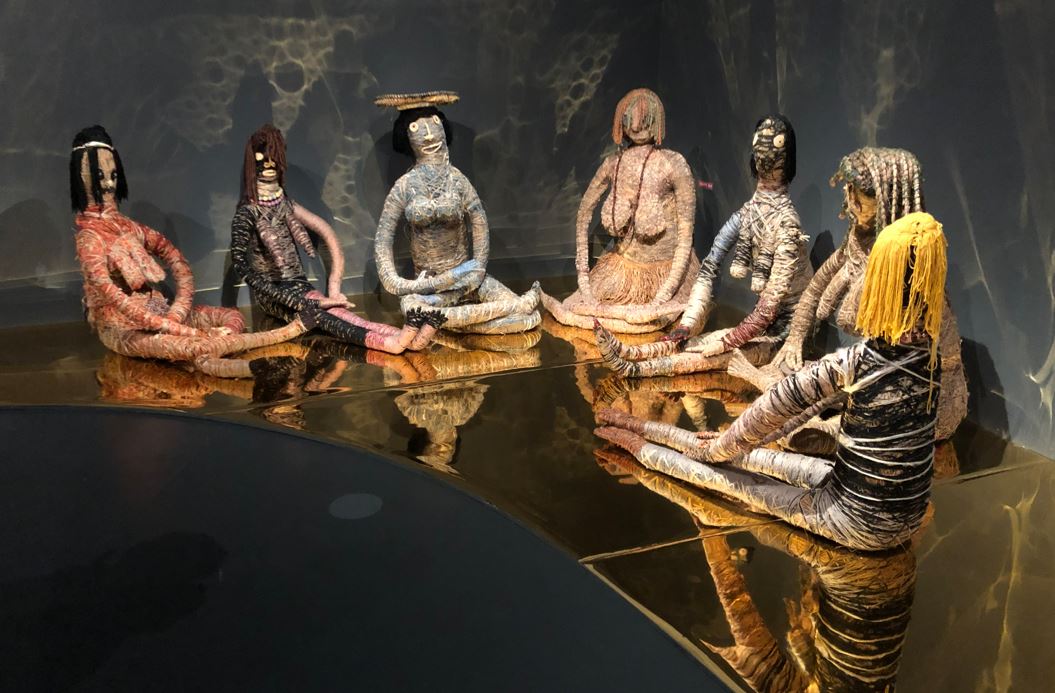
This exhibition tells of a trail known as the Seven Sisters. In the story the seven sisters (Minyipuru) travel across the land in an effort to flee from their pursuer, known as Yurla. The works in the exhibition tell the story of their journey through Martu Country in central Western Australia. The vibrant acrylic paintings are representations of the creation stories linking places on the journey. The woven sculptures of the Seven Sisters Tree Women (Minyma Puna Kungkarangkalpa), made from grass, raffia and fencing wire, represent the sisters after they have learned to disguise themselves to preserve their safety.
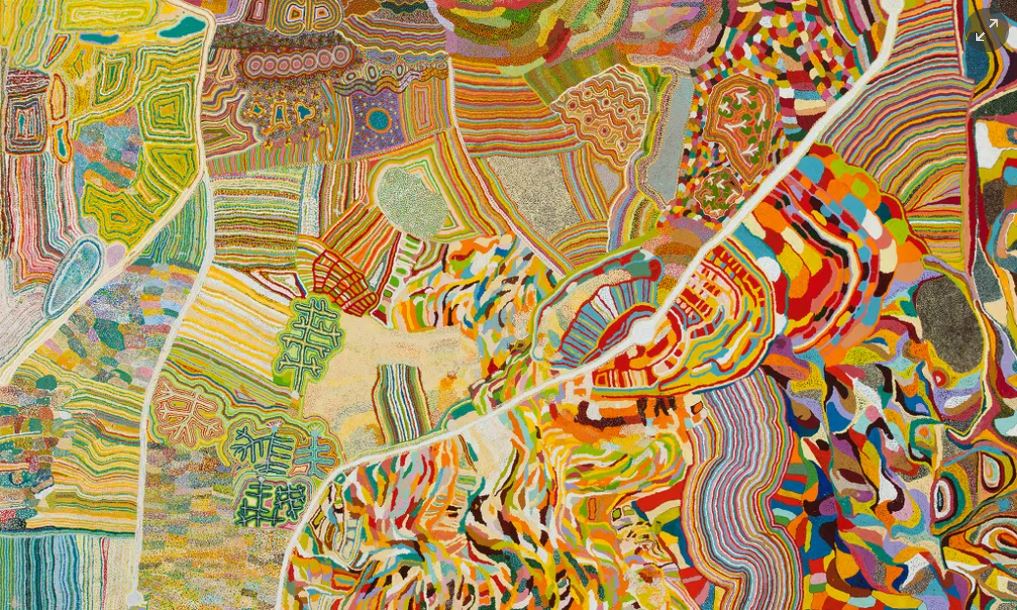
Kumpaya Girgirba, Ngamaru Bidu, Thelma Judson, Reena Rogers, Yuwali Janice Nixon, Karnu Nancy Taylor and Ngalangka Nola Taylor ‘Hunting Ground, Parnngurr Area’ (2014)

Betty Laidlaw and Nyumitja Laidlaw ‘Tjukurrpa Kungkarrangkalpa’ (1994)
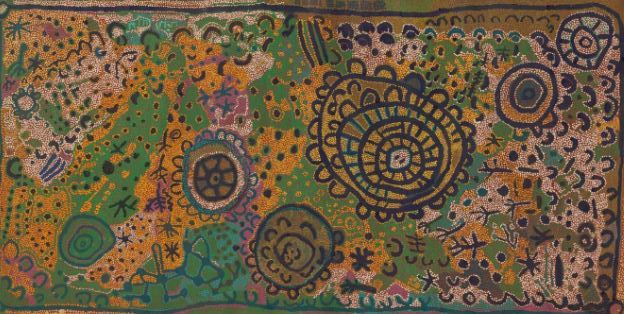
Tjapartji Kanytjuri Bates ‘Tjukurrpa Kungkarrangkalpa’ (1995)
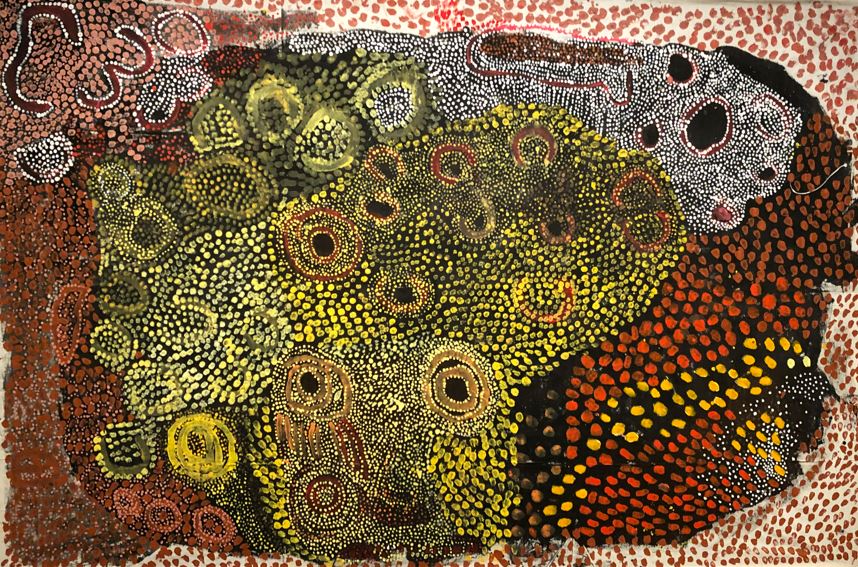
Carol Maanyatja Golding ‘Wanarn’ (2004)
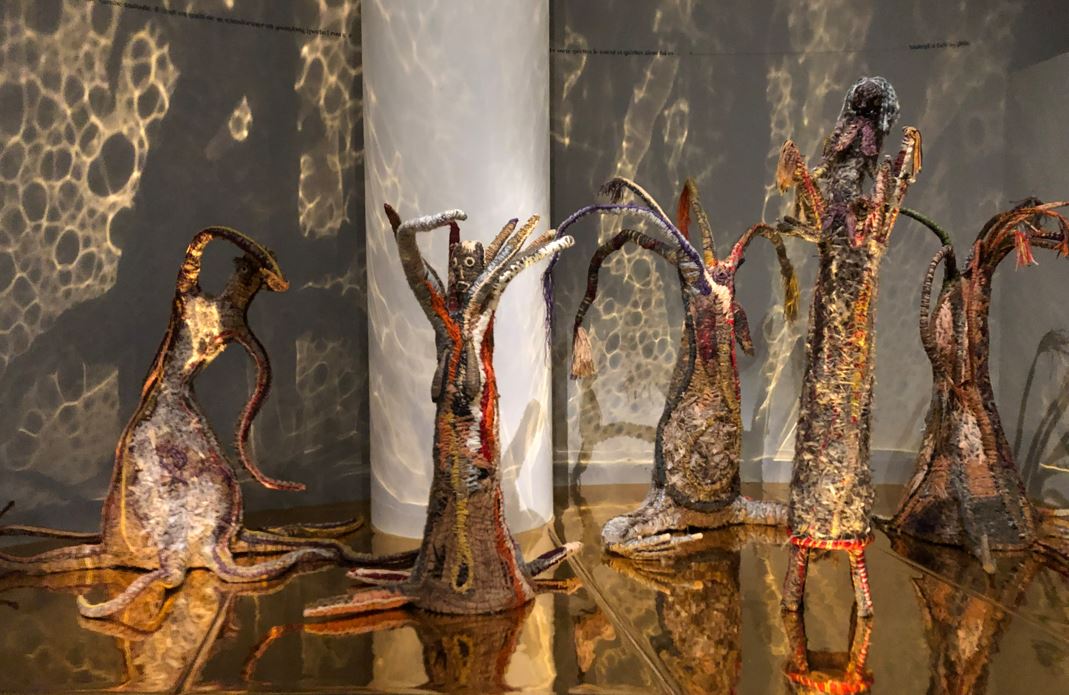
Ilawanti Ungkutjuru Ken and associates ‘Seven Sisters Tree Women’ (2013)
It is particularly enjoyable to spend time looking around the Quai Branly permanent collection and I am always drawn towards the Oceanic collection which has some spectacular exhibits.
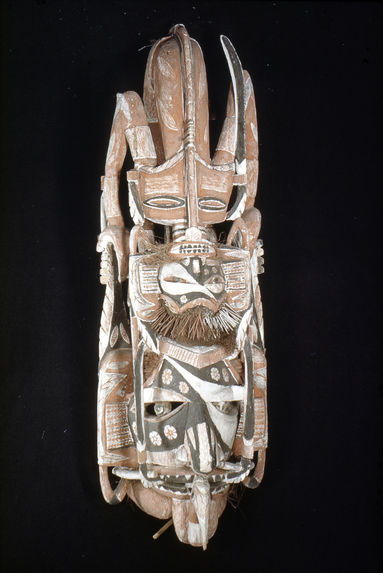
Funerary Mask (New Ireland, early 20th century)
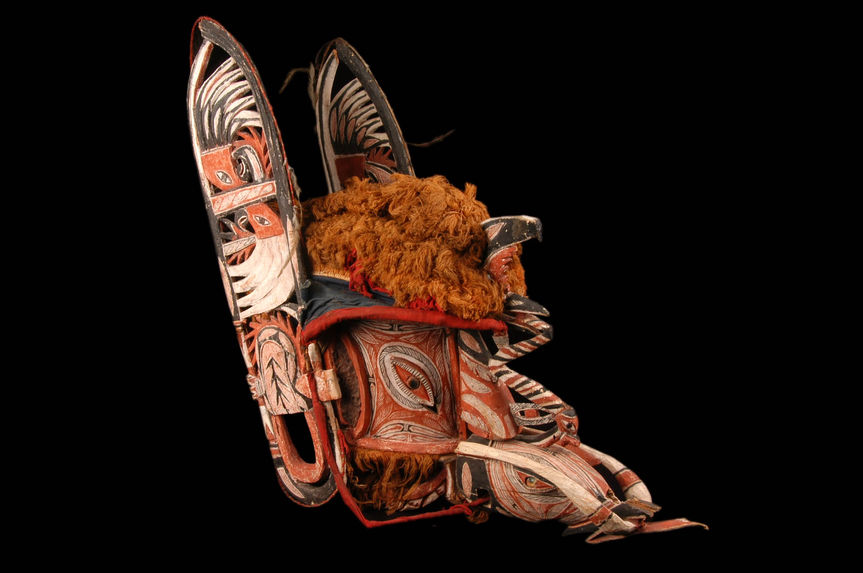
Malagan mask (New Ireland, end 19th century)
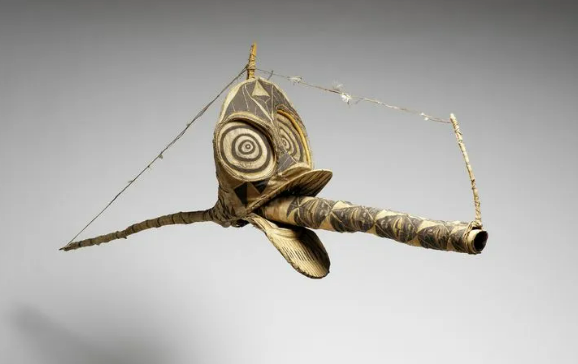
‘Vungvung mask’ (New Britain, late 19th century)
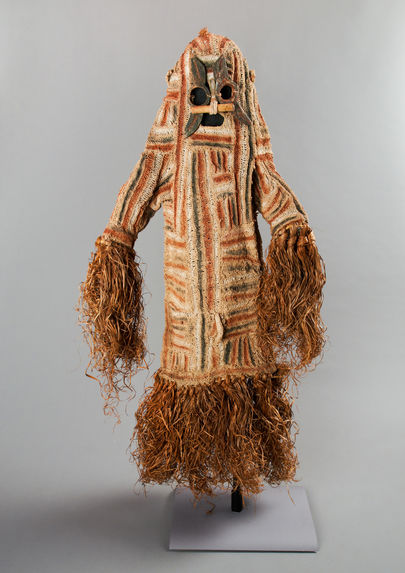
Asmat mask costume (1990s)
 The Diary of One Who Disappeared