At the Hôtel de Caumont, Aix-en-Provence, for the exhibition ‘Max Ernst. Mondes magiques, mondes libérés’, a survey of the career of the German-born artist who was associated with both the Dada group and Surrealism.
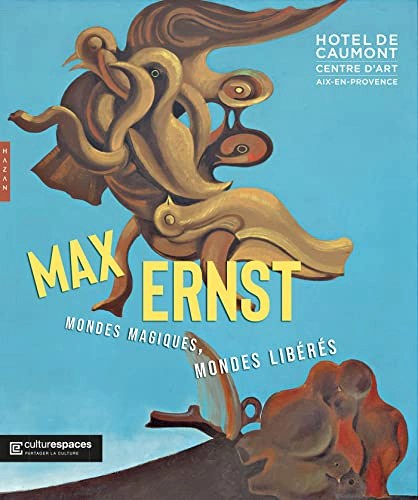
The exhibition presents 120 works that retrace the career of this ingenious artist who distanced himself from any group style to pursue his own techniques, which included collage, frottage (pencil rubbings of relief surfaces and textured objects), grattage (scratching fresh paint with a sharp blade) and decalcomania (transferring paint from one surface to another by pressing the two surfaces together).
Born in Brühl, Germany, in 1891, Ernst began painting in 1909, however his studies were interrupted by World War I, in which he served on both the eastern and western fronts. He moved to Paris in 1922 and two years later became a founding member of the Surrealist movement. At the outbreak of World War II, Ernst moved to the United States, where he joined his third wife, the collector and gallery owner Peggy Guggenheim. However, the marriage did not last and in 1946 he married American Surrealist painter Dorothea Tanning. He returned to France in 1953. Ernst died at the age of 84 on 1 April 1976 in Paris.

Max Ernst ‘Oedipus Rex’ (1922)
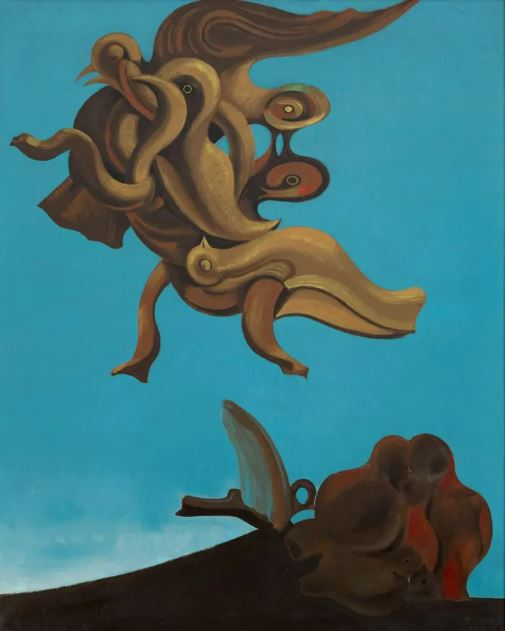
Max Ernst ‘Monument aux oiseaux’ (1927)
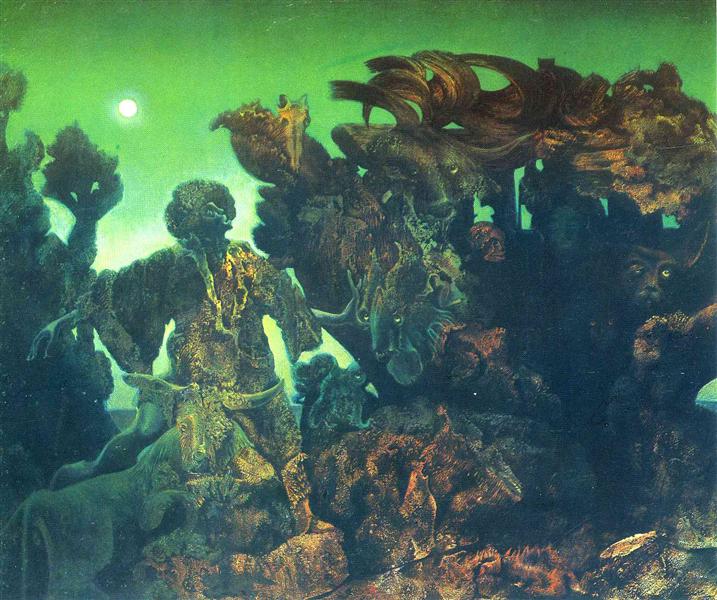
Max Ernst ‘Epiphanie’ (1940)
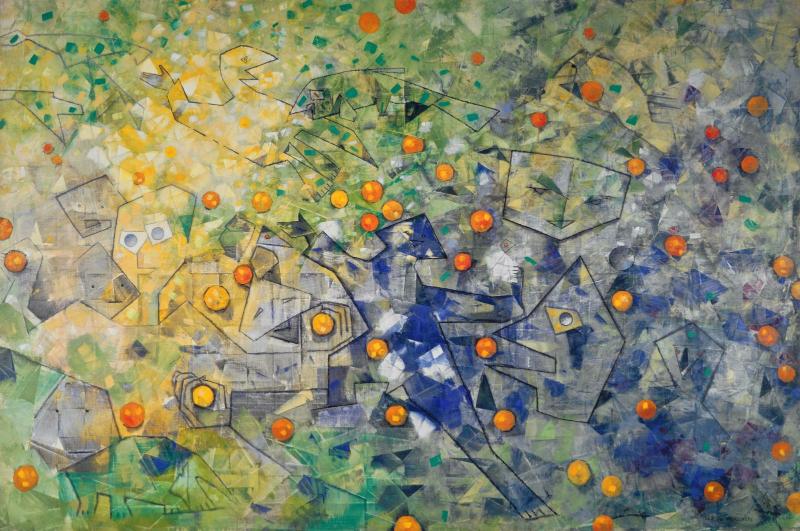
Max Ernst ‘Un tissu de mensonges’ (1959)
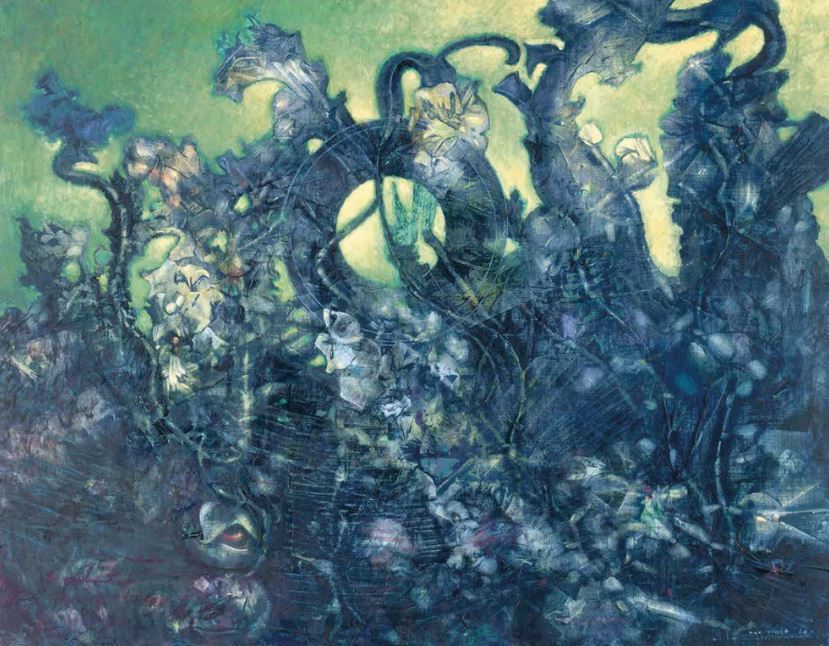
Max Ernst ‘La dernière forêt’ (1960 – 70)
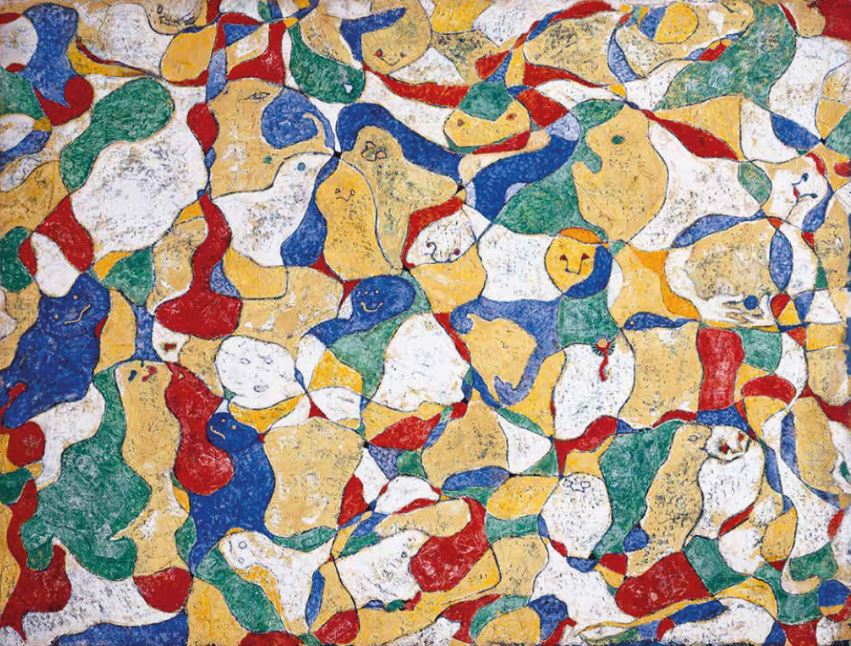
Max Ernst ‘La fête a Séillans’ (1964)
 The Diary of One Who Disappeared