Károly Ferenczy (1862–1917) is little known outside Hungary but in his homeland he occupies a central place in the history of Hungarian modernism. He first trained in Munich and later at the Académie Julian in Paris. Whilst in Paris Ferenczy absorbed influences from Naturalism, Impressionism, Symbolism, and Post-Impressionism, yet never belonged entirely to any single movement.
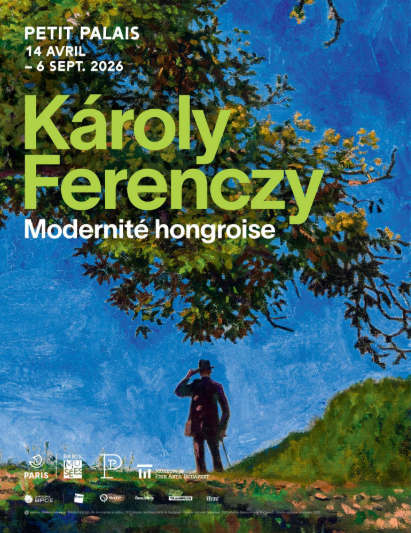
He was a founding figure of the artists’ colony at Nagybánya in Hungary (today Baia Mare, Romania), which helped shape a distinctly modern Hungarian school of painting. There he championed plein-air painting and encouraged other artists to work directly from nature. As well as his landscapes, Ferenczy also explored family portraits, biblical scenes and nudes.
The current exhibition, organized in collaboration with the Museum of Fine Arts in Budapest and the Hungarian National Gallery, displays around 140 paintings, and offers a comprehensive survey of Ferenczy’s career.
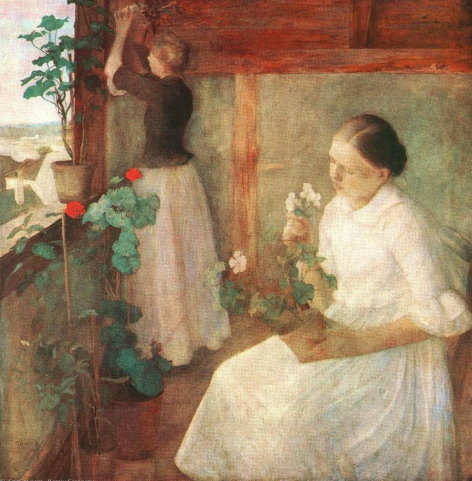
Károly Ferenczy ‘Young Women attending to Flowers’ (1889)
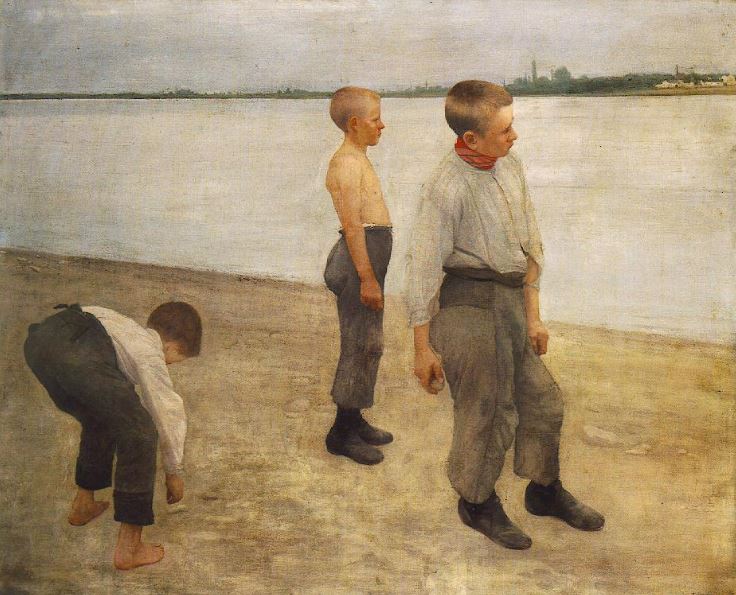
Károly Ferenczy ‘Young Boys throwing Pebbles’ (1890)
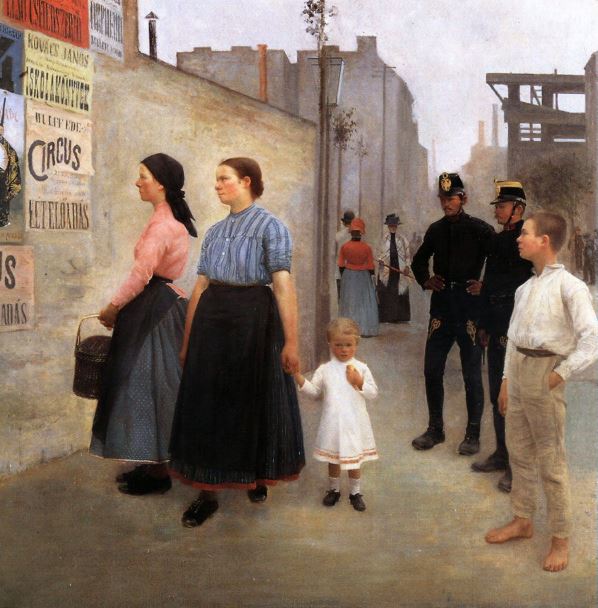
Károly Ferenczy ‘Before the Posters’ (1891)
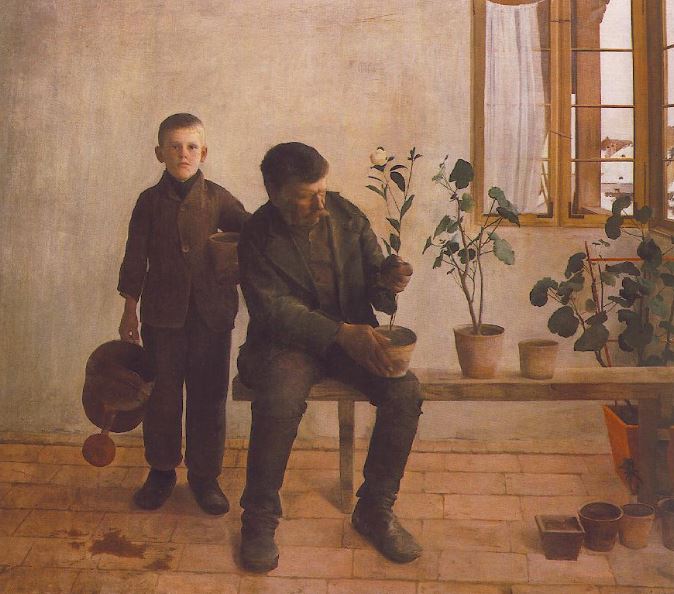
Károly Ferenczy ‘Gardeners’ (1891)
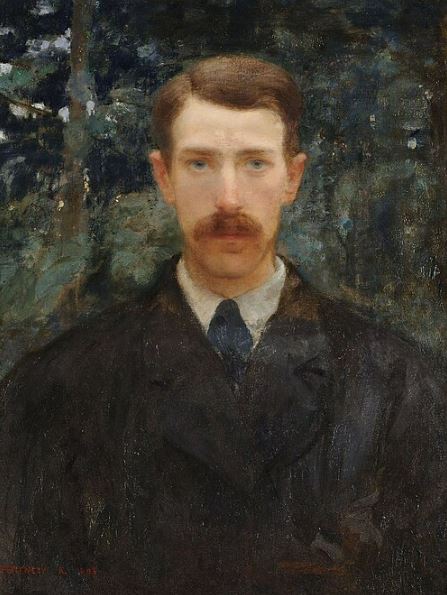
Károly Ferenczy ‘Self-Portrait’ (1893)
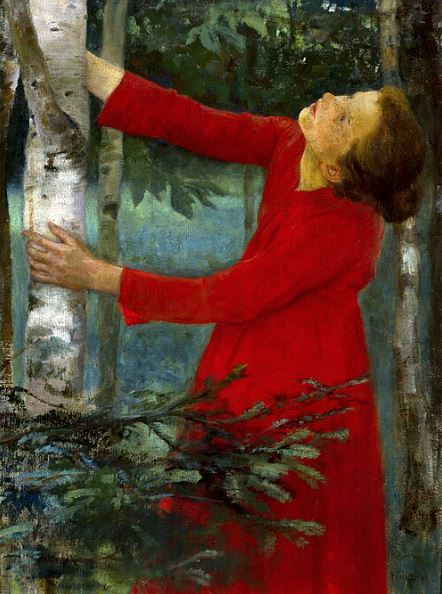
Károly Ferenczy ‘Birdsong’ (1893)
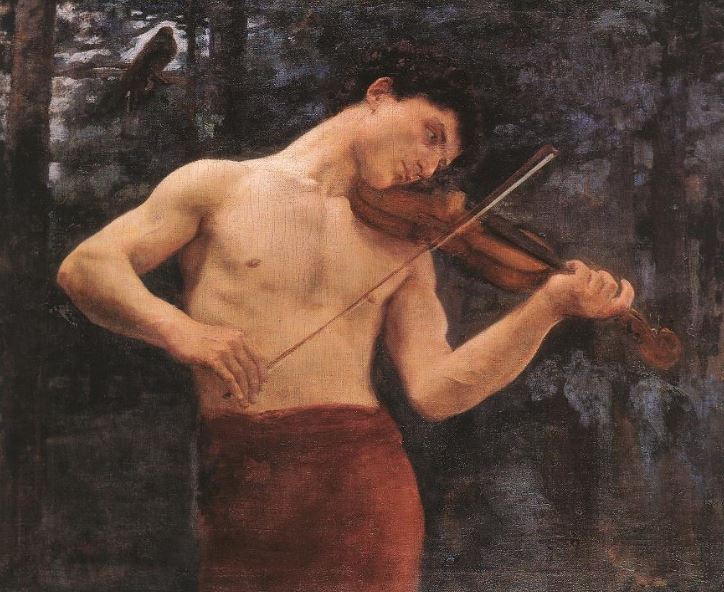
Károly Ferenczy ‘Orpheus’ (1894)
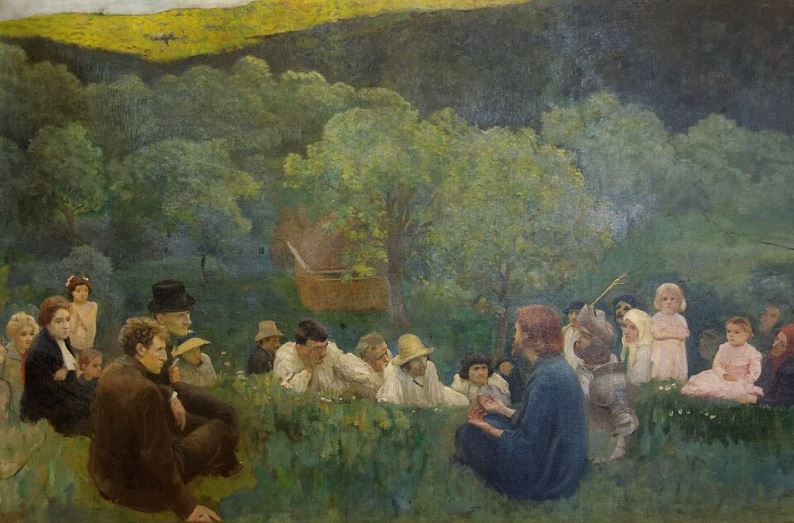
Károly Ferenczy ‘Sermon on the Mount’ (1896)
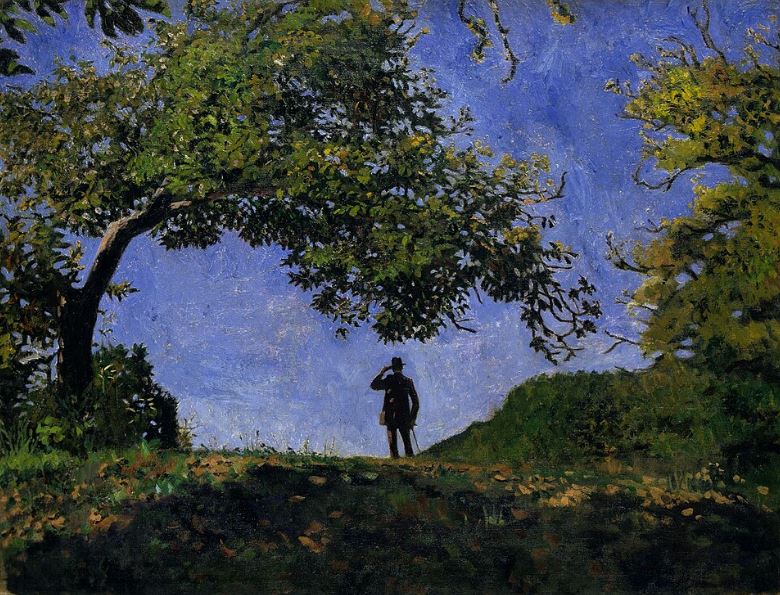
Károly Ferenczy ‘Top of the Hill’ (1901)
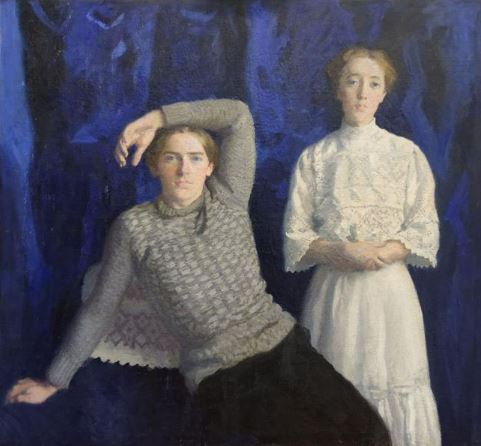
Károly Ferenczy ‘Double Portrait (Noémi and Béni)’ (1908)
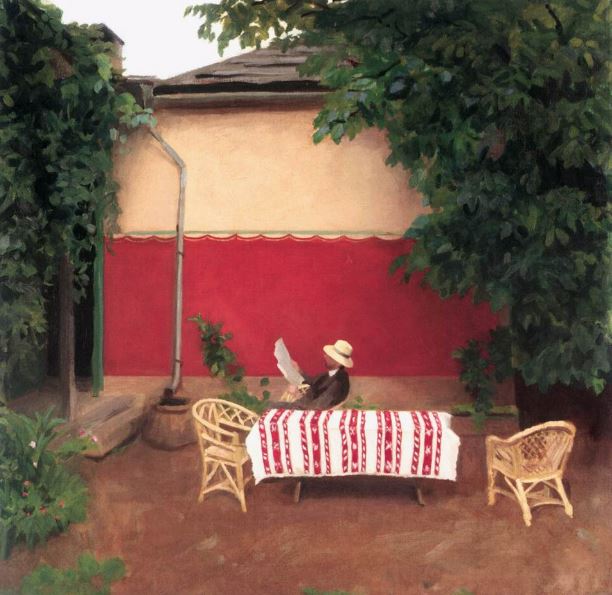
Károly Ferenczy ‘The Red Wall’ (1910)
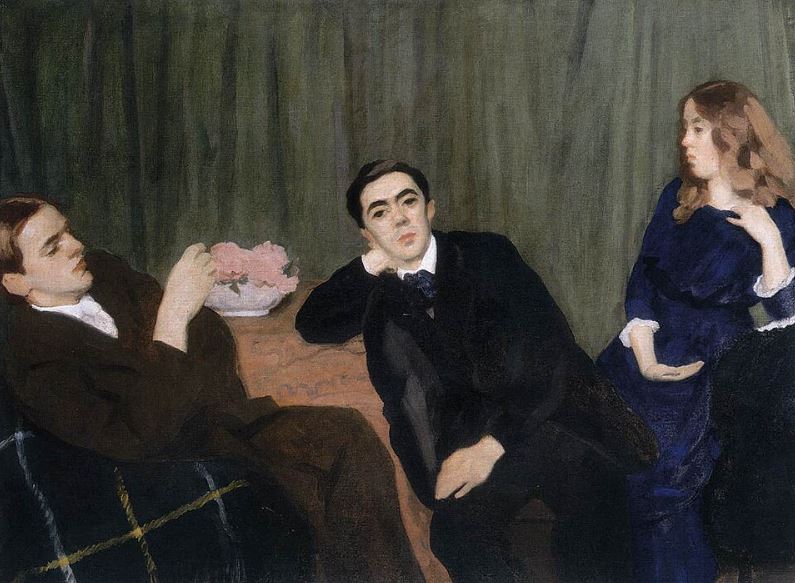
Károly Ferenczy ‘Triple Portrait (The Artist’s Children)’ (1911)
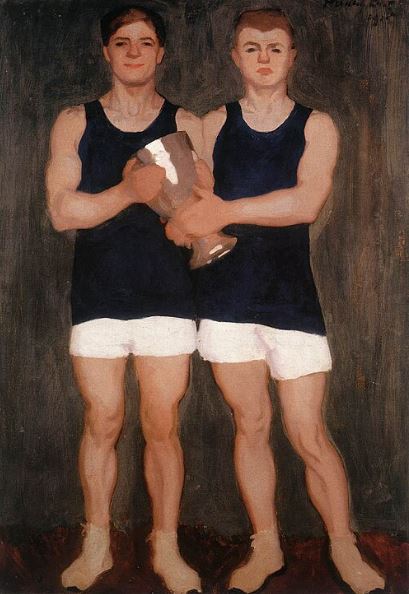
Károly Ferenczy ‘Athletes’ (1915)

