At the Louvre for the exhibition ‘Martin Schongauer. Le bel immortel’. Martin Schongauer, who was born in Colmar around 1445, was one of the most successful Germanic artists of the fifteenth century. Although he is not as well known today as some of his contemporaries such as Albrecht Durer he was extremely influential during his lifetime; in fact, it was Durer who nicknamed him ‘Beautiful Martin’.
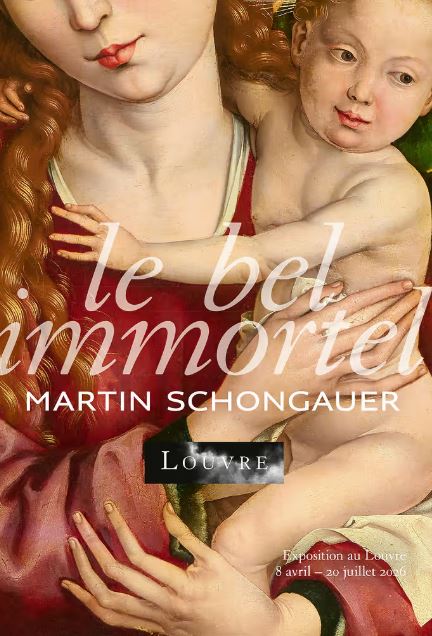
This is the first exhibition to assemble nearly the entire surviving body of Schongauer’s paintings alongside a major selection of his drawings and engravings. It is organized into two major sections. The first retraces the artist’s life, his training and his achievements as both painter and engraver. The second section looks at his extraordinary influence on European artists from the fifteenth to the seventeenth centuries. When Michelangelo was 12 or 13 he made a copy of Schongauer’s ‘The Torment of Saint Anthony’ (c.1469 – 73), an engraving so full of fantastical demonic beasts that it also had an impression on Hieronymus Bosch. Schongauer also had his own influences of course, one of which was Rogier van der Weyden, one of my favourite artists, and it was a treat to see his ‘Braque Family Triptych’ at the exhibition.
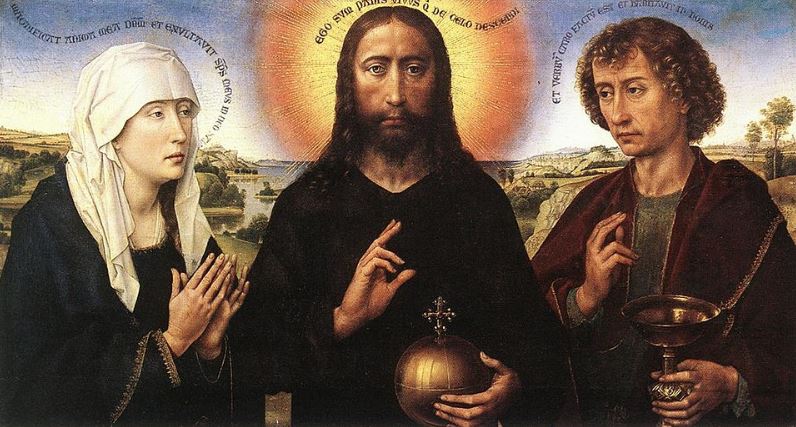
Rogier van der Weyden ‘Braque Family Triptych’ (central panel, c.1450)
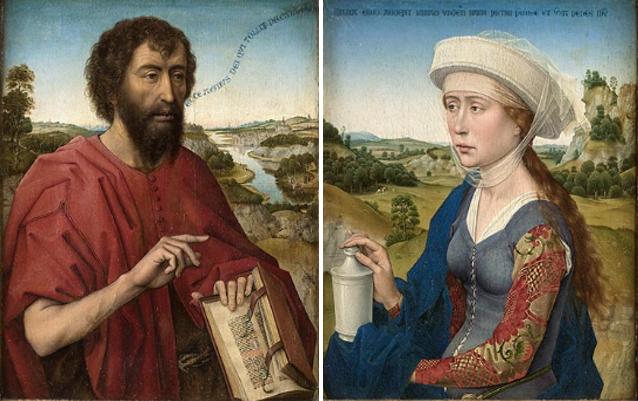
Rogier van der Weyden ‘Braque Family Triptych’ (side panels, c.1450)
In 1490, when Albrecht Dürer, was 19, he finished his apprenticeship and set off from his native Nuremberg on his Wanderjahre (wandering years). In 1492 he reached Colmar where he hoped to meet Martin Schongauer. But whilst he was warmly received by three of Martin’s brothers, they had to inform him that the artist had died the year before in Breisach am Rhein, where he had been working on murals in Saint Stephansmünster church.
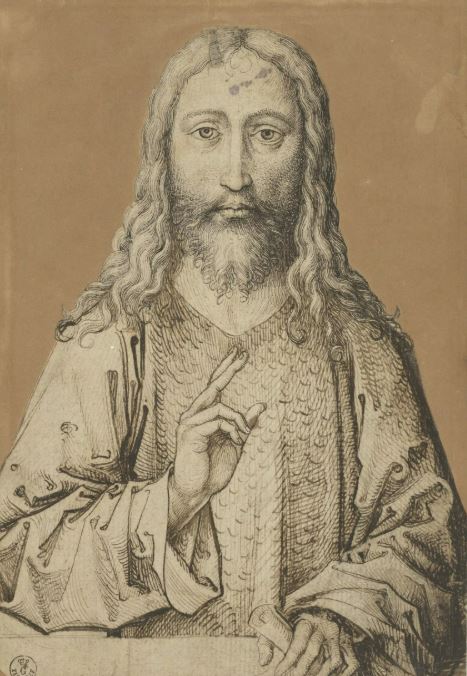
Martin Schongauer ‘Christ Blessing’ (c.1470)
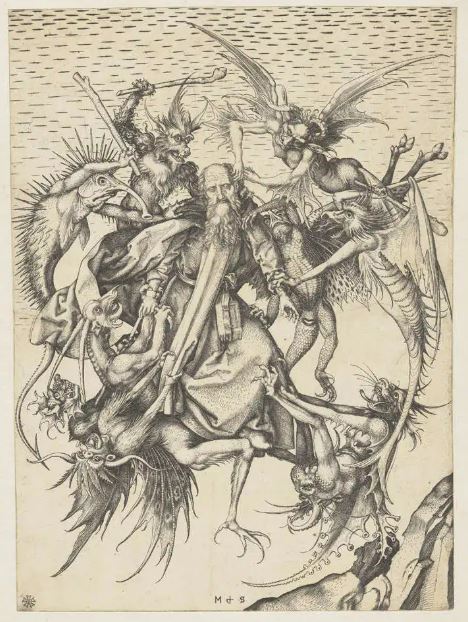
Martin Schongauer ‘Saint Anthony tormented by Demons’ (1470 – 75)
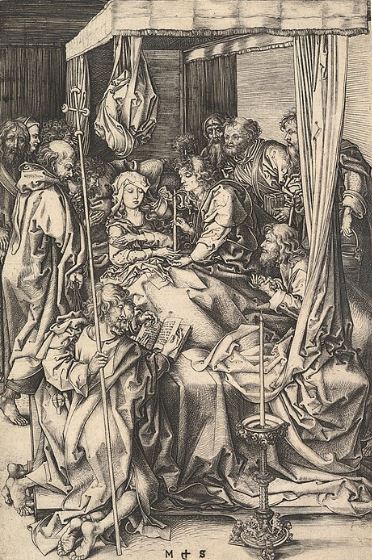
Martin Scongauer ‘The Death of the Virgin’ (1470 – 75)
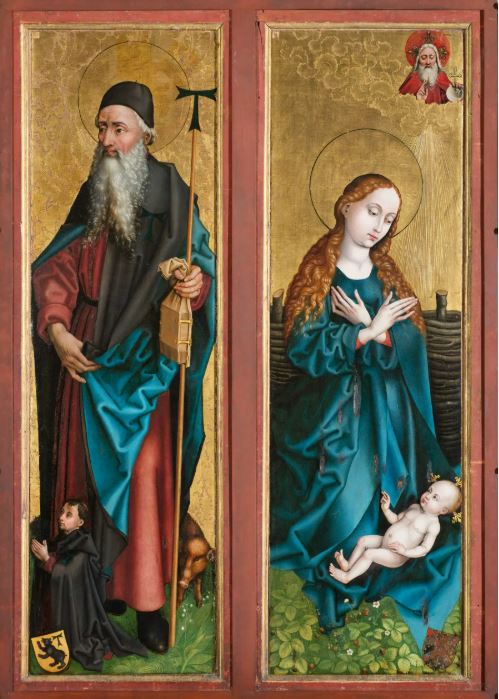
Martin Schongauer ‘Orlier Altarpiece’ open (c.1472)
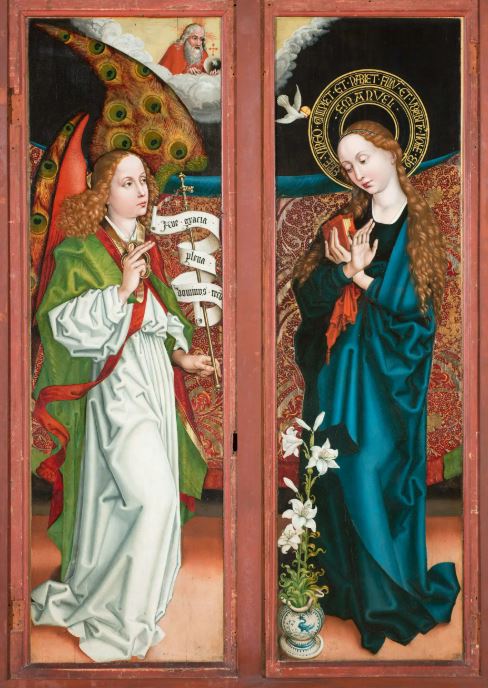
Martin Schongauer ‘Orlier Altarpiece’ closed (c.1472)
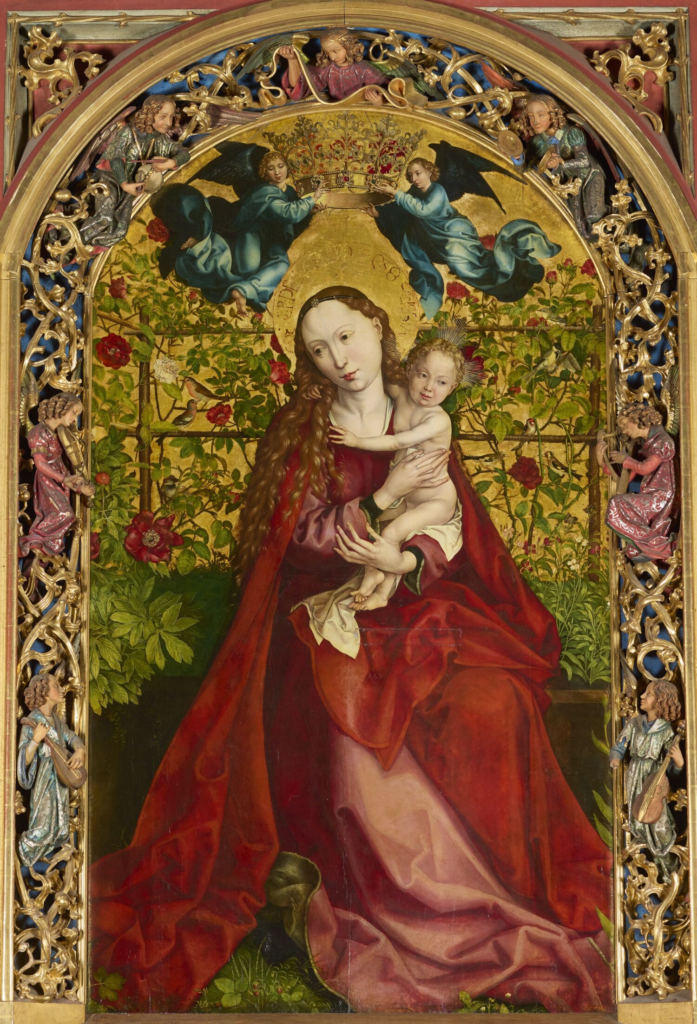
Martin Schongauer ‘Madonna of the Rose Bower’ (1473)
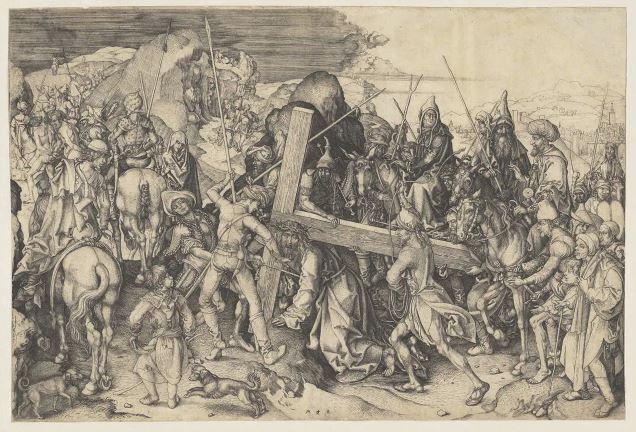
Martin Scongauer ‘The Great Procession of the Cross’ (c.1479)
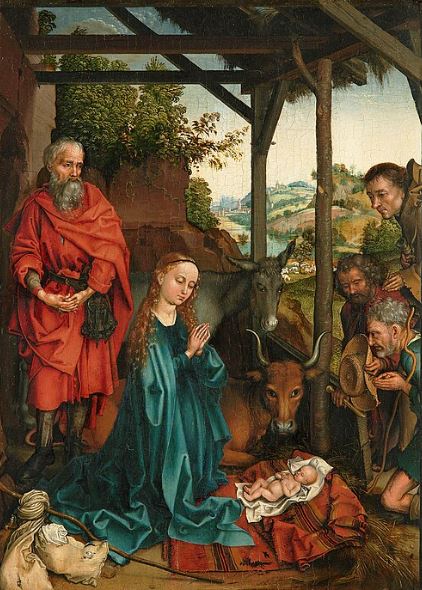
Martin Scongauer ‘The Nativity with the Adoration of the Shepherds’ (c.1480)
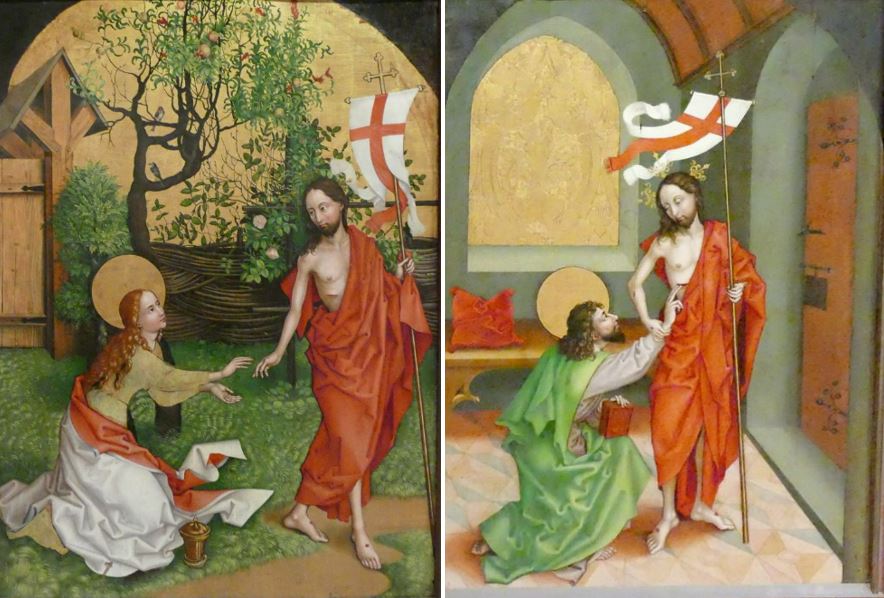
Martin Schongauer ‘Noli mi tangere’ (1480)
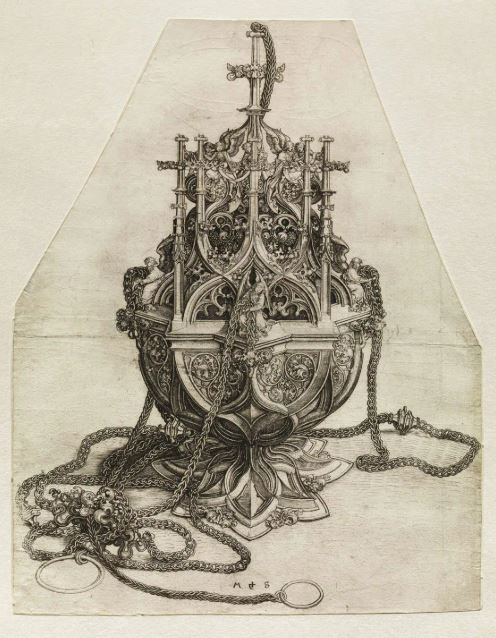
Martin Schongauer ‘The Thurible’ (c.1485)
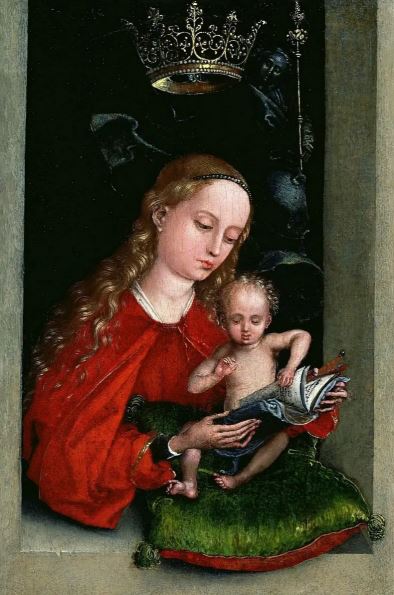
Martin Schongauer ‘Madonna and Child in the Window’ (c.1485 – 90)

