The Vézère valley, in the Dordogne department of south-west France, has evidence of continuous human occupation for 450,000 years. It contains 147 prehistoric locations dating from the Palaeolithic Age, including 25 caves with wall paintings. Whilst the most famous is Lascaux, there are numerous other sites of importance, fourteen of which are designated as UNESCO World Heritage Sites.
Lascaux IV
Lascaux, discovered by four teenagers looking for their dog in September 1940, is a complex cave system with several galleries. The original caves were closed to the public in 1963 and seventeen years were then spent building a replica known as Lascaux II. In 2017 I visited Lascaux II, which depicts part of the original structure, but Lascaux IV is a replica of the whole cave system in a modern complex which uses technology to explain the paintings and their history, with augmented reality and interactive projections.

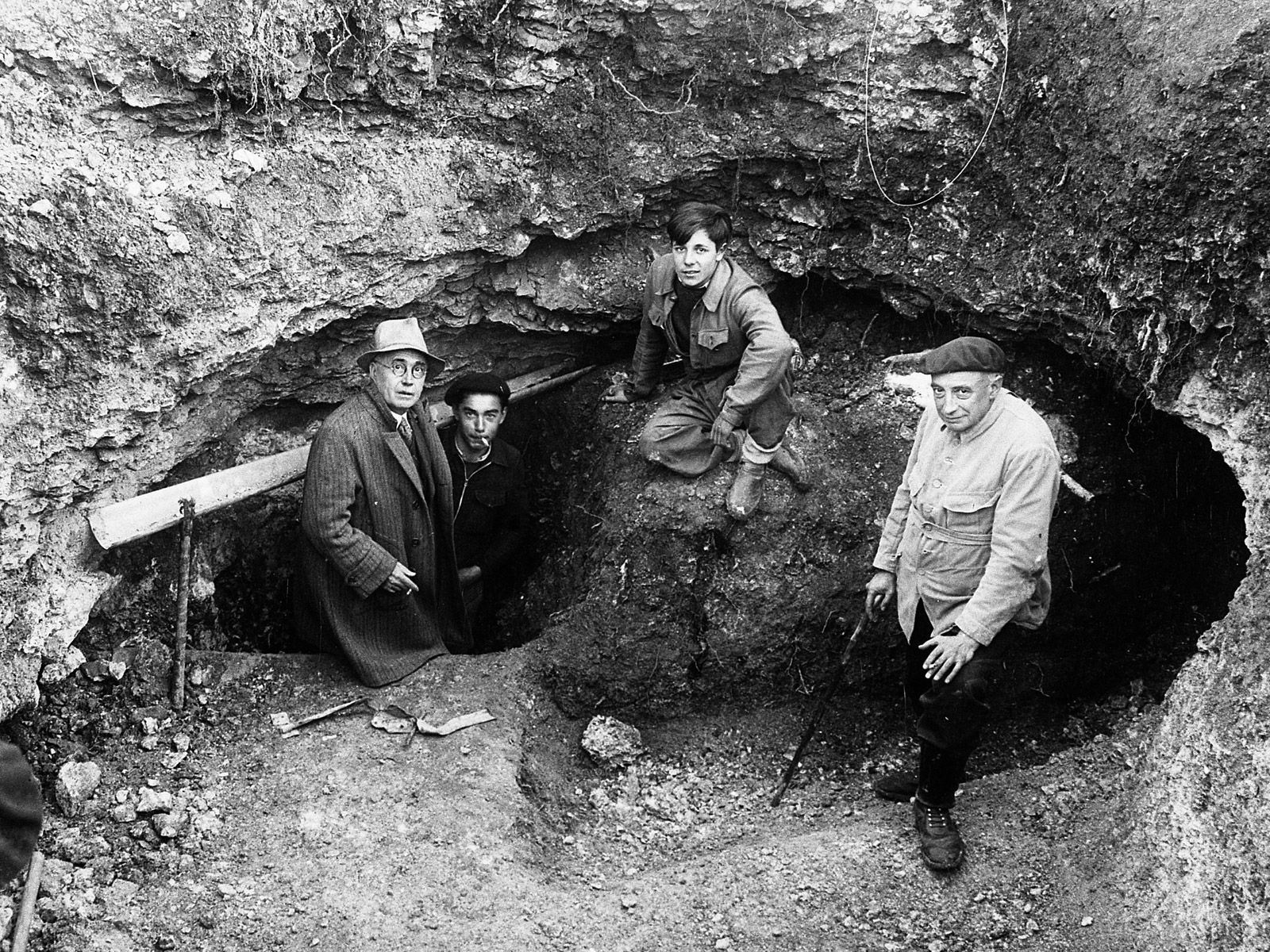
Entrance to the cave, 1940
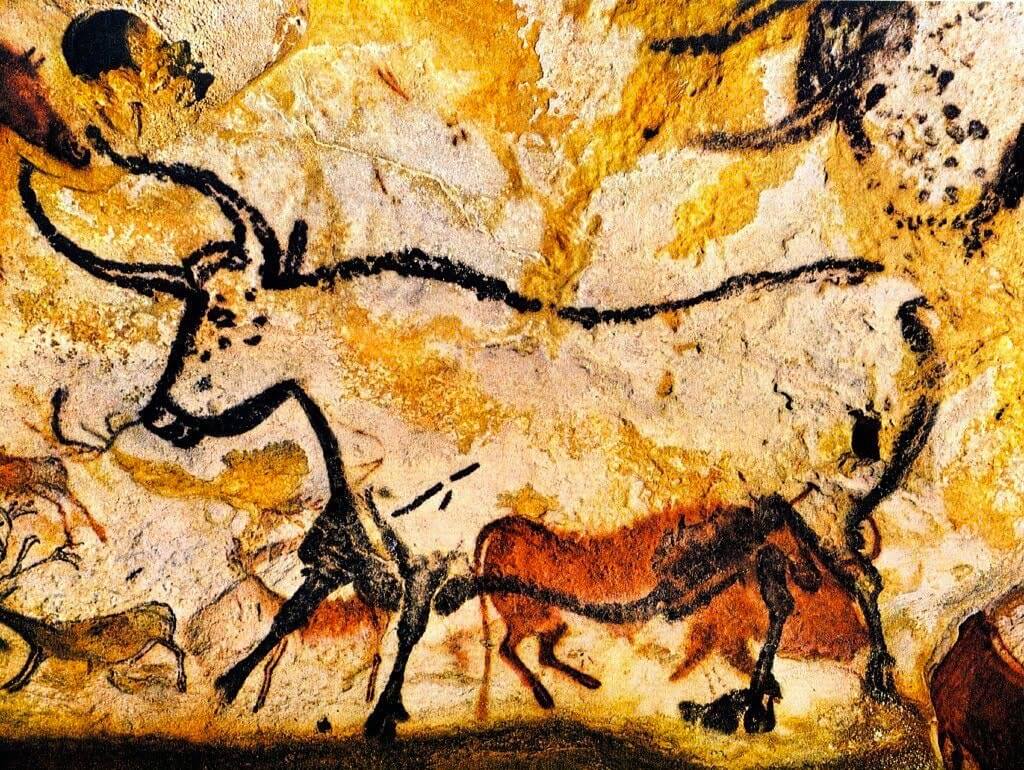
Giant bull, Hall of the Bulls, Lascaux
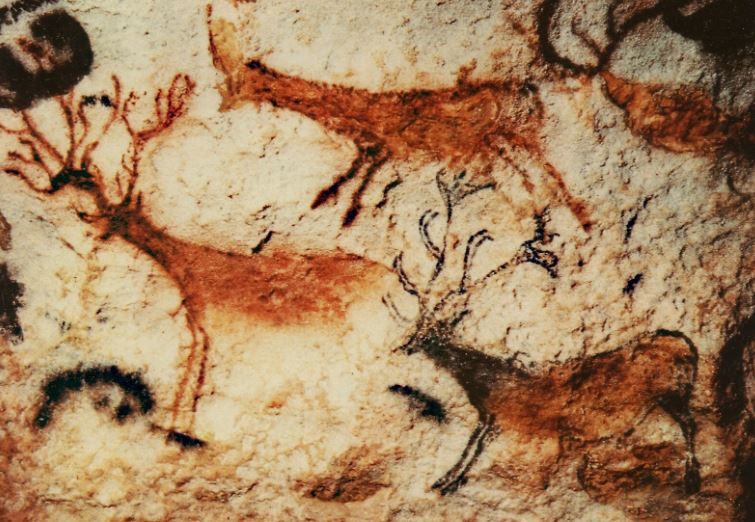
Frieze of the small stags, Hall of the Bulls, Lascaux
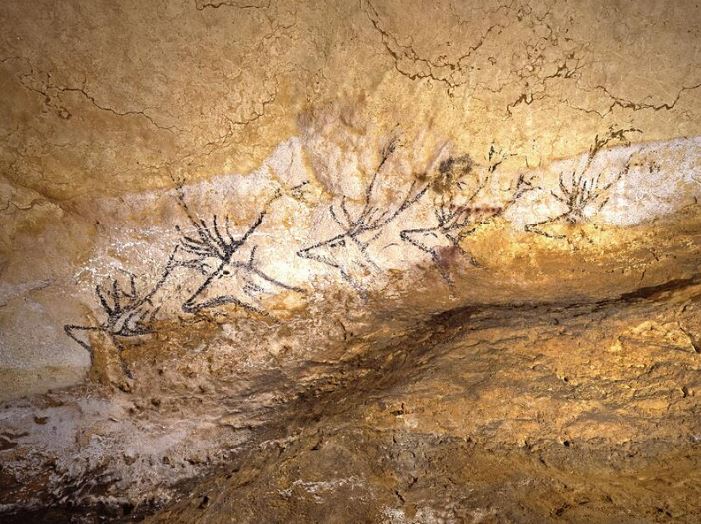
Swimming stags, The Nave, Lascaux
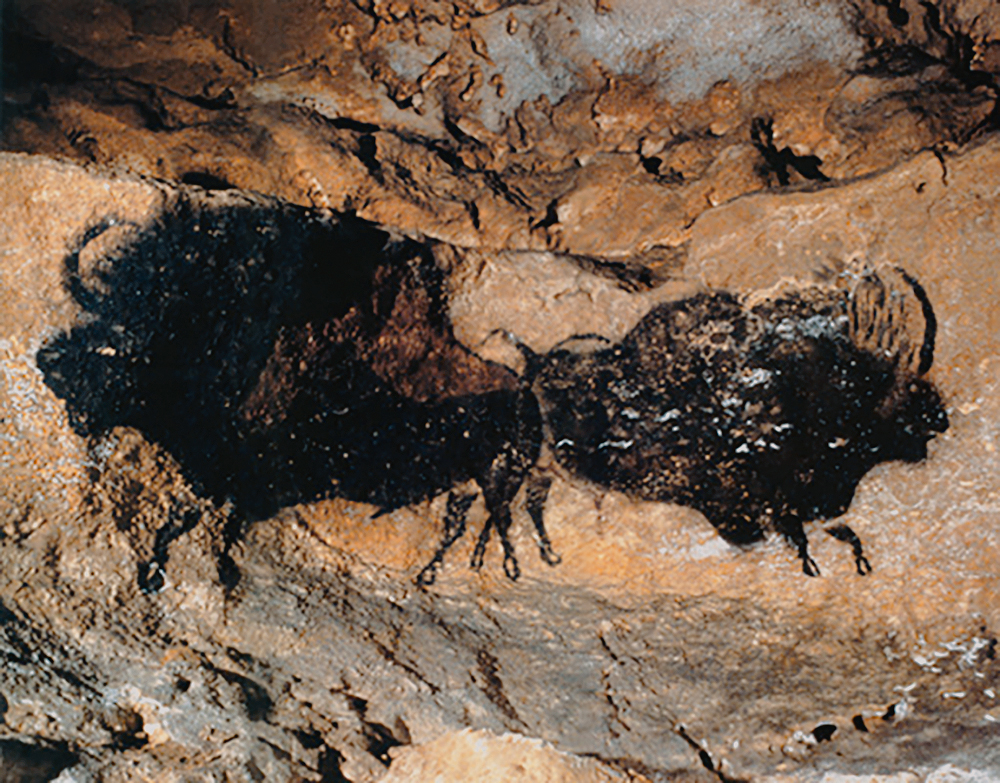
Crossed Bison, The Nave, Lascaux (showing some evidence of perspective)
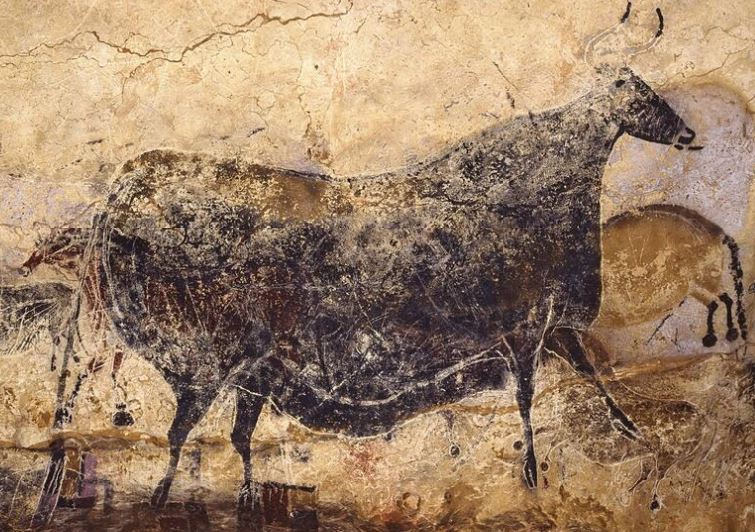
Black Aurochs, The Nave, Lascaux
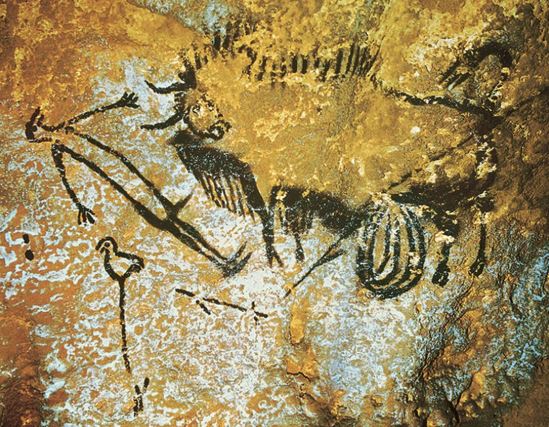
Man (with bird head?), bird and (disembowelled?) bison, The Shaft, Lascaux
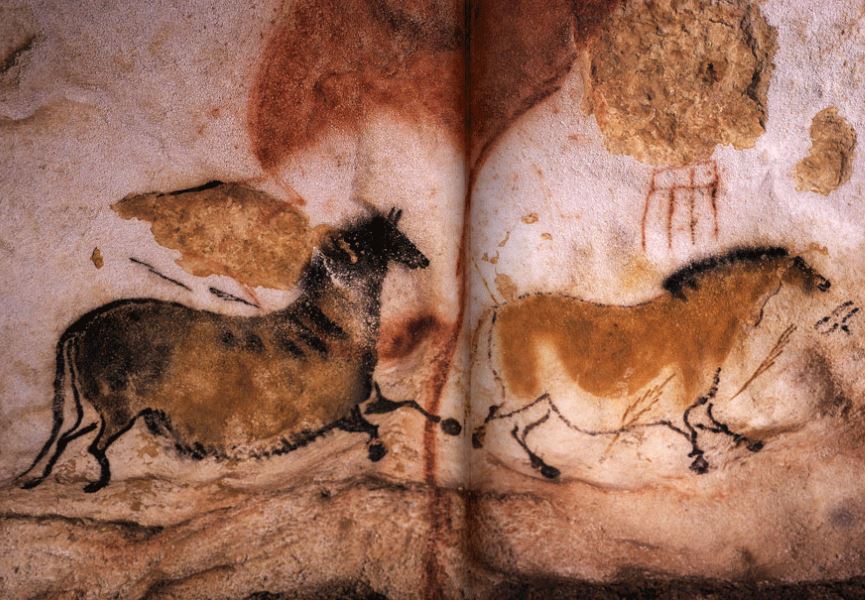
Second and Third Chinese Horses, Axial Gallery, Lascaux
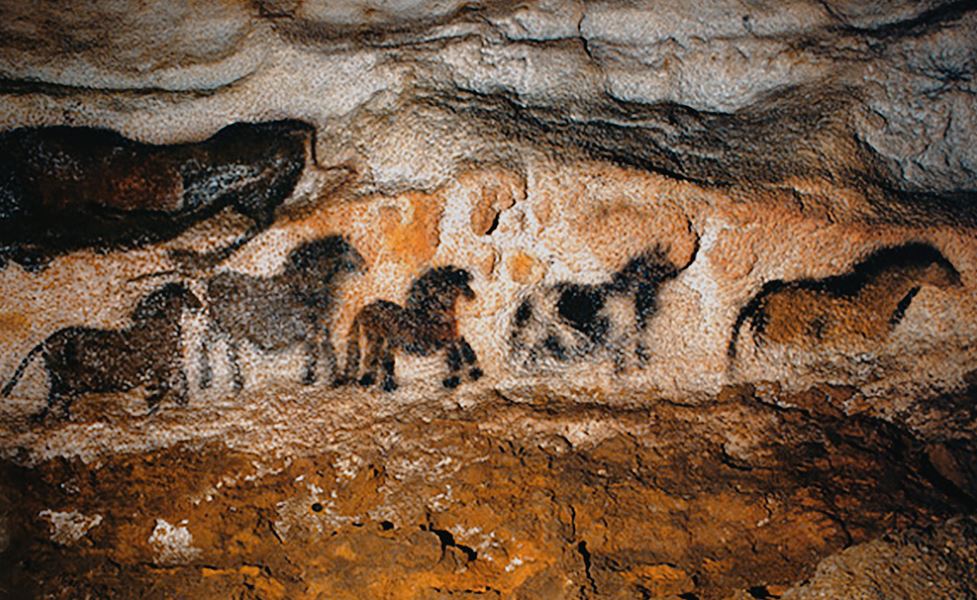
Frieze of five small horses, entrance to the Axial Gallery, Lascaux
Les Eyzies
Les Eyzies, about twenty kilometres south of Lascaux. is the location of several prehistoric sites including the troglodyte dwellings of la Madeleine and the caves of Font-de-Gaume, which were discovered in 1901. It is also the site of the Musée national de Préhistoire.
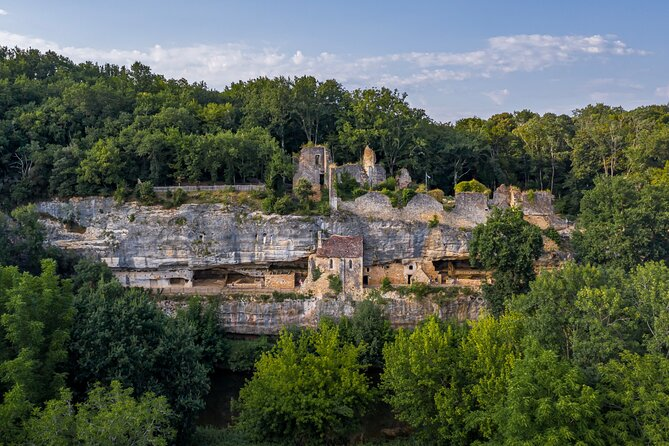
Troglodyte village de la Madeleine
Musée national de Préhistoire
The Musée national de Préhistoire was founded in 1918 and from 1923 was housed in the Château de Tayac. In 2004 a new museum extension was built into the cliff of Les Eyzies. The museum preserves an incredible six million objects, forming one of the most important Paleolithic collections in Europe, including the world’s largest collection of Paleolithic art on engraved or sculpted blocks.
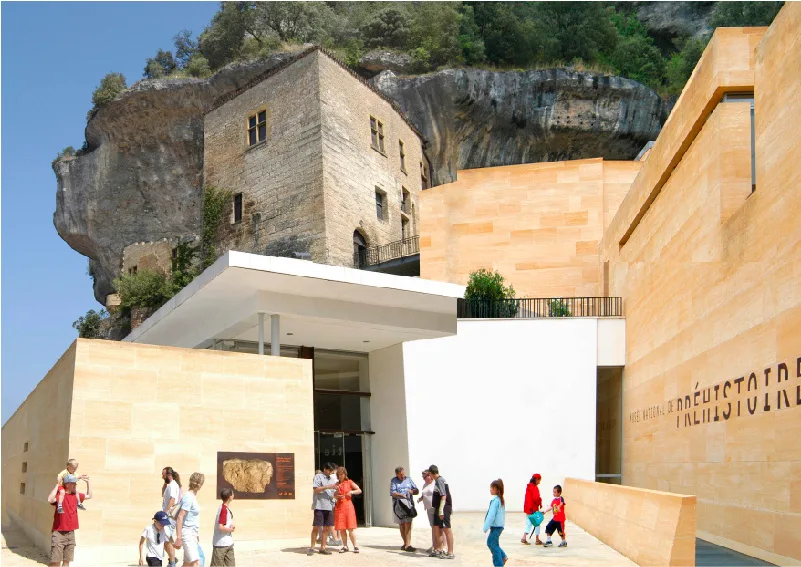
Musée national de Préhistoire, Les Eyzies
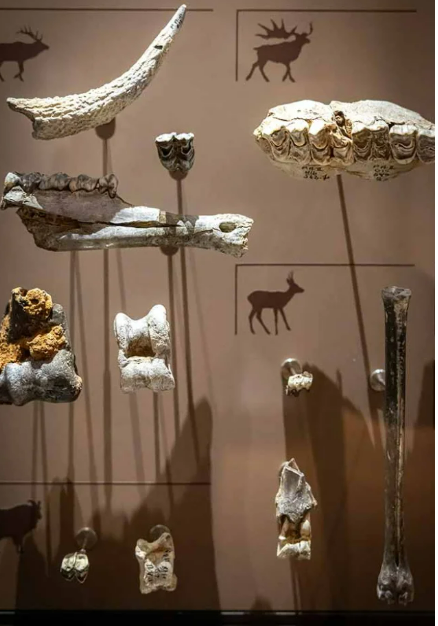
Faunal remains from Pech-de-l’Azé, Dordogne
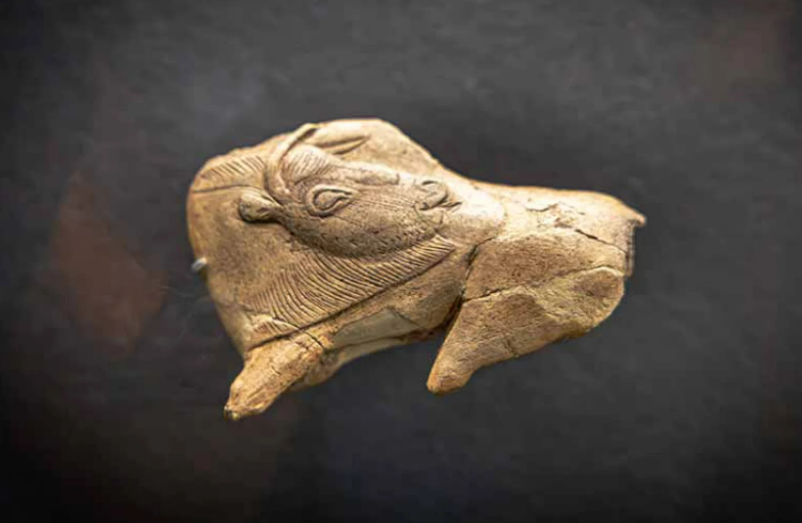
Bison figure carved on reindeer antler from la Madeleine, Les Eyzies
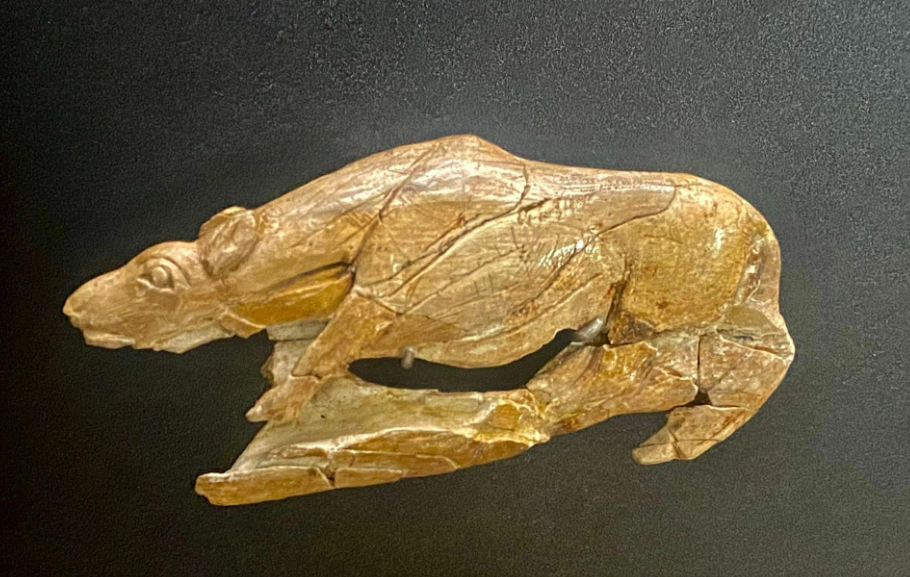
Creeping hyena carved in bone from la Madeleine, Les Eyzies
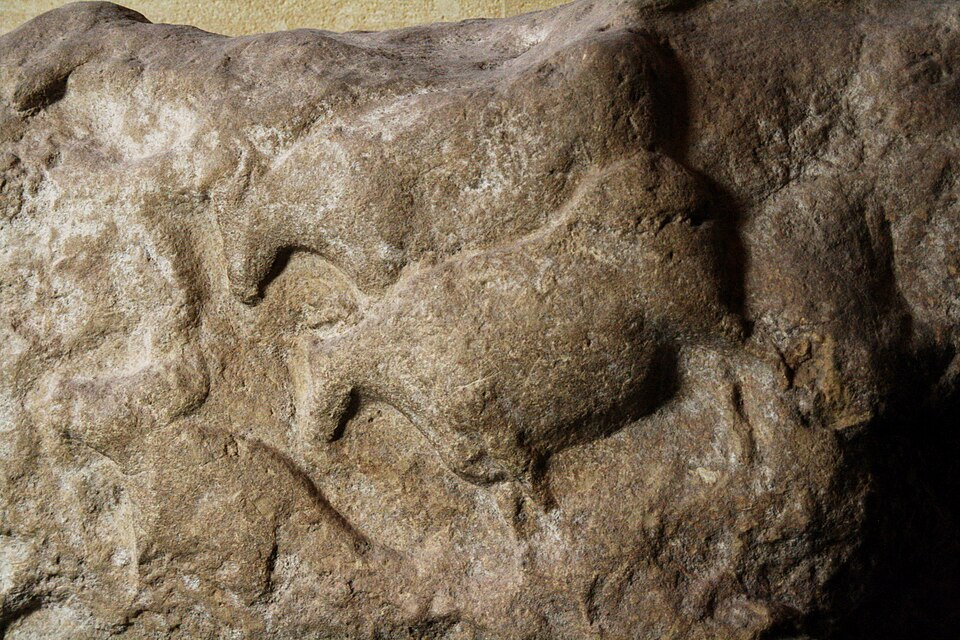
Relief sculpture of aurochs found on the Fourneau-du-Diable in Bourdeilles, Dordogne
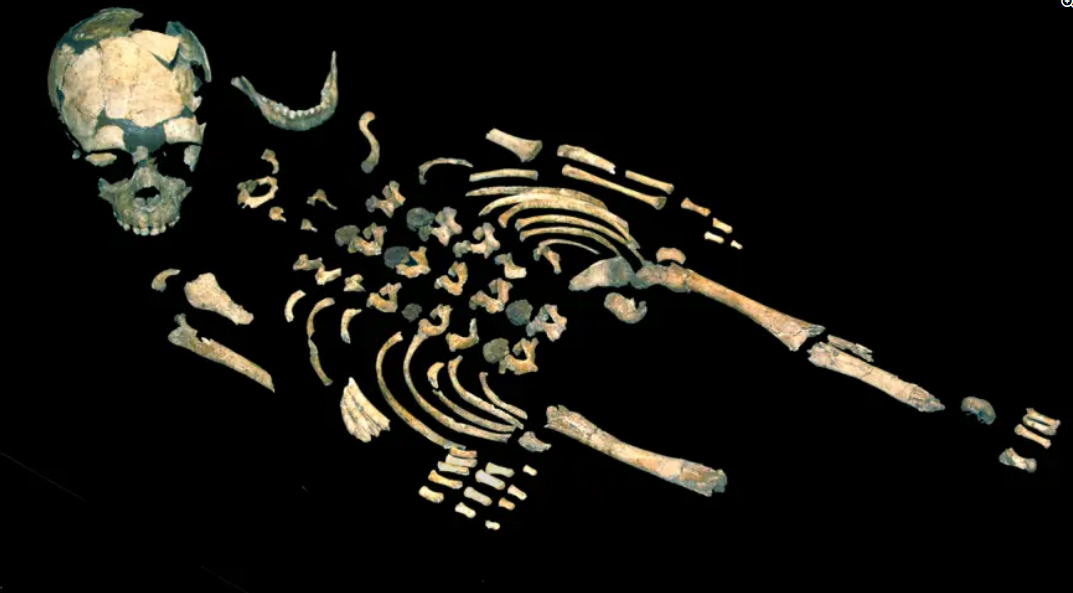
Remains of a Neanderthal child from Campagne-du-Bugue, Dordogne
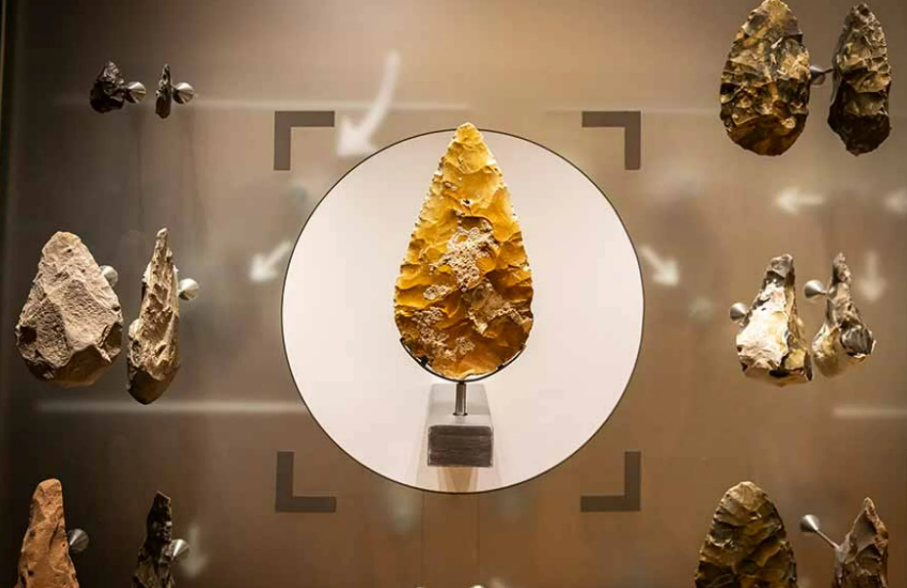
Neanderthal axe flints
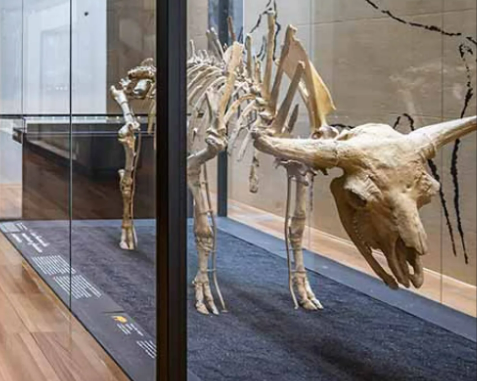
Steppe bison skeleton

