

Exploring Bayonne in the Basque region of southern France, near the Spanish border. The city, located at the confluence of the Nive and Adour rivers, has had a turbulent history. It came under English control in 1152 through the marriage of Eleanor of Aquitaine and in 1177 was under the authority of Richard the Lionheart.
After the end of the Hundred Years’ War, the city was taken by the Crown of France; however, the loss of trade with the English weakened its economy, the river gradually filled with silt and it became impassable to ships.Things began to improve after the arrival of Sephardic Jews fleeing from Spain who brought expertise in chocolate making to the city, a trade that continues today. By the seventeenth century the region was flourishing again.
In 1814, Bayonne and the surrounding area saw fighting between Napoleonic troops and the Spanish-Anglo-Portuguese coalition led by the Duke of Wellington and the city was under siege from 27 February to 5 May. The siege ended with the city’s surrender after the abdication of Napoleon I.
During World War II, Bayonne was occupied by German forces from 1940 to 1944. In 1942 the Allies attempted to land in Bayonne but the operation proved difficult and was cancelled. However, on 21 August 1944, after blowing up twenty ships in the port, German troops withdrew.
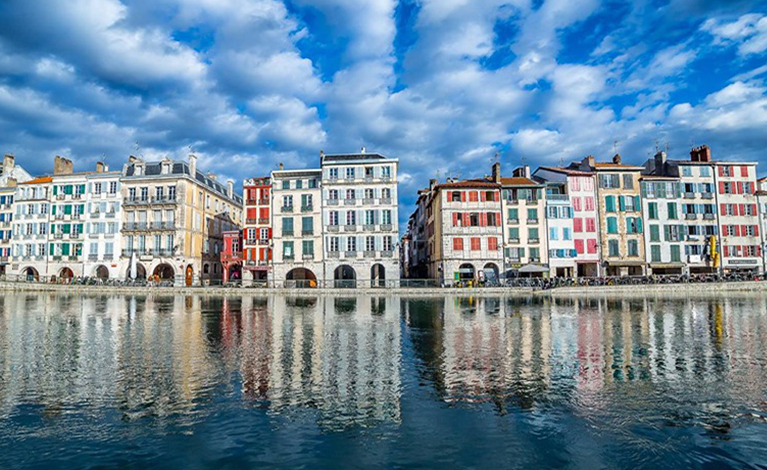
Quai Galuperie, Bayonne
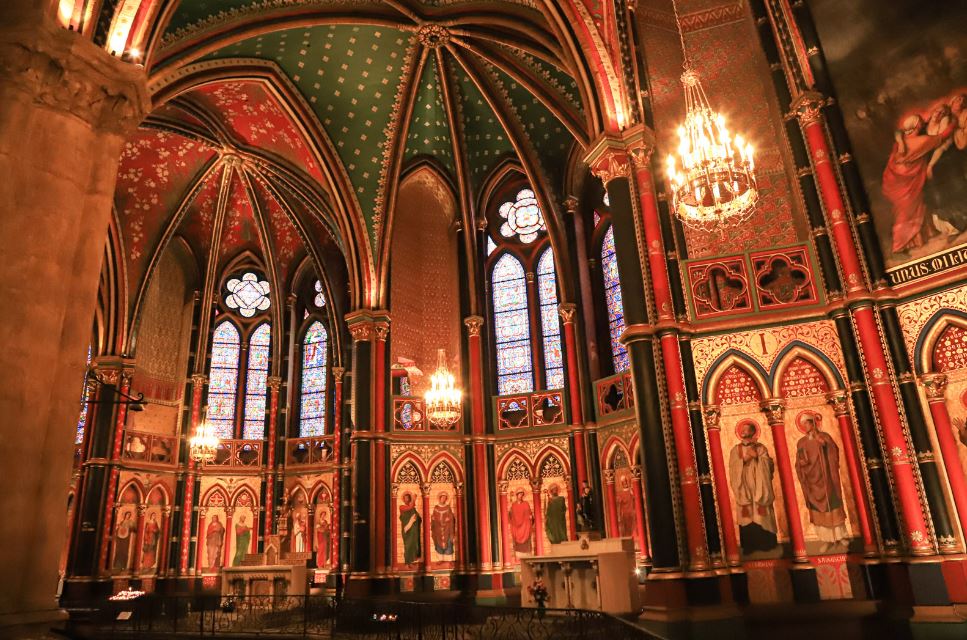
Bayonne Cathedral, which blends Gothic and Neo-Gothic styles, is a UNESCO World Heritage site. The site was previously occupied by a Romanesque cathedral which was destroyed by fire in 1258. Construction of the present cathedral began later in the thirteenth century, most of it being finished by the beginning of the seventeenth, except for the two spires which were not completed until the nineteenth century.
The cathedral contains the relics of Saint Leo of Bayonne, a ninth-century Bishop of Bayonne

Cathédrale Sainte-Marie de Bayonne

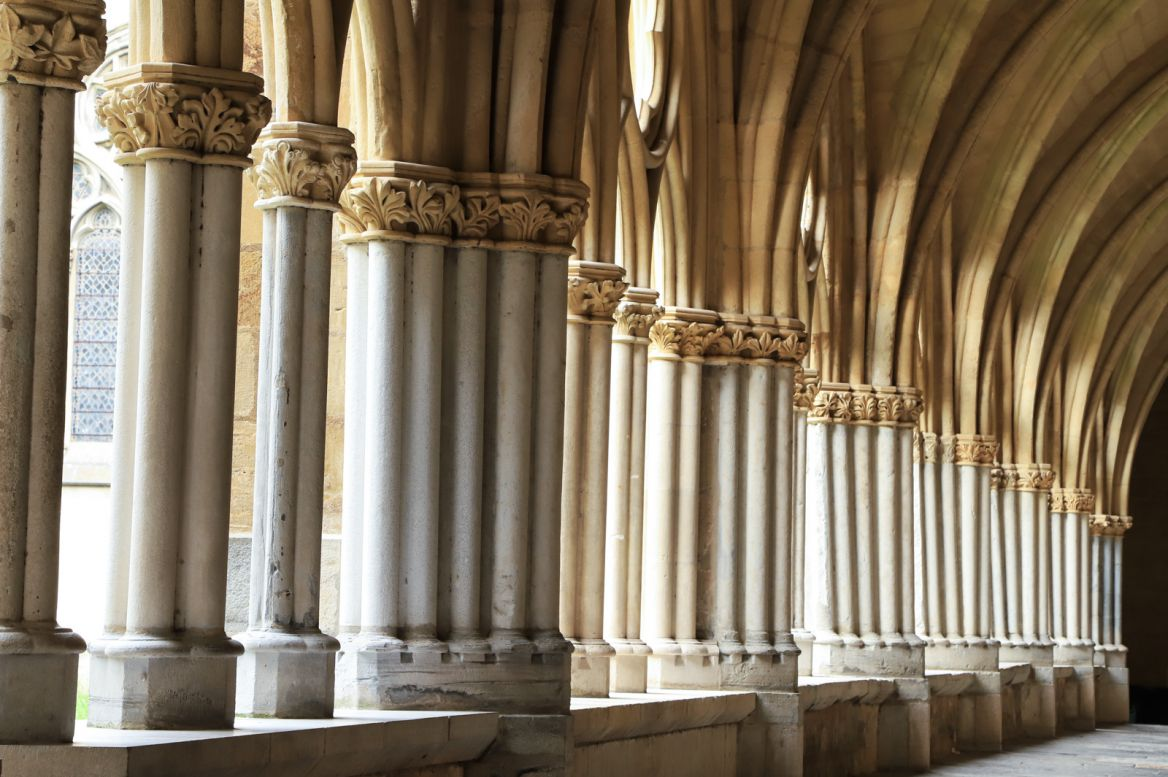
The cloisters of the Cathedral, built between 1213 and 1240
Château-Vieux in Bayonne was built from the end of the eleventh century by the Viscounts of Labourd, on the site of a Roman castrum which housed the garrison and administration of the Lapurdum region. It has seen much rebuilding over the centuries, with the central tower being destroyed and a fortified forecourt added. In 1808, Napoleon ordered its demolition, although this was never carried out.
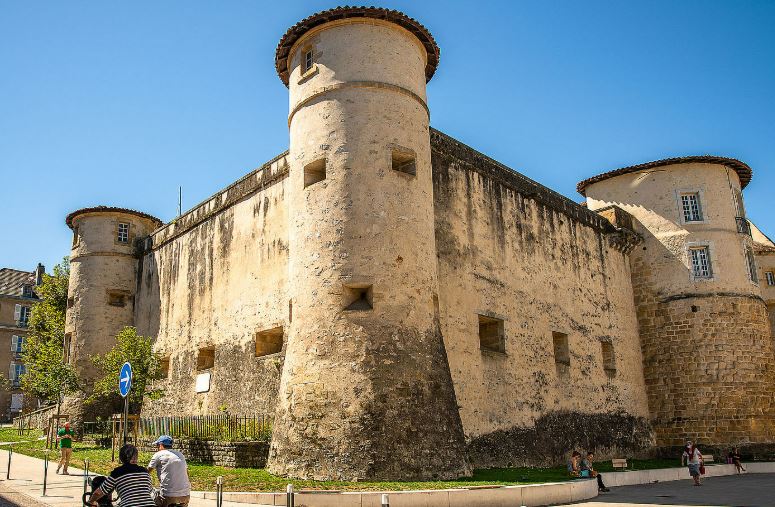
Château-Vieux, Bayonne

