At Musée Goya in Castres, south-west France, for the exhibition ‘Miró, hommage à Gaudí’, on the occasion of the reopening of the museum after a two-year refurbishment.
Miró’s admiration for the work of the Catalan architect Antoni Gaudí began during his childhood in Barcelona, when he was particularly impressed by the enormous and extravagant church known as Sagrada Familia, as well as the original and colourful Parc Guëll. The two men met in 1910, when Gaudí was already a recognized architect and Miró was just beginning his career.

Between 1975 and 1979, when Miró was in his 80s, he produced a series of twenty-one engravings as a homage to Gaudi. Musée Goya has been collecting them over the past twenty years and is now able to present the complete series for the first time.
Miró was always attracted to one of Gaudí’s favorite techniques, the ‘Trencadís’, compositions made from broken tiles, and the colourful designs on the engravings evoke this technique.
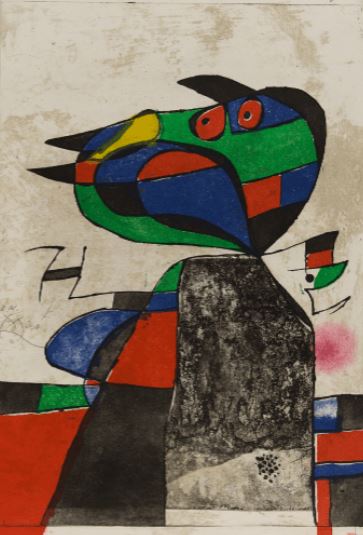
Joan Miró ‘Gaudi III’ (1979)
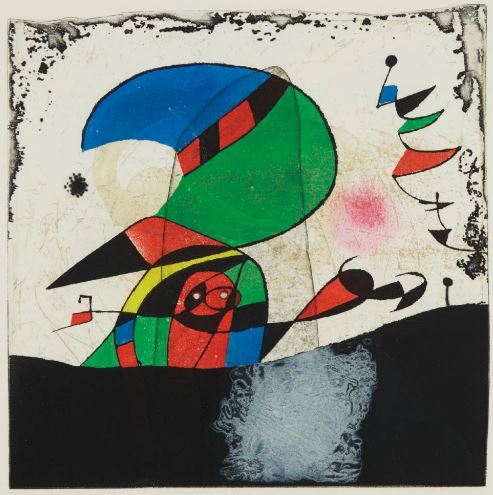
Joan Miró ‘Gaudi IV’ (1979)
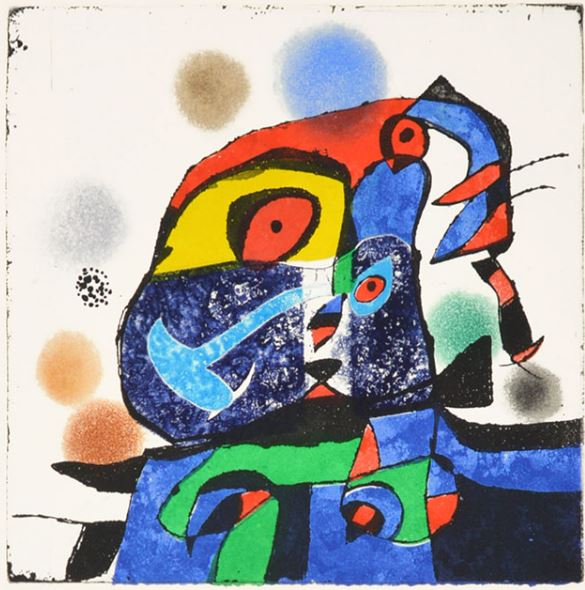
Joan Miró ‘Gaudi V’ (1979)
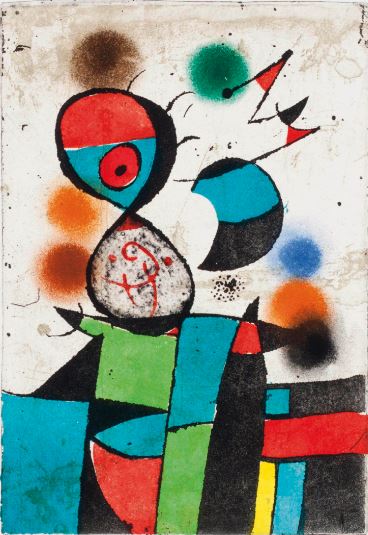
Joan Miró ‘Gaudi VIII’ (1979)
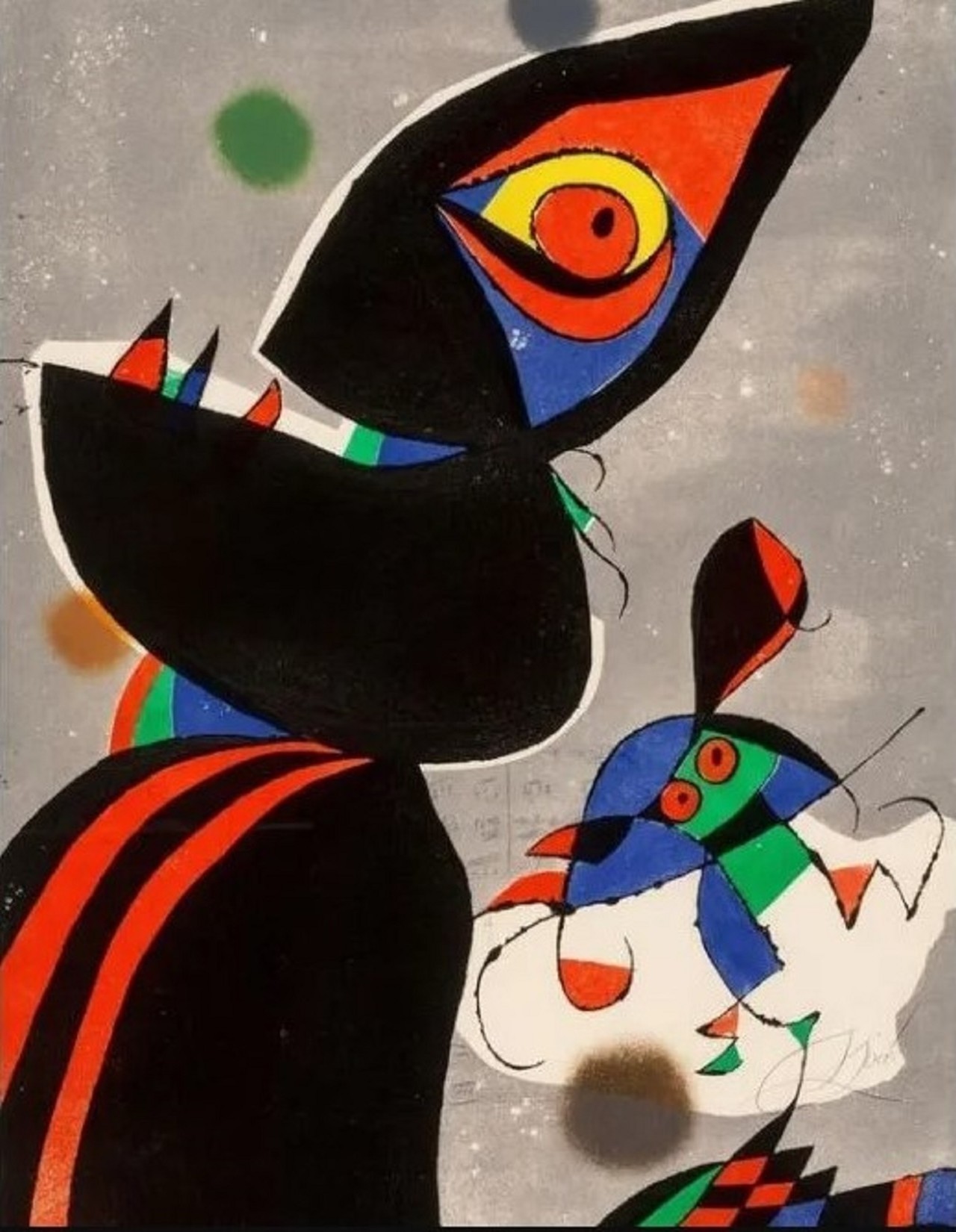
Joan Miró ‘Gaudi XVII’ (1979)
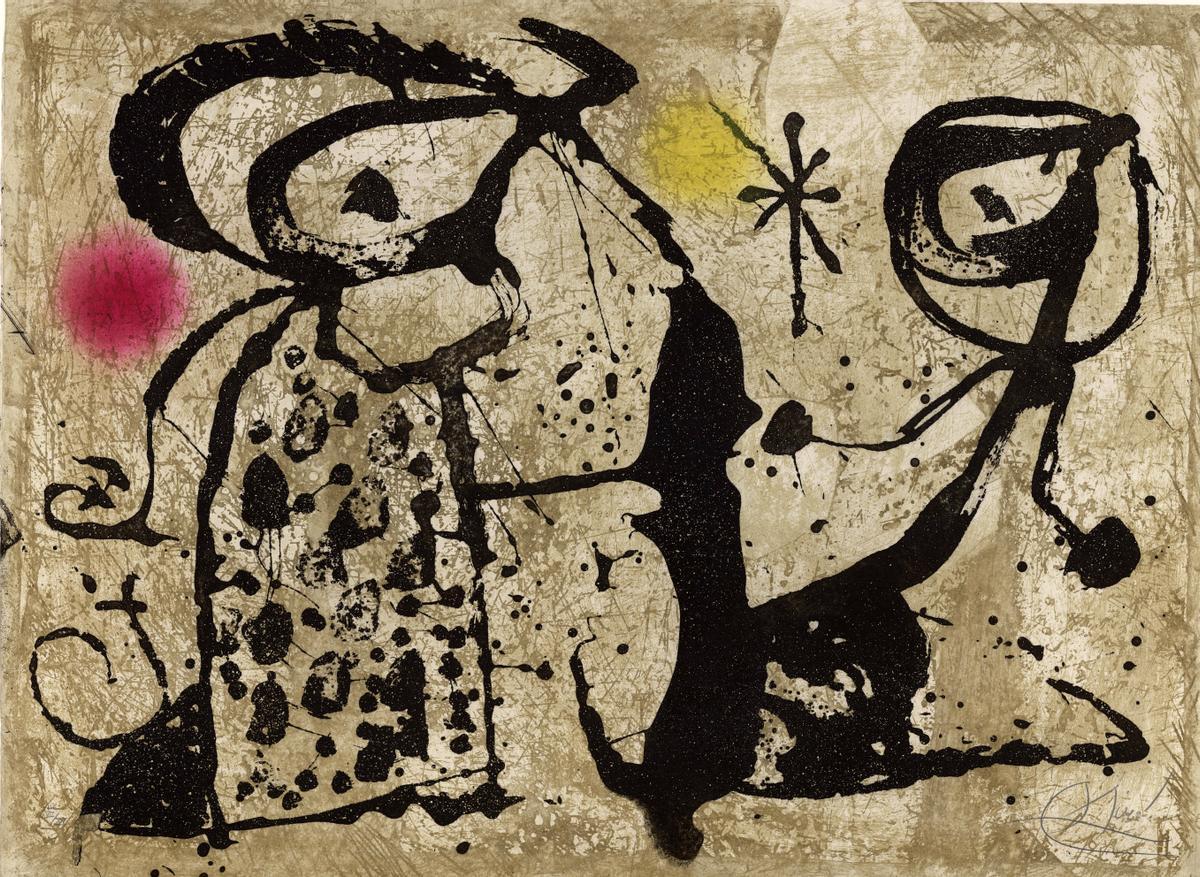
Joan Miró ‘Gaudi XIX’ (1979)
Musée Goya also has an excellent permanent collection of more than two hundred Spanish paintings from the middle ages to the twentieth century. The collection was originally built up around three Goya paintings bought by Marcel Briguiboul in Madrid and bequeathed to the city of Castres by his son Peter in 1894.
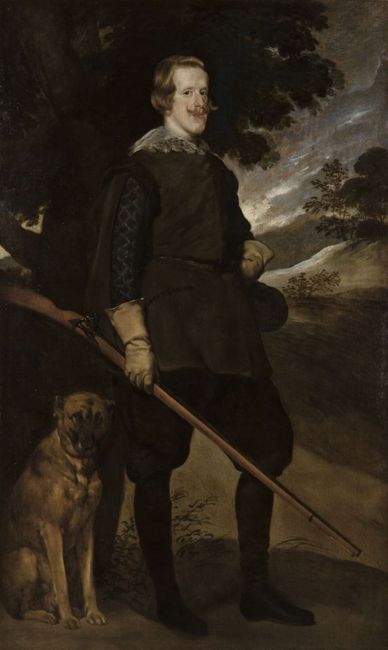
Diego Velasquez ‘Portrait de Philippe IV en chasseur’ (c.1634 – 36)
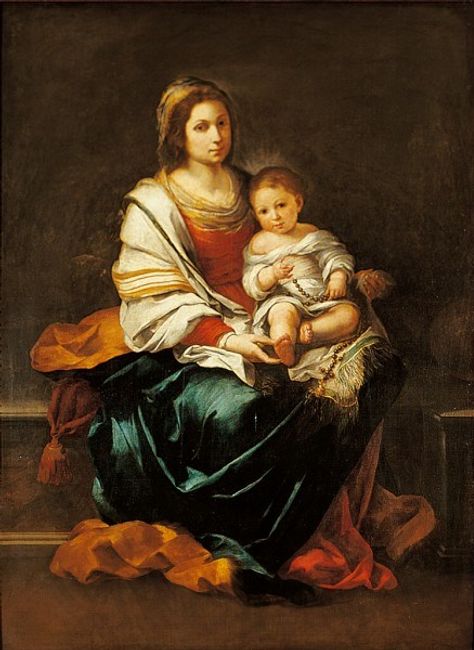
Bartolome Estaban Murillo ‘La vierge au Chapelet’ (c.1650)
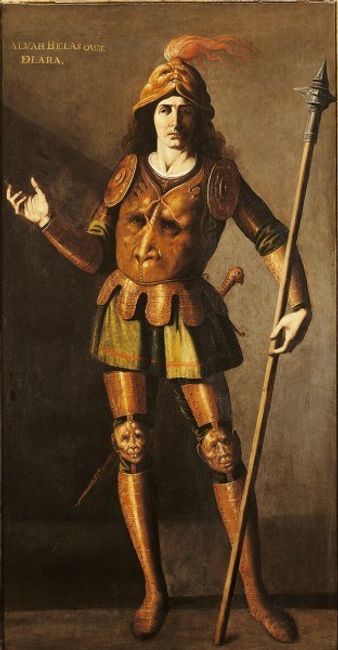
Francisco de Zurbaran ‘Portrait d’Alvar Belasquez de Lara’ (c.1650)

José de Ribera ‘Martyr de Saint André’ (17th century)
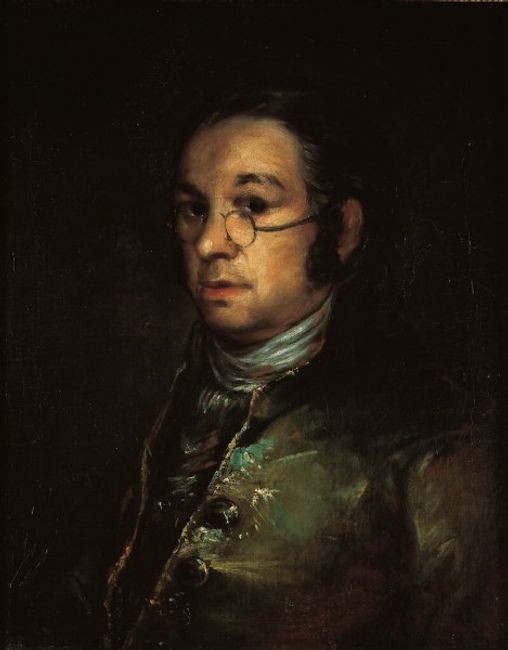
Francisco Goya ‘Autoportrait aux lunettes’ (c.1800)
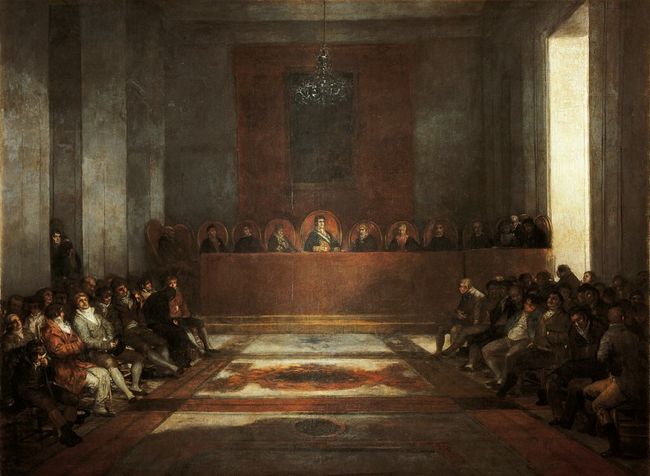
Francisco Goya ‘La Junte des Philippines’ (1815)
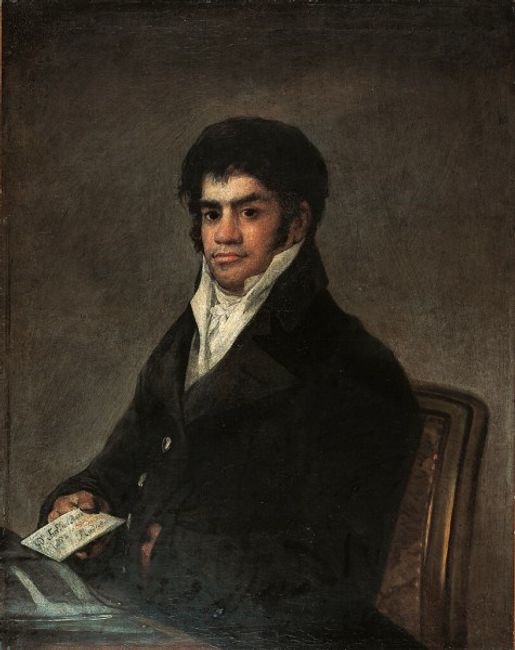
Francisco Goya ‘Portrait de Francisco del Mazo’ (c.1815 – 20)
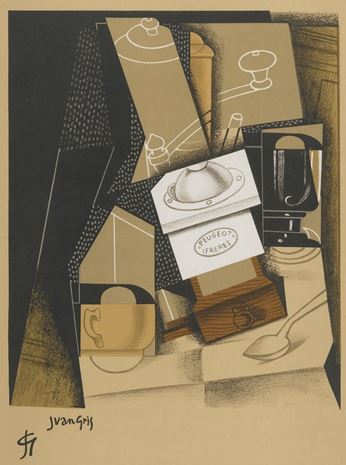
Juan Gris ‘Au Soleil du plafond’ (c.1916 – 19)
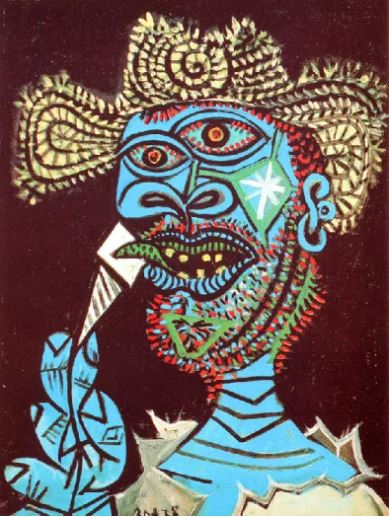
Pablo Picasso ‘Homme au chapeau de paille et cornet de glace’ (1938)
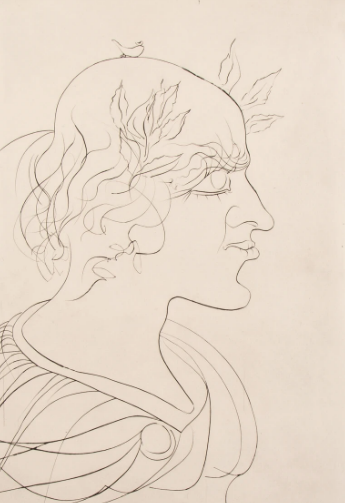
Salvador Dali ‘L’Empereur Trajan’ (1973)
 The Diary of One Who Disappeared