R.I.P. John Mayall (1933 – 2024)

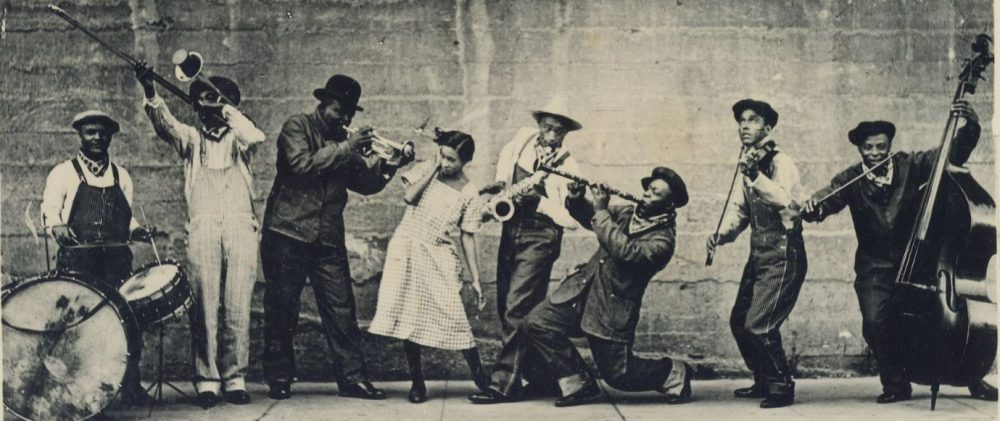
John Mayall at Newport Jazz Festival, 1966

John Mayall, known as the ‘godfather of British Blues’, died at his home in California on 22 July 2024, aged 90.

He formed his band, the Bluesbreakers, in the early 1960s and it became a platform for the development of many great musicians, including Eric Clapton, John McVie, Peter Green, Jack Bruce and Mick Taylor. He was a wonderful musician and bandleader and I have very happy memories of seeing him perform.

Postcards from Carcassonne

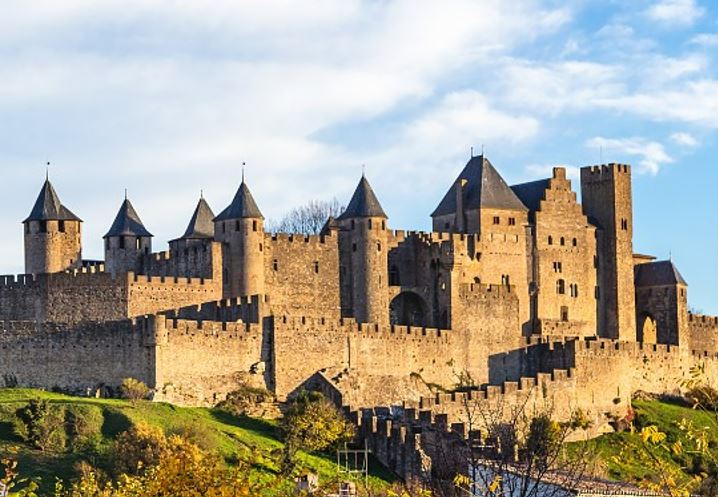
The citadel of Carcassonne in the Aude department of southern France is one of the largest surviving medieval walled cities in Europe and is listed as a UNESCO World Heritage Site. A fortified settlement has existed on the site since pre-Roman times, although in the fifth century the site was taken over by the Visigoths, who founded the current city as part of the newly-established Visigothic Kingdom.

Carcassonne was a stronghold of the Occitan Cathars during the Albigensian Crusades of the early thirteenth century but in 1209 its citizens were forced to surrender and the city submitted to the rule of the kingdom of France in 1247. It became a border fortress between France and the Crown of Aragon in 1258 and and King Louis IX and his successor Philip III built the city’s outer ramparts.

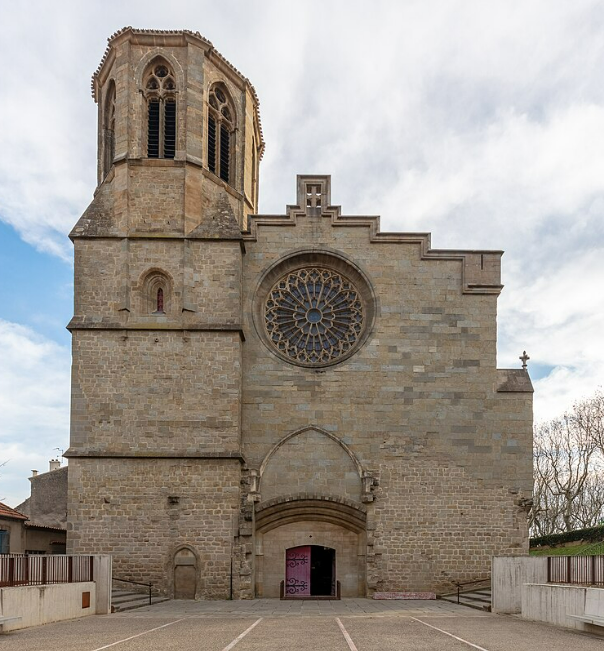
The city’s Gothic Cathédrale Saint-Michel de Carcassonne also dates from the thirteenth century, although following war damage in the fourteenth century it was rebuilt as a fortified church. It was elevated to cathedral status in 1803.

Carcassonne with its double defensive walls.

Cathédrale Saint-Michel de Carcassonne

Postcards from Aigues-Mortes

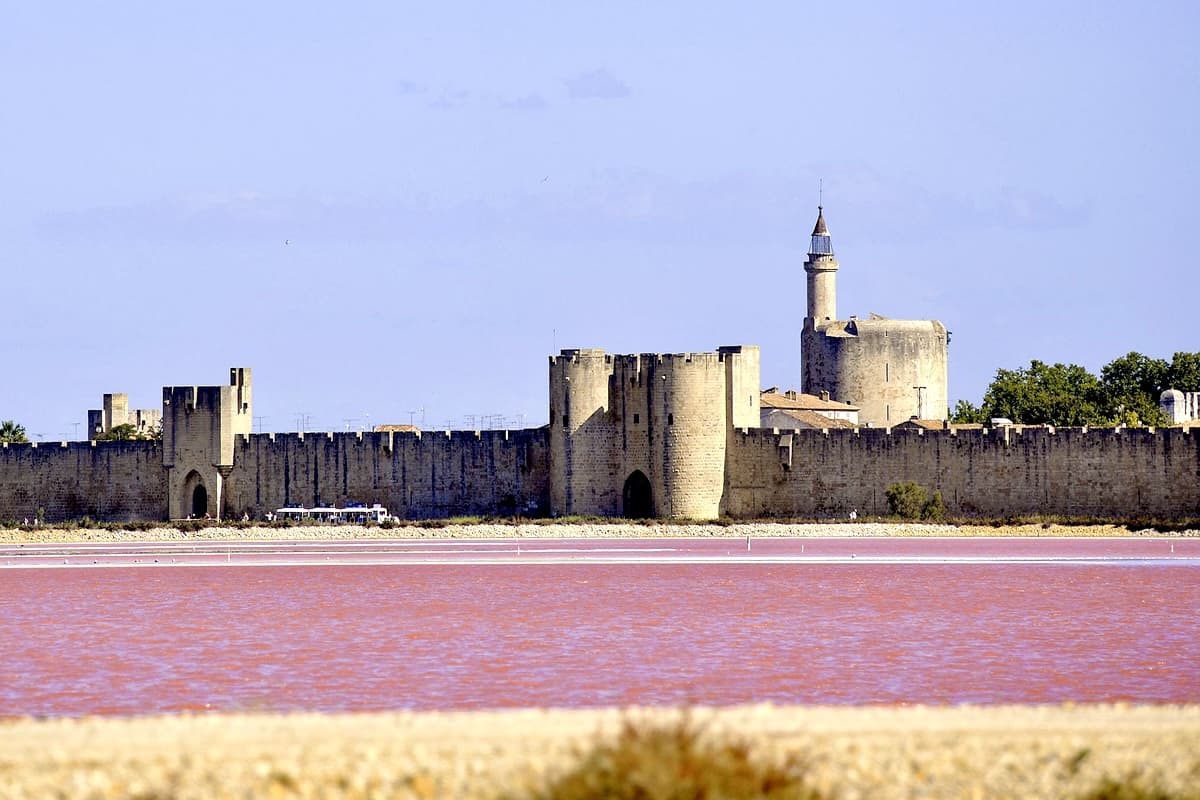
Aigues-Mortes in the Camargue region of southern France is particularly known for two things: its pink salt marshes, coloured by micro-organisms of a variety of microscopic algae, which are devoted to the production of quality sea salt, and the thirteenth-century towers and ramparts which surround much of the town. The town and its ramparts were commissioned by Louis IX in 1248 to establish a port on the Mediterranean and it is connected to the sea by a series of canals and lagoons.Apart from the sea salt, much of the town’s income today derives from tourism.

The Tower of Constance and the ramparts of Aigues-Mortes

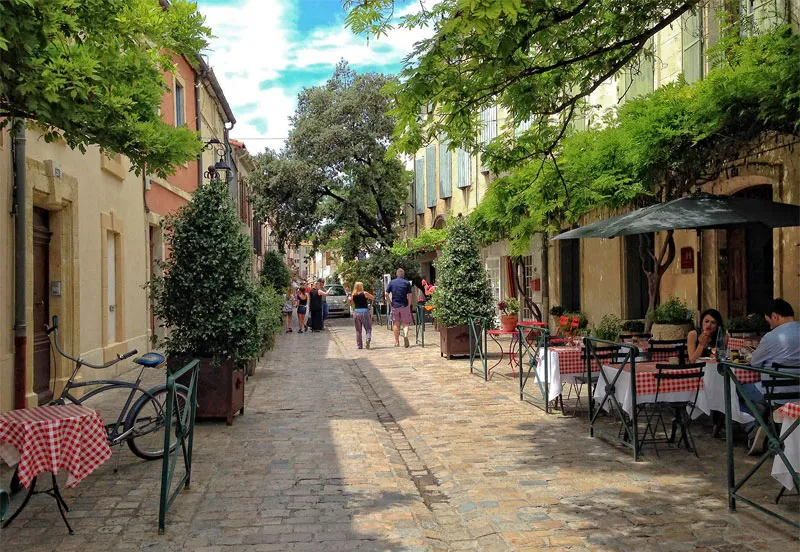
Aigues-Mortes

Mahler in Montpellier

An evening of Gustav Mahler by the Orchestre Philharmonique de Radio France under Mikko Franck opened with the song cycle ‘Kindertotenlieder’ before continuing in the second half to what was intended to be the main event, Symphony no. 4.

However, whilst the symphony would be well performed, ‘Kindertotenlieder’ was, for me, always going to be the main event. Not only is it a collection of songs that I love to listen to, despite the sad subject matter, but it was being sung by my favourite French mezzo-soprano, Marianne Crebassa.

Marianne Crebassa (photograph Simon Fowler)

Whilst ‘Songs on the Death of Children’ is obviously not the most cheerful of subjects to listen to, Marianne Crebassa’s voice is perfectly suited to conveying the sorrow of the words in an extremely thoughtful way. It was a most beautiful interpretation.

Symphony no. 4 in G major was composed between 1899 and 1900, although the song for soprano in the fourth movement dates from 1892. The Fourth is the last of Mahler’s three so-called ‘Wunderhorn’ symphonies, which incorporate themes originating in his ‘Des Knaben Wunderhorn’ song cycle.

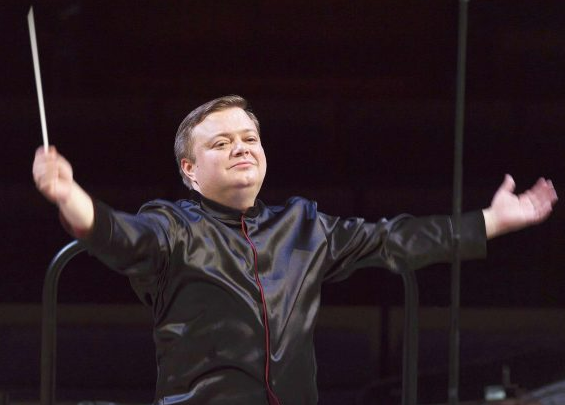
Mikko Franck (photograph Christophe Abramowitz)

The first movement is quite jolly, with its sleigh bell motif and the woodwinds and brass were particularly impressive. Impressive playing continued in the second movement from the violins especially and thoughts were that this could be a particularly fine Fourth Symphony. However, the slow third movement, whilst played well, failed to keep the same level of attention. The fourth movement belongs to the soprano, in this case Melody Louledjian, but whilst she sang beautifully, in some sections her voice didn’t seem to have the power to effectively reach the front row of the balcony where I was sitting. So in all, a fine performance, but not the best Mahler 4 I have ever heard.

Nevertheless, overall it was a great evening, especially because I got to hear the wonderful Marianne Crebassa again.

Gustav Mahler: ‘Kindertotenlieder’; Gustav Mahler ‘Symphony no. 4 in G major’.

Ravel in Montpellier

Unfortunately this was not the concert I had bought tickets for. The original plan was for a performance of Ravel’s complete music for ‘Daphnis et Chloé’ by Les Siecles under François-Xavier Roth, which I was particularly looking forward to. However, the enforced absence of Roth meant a change in programme as well as a change in conductor. French conductor Louis Langrée took over the baton for a concert of works by French composers.

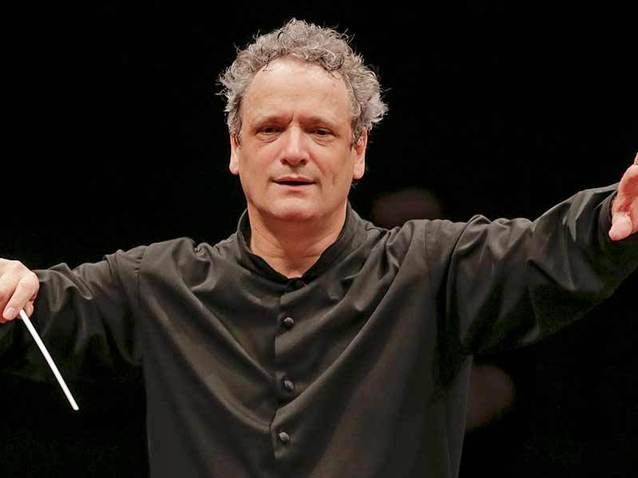
Louis Langrée

To begin, we were able to hear the world’s first performance of a work by Maurice Ravel. A strange occurance considering that he has been dead for 87 years, but in 2023 the Bibliothèque nationale de France acquired the manuscript of a short composition for mixed choir and orchestra based on a poem by Armand Silvestre entitled ‘Amants qui suivez le chemin’, probably composed between 1902 and 1905. It was delightfully performed, especially by the Radio France choir.

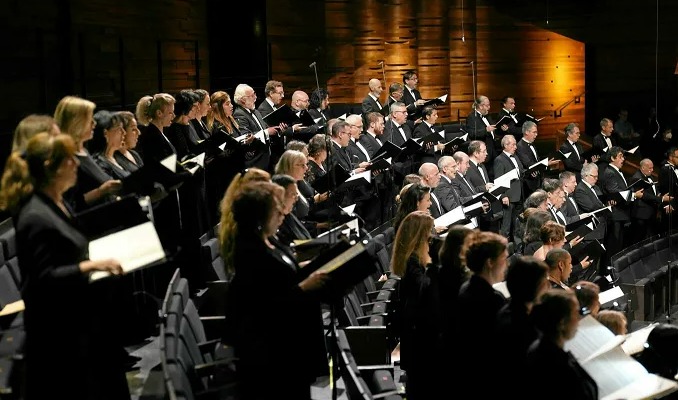
Radio France choir

Another short work followed, ‘Thème varié pour violin et orchestre’ by Charlotte Sohy, a composer I was not familiar with, even though she left a large number of compositions including piano pieces, trios, string quartets, songs, masses, a symphony and the lyrical drama ‘L’Esclave couronnée’. She sounds like someone I should find out more about; she also wrote plays and a novel and her musical compositions were frequently performed by Maurice Ravel and Gabriel Fauré, providing a link within tonight’s programme.

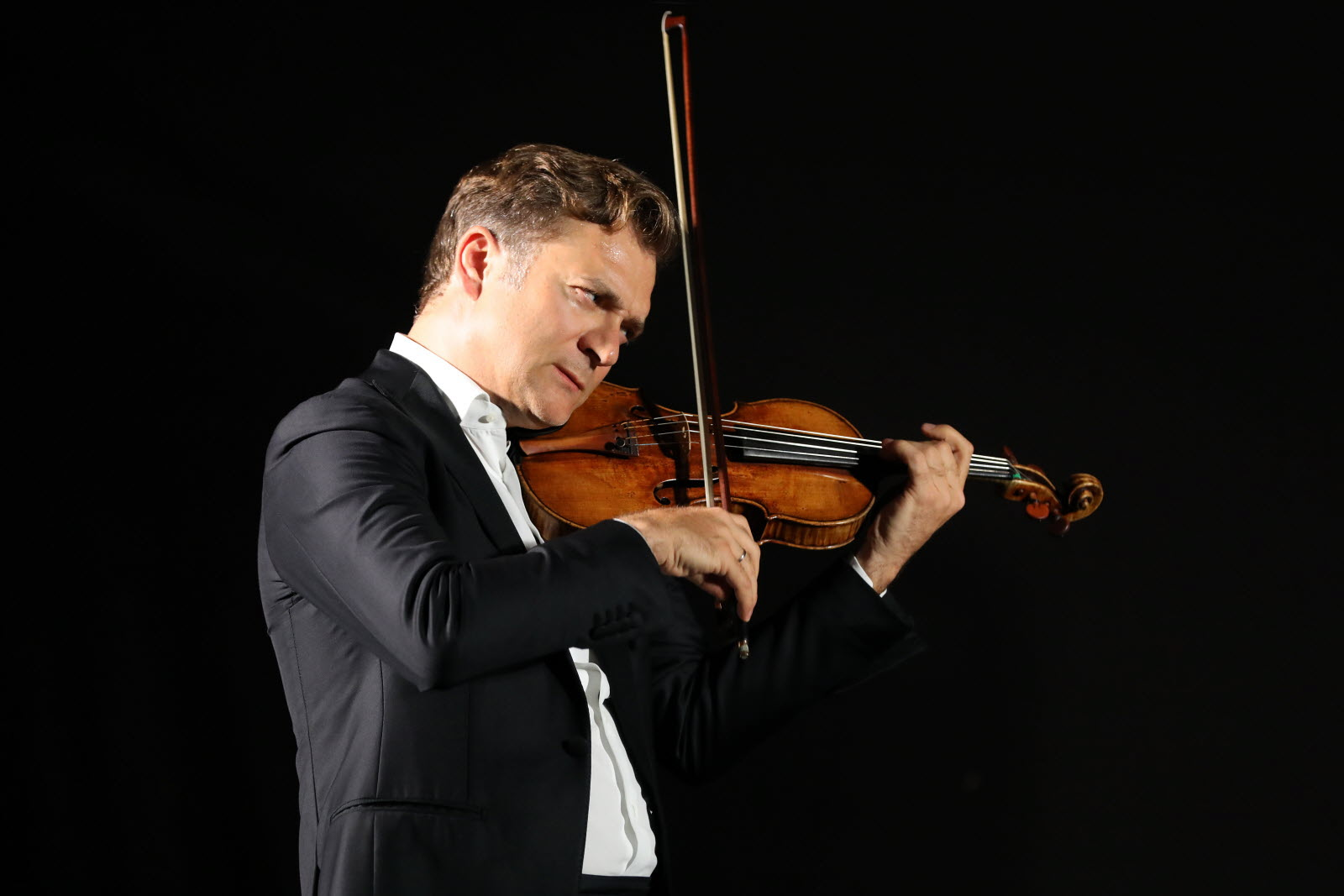
We were treated to the usual high quality of violin playing from Renaud Capuçon in both Sohy’s ‘Thème’ and the next work, Gabriel Fauré’s D minor ‘Concerto pour violin et orchestre’. Again it is a short work as only the first of two completed movements, the Allegro, has survived, although Fauré reused some of its themes in his later String Quartet.

Renaud Capuçon

The second half of the concert was a much brighter and livelier affair, with two works by Ravel superbly performed by Les Siecles. The first was ‘Ma Mère l’Oye’, based on fairy tales and originally written for children in 1910 as a piano duet, before being orchestrated the following year, the version we heard. Ravel would subsequently add additional pieces and interludes to transform it into a ballet. The musicians of Les Siècles use French instruments from the beginning of the twentieth century, so we were hearing the works in versions that Ravel would have been familiar with.

The earlier sections have plenty of room for the wind instruments to impress, with flute and piccolo solos, then clarinet and contrabassoon, before concluding with the impressionist ‘Le jardin féerique’ in which Sleeping Beauty, represented by the celesta, awakes to a wonderful crescendo.

The final piece was the highlight of the evening. Even though we didn’t get the promised complete ‘Daphis et Chloé’ ballet music, we did at least get the more-often performed ‘Suite no. 2’. It was a chance for Les Siècles to shine, and shine they did. Both the orchestra and the choir were superb, so much so that they were called back to play the final section all over again, much to the audience’s delight.

Montpellier

Montpellier, just inland from the Mediterranean Sea, is the prefecture of the department of Hérault. It is a vibrant university city with a population of 300,000 and is home to the annual Festival de Radio France, the reason for my visit.

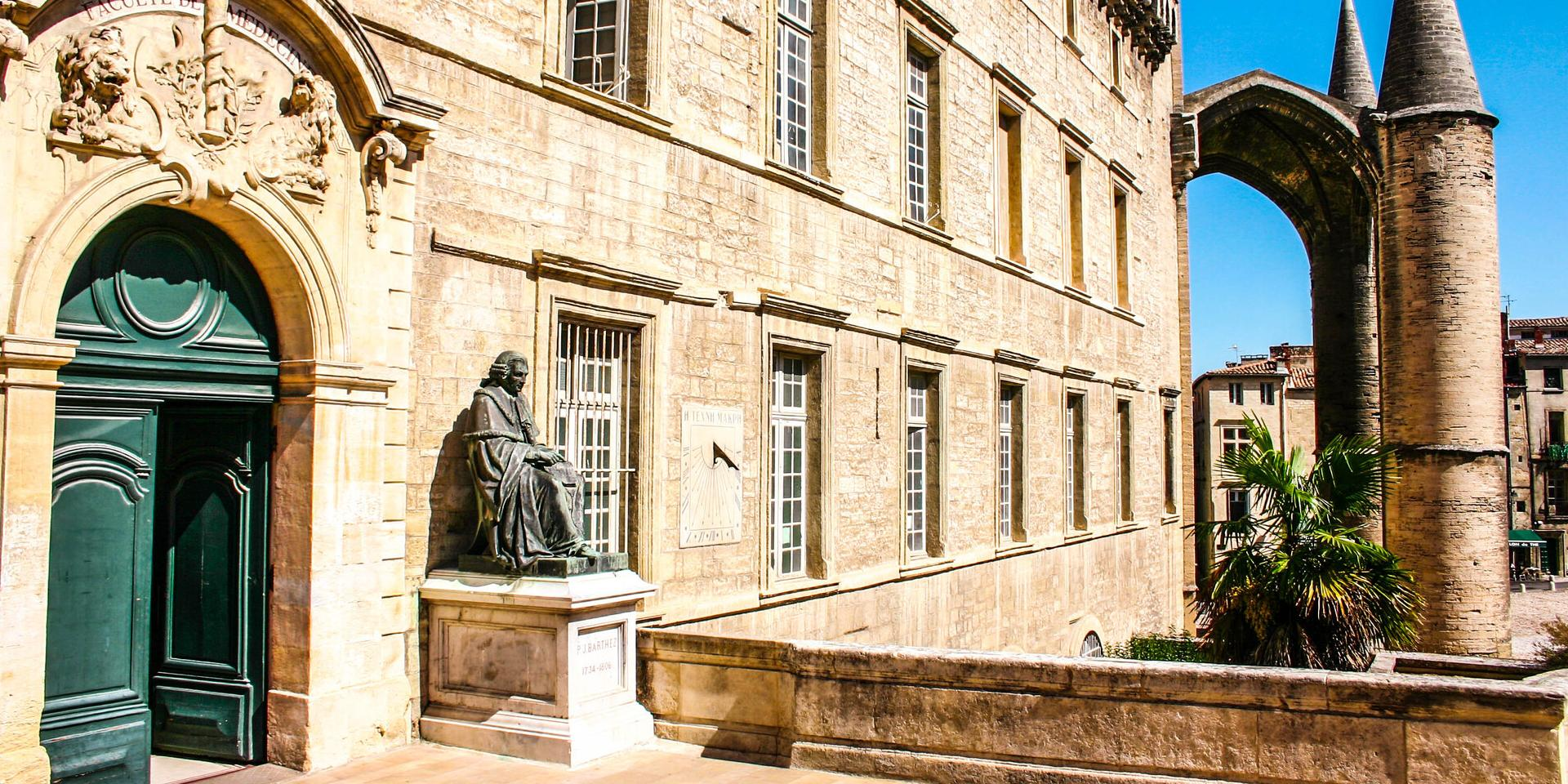
The University of Montpellier, established in 1220, is one of the world’s oldest and has the oldest medical school still in operation. Notable alumni of the university include Petrarch, Nostradamus and François Rabelais.

University of Montpellier Faculty of Medicine

The Cathédrale Saint-Pierre de Montpellier was originally the church of the monastery of Saint-Benoît, which was founded in 1364. The building was elevated to the status of cathedral in 1536.

Cathédrale Saint-Pierre de Montpellier

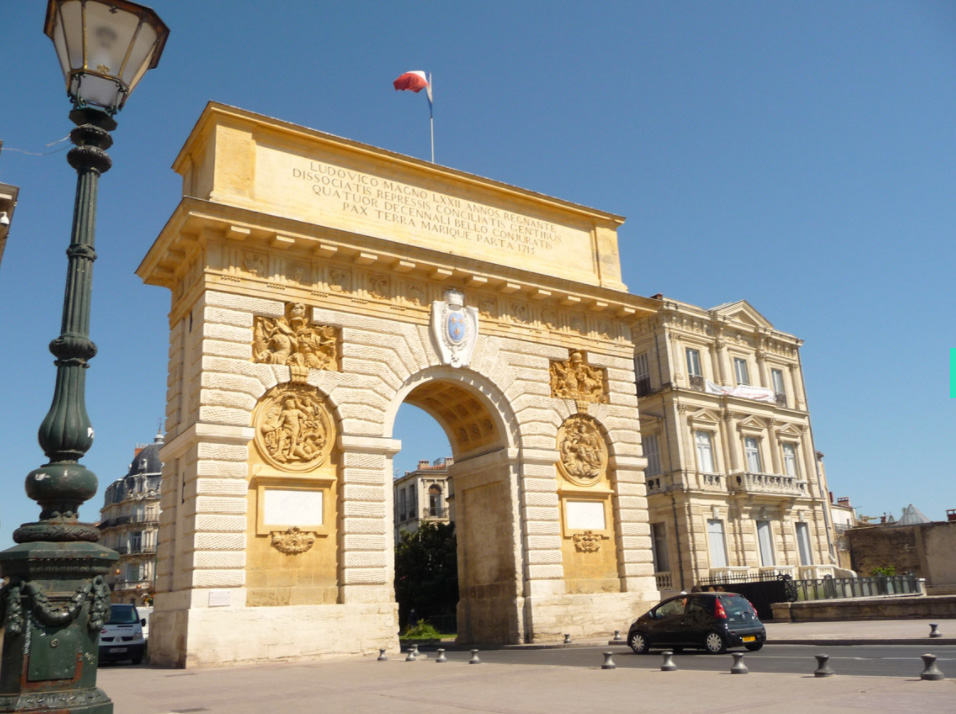
Arc de Triomphe, Montpellier, erected in 1691