Musée Zadkine, Les Arques

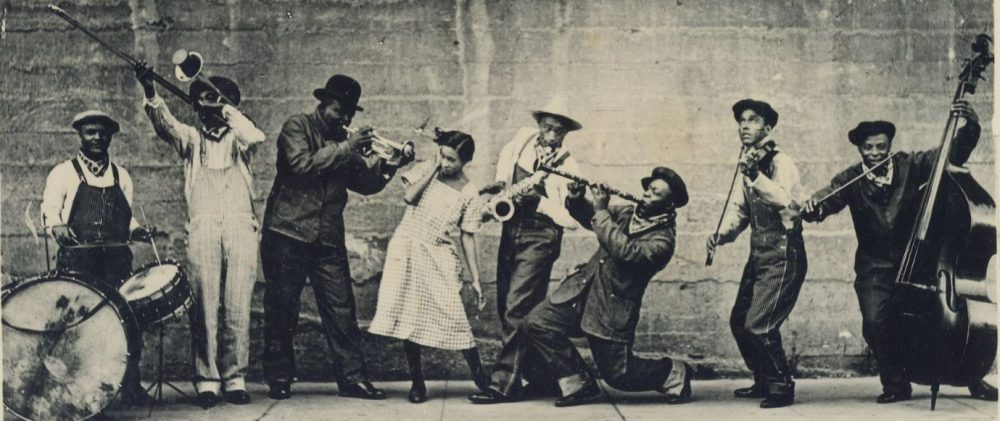
Musée Zadkine in Les Arques, Lot, France, holds a permanent collection of works, mainly sculptures, by the Russian-French artist Ossip Zadkine.
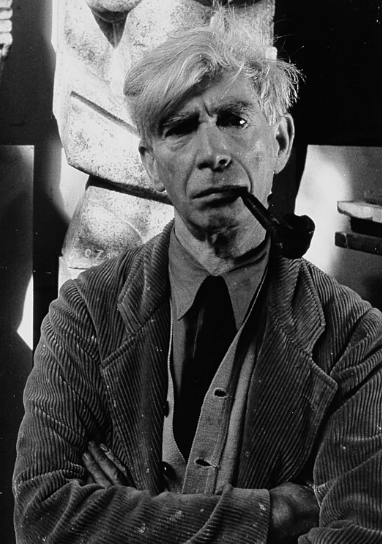
Ossip Zadkine

Ossip Zadkine was born in January 1888 in the city of Vitsebsk in the Russian Empire. Interestingly, at the age of fifteen, he was sent by his father to Sunderland, England, to learn English and ‘good manners’, before moving to London and attending lessons at Regent Street Polytechnic. In 1910 he moved to Paris where he studied for six months at the École des Beaux-Arts. He then joined the Cubist movement, working in that style from 1914 to 1925, before developing his own technique, which was influenced by African and Greek art.

In Paris, Zadkine lived in Montparnasse, where his neighbours included author Henry Miller, who based the character of Borowski in ‘Tropic of Cancer’ on him, and artists Chaïm Soutine and Tsuguharu Foujita.

As well as its permanent collection, Musée Zadkine also holds temporary exhibitions, the current one examining Zadkine’s shared interest with Jean Cocteau in the legend of Orpheus. It is likely that their interest in the legendary figure came from their mutual friend, poet Guillaume Apollinaire who published a collection of poems, illustrated by Raoul Dufy, entitled ‘Le Bestiaire ou Cortège d’Orphée’ in 1911. Zadkine made at least ten sculptures of Orpheus, whilst Cocteau adapted the story for the stage in 1926 and used it in two films: ‘Orpheus’ (1950) and ‘Testament of Orpheus’ (1960).
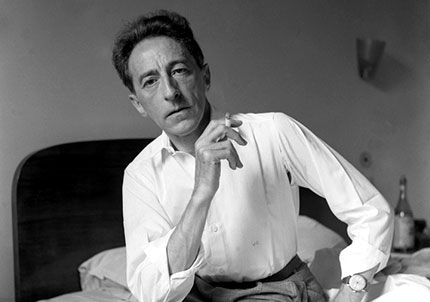
Jean Cocteau

Guillaume Apollinaire (ill. Raoul Dufy) ‘Le Bestiaire ou Cortège d’Orphée’ (1911)
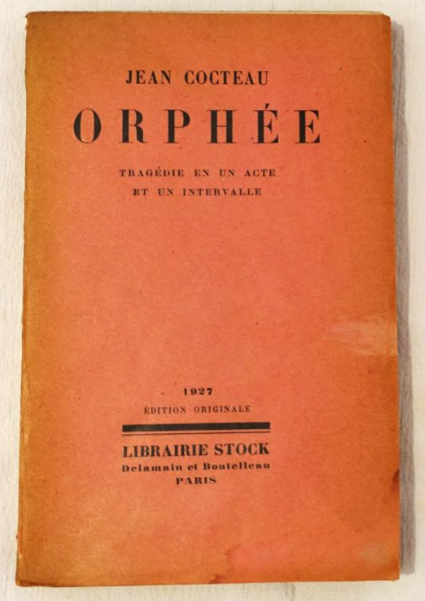
Jean Cocteau ‘Orphée. Tragédie en un acte’ (published 1927)
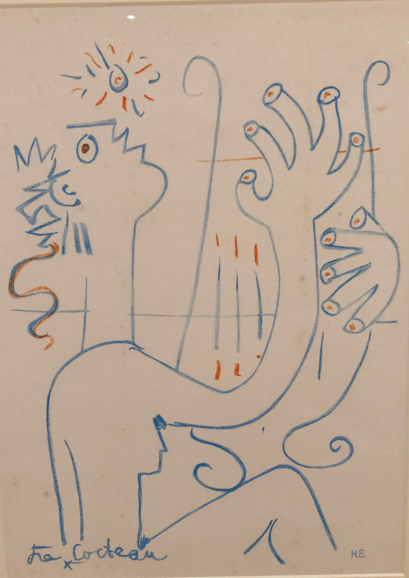
Jean Cocteau ‘Musicien à la lyre’ (1961)
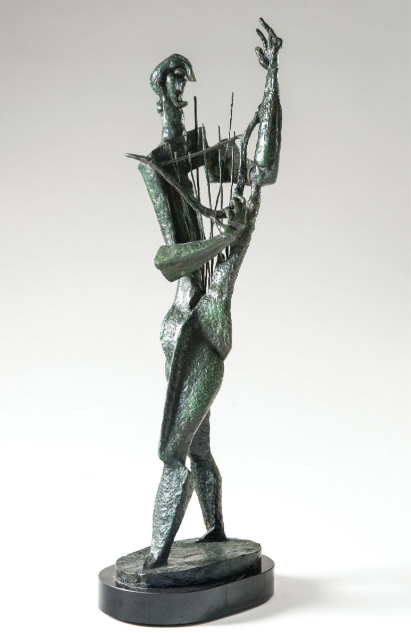
Ossip Zadkine ‘Orphée’ (1960)

From the permanent collection:
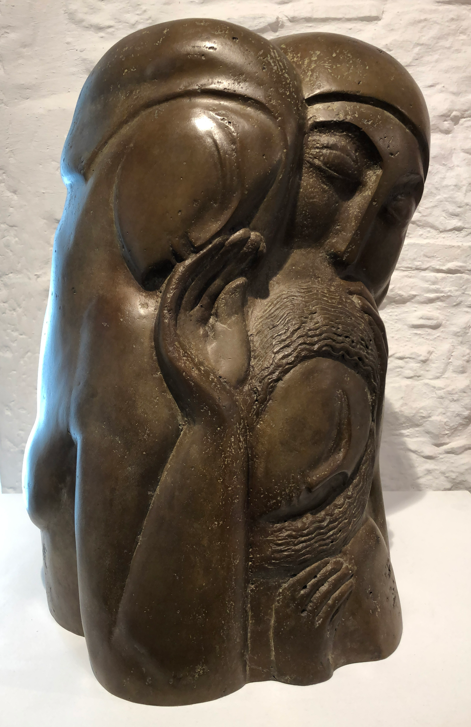
Ossip Zadkine ‘La Sainte Famille’ (1912 – 13)
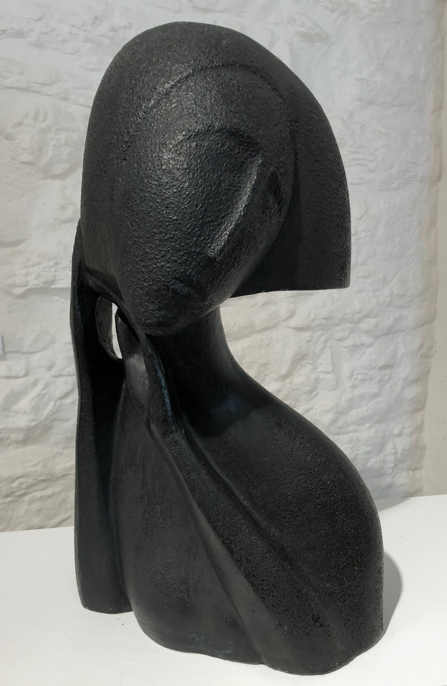
Ossip Zadkine ‘Buste de femme’ (1914)
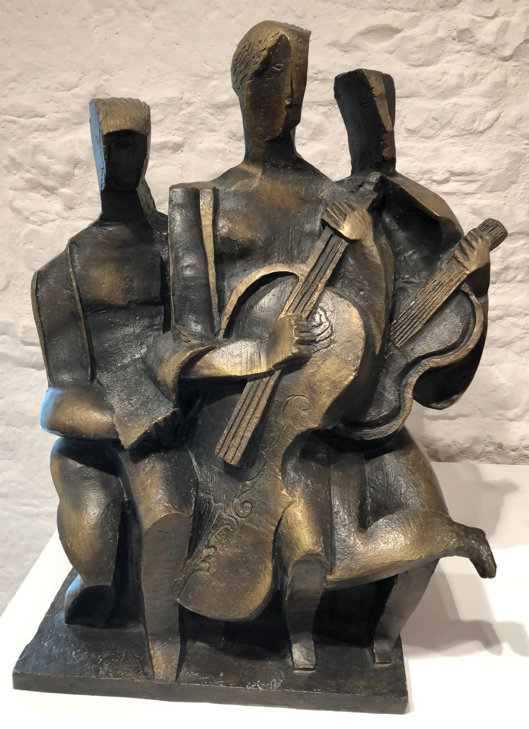
Ossip Zadkine ‘Trio musical’ (1930)

Ossip Zadkine ‘La Prisonnière’ (1943)

Ossip Zadkine ‘Le Retour de Fils prodique’ (1950)
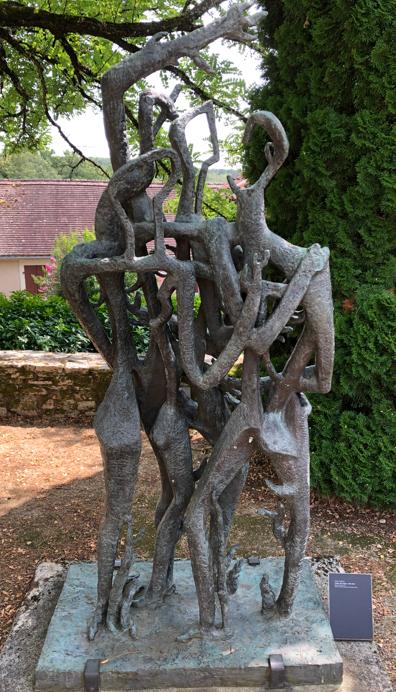
Ossip Zadkine ‘L’Arbre des Grâces’ (1962 – 63)
Exploring the Gers

Spending a few days exploring some of the picturesque towns and villages in the Gers department of south-west France. The Gers is in the centre of the region formerly known as Gascony, once ruled by the English after the marriage of Henry II and Eleanor of Aquitaine in 1152. It is now renowned for its gastronomy and especially for the production of Armagnac.

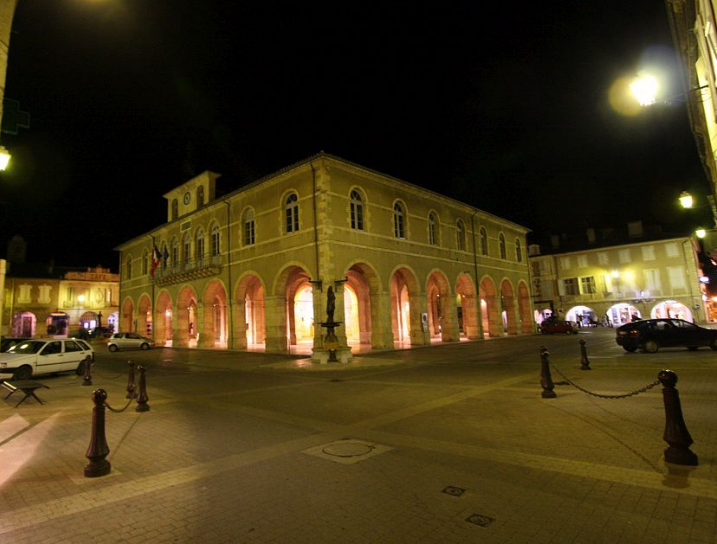
Fleurance was founded as a fortified town in the thirteenth century. It has a central square with arcades and originally had a medieval wooden market hall but this was replaced in the nineteenth century by the present covered stone hall.

Fleurance market hall

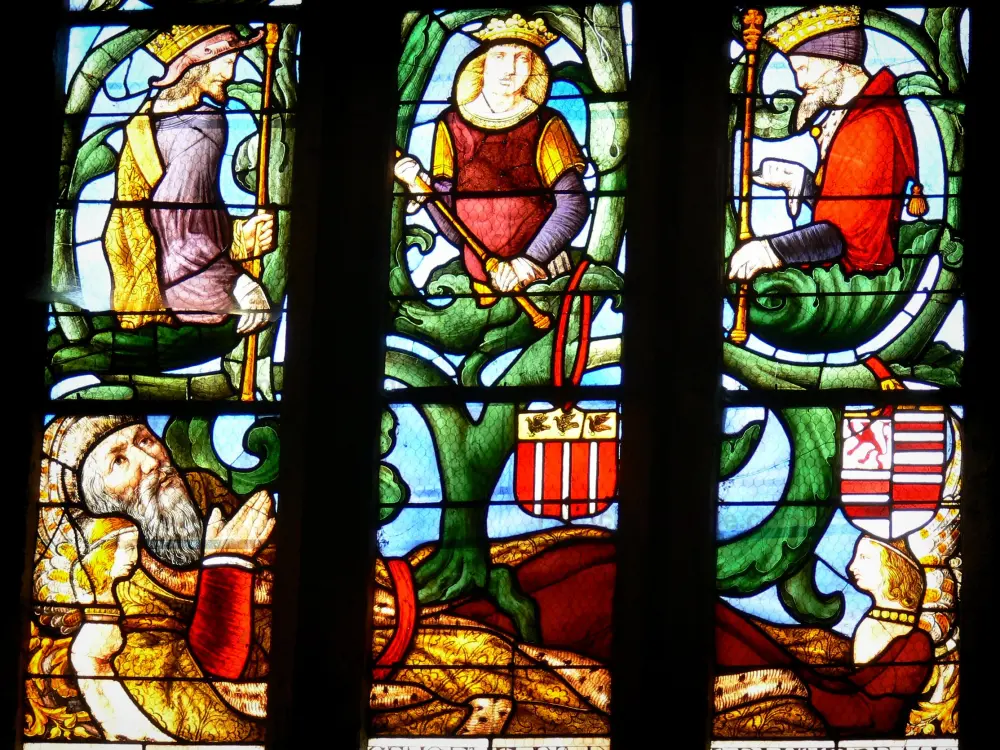
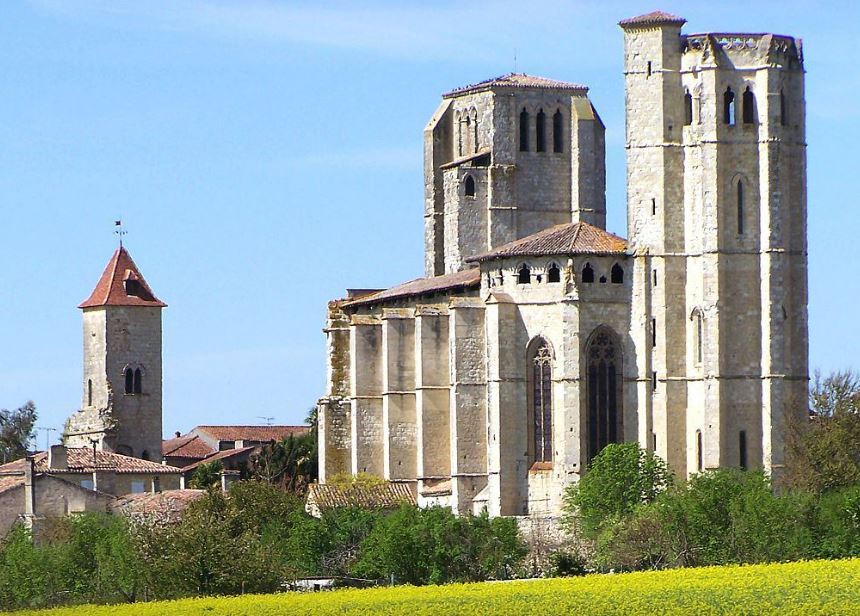
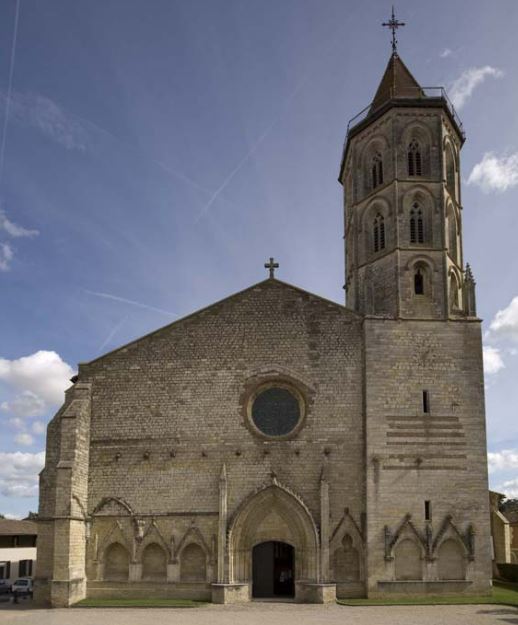
The town’s Church of St. Laurent is in the meridional gothic style with an octagonal bell tower. Its apse has three magnificent Renaissance stained-glass windows dated 1507 – 1513 by Arnaud de Moles. They depict the Holy Trinity, scenes from the lives of saints and the tree of Jesse.

Eglise Saint-Laurent de Fleurance

Detail from ‘Tree of Jesse’ window, Eglise Saint-Laurent de Fleurance

La Romieu is designated as one of Les Plus Beaux Villages de France and its collegiate complex has been classified as a UNESCO World Heritage Site. Its foundation began in 1062 when monks returning from a pilgrimage to Rome and en-route to Santiago de Compostela, settled in the region and founded a priory around which the village grew.

La Romieu

Collégiale Saint-Pierre, La Romieu

Cloître de Collégiale Saint-Pierre, La Romieu

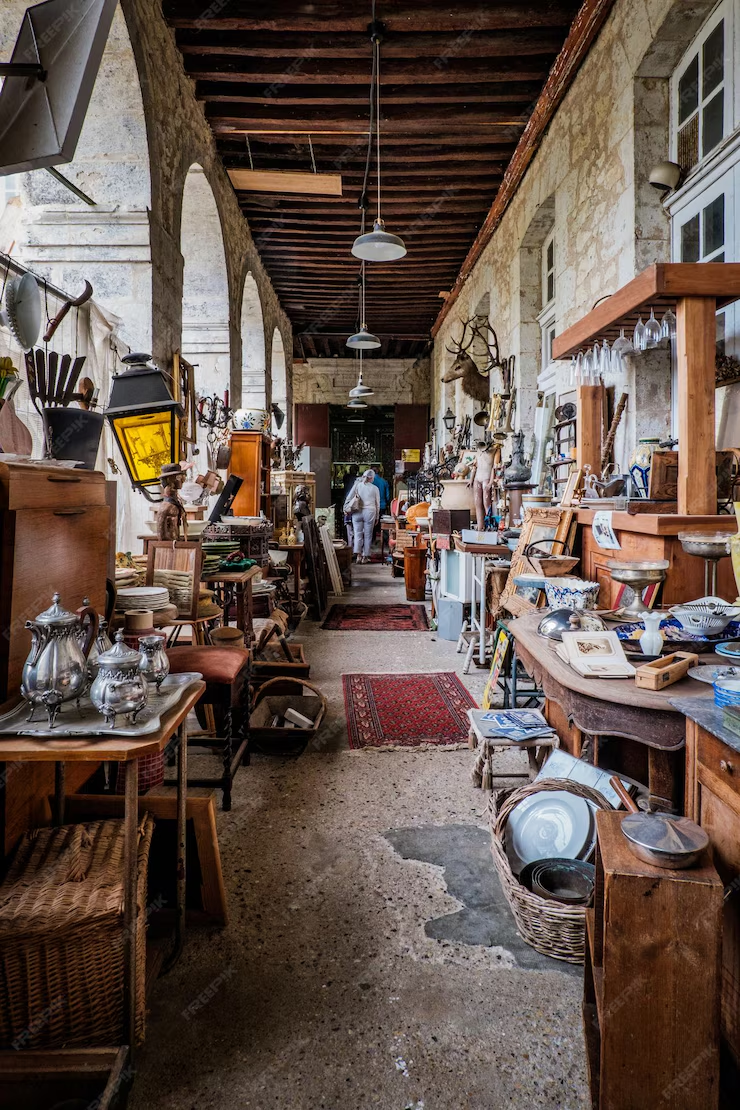
Lectoure is situated at the eastern end of the Armagnac region of the Gers. The town is on the ancient Via Podiensis, classified as a Unesco World Heritage Site as part of the pilgrimage route to Santiago di Compostella. Today it is a busy market town famous for its antiques centre and spa baths..

Cathédrale Saint-Gervais – Saint-Protais and the town of Lectoure

Antiques arcade in Lectoure

Larressingle

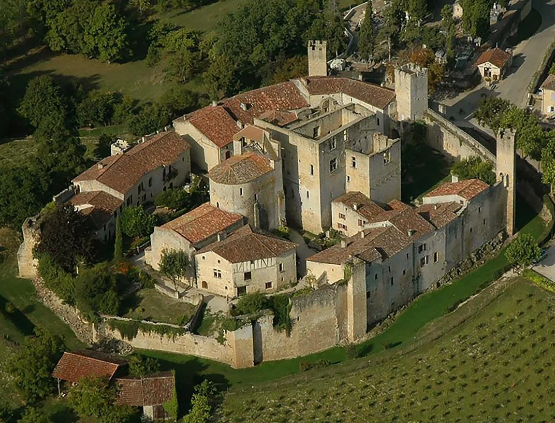
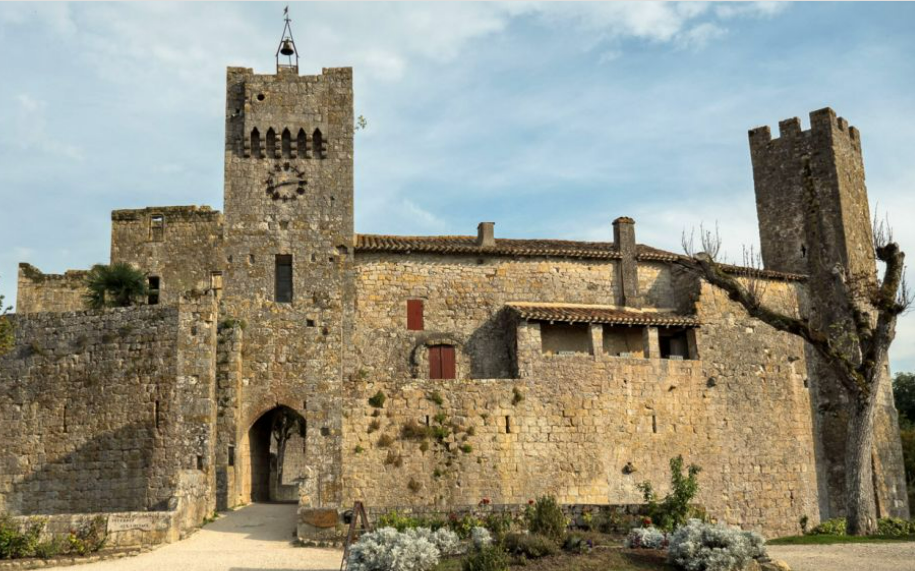
Larressingle is the smallest fortified village in France and is designated as one of Les Plus Beaux Villages de France. The fortifications and chateau were built in the thirteenth century and it once had a population of three hundred, but now there are just a few inhabitants within the inner fortified village.

The church of Saint Sigismund was built before the village and dates to the twelfth century. It is unusual in that the entrance is on the first floor to deter invaders. The chateau, now privately owned, was the residence of the Bishops of Condom in the thirteenth century. After the French Revolution the village was abandoned and only rediscovered in 1920, since when there has been much restoration work.

The fortified village of Larressingle

The entrance to Larressingle

Condom

The market town of Condom is a sub-prefecture of the Gers department and is now mainly known for the production and distribution of Armagnac.

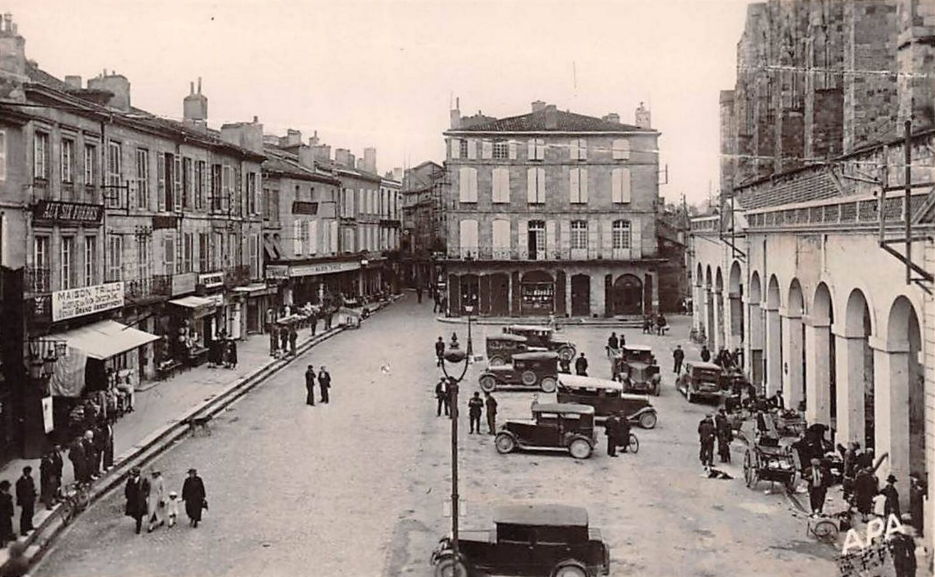
Place Verdun (now Place Saint-Pierre) Condom (1947)

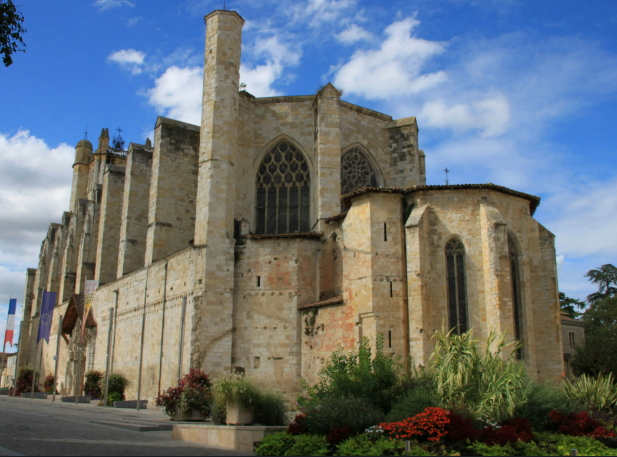
Cathédrale Saint-Pierre de Condom

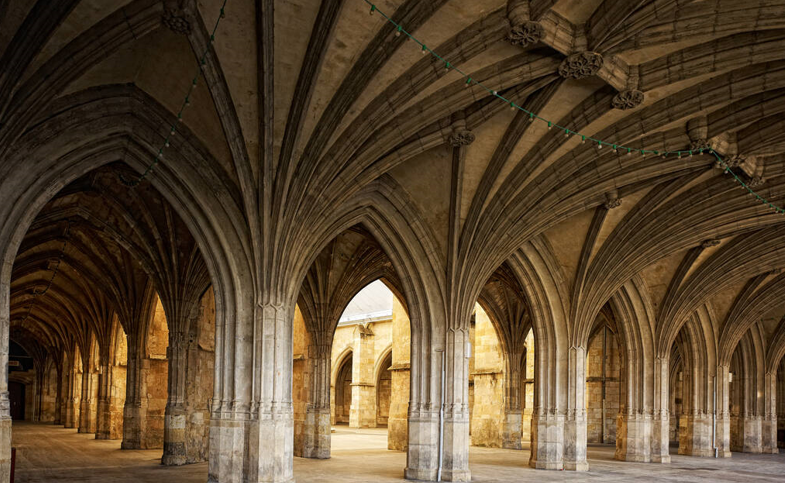
The town’s cathedral, the second to occupy the site, was built between 1506 and 1531, then substantially rebuilt in the following century, mostly in the gothic meridional style.The tympanum above the west door has a central figure of Christ surrounded by the symbols of the four Evangelists. The cathedral cloister, which is also in the gothic style, has a series of impressive pointed stone arches.

Tympanum above the west portal of Cathédrale Saint-Pierre de Condom

Cloître de Condom

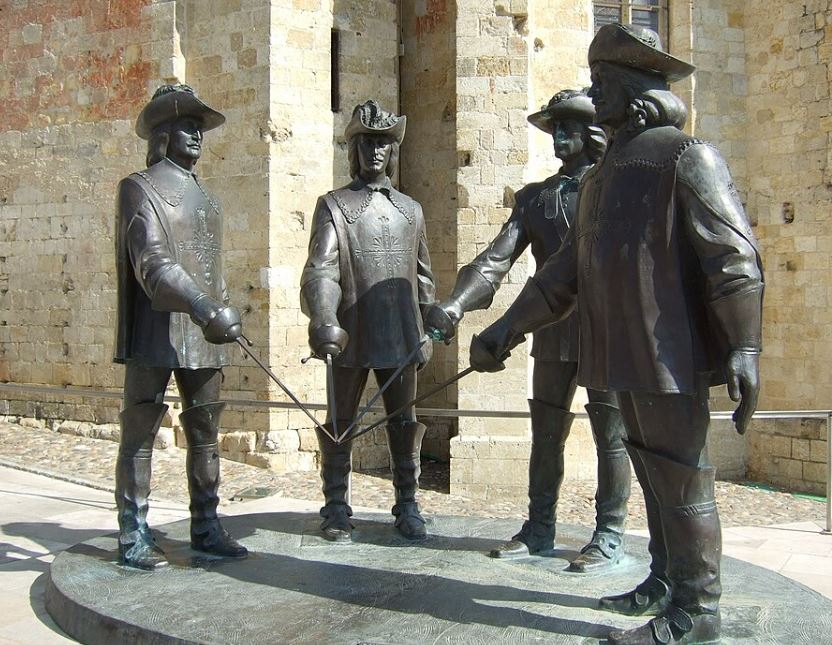
D’Artagnan and the Three Musketeers, Place Saint-Pierre, Condom