Beethoven 9 to welcome the New Year

A great musical start to the new year with an excellent performance of Beethoven’s Ninth Symphony by the Orchestre Nationale de Toulouse under Tarmo Peltokoski, the joint choirs of l’Opera National du Capitole and l’Opera Orchestre National Montpellier and soloists Albert Dohmen (bass), Tuomas Katajala (tenor), Tuija Knihtilä (mezzo-soprano) and Elsa Dreisig (soprano).
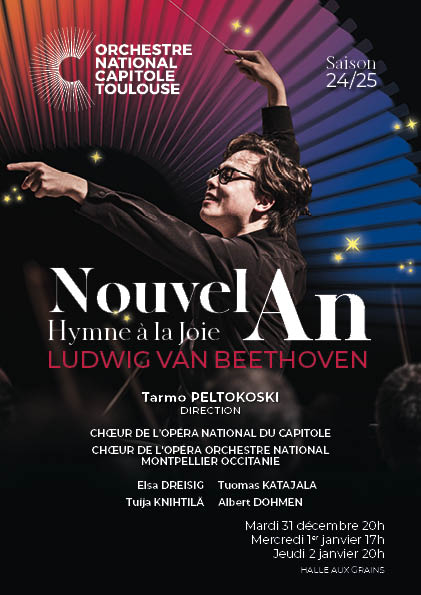
The symphony was really well played throughout; however, I particularly enjoyed the joyous, fast moving second movement, one of my favourite scherzos, and, of course, the fourth, choral movement. The latter was well sung by all four soloists, with Albert Dohmen’s bass being clear and well-projected in introducing the Ode to Joy. However, it was the joint choirs of l’Opera National du Capitole and l’Opera Orchestre National Montpellier who stole the show – they sang wonderfully and with great intensity, bringing the work to a thrilling end.

Beethoven: Symphony no. 9 in D minor, Opus 125.

Natural History Museum, Toulouse

Giants

66 million years ago, all marine and flying reptiles as well as the dinosaurs, apart from the birds, were wiped out in a mass extinction caused by a meteorite colliding with Earth. This then allowed the development of small mammals who gradually filled the habitats left free. With few predators many of these grew to reach gigantic proportions. The Natural History Museum of Toulouse exhibition ‘Giants’ displays eight species from the Cenozoic era with a mixture of skeletons and 3D sculptures.  

Smilodon populator (Uruguay)

Although commonly known as the sabre-toothed tiger, Smilodon was not closely related to the tiger. It was one of the last-surviving machairodonts and lived during the Pleistocene epoch.

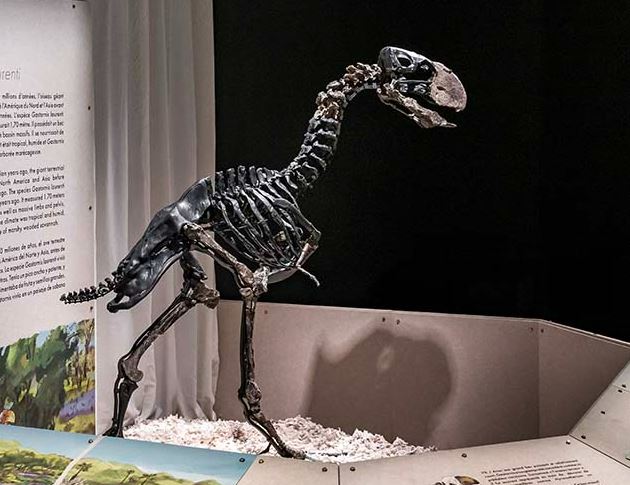
Gastornis laurenti (France)

Gastornis laurenti was a species of giant flightless bird that lived in the Early Eocene period, 52 million years ago.

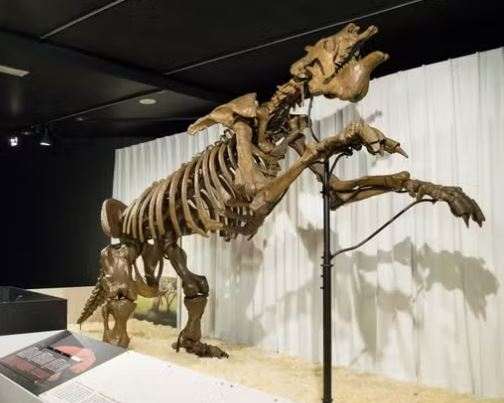
Megatherium americanum (South America)

Megatherium is an extinct genus of giant ground sloth that lived in South America around 25 million years ago.

It was also an opportunity to see the Museum’s permanent collection celebrating the planet’s biodiversity. Particularly interesting was the collection of prehistoric fossils and an impressive display of tribal masks.

Fossils

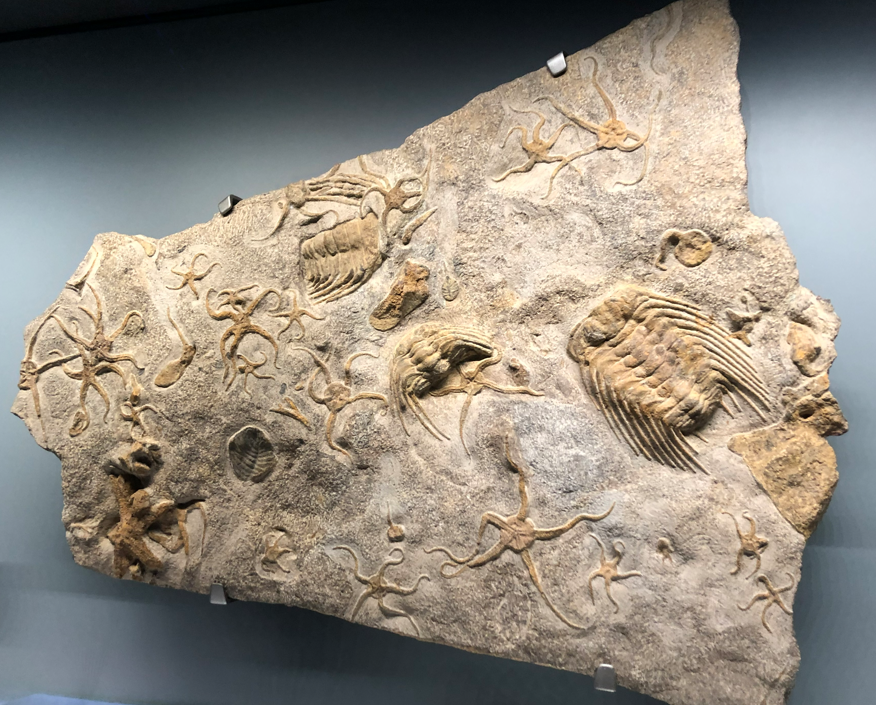
Echinoderms and trilobites (Morocco)

Crinoid Hapalocrinus frechi (Germany)

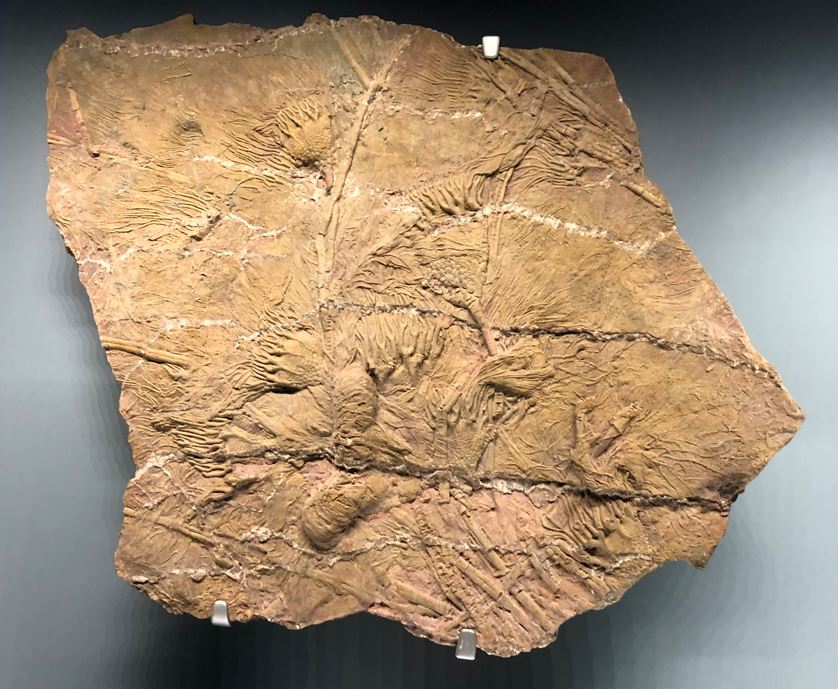
Crinoids Jimbacrinus bostocki (Australia)

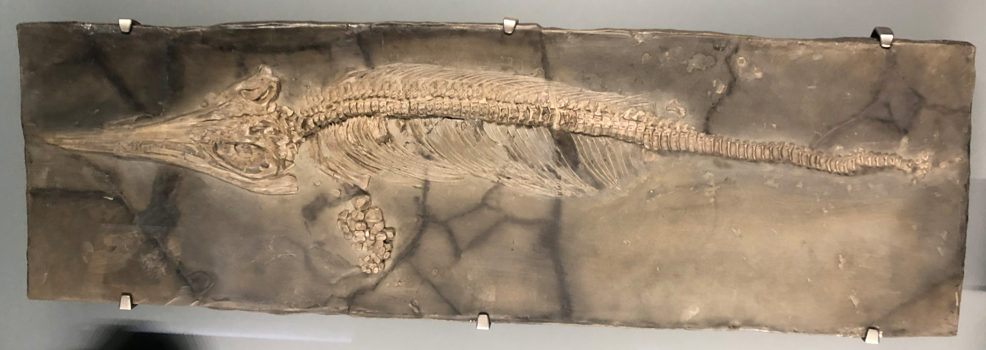
Ichthyosaur Ichthyosaurus tenuirostris (Germany)

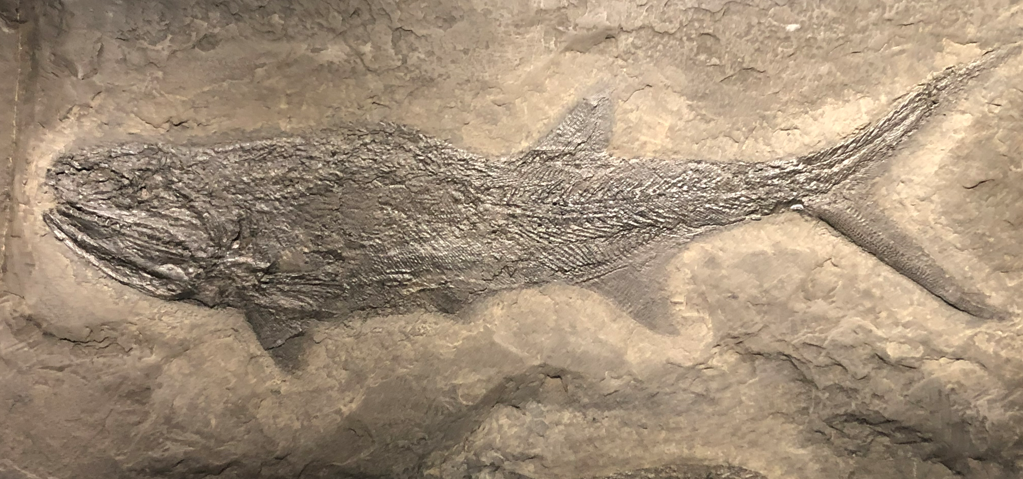
Pygopterus Pygopterus humboldti (Germany)

Masks

Ejumba mask (Diola culture, Sénégal)

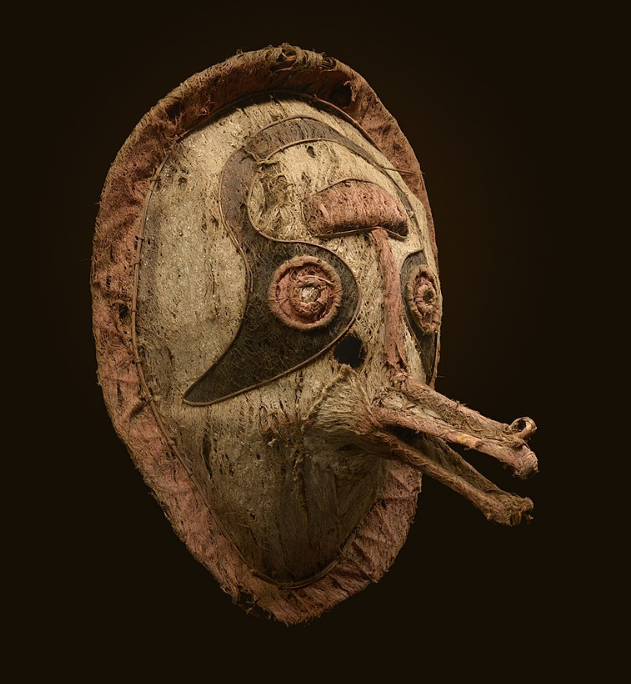
Eharo mask (Elema culture, Papua New Guinea)

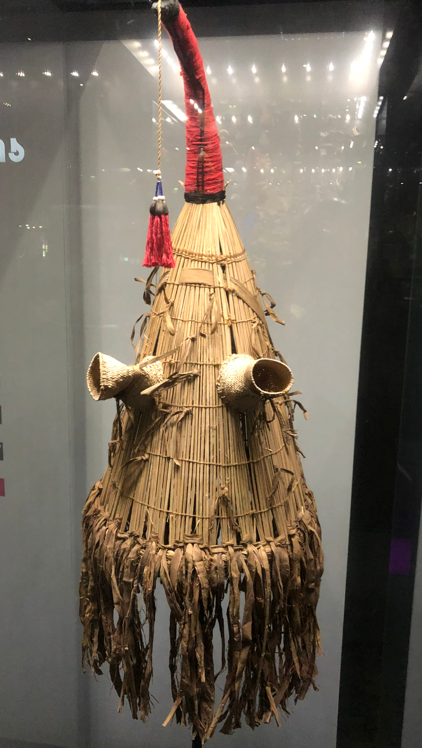
Tamanoir mask (Kayapo culture, Brazil)

Yaka mask (Democratic Republic of Congo)