‘Max Ernst. Paris, 1922-1928’

Bilbao Fine Arts Museum has received on loan an exceptional set of fifty-four works by German painter and sculptor Max Ernst (1891 – 1976), including fourteen paintings, six drawings and thirty-four collotypes that are part of the ‘Histoire naturelle’ portfolio. With the exception of one frottage dated from 1957, all the works were made between 1922 and 1928, a stage of experimentation in the artist’s career in which he evolved from his initial interest in Dadaism towards Surrealism. 
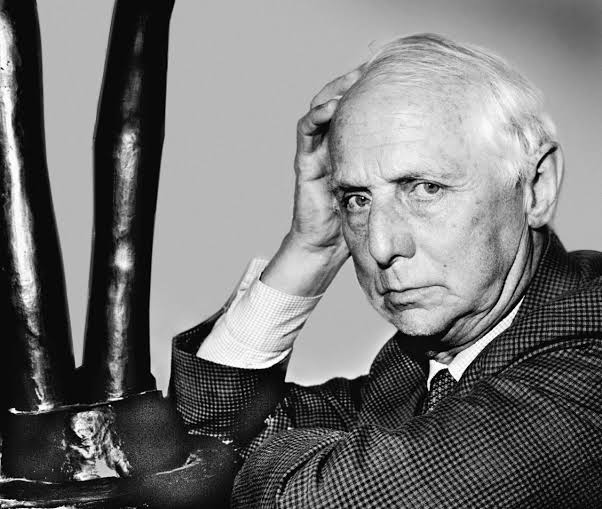
Max Ernst

The works come from the private collection of the grandson of the prestigious English gallery owner Aram Mouradian, who had purchased them both directly from the artist and from third parties.
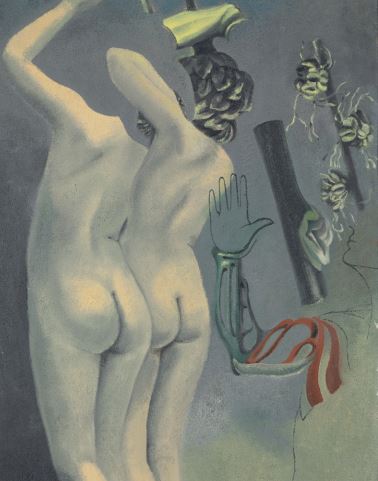
Max Ernst ‘ Two Young Girls in Beautiful Graceful Poses’ (1924)
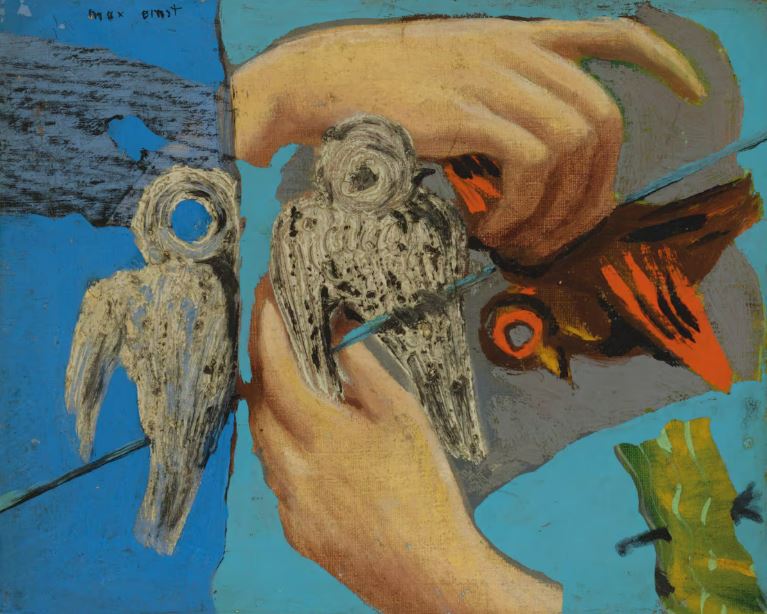
Max Ernst ‘Hands on Birds’ (1925)
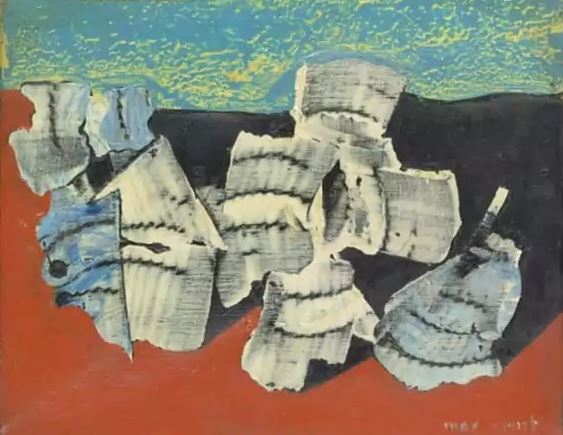
Max Ernst ‘Flower Shells’ (1925)
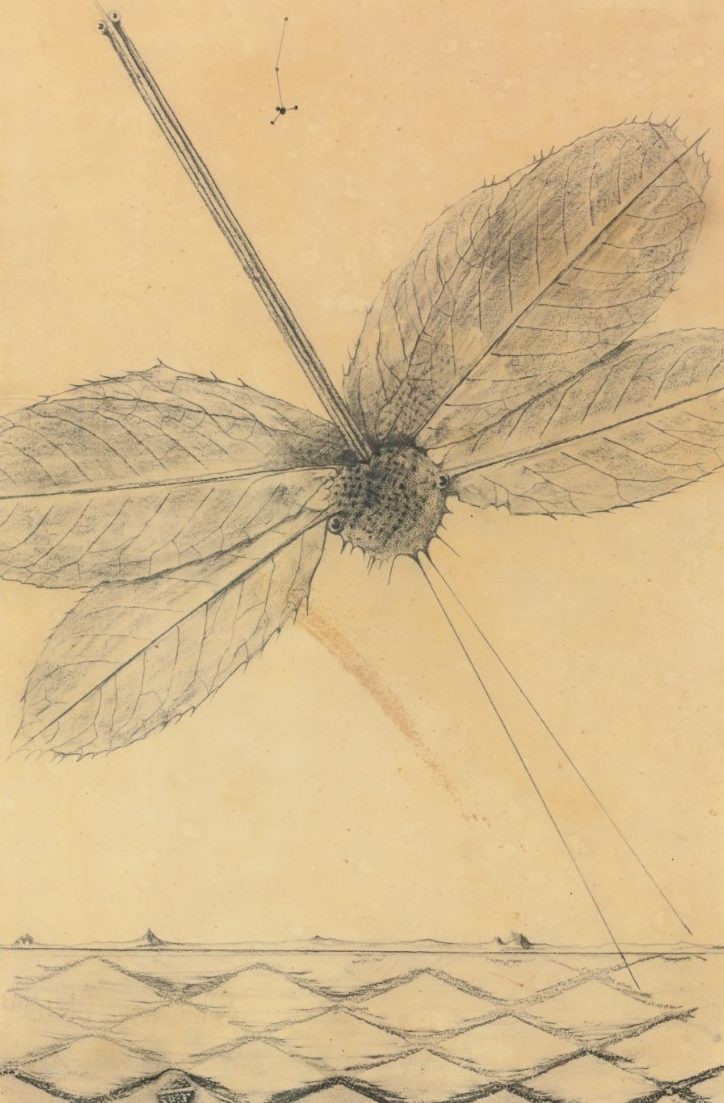
Max Ernst ‘Teenage Lightning’ (Histoire Naturelle, 1925)

Max Ernst ‘The Fugitive’ (Histoire Naturelle, 1925)
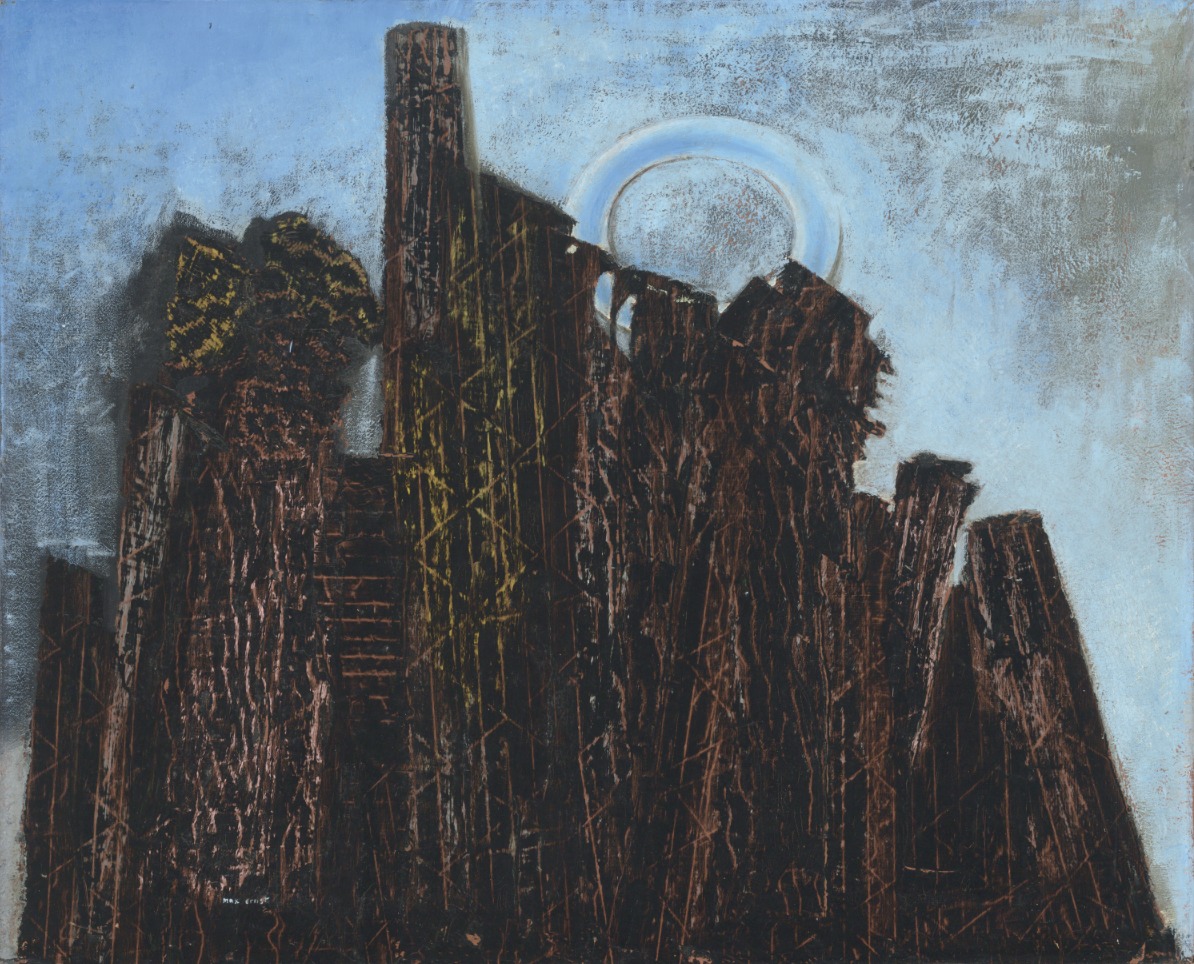
Max Ernst ‘Forest and Blue Sun’ (1927)
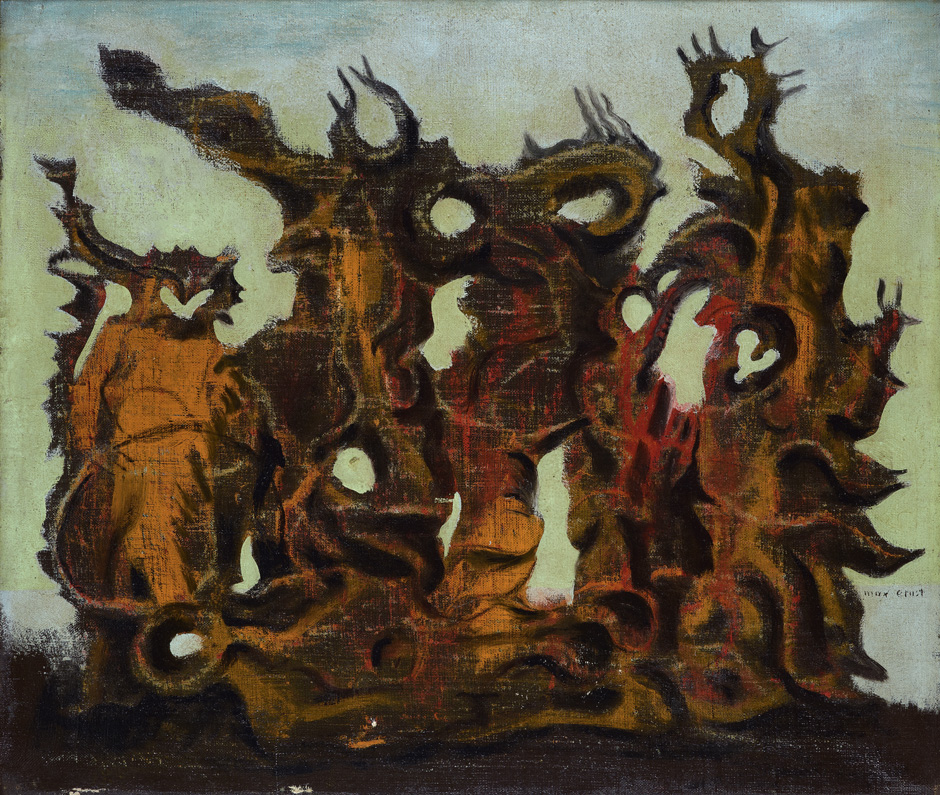
Max Ernst ‘Young People Trampling on their Mother’ (1927)
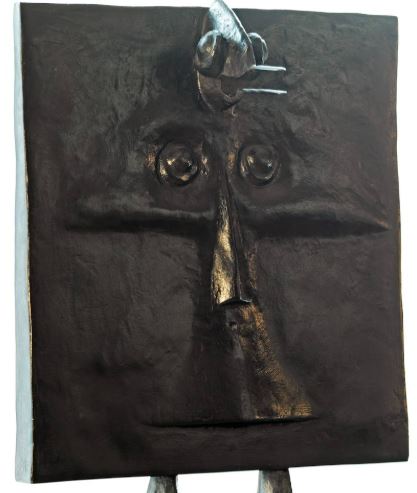
Max Ernst ‘Bird Head’ (1934 – 35)
‘From El Greco to Zuloaga’ in Bilbao

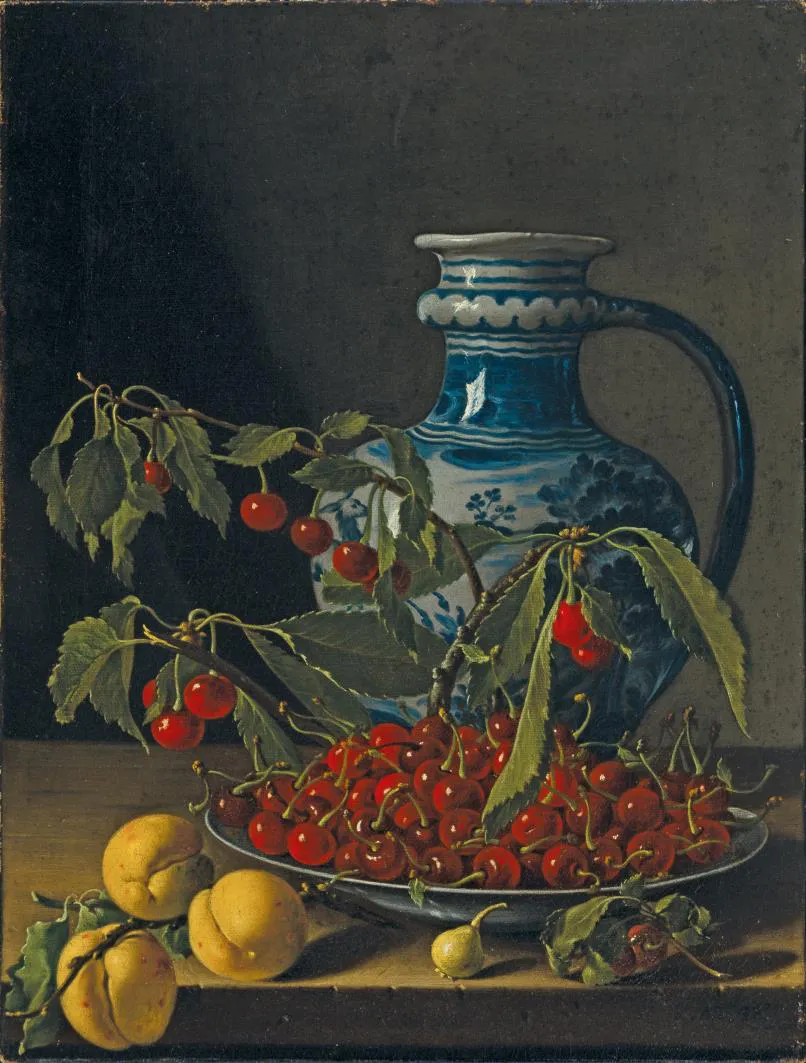
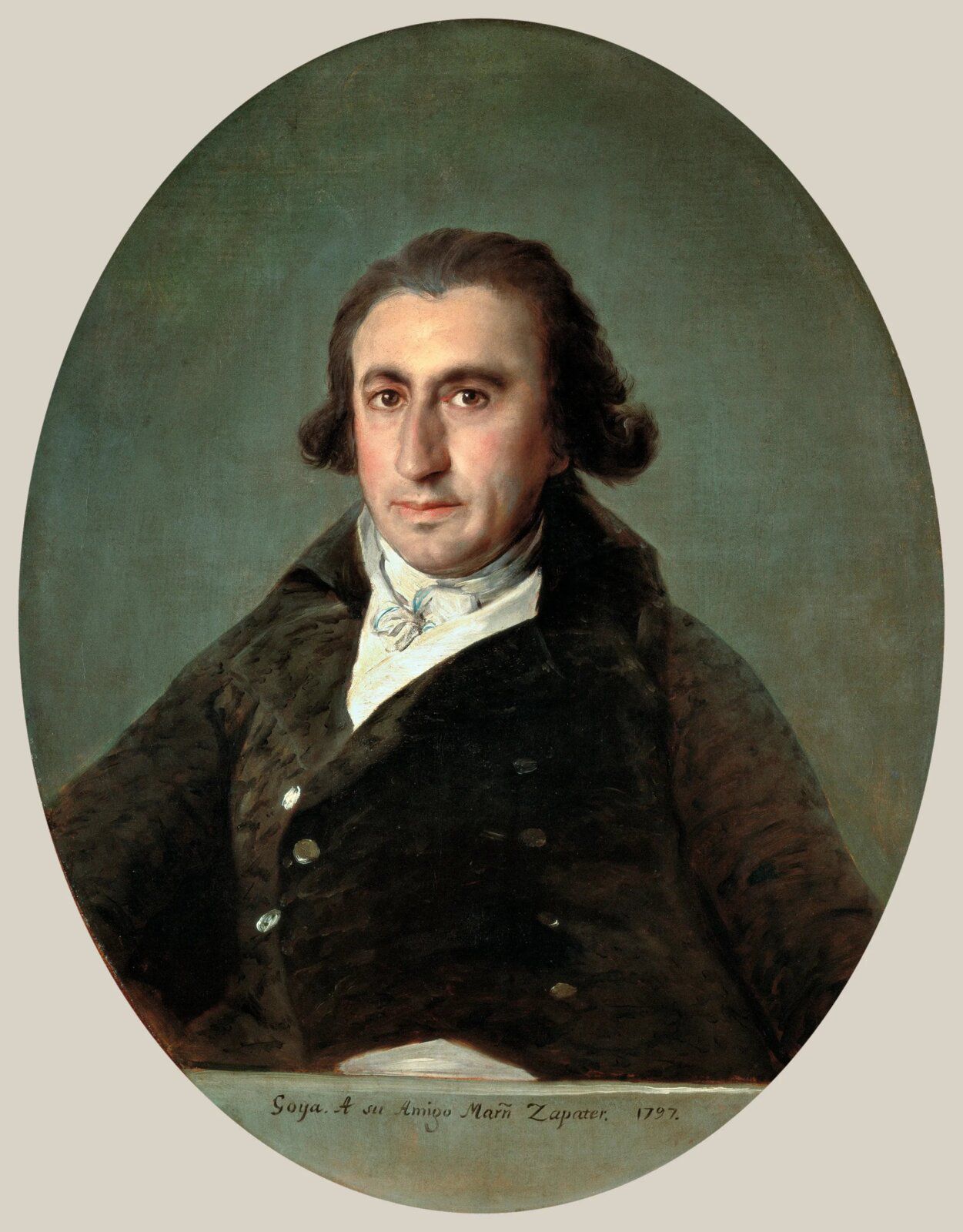
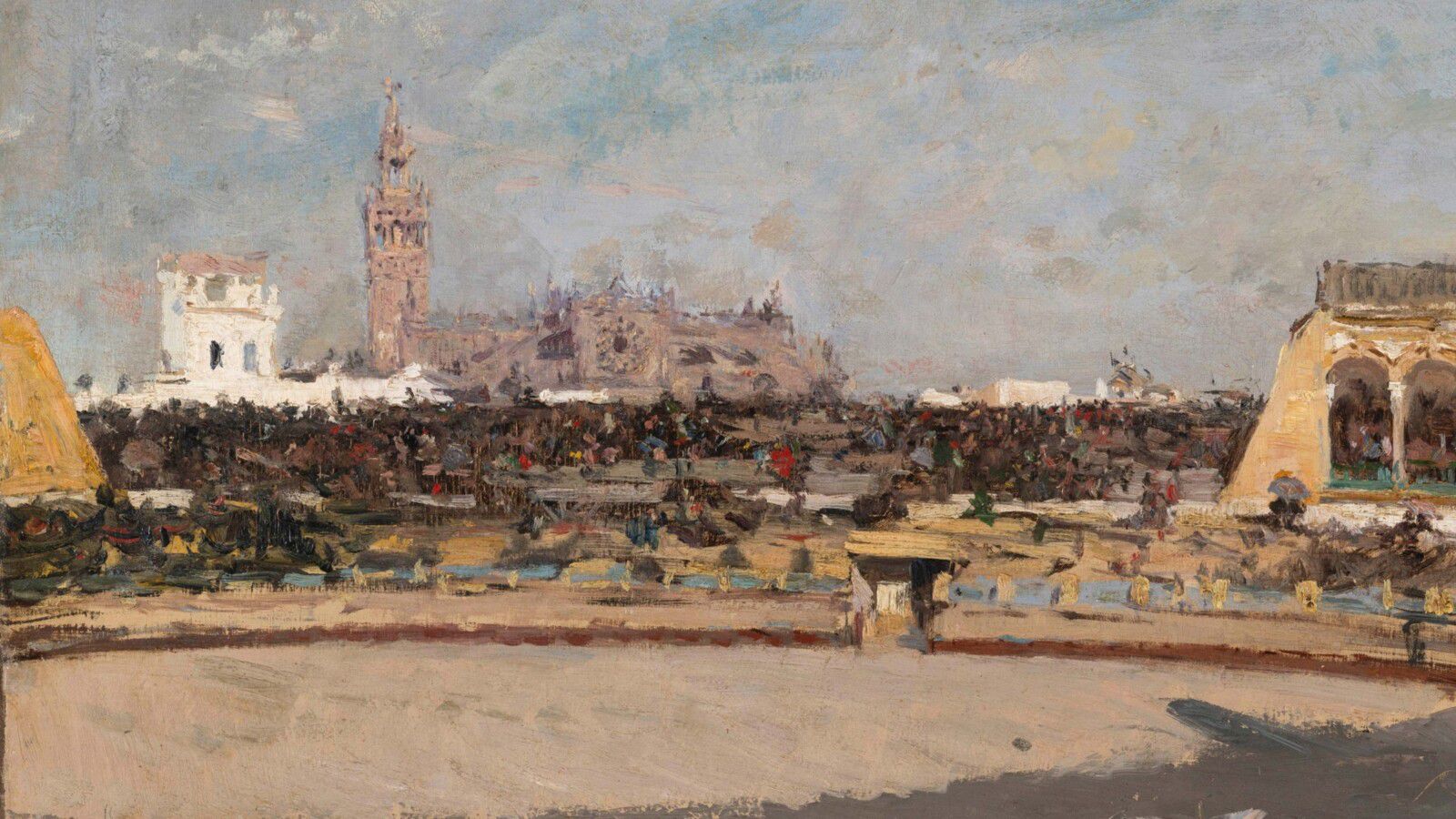
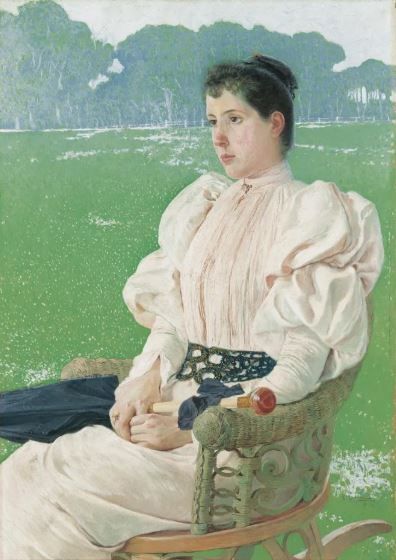
In Bilbao, Spain, at the Museo de Bellas Artes for the exhibition ‘From El Greco to Zuloaga. Masterpieces of Spanish Art’. The exhibition surveys four centuries of Spanish art and highlights two of the most significant genres from the period, portraits and religious art, although there are also important examples of still lifes and landscape paintings.

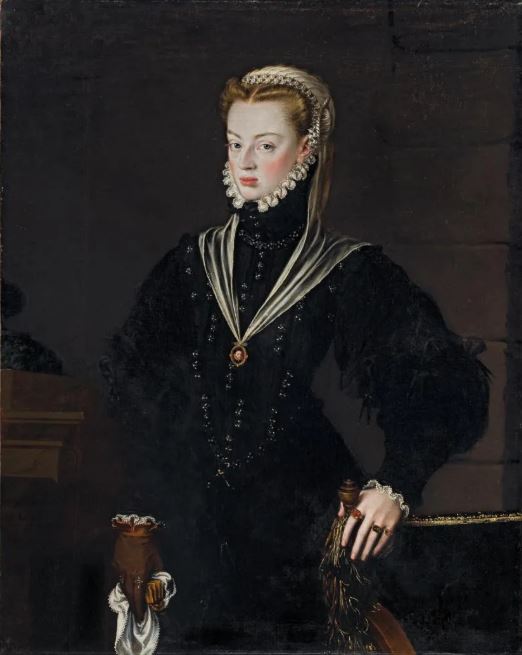
Alonso Sanchez Coello ‘Juana of Austria, Princess of Portugal’ (c.1557)

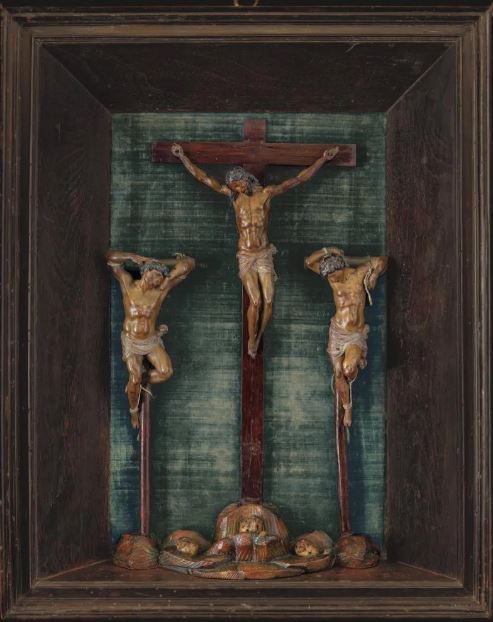
Juan de Anchieta ‘Calvary’ (c.1576 – 80)

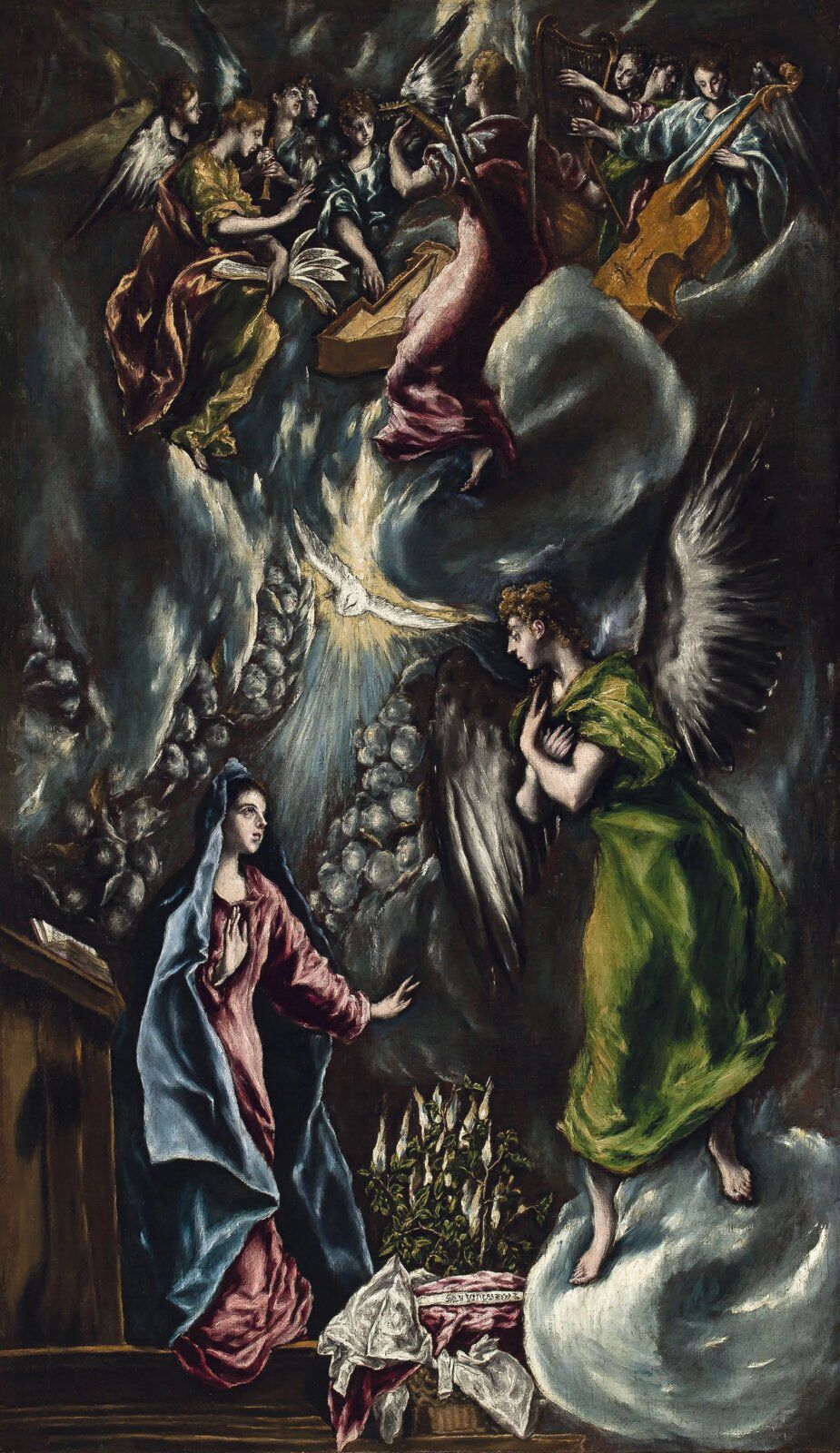
El Greco ‘The Annunciation’ (c.1596 – 1600)

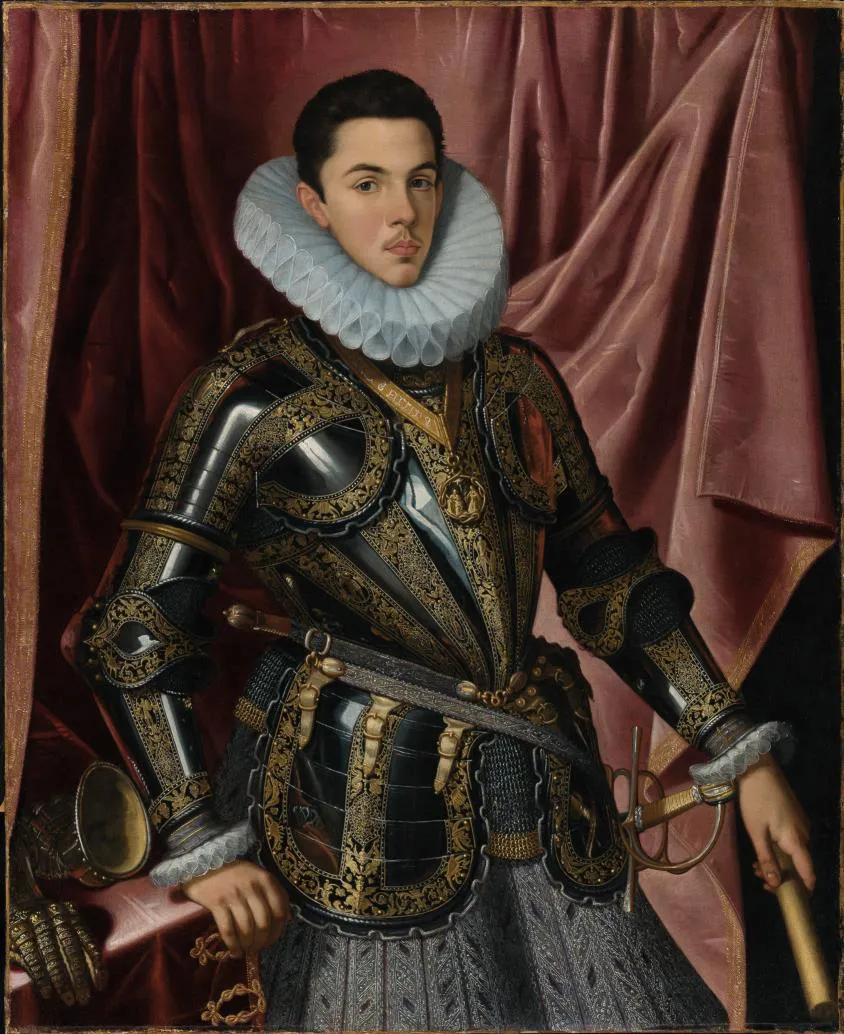
Juan Pantoja de la Cruz ‘Prince Philip Emmanuel of Savoy’ (c.1604)

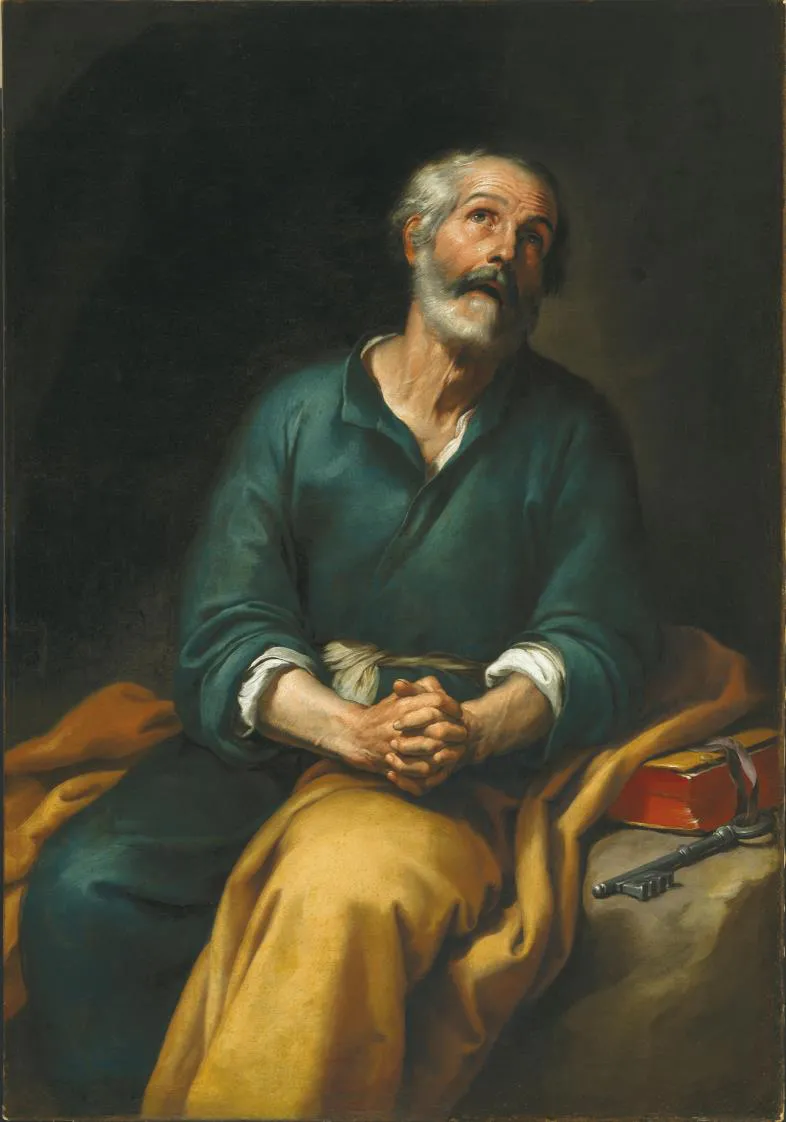
Bartolomé Esteban Murillo ‘Saint Peter in Tears’ (c.1650 – 55)

Francisco de Zurbaran ‘Saint Elizabeth of Thuringia’ (c.1650 – 60)

Juan Pascual de Mena ‘Delorosa’ (c.1754 – 56)

Luis Meléndez ‘Still life with Fruit and a Jug’ (c.1773)

Francisco de Goya ‘Martin Zapater’ (1797)

Mariano Fortuny ‘The Bullring of Seville’ (c.1870)

Anselmo Guinea ‘Portrait of a Woman’ (1894)

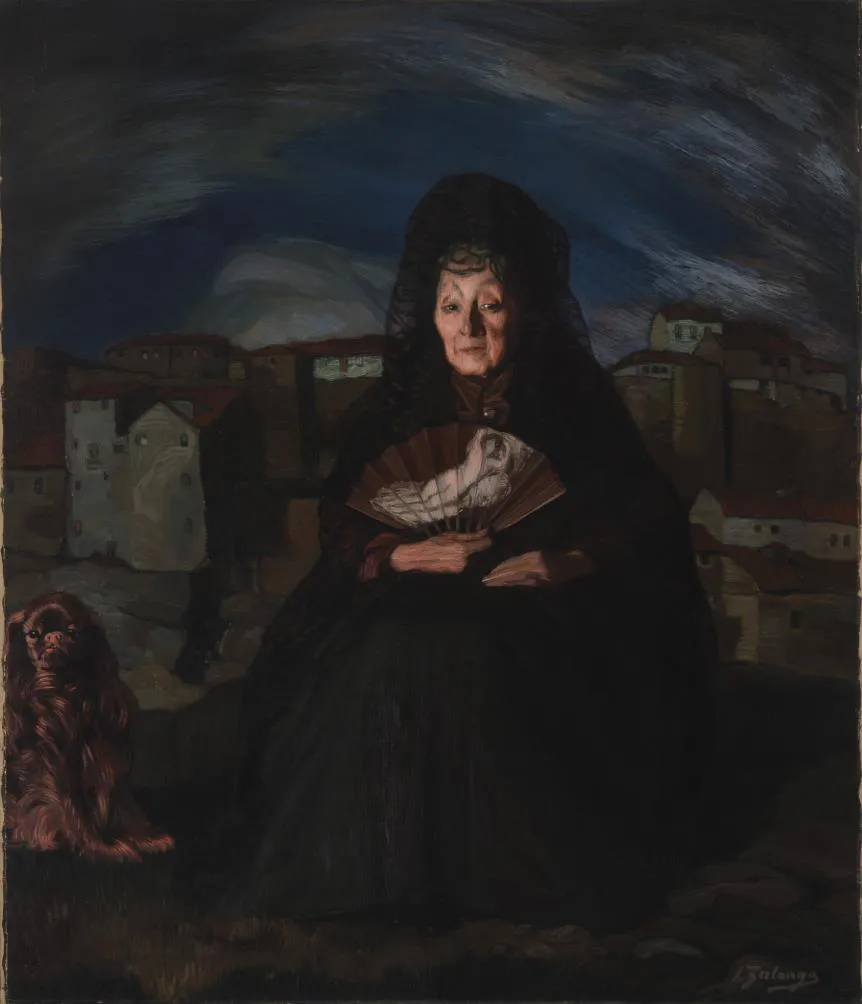
Ignacio Zuloaga ‘Mrs Rosita Gutiérrez’ (c.1914 – 1)

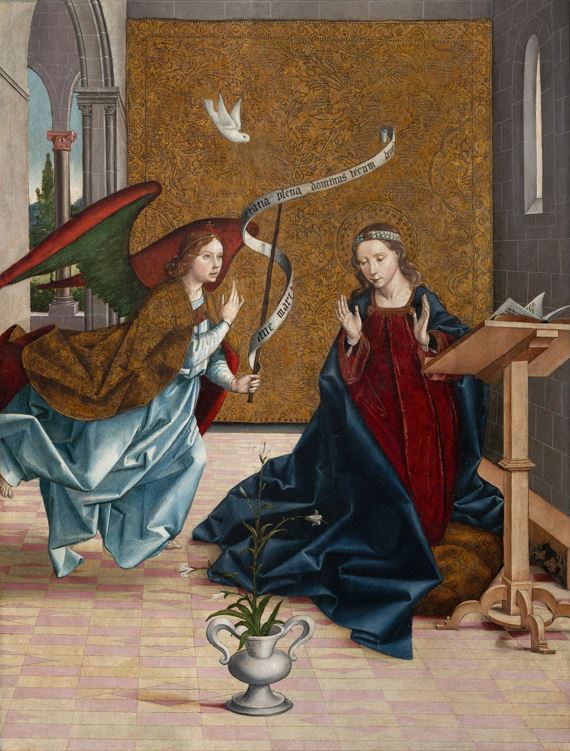
Pedro Berruguete ‘The Annunciation’

Also on display, although not part of the exhibition, was Pedro Berruguete’s ‘The Annunciation’, which has recently undergone restoration. Painted c.1485 – 90, it was probably part of an altarpiece with scenes from the life of the Virgin, perhaps for a church in Palencia in Castille and León.

Pedro Berruguete ‘The Annunciation’ (c.1485 – 90)

‘Pictures at an Exhibition’

Part of the Festival Ravel in Saint-Jean-de-Luz, this was a fascinating concert with a theme of orchestrations. Parts of Robert Schumann’s solo piano work ‘Carnaval’ were orchestrated by Maurice Ravel; Ravel’s own ‘Sonata for Violin no. 2’ was orchestrated by Yan Maresz; with the main work on the programme being Ravel’s orchestration of Modest Mussorgsky’s ‘Pictures at an Exhibition’.

Schumann wrote ‘Carnaval’ in 1834-1835 in Leipzig as a suite of 21 short pieces for piano representing masked revelers at a carnival festival. In 1914 Nijinsky asked Ravel to orchestrate the suite for the Ballets Russes but the project was aborted and only four movements survive. Although the surviving excerpts make a short work they use an imaginative rich colour palette and it provided a lively start to the evening.

Yan Maresz was commissioned by violinist Renaud Capuçon in 2016 to orchestrate Ravel’s second violin sonata The violin part is almost identical to the original piece whilst the piano part has been orchestrated very much in Ravel’s own style. The soloist for this performance was the excellent German violinist Veronika Eberle who played beautifully and with great sensitivity.

Veronika Eberle (photo.© Louie Thain)

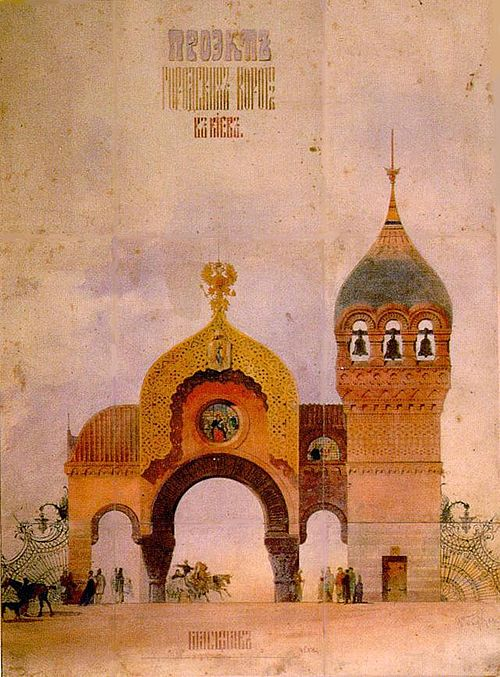
The highlight of the concert was Ravel’s orchestration of Modest Mussorgsky’s ‘Pictures at an Exhibition’, one of my favourite works to hear live. The original work was composed in 1874 as a piano suite in ten movements with a recurring Promenade theme. Mussorgsky wrote it in memory of his friend the artist Viktor Hartmann who had died suddenly the year before, aged only 39. The movements that make up the work correspond to pictures painted by Hartmann, with the Promenade representing the walk between them. It has been orchestrated several times but it is Ravel’s, from 1922, that is best known and most often performed and recorded.

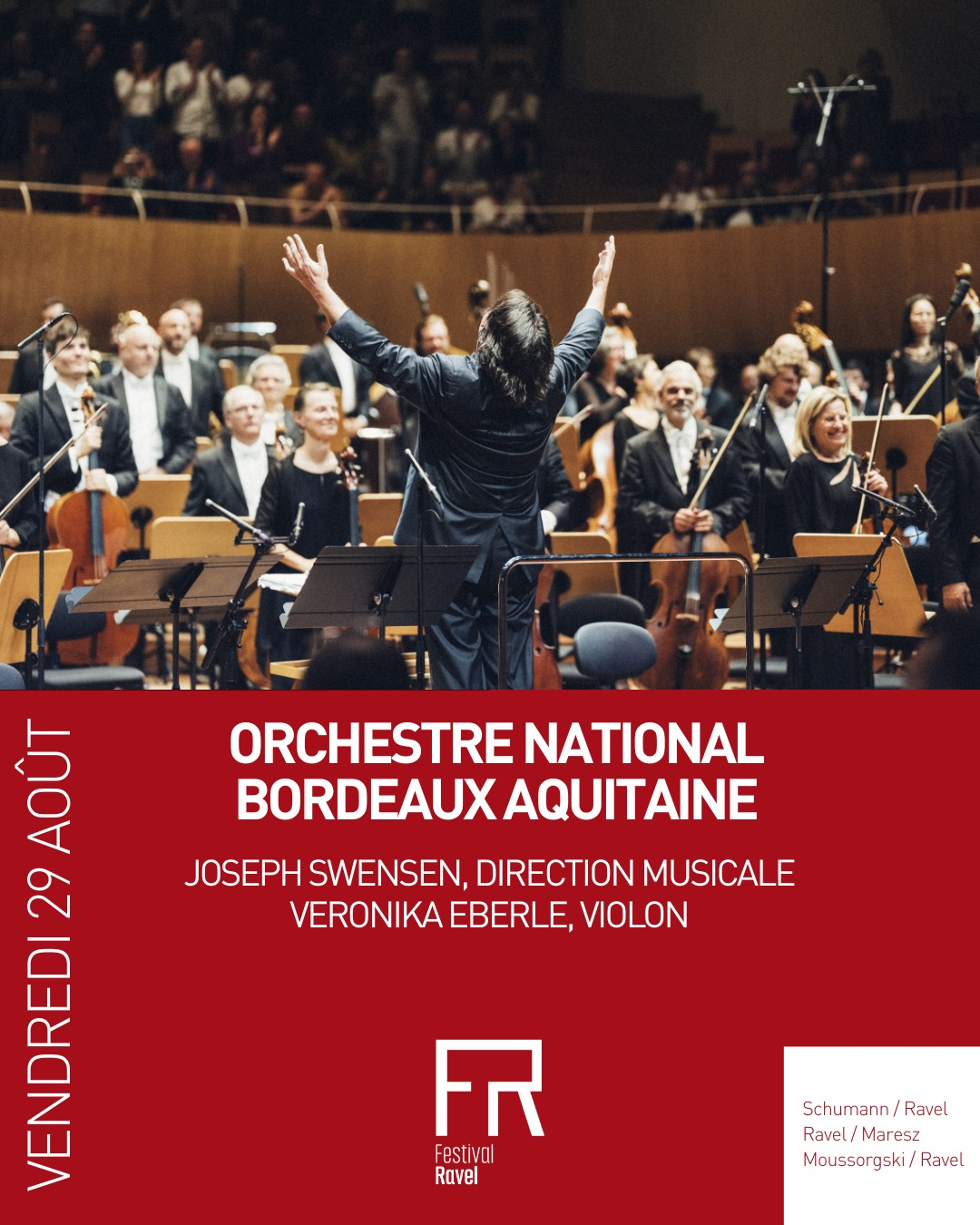
It was an excellent performance by the Orchestre National Bordeaux Aquitaine under the direction of Joseph Swensen. The brass and percussion were particularly impressive, especially in the opening Promenade and the majestic final movement, ‘The Great Gate of Kyiv’ with its triumphant finale. It brought to an end a thoroughly enjoyable evening.

Viktor Hartmann ‘Plan for a city gate in Kiev’ (1869)

Postcards from Saint-Jean-de-Luz

In the picturesque Basque fishing port of Saint-Jean-de-Luz, near the French – Spanish border, for the annual Festival Ravel.

Maurice Ravel was born in 1875 in Ciboure, Saint-Jean-de-Luz, and would often return to the area to spend summers. Now, for over two weeks every year, the festival that bears his name welcomes visitors for classical concerts which attract some of the world’s best-known performers.

Saint-Jean-de-Luz is renowned for its history and its architectural heritage. Église Saint-Jean-Baptiste de Saint-Jean-de-Luz was the site of the marriage, in June 1660, of King Louis XIV and Maria Theresa of Spain, which brought about a reconciliation between France and Spain. The church is also notable for its monumental altarpiece in carved gilded wood, installed in 1669.

Église Saint-Jean-Baptiste de Saint-Jean-de-Luz

Altarpiece of Église Saint-Jean-Baptiste