Pierre Bonnard at Fondation Bemberg

Fondation Bemberg in Toulouse has one of the world’s largest collections of works by French artist Pierre Bonnard (1867 – 1947).
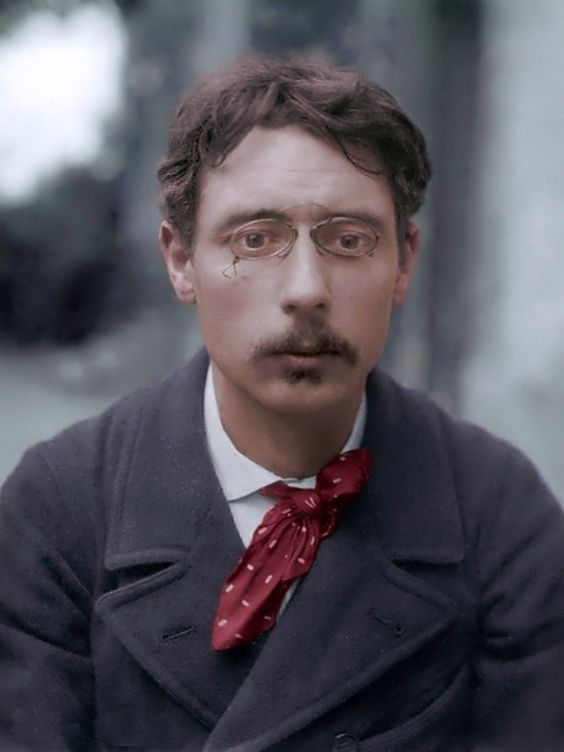
Pierre Bonnard

Pierre Bonnard was born in Fontenay-aux-Roses, Hauts-de-Seine, in 1867, the son of a senior official in the French Ministry of War. Although he showed an early talent for art, to satisfy his father he studied law and and began practicing as a lawyer in 1888. However, whilst studying he also attended art classes at the Académie Julian in Paris, where he met fellow artists Paul Sérusier, Maurice Denis, Paul Ranson and Gabriel Ibels. In 1888, Bonnard was accepted by the Ecole des Beaux Arts and there he met Edouard Vuillard and Ker Xavier Roussel. From 1893 Bonnard lived with Marthe de Mèligny who had been his model. They married in 1925 and remained together until her death in 1942.

In 1888, Bonnard joined with his friends from the Académie Julian to form Les Nabis. Although as artists they had very different styles they did have common artistic ambitions. In October 1888 Paul Sérusier travelled to Pont-Aven in Brittany where he met Paul Gauguin. Under Gauguin’s guidance he painted ‘The Bois d’Amour at Pont Aven’, known as ‘The Talisman’, using patches of pure colour. On his return to Paris, Sérusier showed the painting to his Nabis colleagues, including Bonnard, and this was to influence their future styles.

In 1891, Bonnard met Toulouse-Lautrec and in December of that year he showed his work at the annual exhibition of the Société des Artistes Indépendants. He also continued to display his work with other members of Les Nabis.

In 1893, he saw a major exposition of Japanese graphic art at the Durand-Ruel Gallery, and the Japanese influence began to appear in his work. Because of his passion for Japanese art, his nickname among the Nabis became ‘Le Nabi le trés japonard”. However, In 1894, he turned in a new direction and made a series of paintings of scenes of the life of Paris.

Into the twentieth century, Bonnard continued to refine his painting style and also diversified into illustrations for books and literary magazines such as ‘La Revue blanche’, as well as decorative panels. The outbreak of World War II forced Bonnard to leave Paris for the south of France, where he remained until the end of the war. In 1947 he finished his last painting, ‘The Almond Tree in Blossom’, a week before his death in his cottage on La Route de Serra Capeou, near Le Cannet, on the French Riviera.
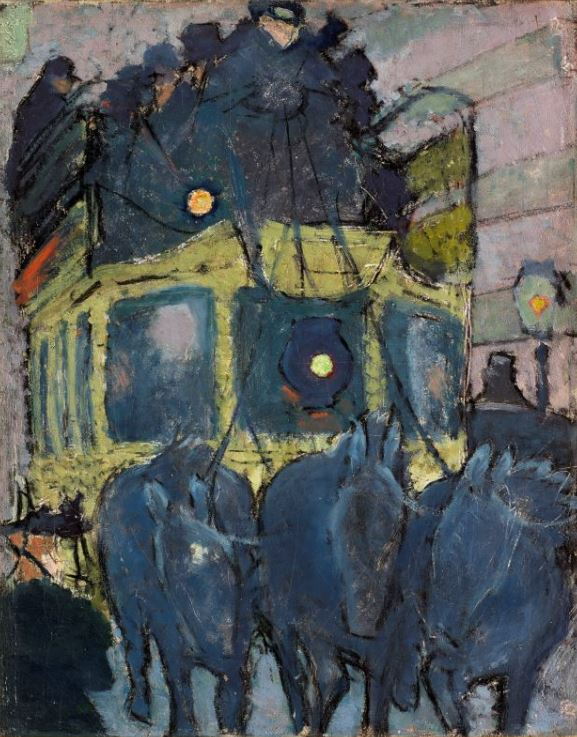
Pierre Bonnard ‘L’omnibus Panthéon-Courcelles’ (c.1890)
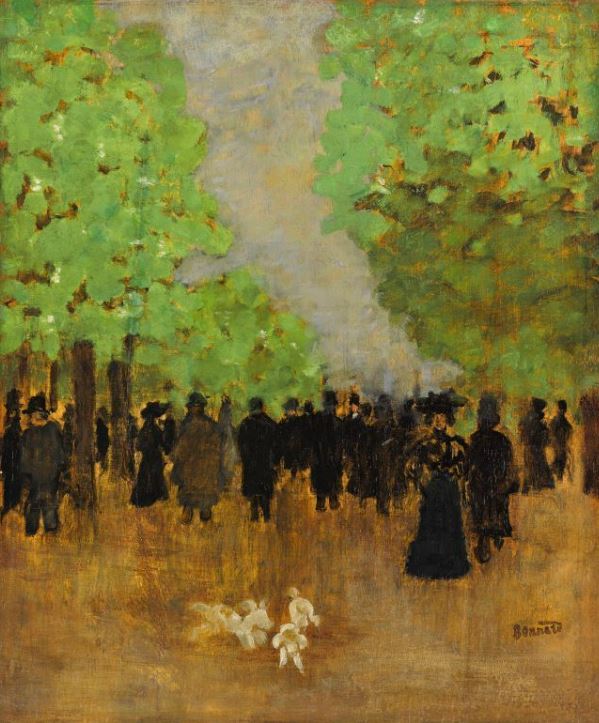
Pierre Bonnard ‘Tuileries (Scène de rue)’ (1894)
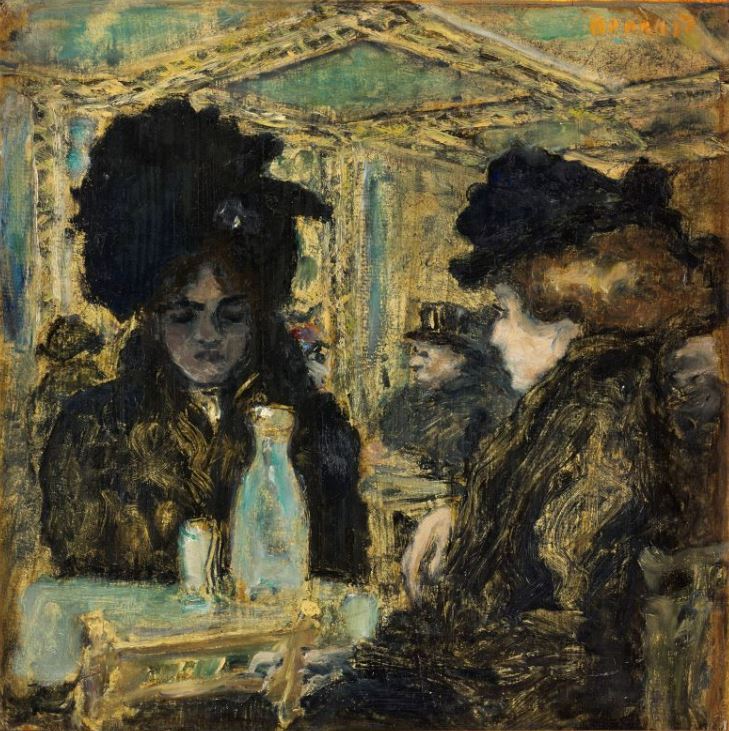
Pierre Bonnard ‘Au café’ (c.1900)
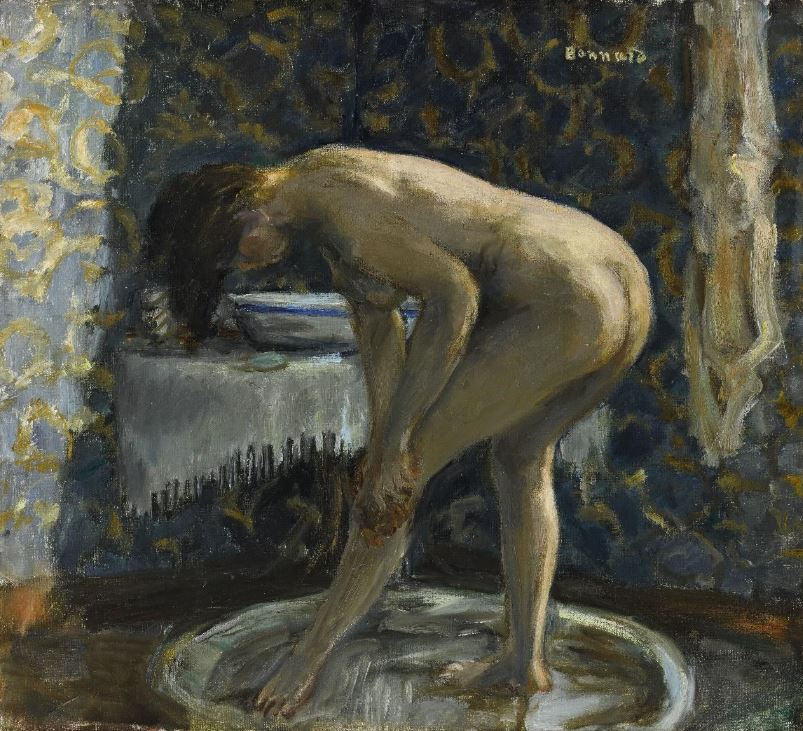
Pierre Bonnard ‘Nu au tub’ (1903)
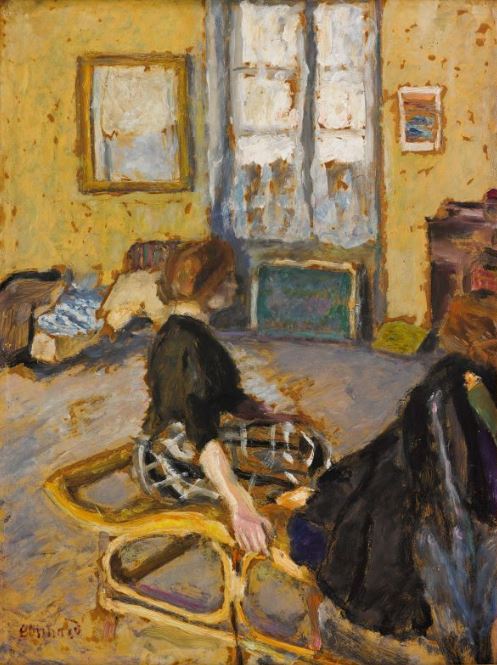
Pierre Bonnard ‘Interior’ (c.1905)
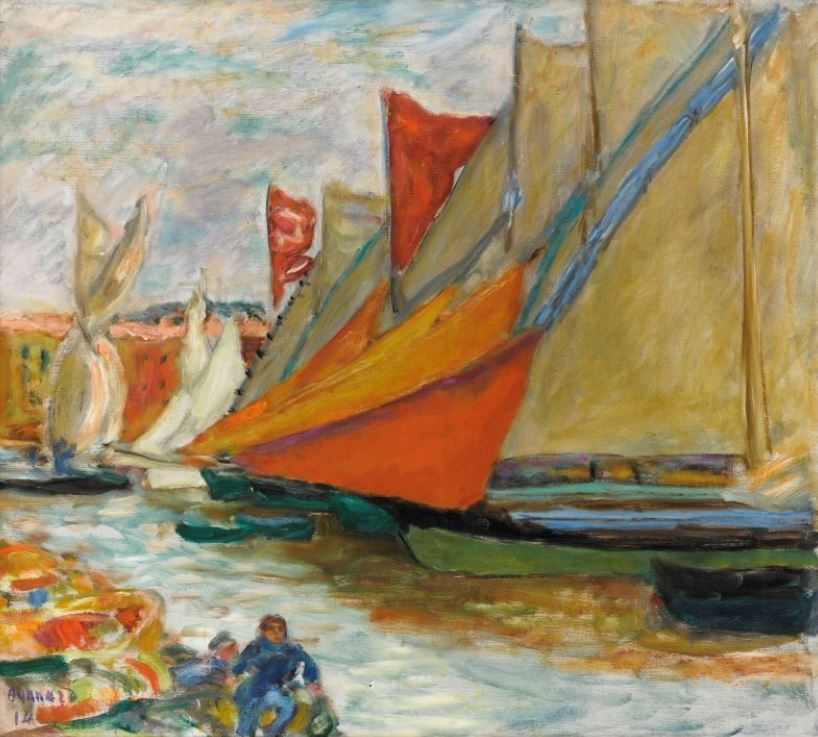
Pierre Bonnard ‘Voiles au sec ou Les voiliers à Cannes’ (1914)
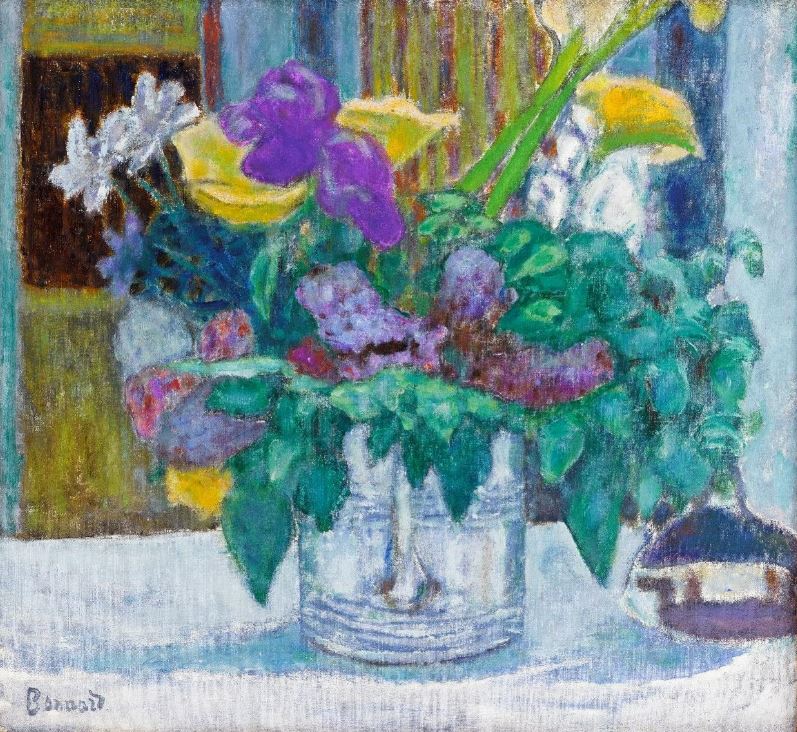
Pierre Bonnard ‘Iris et lilas’ (1920)
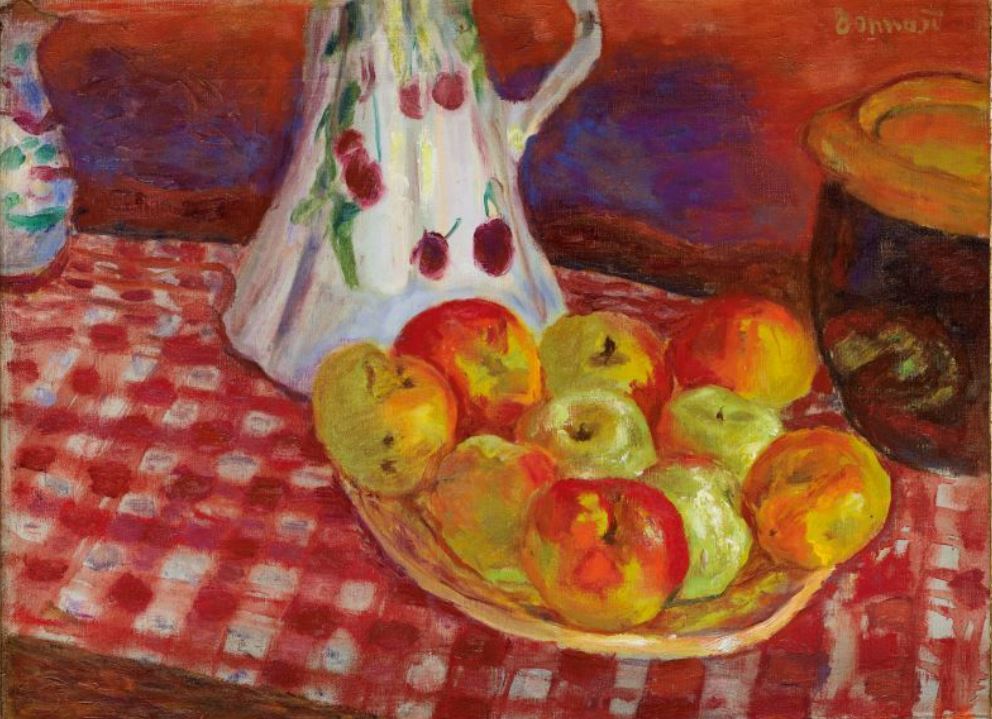
Pierre Bonnard ‘Les pommes jaunes et rouges’ (1920)
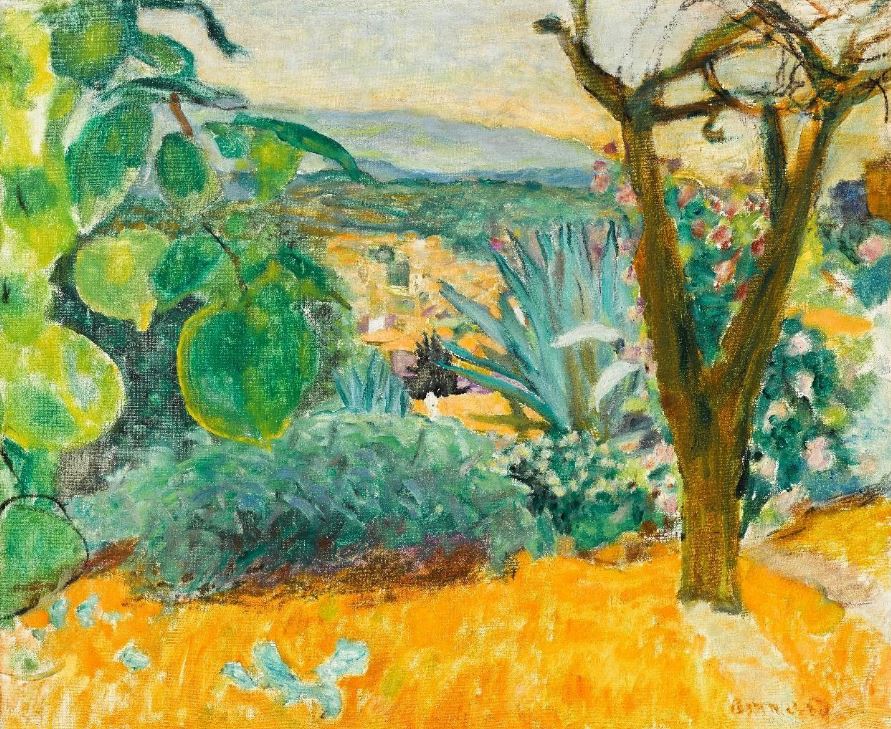
Pierre Bonnard ‘Le Cannet’ (1930)
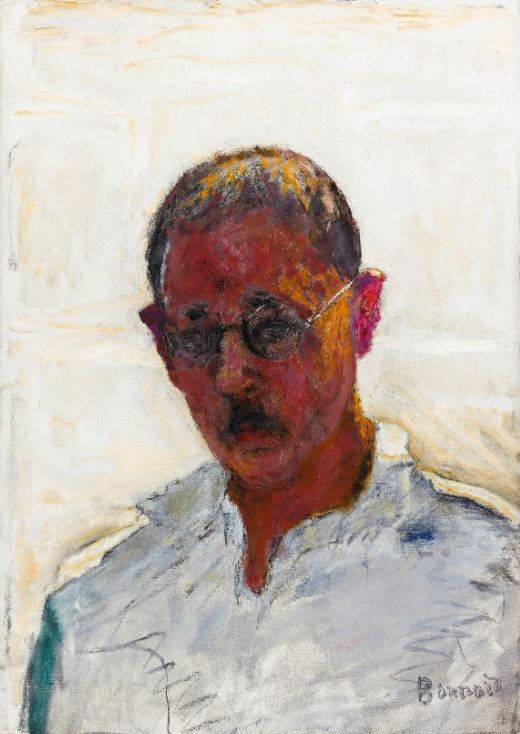
Pierre Bonnard ‘Autoportrait sur fond blanc, chemise col ouvert’ (c.1933)
Fondation Bemberg, Toulouse

This was my first visit to Fondation Bemberg since 2016, following its recent major renovation during a three-year closure. The paintings have been rehung in chronological order making it a fascinating journey through the history of art from the Renaissance to the twentieth century.

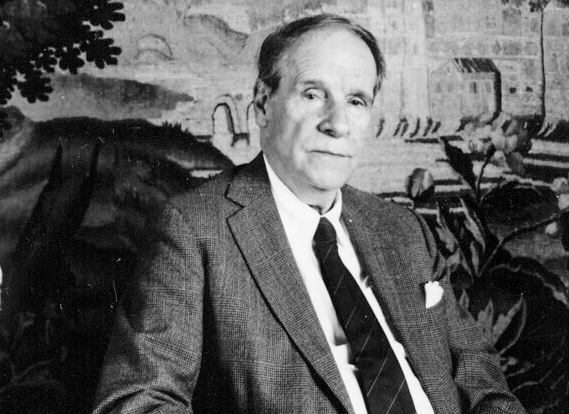
The Bembergs were a prominent Lutheran family from Cologne. Around 1850 they left to settle in Argentina, where they founded an industrial empire. Georges Bemberg was born on 30 September 1915 in Buenos Aires and he spent his childhood between Argentina and Paris. After studying at Harvard University he became a student of the French pianist and composer Nadia Boulanger and considered a career as a composer, but eventually turned to writing. He published several novels and plays between 1943 and 2003.

Georges Bemberg

Encouraged by his uncles, he began to collect paintings and at only twenty he made his first acquisition in New York, a gouache by Pissarro. This was the beginning of a collection that would grow over the years. He was particularly interested in Venetian art and the Post-Impressionists, especially Pierre Bonnard. Over the years he amassed an enormous collection and In 1994 he lent over 1,100 works to the municipality of Toulouse for 99 years in order to make them accessible to the public.

Although the Fondation Bemberg holds frequent temporary exhibitions, it is Georges Bemberg’s permanent collection that fills the galleries and makes the Fondation such an important contribution to the study of art history.

A selection:

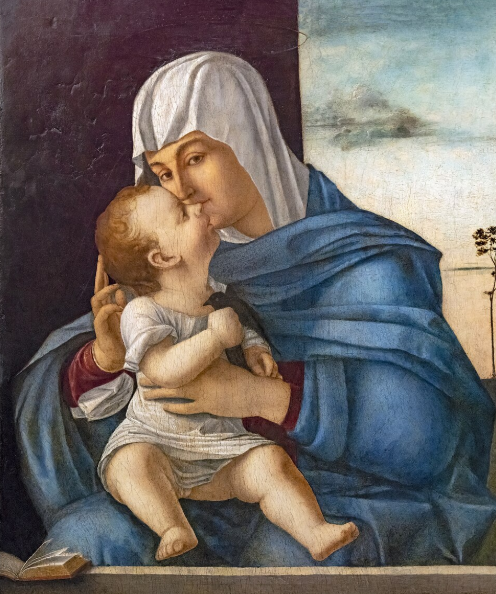
Vittore Carpaccio ‘Vierge à l’Enfant’ (c.1485 – 90)

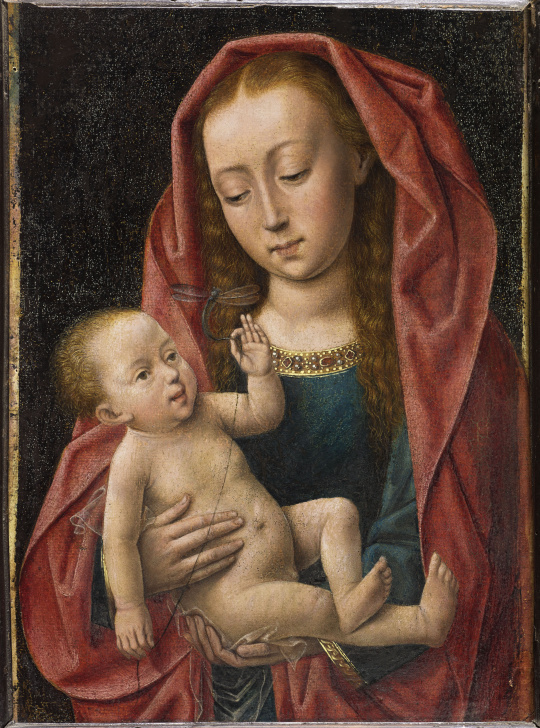
Rogier van der Weyden ‘ Vierge à l’Enfant’ (15th century)

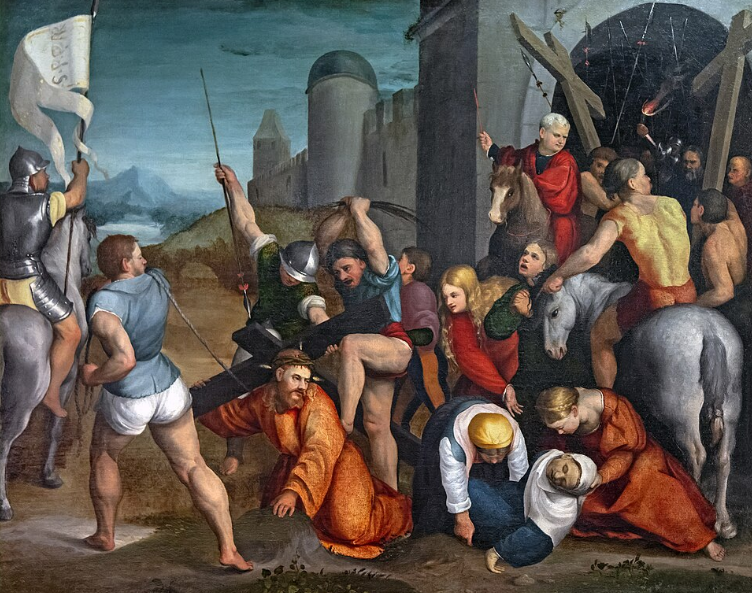
Jacopo Bassano ‘The Ascent to Calvary’ (c.1535 – 38)

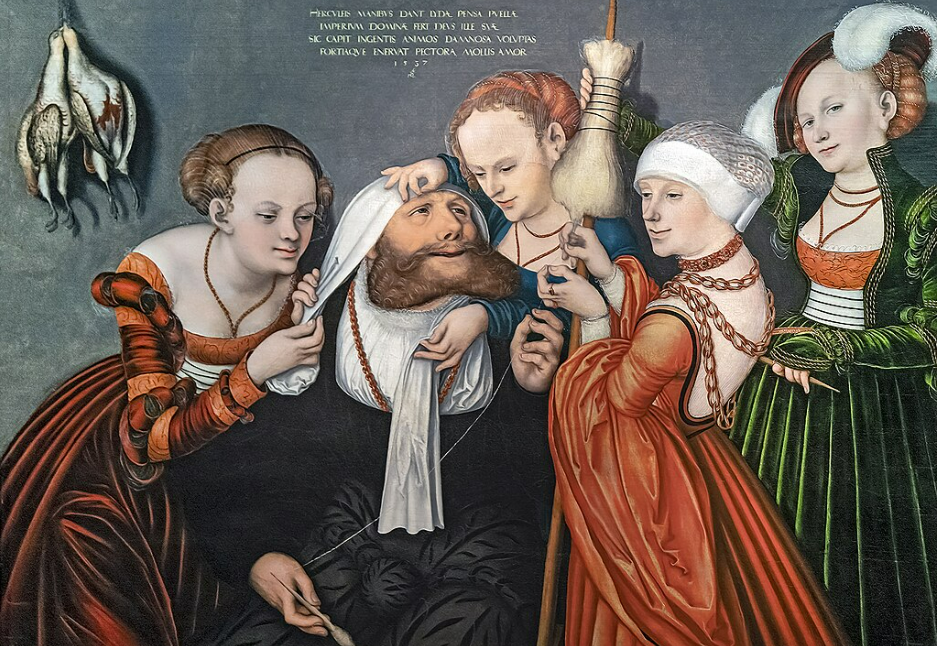
Lucas Cranach the Elder ‘Hercule à la cour d’Omphale’ (1537)

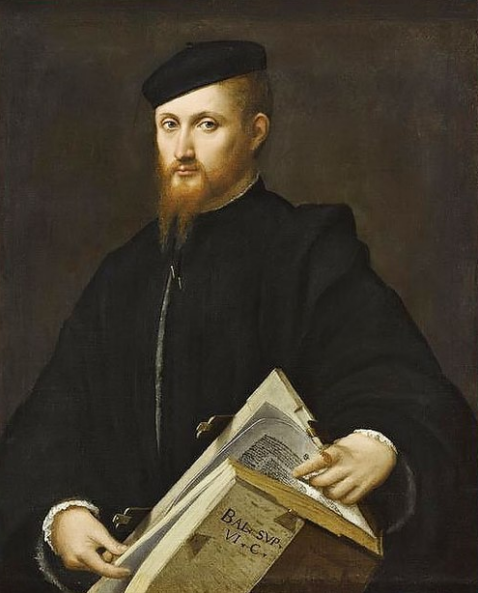
Lorenzo Lotto ‘ Portrait d’homme au livre’ (1541)

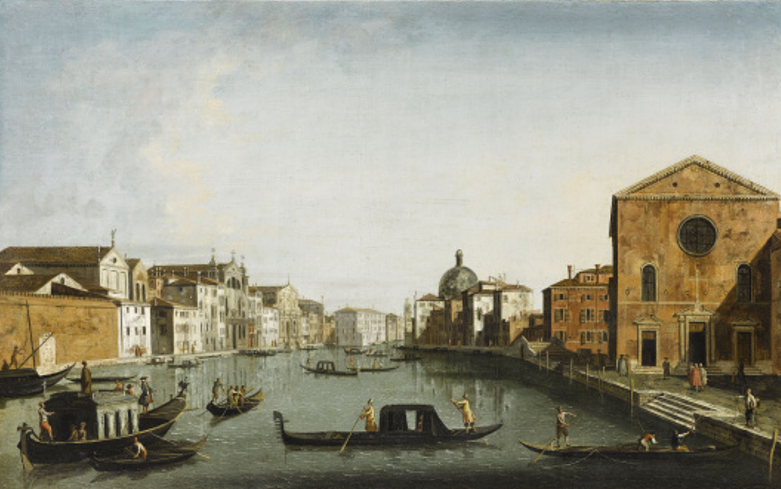
Canaletto ‘Le Grand Canal entre les églises Santa Croce et San Geremia’ (18th century)

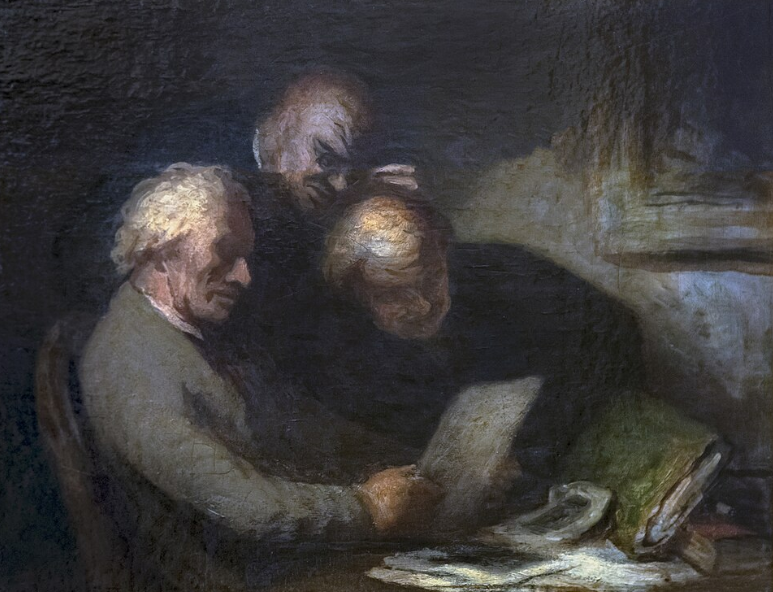
Honoré Daumier ‘L’amateur d’estampes’ (1860 – 65)

Mary Cassatt ‘Portrait de jeune femme au chapeau blanc’ (1879)

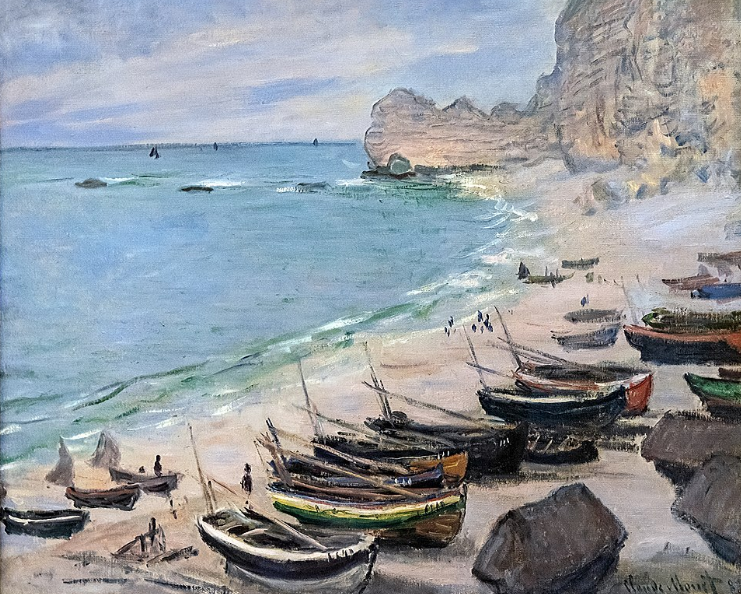
Claude Monet ‘ Bateaux sur la plage à Etretat’ (1883)

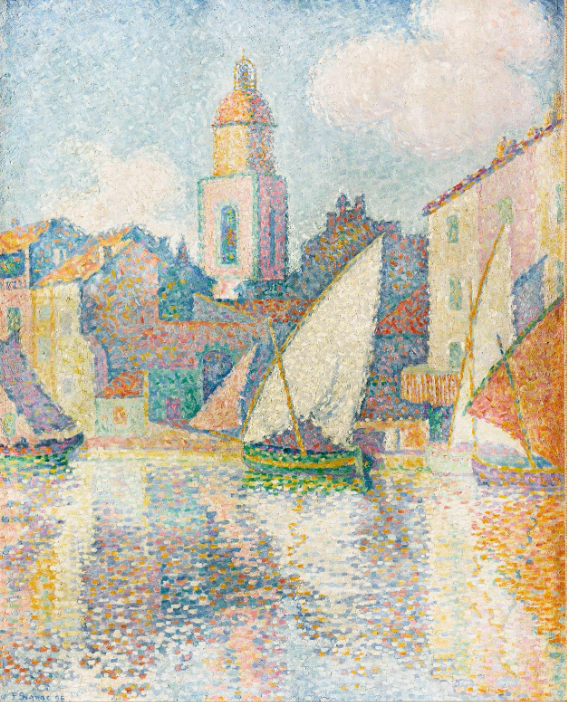
Paul Signac ‘Le clocher de Saint-Tropez’ (1896)

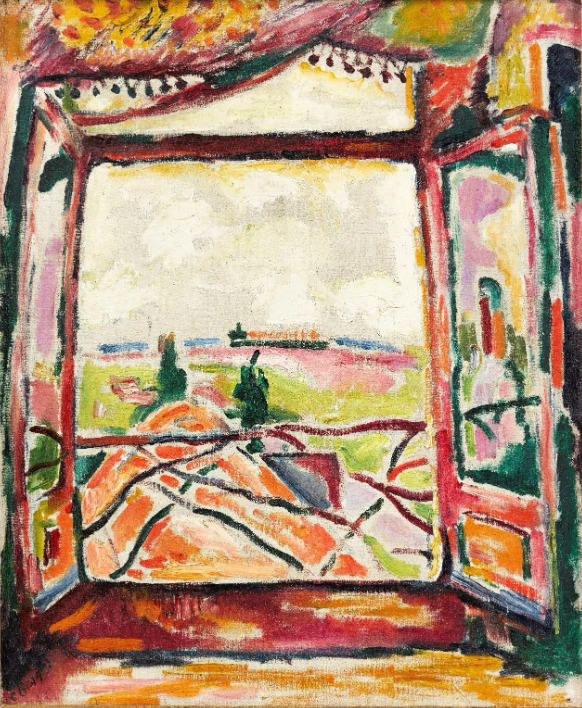
Georges Braque ‘Fenêtre sur l’Escaut’ (1906)

Henri Matisse ‘Bateau dans un port’ (c.1926)

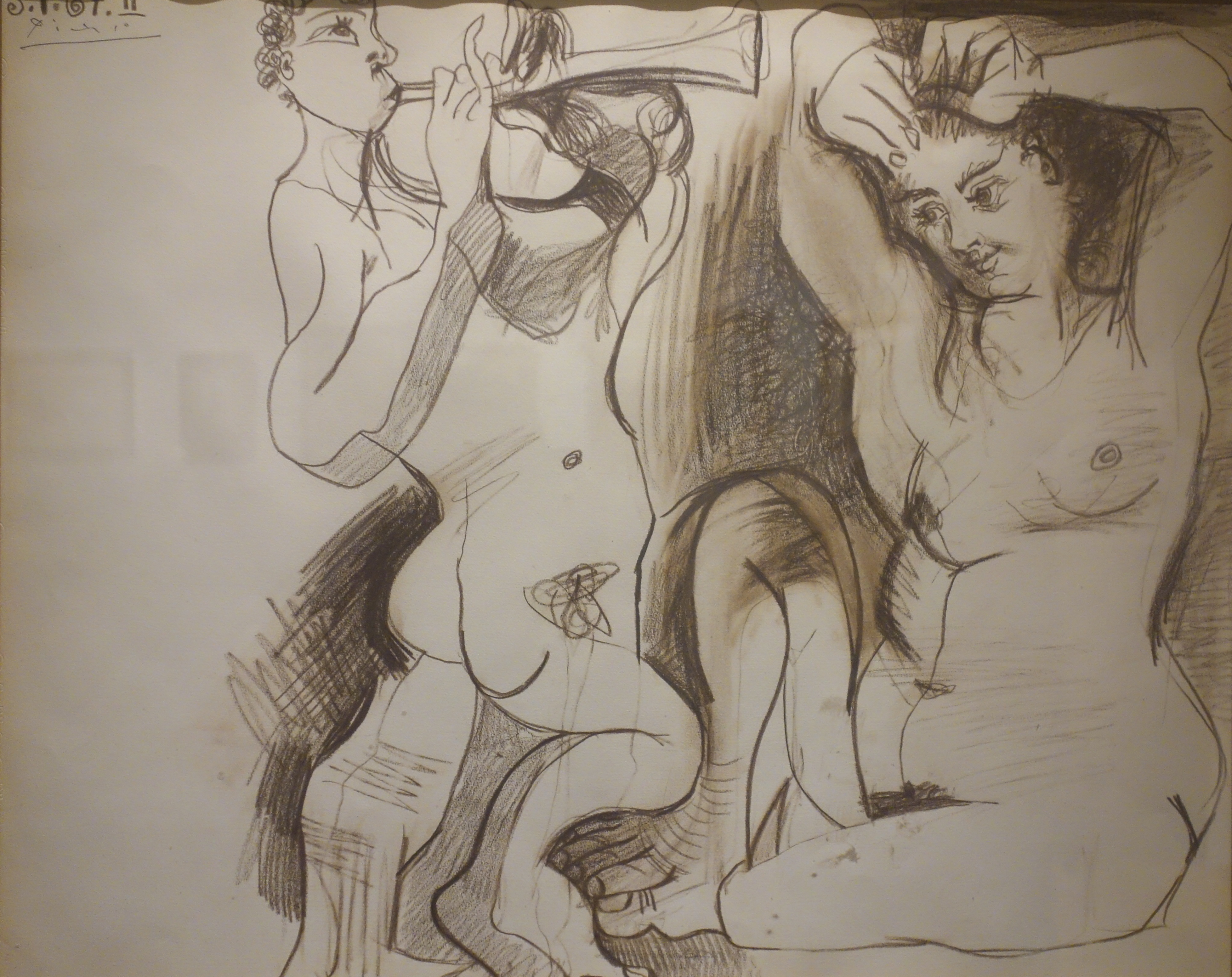
Pablo Picasso ‘Nu assis et flûtiste’ (1967)

Henri Martin in le Capitole

Having already visited the recently reopened Musée Henri Martin in Cahors, I was eager to see what I believe are the artist’s greatest works, on display in the Salle Henri Martin in le Capitole de Toulouse. The main works, two triptychs, were the subject of a commission from the State in 1900. They were presented for the first time at the Salon des Artistes in Paris in 1906 and exhibited at le Capitole from 1914.

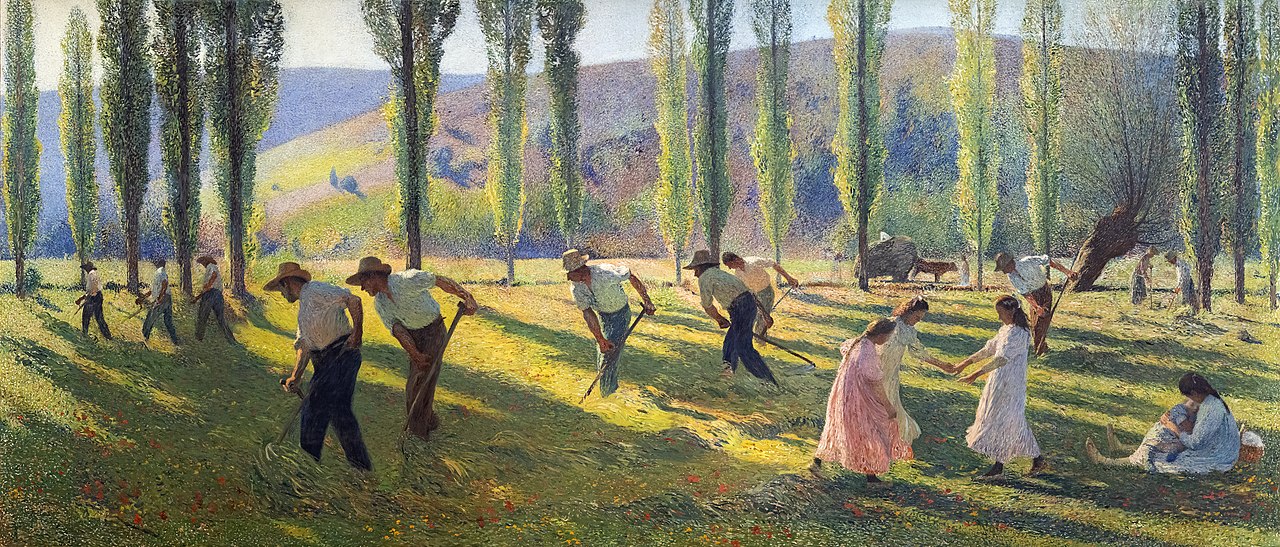
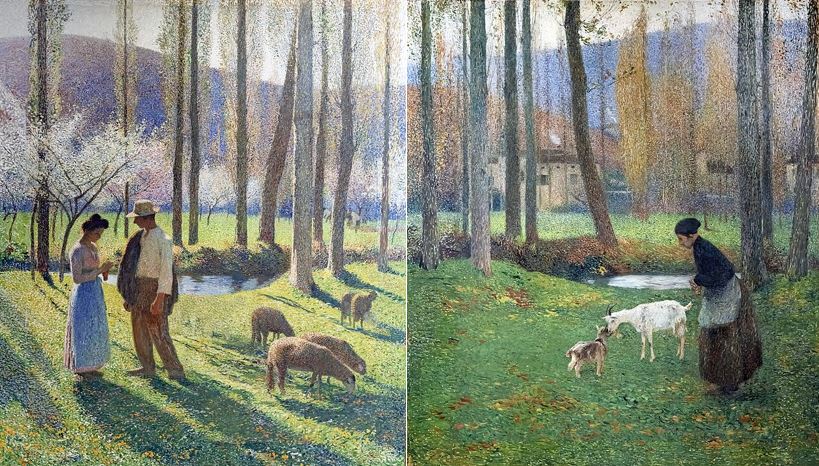
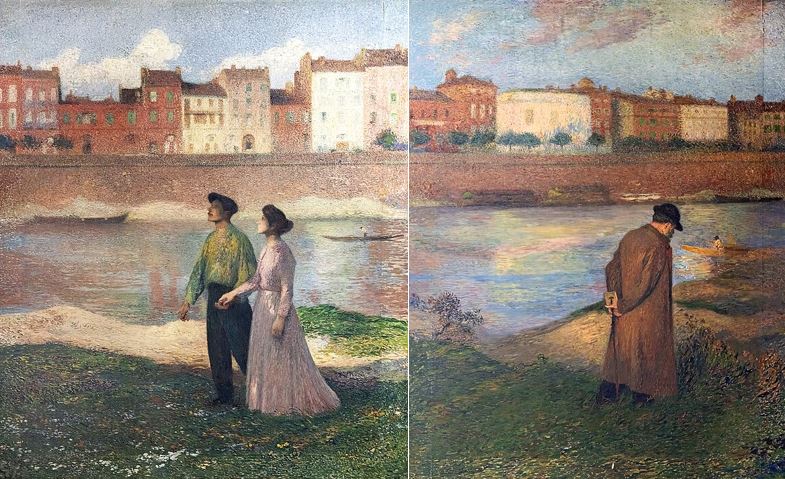
Both triptychs are landscapes, one in the countryside, dealing with agricultural work in the fields, and the other in the city, depicting walkers on the banks of the River Garonne.

Henri Martin ‘L’été’ (1903)

Henri Martin ‘Le printemps’ and ‘L’automne’ (1903)

Henri Martin ‘Les Bords de la Garonne, Les Rêveurs’ (1906)

Henri Martin ‘Les amoureux’ and ‘Le poète’ (1906)

Le Capitole also displays some earlier works from Martin including ‘The Poets of Gay Knowledge’, from 1893, and ‘The Apotheosis of Clémence Isaure’, painted in 1897.

Henri Martin ‘Les Poëtes du Gay Savoir’ (1893)

Henri Martin L’Apothéose de Clémence Isaure (1897)

Turangalîla in Toulouse

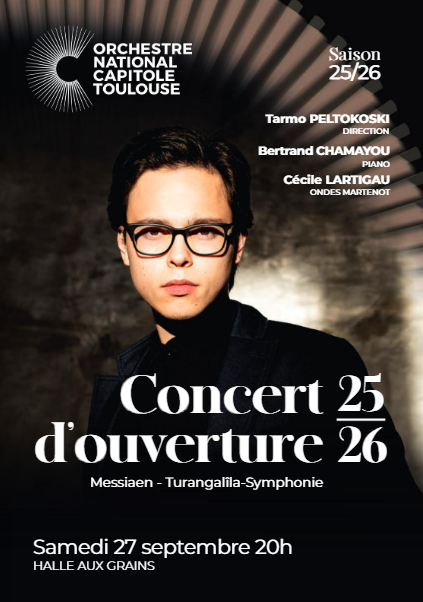
Back at the Halle aux Grains in Toulouse for the opening concert of the 2025 – 26 season of the Orchestre national du Capitole de Toulouse under their Finnish conductor Tarmo Peltokoski.

Olivier Messiaen’s ‘Turangalîla-Symphonie’ is one of my favourite orchestral works to see live. It was written between 1946 and 1948, commissioned by Serge Koussevitzky for the Boston Symphony Orchestra, and features a large orchestra with both piano and ondes Martenot. The ondes Martenot is a rarely-seen early electronic instrument that consists of a keyboard with a wire and ring attached which produce a wavering sound similar to a theremin. The sister-in-law of Messiaen, Jeanne Loriod, was the onde Martenot player in many performances and recordings of the Turangalila; in fact, I witnessed her performance the first time I saw the symphony in the 1981 – 82 season of the City of Birmingham Symphony Orchestra with Simon Rattle conducting.

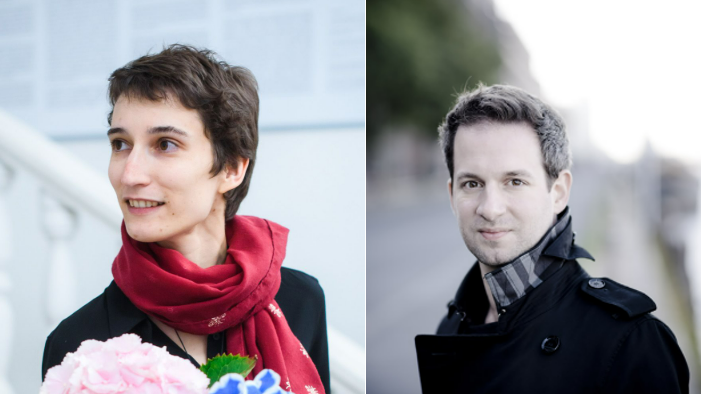
Tonight the onde Martenot was played by Cécile Lartigau and the piano by the celebrated French pianist Bertrand Chamayou. Cécile Lartigau, born in 1989, is a French musician who has performed all over the world and built up an international reputation as a leading player of the onde Martenot. Bertrand Chamayou was born in 1981 in Toulouse and has become renowned as a great interpreter of French music, particularly that of Maurice Ravel. He is the president and artistic director of the Festival Ravel in Saint-Jean-de-Luz, which I attended last month.

Cécile Lartigau and Bertrand Chamayou

Considering that it was the first concert of the season the orchestra were really together and in great form, which bodes well for the rest of the season; the woodwind, brass and percussion sections played particularly well this evening. On the onde Martenot, Cécile Lartigau performed with great feeling and precision, proving that she is indeed a leading interpreter on the instrument. Bertrand Chamayou was, as always, on great form and performed the demanding piano part wonderfully, especially the solo cadenzas.

This was an excellent opening to the 2025 – 26 season, one that makes me look forward to many more exciting concerts to come over the next year.

Olivier Messiaen ‘Turangalîla-Symphonie’.

R.I.P. Danny Thompson (1939 – 2025)

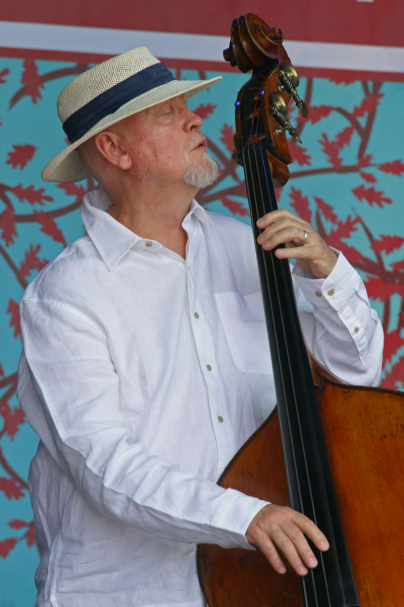
Danny Thompson, the great folk and jazz double bass player, has died at the age of eighty-six.

Danny Thompson in 2008

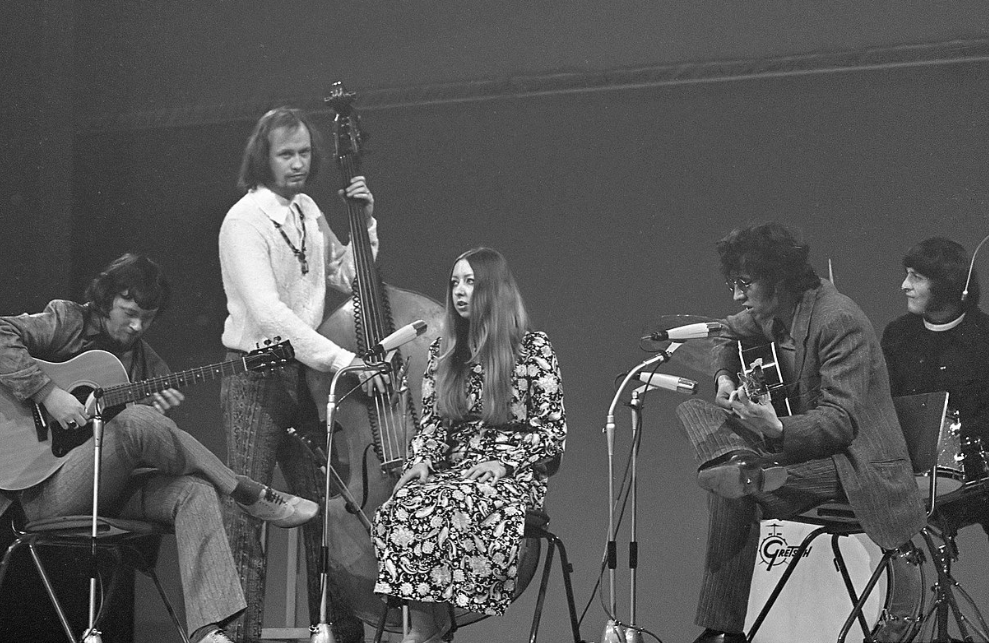
After playing with Alexis Korner’s Blues Incorporated, he came to wider attention in 1967 as part of the remarkable folk- jazz- rock group Pentangle, which he formed together with guitarists Bert Jansch and John Renbourn, drummer Terry Cox and vocalist Jacqui McShee. He played with Pentangle until 1973, as well as later reunions.

Danny Thompson with Pentangle in 1969

I next saw him in 1987 at Fairport Convention’s annual festival, playing with the excellent Australian band Mara! He also released his first solo album, ‘Whatever’, in 1987 and then formed a long-lasting recording and performing relationship with Richard Thompson. He was much in demand for guest appearances on other artists’ albums, including Nick Drake, Donovan, The Incredible String Band, Marianne Faithful and Kate Bush.

Exploring the Pays de Gourdon

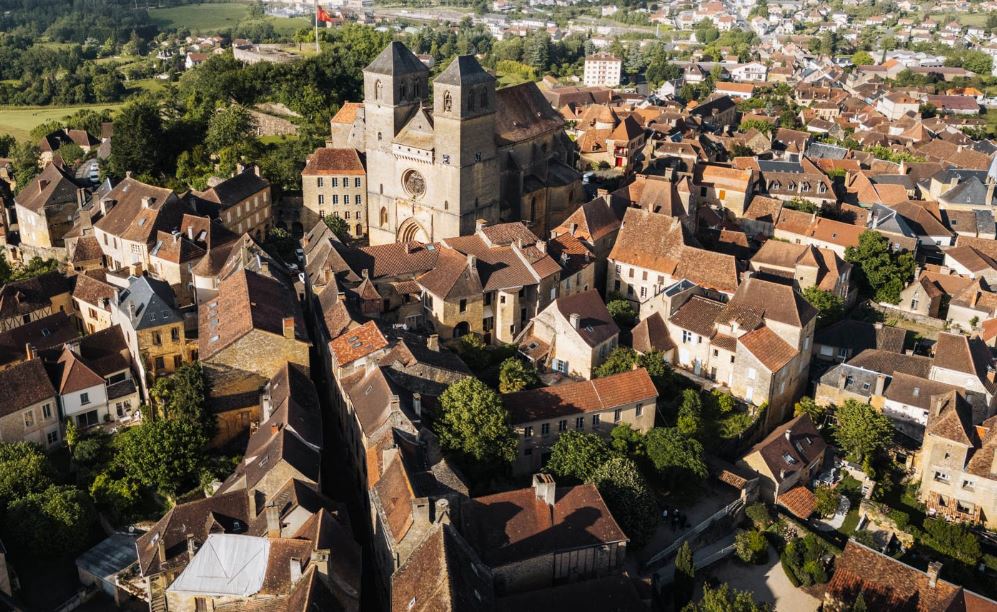
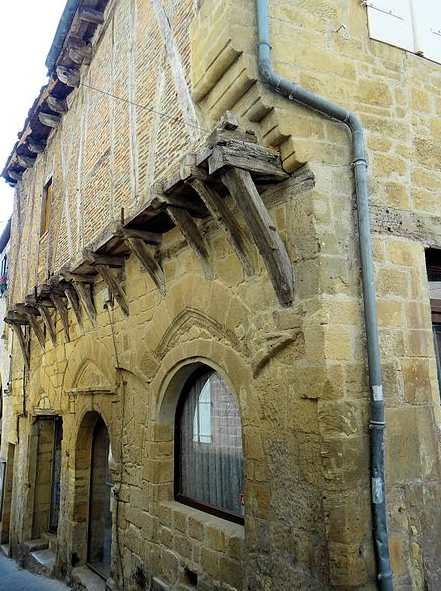
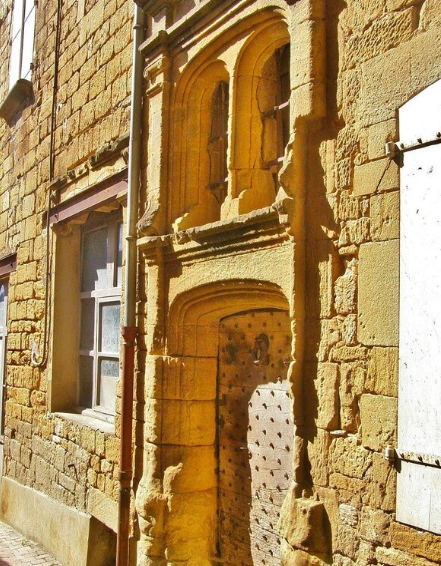
Gourdon is a medieval town in the Lot department of France. The town itself features a fortified gate, narrow winding streets, castle remains and half-timbered houses, but the surrounding ‘pays’ also has much of interest including some excellent walks and caves with prehistoric paintings and spectacular stalactites.

Gourdon

Porte du Majou, Gourdon

House in Rue du Majou, Gourdon

Chapelle Notre-Dame-des-Neiges, Gourdon

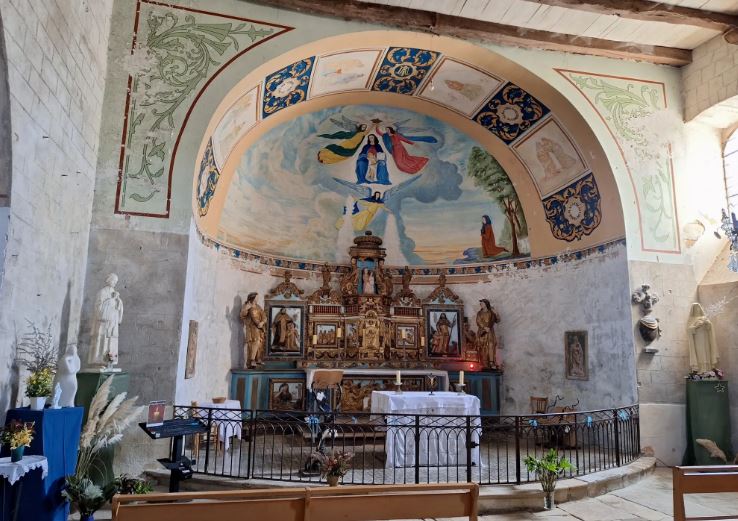
La chapelle du sanctuaire, Notre-Dame-des-Neiges, Gourdon

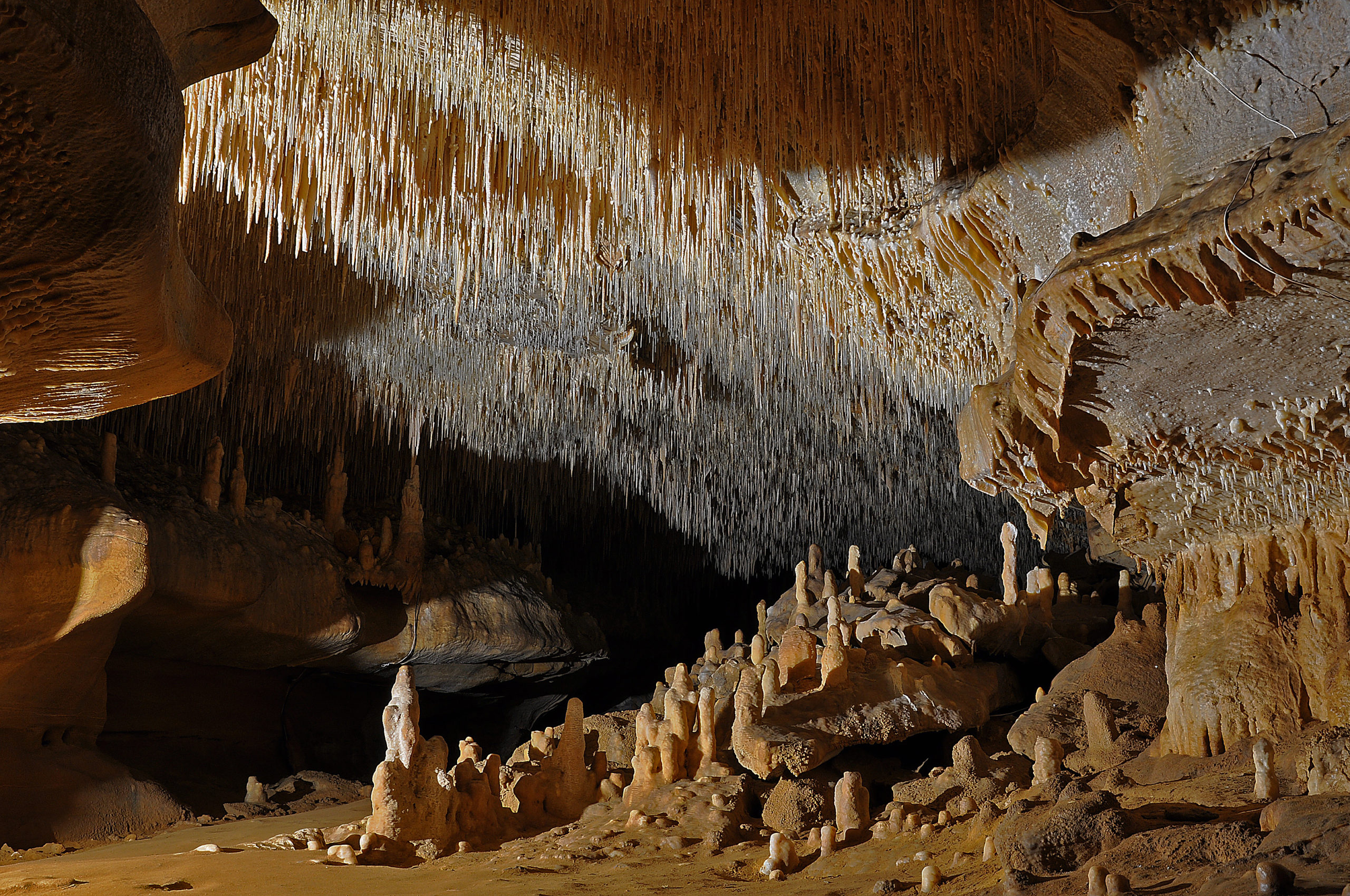
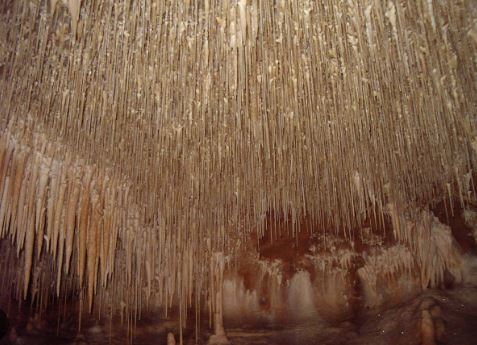
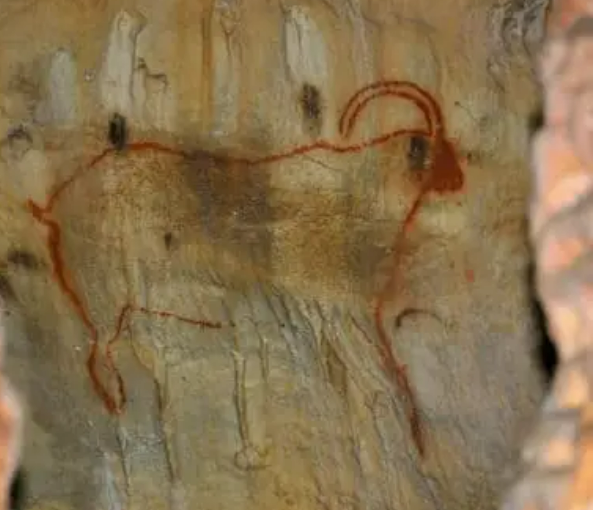
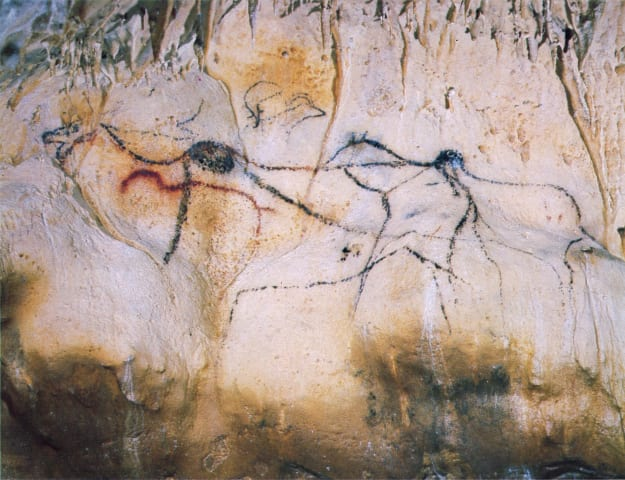
The caves of Cougnac, just north of Gourdon, were discovered in 1949 and 1952. The first cave is full of impressive stalactites and stalagmites. Scientific dating indicates that many of Cougnac’s speleothems are tens to hundreds of thousands of years old. The second, much larger, cave complex is not only full of speleothems but also contains numerous impressive prehistoric paintings of ibexes, mammoths, large deer and human figures. Dating back 30,000 years, they are among the oldest drawings accessible to the public.

Cougnac caves stalactites

Cougnac caves animal paintings