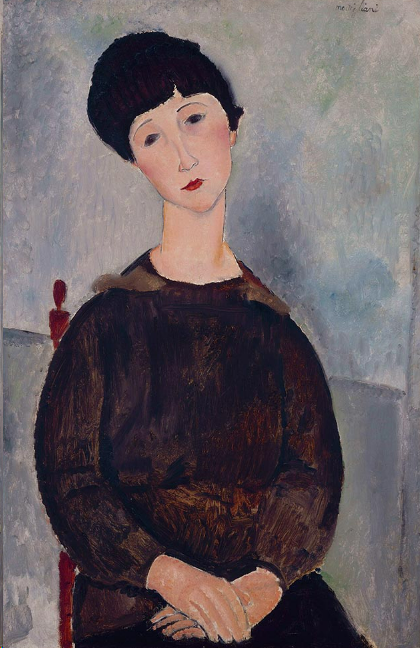
Labèque sisters play Philip Glass

In 1964, twenty-seven year old Philip Glass moved to Paris to study under eminent composition teacher Nadia Boulanger. Not only was this vitally important for his training as a composer but it also gave him the opportunity to immerse himself into French culture including theatre, music and the films of the Nouvelle Vague. He would pursue this interest in the 1990s by writing three operas inspired by the films of writer and director Jean Cocteau.

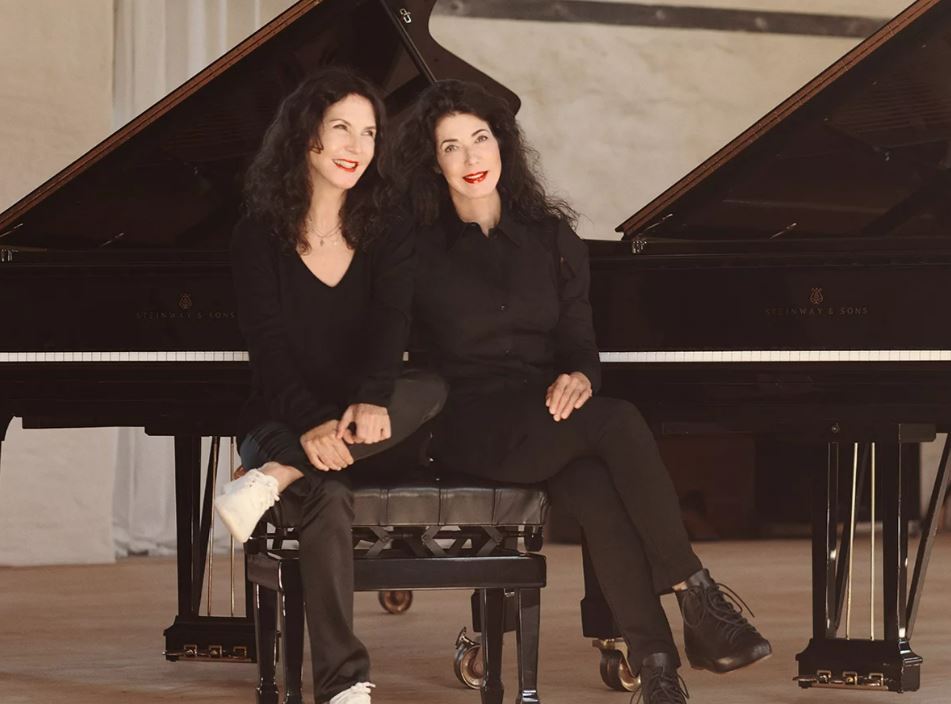
In 2021, Katia and Marielle Labèque created the instrumental suites for two pianos taken from the third of the operas ‘Les Enfants Terribles’, which Glass wrote in 1996. The success of these encouraged the sisters to ask Glass to complete the trilogy by writing piano suites based on the other two Cocteau films, ‘Orphée’ and ‘La Belle et la Bête’.

Katia and Marielle Labèque (photo. Umberto Nicoletti)

This evening all three of these works were performed in a wonderful concert by the Labèque sisters at the Auditorium in Bordeaux. All three were performed superbly with great energy and enthusiasm. The sisters play with perfectly synchronised movement even in the most complex of sections. It was a thoroughly enjoyable evening.

Philip Glass: ‘Orphée’ (1993); ‘La Belle et la Bête’ (1994); ‘Les Enfants Terrbles’ (1996).

Bordeaux

Bordeaux, the capial of the Nouvelle-Aquitaine region, is the sixth-most populated city in France. It is best known as a world capital of wine, being surrounded by some of France’s best chateaux and vineyards. The city itself contains numerous impressive monuments and cultural sites and is home to Opéra National de Bordeaux with its imposing Grand Théâtre.

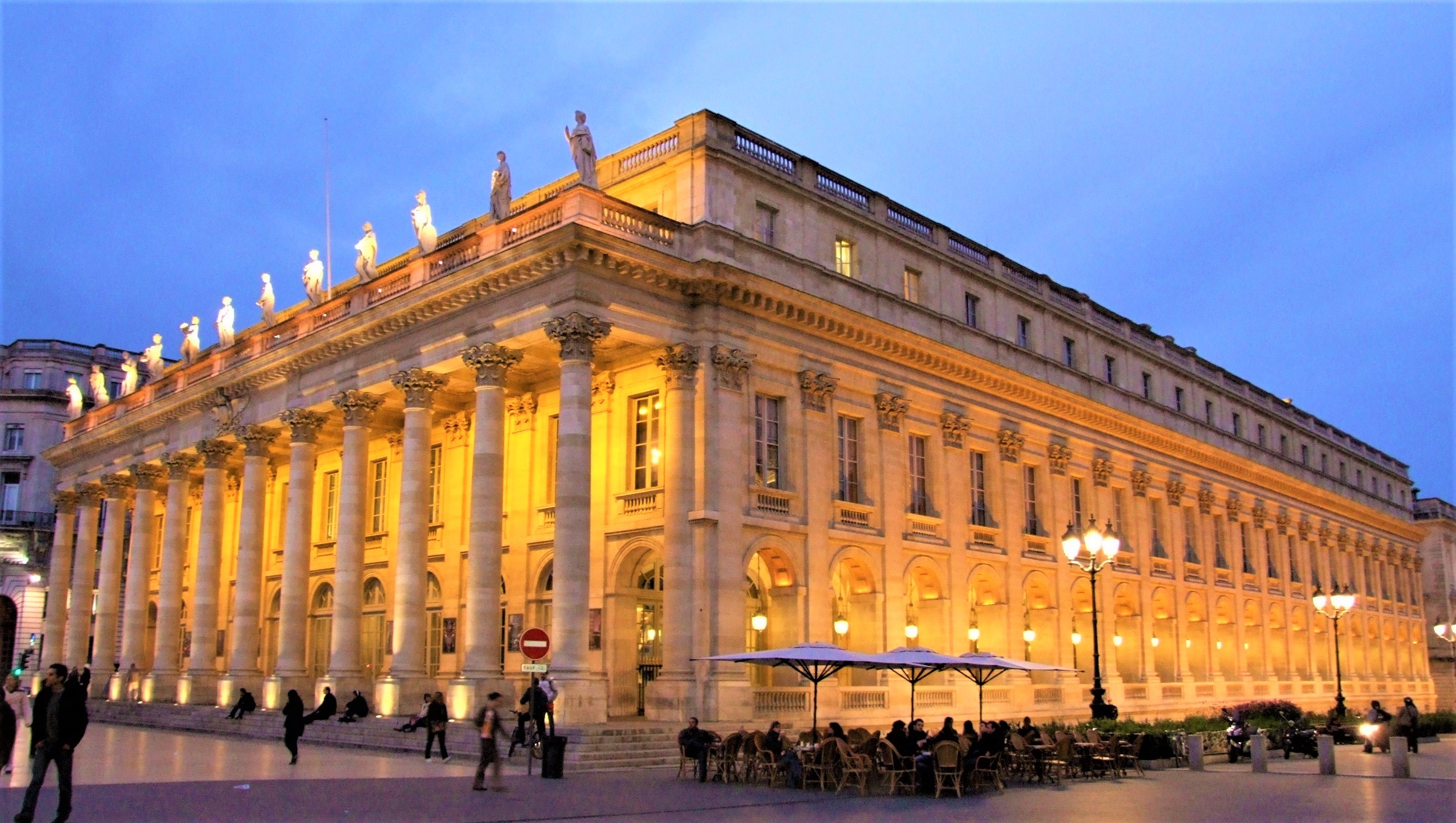
Grand Théâtre de Bordeaux

The Grand Théâtre was completed in 1780. It has a neo-classical façade with impressive Corinthian-style columns. In 1871, the theatre was briefly the National Assembly for the French Parliament. Today it is home to the Opéra National de Bordeaux, as well as the Ballet National de Bordeaux.

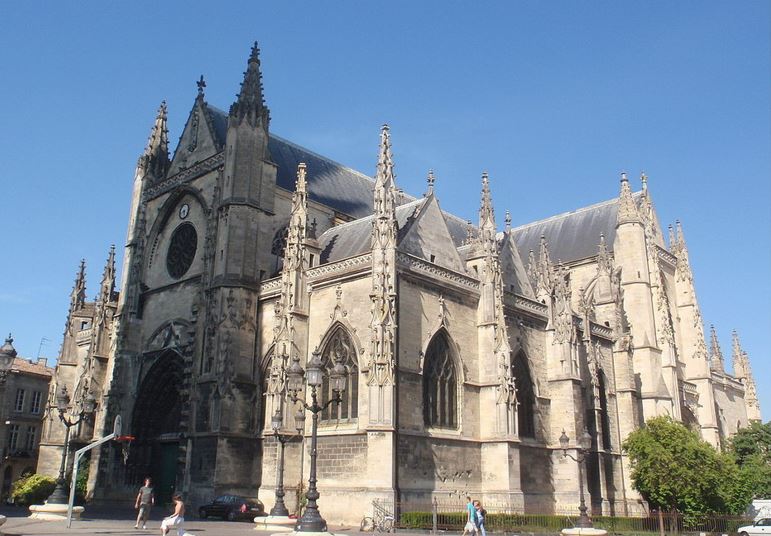
Basilique Saint-Michel

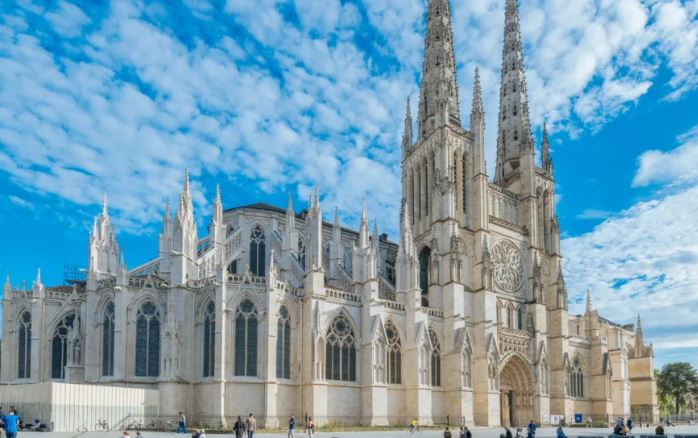
The Basilique Saint-Michel was built between the fourteenth and the sixteenth centuries in the Flamboyant Gothic style and is now designated a UNESCO World Heritage Site. It has a separate freestanding bell tower that stands at an impressive 114 metres but unfortunately at the time of the visit this was covered by scaffolding.

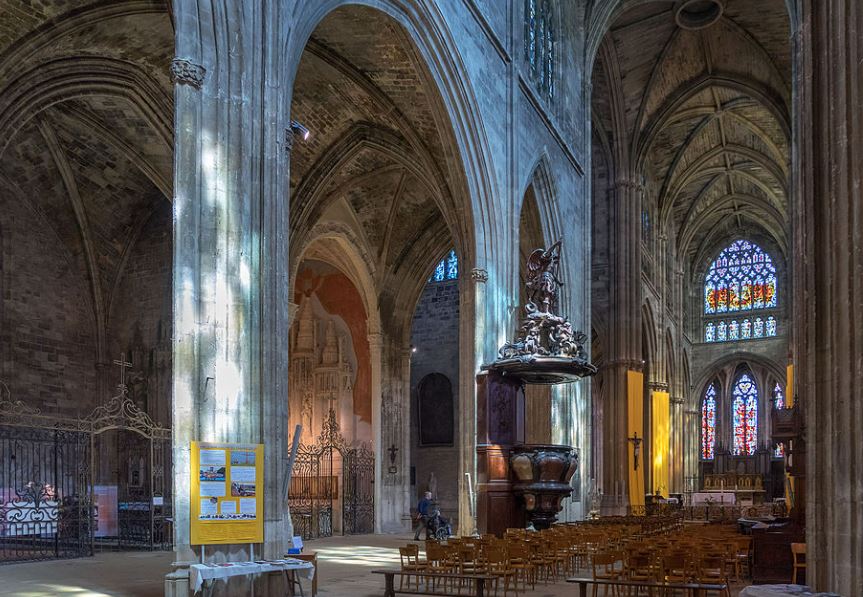
Basilique Saint-Michel nave

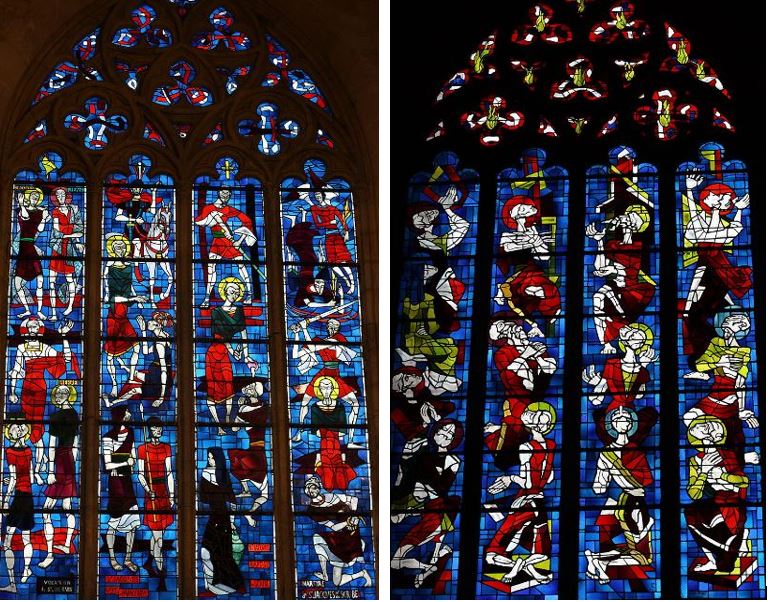
The original stained-glass windows of the basilica were destroyed by bombing in 1940; however, this meant that spectacular twentieth-century replacements could be installed.Those in the choir, designed by Max Ingrand, are particularly impressive.

Basilique Saint-Michel stained-glass windows

Cathédrale Saint-André

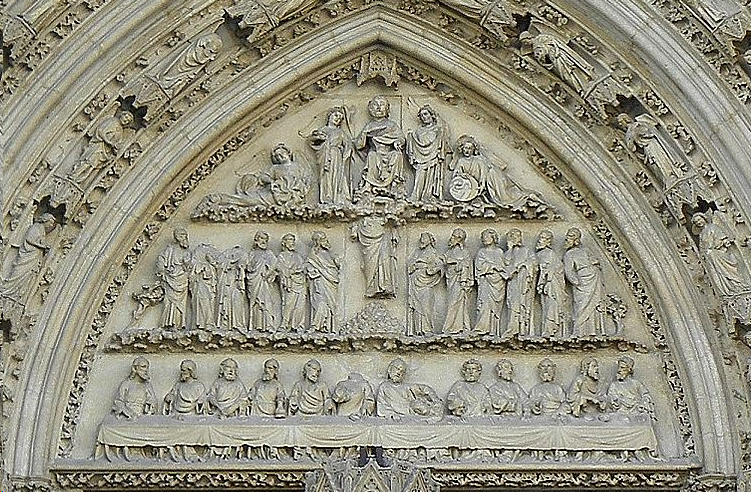
Another UNESCO World Heritage Site, construction of the Gothic-style Cathédrale Saint-André began in the fourteenth century, although the building of the nave was interrupted by the Hundred Years War. The north portal, built between 1325 – 1350, is particularly impressive with its splendid spires and thirteenth-century tympanum. The tympanum is carved in three layers; the bottom layer depicts the Last Supper, the middle shows the Ascension of Christ between the twelve apostles, whilst at the top is Christ enthroned between angels.

Cathédrale Saint-André tympanum

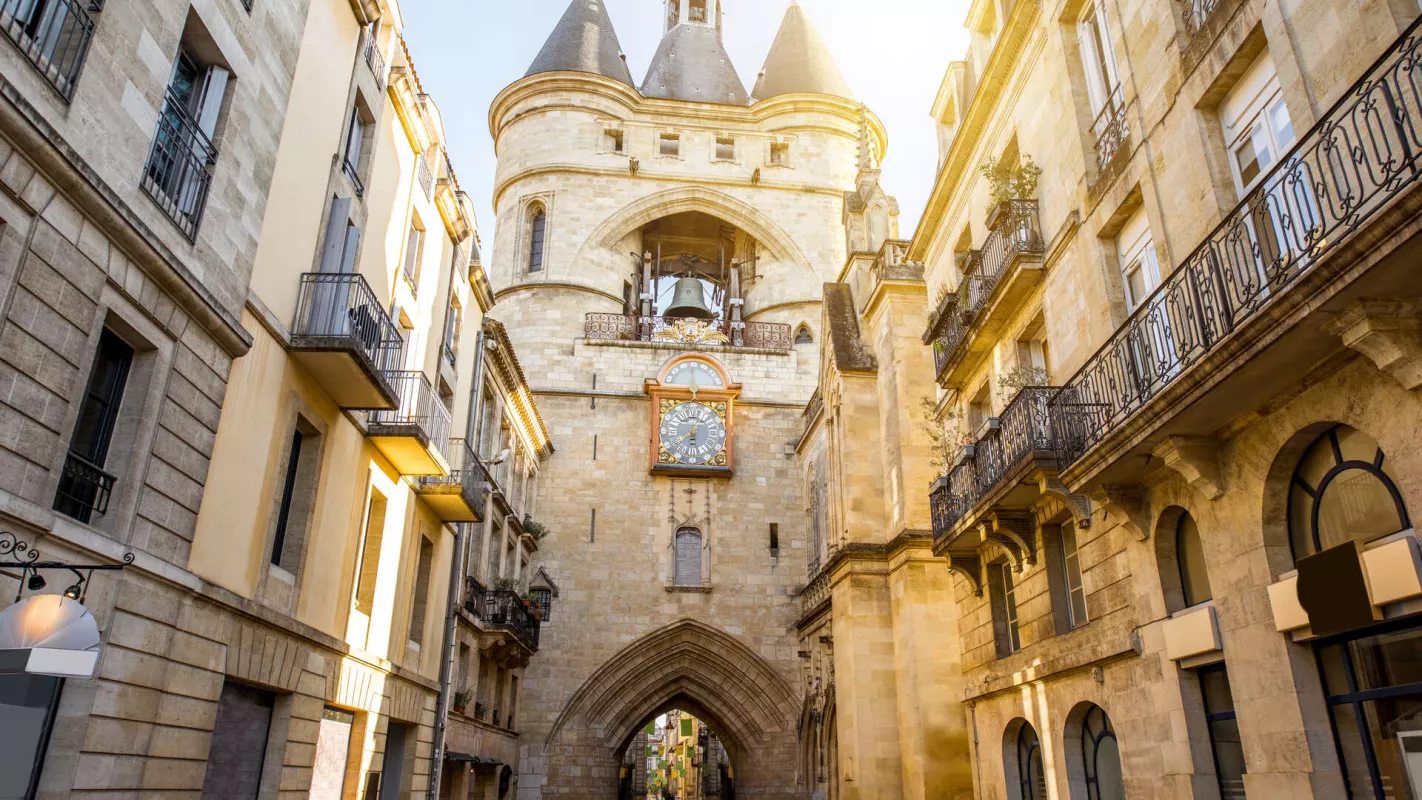
Grosse Cloche

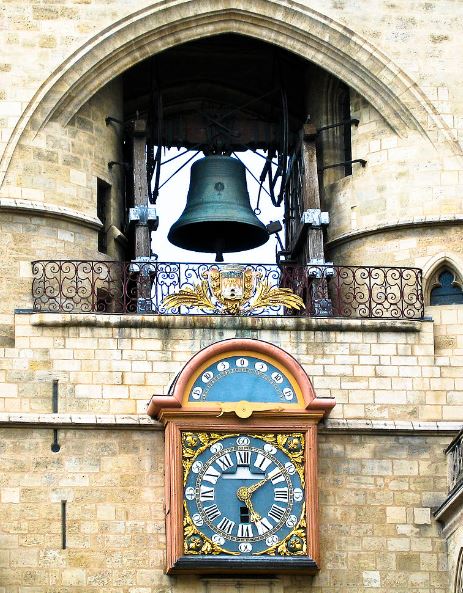
The Grosse Cloche is the nickname given to one of the medieval entrances to the town. It was built in the fifteenth century as a route through the ramparts and was used by pilgrims en route to Santiago de Compostela.

The town magistrates are said to have rung the bell as a signal for the harvest to start and also to alert the population in the event of fires starting. It has since become a symbol of the town and appears on its coat of arms. The text engraved on the great bell reads “I call to arms I announce the days I give the hours I chase away the storm I ring in the holidays I shout fire.”

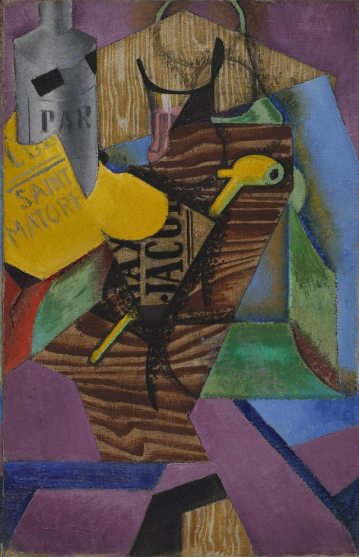
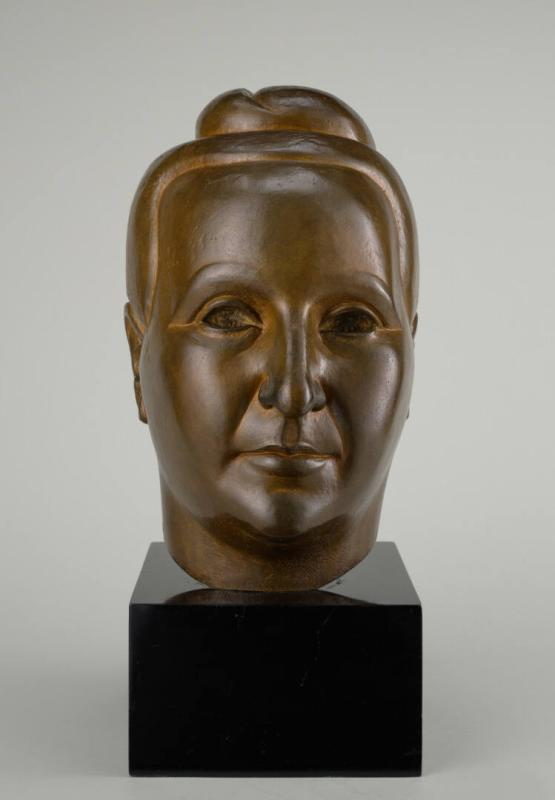
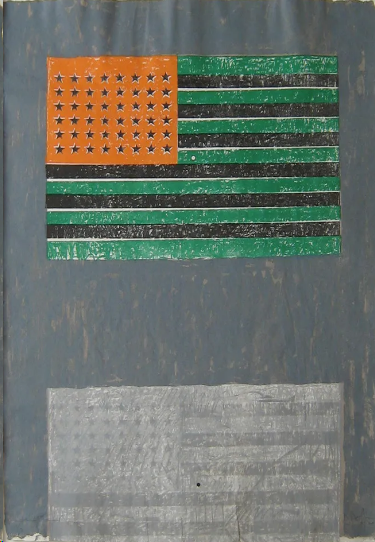
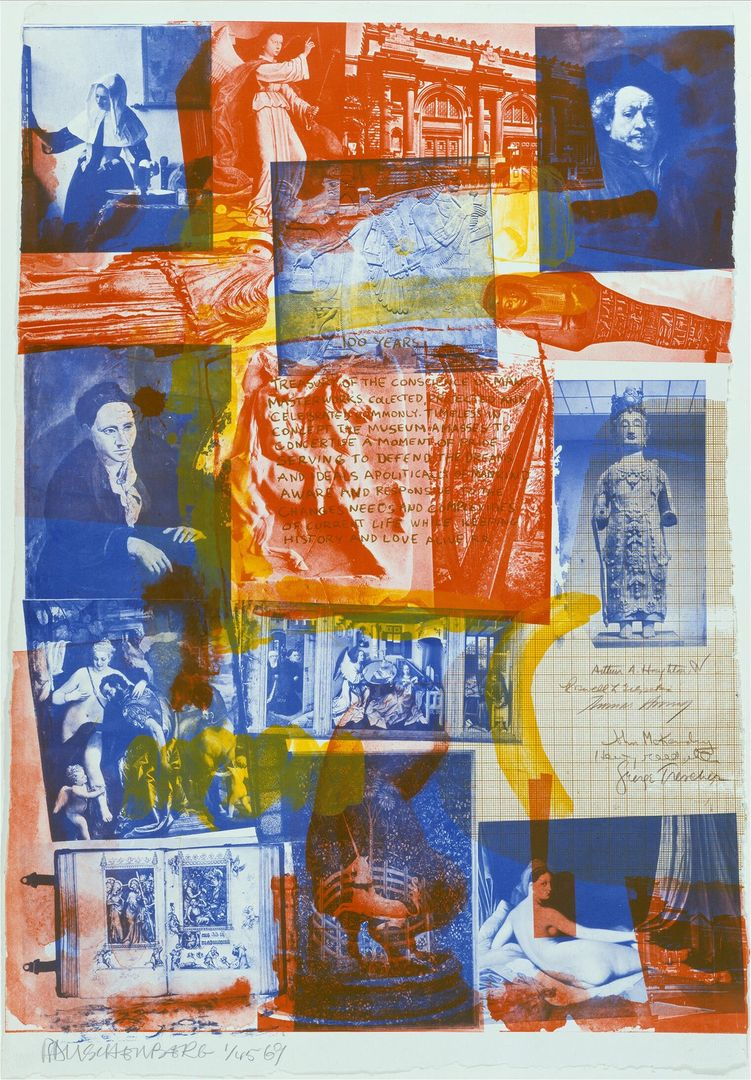
‘Gertrude Stein et Pablo Picasso.  L’invention du langage’

As part of a series of European exhibitions to commemorate the fiftieth anniversary of Picasso’s death, the Musée du Luxembourg in Paris presents the story of the extraordinary friendship between the artist and Gertrude Stein.

Gertrude Stein was an American-Jewish immigrant who settled in Paris in 1903 just after the arrival of Picasso. They became integral parts of Parisian bohemia and their influence has been enormous. The exhibiton is in two parts; the first tells the story of their influence in Europe, especially that of Picasso’s Cubism, whilst the second part looks at the subsequent effect that their work had in the USA.

Man Ray ‘Gertrude Stein with her portrait by Pablo Picasso (1922)

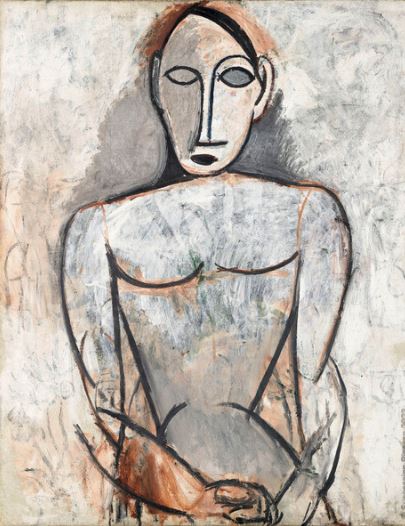
Pablo Picasso ‘Femme aux mains jointes’ (1907)

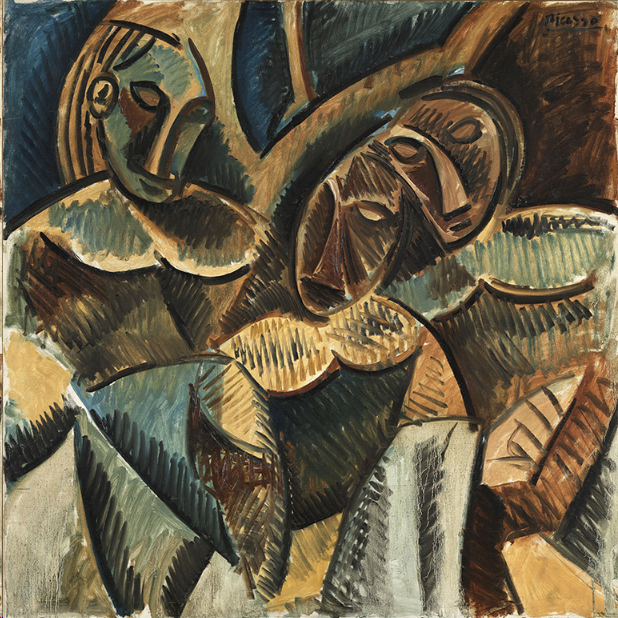
Pablo Picasso ‘Trois Figures sous un Arbre’ (1908)

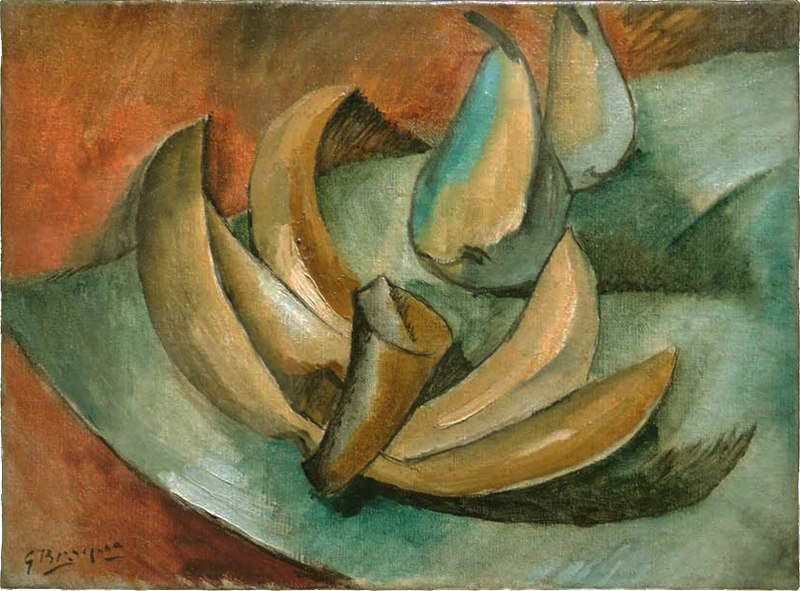
Georges Braques ‘Cinq bananes et deux poires’ (1908)

Henri Matisse ‘Nature morte aux oranges’ (1912)

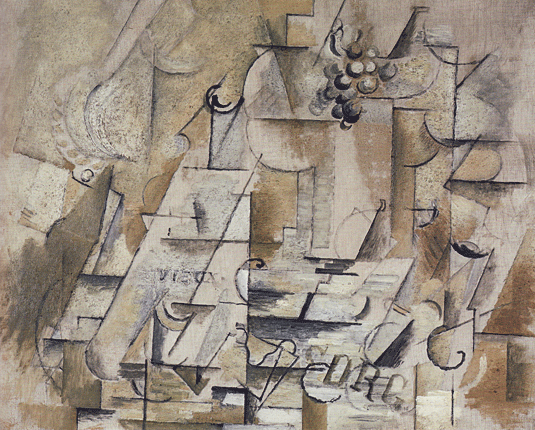
Georges Braque ‘Compotier, bouteille et verre’ (1912)

Juan Gris ‘Nature morte au livre’ (1913)

Juan Gris ‘La bouteille d’anis’ (1914)

Jacques Lipchitz ‘Gertrude Stein’ (1920)

Jasper Johns ‘Flags’ (1968)

Robert Rauschenberg ‘Centennial Certificate’ (1969)

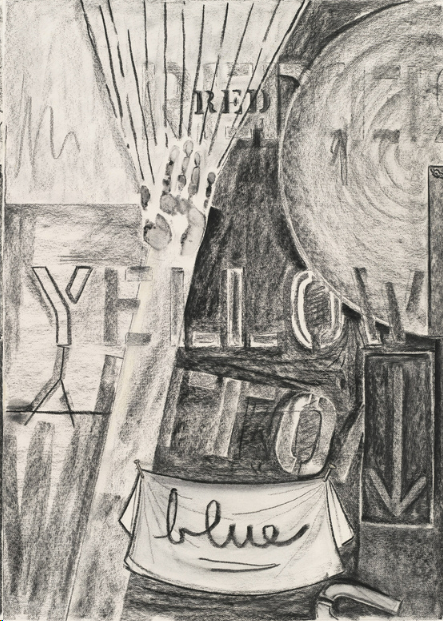
Jasper Johns ‘Untitled’ (1984)

Synthetism in Brittany at Musée d’Orsay

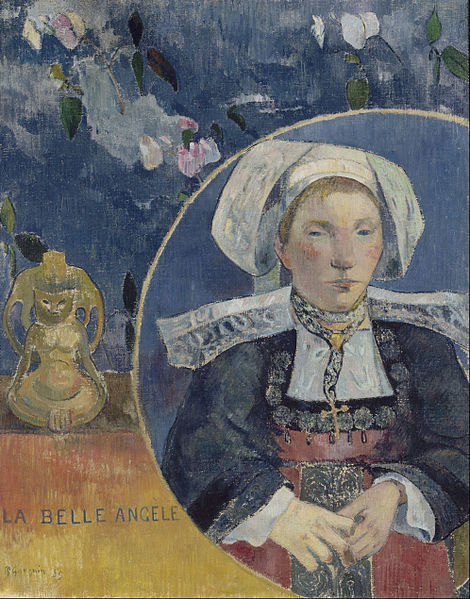
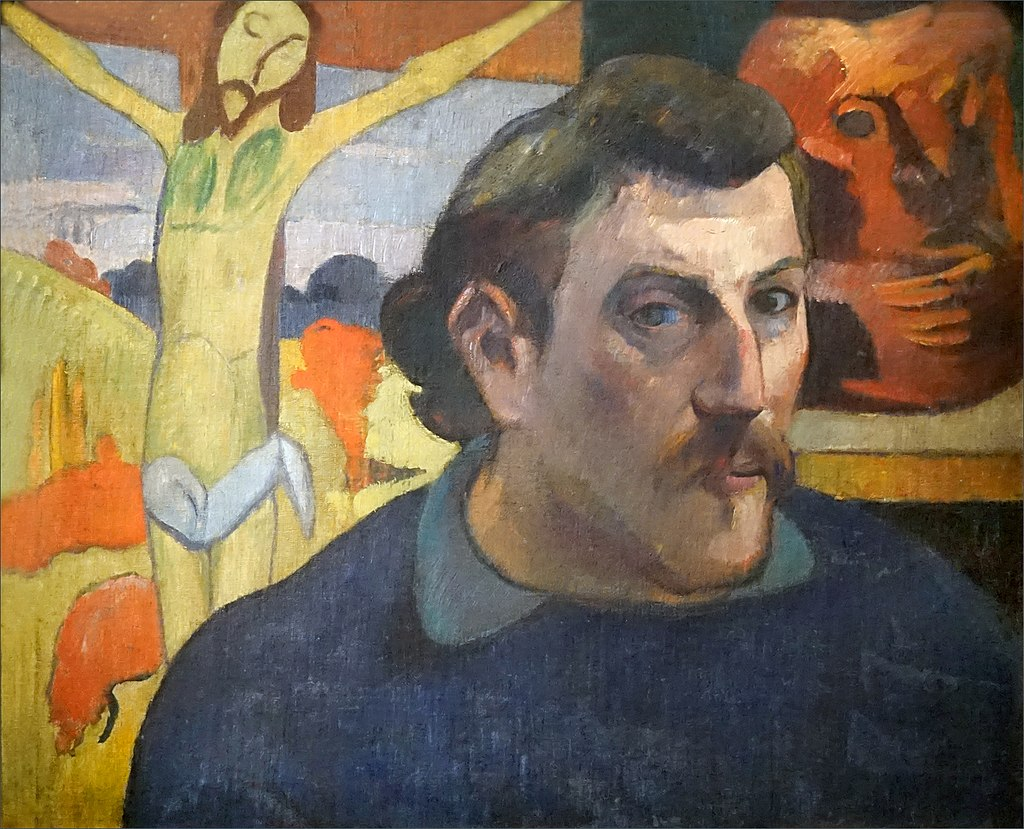
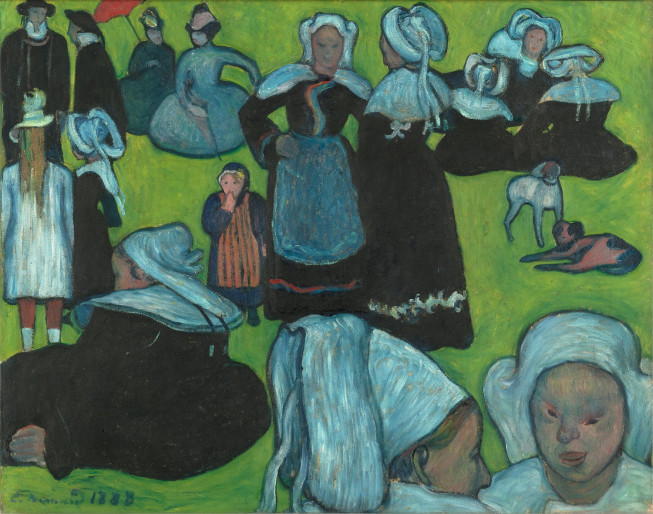
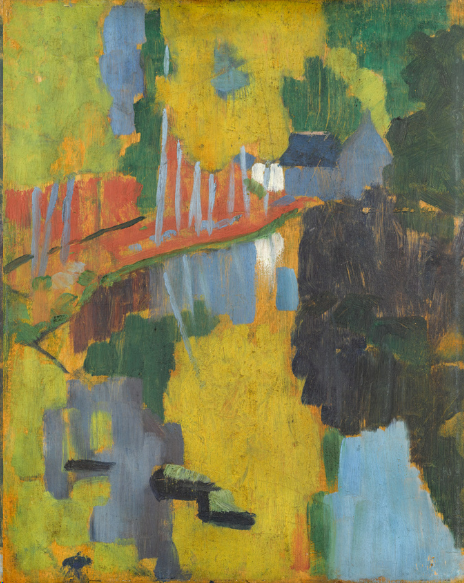
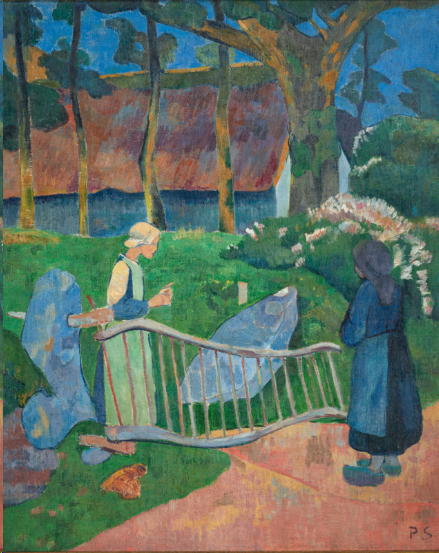
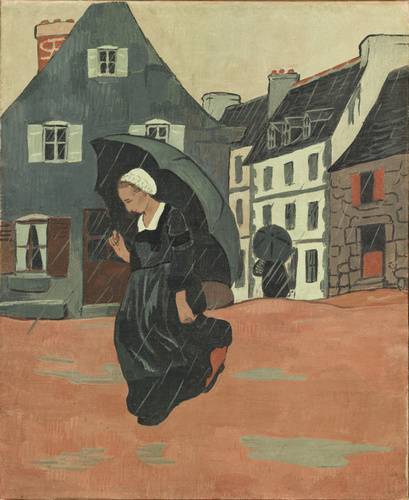
Whilst in Pont-Aven and Le Pouldu in Brittany in 1886, Paul Gauguin developed a style of painting which used simple forms and pure, bright colours. Over the next couple of years he met other artists in Brittany including Emile Bernard and Paul Serusier and their experiments in painting culminated in a style known as Synthetism. Serusier’s painting ‘The Talisman’, completed under Gauguin’s guidance, would influence the work of his future ‘Nabis’ colleagues.

Synthetism concentrated on the outward appearance of natural forms.and used flat areas of pure colour to express the artist’s feelings about their subject. The Musée d’Orsay has a particularly impressive collection of paintings produced by these artists in Brittany during the late 1880s.

Paul Gauguin ‘La Belle Angèle’ (1889)

Paul Gauguin ‘Les Meules jaunes’ (1889)

Paul Gauguin ‘Self-Portrait with The Yellow Christ’ (1890 – 91)

Emile Bernard ‘Le Pardon’ (1888)

Emile Bernard ‘Madeleine au Bois d’Amour’ (1888)

Emile Bernard ‘Les Brettones aux ombrelles’ (1892)

Paul Serusier ‘Paysage au Bois d’Amour’ (‘Le Talisman’) (1888)

Paul Serusier ‘La Barrière fleuries’ (1889)

Paul Serusier ‘Les Laveuses à la Laita’ (1892)

Paul Serusier ‘L’averse’ (1893)

‘Van Gogh in Auvers-sur-Oise: The Final Months’ at Musée d’Orsay

At the Musée d’Orsay for this exhibition which displays the works that van Gogh produced during the last two months of his life. He spent May to July 1890 in the village of Auvers-sur-Oise, north of Paris, and there produced some of his finest works – seventy-four paintings and over fifty drawings, a remarkable output in such a short period of time.

Vincent van Gogh arrived in Auvers-sur-Oise on 20 May 1890, after having spent a year in the psychiatric hospital of Saint-Rémy-de-Provence in the south of France. In Auvers he hoped that he would be able to find some kind of normality in new surroundings closer to his brother Theo. Theo arranged for a doctor in the town, Paul Gachet, who had been recommended by Camille Pissarro, to provide support for him.

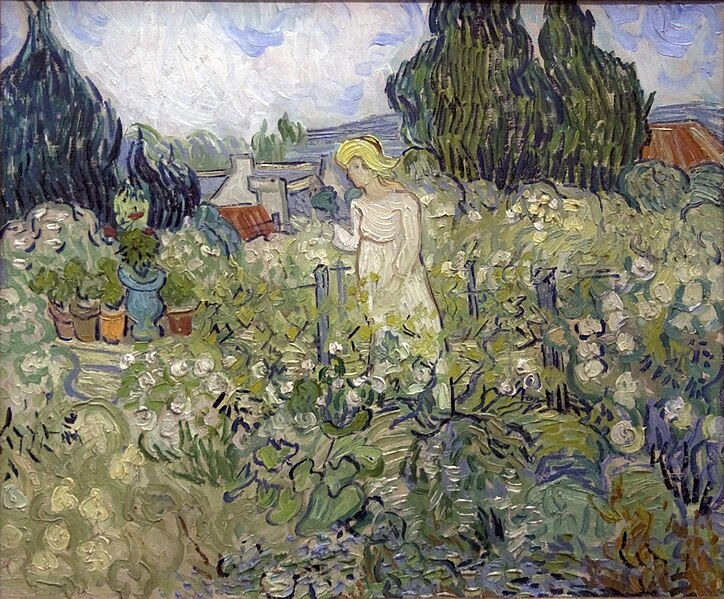
Van Gogh immediately found Auvers to be “decidedly very beautiful”, although he was extremely concerned about his financial situation and continued to see himself as a failure. Nevertheless, financial aid from Theo reassured him and with Doctor Gachet’s support he began to paint, initially views of the surrounding countryside and its cottages and portraits of the doctor and his daughter Marguerite.

Vincent van Gogh ‘Thatched Cottages’ (1890)

Vincent van Gogh ‘The House of Père Pilon’ (1890)

Vincent van Gogh ‘Marguerite Gachet in the Garden’ (1890)

Vincent van Gogh ‘Doctor Paul Gachet’ (1890)

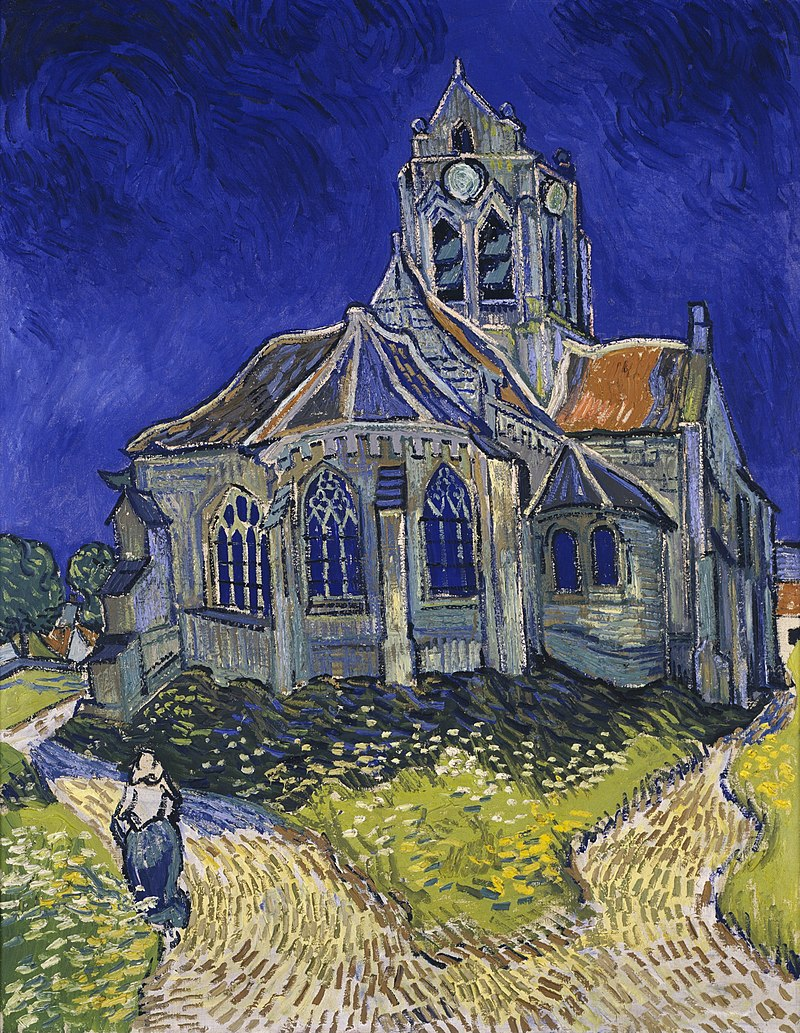
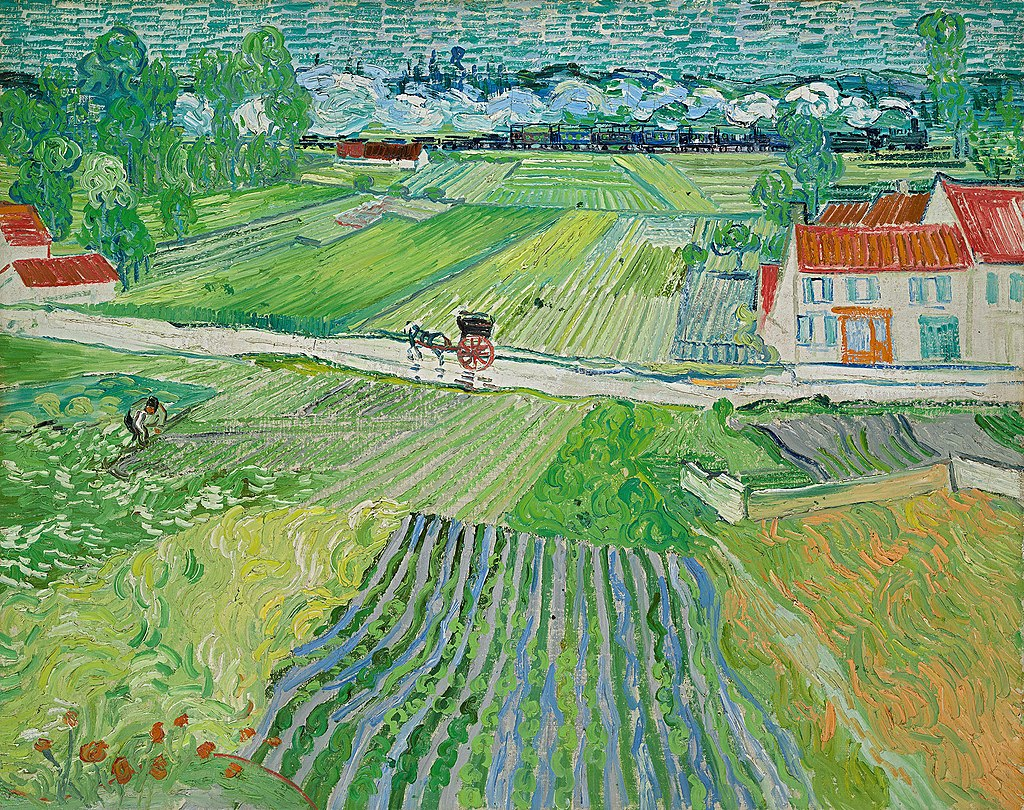
At the beginning of June he painted one of his best-known works from this period, ‘The Church at Auvers-sur-Oise’. He was clearly becoming happier at this time and on 10 June wrote to Theo, “It’s odd, all the same, that the nightmare should have ceased to such an extent here.” In one day, 12 June, he painted ‘Landscape with Carriage and Train’ and ‘Vineyards at Auvers-sur-Oise’.

Vincent van Gogh ‘The Church at Auvers-sur-Oise’ (1890)

Vincent van Gogh ‘Landscape with Carriage and Train’ (1890)

Vincent van Gogh ‘Vineyards at Auvers-sur-Oise’ (1890)

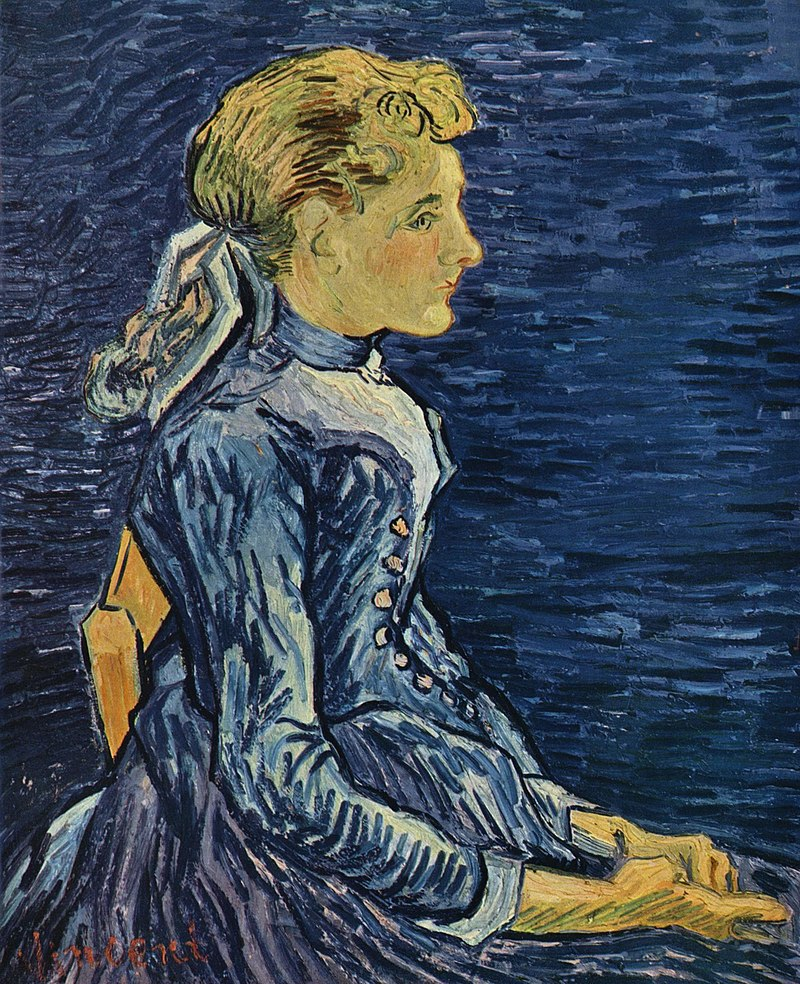
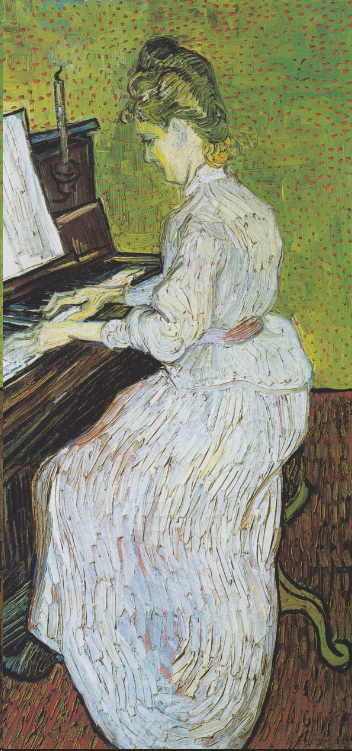
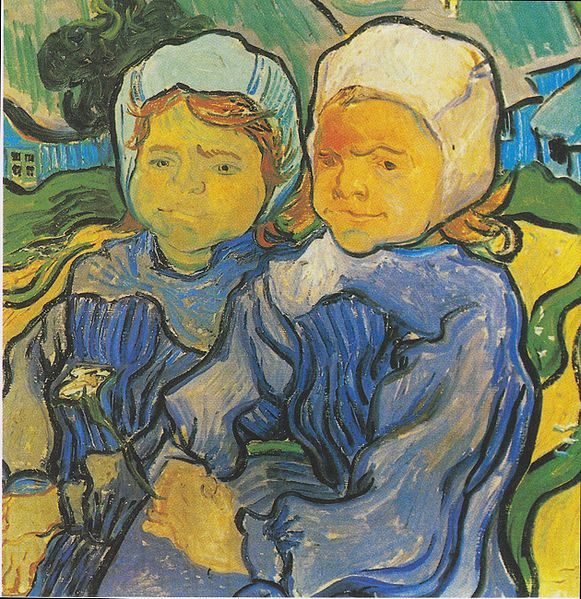
In June he also painted portraits, three of Adeline Ravoux, the daughter of the local inn-keeper, one of Marguerite Gachet at the piano, and several of local girls.

Vincent van Gogh ‘Portrait of Adeline Ravoux’ (1890)

Vincent van Gogh ‘Marguerite Gachet at the Piano’ (1890)

Vincent van Gogh ‘Two Girls’ (1890)

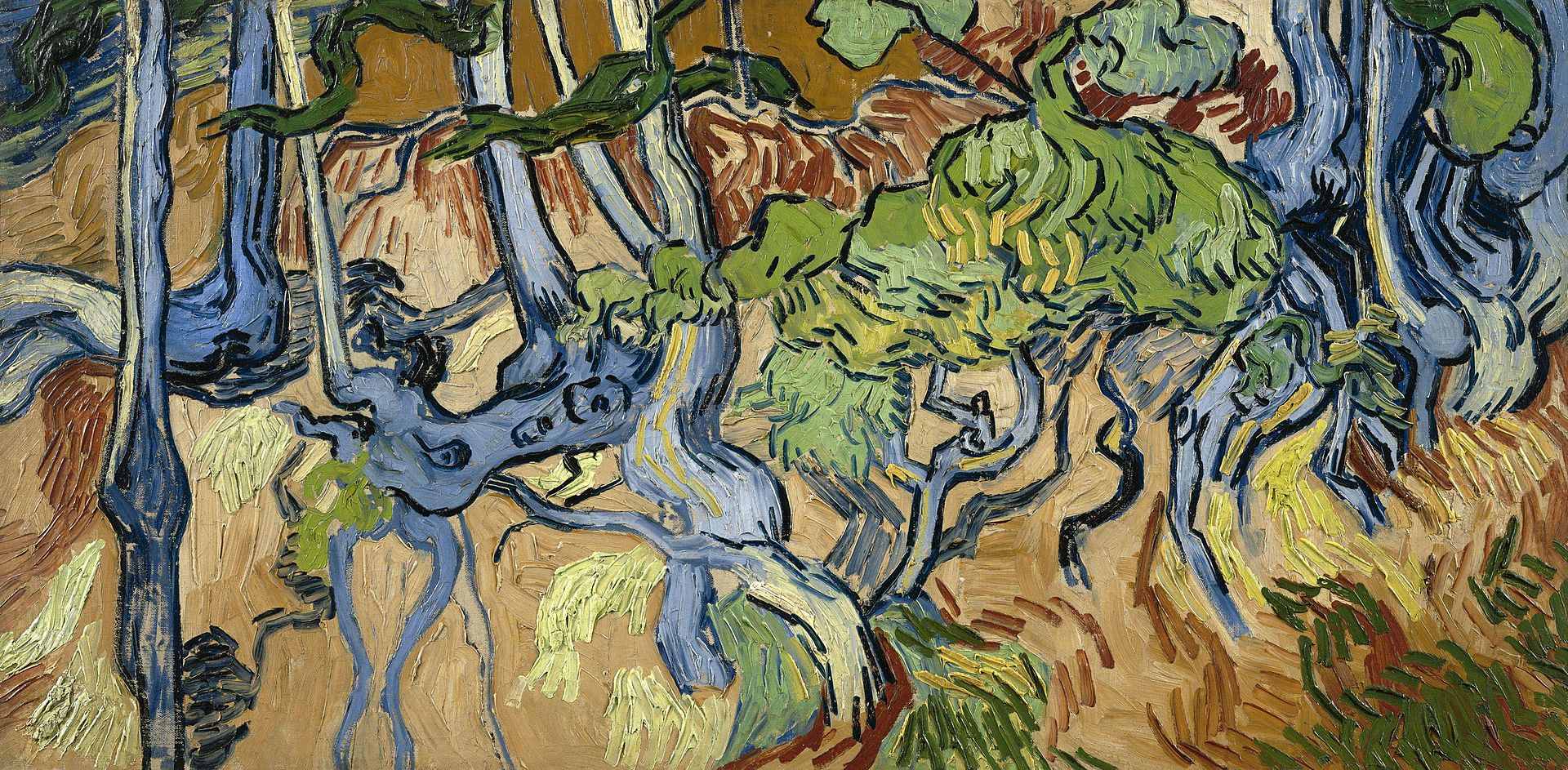
In early July he visited Theo and his family in Paris, although discussions there appear to have been quite fractious. Vincent also had fears about the health of both himself and Theo and his mood seems to have taken a downward turn. His final letter to Theo, written on 23 July but undelivered, was pessimistic, with Vincent declaring “I risk my life for my own work and my reason has half foundered in it.”

Vincent van Gogh ‘Tree Roots’ (1890)

On 27 July Vincent worked in the afternoon on his final painting, ‘Tree Roots’. That evening he shot himself in the area of the heart with a revolver and despite the efforts of Dr. Gachet to treat him he died at 1.30 a.m. on Tuesday 29 July. On 7 August, the local newspaper printed a short report which read: “Sunday 27 July, a person named Van Gogh, aged thirty-seven … Dutch citizen, painter by profession, living temporarily in Auvers, shot himself with a revolver in the fields and, being only wounded, returned to his room, where he died two days later.”
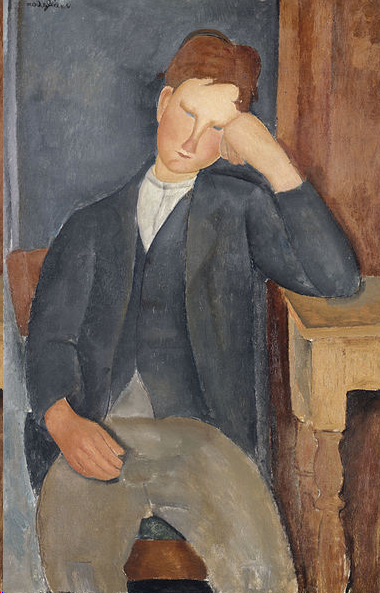
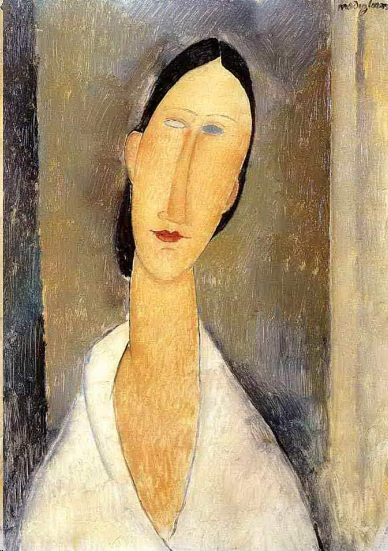
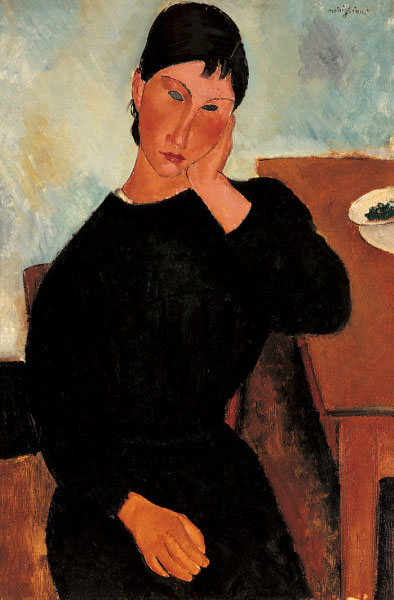
‘Amedeo Modigliani’ Musée de l’Orangerie

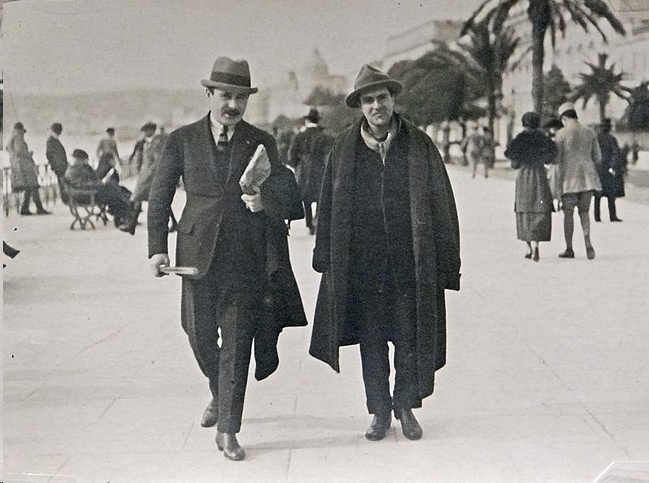
Paul Guillaume and Modigliani on the Promenade des Anglais, Nice, 1918 – 19

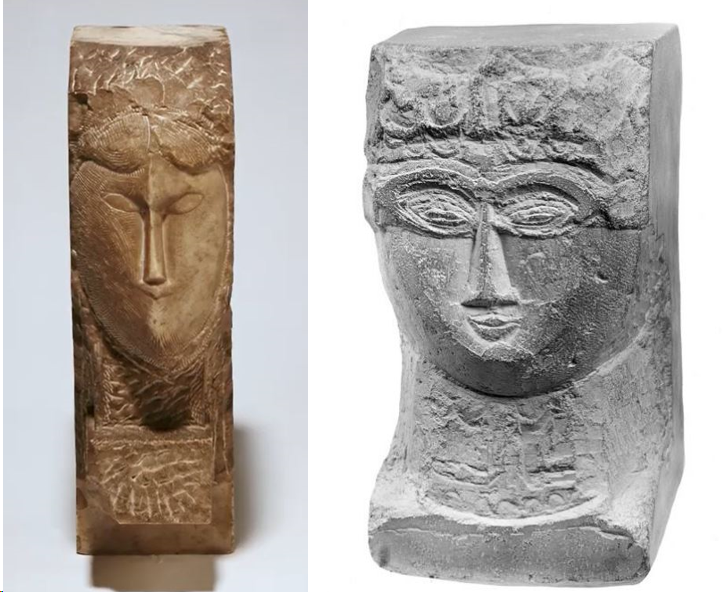
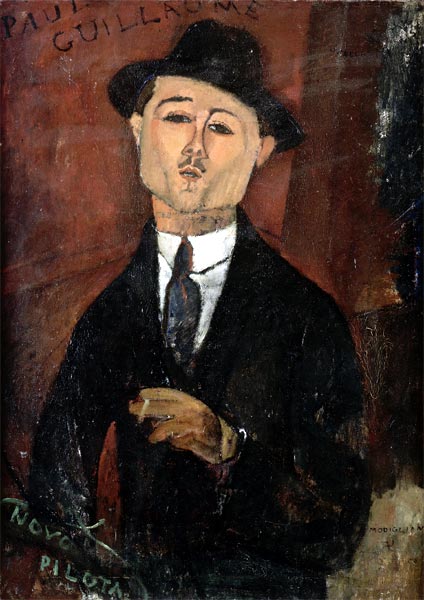
Parisian art dealer Paul Guillaume first met Amedeo Modigliani in 1914 though the poet Max Jacob and the following year he became his principal gallerist. This exhibition displays many of Modigliani’s artworks that either passed through the gallery of Guillaume or that were promoted by him; as well as photographs and documents that testify to their relationship. Both men had separately developed an interest in African art, Guillaume as a dealer and the influence of African masks can be clearly seen in Modigliani’s art and it is, therefore, unsurprising that their mutual interest would bring dealer and artist together.

Modigliani had originally been trying to make a career for himself as a sculptor but was now devoting himself to painting. It is believed that Guillaume rented a studio for Modigliani on rue Ravignan in Paris and the exhibition contains photographs of the two men posing in front of paintings hanging on the studio wall. Modigliani painted and drew his dealer several times in 1915 and 1916 and three such paintings are included in the exhibition.

Amedeo Modigliani ‘Paul Guillaume’ (1916)

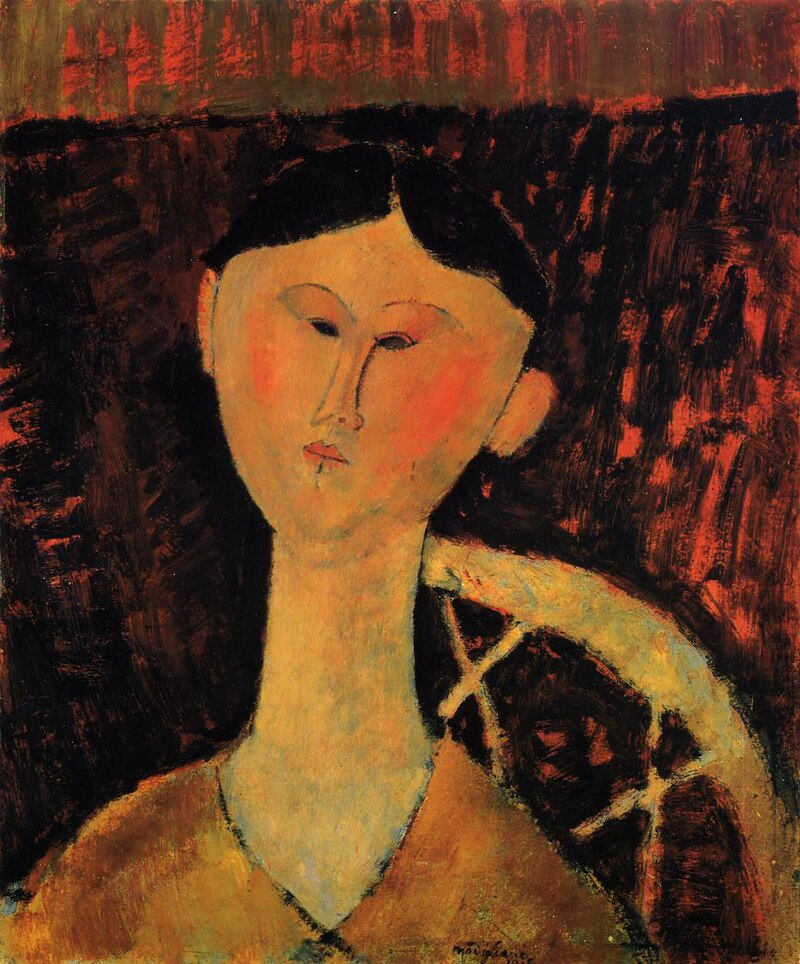
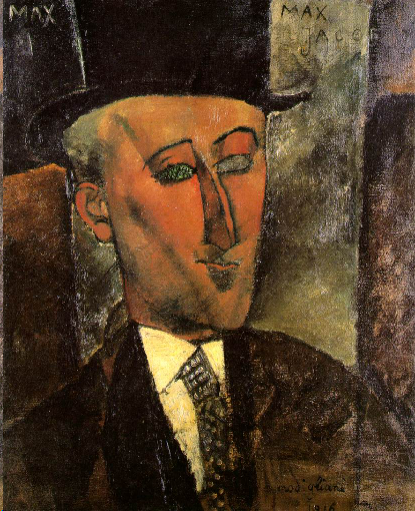
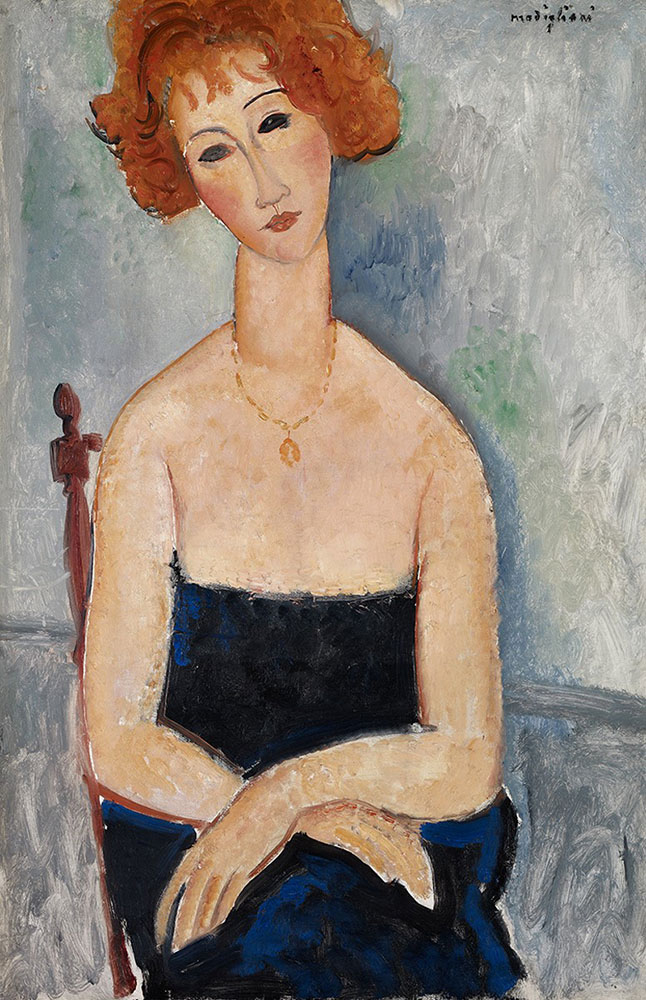
Over one hundred paintings as well as drawings and sculptures by the artist are said to have passed through Guillaume’s hands. These included portraits of notable figures in Paris at the time such as Max Jacob, Jean Cocteau and Moïse Kisling, but also of unknown models, as well as women who shared the painter’s life. The latter included the writer Béatrice Hastings and the young painter Jeanne Hébuterne, who was the mother of his child and his final companion.

Amedeo Modigliani ‘Portrait of Béatrice Hastings’ (1915)

Amedeo Modigliani ‘Portrait of Max Jacob’ (1916)

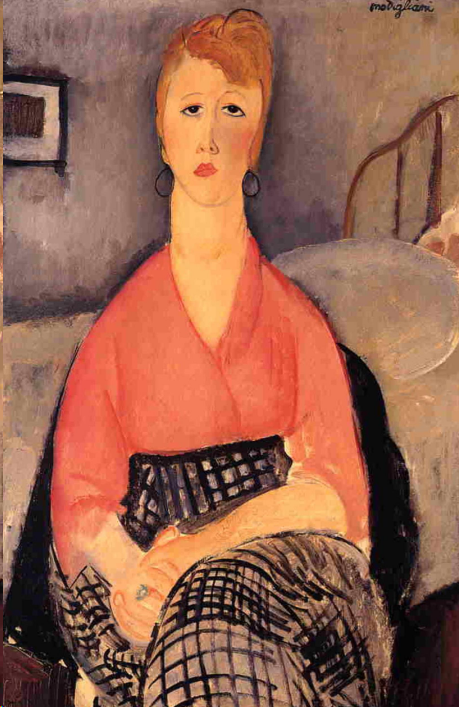
Amedeo Modigliani ‘The Beautiful Grocer’ (1918)

Amedeo Modigliani ‘Young Red-haired Woman with a Necklace’ (1918)

Amedeo Modigliani ‘Black Hair’ (1918)

Amedeo Modigliani ‘The Young Apprentice’ (1918 – 19)

Amedeo Modigliani ‘Portrait of Madame Hanka Zborowska’ (1918 – 19)

Amedeo Modigliani ‘Elvire Resting against a Table’ (1919)

Amedeo Modigliani ‘Pink Blouse’ (1919)

La Sainte-Chapelle, Paris

La Sainte-Chapelle was constructed in the 1240s (consecrated on 26 April 1248) on the orders of King Louis IX on the Île de la Cité in the River Seine in Paris. The whole structure was completed in just seven years; incredible when compared with its neighbour, Notre-Dame, begun around the same time, which took almost two hundred years. It was built to house the most sacred relics of the Passion of Christ, including the Crown of Thorns and a fragment of the True Cross.

Engraving of La Saint-Chapelle, circa 1630

Louis had purchased the relics from Baldwin II, Latin Emperor of Constantinople, who had pawned them to the Venetians. They were brought from Venice by Dominican friars, with Louis himself carrying them in the final stages of the journey. He bought them for the enormous sum of 135,000 livres and then had them stored in a large silver chest, the Grande-Chasse, which cost a further 100,000 livres. Just how large a sum this was is illustrated by the fact that the entire chapel and its glazing cost 40,000 livres. In 1246, Louis would add to his relic collection by obtaining fragments of the True Cross and the Holy Lance. 

The Grande-Chasse

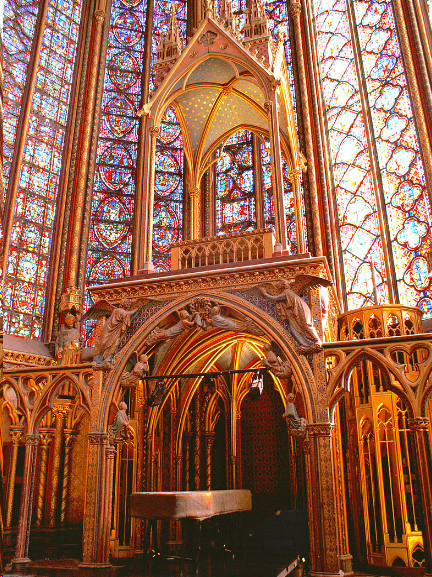
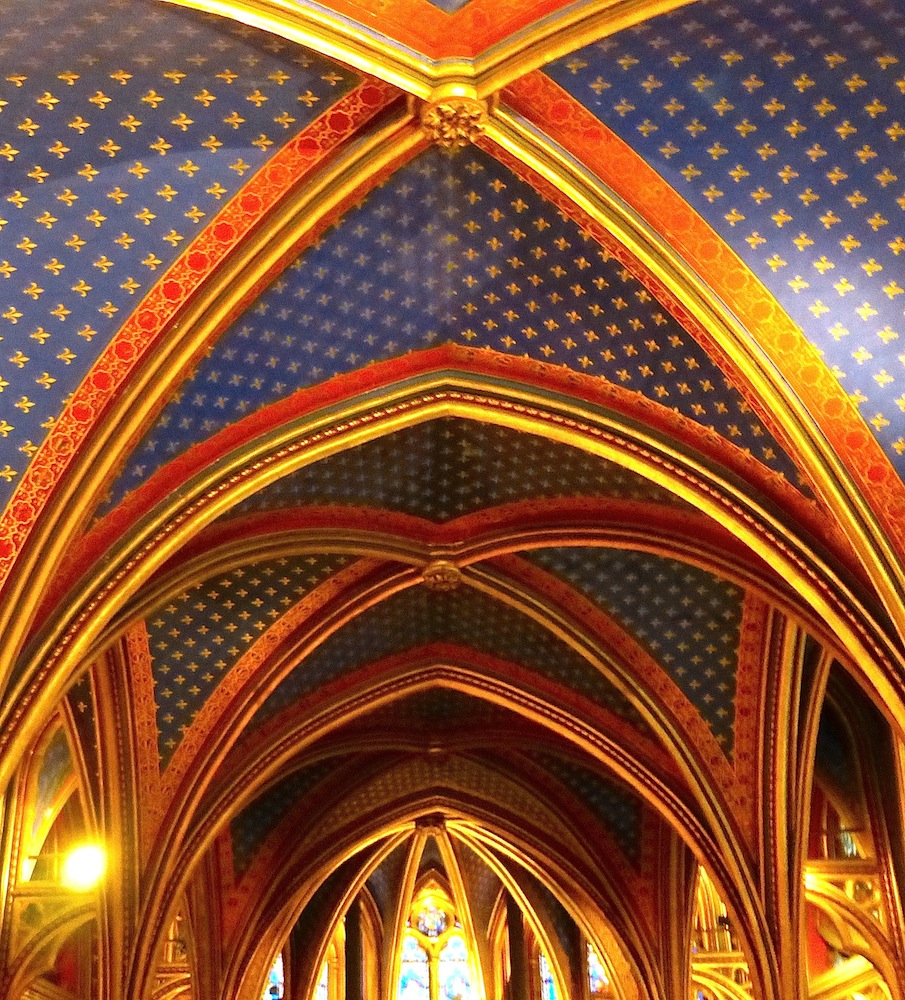
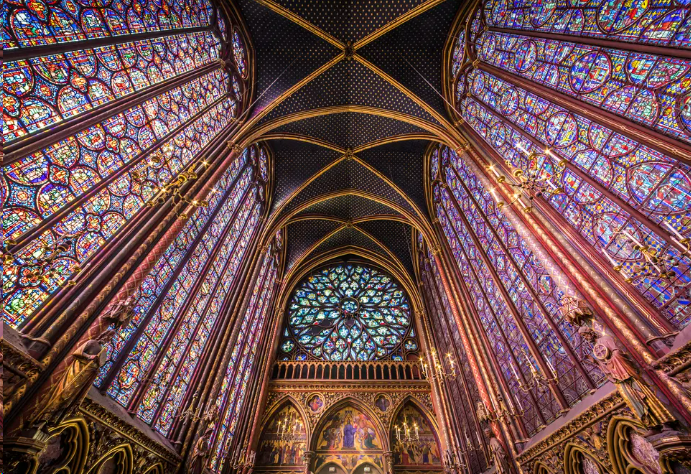
The chapel was built in the the Gothic rayonnant style, with a ribbed vault but, amazingly, there are no flying buttresses to take the weight of the roof. Nevertheless, the clusters of slender columns together with the robust architecture of the lower chapel provide enough support to allow for a vast expanse of stained-glass windows, a total of 1,113 of them.

The ribbed vaulted ceiling of the lower chapel

The ribbed vaults and stained-glass windows in the upper chapel

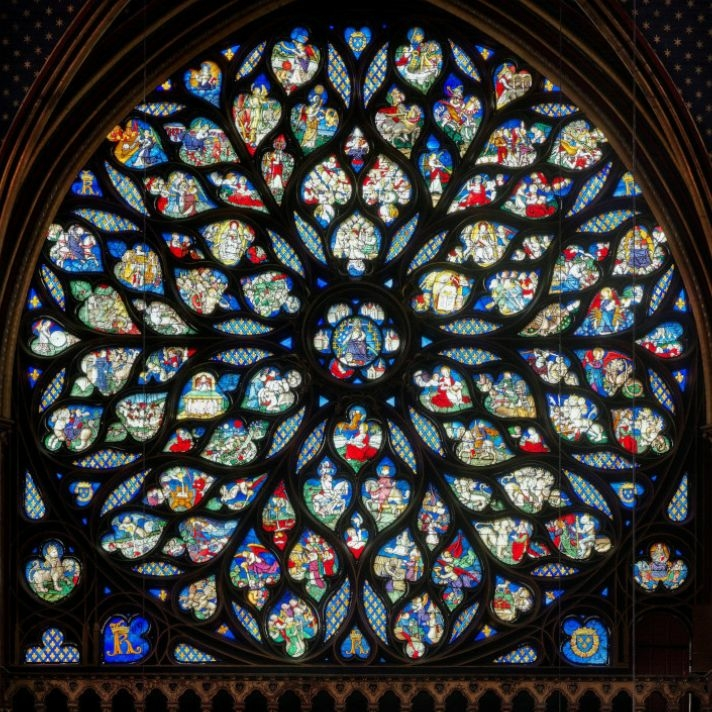
The Rose window in the west front, dedicated to the Apocalypse, was rebuilt during the reign of Charles VIII around 1485. It is extremely well preserved with very little restoration. It is nine metres wide and composed of complex flame-shaped sections, typical of fifteenth-century flamboyant Gothic.

The Rose of the Apocalypse, La Sainte-Chapelle

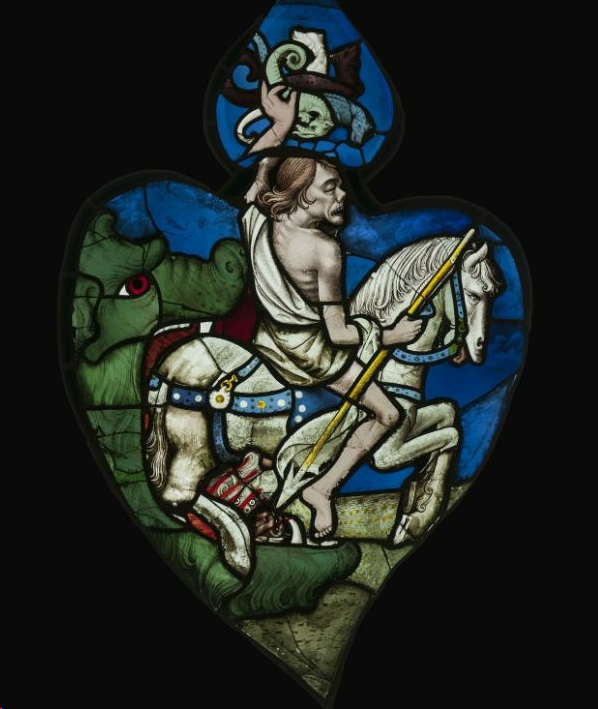
Below the oculus, two of the four horsemen of the Apocalypse are depicted. On the left, representing death, is a white horseman emerging from a dragon’s mouth, whilst on the right a horseman carrying a scale represents famine.

One of the Horsemen of the Apocalypse

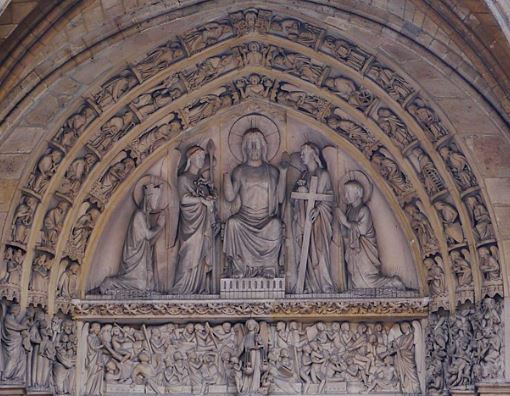
During the French Revolution the chapel was a prime target for vandalism and many of the original sculptures were smashed. The chapel was turned into a storehouse for grain and the spire was pulled down. Much of the sculpture of the portals was damaged; however, between 1855 and 1870, the sculptor Adolphe-Victor Geoffroy-Dechaume was able to recreate it using 18th century descriptions and engravings. The tympanum over the portal of the upper chapel was recreated; it contains the central figure of Christ giving a blessing, with the Virgin Mary and John the Baptist alongside him.

Tympanum above the portal of the upper chapel

Some of the stained glass was also broken during the Revolution but nearly two-thirds of the glass today is original. During World War II the windows were removed and put into safe storage. The windows and the chapel generally have been subject to several expensive restoration projects over the years. In 2008, a comprehensive seven-year programme of restoration began and 10 million euros was spent cleaning and preserving the stained glass, cleaning the facade stonework and repairing some of the sculptures.

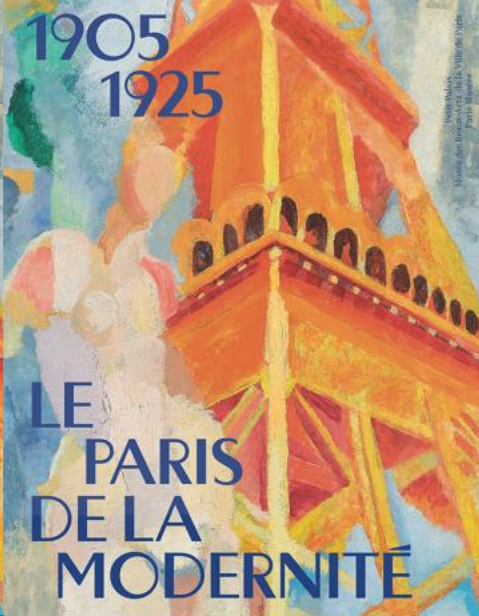
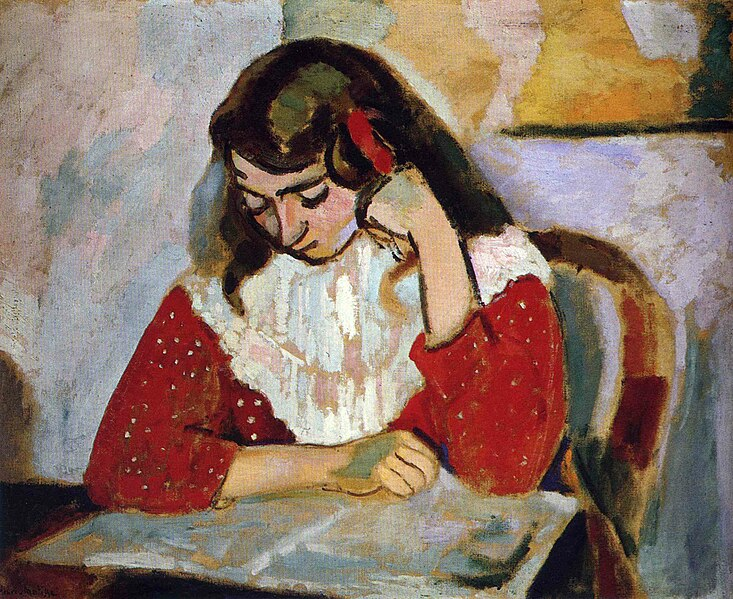
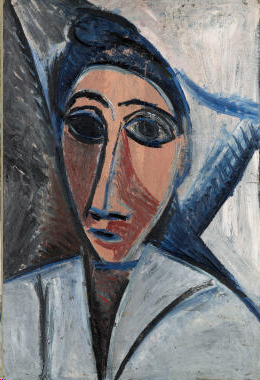
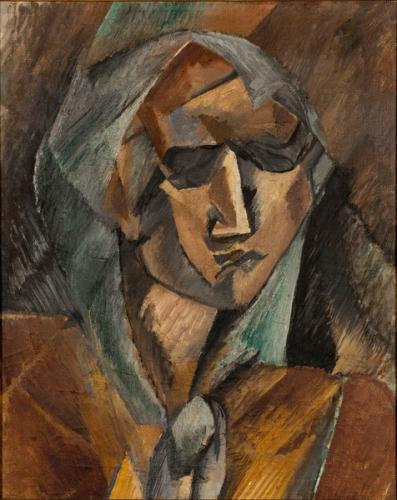
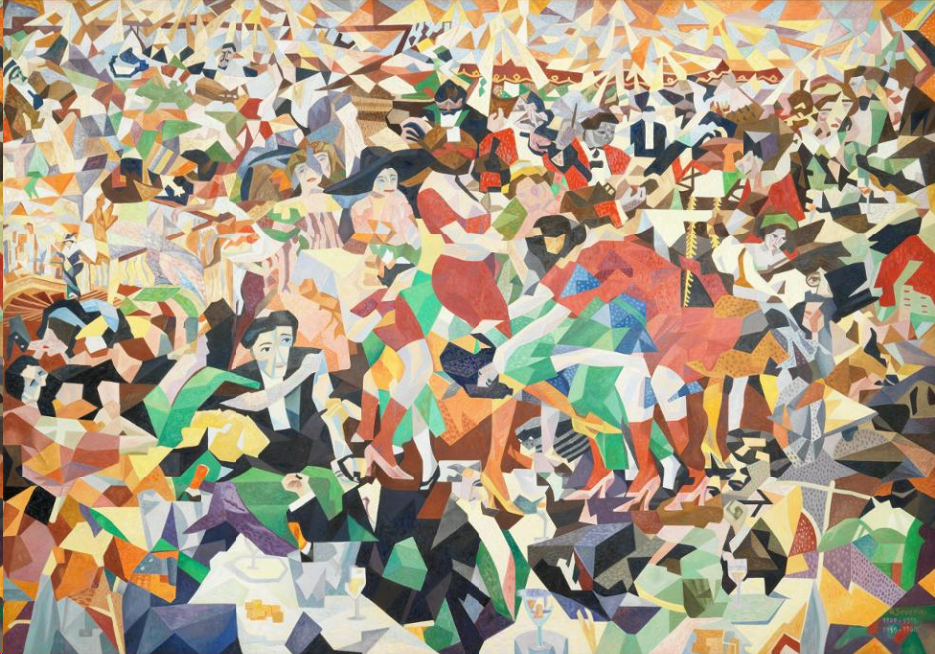
‘Le Paris de la modernité 1905 – 1925’ Petit Palais, Paris

This exhibition tells the story of cultural advances and technical innovation in Paris just after the turn of the twentieth century up to 1925, when the city hosted the International Exhibition of Modern Decorative and Industrial Arts. Not only does it display almost four hundred works by artists working in the city during that period but also examples of fashion, jewellery and industry.

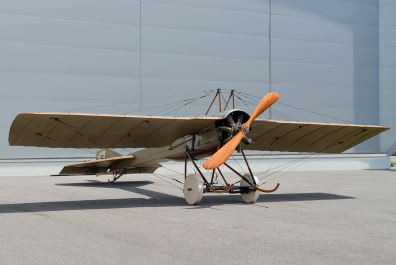
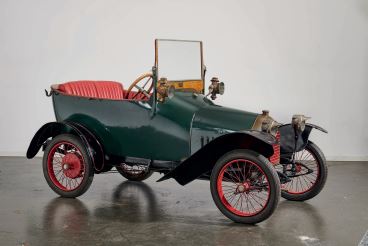
Galleries in the city displayed works by Fauvists, Cubists, Dada and Surrealists as well as Futurists and all are represented in the exhibition alongside fashion accessories, dresses, perfumes and industrial products including a Peugeot car and an airplane.

Henri Matisse ‘Marguerite lisant’ (1906)

Pablo Picasso ‘Buste de femme’ (1907)

Georges Braque ‘Tête de femme’ (1909)

Pablo Picasso ‘La Femme au pot de moutarde’ (1910)

Gino Severini ‘La Dance du pan-pan au Monico’ (1910 – 11)

Marcel Duchamp ‘Roue de bicyclette’ (1913 – 64)

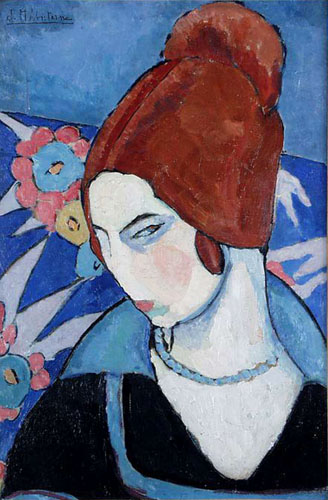
Jeanne Hébuterne ‘Autoportrait’ (1916)

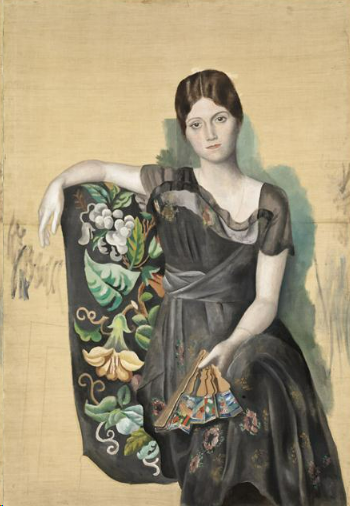
Pablo Picasso ‘Portrait d’Olga dans un fauteuil’ (1918)

Amedeo Modigliani ‘Maternité’ (1919)

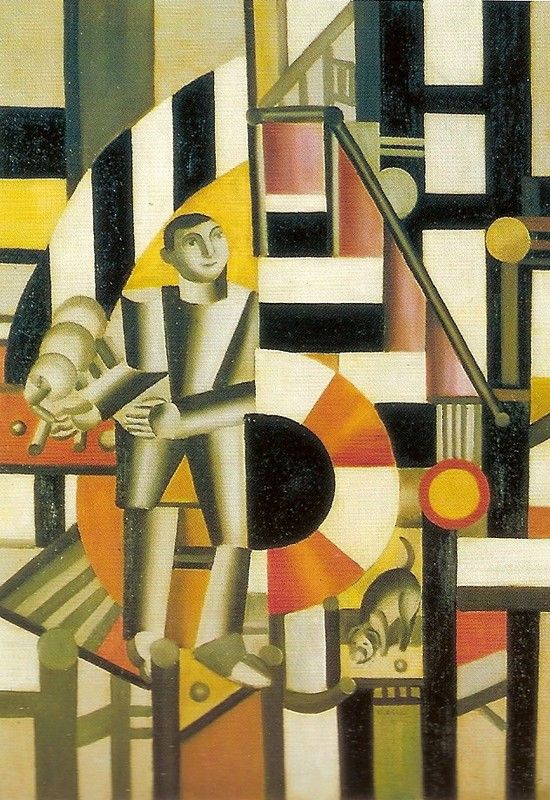
Fernand Léger ‘ L’homme à la pipe’ (1920)

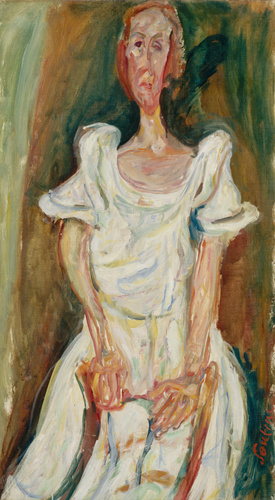
Chaim Soutine ‘La fiancée’ (1923)

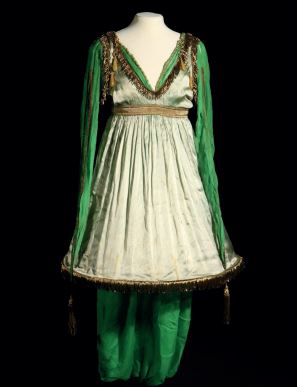
Paul Poiret ‘Minaret’ dress (1911)

Jeanne Lanvin ‘Robe Lesbos’ (c.1925)

Deperdussin airplane (1911)

Peugeot type BP1 (1913)

The Gallo-Roman settlement of Vesunna

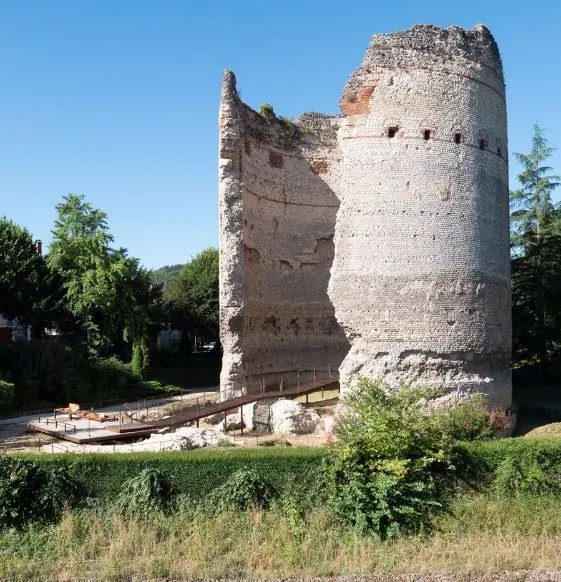
Périgueux was founded around 16 B.C. when the Romans settled in the area near the river Isle and created the town of Vesunna. By around 40 B.C. the town already had a forum and the amphitheatre was under construction. The temple, known today as the Tour de Vésone, dates back to the beginning of the second century. 

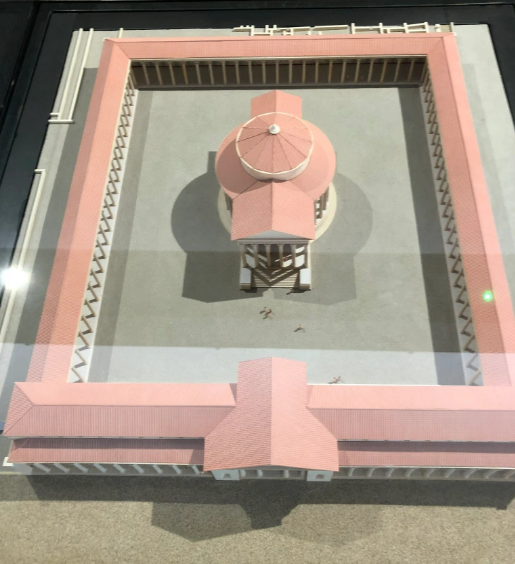
The Vesone domus, the home of a wealthy aristocratic family, was erected in the first century, and its remains were uncovered in 1959 during an archaeological excavation. Since 2003, the site has been housed in a contemporary building, which now forms the Vesunna Museum.

Domus base, Vesunna Museum, Périgueux

Model of the original domus construction

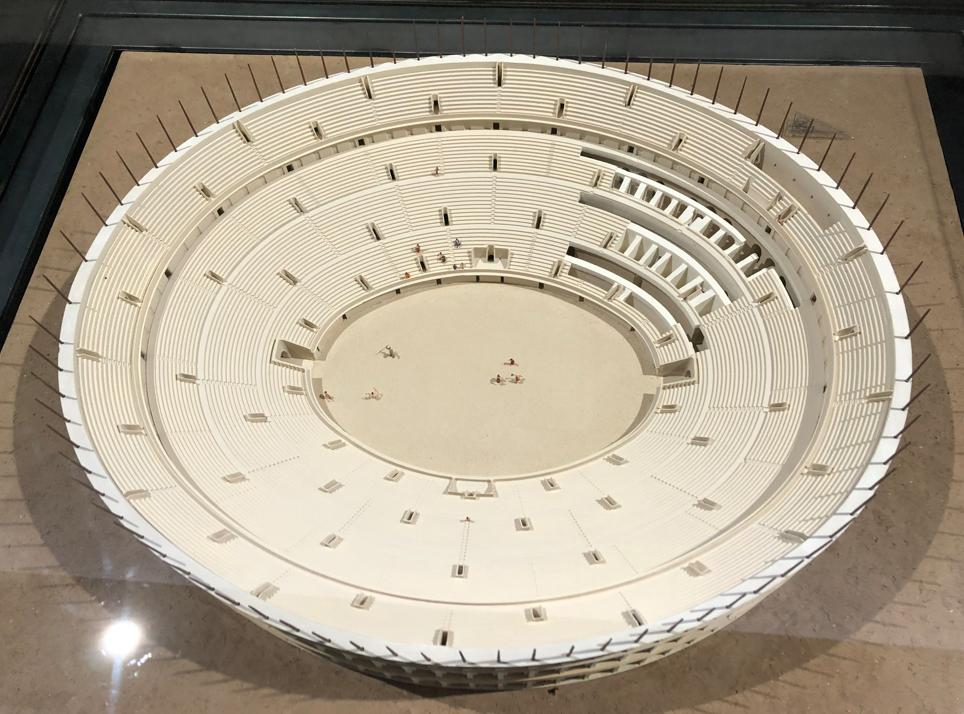
The Vesunna amphitheatre was one of the largest in Gaul at 140 metres x 116 metres, a similar size to those in Arles and Nimes. It seated approximately 20,000 spectators. Illustrations discovered at the site show gladiators fighting in the arena.

Model of the amphitheatre

Columns decorated with a seascape frieze and a collection of weaponry (2nd century)

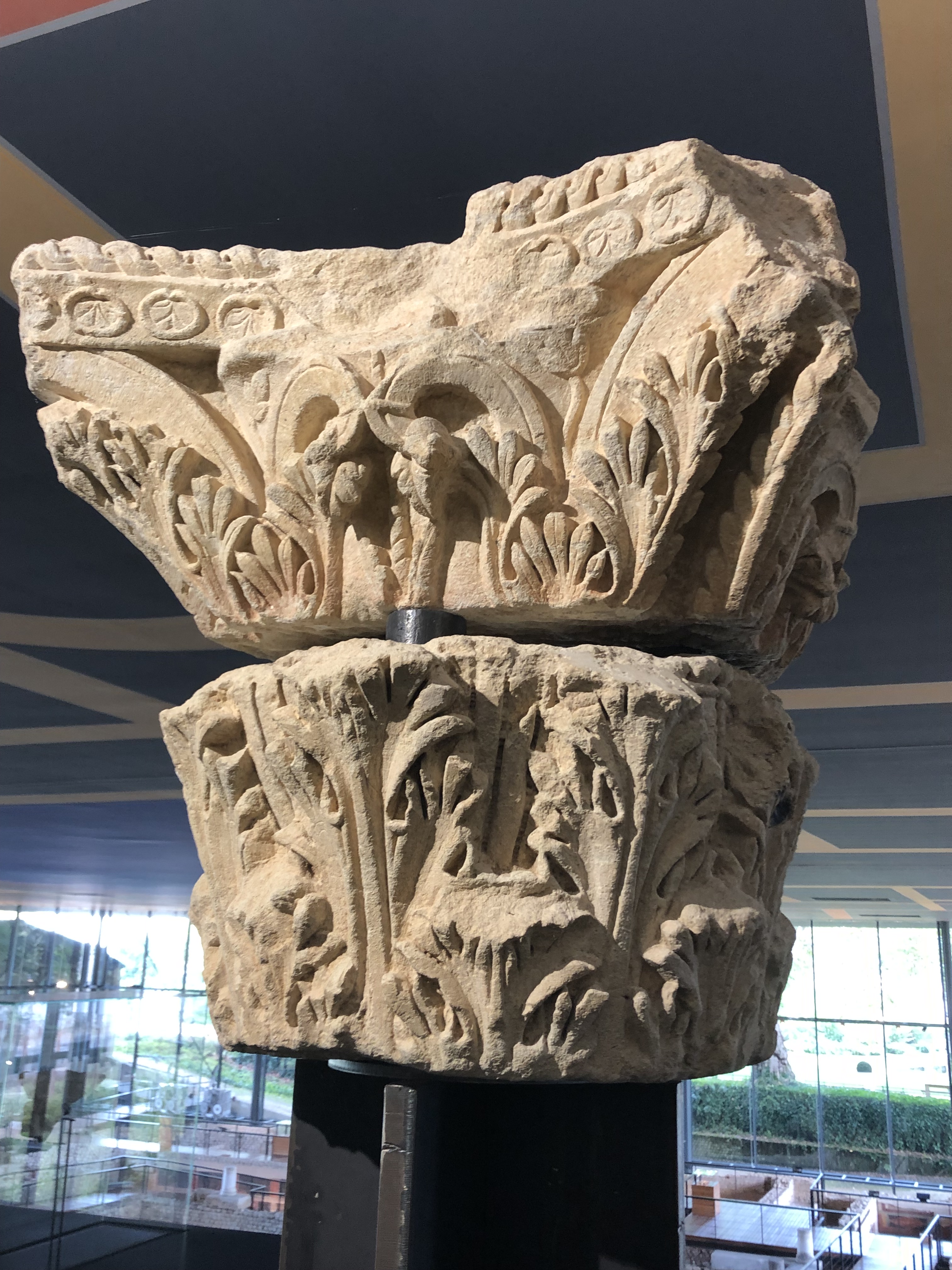
Corinthian capital (2nd century)

Heads of Bacchus and a mother-goddess

Tour de Vésone (2nd century)

Périgueux

A visit to the fascinating city of Périgueux, capital of the Dordogne department in France, where there is much to explore.

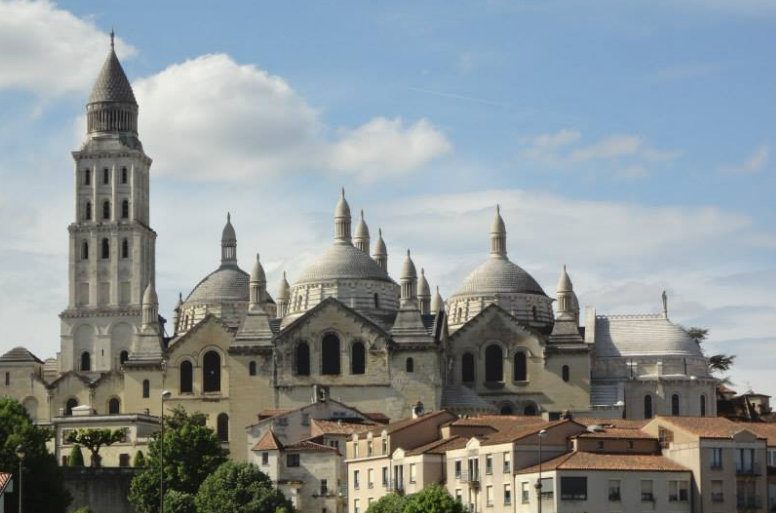
The cathedral of Saint Front was built around 1120. The site originally had a church, built by Bishop Chronope between 500 and 536, before becoming an abbey. In order to accommodate more pilgrims, the abbey was enlarged by the addition of a domed church, claimed to have been modelled on Saint Mark’s Basilica in Venice. It became a cathedral in the sixteenth century, taking its name, Saint Front, from the man who was, according to legend, the first bishop of Périgueux.

It has been classified as a historic monument since 1840 and was made a World Heritage Site in 1998, as part of the routes to Saint-Jacques-de-Compostelle in France. 

Saint Front Cathedral, Perigueux

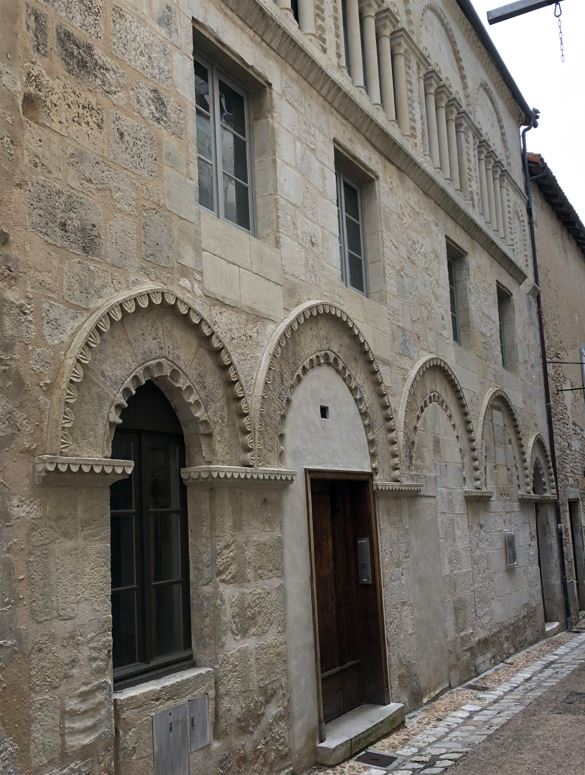
Amongst other religious buildings in the city is the Couvent des Dames de la Foi, which has an interesting Romanesque façade The house was built in the twelfth century and was a private residence before being given in 1680 to the congregation of the Ladies of the Faith which had been introduced to Périgueux in 1670. They established a convent there, intended for the conversion of young Protestant women.

The Romanesque façade of the Couvent des Dames de la Foi, Périgueux

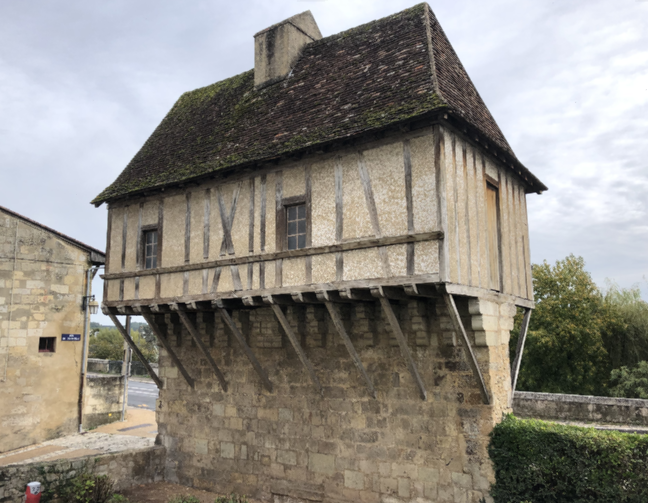
Another fascinating building in the city is the Eschif, which was built in 1347 as a lookout post to allow surveillance of the Tournepiche bridge. It was built on the now-demolished ramparts of Puy-Saint-Front, the medieval city which corresponds to the historic center of Périgueux.

Eschif, Perigueux

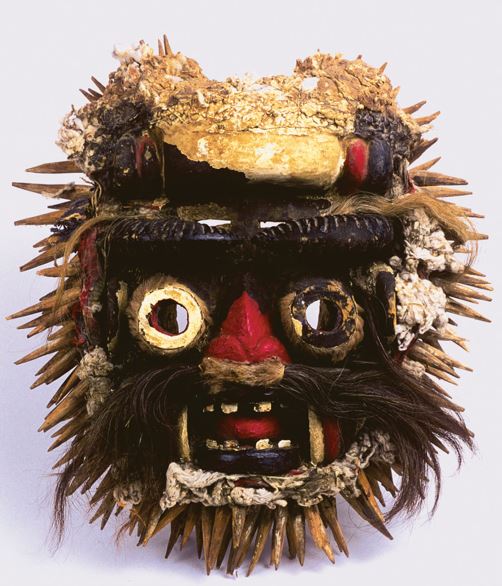
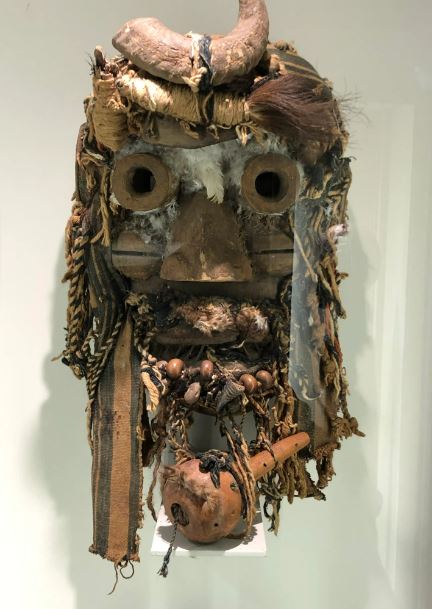
The city’s ‘Musée d’art et d’archéologie du Périgord‘ has an interesting collection of African and Oceanic art and artifacts.

‘Warrior’s mask’ (Ivory Coast, early 20th century)

Sacred mask (Ivory Coast)

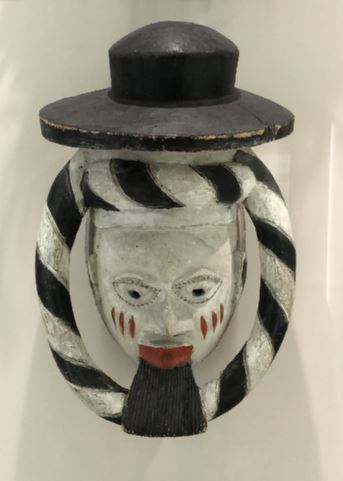
‘Gelede mask’ (Nago-Yoruba, Benin, late 19th century)

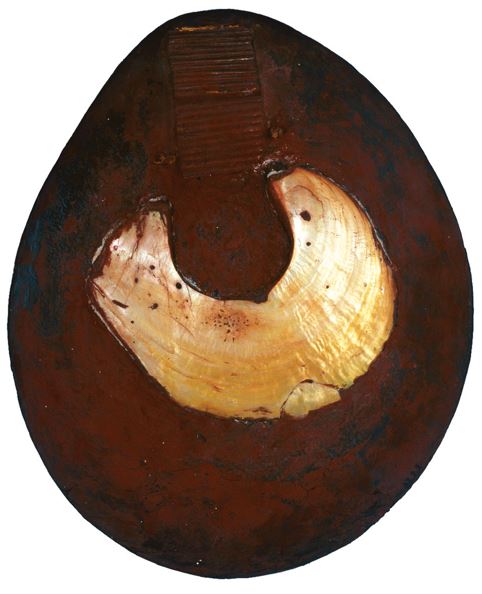
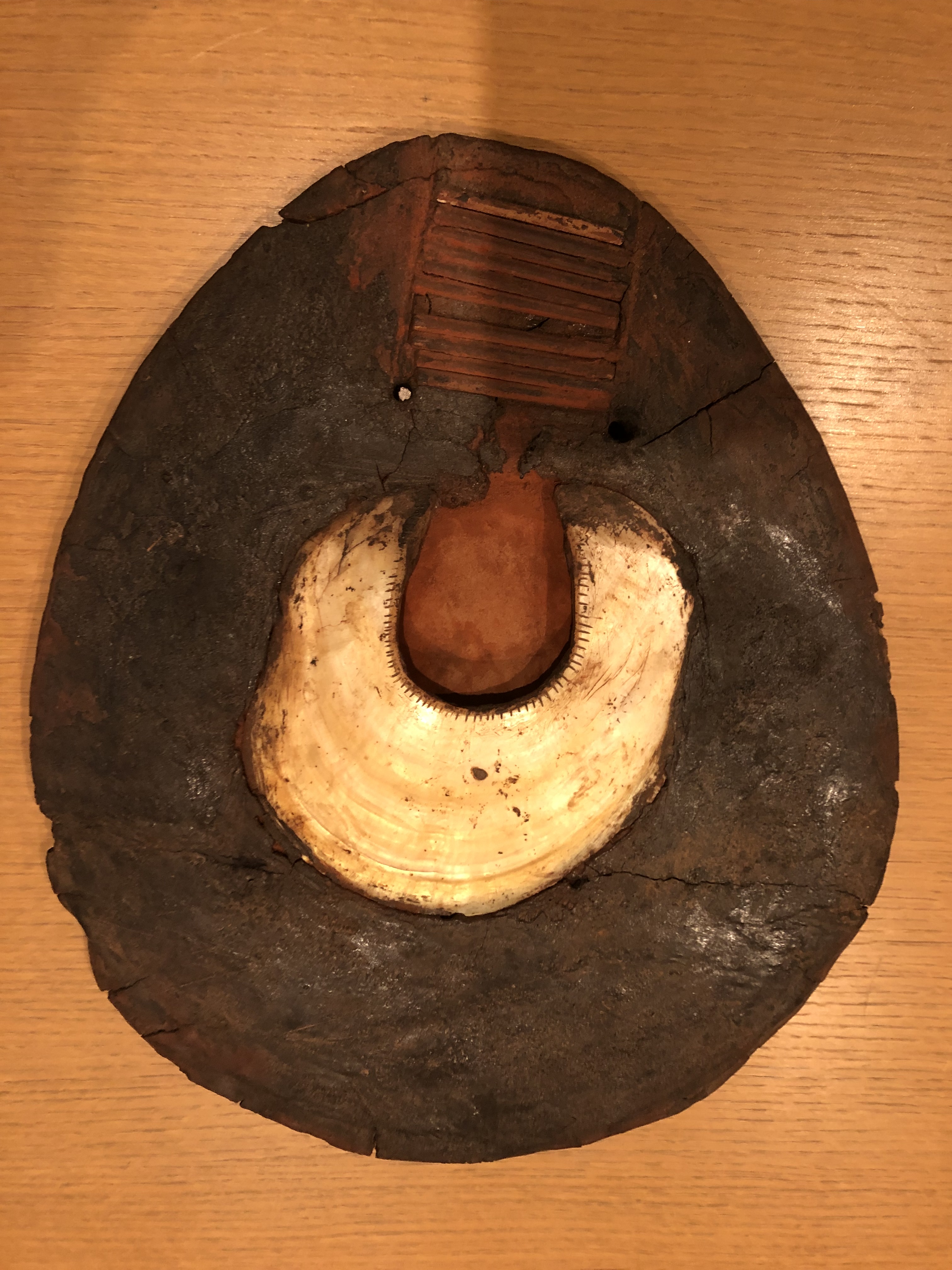
I was particularly interested to see this ceremonial breastplate used in a ‘mokka’ ceremony in the Mendi region of the Western Highlands in Papua New Guinea, as I have my own example that I bought from the Bishop Museum in Hawaii when I was there in 1987.

‘Mokka’ breastplate, purchased in Ohahu, Hawaii, 1987