Musée Angladon, Avignon

The Musée Angladon contains the collection of Jacques Doucet (1853-1929), a pioneer in high fashion and patron of artists. Whilst the collection contains works from the Renaissance to the twentieth century, the paintings from the nineteenth and twentieth centuries are particularly impressive and include Daumier, Degas, Van Gogh, Cézanne, Manet, Redon, Picasso and Modigliani.
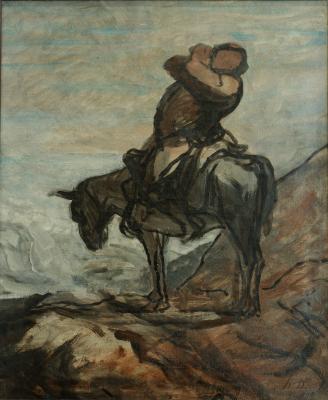
Honoré Daumier ‘Sancho Panza’ (c.1855)
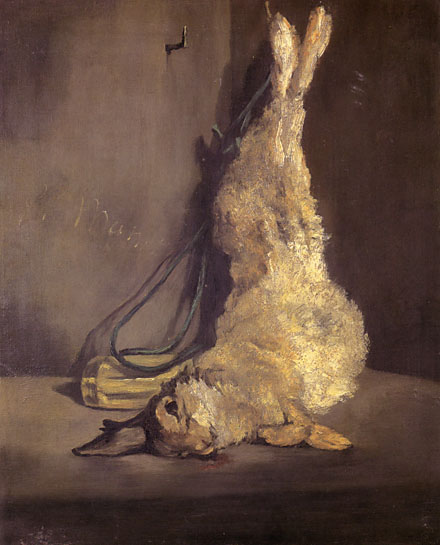
Edouard Manet ‘Le lapin’ (1866)
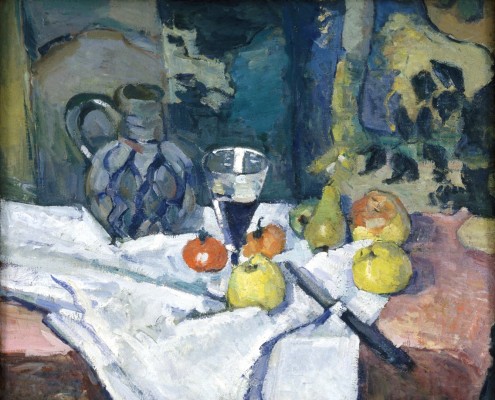
Paul Cézanne ‘Nature morte au pot de grès’ (1874)
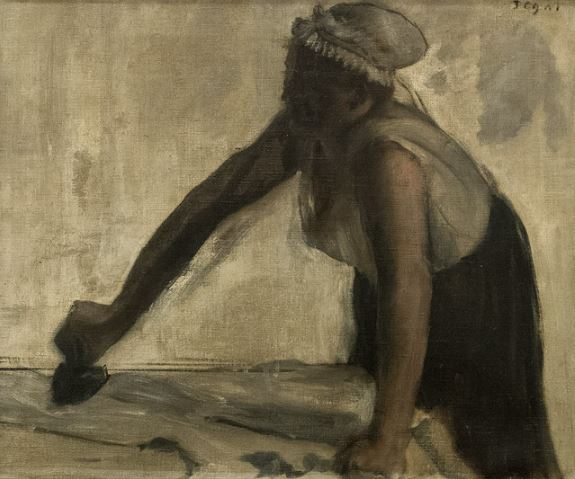
Edgar Degas ‘La repasseuse’ (1874)
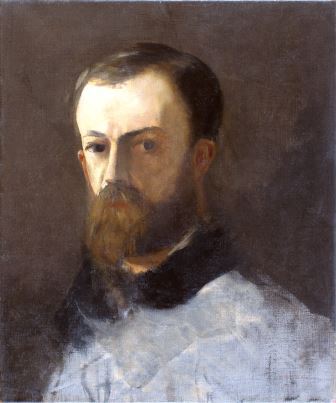
Odilon Redon ‘Autoportrait’ (1875)
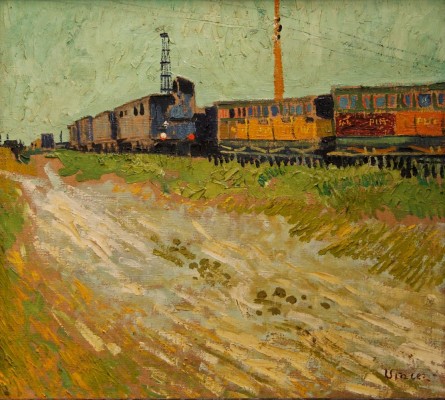
Vincent van Gogh ‘Wagons de chemin de fer à Arles’ (1888)
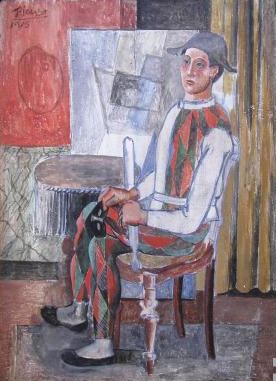
Pablo Picasso ‘Arlequin assis’ (1915)

Amadeo Modigliani ‘La blouse rose’ (1919)
Musée Calvet, Avignon

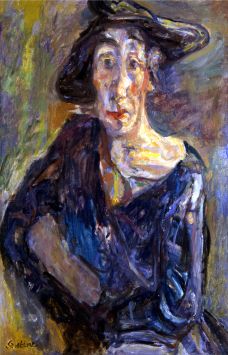
At the Musée Calvet, Avignon, to see the permanent collection of French late-nineteenth and twentieth-century paintings. The Museum has a particularly fine collection of works by Chaïm Soutine.

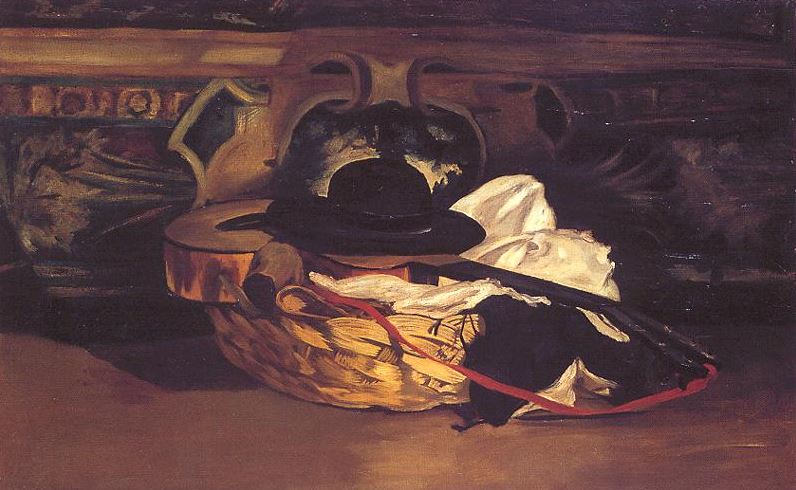
Edouard Manet ‘Nature morte, guitare et chapeau’ (1862)

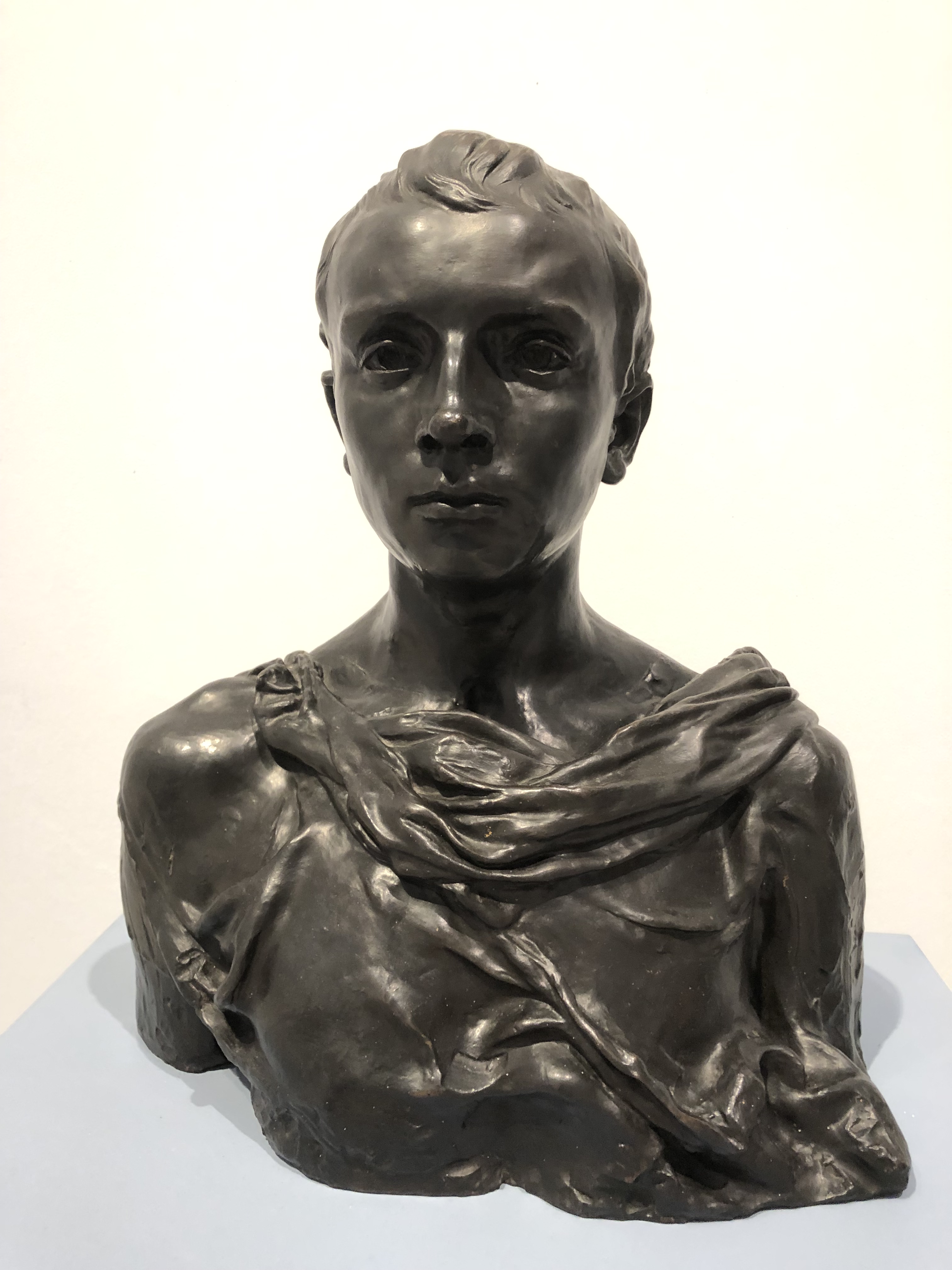
Camille Claudel ‘Bust de Paul Claudel en jeune Romain’ (1884 – 87)

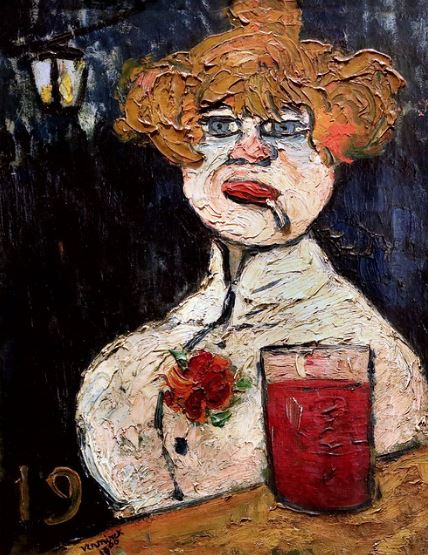
Maurice de Vlaminck ‘Sur le Zinc’ (1900)

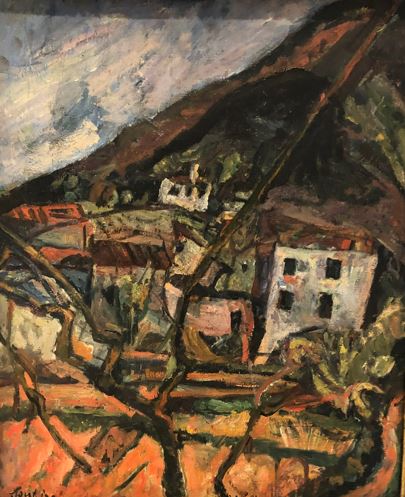
Chaïm Soutine ‘Vue d’un village, Céret en Roussillon’ (1919)
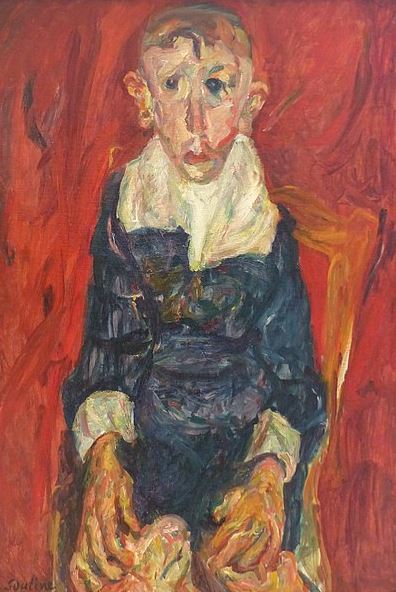
Chaïm Soutine ‘L’Idiot’ (c.1920)

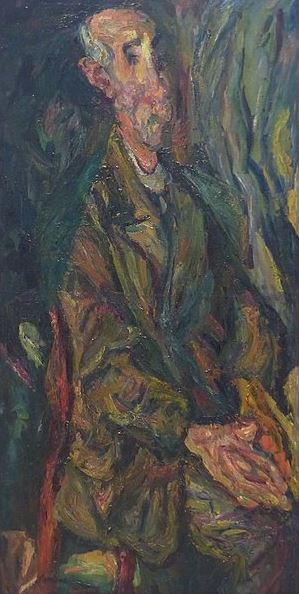
Chaïm Soutine ‘Vieillard aux mains jointes’ (c.1920)

Chaïm Soutine ‘Déchéance’ (c.1920 – 21)

Chaïm Soutine ‘La raie’ (1922)

Palais des Papes, Avignon

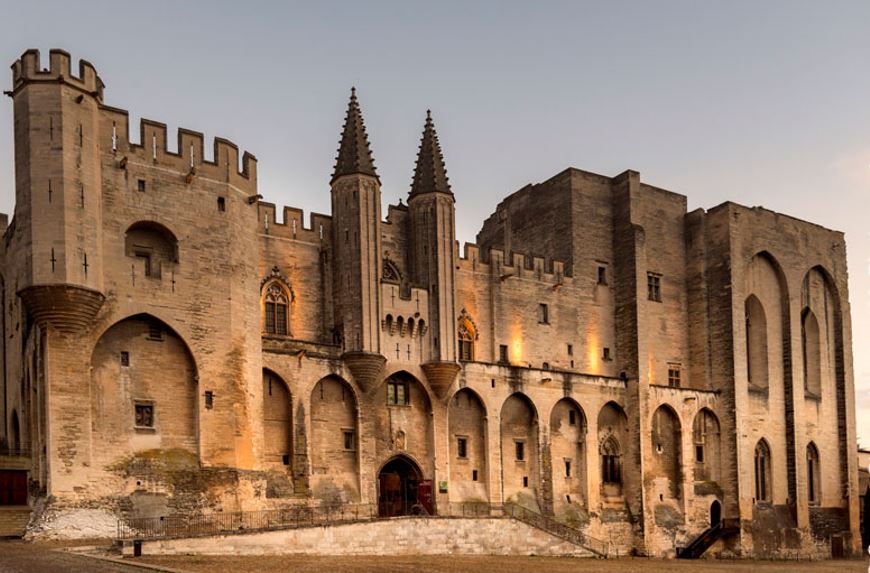
At the magnificant UNESCO World Heritage Site of the Palais des Papes in Avignon, the largest Gothic palace in Europe. The papacy was resident in Avignon from 1309 to 1376 due to a conflict between the papacy and the French crown. Following the death of Pope Benedict XI, Philip IV of France forced a deadlocked conclave to elect the French Clement V as pope, but Clement refused to move to Rome, instead setting up his court in Avignon where it remained for the next 67 years.

Palais des Papes

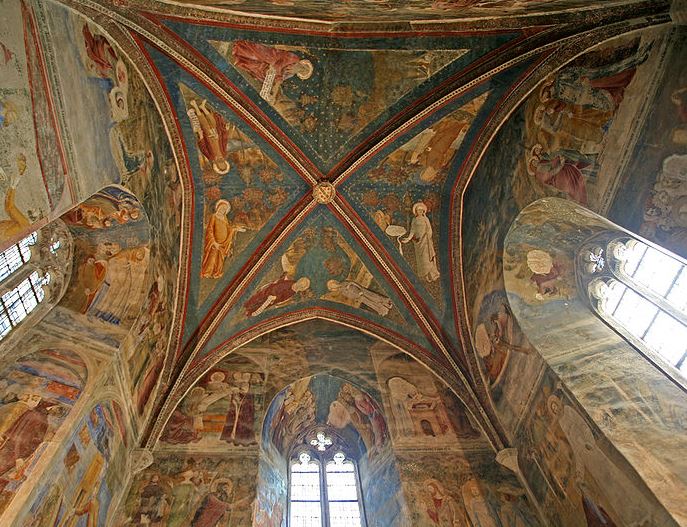
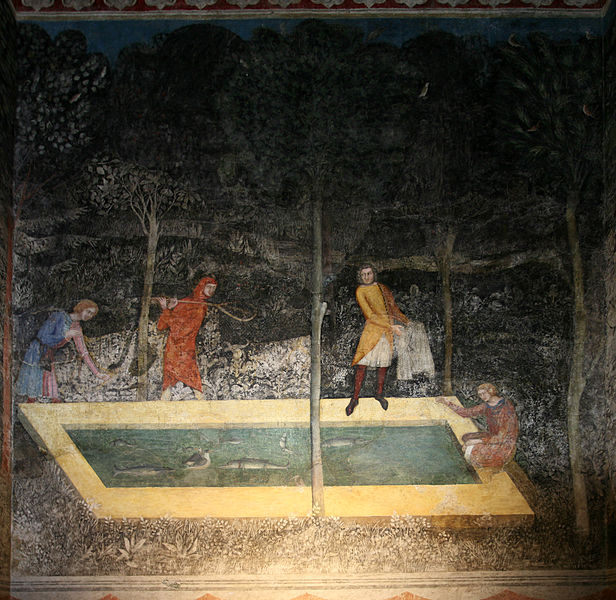
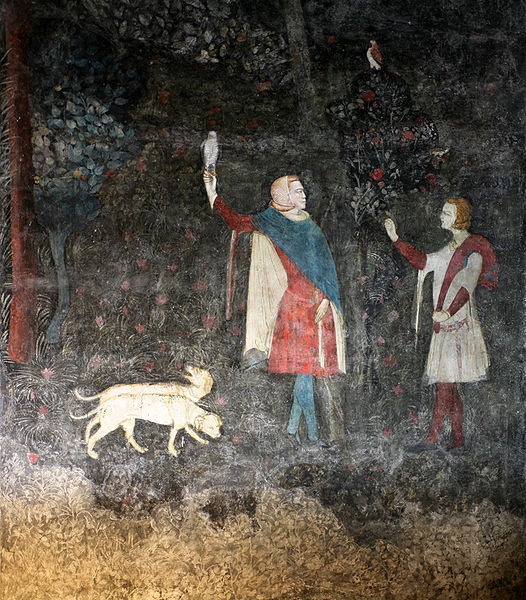
Of particular interest to me were the frescoes that decorate the walls of the chapels and private apartments in the Palais. Matteo Giovannetti, born in Viterbo, Italy, c.1322, was responsible for the decoration of both the Saint-Jean Chapel and the Saint-Martial chapel (the latter now unfortunately closed because of its precarious state) as well as the Grand Tinel, a huge 48 metre-long feast room.

Matteo Giovannetti ‘Saint John Chapel frescoes’ (1347 – 48)

Chambre du cerf

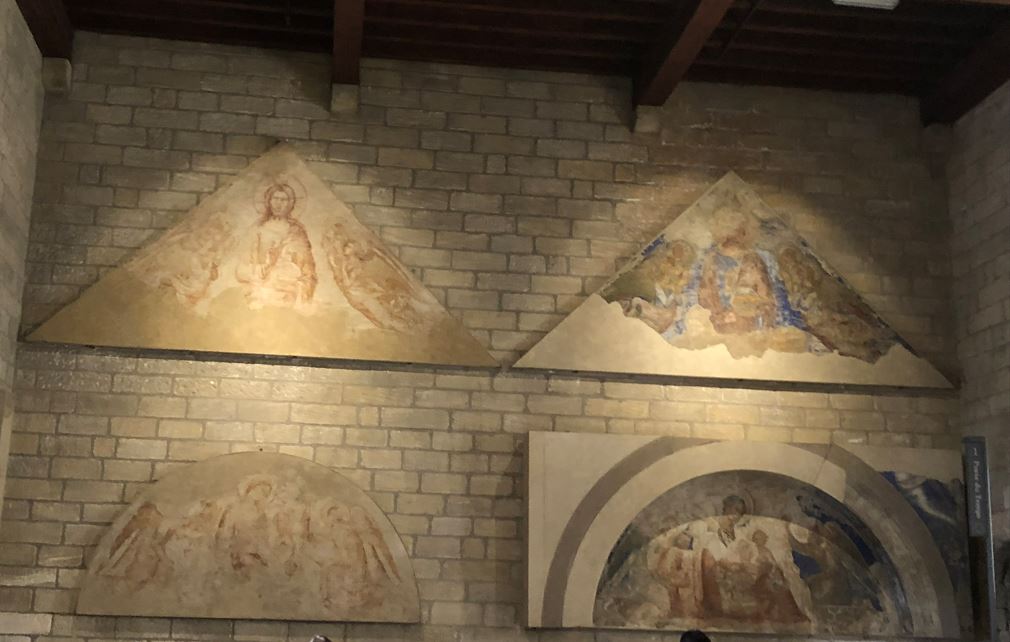
Frescoes by Simone Martini, originally painted in 1340 for Notre-Dame-des-Doms Cathedral, are also displayed in the Consistory Hall of the Palais.

Simone Martini frescoes, Consistory Hall, Palais des Papes

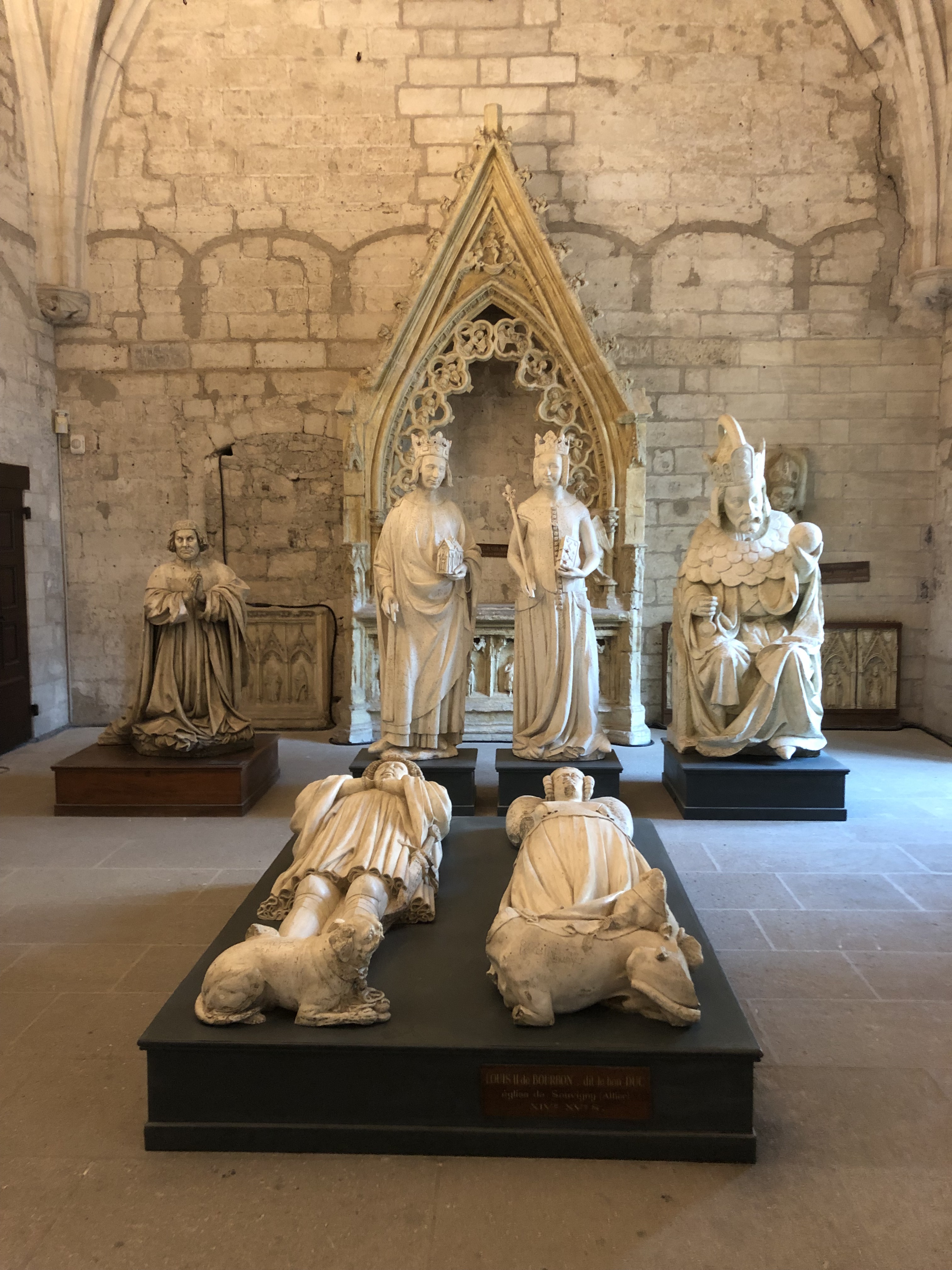
Reproductions of prominent figures during the papal rule, North Sacristy

Le Pont d’Avignon

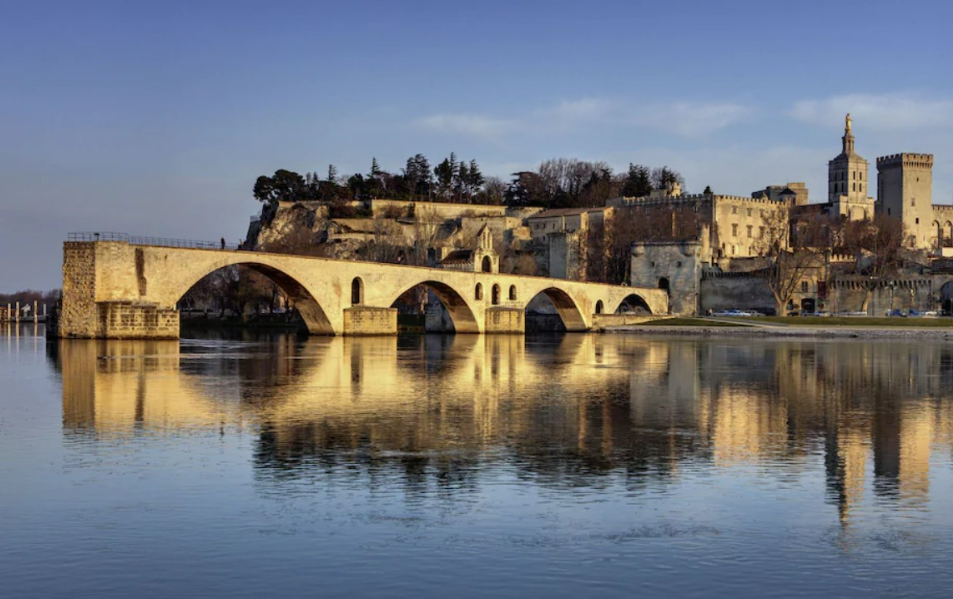
Pont Saint-Bénézet, known as Le Pont d’Avignon

Pont Saint-Bénézet was built with twenty-two arches in the twelfth century and once spanned the Rhône, linking Avignon with Villeneuve-lès-Avignon. Today only four of the arches survive.

The bridge is known the world over thanks to the children’s song ‘Sur le pont d’Avignon’. It has been listed as a UNESCO World Heritage Site since 1995.

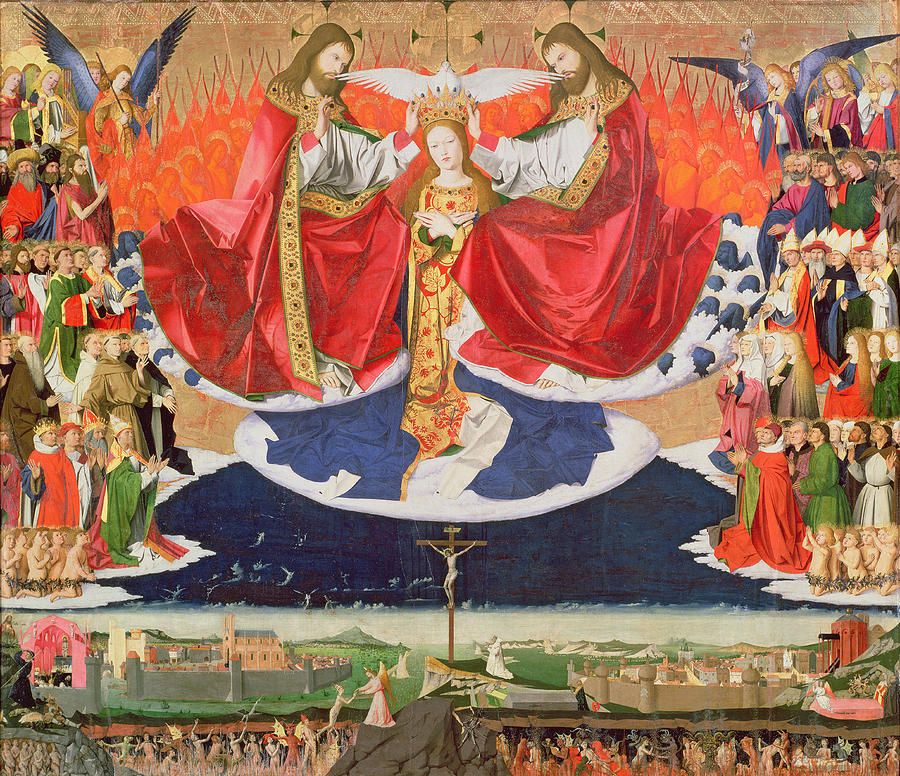
‘The Coronation of the Virgin’ at Musée Pierre-de-Luxembourg

At Musée Pierre-de-Luxembourg in Villeneuve-lès-Avignon to see Enguerrand Quarton’s amazing altarpiece ‘The Coronation of the Virgin’. It was commissioned in 1453 by Jean de Montagny, a canon in Avignon, for the Carthusian monastery of Villeneuve-lès-Avignon.

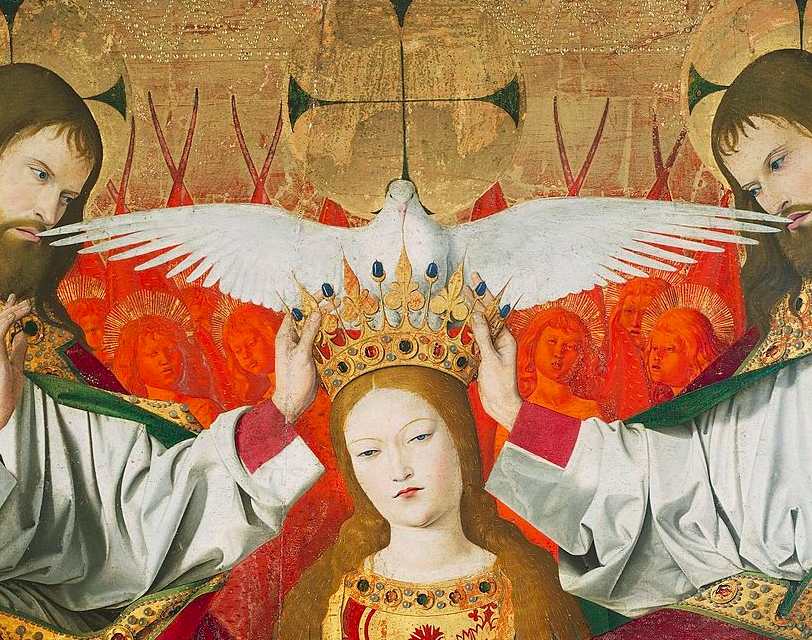
Enguerrand Quarton ‘The Coronation of the Virgin’ (1453 – 54)

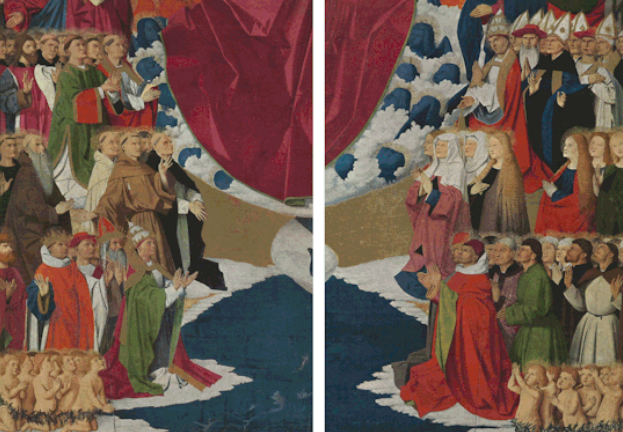
The painting is in two main sections. In the upper section the Virgin is crowned by the Holy Trinity. Unusually, God the Father and Jesus Christ are depicted as mirror images with the same form, with the Holy Spirit between them. They are surrounded by groups of angels painted in a vivid red colour. This near-symmetry is a feature of the painting and occurs in several places.

In the lower section, just left of the crucified Christ, Mont Saint Victoire, a notable local feature of the landscape, rises above the horizon, whilst to Christ’s right is the kneeling figure of the donor. Below the cross are depictions of the cities of Rome and Jerusalem and under them is the Last Judgement. Angels receive the souls of the saved beneath Jerusalem, whilst the damned are tormented in hell beneath Rome.

Mahler ‘Symphony no. 7’ and Betsy Jolas

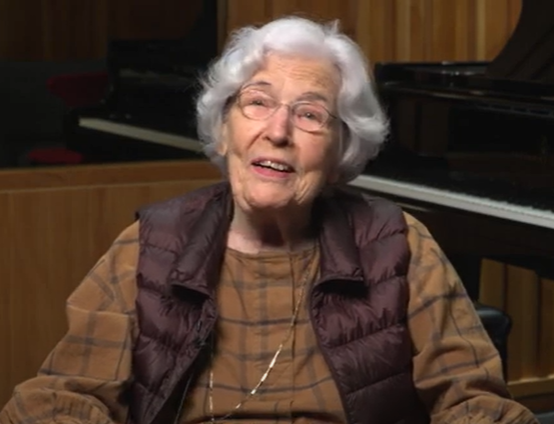
Betsy Jolas is a ninety-six year old French – American composer who was in tonight’s audience at the Grand Théâtre de Provence to hear the European premiere of her latest work for symphony orchestra and soprano. ‘These beautiful years’ was a joint commission from the LSO, the Festival d’Aix and the Cleveland Orchestra  It is a joyful piece that includes fragments of the melody of ‘Happy Birthday’ and snippets of Mozart operas. Towards the end a solo soprano joins the orchestra as a ‘messenger angel’ to call everyone to celebrate – as the audience did when she was introduced to them at the conclusion of the piece.

Betsy Jolas

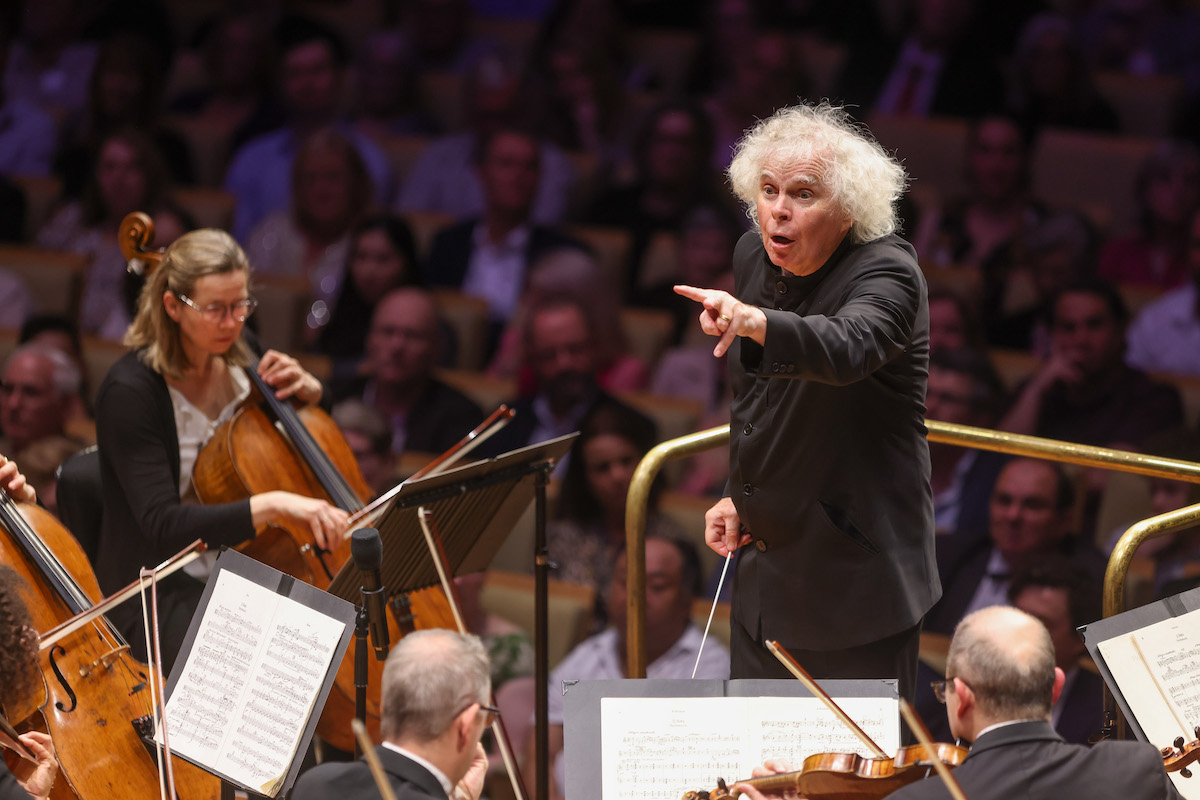
Mahler’s Symphony no. 7 in E minor, sometimes called ‘Song of the Night’, dates from 1905 and opens up a completely different world. It is a monumental eighty-minute work, which Rattle conducted from memory. In some parts it evokes the natural world, in others the brass bands that Mahler heard in his youth. It is a complex work yet Rattle’s handling of the LSO brought clarity to it. The audience loved it and the performance was rewarded with a deserved standing ovation.

Sir Simon Rattle and the London Symphony Orchestra

Betsy Jolas ‘These Breautiful Years’; Gustav Mahler; ‘Symphony no. 7 in E minor’.

Alban Berg’s ‘Wozzeck’

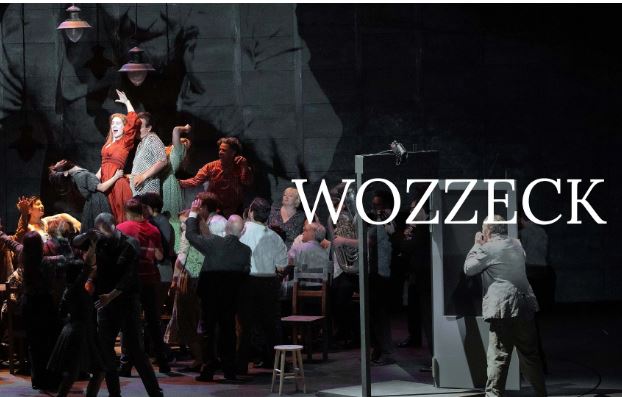
In contrast to any misgivings about last night’s performance of ‘L’Opera de Quat’Sou’, this performance of Alban Berg’s ‘Wozzeck’ was nothing short of superb. The London Symphony Orchestra under Sir Simon Rattle were on excellent form and the cast of the opera, in particular Christian Gerhaher in the title role and Maria Byström as Marie, sang wonderfully. The production by stage director Simon McBurney and set designer Miriam Buether really brought the story to life.

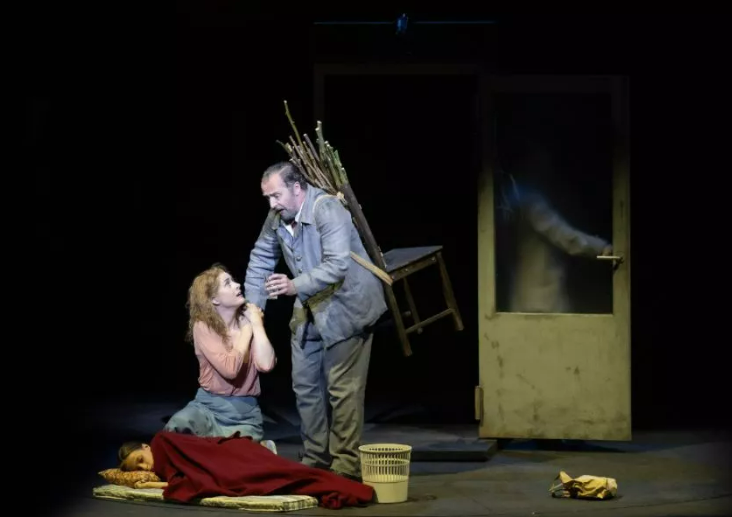
Malin Byström as Marie and Christian Gerhaher as Wozzeck

Again there is a political aspect to the story, Wozzeck is a soldier who represents the social injustices of the time. He is a pitiful character who kills his mistress out of jealousy before committing suicide. Although he carries out a murder it is difficult not to have sympathy for Wozzeck, who clearly has a ravaged mind. Berg’s music, although atonal, adds to the drama of the story. It was wonderfully performed by all.

Musée Granet XXe, Collection Jean Planque

The modern art collection at Aix’s Granet Museum was considerably expanded in 2011 when the Jean and Suzanne Planque Foundation donated the Jean Planque collection, named after the Swiss painter and collector who died in 1998. To house the collection the museum was expanded into the nearby Chapelle des Pénitents blanc, an impressive seventeenth-century chapel.

The collection includes some 300 paintings, drawings and sculptures by Impressionist and Post-Impressionist artists, including Renoir, Monet, Van Gogh, Degas and Redon, as well as major artists of the twentieth century, including Bonnard, Rouault, Braque, Dufy, Léger and Klee. Planque became close friends with Pablo Picasso during his time as advisor to the Galerie Beyeler in the 1960s and over time amassed a collection of more than twenty of his works.

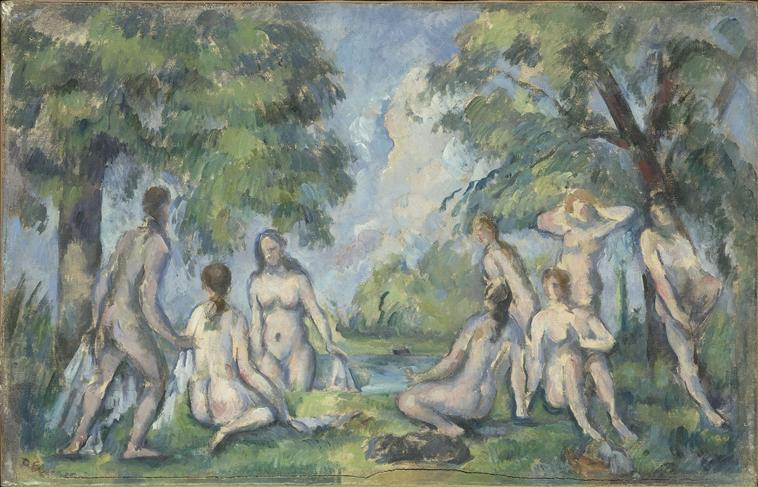
Paul Cezanne ‘Bathers’ (c.1895)

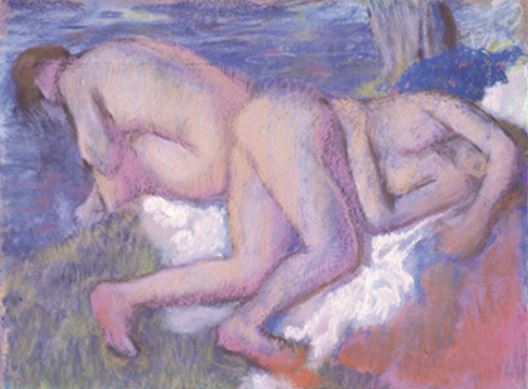
Edgar Degas ‘Two Bathers’ (c.1895)

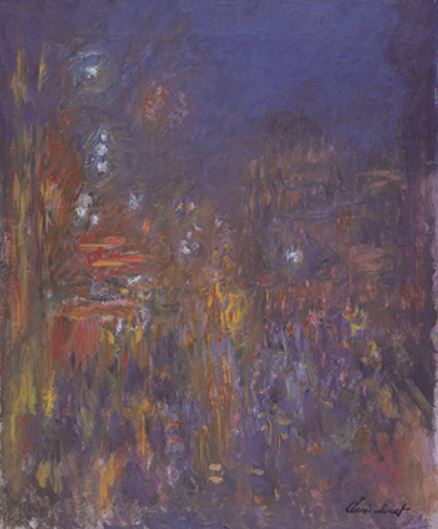
Claude Monet ‘Leicester Square’ (1901)

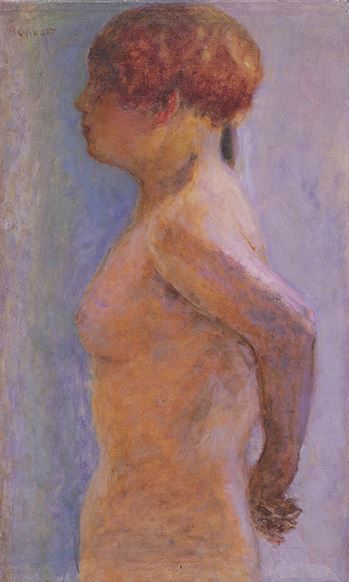
Pierre Bonnard ‘Torso of a Woman in Profile’ (c.1918)

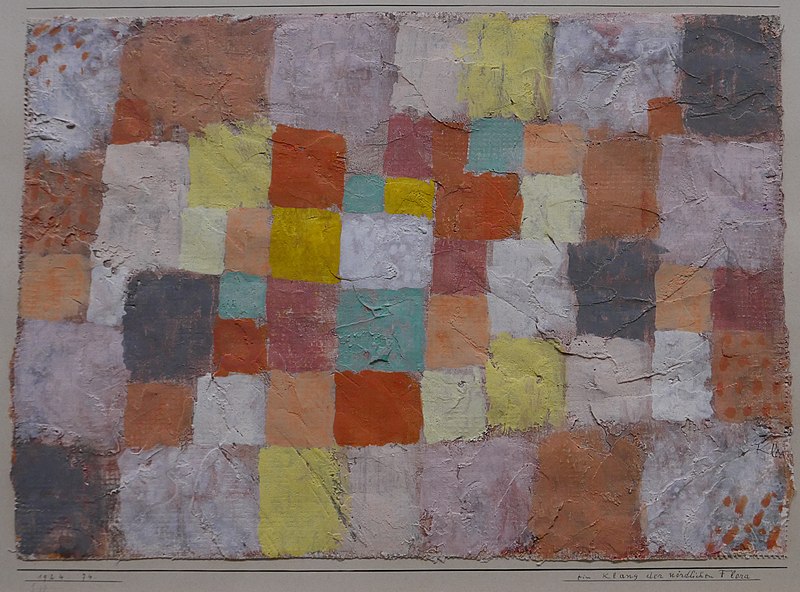
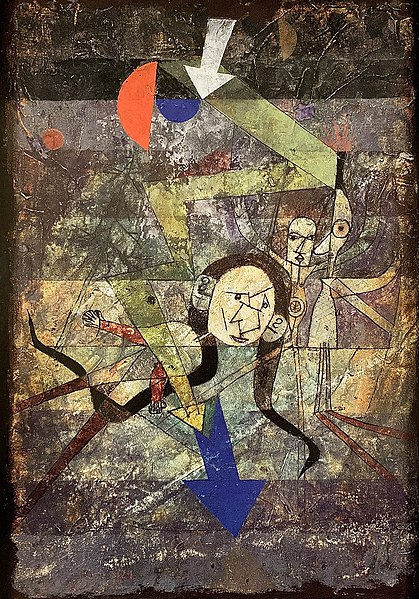
Paul Klee ‘Un son de la flore nordique’ (1924)

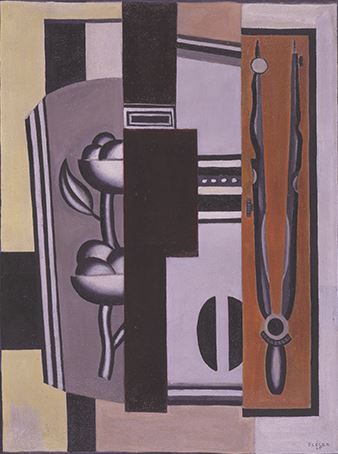
Fernand Léger ‘The Rose and Compass’ (1925)

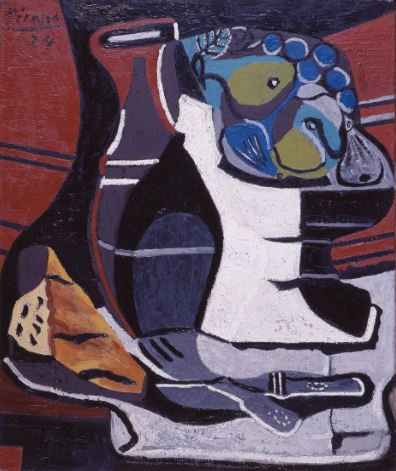
Pablo Picasso ‘Compotier avec fruits et couverts’ (1924)

Pablo Picasso ‘Le Sauvetage’ (1933)

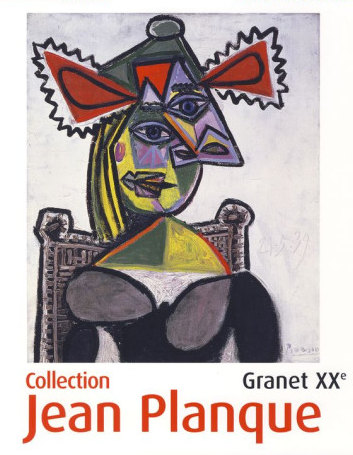
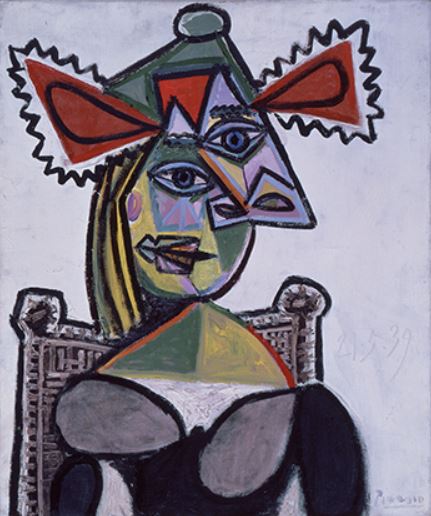
Pablo Picasso ‘Femme au chapeau dans un fauteuil’ (1939)
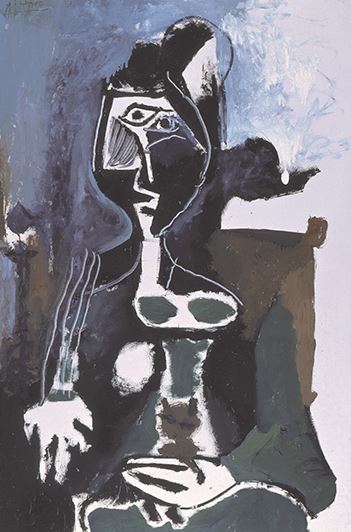
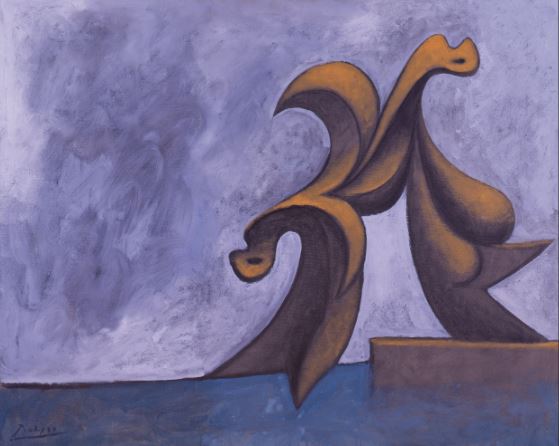
Pablo Picasso ‘Femme au chat assise dans un fauteuil’ (1964)

Pablo Picasso ‘Nu et homme à la pipe (La Conversation)’ (1968)

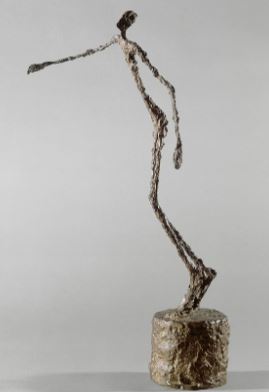
Musée Granet – Donation Meyer: From Cézanne to Giacometti

In 2000, collector Philippe Meyer donated an exceptional collection of works to the Museums of France. The Musée d’Orsay, the initial recipient of the collection, deposited a large part of it at the Musée Granet in Aix-en-Provence, a city that Meyer was particularly fond of. 

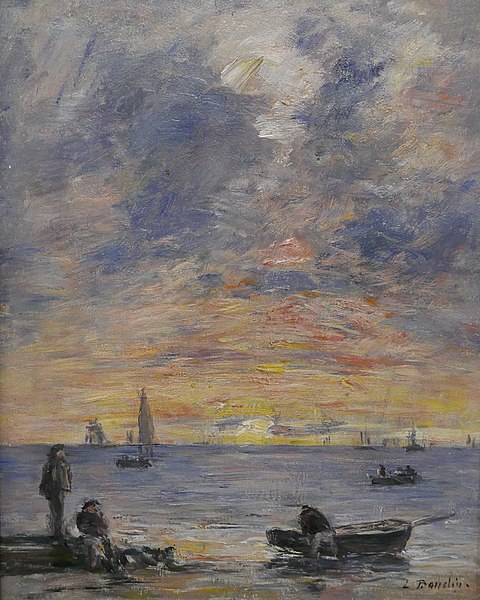
Eugène Boudin ‘Marine, soleil couchant’ (1883 – 87)

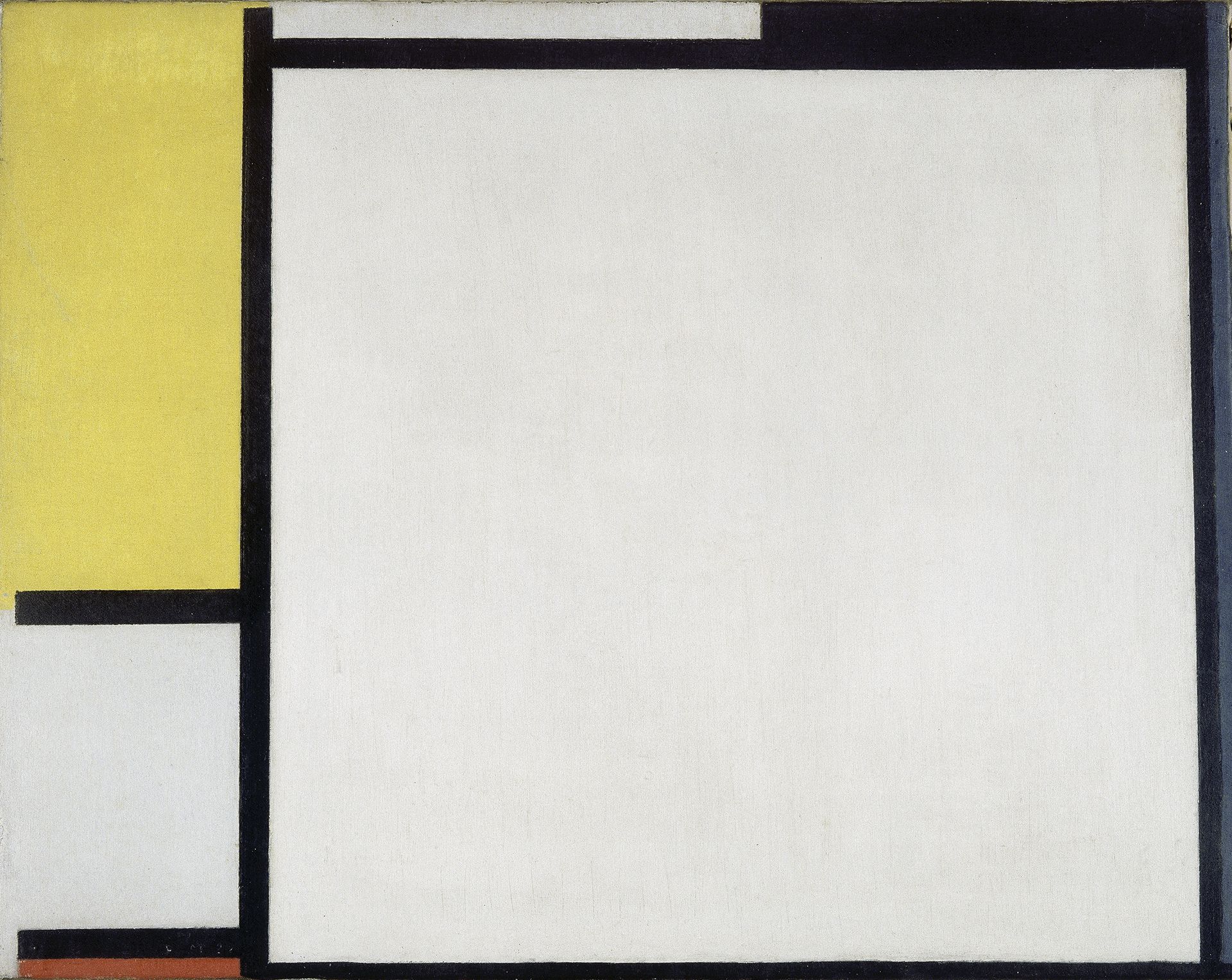
Piet Mondrian ‘Composition en rouge, jaune et bleu’ (1922)

Paul Klee ‘Coup de foudre’ (1924)

Fernand Léger ‘Le pot rouge’ (1926)

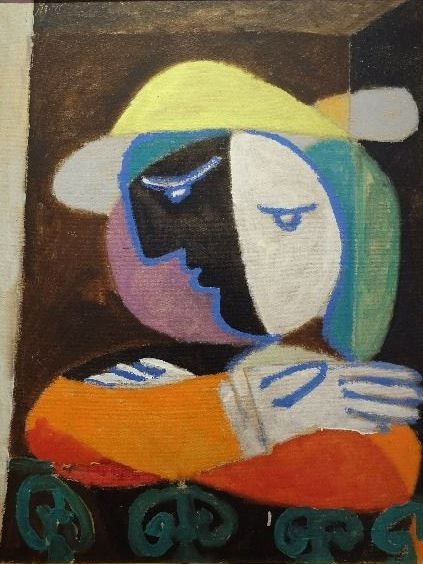
Pablo Picasso ‘Femme au balcon’ (1937)

Alberto Giacometti ‘L’homme qui chavire’ (1950)

Max Ernst in Aix-en-Provence

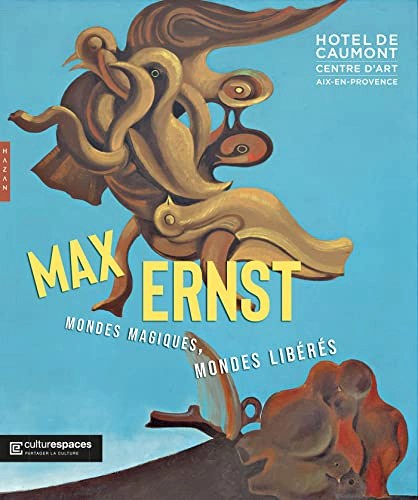
At the Hôtel de Caumont, Aix-en-Provence, for the exhibition ‘Max Ernst. Mondes magiques, mondes libérés’, a survey of the career of the German-born artist who was associated with both the Dada group and Surrealism.

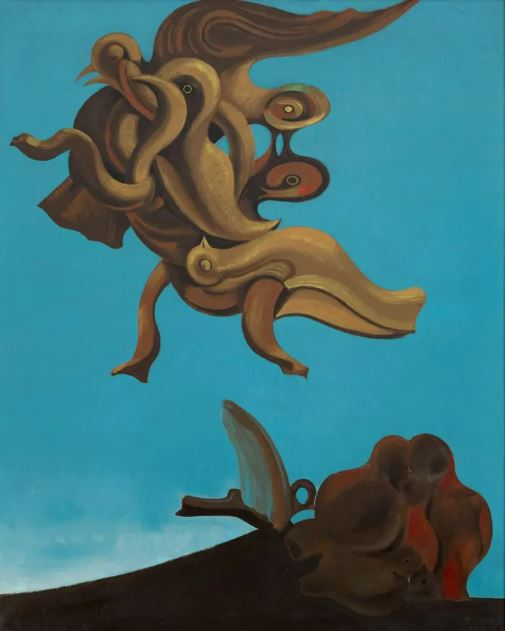
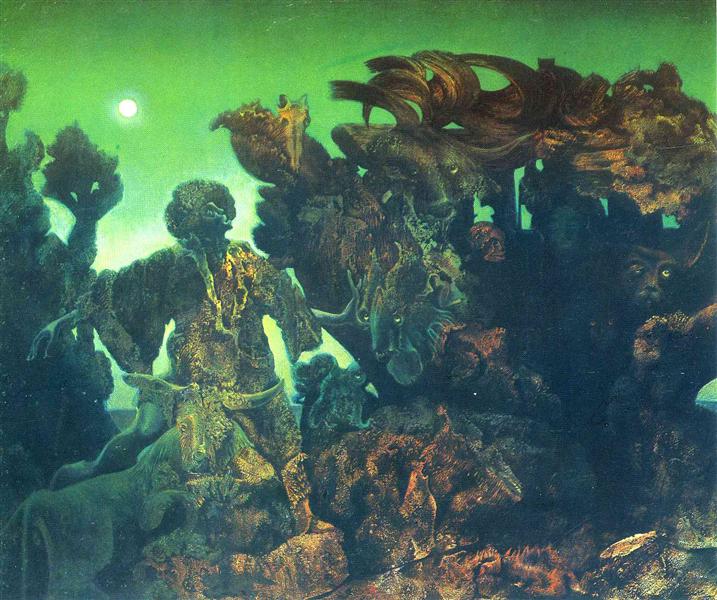
The exhibition presents 120 works that retrace the career of this ingenious artist who distanced himself from any group style to pursue his own techniques, which included collage, frottage (pencil rubbings of relief surfaces and textured objects), grattage (scratching fresh paint with a sharp blade) and decalcomania (transferring paint from one surface to another by pressing the two surfaces together).

Born in Brühl, Germany, in 1891, Ernst began painting in 1909, however his studies were interrupted by World War I, in which he served on both the eastern and western fronts. He moved to Paris in 1922 and two years later became a founding member of the Surrealist movement. At the outbreak of World War II, Ernst moved to the United States, where he joined his third wife, the collector and gallery owner Peggy Guggenheim. However, the marriage did not last and in 1946 he married American Surrealist painter Dorothea Tanning. He returned to France in 1953. Ernst died at the age of 84 on 1 April 1976 in Paris.

Max Ernst ‘Oedipus Rex’ (1922)

Max Ernst ‘Monument aux oiseaux’ (1927)

Max Ernst ‘Epiphanie’ (1940)

Max Ernst ‘Un tissu de mensonges’ (1959)

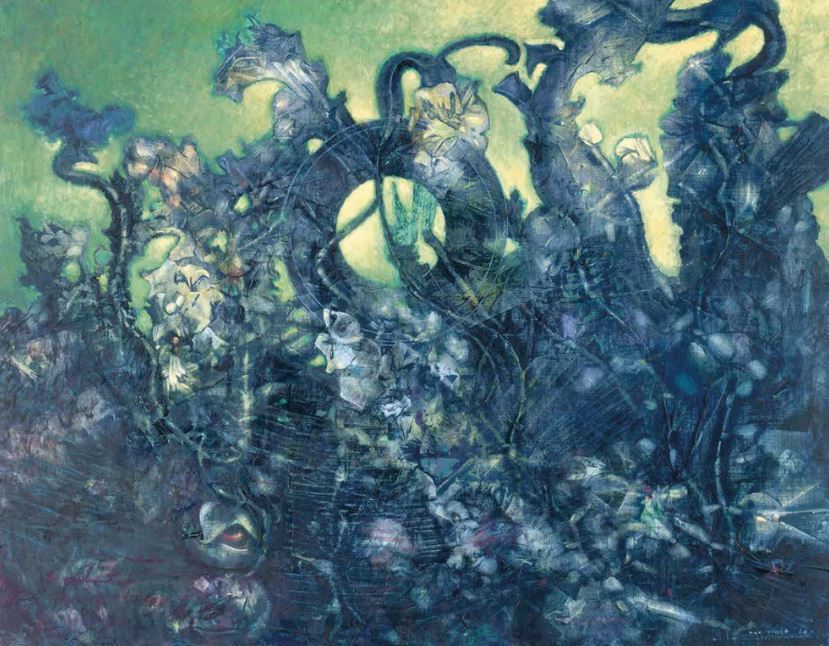
Max Ernst ‘La dernière forêt’ (1960 – 70)

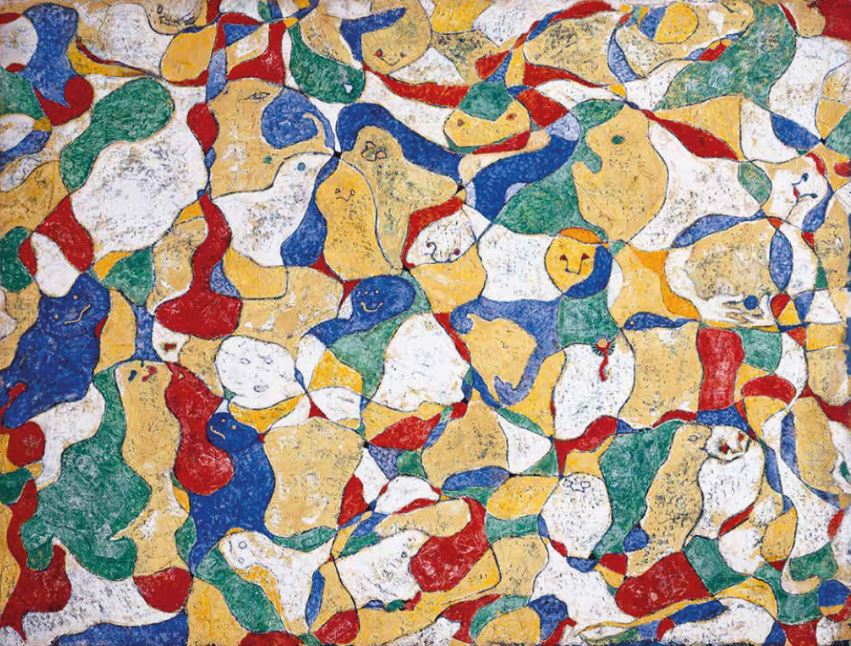
Max Ernst ‘La fête a Séillans’ (1964)