Baroque concerti in Les Arques

Back in the Lot department, this time at the twelfth-century Eglise Saint-Laurent in Les Arques, and, for the second time recently, a concert by ‘Les Passions’, the Orchestre Baroque de Montauban. On this occasion, soloists from the orchestra provided a very enjoyable evening of Baroque concerti.

Orchestra leader Jean-Marc Andrieu, playing recorder, was accompanied by Flavio Losco, violin, Xavier Miquel, oboe, Etienne Mangot, cello, Laurent Le Chenadec, bassoon, and Yvan Garcia on harpsichord.
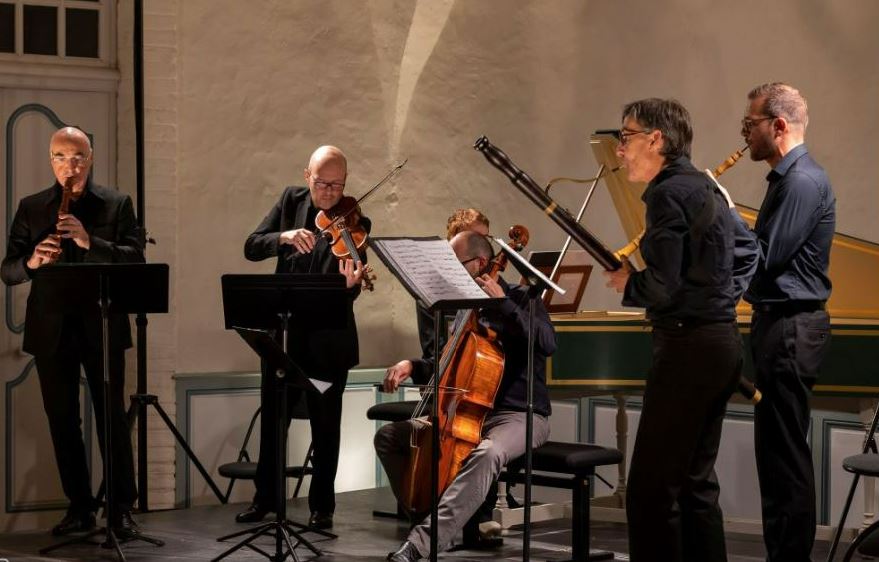
Jean-Marc Andrieu (left) with soloists from Les Passions

The concert began with two works by French composer Joseph Bodin de Boismortier: ‘Concerto in E minor for recorder, oboe, bassoon, violin and basso continuo’, and ‘Concerto in D major for cello, strings and basso continuo’. Both were new to me; they were very well performed and they provided a pleasant start to the evening.

They were followed by the ‘Chaconne’ by Henry Purcell from his semi-opera ‘King Arthur’ which was played with great enthusiasm and energy. Johann Christian Bach’s ‘Quintet in D major’ was also very well performed, especially by the recorder and oboe sharing the treble part. Excellent playing from the harpsichord ensured an extremely entertaining interpretation.

The concert really came to life with Telemann’s ‘Concerto in A minor’, with flamboyant playing from all, especially from the violin in the ‘vivace’ fourth movement – a very lively and joyful performance. The evening finished with Vivaldi’s ‘Concerto in G minor’ which was perfectly executed, especially by the oboe and bassoon, which were both played with great vituosity.

Joseph Bodin de Boismortier: ‘Concerto in E minor for recorder, oboe, bassoon, violin and basso continuo’, opus 37 no. 6
Joseph Bodin de Boismortier: ‘Concerto in D major for cello, strings and basso continuo’
Henry Purcell : ‘Chaconne’, from King Arthur
Johann Christian Bach: ‘Quintet in D major for recorder, violin, oboe, cello and obbligato harpsichord’, opus 22 no. 1, W B76
Georg Philipp Telemann: ‘Concerto in A minor for flute recorder, oboe, bassoon, violin and basso continuo’
Antonio Vivaldi: ‘Concerto in G minor for recorder, oboe, bassoon, violin and basso continuo’, RV107
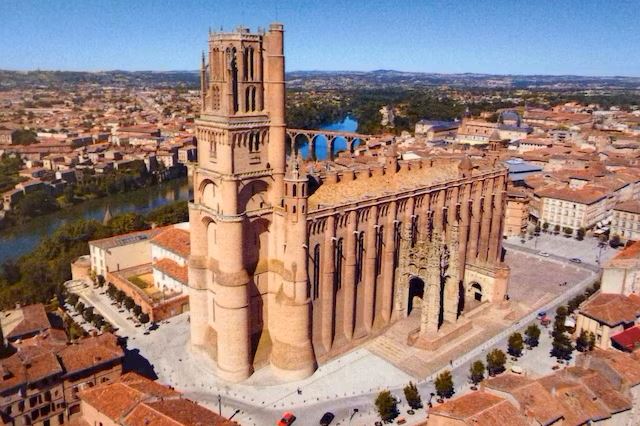
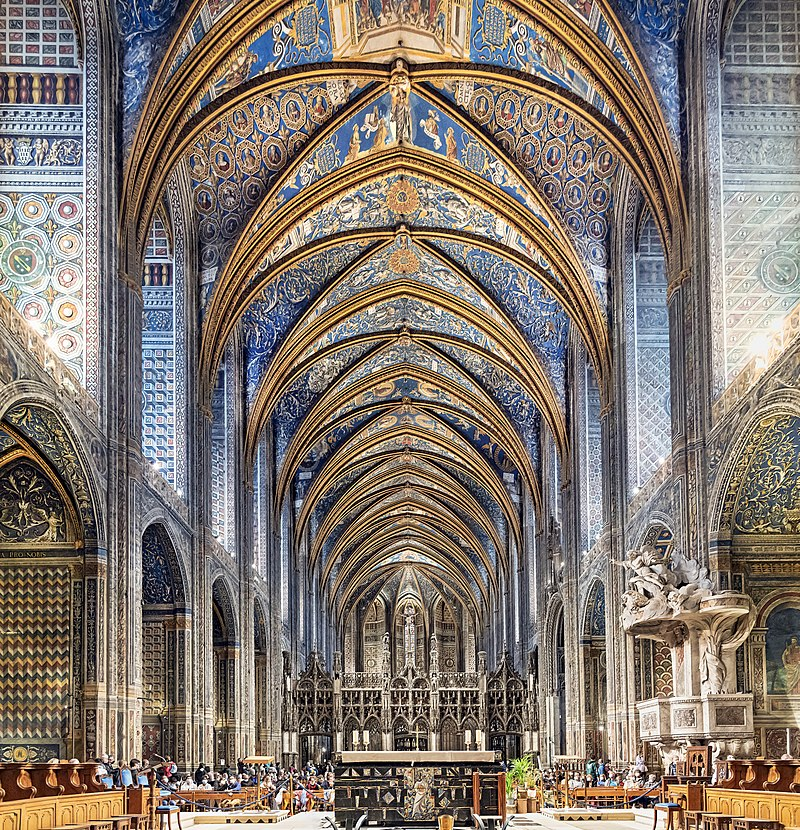
The Cathedral Basilica of Saint Cecilia, Albi

In Albi, in the Tarn region of southern France, where the Cathedral is claimed to be the largest brick building in the world. It was designated a UNESCO World Heritage Site in 2010. Whilst it has quite an austere exterior, the inside is richly decorated with frescoes and sculpures in the Southern French Gothic style (gothique méridional), which arose in the early thirteenth century following the victory of the Catholic Church over the Cathars. The main part of the cathedral was constructed between 1282 and 1300, with the 78 metre tall bell tower being added between 1355 and 1366. Much of the interior decoration was completed in the fifteenth century.

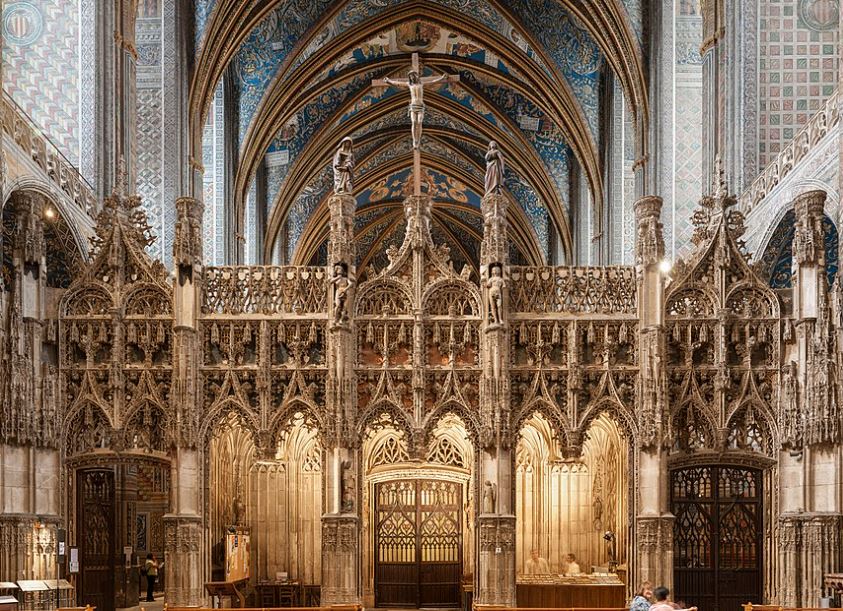
The rood screen, which separates the chancel and the nave, was made of filigree stone between 1474 and 1483. It is highly ornamental and surrounds the entire choir. Whilst it was threatened with destruction during the French Revolution and many of the statues on its outer face were smashed, fortunately the screen itself survived.

The fifteenth-century rood screen

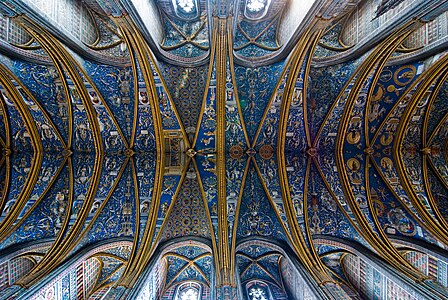
The nave is 97 metres long, 30 metres high, and 19 metres wide and its walls and vaults are entirely covered with decoration.
The nave with its decorated vaults

The vaults of the choir

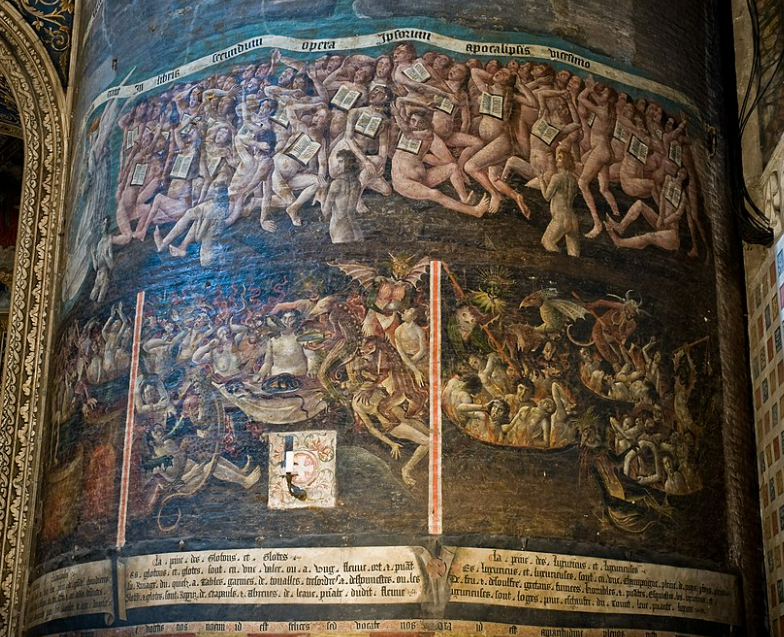
The mural of the ‘Last Judgement’ on the interior of the western front was painted at the end of the fifteenth century. Most of it is now in two parts as some of the central figures, including Christ and Archangel Michael, were removed in 1693 to make a doorway into the Chapel of Saint Clair. The upper part of the fresco depicts sinners awaiting judgement, whilst below are the torments of those condemned.

‘Last Judgement’ fresco (Fifteenth century)

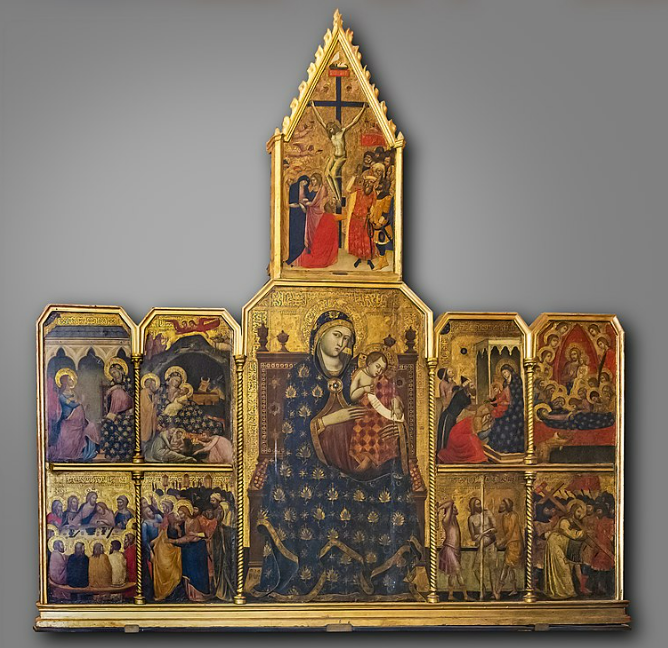
The Treasury is a vaulted chamber attached to the ambulatory on the north side of the cathedral. It was constructed in the late thirteenth century and used to keep precious objects as well as the church archives.

‘Life of the Virgin and Child’ polyptych (Fourteenth century)

Chest containing relics of Saint Ursula (Fourteenth century)

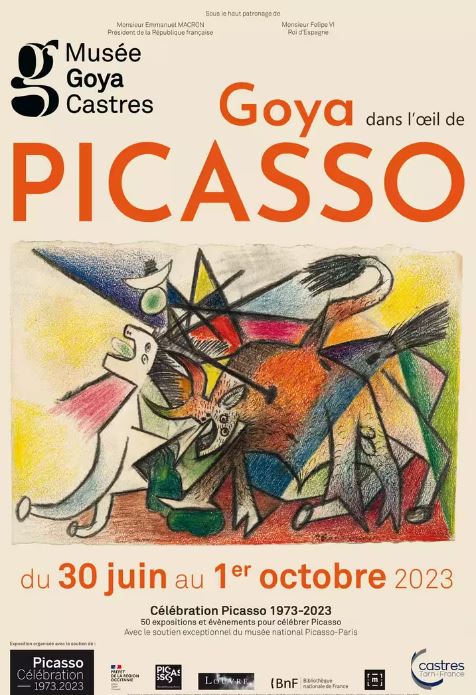
‘Goya dans l’œil de Picasso’ in Castres

At the Musée Goya in Castres for the exhibition ‘Goya dans l’œil de Picasso’, part of a series of fifty exhibitions being held throughout Europe to mark the fiftieth anniversary of Picasso’s death in 1973. This exhibition celebrates the links between the two great Spanish masters and in particular shows the influence of Francisco Goya on the career of Pablo Picasso.

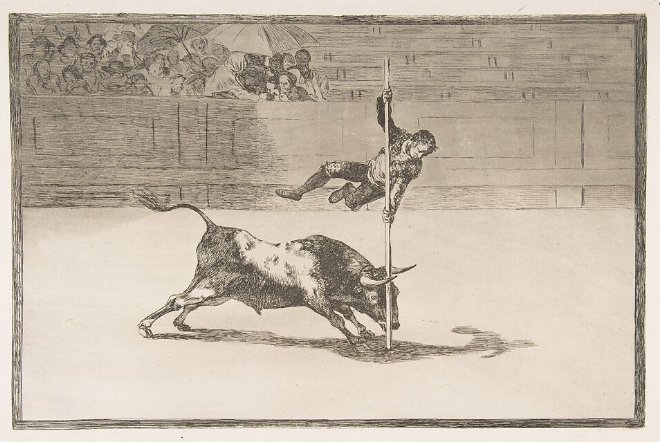
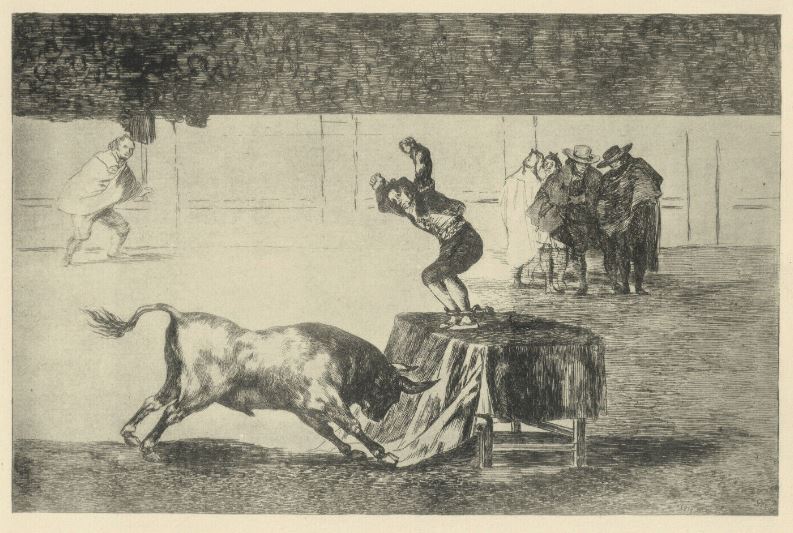
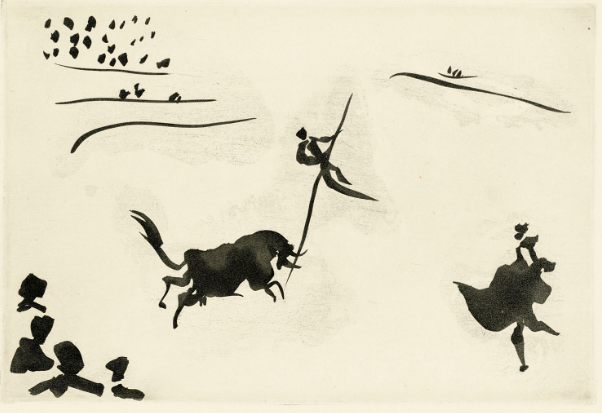
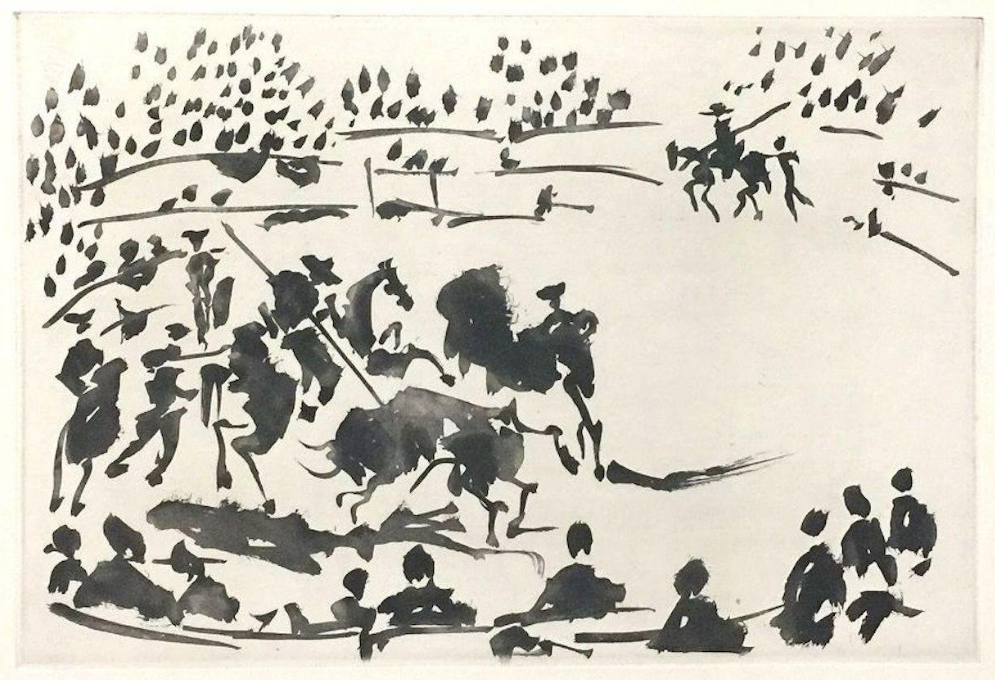
Both artists shared a fascination with the tradition of bullfighting in Spain and both depicted it in their drawings, engravings and paintings and some of these form the main part of the exhibition. Examples of Goya’s print series ‘La Tauromaquia’, which consisted of thirty-three works completed between 1815 and 1816, were displayed alongside some of the twenty-six aquatints produced by Picasso for the 1957 republication of the bullfighting manual ‘La Tauromaquia’.

Francisco Goya ‘The Agility and Audacity of Juanito Apiñani in the Ring at Madrid’ (1816)

Francisco Goya ‘Another madness of his in the same ring’ (1816)

Pablo Picasso ‘Salto con la Garrocha’ (Pole Vault) (1959)

Pablo Picasso ‘El Picador Obligando al Toro con su Pica’ (1959)

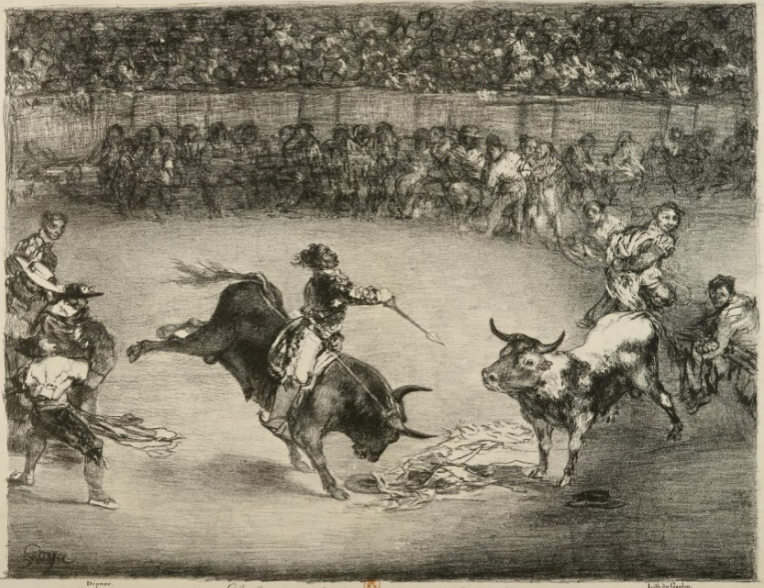
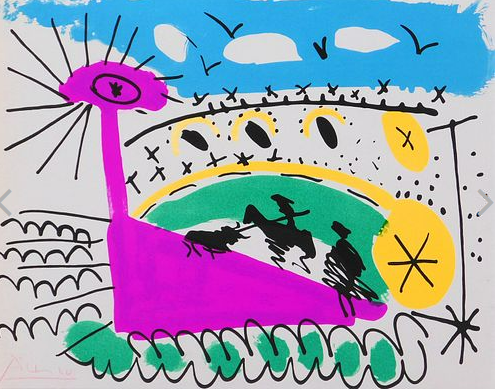
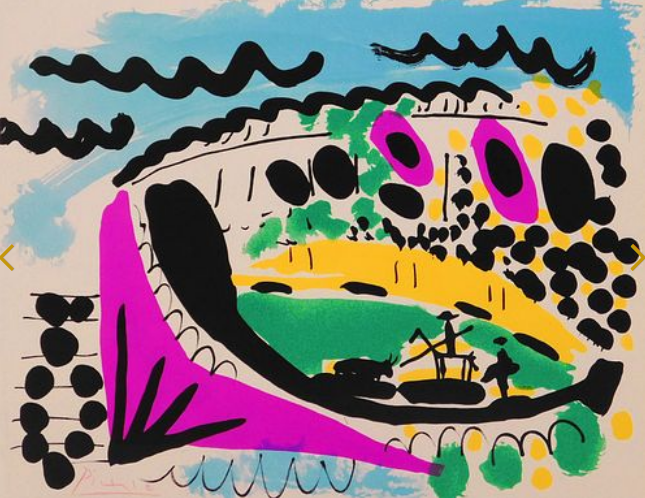
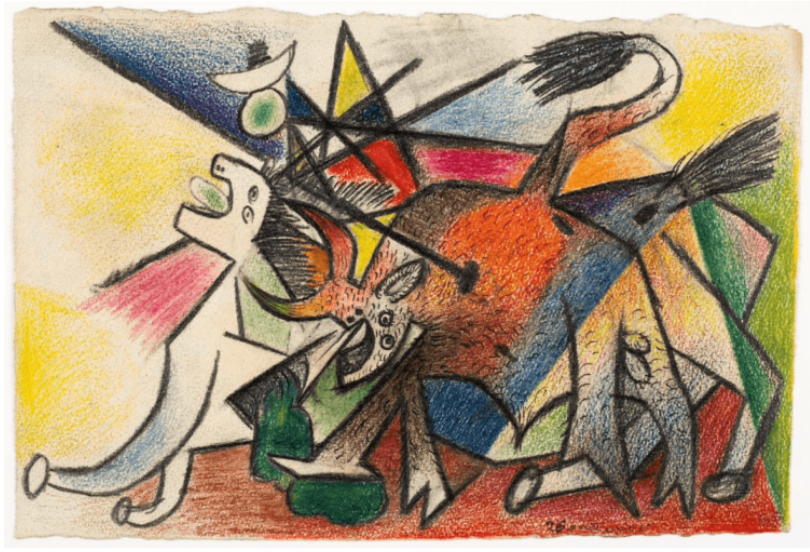
Towards the end of his life, when almost blind, Goya produced four large lithographs, ‘The Bulls of Bordeaux’, which focussed on the bullrings and the attending crowds. Picasso also concentrated on the bullring in three coloured tracing papers produced for the documentary film ‘The Mystery of Picasso’ in 1956. Also displayed was Picasso’s more abstract depiction, ‘Corrida’, from 1935.

Francisco Goya ‘ El Famoso Americano, Mariano Ceballos’ (1825)

Pablo Picasso ‘Corrida’ (1955)

Pablo Picasso ‘Corrida’ (1955)

Pablo Picasso ‘Corrida’ (1935)

Both Goya and Picasso created hybrid, monstrous beings, possibly evoking the times they had lived through. Goya went into exile in Bordeaux after engraving ‘The Disasters of War’ and ‘Los Disparates’ and, now deaf, shut himself away in a world where he created his irrational monsters. Picasso had lived through two world wars and the Spanish Civil War and depicted his life through the figure of the Minotaur, which embodies his alter ego.

Pablo Picasso ‘Winged Bull Watched by Four Children’ (1934)

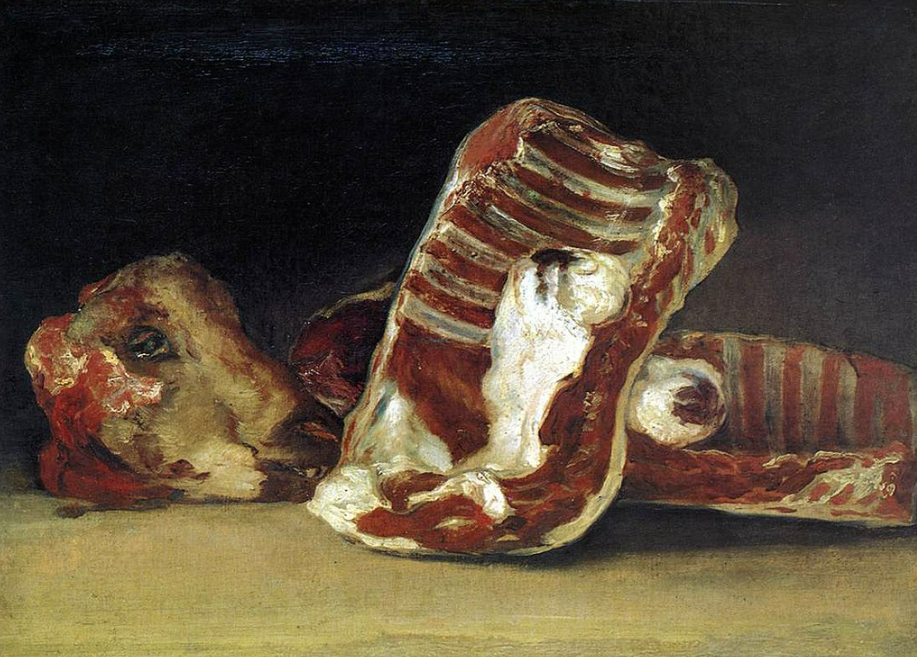
The exhibition ends with a section entitled ‘Death’, which explores the representation of death in the work of both artist through the genre of still-life, Goya is represented by ‘Still Life with Lamb’s Ribs, Loin and Head’ (1808 – 12) which is displayed alongside Picasso’s ‘Still Life with a Ram’s Head’ (1939). 

Francesco Goya ‘Still Life with Lamb’s Ribs, Loin and Head’ (1808 – 12)

Quatuor Modigliani in Monpazier

I have been fortunate enough to see the excellent Quatuor Modigliani twice in the last three weeks – first in Montpellier and now in Monpazier in the Dordogne department of south-west France. Tonight’s performance in l’église de Monpazier was part of the Festival Eté musical en Bergerac.

Two of the three pieces in the first half of the concert, Haydn’s ‘String Quartet in G major, opus 54’ and Hugo Wolf’s ‘Italian Serenade’, were also played in Montpellier and tonight were performanced at the same high standard. The first half also contained Puccini’s ‘Crisantemi’, originally written as an elegy for the 1890 death of Puccini’s friend the Duke of Aosta, formerly King Amadeo I of Spain. It is a work full of emotion and was movingly played.

The highlight of the evening was Schubert’s ‘String Quartet no. 13 in A minor’, known as ‘The Rosamunde’. It was superbly played, as you might expect from a quartet whose latest CD release was a box set of all fifteen string quartets by Schubert. It was the only quartet to be published during the composer’s lifetime and takes its name from the play ‘Rosamunde, Princess of Cyprus’, for which Schubert composed incidental music, one of its themes reappearing in the quartet’s second movement. The beautifully melancholic main theme was played with great emotion and the Minuet was extremely elegant. It was an excellent performance to end a memorable concert.

Joseph Haydn ‘String Quartet in G Major op. 54 n°1; Hugo Wolf ‘Italian Serenade in G Major’; Giacomo Puccini ‘Crisantemi for String Quartet’; Franz Schubert ‘String Quartet no. 13 in A minor, The Rosamunde’.

‘Pensées premières – Maîtres du dessin’ at Château de Biron

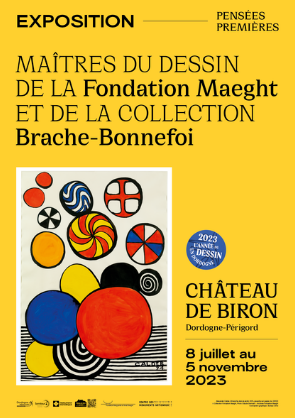
At Château de Biron in the Dordogne for the periodic exhibition of works from the Maeght Foundation. This year’s exhibition, ‘Pensées premières – Maîtres du dessin’, also contains a selection of twentieth-century art from the Brache–Bonnefoi collection.

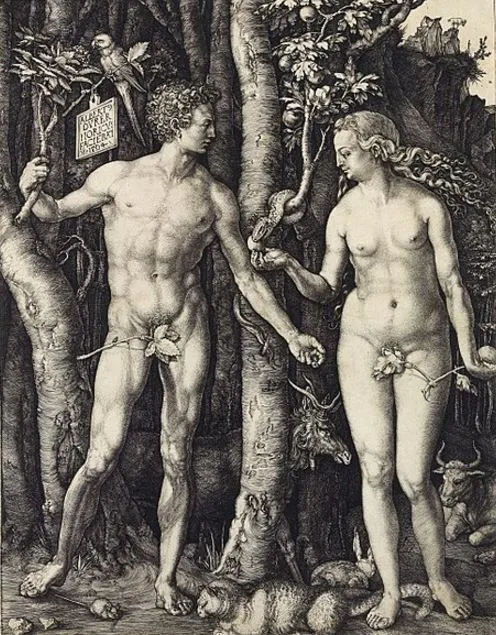
The exhibition shows how graphic expression has developed from the sixteenth to the twentieth century, with examples of engravings, preparatory designs for larger works, and paintings.

Abrecht Durer ‘Adam and Eve’ (1504)

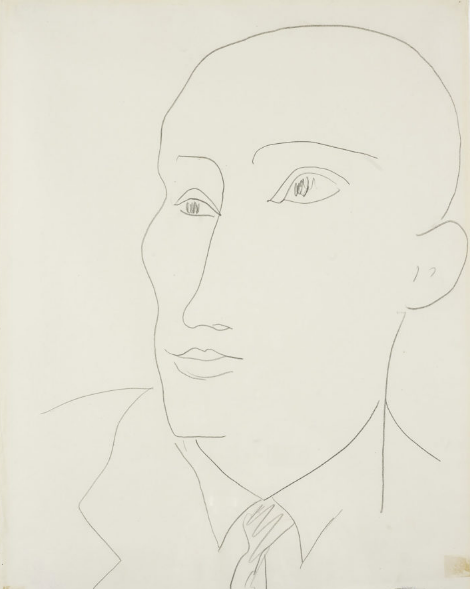
Henri Matisse ‘Portrait de Fabiani’ (1943)

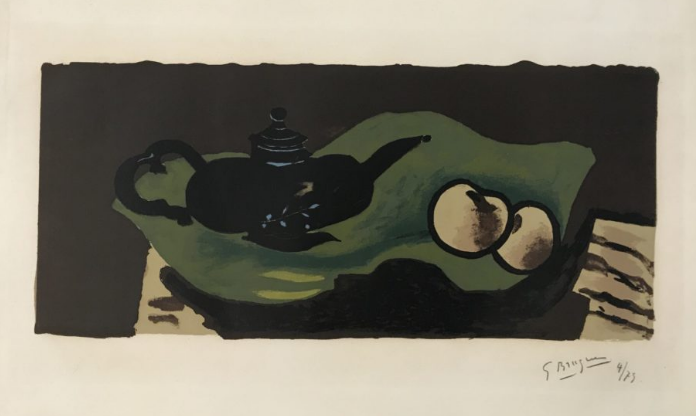
Georges Braque ‘Théière et Pommes’ (1946)

Marc Chagall ‘La Bastille’ (1954)

Georges Braque ‘Les Amaryllis’ (1958)

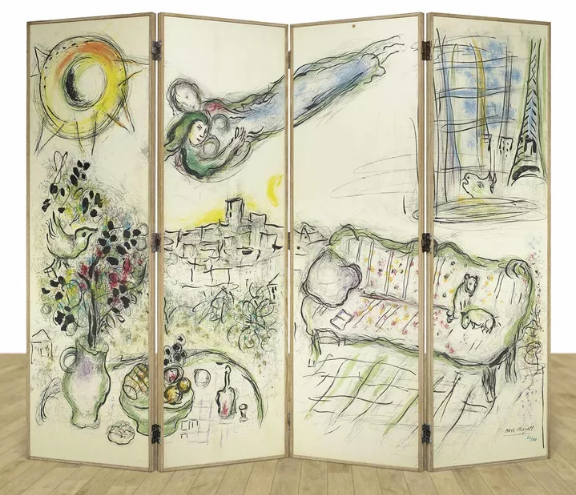
Marc Chagall ‘Paravent’ screen (1963)

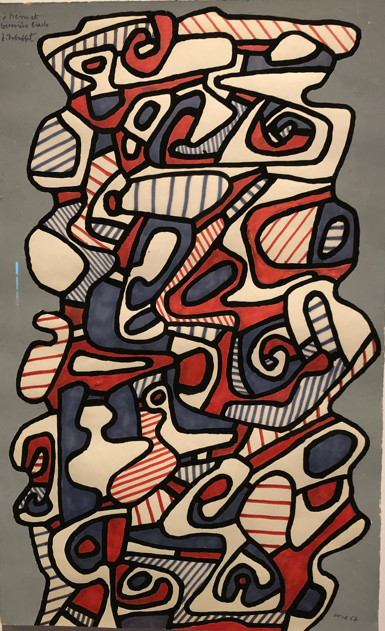
Jean Dubuffet ‘Monument II (à l’oiseau)’ (1967)

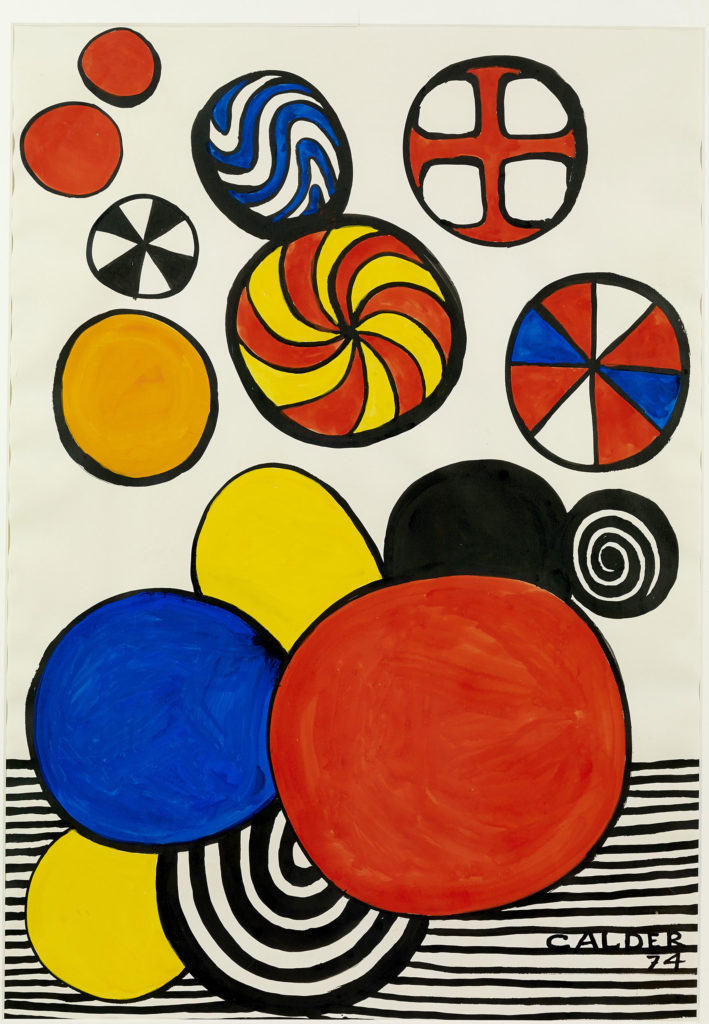
Alexander Calder ‘Dimanche dans le jardin’ (1974)

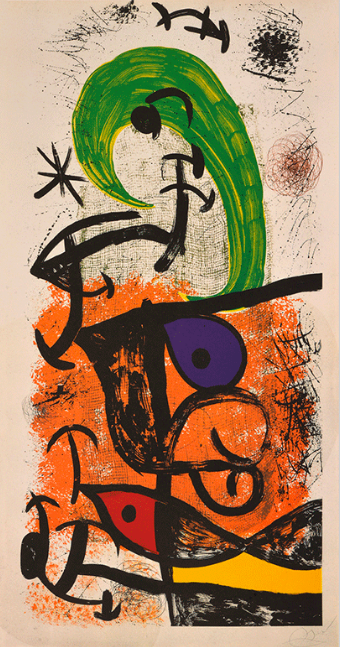
Joan Miró ‘La Meneuse de Lune’ (1975)

Pergolesi and Scarlatti

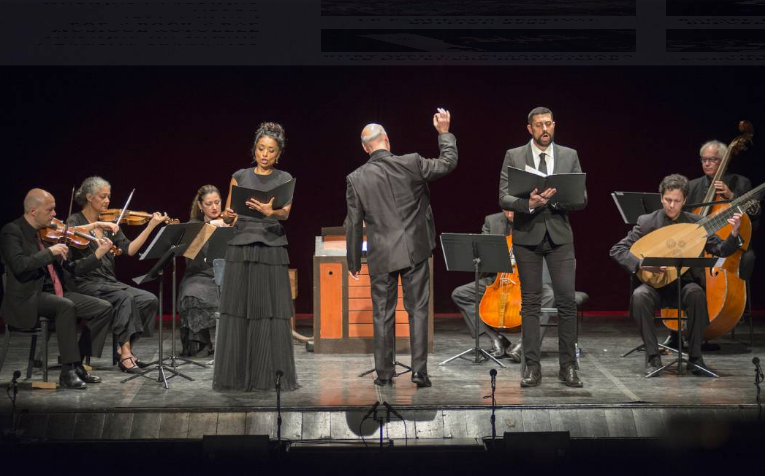
Ensemble ‘Les Passions’, the Montauban Baroque Orchestra, under the direction of Jean-Marc Andrieu performed a programme of Baroque music in the abbey church of Saint-Cyprien in the Dordogne. This was a concert I had been particularly looking forward to as the third piece performed, Pergolesi’s ‘Stabat Mater’ is one of my favourite works from the Baroque repertoire.

The concert began with two works by Alessandro Scarlatti, ‘Salve Regina’ and the ‘Recorder Concerto in A minor’. The first was performed beautifully by both musicians and singers, with the voices working well off each other. Jean-Marc Andrieu played the solo in the ‘Recorder Concerto’ and whilst he played with great gusto, the acoustics of the high-ceiling abbey church were probably not the best for appreciating the nuances of the instrument.

Les Passions

The ensemble certainly did justice to the final work, the ‘Stabat Mater’. Giovanni Pergolesi composed it in 1736, finishing it just before his tragic death from tuberculosis at the age of only 26. It became one of his most celebrated sacred works, achieving great popularity after his death. ‘Les Passions’ performed it superbly, especially soprano Magali Léger and counter-tenor Paulin Bündgen, who both have voices wonderfully suited to Baroque choral works. A standing ovation brought the ensemble back for a repeat perfomance of the final two parts.

Soprano Magali Léger and counter-tenor Paulin Bündgen

Alessandro Scarlatti: ‘Salve Regina for two voices, two violins and continuo’;
Alessandro Scarlatti: ‘Concerto in A minor for recorder, 2 violins and continuo;
Giovanni Battista Pergolesi: ‘Stabat Mater for two voices, strings and continuo’.

Fauré, Saint-Saëns and Weill

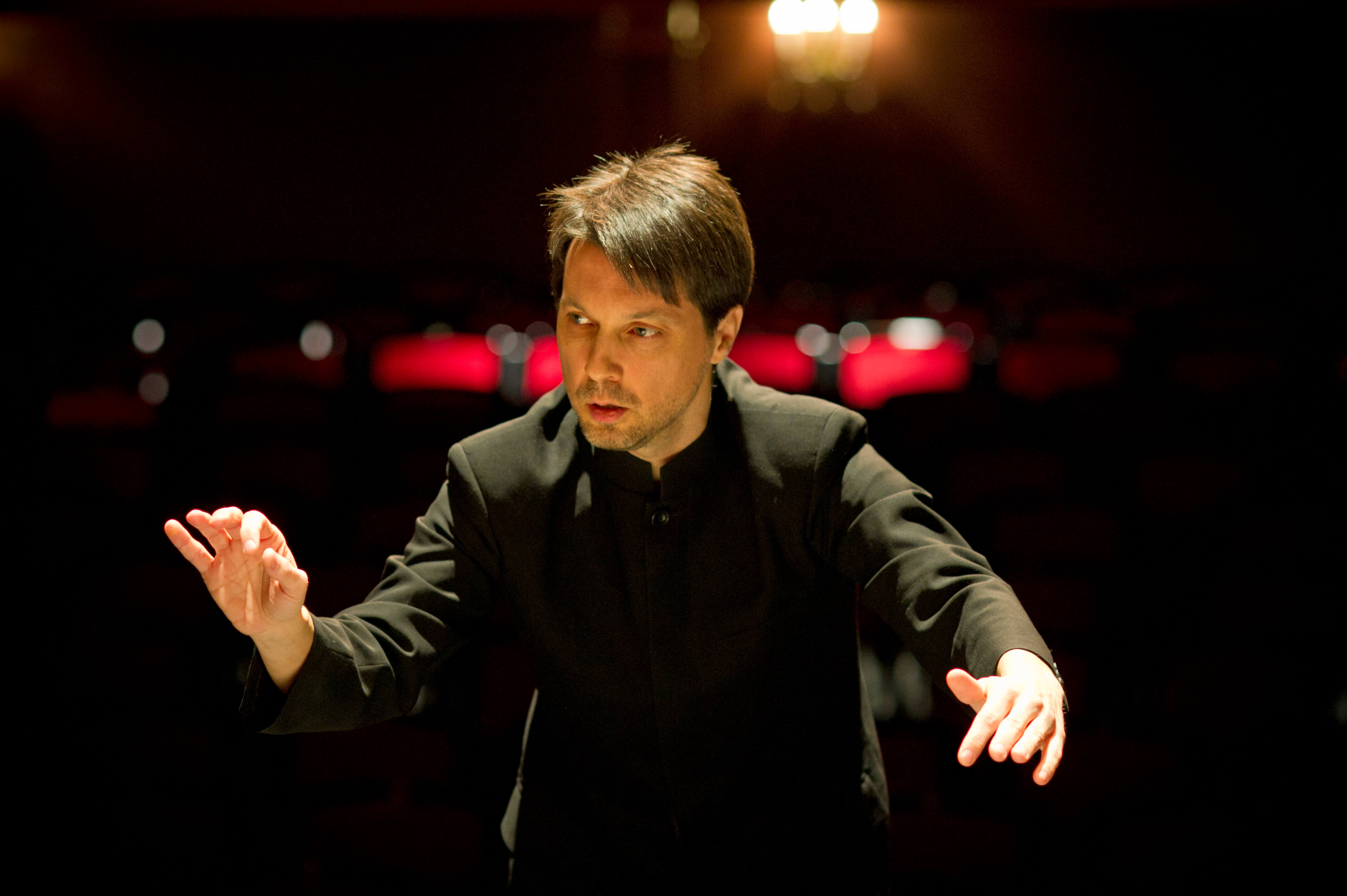
The excellent Orchestre National du Capitole de Toulouse (voted French Orchestra of the Year in 2022) under conductor Roberto Fores Veses performed a varied and extremely entertaining programme at La Prade Cultural Hall, Pradines, in the Lot department, as part of the Festival ClassiCahors.

Roberto Fores Veses

The evening beagn with Gabriel Fauré’s ‘Masques et Bergamasques’, commissioned in 1918 by Prince Albert I of Monaco. Fauré reworked and expanded his 1902 ‘Fête Galante’ by linking together previously composed instrumental and choral pieces and it has become his most frequently performed stage work. Containing a charming Menuet and a lively Gavotte, it was an entertaining concert opener.

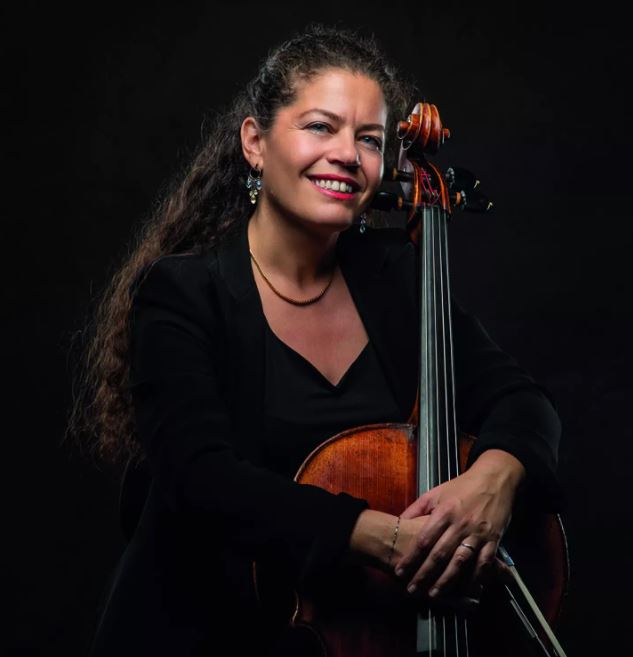
The first half continued with Camille Saint-Saëns’ ‘Cello Concerto no.1’, composed in 1872. Although the concerto has three sections it is played as one continuous movement. It was wonderfully performed by soloist Sarah Iancu. Iancu trained at the National Conservatory of Music in Paris and was named Principal Cellist of the Toulouse Orchestra in 2002. She played the Concerto with elegance and great feeling, especially the demanding third section. An appreciative audience brought her back for an encore.

Sarah Iancu

The second half saw a wonderfully rousing performance of Kurt Weill’s ‘Symphony no. 2’, known as ‘Fantaisie symphonique’. Composed in 1933 – 34, it was commissioned by Princesse de Polignac, heir to the Singer sewing machine fortune. It is a modernist, well-crafted work in three movements. The first begins quite slowly before adopting a lively allegro molto with distinctive rhythmic motif, whilst the second takes the form of a slow march, although towards the end it builds to a climax before finally fading out. The finale, allegro vivace, goes back to the pace of the opening movement, several times building to a theatrical intensity before a joyful ending. The orchestra performed superbly and, as in the first half, a well-deserved encore was the result.

Gabriel Fauré: Masks and Bergamasques, Suite op. 112; Camille Saint-Saëns: Cello Concerto no. 1 in A Minor, Op. 33; Kurt Weill: Symphony no. 2

Musée Fabre, Montpellier

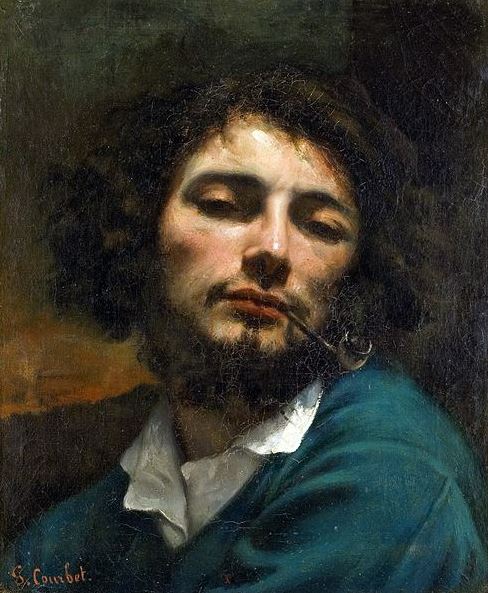
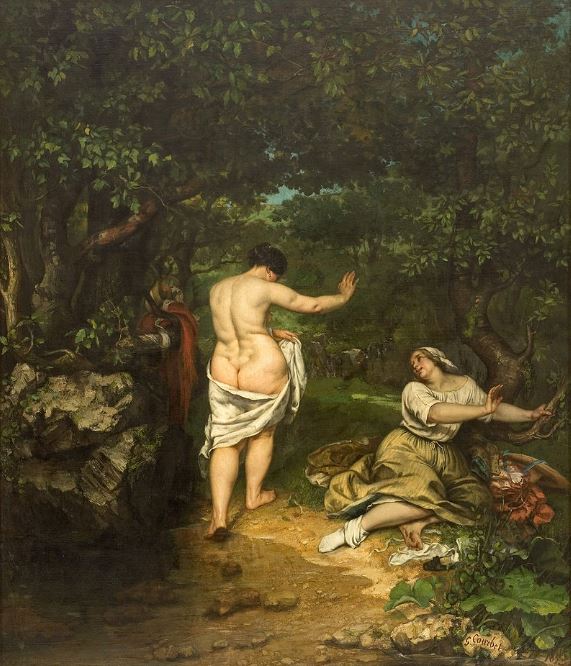
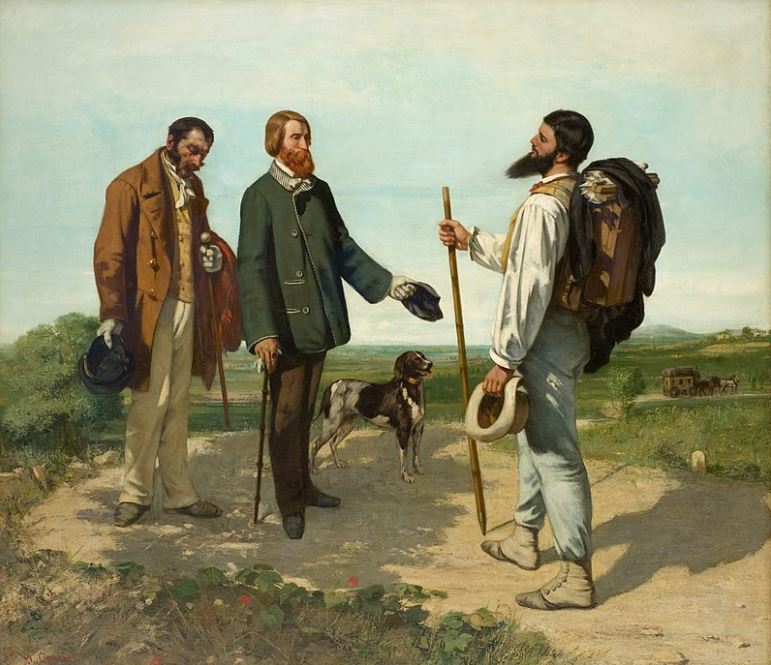
At the Musée Fabre in Montpellier to see the nineteenth- and early twentieth-century collection. Thanks to an exceptional donation by Montpellier collector Alfred Bruyas (1821 – 1877) the Museum boasts an excellent collection of the works of Gustave Courbet. Montpellier artist Frédéric Bazille is also heavily featured.

Gustave Courbet ‘L’homme la pipe’ (c.1849)

Gustave Courbet ‘Les Baigneuses’ (c.1853)

Gustave Courber ‘Bonjour Monsieur Courbet’ (1854)

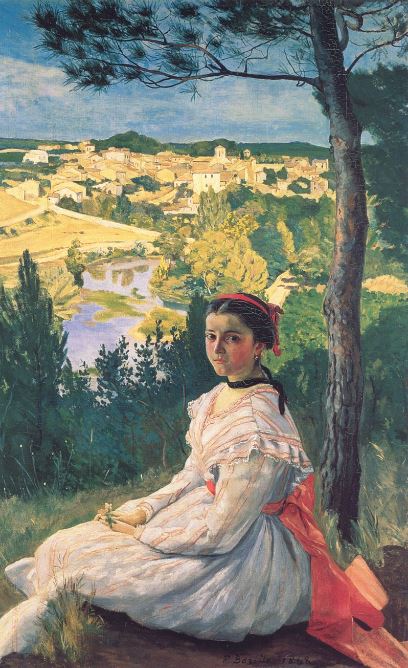
Frédéric Bazille ‘Vue de Village’ (1868)

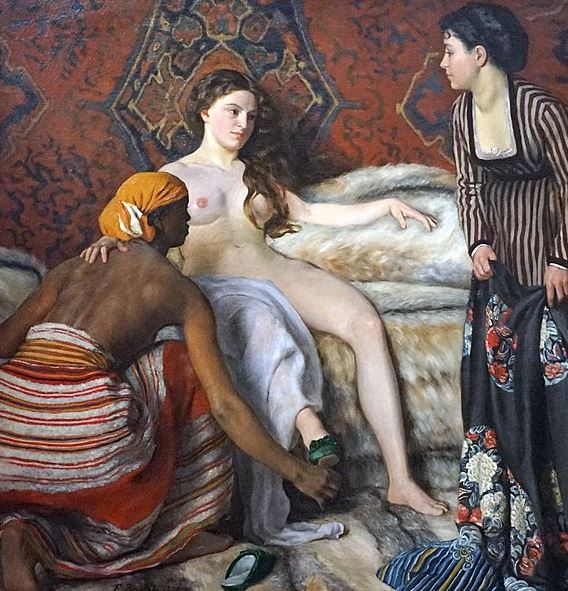
Frédéric Bazille ‘La toilette’ (1870)

Frédéric Bazille ‘Jeune femme aux pivoires’ (1870)

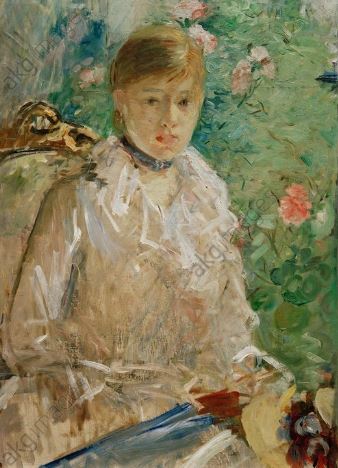
Berthe Morisot ‘Jeune femme près d’une fenetre’ ou ‘L’Eté’ (1879)

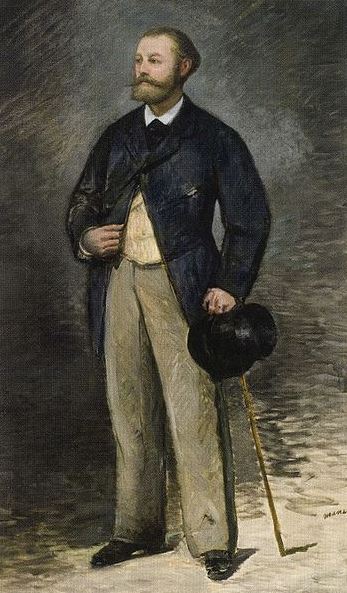
Edouard Manet ‘Portrait d’Antonin Proust’ (1881)

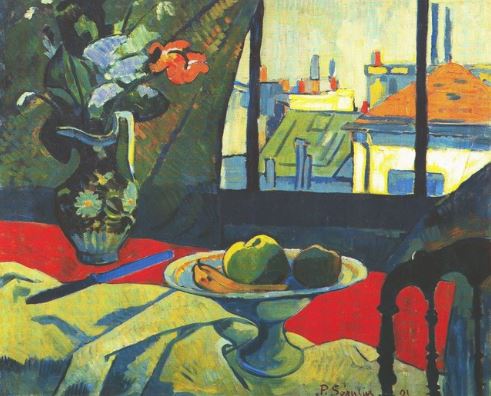
Paul Serusier ‘Nature morte dans l’atelier de l’artiste’ (1891)

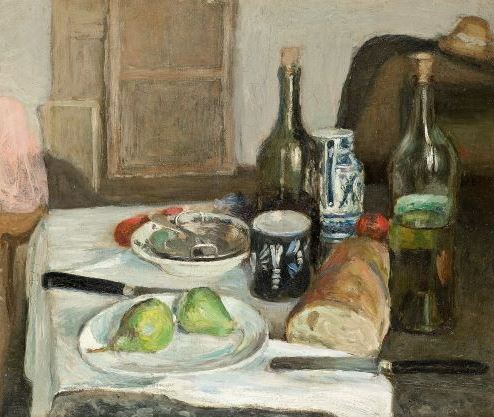
Henri Matisse ‘Nature morte aux couteaux noirs’ (1896)

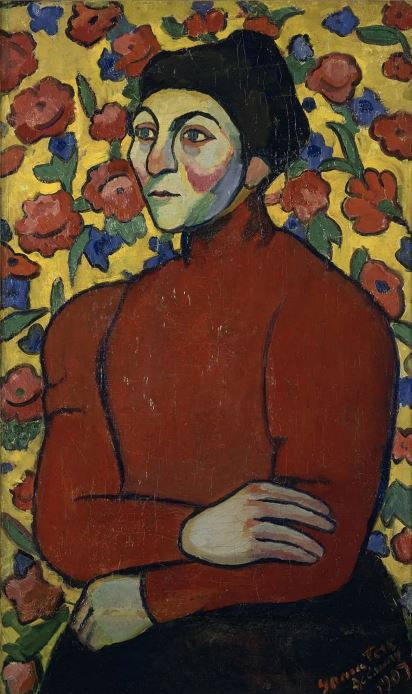
Sonia Delaunay ‘Philomène’ (1907)

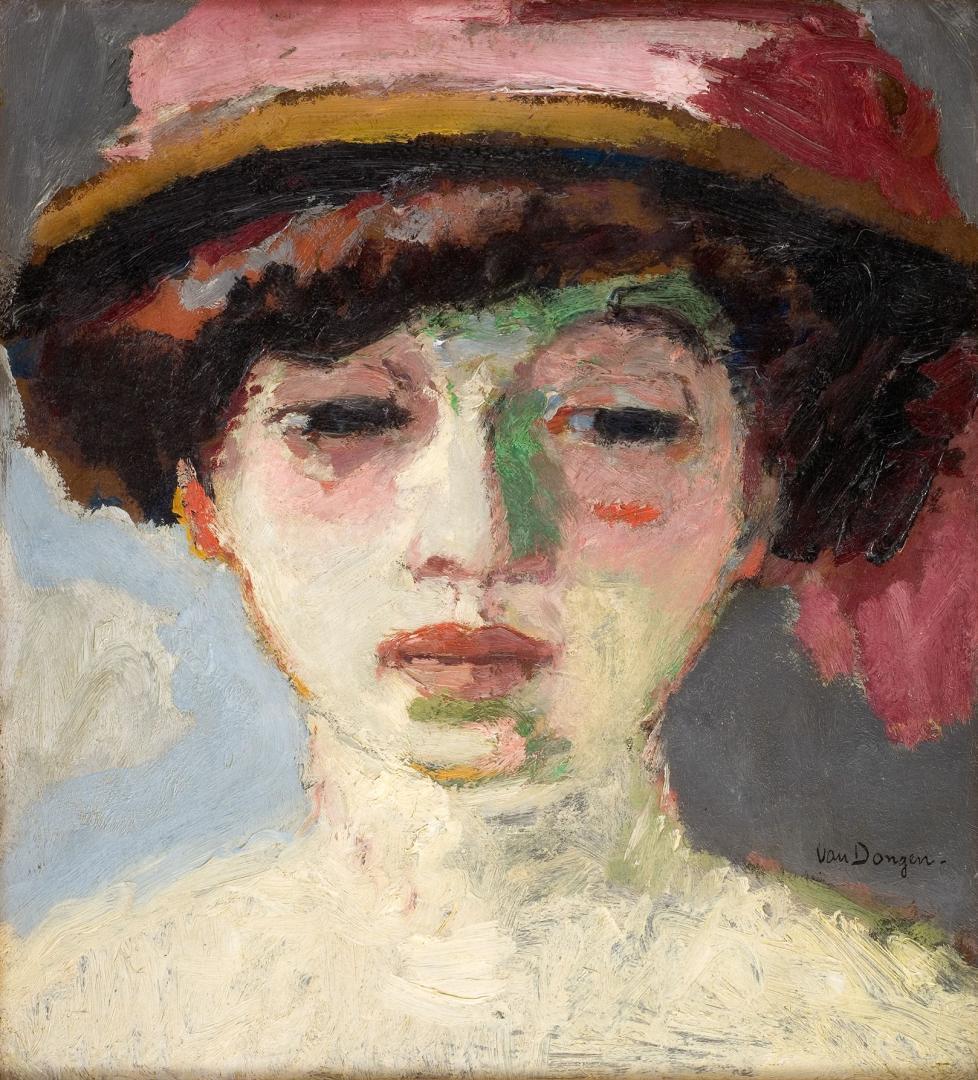
Kees van Dongen ‘Fernande Olivier’ (1907)

Beethoven and Berlioz in Montpellier

The opening symphonic concert of the 2023 Festival Radio France in Montpellier promised to be a treat and so it turned out to be. The Orchestre Philharmonique de Radio France under John Eliot Gardener were on top form with Beethoven’s ‘Concerto for Piano and Orchestra no. 4’, with the wonderful Alexandre Kantorow on piano, and in a superb second half with the Berlioz ‘Symphonie Fantastique’.

Beethoven’s ‘Concerto pour piano et orchestre n° 4 en sol Majeur’ op. 58 was written in 1805 – 06, with Beethoven himself taking the solo role in the first performance in Vienna in 1808. The first movement, allegro moderato, begins with solo piano before the orchestra enters and it was clear from the beginning that twenty-six year old French pianist Alexandre Kantorow was on form.

Described by Gramophone as a “fire-breathing virtuoso with a poetic charm”, Kantorow won the first prize, gold medal and Grand Prix at the 16th International Tchaikovsky Competition in 2019 when only 22. He now performs solo recitals at concert halls across Europe as well as performing with major orchestras. His performance of the Beethoven Concerto was sublime and the ovation that followed brought him back for an encore.

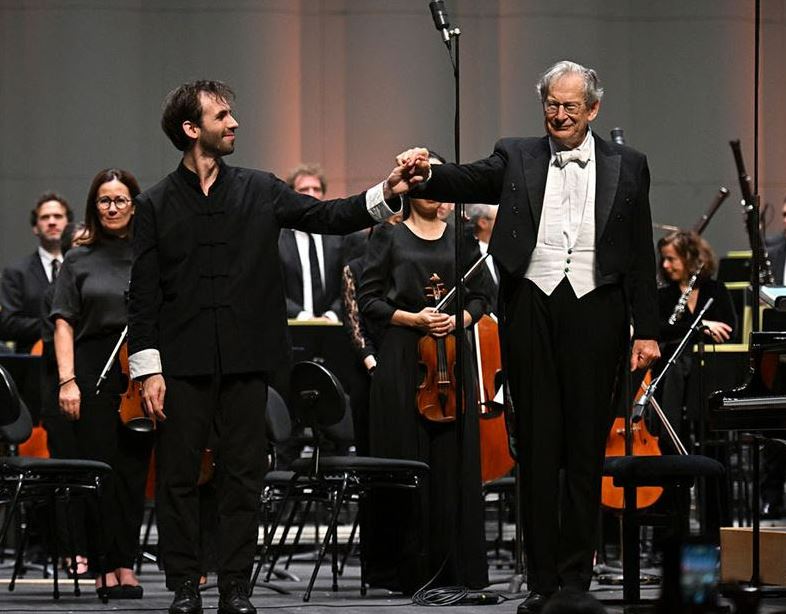
Alexandre Kantorow and John Eliot Gardener

In the second half we were treated to the famous ‘Symphonie fantastique’ by Hector Berlioz – and what a wonderful performance it was. John Eliot Gardener, now aged 80, was clearly enjoying himself as he almost danced around the podium with enthusiasm. This certainly rubbed off on the orchestra as they produced a stunning performance with the percussion, brass and woodwind sections particularly impressive. Gardener received so many curtain calls that he ended up involving the audience in replaying part of the work again. It was a simply wonderful concert.

Beethoven ‘Concerto pour piano et orchestre n° 4 en sol Majeur’ op. 58; Berlioz ‘Symphonie fantastique’, op. 14.

Quatuor Modigliani in Montpellier

The Quatuor Modigliani are fast becoming one of the world’s great string quartets and are this year celebrating their twentieth anniversary. They formed in Paris in 2003 following their studies at the Conservatoire de Paris. They are Amaury Coeytaux, first violin, Loïc Rio, second violin, Laurent Marfaing, viola, and François Kieffer, cello.

They began the evening at Le Corum in Montpellier with Joseph Haydn’s ‘String Quartet in G major, opus 54, no. 1’. A very lively opening Allegro was followed by a beautifully played Allegretto. The Presto finale was typically joyful Haydn, and it was all handled supremely by the Quartet.

Hugo Wolf’s ‘Italian Serenade’ was written in 1887 and originally named ‘Serenade in G major’ however, he later changed its name. It was planned as three movements but Wolf abandoned this and it became a short one-movement work lasting only about seven minutes. It was a very lively and enjoyable performance.

To celebrate their twentieth anniversary the Quatuor Modigliani commissioned a piece from French composer Jean-Frédéric Neuburger. It is called ‘High altitude’ as it is mainly written for the high register and this gives it an ethereal, almost eerie, sound. It was very different from the rest of the programme, unusual but interesting.

For me the highlight of the concert was Bedrich Smetana’s ‘String Quartet in E minor’. Written in 1876, it has autobiographical, nationalistic elements, honoring his Czech origins in the work’s subtitle ‘From my Life’ and with references to Czech dance rhythms, especially in the second movement. The work features the viola quite strongly and Laurent Marfaing performed superbly as did the rest of the Quartet.

Joseph Haydn ‘String Quartet in G Major op. 54 n°1; Hugo Wolf ‘Italian Serenade in G Major’; Jean-Frédéric Neuburger ‘High altitude for string quartet’; Bedrich Smetana ‘String Quartet No. 1 in E minor De ma vie’.