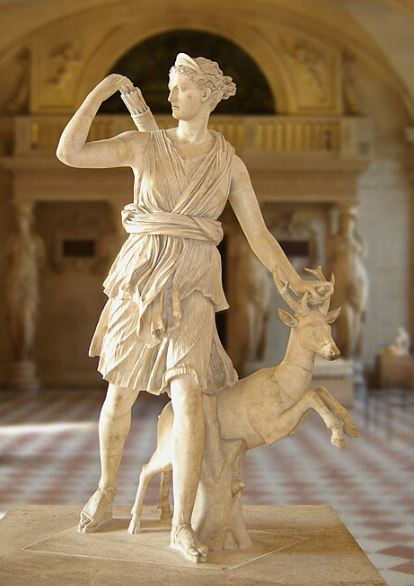
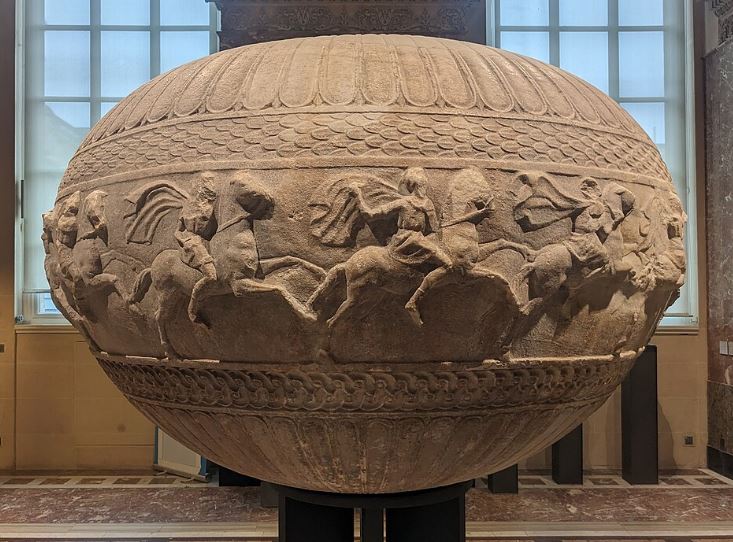
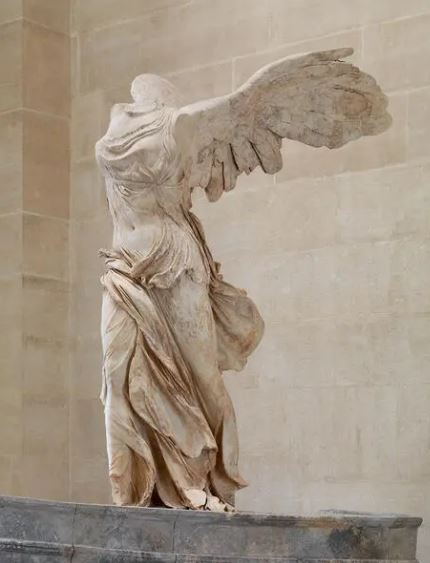
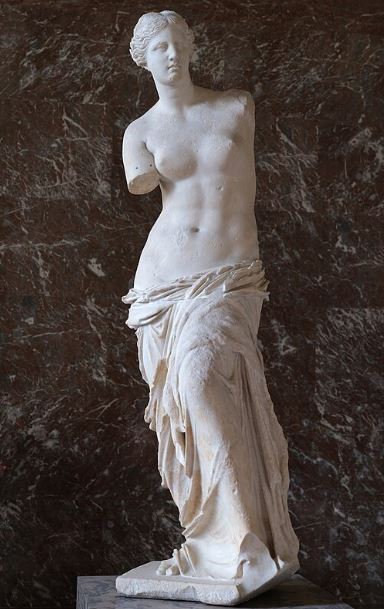
The galleries of Greek and Roman antiquities in the Louvre are one of the highlights of the museum. They contain an extremely impressive collection of sculptures including the Venus de Milo and the Winged Victory of Samothrace.
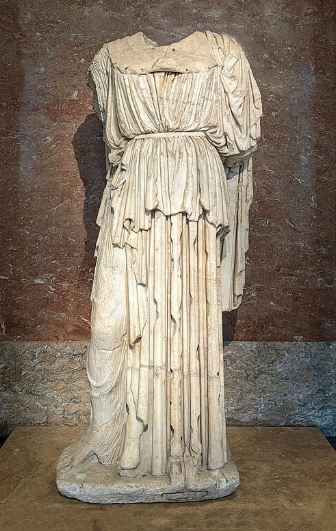
‘Ingres Minerva’ (440 BC)
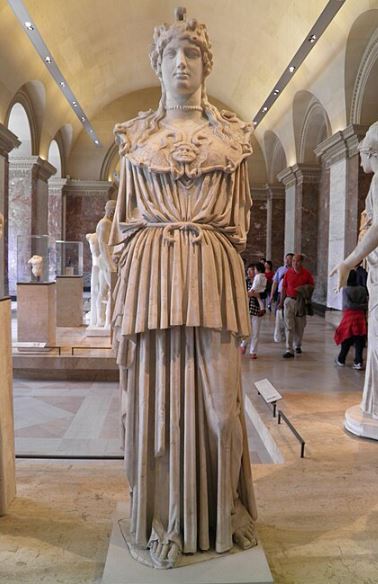
‘Athena Parthenos’ (438 BC)
‘Artemis, known as the Diana of Versailles’ (200 BC)
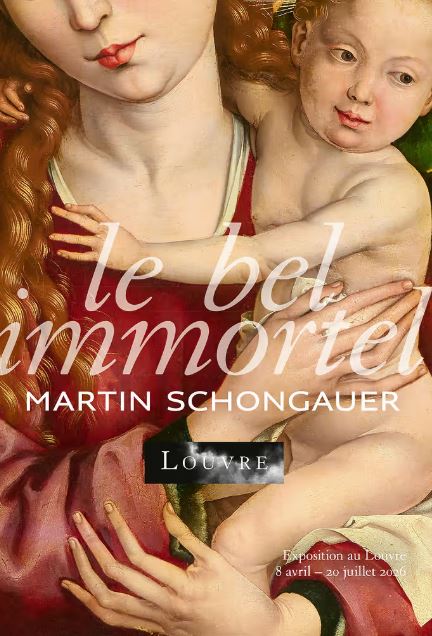
At the Louvre for the exhibition ‘Martin Schongauer. Le bel immortel’. Martin Schongauer, who was born in Colmar around 1445, was one of the most successful Germanic artists of the fifteenth century. Although he is not as well known today as some of his contemporaries such as Albrecht Durer he was extremely influential during his lifetime; in fact, it was Durer who nicknamed him ‘Beautiful Martin’.
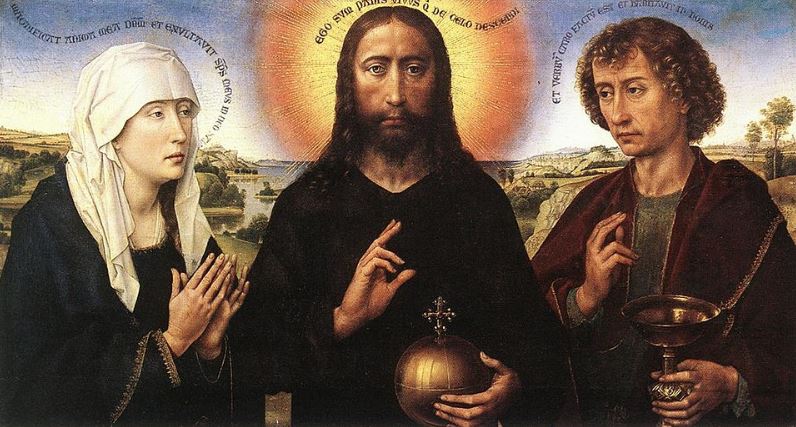
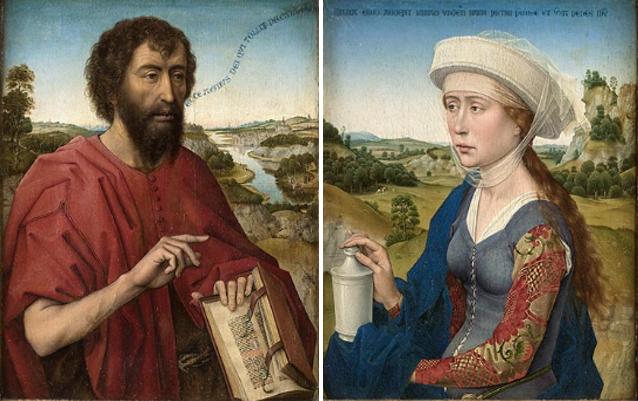
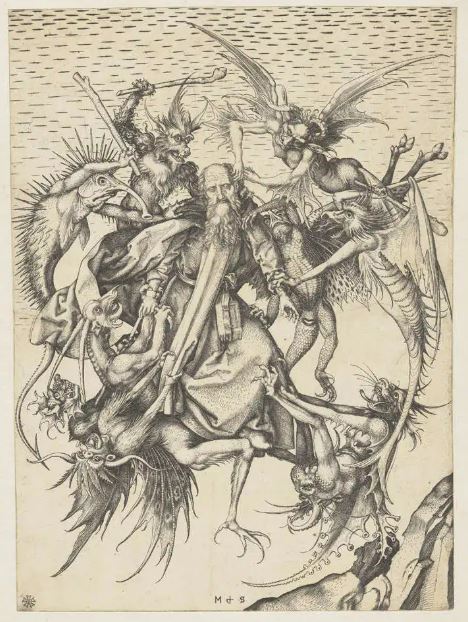
This is the first exhibition to assemble nearly the entire surviving body of Schongauer’s paintings alongside a major selection of his drawings and engravings. It is organized into two major sections. The first retraces the artist’s life, his training and his achievements as both painter and engraver. The second section looks at his extraordinary influence on European artists from the fifteenth to the seventeenth centuries. When Michelangelo was 12 or 13 he made a copy of Schongauer’s ‘The Torment of Saint Anthony’ (c.1469 – 73), an engraving so full of fantastical demonic beasts that it also had an impression on Hieronymus Bosch. Schongauer also had his own influences of course, one of which was Rogier van der Weyden, one of my favourite artists, and it was a treat to see his ‘Braque Family Triptych’ at the exhibition.
Rogier van der Weyden ‘Braque Family Triptych’ (central panel, c.1450)
Rogier van der Weyden ‘Braque Family Triptych’ (side panels, c.1450)
In 1490, when Albrecht Dürer, was 19, he finished his apprenticeship and set off from his native Nuremberg on his Wanderjahre (wandering years). In 1492 he reached Colmar where he hoped to meet Martin Schongauer. But whilst he was warmly received by three of Martin’s brothers, they had to inform him that the artist had died the year before in Breisach am Rhein, where he had been working on murals in Saint Stephansmünster church.
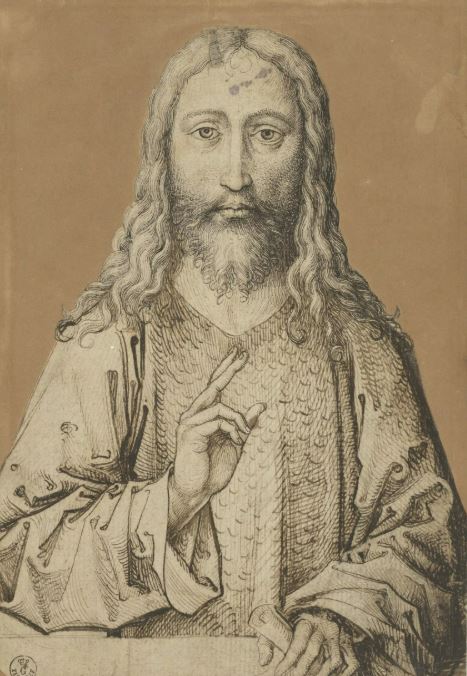
Martin Schongauer ‘Christ Blessing’ (c.1470)
Martin Schongauer ‘Saint Anthony tormented by Demons’ (1470 – 75)
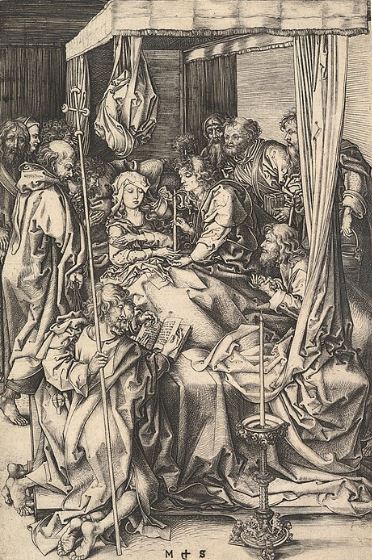
Martin Scongauer ‘The Death of the Virgin’ (1470 – 75)
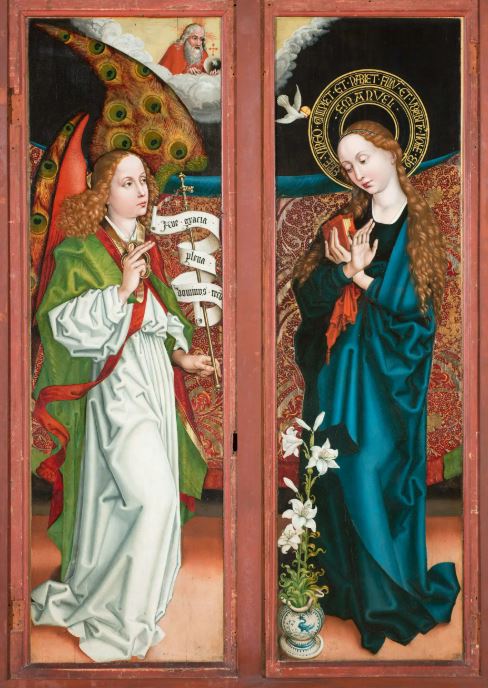
Martin Schongauer ‘Orlier Altarpiece’ open (c.1472)
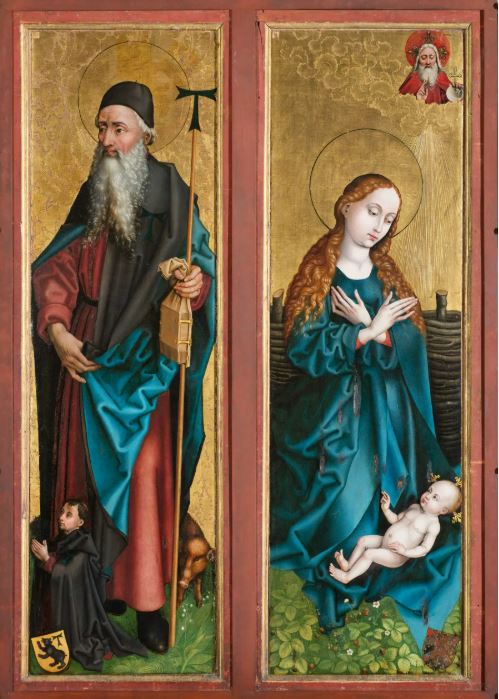
Martin Schongauer ‘Orlier Altarpiece’ closed (c.1472)
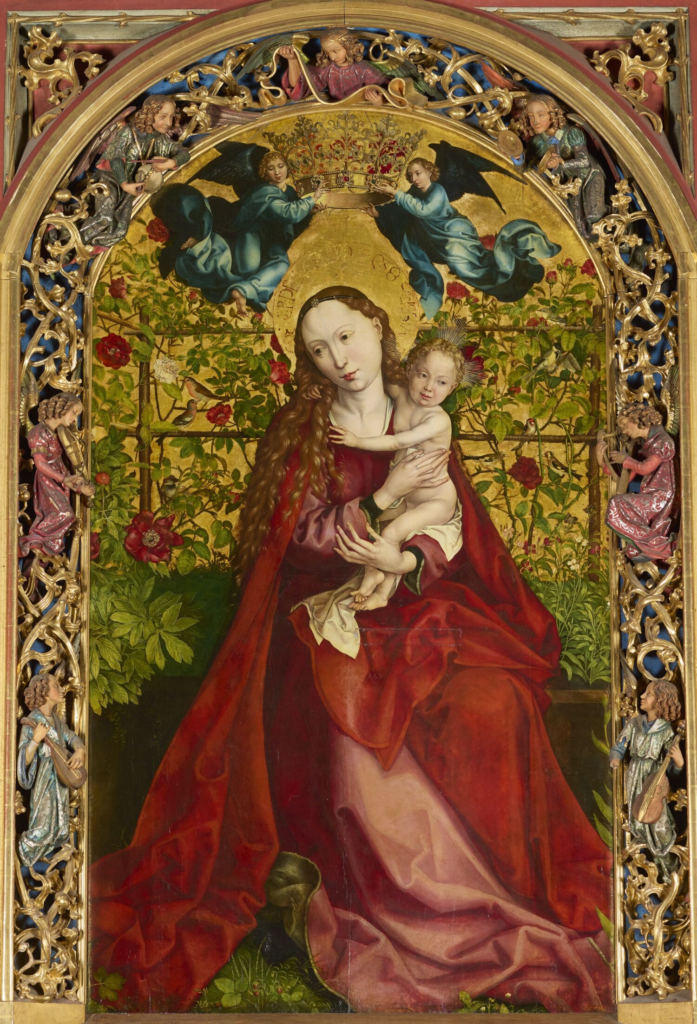
Martin Schongauer ‘Madonna of the Rose Bower’ (1473)
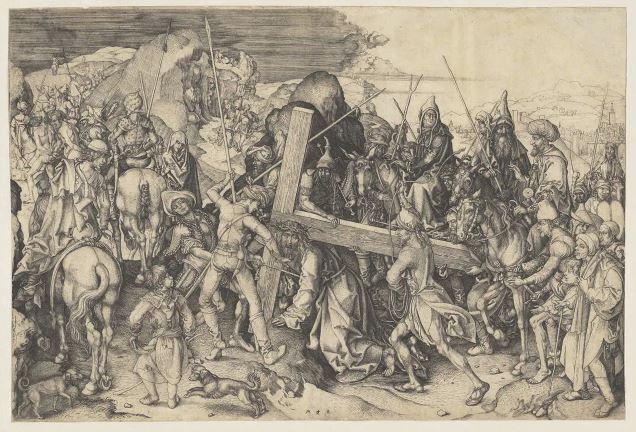
Martin Scongauer ‘The Great Procession of the Cross’ (c.1479)
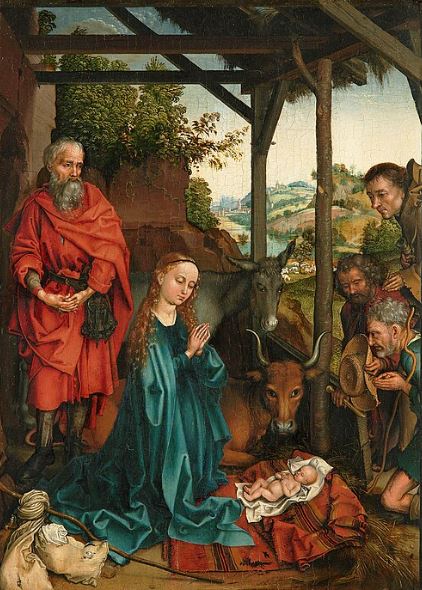
Martin Scongauer ‘The Nativity with the Adoration of the Shepherds’ (c.1480)
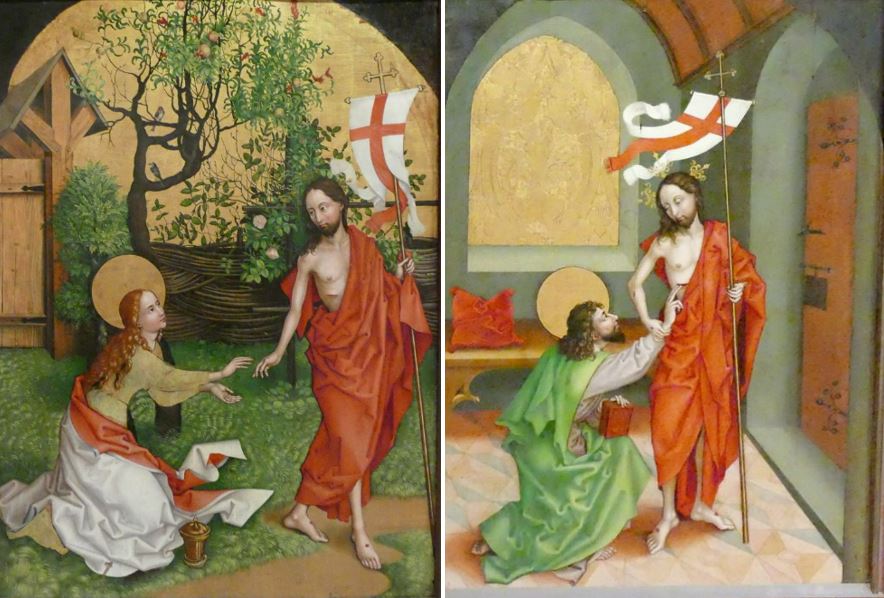
Martin Schongauer ‘Noli mi tangere’ (1480)
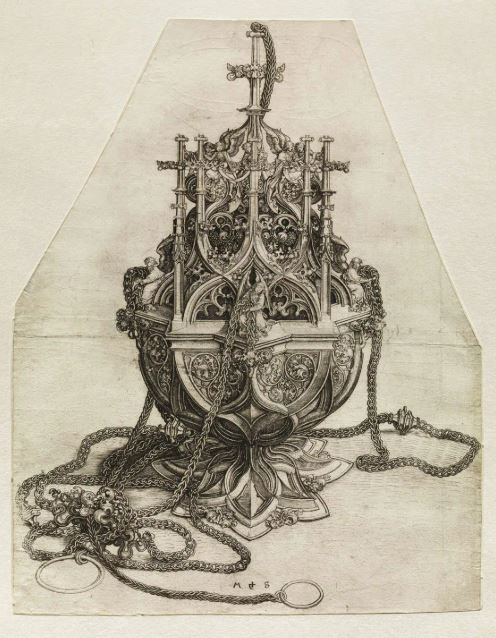
Martin Schongauer ‘The Thurible’ (c.1485)
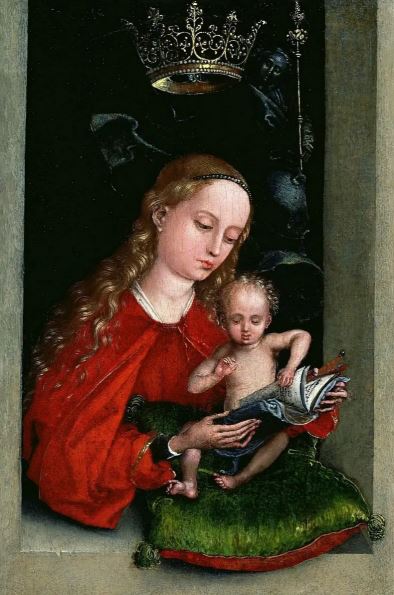
Martin Schongauer ‘Madonna and Child in the Window’ (c.1485 – 90)
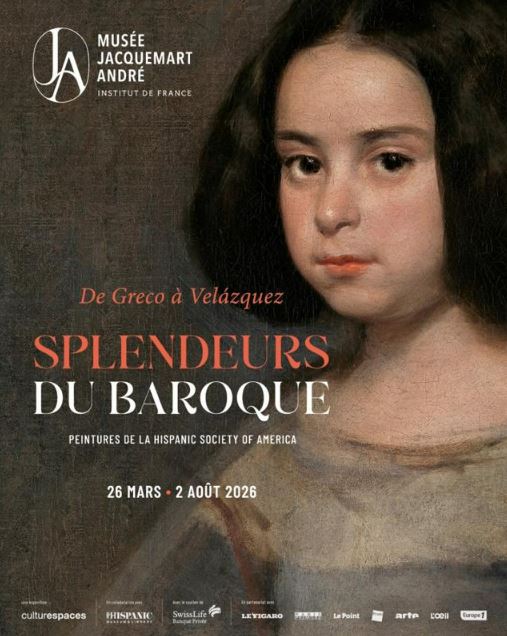
A few days in Paris for some excellent exhibitions, starting at the Musée Jacquemart-André for an exhibition of Hispanic Baroque painting, featuring Golden Age artists including El Greco, Francisco de Zurbarán and Diego Velázquez.
The exhibition was organized in collaboration with the Hispanic Society of America in New York and is part of a collection that has been on tour at various locations throughout the USA and Europe. It was, therefore, a little disappointing to find that at its sole appearance in France the exhibition only comprised some forty paintings, whereas when it appeared at the Prado, Madrid and the Royal Academy, London there were around 200 items, including paintings, sculpture and ceramics from a much wider time period. Nevertheless, what was on display was fascinating to see and there were some excellent examples of Spanish baroque painting.
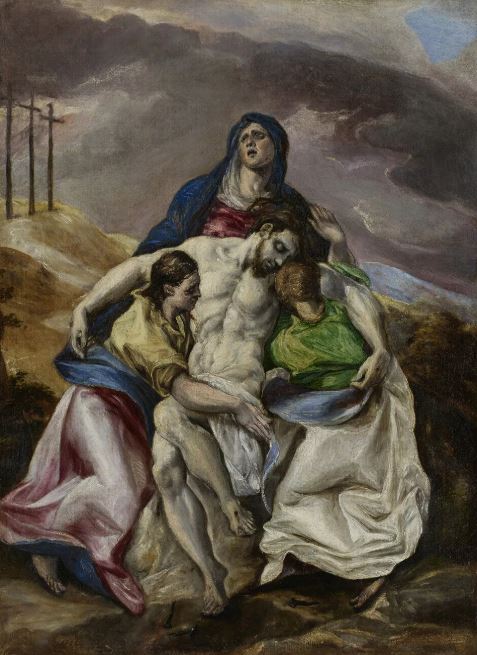
El Greco ‘Pietà’ (c.1574 – 76)
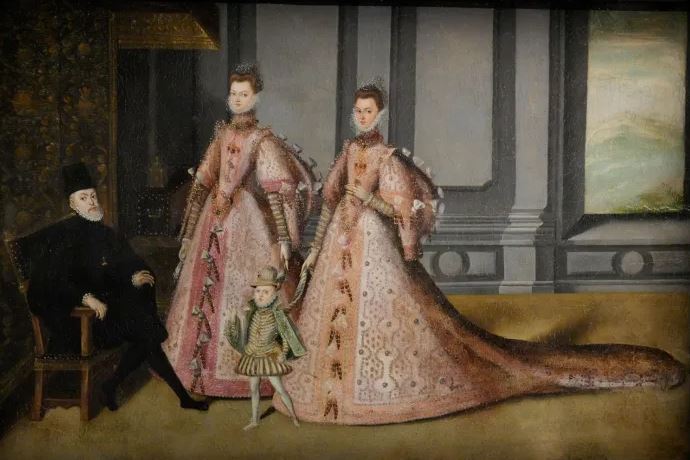
Anonymous Spanish artist ‘Philippe II et ses enfants’ (c.1581 – 84)
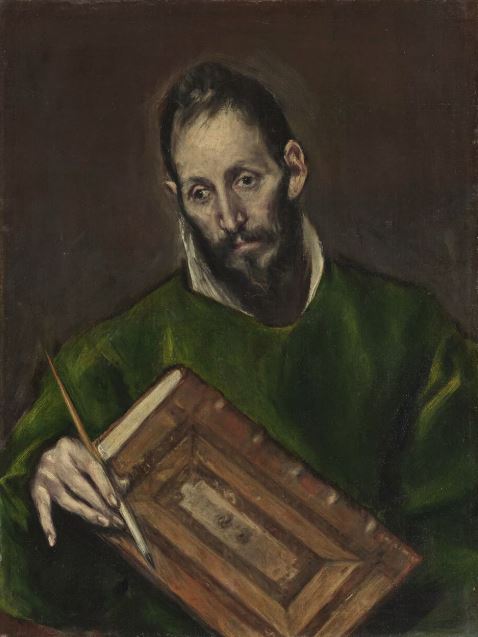
El Greco ‘Saint Luke’ (c.1590)
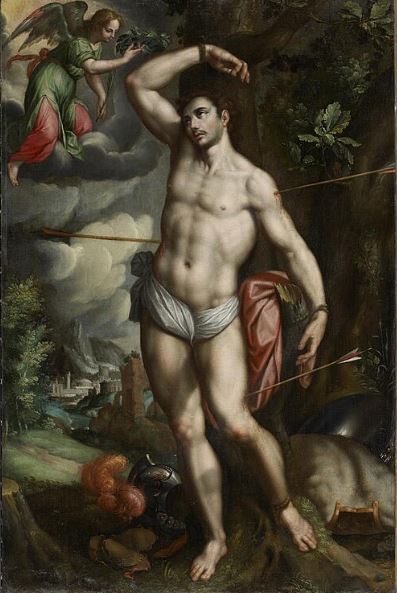
Alonso Vazquez ‘Saint Sebastien’ (c.1603 – 07)
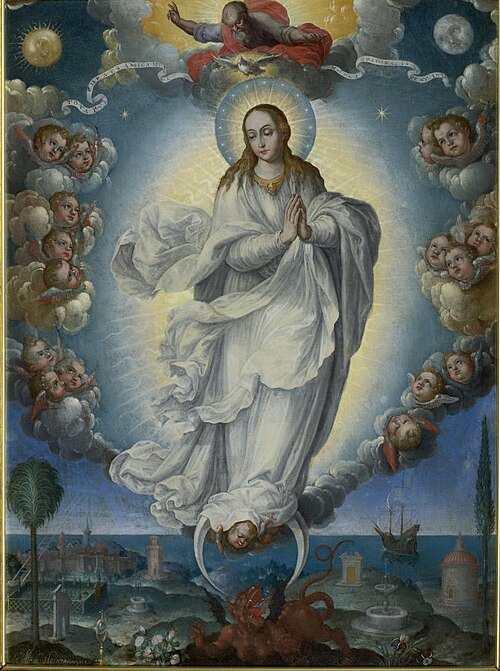
Fray Alfonso López de Herrera ‘Immaculée Conception’ (1640)
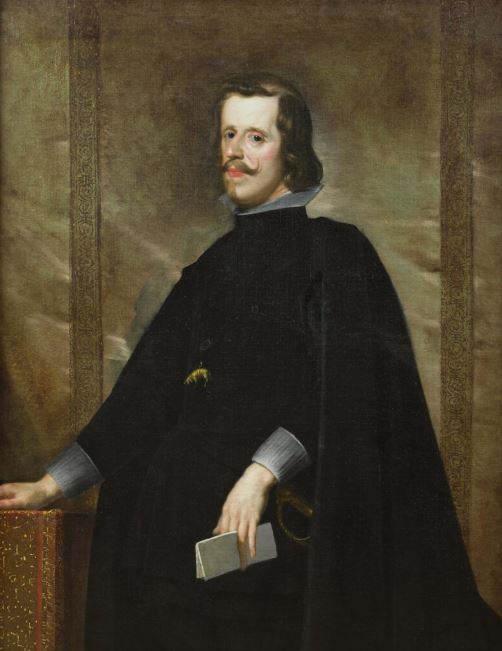
Juan Carreño de Miranda ‘Portrait of Philippe IV, roi d’Espagne’ (c.1645 – 50)
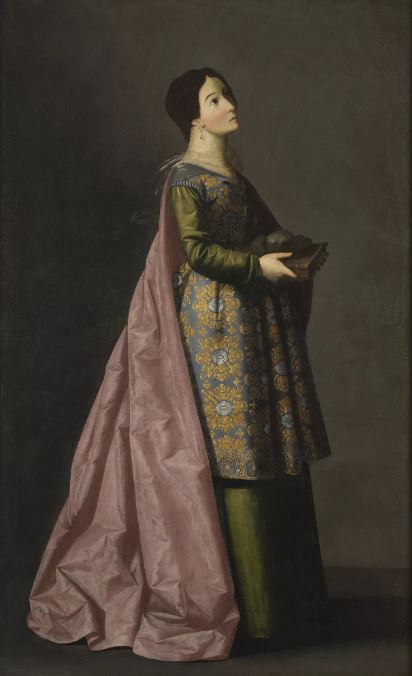
Francisco de Zurbarán ‘Saint Emerentiana’ (c.1635 – 40)
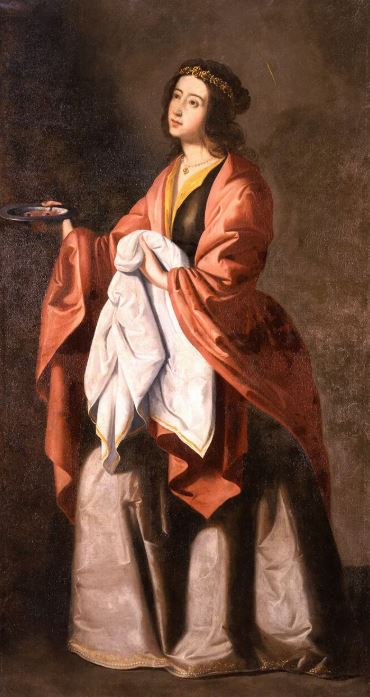
Francisco de Zurbarán ‘Saint Lucy’ (c.1630)
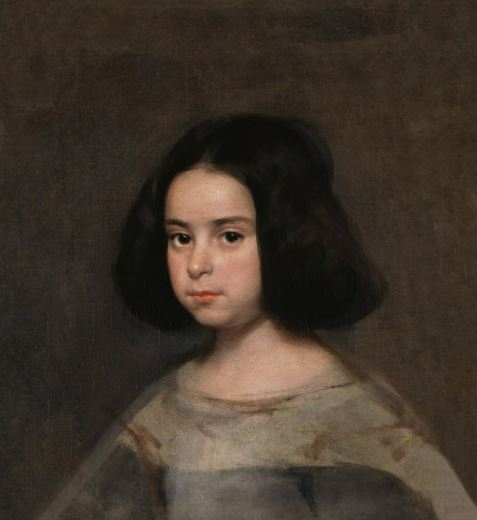
Diego Velázquez ‘Portrait of a Little Girl’ (c.1638 – 42)
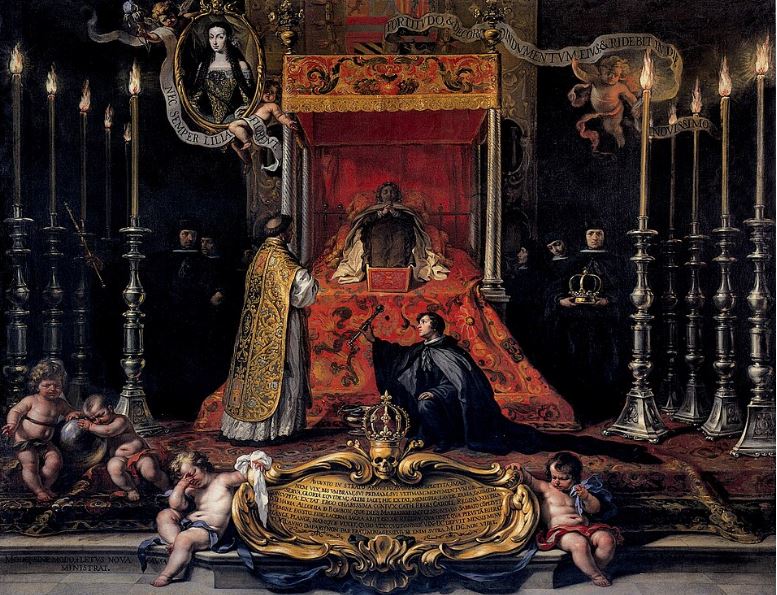
Sebastian Munoz ‘Marie-Louise d’Orleans en chapelle ardente’ (1689 – 90)
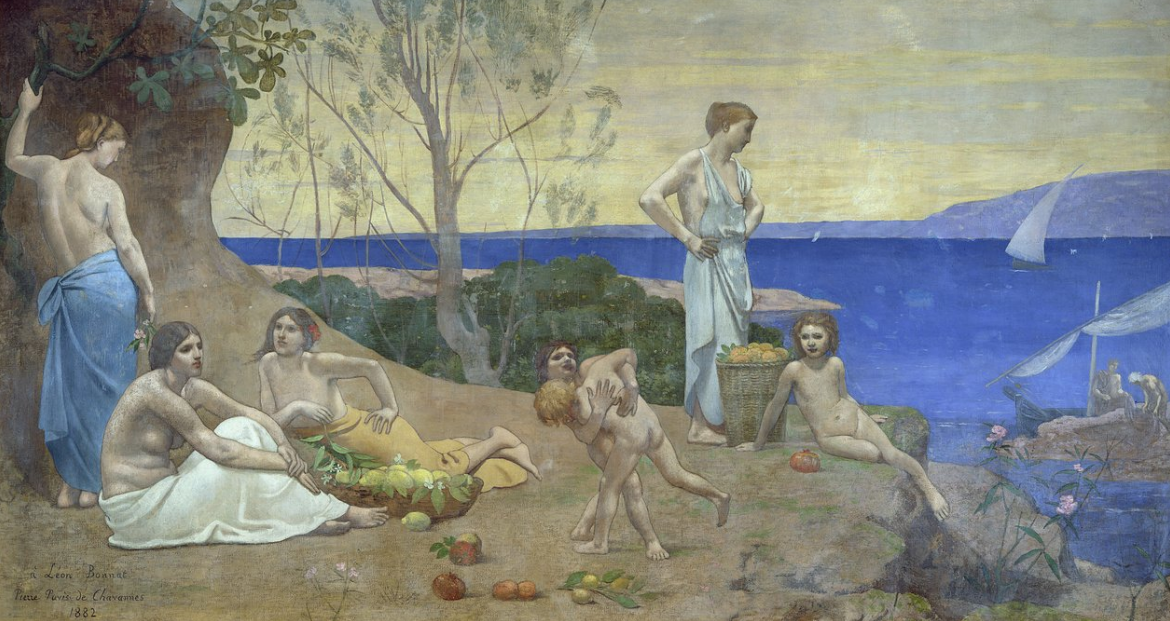
The Musée Bonnat-Helleu in Bayonne has been described by renowned art historian Pierre Rosenberg as housing “the most beautiful collection between Paris and Madrid”. Known as the ‘Little Louvre’, it reopened at the end of 2025 after a fourteen-year expansion and renovation costing €35 million.
Founded in 1891, the museum was named after the two painters, Léon Bonnat and Paul César Helleu, whose bequests of their works and collections between 1922 and 2011 laid the foundation for the museum, which is now home to around 7,000 works, spanning from Antiquity to the twentieth century. The museum’s graphic arts collection is one of the best in the world with more than 3,500 works on paper by artists including Leonardo da Vinci, Michelangelo, Ingres, Albrecht Dürer, Rembrandt and Paolo Veronese.
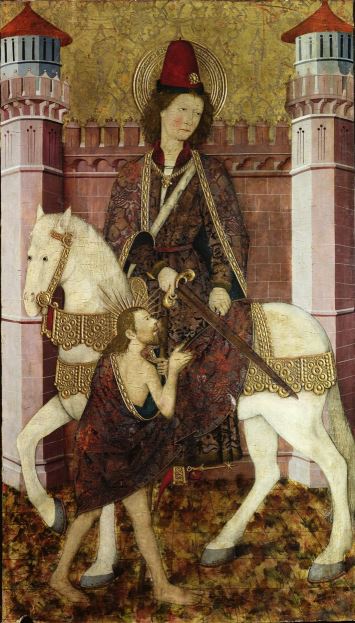
Maître de Bonnat ‘Saint Martin’ (c.1475)
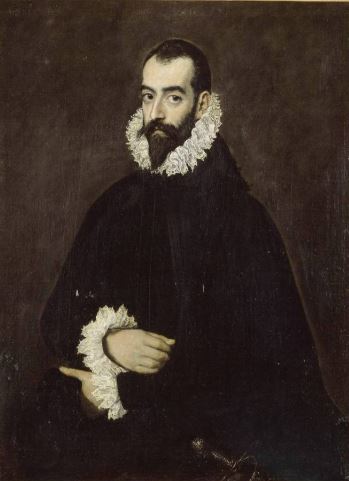
El Greco ‘Presumed Portrait of the Duke of Benavente’ (1597 – 1603)
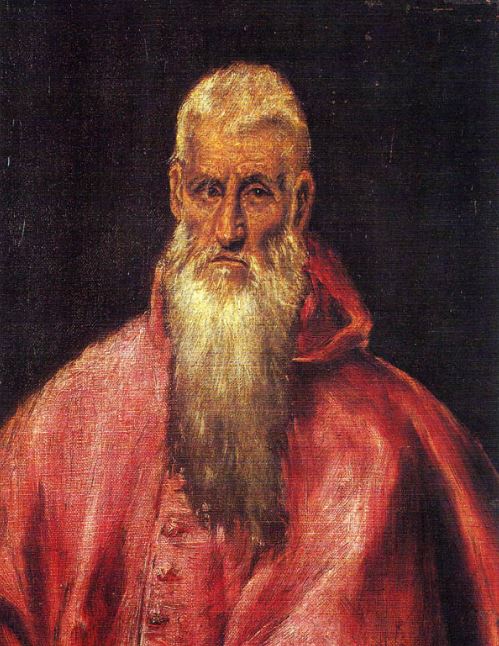
El Greco ‘Saint Jerome’ (c.1590 – 1610)
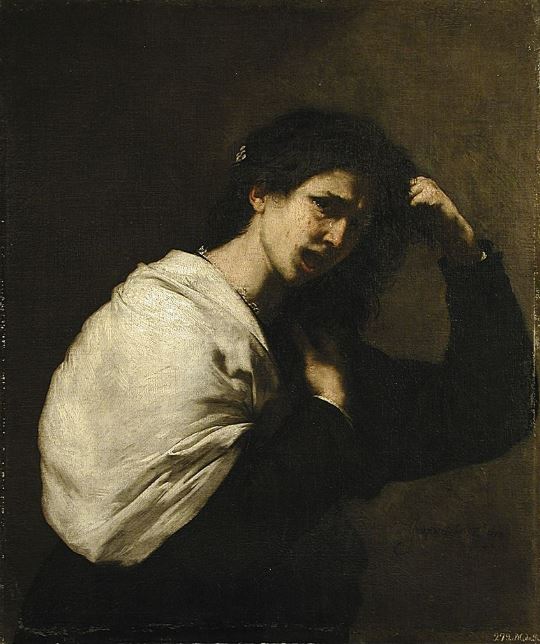
José de Ribera ‘Desperate Woman’ (1638)
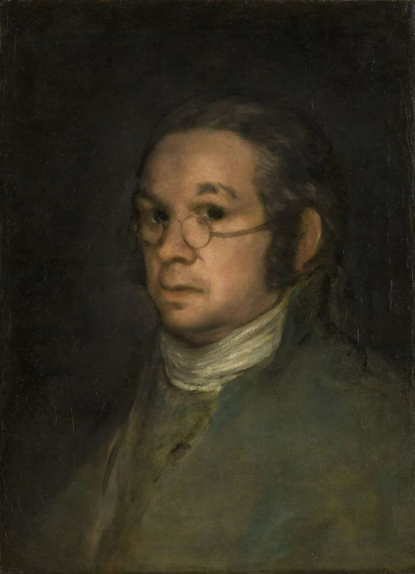
Francisco de Goya ‘Self-Portrait with Spectacles’ (c.1800)
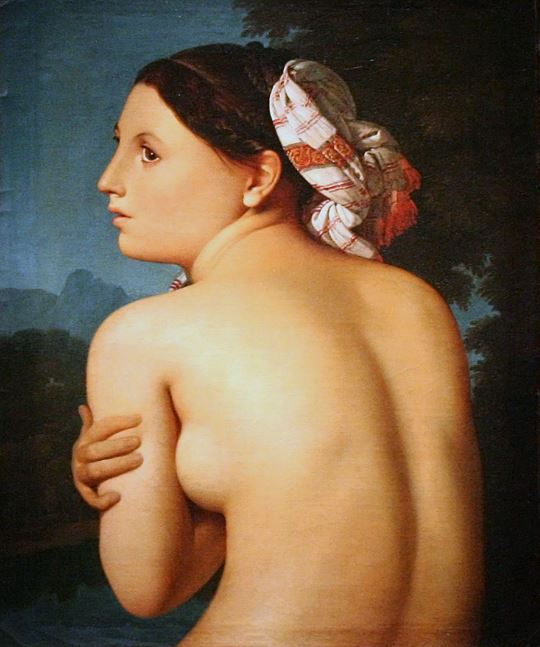
Jean-Auguste-Dominique Ingres ‘ The Bather’ (1807)
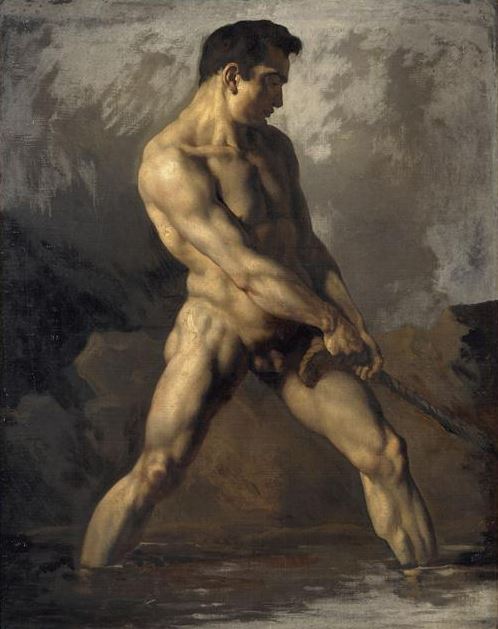
Théodore Géricault ‘Study of a Male Nude’ (1812 – 17)
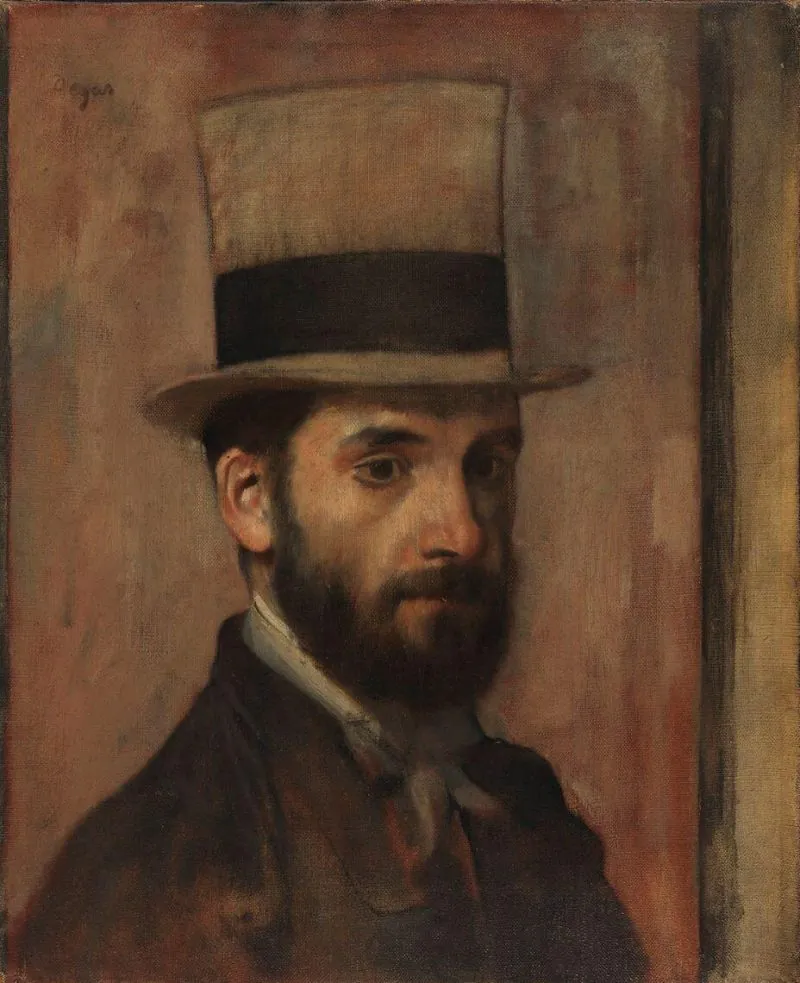
Edgar Degas ‘Portrait of Léon Bonnat’ (c.1863)
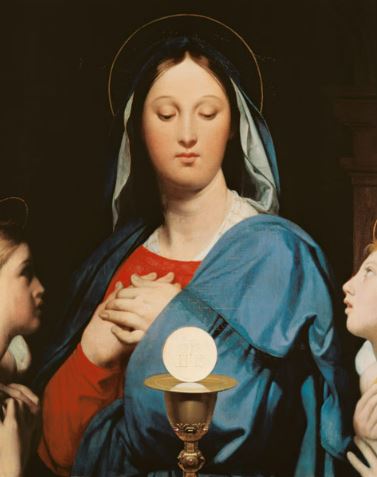
Jean-Auguste-Dominique Ingres ‘The Virgin of the Host’ (1866)
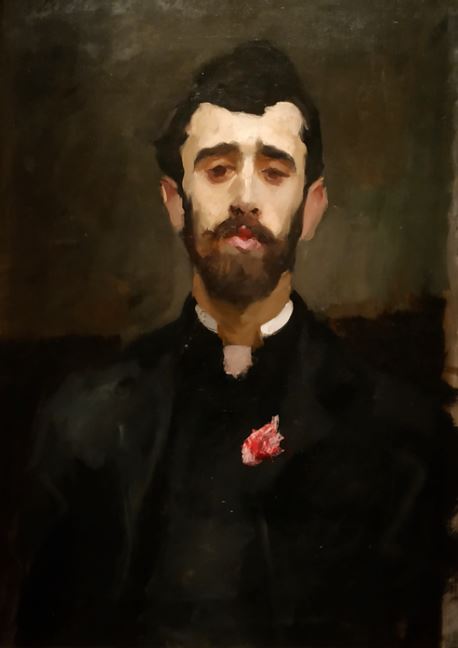
John Singer Sargent ‘Portrait of Paul Helleu’ (c.1880)
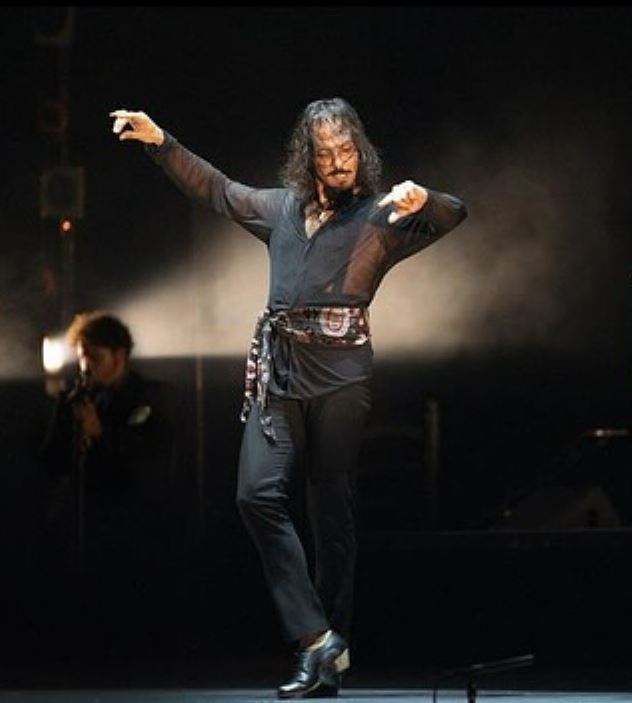
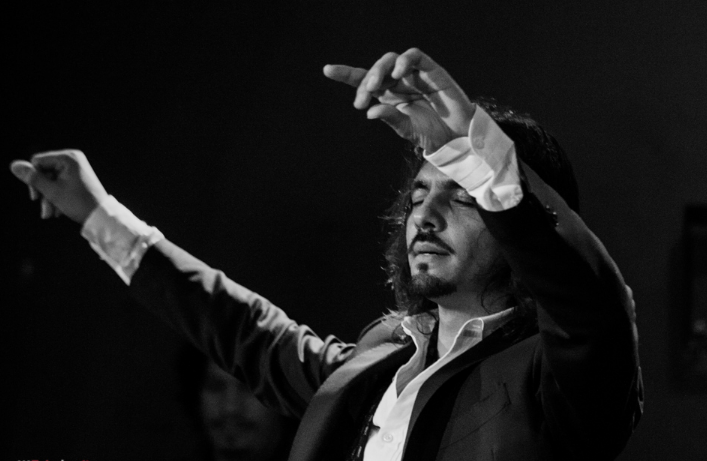
Juan Manuel Fernández Montoya, known throughout the world of flamenco as Farruquito, has been described by the New York Times as “the best flamenco dancer of this century.” He was born in Seville in 1982 and began dancing at the age of five, when he shared the stage with his grandfather, El Farruco, who was known as the greatest gypsy dancer of the twentieth century. Farruquito has graced stages throughout the world, in Europe and Asia, the United States and Latin America.
Farruquito
Tonight he performed at the Salle Lauga in Bayonne, where he was supported by Manuel Valencia on guitar, Paco Véga on percussion and singers Maria Vizarraga, Ismaël de la Rosa and Pepe de Pura.
It was an extraordinary performance. Farruquito’s dancing is a whirlwind of passion and emotion but with great rhythmic precision. However, the success of the show was the amazing interaction between dance, cante, guitar and percussion. All three singers were impressive but Maria Vizarraga’s incredibly powerful vocals almost stole the show, whilst Manuel Valencia’s guitar solos were outstanding. It was a wonderfully entertaining evening that ended with a deserved standing ovation.
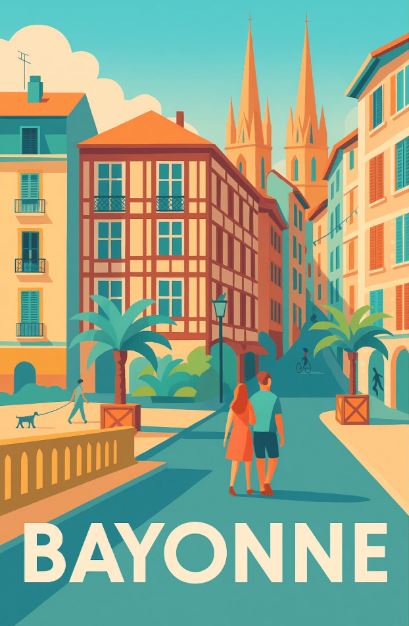
Exploring Bayonne in the Basque region of southern France, near the Spanish border. The city, located at the confluence of the Nive and Adour rivers, has had a turbulent history. It came under English control in 1152 through the marriage of Eleanor of Aquitaine and in 1177 was under the authority of Richard the Lionheart.
After the end of the Hundred Years’ War, the city was taken by the Crown of France; however, the loss of trade with the English weakened its economy, the river gradually filled with silt and it became impassable to ships.Things began to improve after the arrival of Sephardic Jews fleeing from Spain who brought expertise in chocolate making to the city, a trade that continues today. By the seventeenth century the region was flourishing again.
In 1814, Bayonne and the surrounding area saw fighting between Napoleonic troops and the Spanish-Anglo-Portuguese coalition led by the Duke of Wellington and the city was under siege from 27 February to 5 May. The siege ended with the city’s surrender after the abdication of Napoleon I.
During World War II, Bayonne was occupied by German forces from 1940 to 1944. In 1942 the Allies attempted to land in Bayonne but the operation proved difficult and was cancelled. However, on 21 August 1944, after blowing up twenty ships in the port, German troops withdrew.
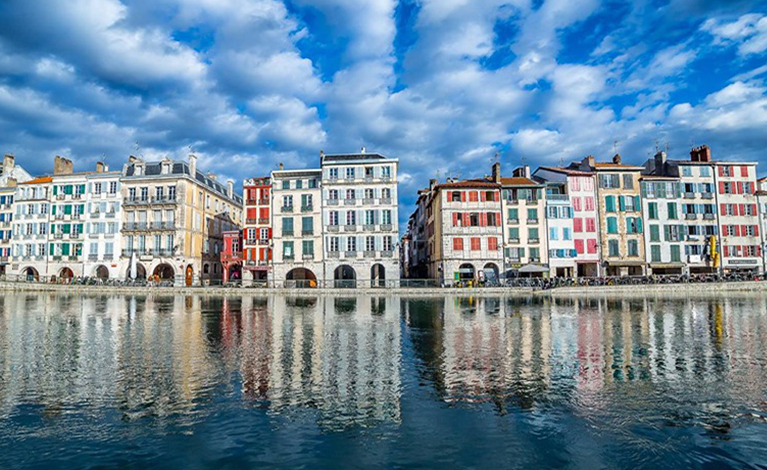
Quai Galuperie, Bayonne
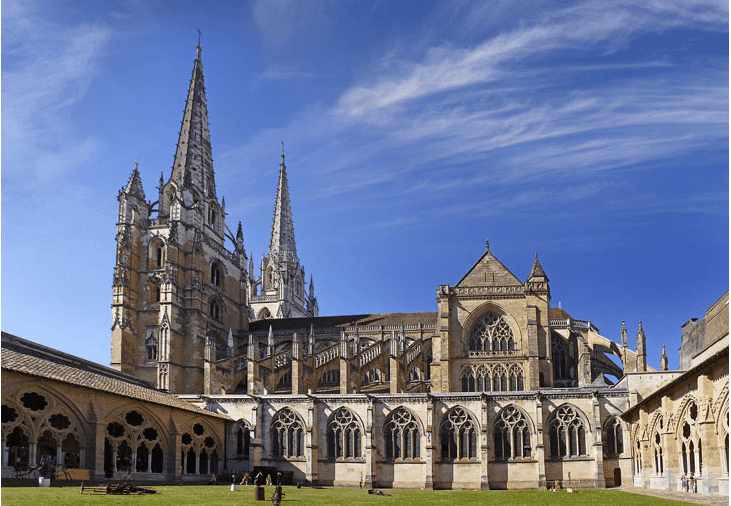
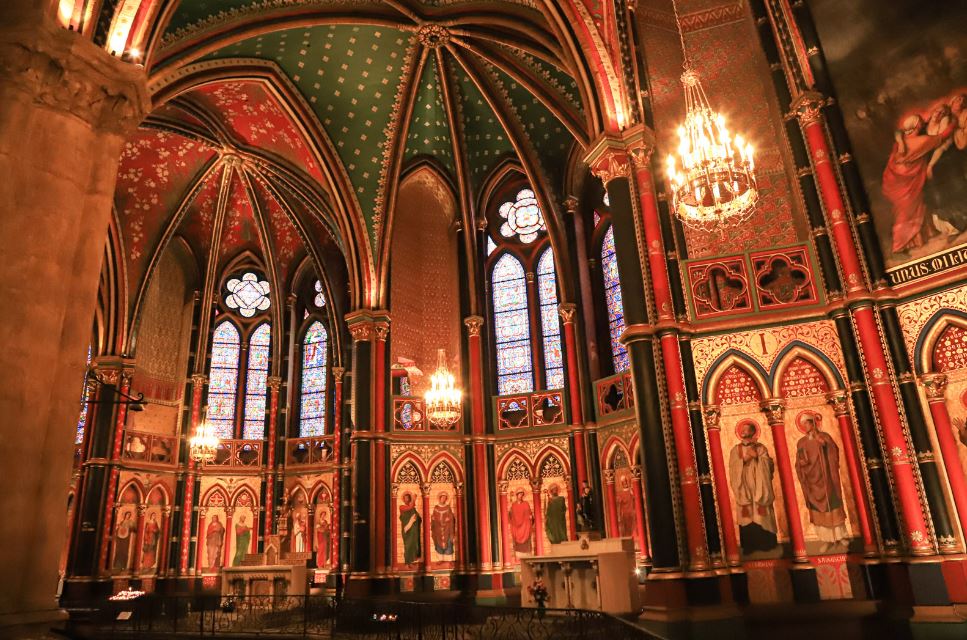
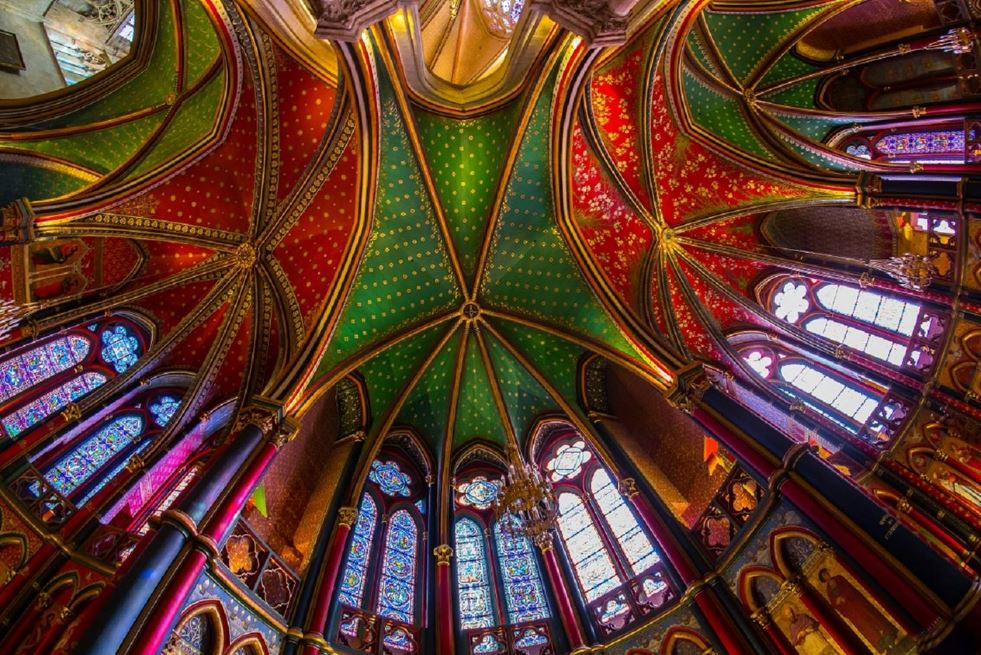
Bayonne Cathedral, which blends Gothic and Neo-Gothic styles, is a UNESCO World Heritage site. The site was previously occupied by a Romanesque cathedral which was destroyed by fire in 1258. Construction of the present cathedral began later in the thirteenth century, most of it being finished by the beginning of the seventeenth, except for the two spires which were not completed until the nineteenth century.
The cathedral contains the relics of Saint Leo of Bayonne, a ninth-century Bishop of Bayonne
Cathédrale Sainte-Marie de Bayonne
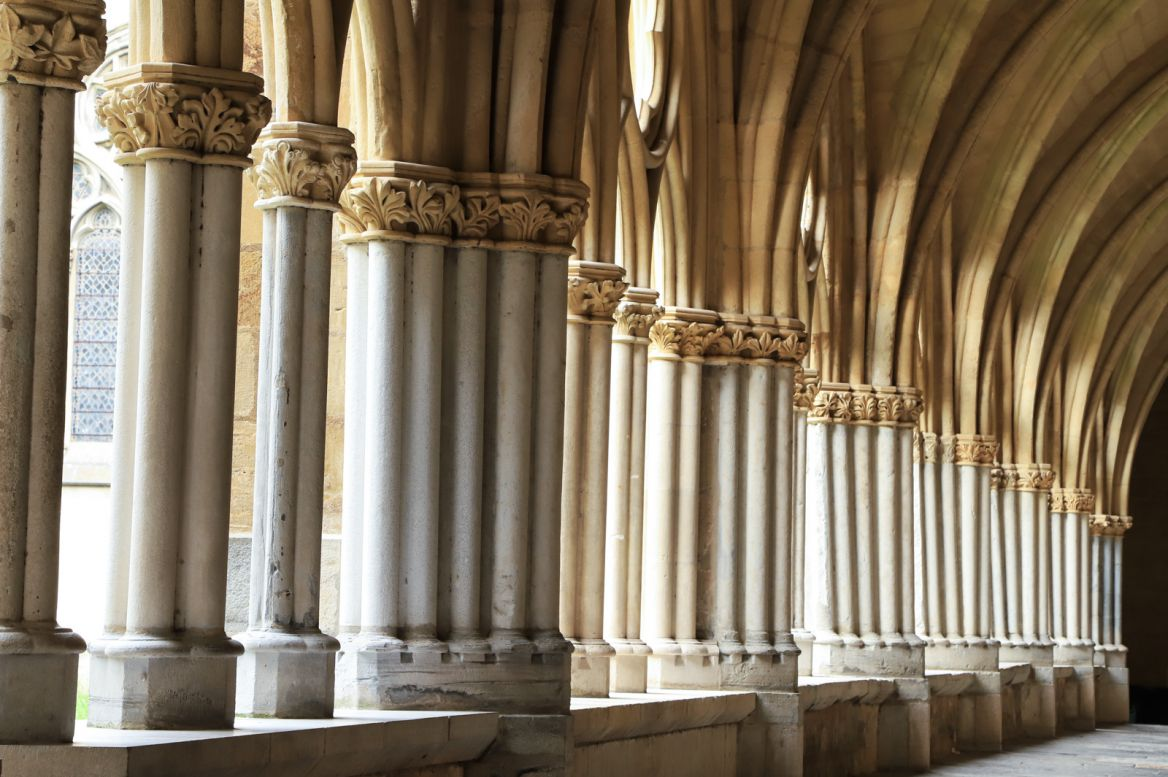
The cloisters of the Cathedral, built between 1213 and 1240
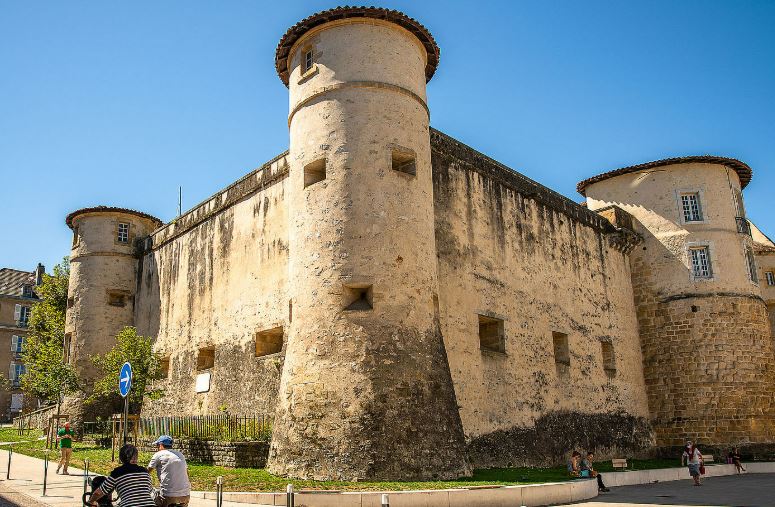
Château-Vieux in Bayonne was built from the end of the eleventh century by the Viscounts of Labourd, on the site of a Roman castrum which housed the garrison and administration of the Lapurdum region. It has seen much rebuilding over the centuries, with the central tower being destroyed and a fortified forecourt added. In 1808, Napoleon ordered its demolition, although this was never carried out.
The Vézère valley, in the Dordogne department of south-west France, has evidence of continuous human occupation for 450,000 years. It contains 147 prehistoric locations dating from the Palaeolithic Age, including 25 caves with wall paintings. Whilst the most famous is Lascaux, there are numerous other sites of importance, fourteen of which are designated as UNESCO World Heritage Sites.
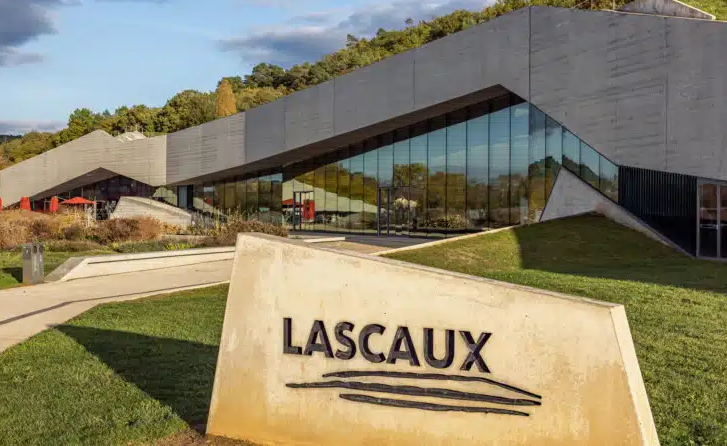
Lascaux IV
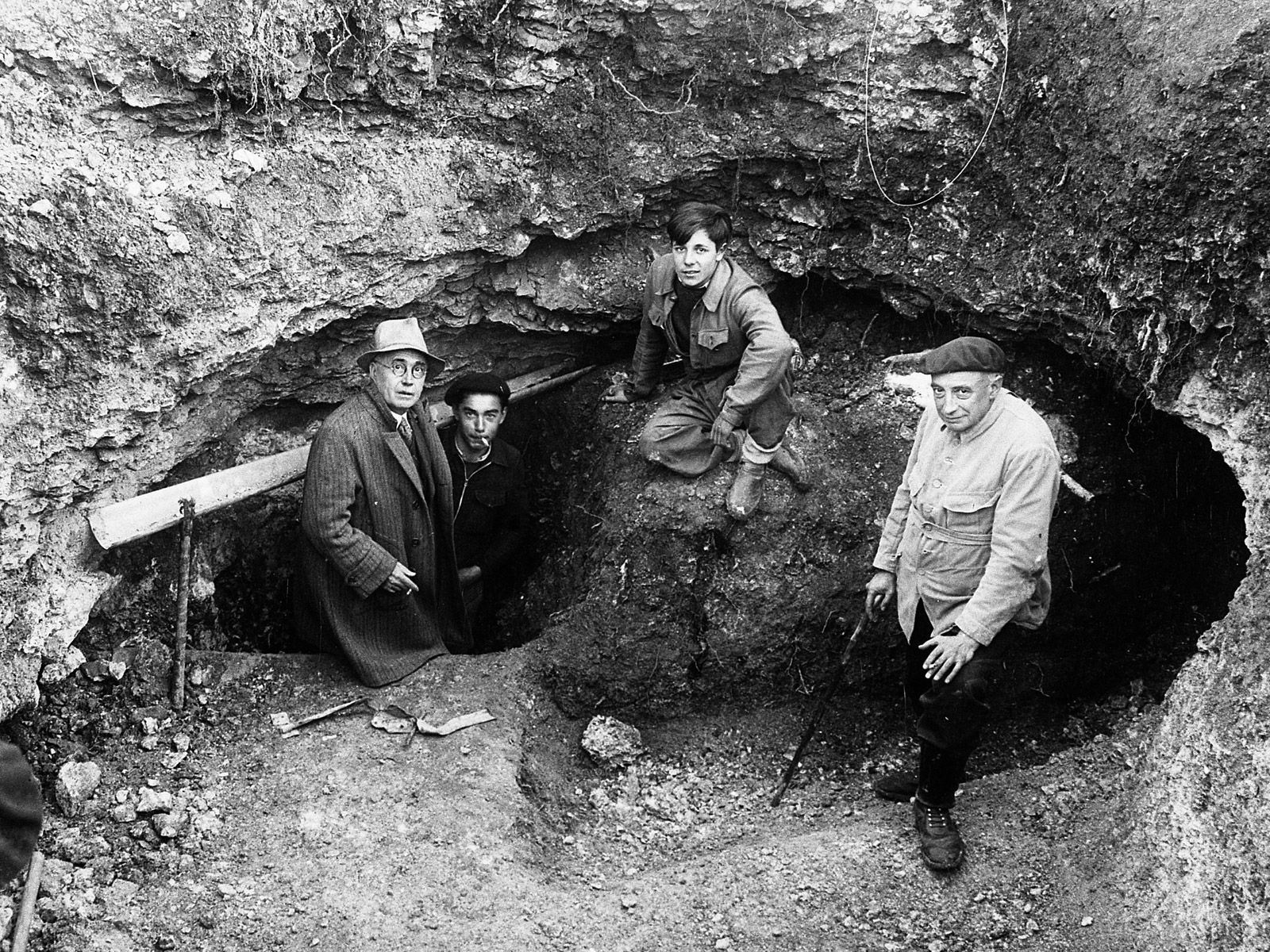
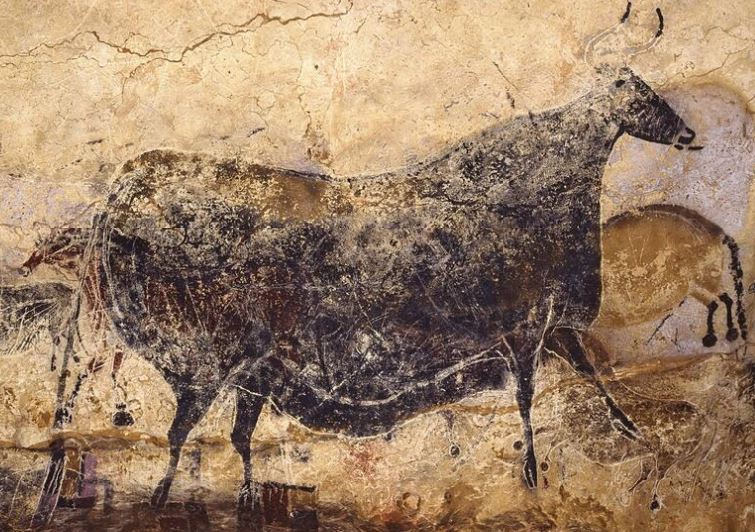
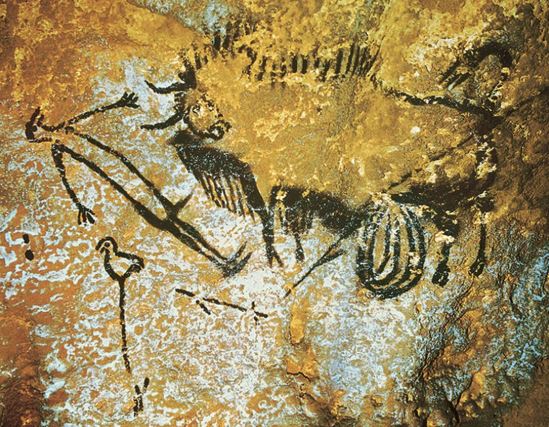
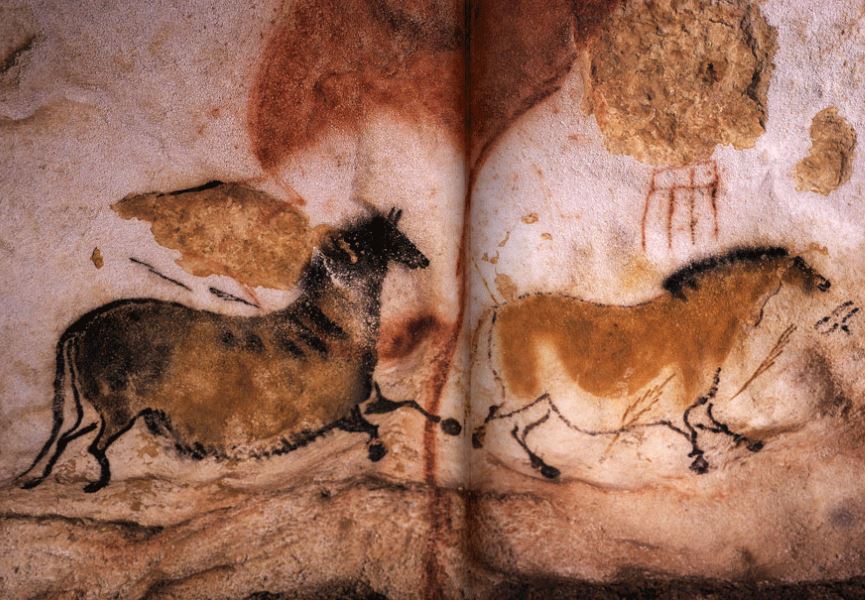
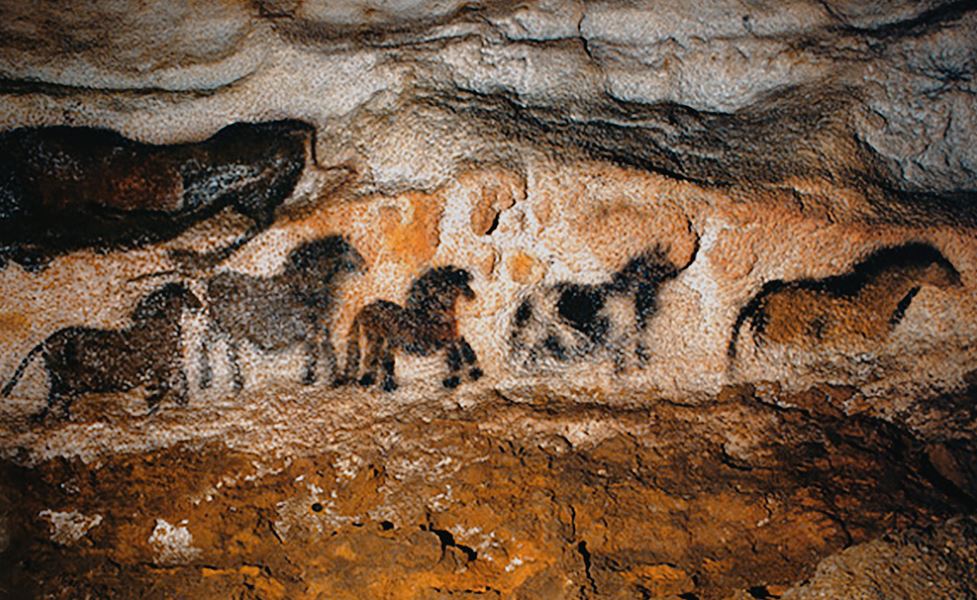
Lascaux, discovered by four teenagers looking for their dog in September 1940, is a complex cave system with several galleries. The original caves were closed to the public in 1963 and seventeen years were then spent building a replica known as Lascaux II. In 2017 I visited Lascaux II, which depicts part of the original structure, but Lascaux IV is a replica of the whole cave system in a modern complex which uses technology to explain the paintings and their history, with augmented reality and interactive projections.
Entrance to the cave, 1940
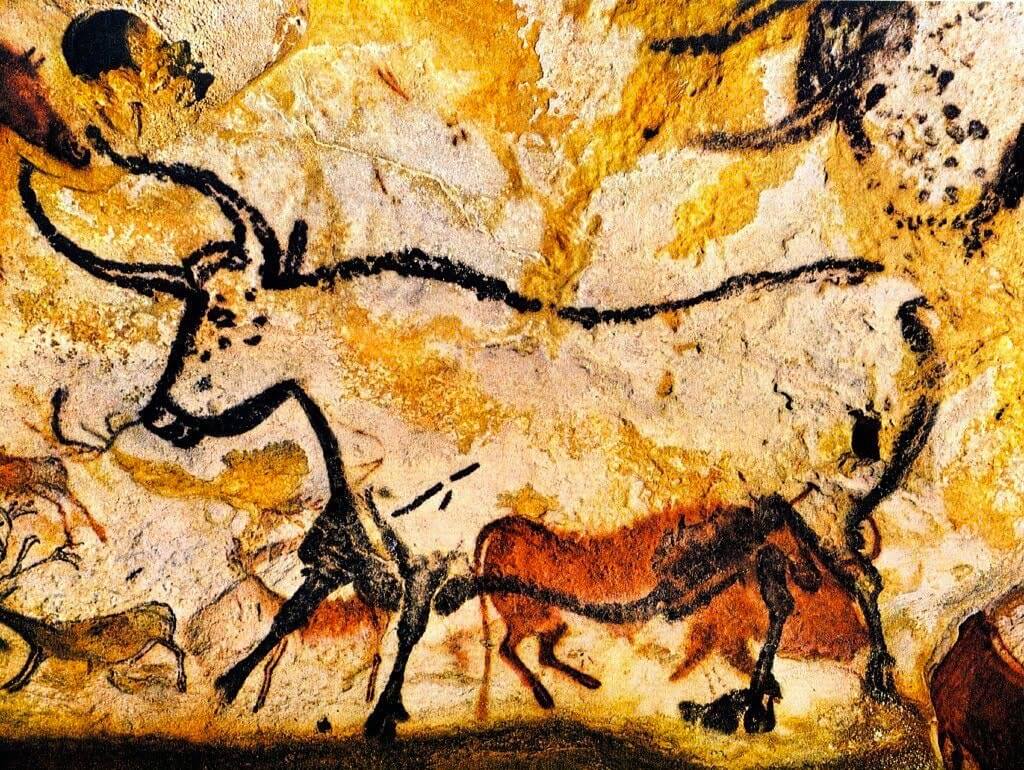
Giant bull, Hall of the Bulls, Lascaux
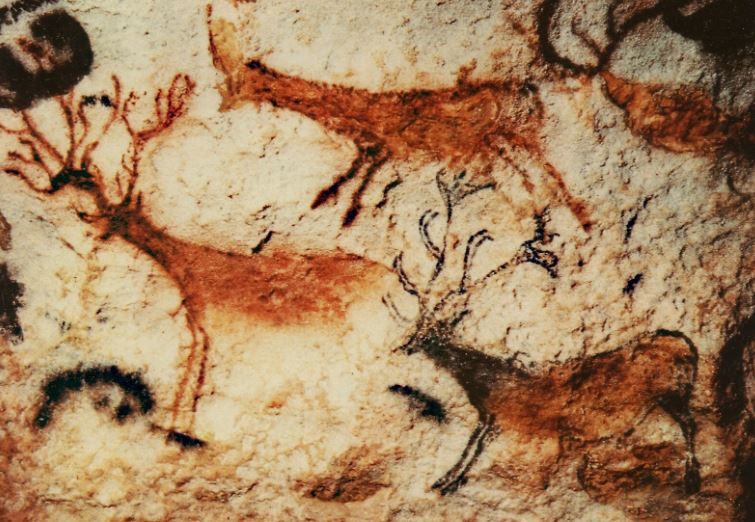
Frieze of the small stags, Hall of the Bulls, Lascaux
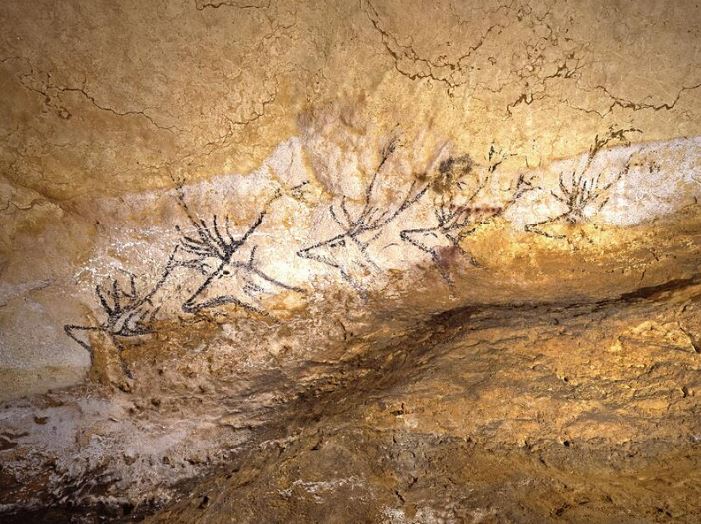
Swimming stags, The Nave, Lascaux
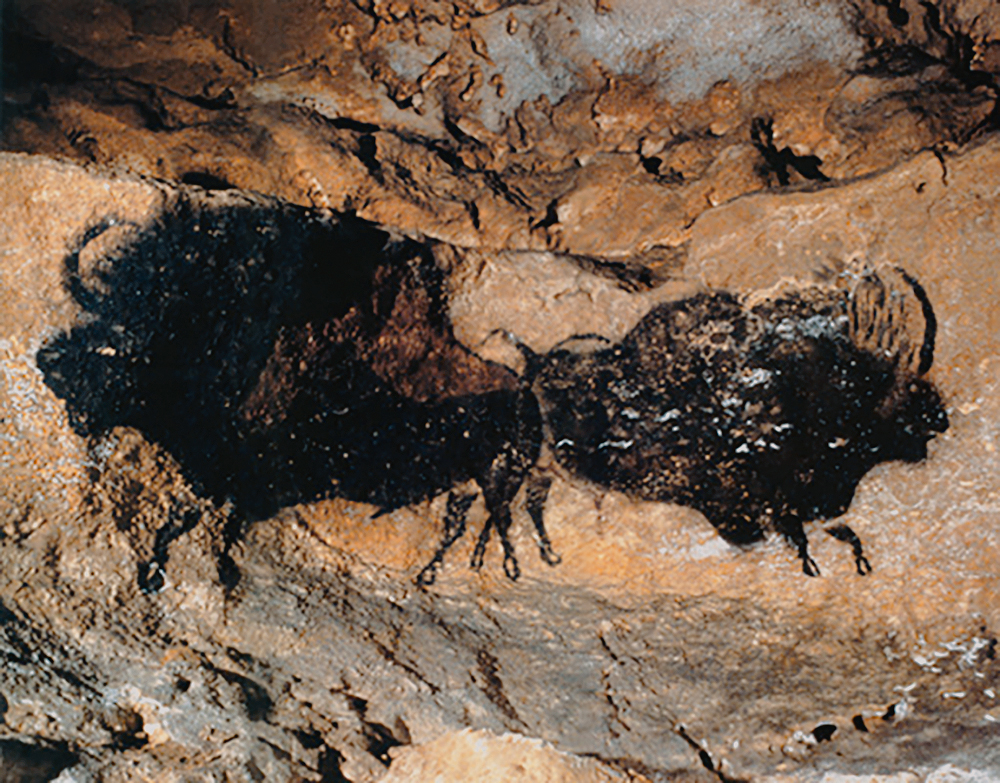
Crossed Bison, The Nave, Lascaux (showing some evidence of perspective)
Black Aurochs, The Nave, Lascaux
Man (with bird head?), bird and (disembowelled?) bison, The Shaft, Lascaux
Second and Third Chinese Horses, Axial Gallery, Lascaux
Frieze of five small horses, entrance to the Axial Gallery, Lascaux
Les Eyzies
Les Eyzies, about twenty kilometres south of Lascaux. is the location of several prehistoric sites including the troglodyte dwellings of la Madeleine and the caves of Font-de-Gaume, which were discovered in 1901. It is also the site of the Musée national de Préhistoire.
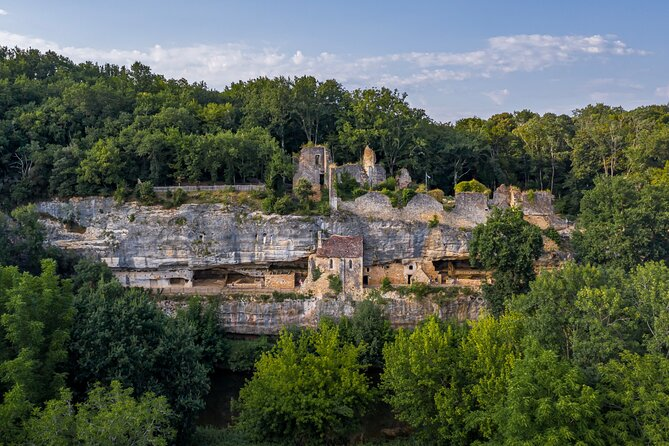
Troglodyte village de la Madeleine
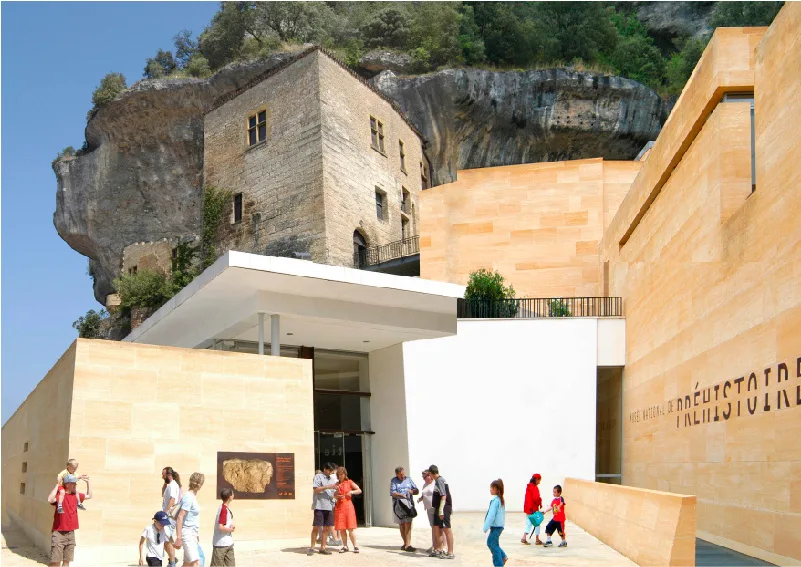
Musée national de Préhistoire
The Musée national de Préhistoire was founded in 1918 and from 1923 was housed in the Château de Tayac. In 2004 a new museum extension was built into the cliff of Les Eyzies. The museum preserves an incredible six million objects, forming one of the most important Paleolithic collections in Europe, including the world’s largest collection of Paleolithic art on engraved or sculpted blocks.
Musée national de Préhistoire, Les Eyzies
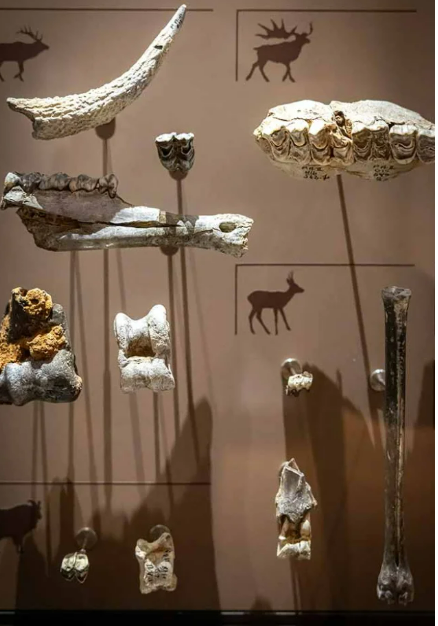
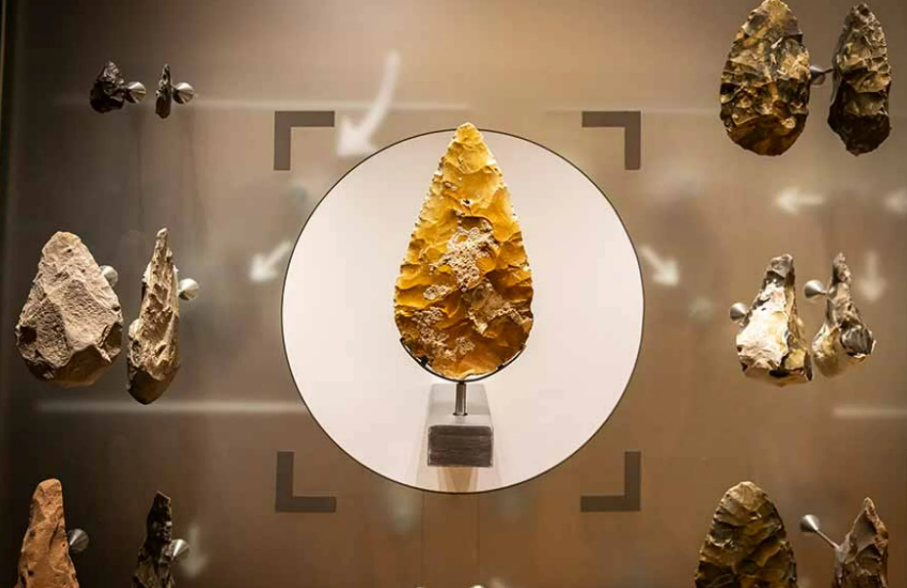
Faunal remains from Pech-de-l’Azé, Dordogne
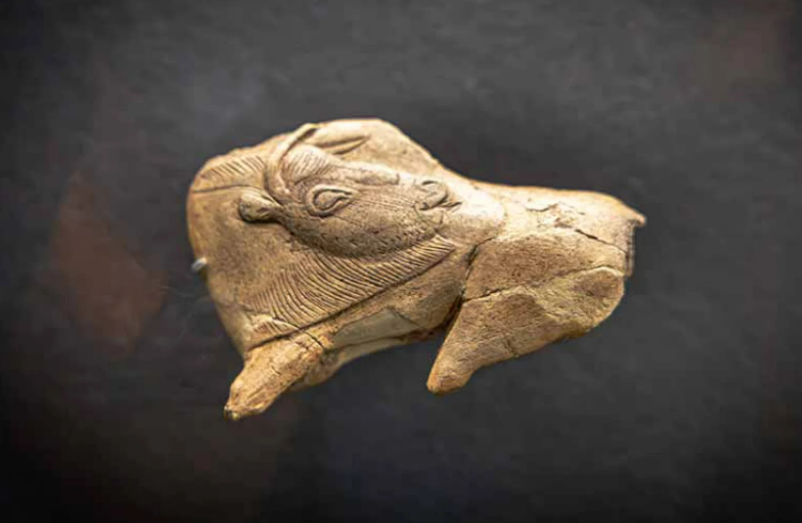
Bison figure carved on reindeer antler from la Madeleine, Les Eyzies
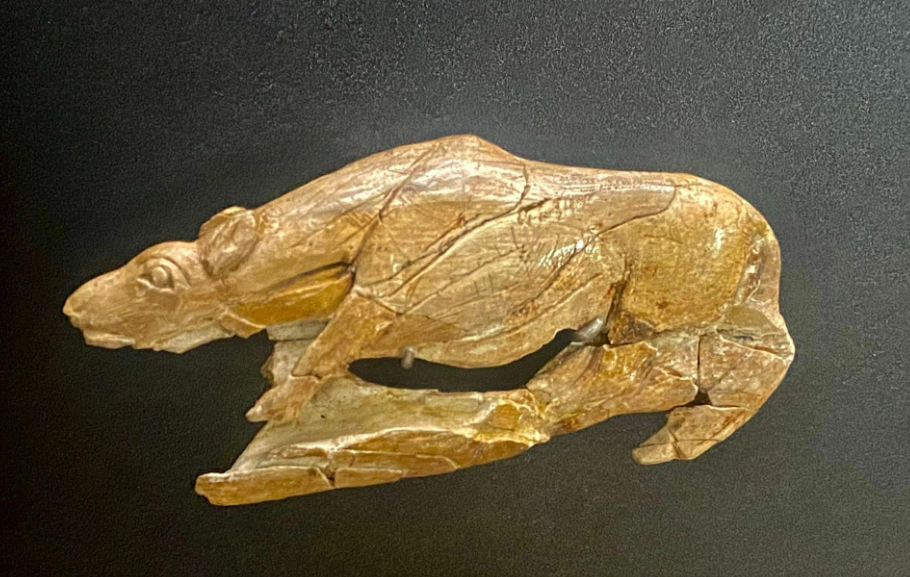
Creeping hyena carved in bone from la Madeleine, Les Eyzies
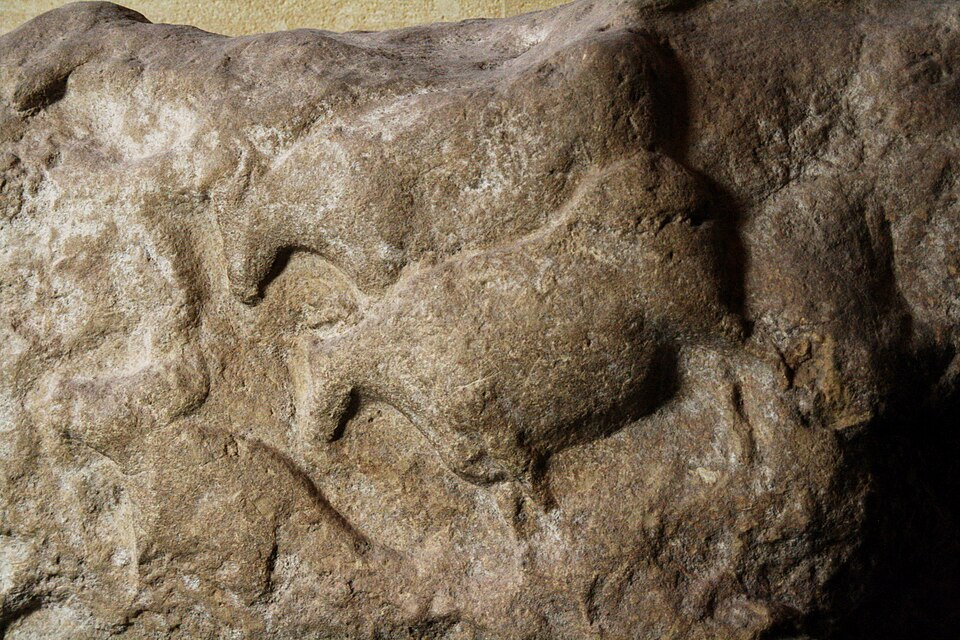
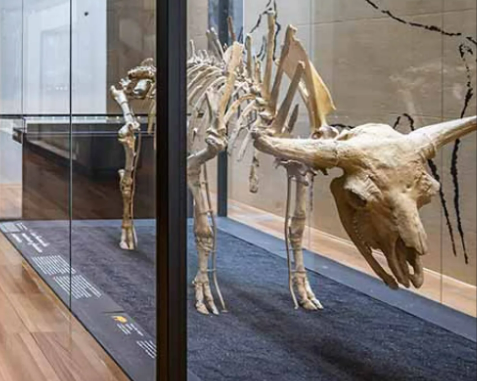
Relief sculpture of aurochs found on the Fourneau-du-Diable in Bourdeilles, Dordogne
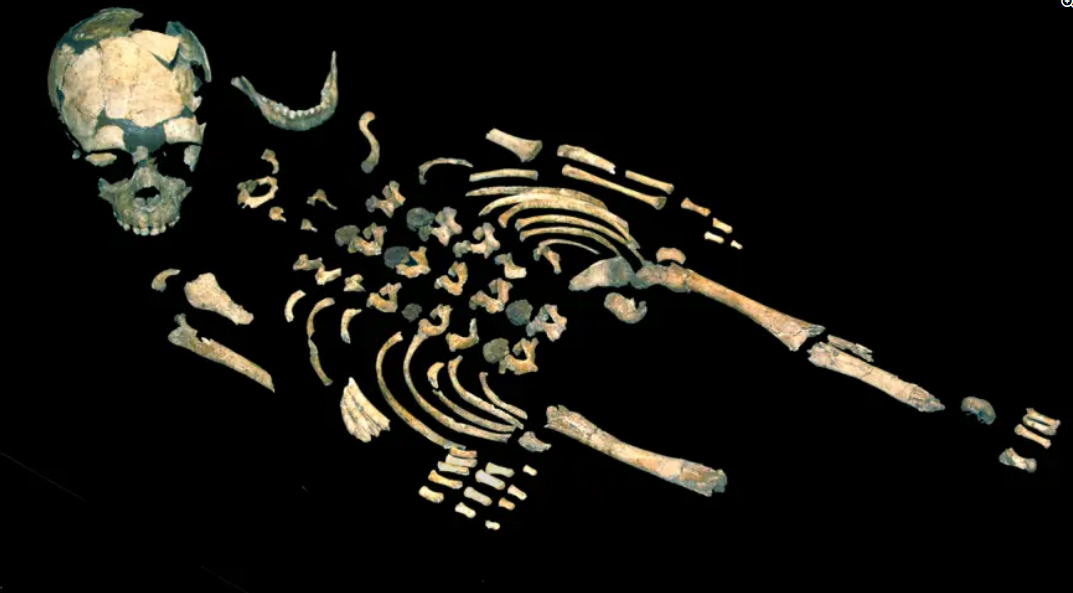
Remains of a Neanderthal child from Campagne-du-Bugue, Dordogne
Last July I had the pleasure of hearing French mezzo-soprano Marianne Crebassa sing Gustav Mahler’s ‘Kindertotenlieder’ at the Radio France Festival in Montpellier. So, when I heard that she was to repeat the performance in Toulouse I couldn’t wait to experience it again, especially as this concert paired the lieder with one of the most enjoyable symphonies to hear live, Sibelius no. 5.
Orchestre National Capitole Toulouse, under Spanish conductor Roberto Forés Veses, began the evening with the French premiere of Finnish composer Outi Tarkiainen’s ‘Mosaïcs’. Tarkiainen was born in Rovaniemi in Finnish Lapland in 1985 and studied composition at the Sibelius Academy in Helsinki. ‘Mosaics’ was composed as part of a major art project, ‘Nordic, a Fragile Hope’, which brought together music, photography, and video dealing with the problems of climate change. The composition was based on music from Tarkiainen’s opera, ‘A Room of One’s Own’, which dramatized Virginia Woolf’s 1928 essay of the same name. The work has a haunting theme, reflecting its subject matter, and was beautifully played. The composer, who was present, received resounding applause.
Outi Tarkiainen
Gustav Mahler composed ‘Kindertotenlieder’ (‘Songs on the Death of Children’) between 1901 and 1904, setting poems by Friedrich Rückert which were written after the death of two of his children. In a tragic irony, the composer would later experience the same loss. It was another sublime interpretation by Marianne Crebassa, whose voice is perfectly suited to the melancholy sadness of the songs.
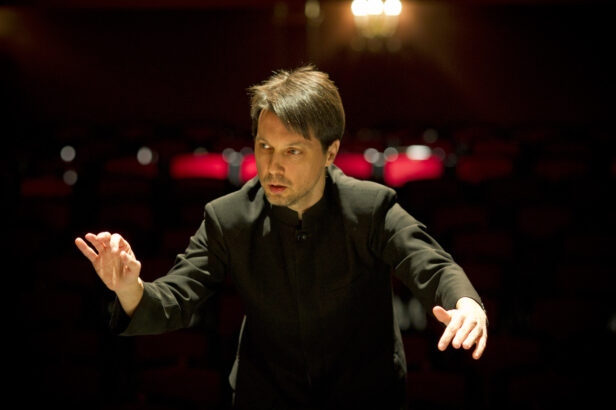
Roberto Forés Veses
Sibelius’ ‘Symphony no. 5’, was begun in 1914 and completed in 1919 after several revisions. It was composed during the turmoil of World War I and Finland’s fight for independence and captures the country’s sense of national pride and resistance.
It was well played by the Toulouse orchestra, technically exact, but was not as rousing as some performances I have seen; in fact, it didn’t really soar until towards the end of the ‘swan theme’ in the third movement. However, the brass and woodwind sections were particularly impressive, and a special mention goes to the lone percussionist who coped with four timpani throughout the performance.
Outi Tarkiainen: ‘Mosaïcs’; Gustav Mahler: ‘Kindertotenlieder’; Jean Sibelius: Symphony no. 5 in E♭ major, Op. 82.
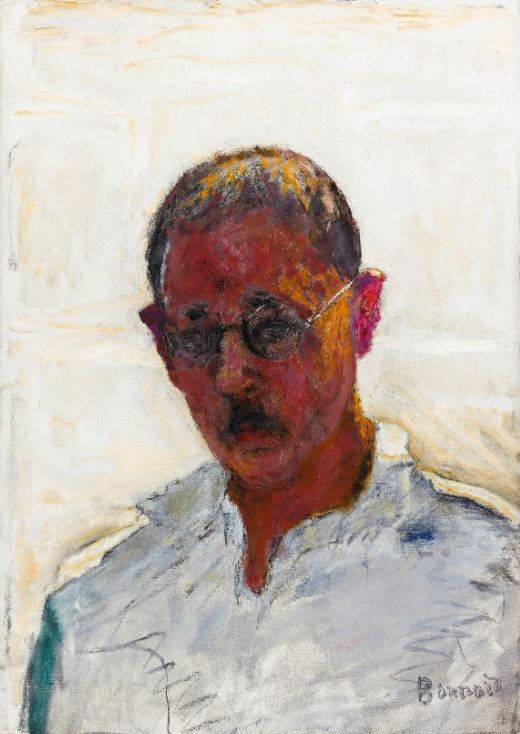
Fondation Bemberg in Toulouse has one of the world’s largest collections of works by French artist Pierre Bonnard (1867 – 1947).
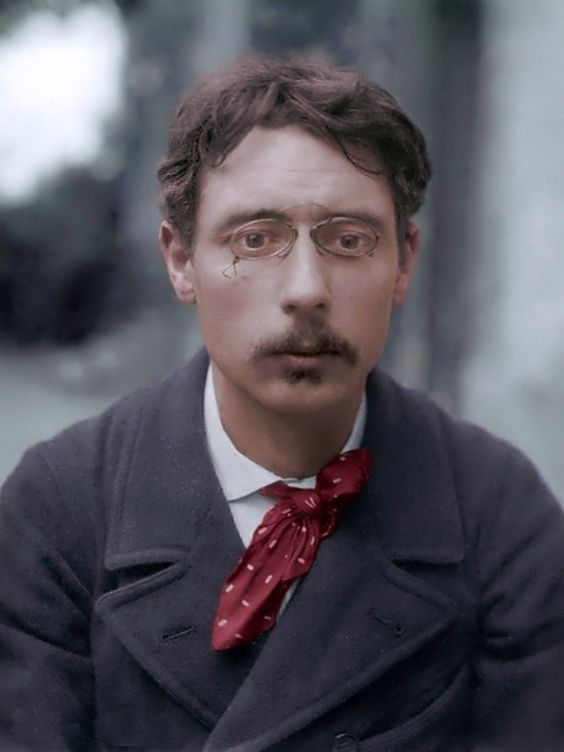
Pierre Bonnard
Pierre Bonnard was born in Fontenay-aux-Roses, Hauts-de-Seine, in 1867, the son of a senior official in the French Ministry of War. Although he showed an early talent for art, to satisfy his father he studied law and and began practicing as a lawyer in 1888. However, whilst studying he also attended art classes at the Académie Julian in Paris, where he met fellow artists Paul Sérusier, Maurice Denis, Paul Ranson and Gabriel Ibels. In 1888, Bonnard was accepted by the Ecole des Beaux Arts and there he met Edouard Vuillard and Ker Xavier Roussel. From 1893 Bonnard lived with Marthe de Mèligny who had been his model. They married in 1925 and remained together until her death in 1942.
In 1888, Bonnard joined with his friends from the Académie Julian to form Les Nabis. Although as artists they had very different styles they did have common artistic ambitions. In October 1888 Paul Sérusier travelled to Pont-Aven in Brittany where he met Paul Gauguin. Under Gauguin’s guidance he painted ‘The Bois d’Amour at Pont Aven’, known as ‘The Talisman’, using patches of pure colour. On his return to Paris, Sérusier showed the painting to his Nabis colleagues, including Bonnard, and this was to influence their future styles.
In 1891, Bonnard met Toulouse-Lautrec and in December of that year he showed his work at the annual exhibition of the Société des Artistes Indépendants. He also continued to display his work with other members of Les Nabis.
In 1893, he saw a major exposition of Japanese graphic art at the Durand-Ruel Gallery, and the Japanese influence began to appear in his work. Because of his passion for Japanese art, his nickname among the Nabis became ‘Le Nabi le trés japonard”. However, In 1894, he turned in a new direction and made a series of paintings of scenes of the life of Paris.
Into the twentieth century, Bonnard continued to refine his painting style and also diversified into illustrations for books and literary magazines such as ‘La Revue blanche’, as well as decorative panels. The outbreak of World War II forced Bonnard to leave Paris for the south of France, where he remained until the end of the war. In 1947 he finished his last painting, ‘The Almond Tree in Blossom’, a week before his death in his cottage on La Route de Serra Capeou, near Le Cannet, on the French Riviera.
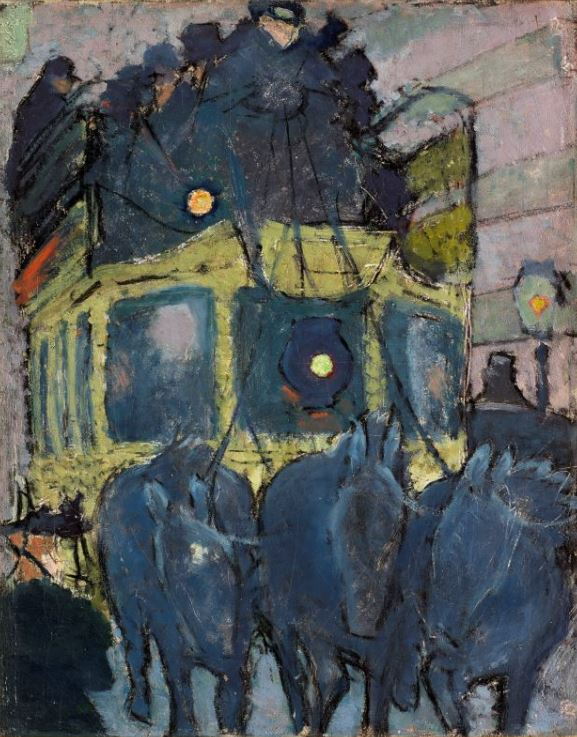
Pierre Bonnard ‘L’omnibus Panthéon-Courcelles’ (c.1890)
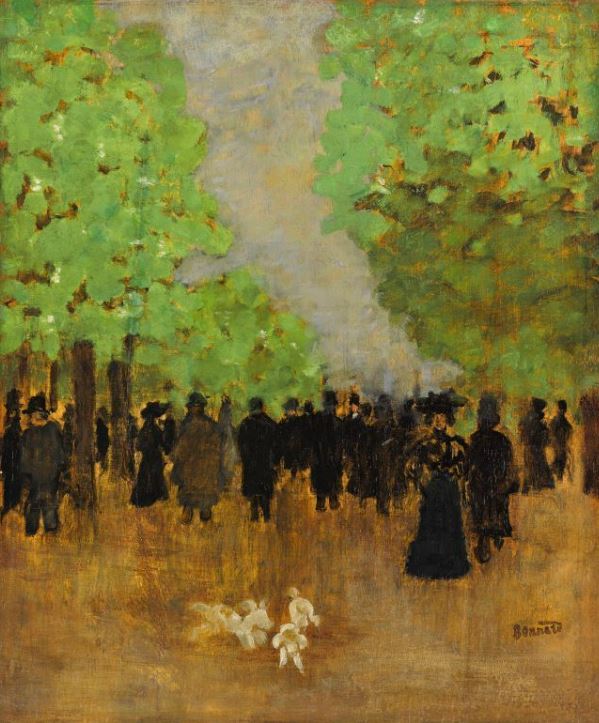
Pierre Bonnard ‘Tuileries (Scène de rue)’ (1894)
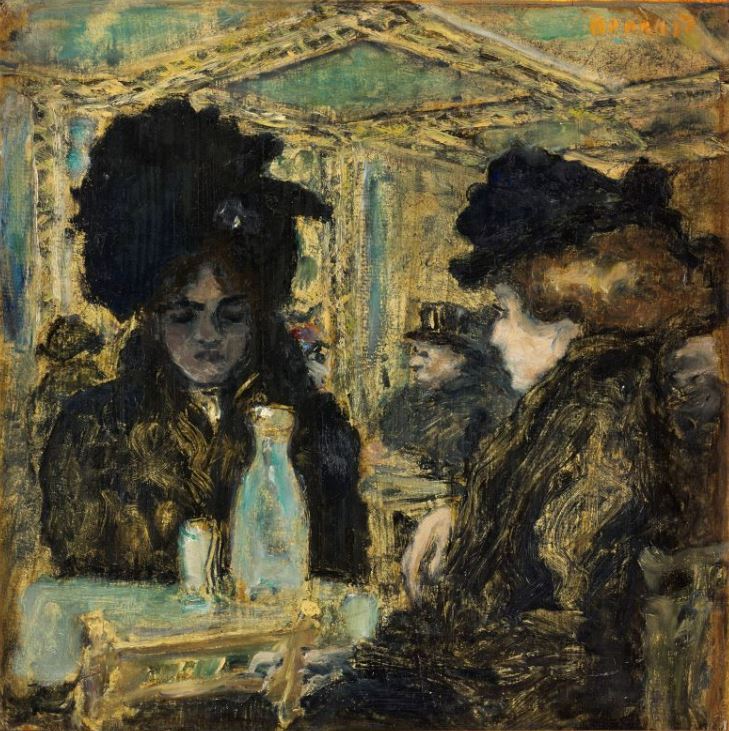
Pierre Bonnard ‘Au café’ (c.1900)
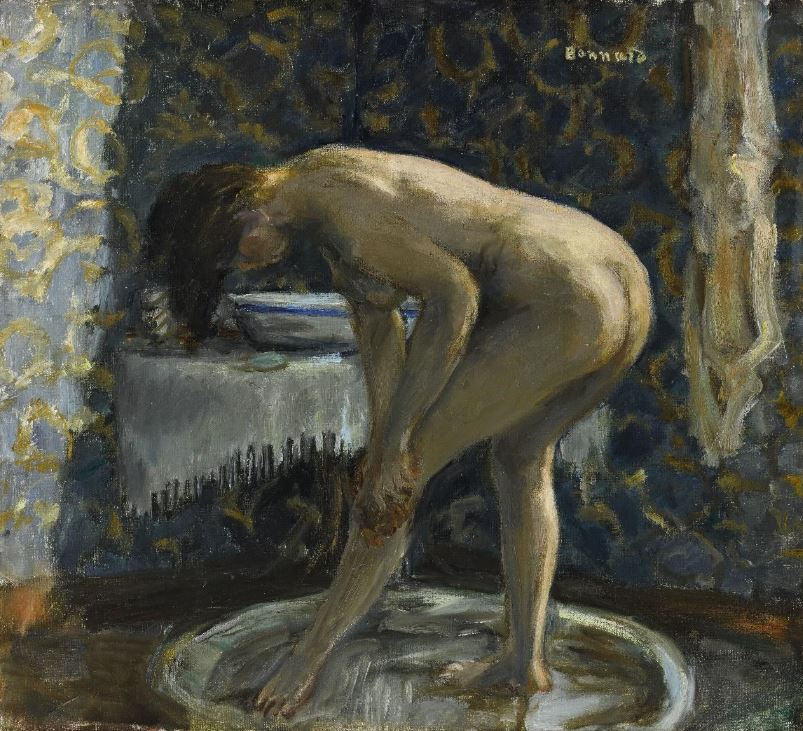
Pierre Bonnard ‘Nu au tub’ (1903)
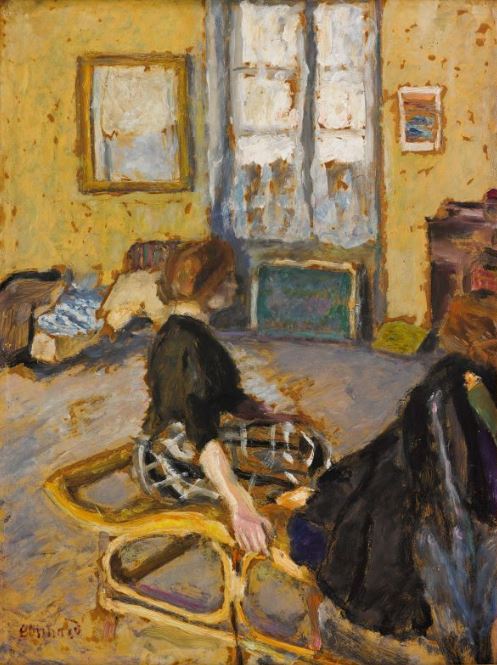
Pierre Bonnard ‘Interior’ (c.1905)
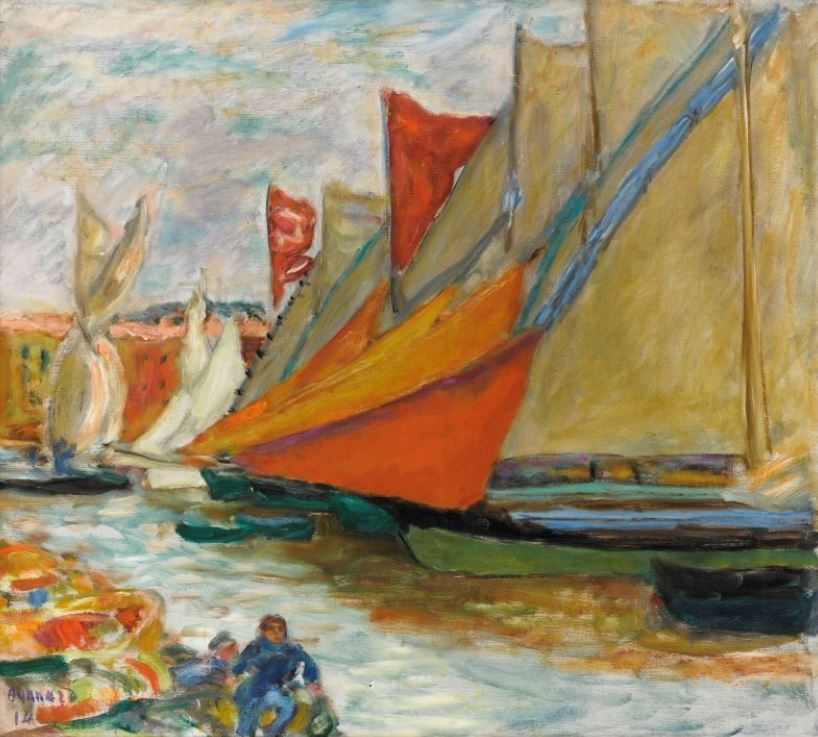
Pierre Bonnard ‘Voiles au sec ou Les voiliers à Cannes’ (1914)
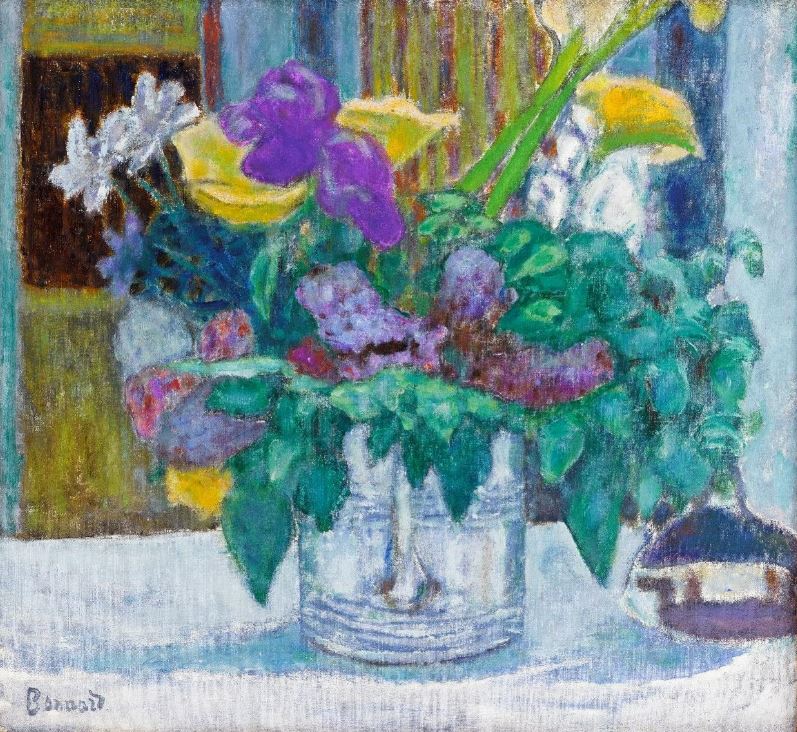
Pierre Bonnard ‘Iris et lilas’ (1920)
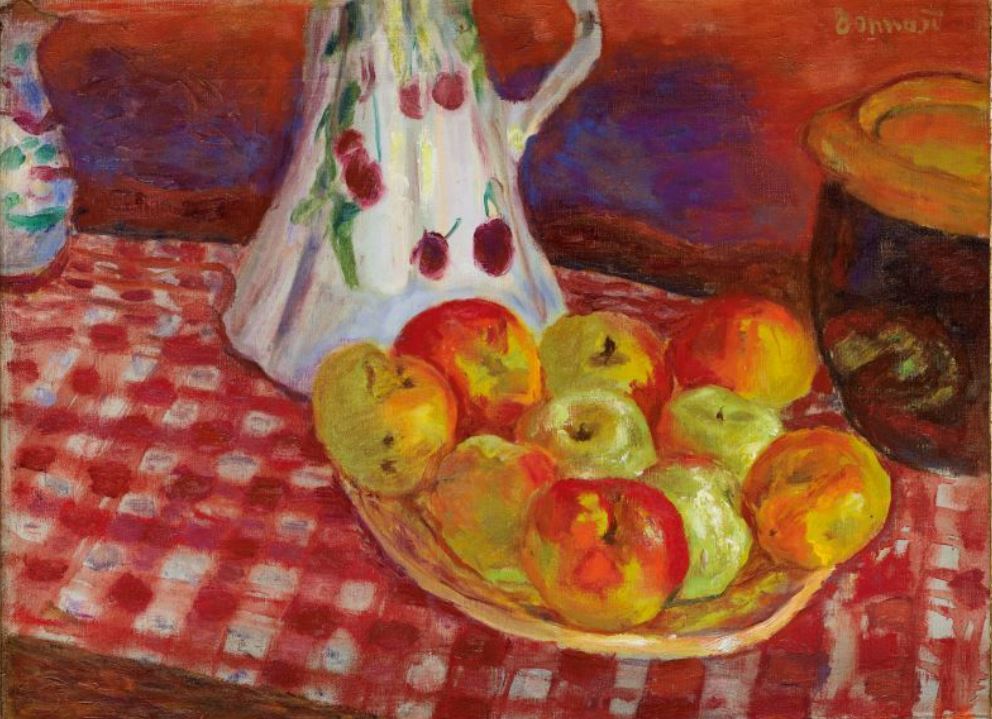
Pierre Bonnard ‘Les pommes jaunes et rouges’ (1920)
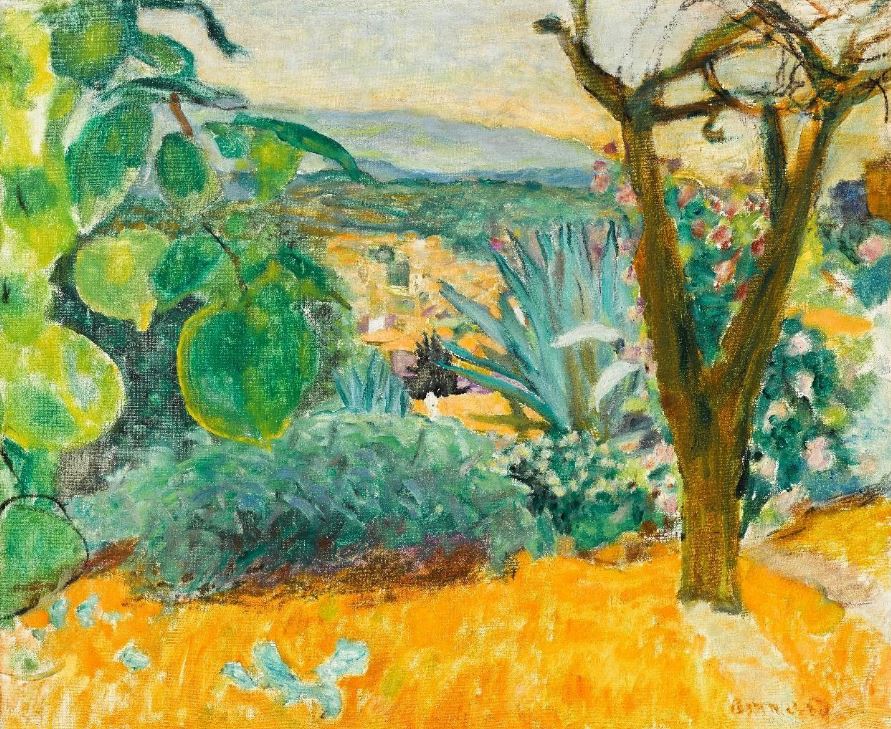
Pierre Bonnard ‘Le Cannet’ (1930)
Pierre Bonnard ‘Autoportrait sur fond blanc, chemise col ouvert’ (c.1933)
This was my first visit to Fondation Bemberg since 2016, following its recent major renovation during a three-year closure. The paintings have been rehung in chronological order making it a fascinating journey through the history of art from the Renaissance to the twentieth century.
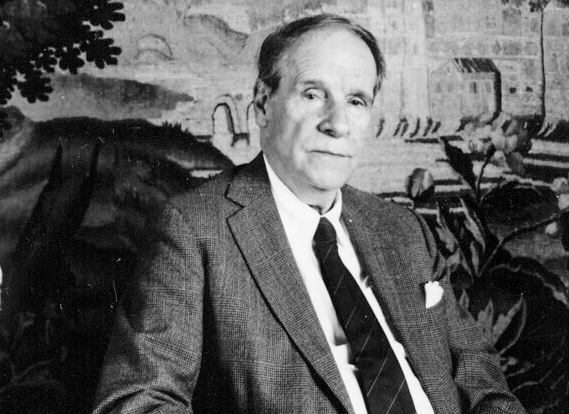
The Bembergs were a prominent Lutheran family from Cologne. Around 1850 they left to settle in Argentina, where they founded an industrial empire. Georges Bemberg was born on 30 September 1915 in Buenos Aires and he spent his childhood between Argentina and Paris. After studying at Harvard University he became a student of the French pianist and composer Nadia Boulanger and considered a career as a composer, but eventually turned to writing. He published several novels and plays between 1943 and 2003.
Georges Bemberg
Encouraged by his uncles, he began to collect paintings and at only twenty he made his first acquisition in New York, a gouache by Pissarro. This was the beginning of a collection that would grow over the years. He was particularly interested in Venetian art and the Post-Impressionists, especially Pierre Bonnard. Over the years he amassed an enormous collection and In 1994 he lent over 1,100 works to the municipality of Toulouse for 99 years in order to make them accessible to the public.
Although the Fondation Bemberg holds frequent temporary exhibitions, it is Georges Bemberg’s permanent collection that fills the galleries and makes the Fondation such an important contribution to the study of art history.
A selection:
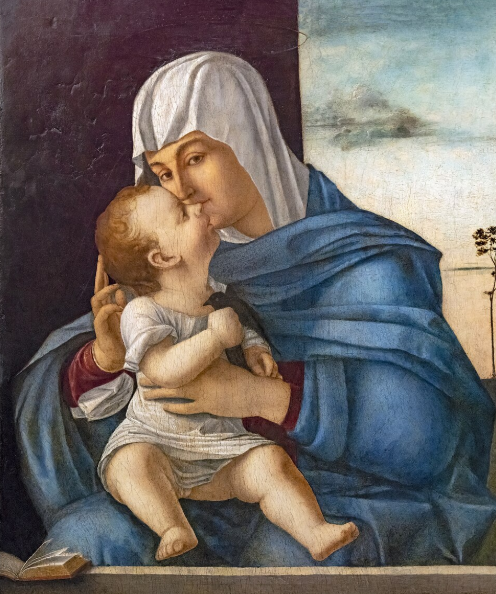
Vittore Carpaccio ‘Vierge à l’Enfant’ (c.1485 – 90)
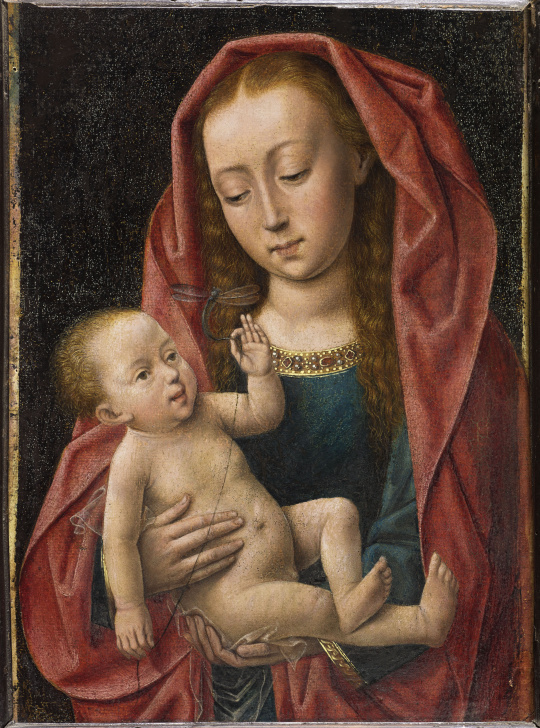
Rogier van der Weyden ‘ Vierge à l’Enfant’ (15th century)
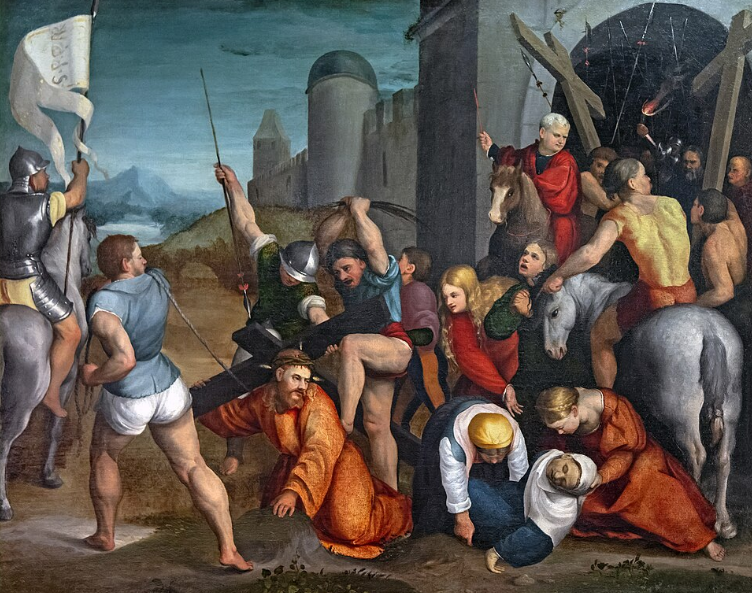
Jacopo Bassano ‘The Ascent to Calvary’ (c.1535 – 38)
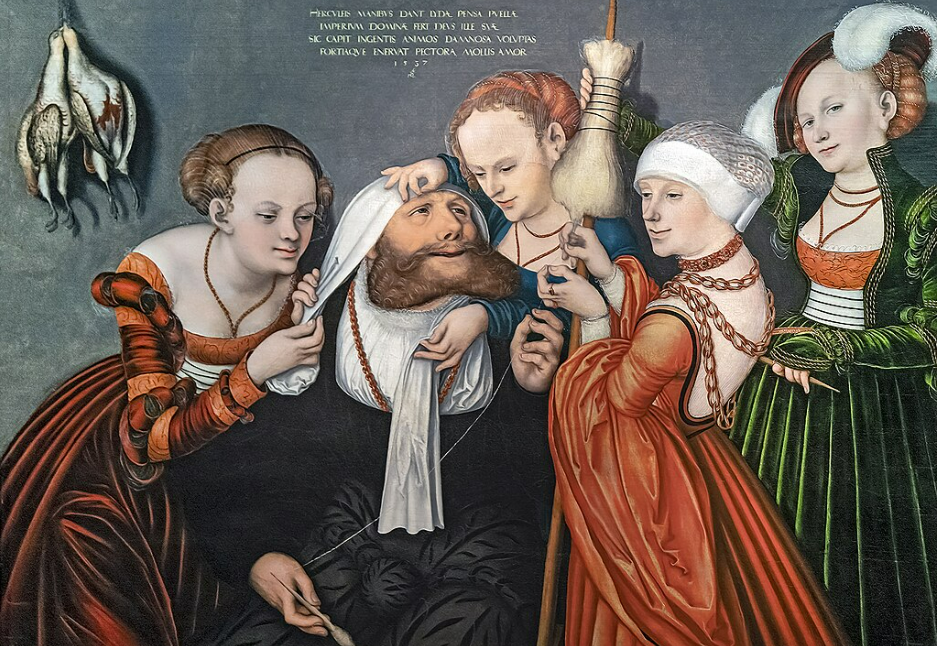
Lucas Cranach the Elder ‘Hercule à la cour d’Omphale’ (1537)
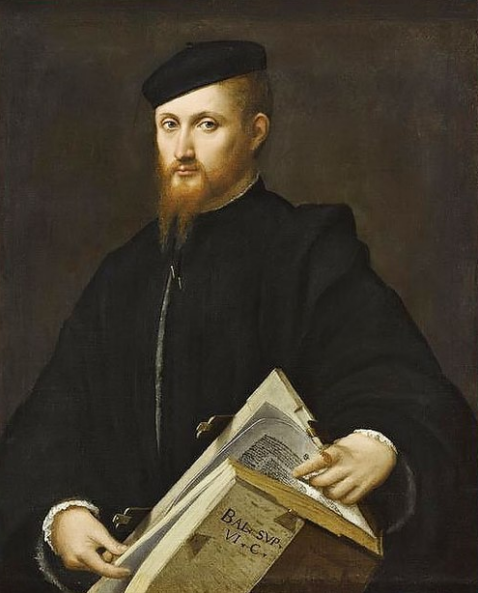
Lorenzo Lotto ‘ Portrait d’homme au livre’ (1541)
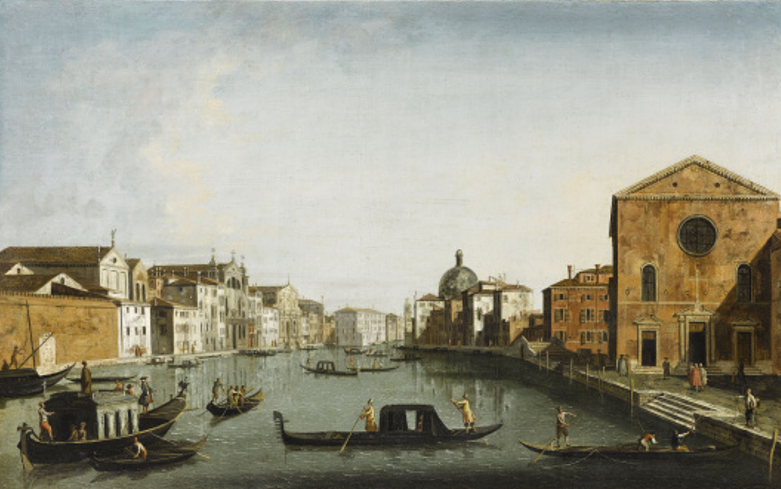
Canaletto ‘Le Grand Canal entre les églises Santa Croce et San Geremia’ (18th century)
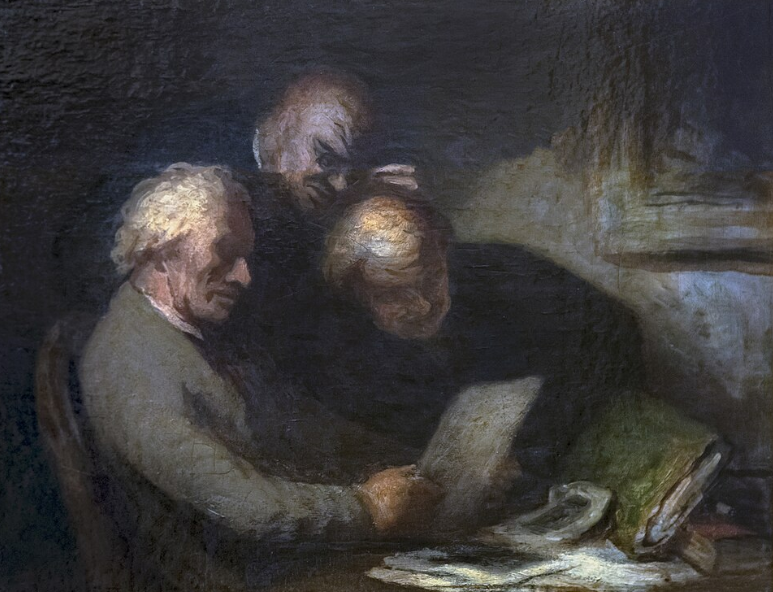
Honoré Daumier ‘L’amateur d’estampes’ (1860 – 65)
Mary Cassatt ‘Portrait de jeune femme au chapeau blanc’ (1879)
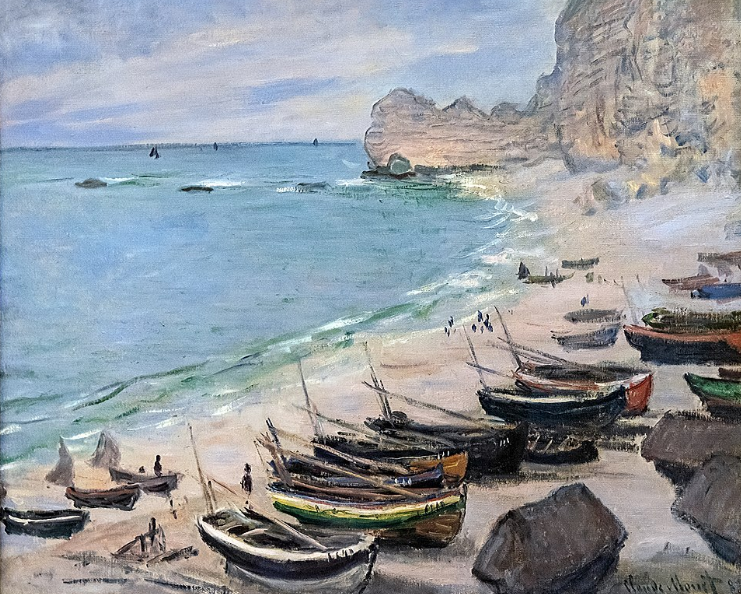
Claude Monet ‘ Bateaux sur la plage à Etretat’ (1883)