Musée Bonnat-Helleu, Bayonne

The Musée Bonnat-Helleu in Bayonne has been described by renowned art historian Pierre Rosenberg as housing “the most beautiful collection between Paris and Madrid”. Known as the ‘Little Louvre’, it reopened at the end of 2025 after a fourteen-year expansion and renovation costing €35 million.

Founded in 1891, the museum was named after the two painters, Léon Bonnat and Paul César Helleu, whose bequests of their works and collections between 1922 and 2011 laid the foundation for the museum, which is now home to around 7,000 works, spanning from Antiquity to the twentieth century. The museum’s graphic arts collection is one of the best in the world with more than 3,500 works on paper by artists including Leonardo da Vinci, Michelangelo, Ingres, Albrecht Dürer, Rembrandt and Paolo Veronese.
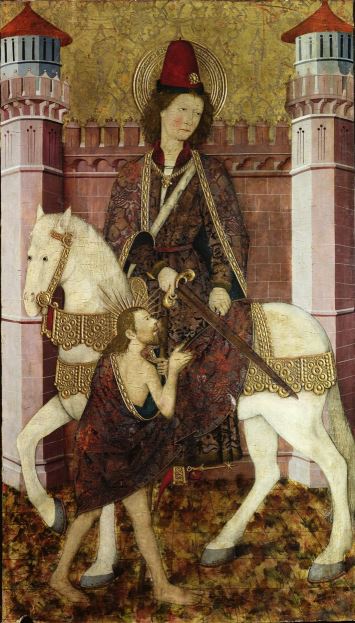
Maître de Bonnat ‘Saint Martin’ (c.1475)
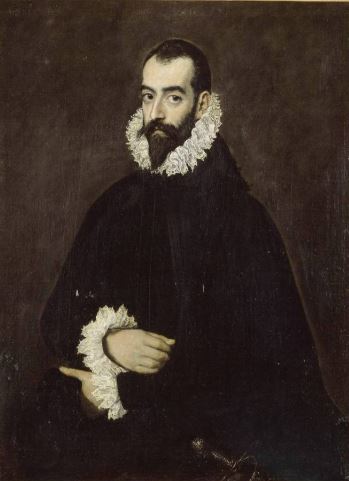
El Greco ‘Presumed Portrait of the Duke of Benavente’ (1597 – 1603)
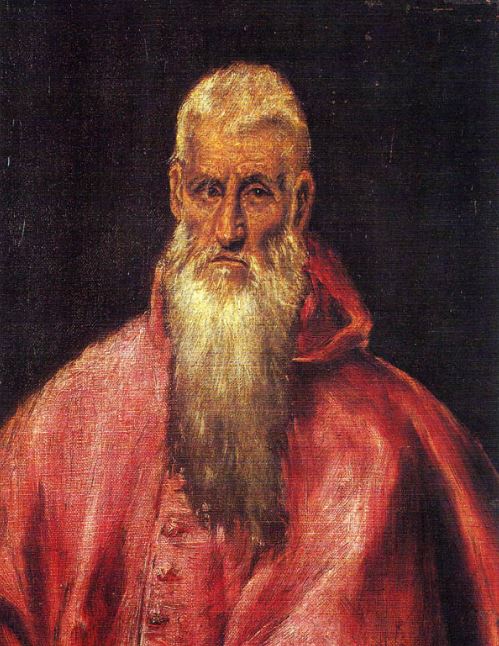
El Greco ‘Saint Jerome’ (c.1590 – 1610)
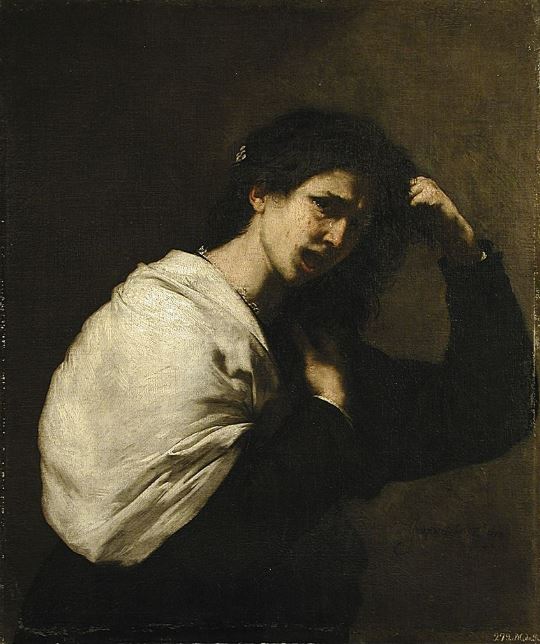
José de Ribera ‘Desperate Woman’ (1638)
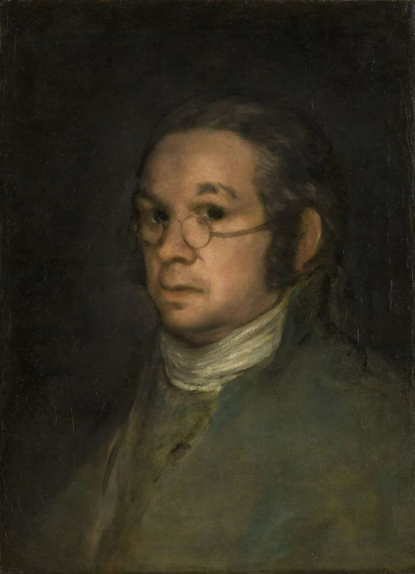
Francisco de Goya ‘Self-Portrait with Spectacles’ (c.1800)
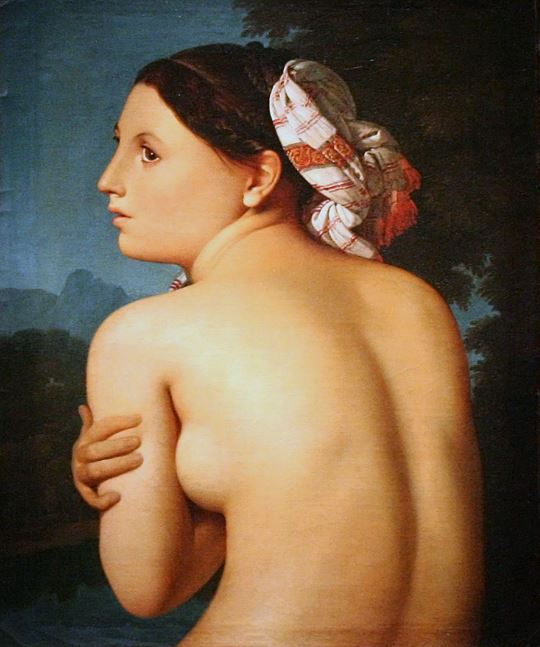
Jean-Auguste-Dominique Ingres ‘ The Bather’ (1807)
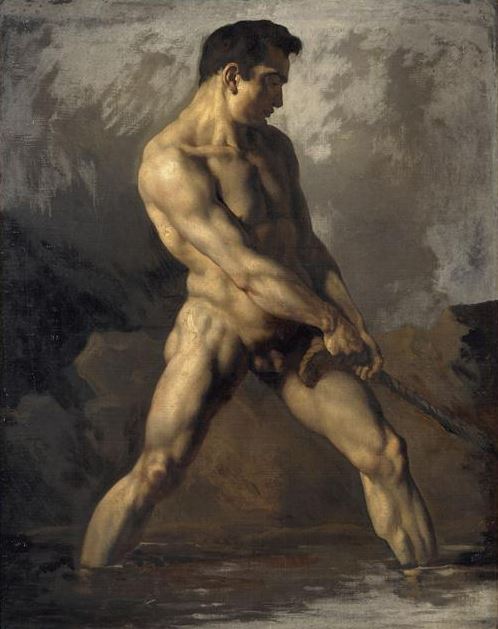
Théodore Géricault ‘Study of a Male Nude’ (1812 – 17)
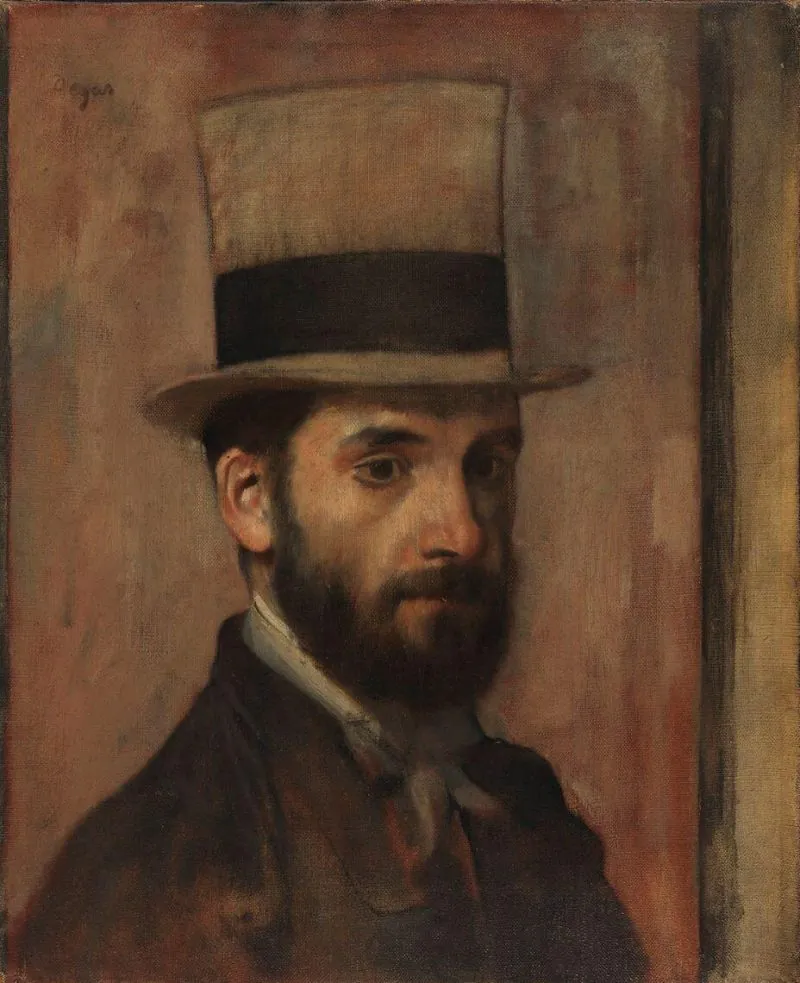
Edgar Degas ‘Portrait of Léon Bonnat’ (c.1863)
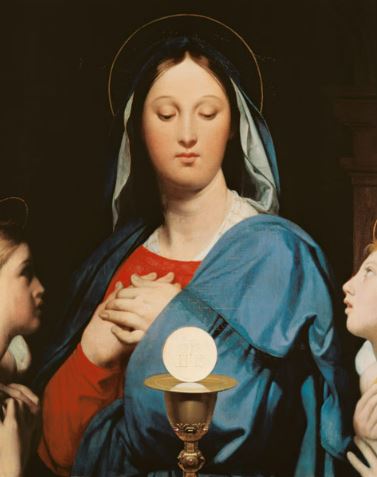
Jean-Auguste-Dominique Ingres ‘The Virgin of the Host’ (1866)
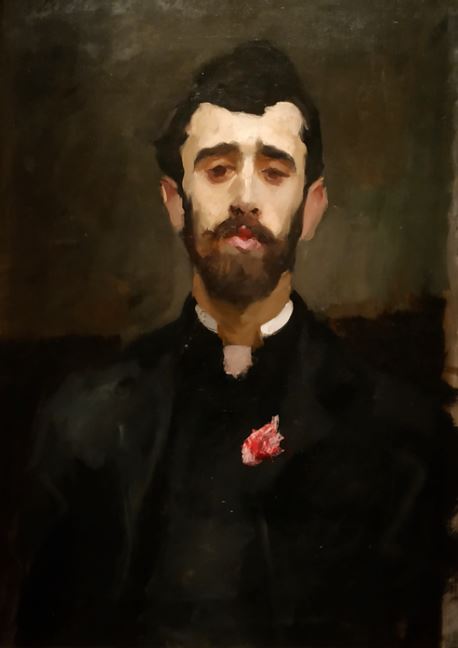
John Singer Sargent ‘Portrait of Paul Helleu’ (c.1880)
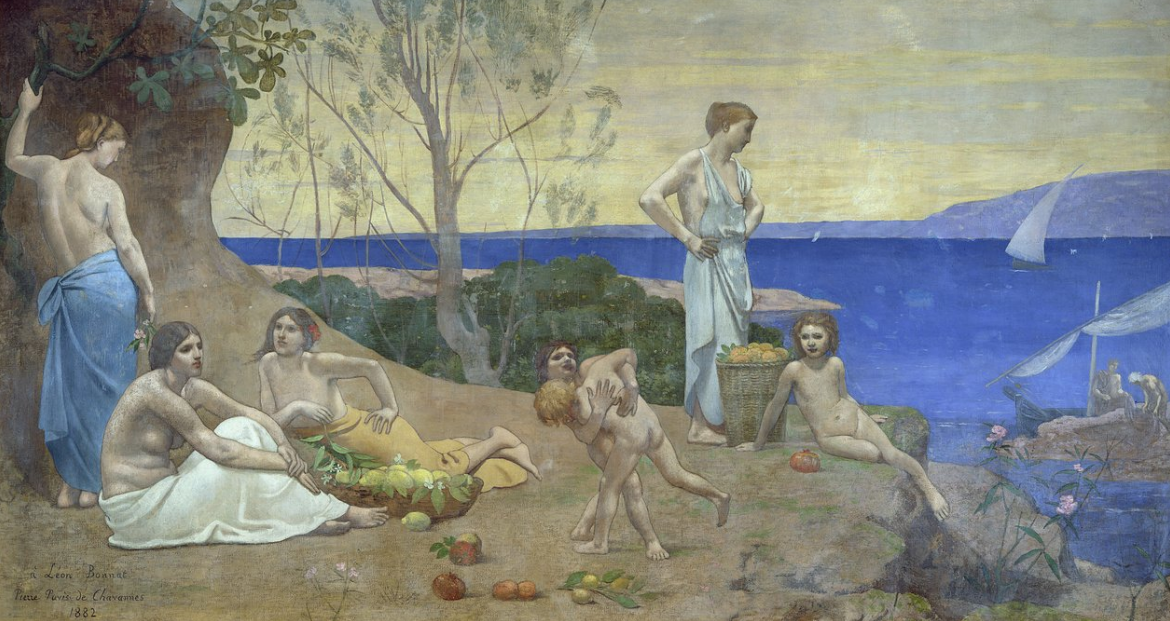
Pierre Puvis de Chavannes ‘Sweet Country’ (1882)
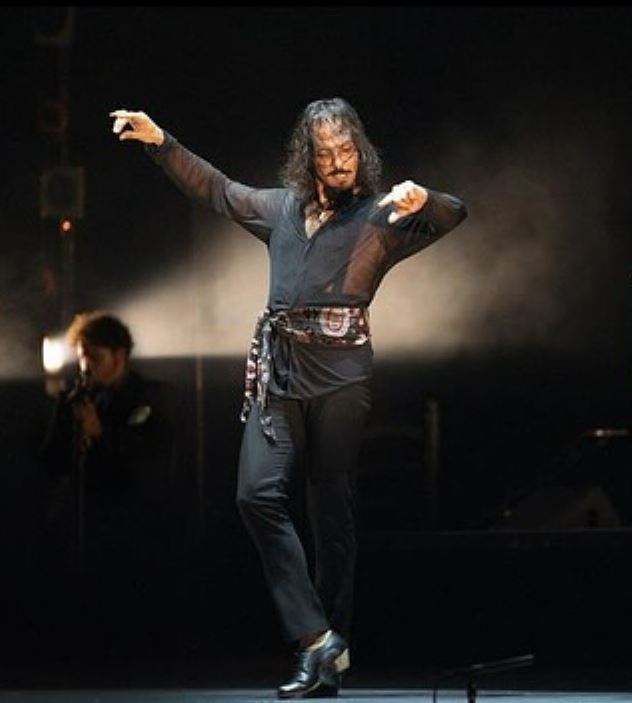
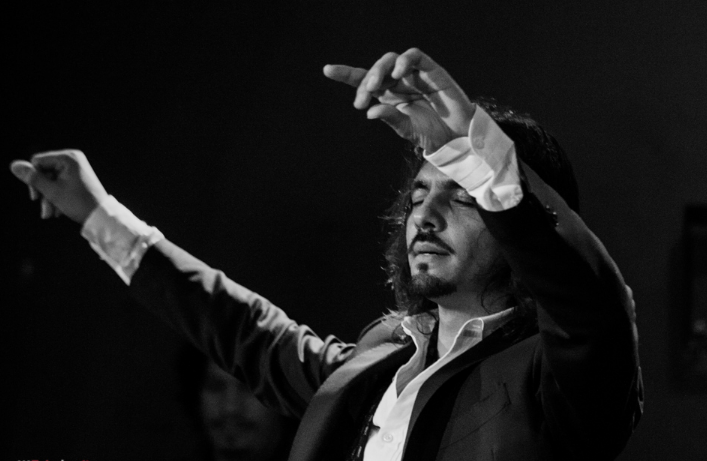
Farruquito – Master of Flamenco

Juan Manuel Fernández Montoya, known throughout the world of flamenco as Farruquito, has been described by the New York Times as “the best flamenco dancer of this century.” He was born in Seville in 1982 and began dancing at the age of five, when he shared the stage with his grandfather, El Farruco, who was known as the greatest gypsy dancer of the twentieth century. Farruquito has graced stages throughout the world, in Europe and Asia, the United States and Latin America.

Farruquito

Tonight he performed at the Salle Lauga in Bayonne, where he was supported by Manuel Valencia on guitar, Paco Véga on percussion and singers Maria Vizarraga, Ismaël de la Rosa and Pepe de Pura.

It was an extraordinary performance. Farruquito’s dancing is a whirlwind of passion and emotion but with great rhythmic precision. However, the success of the show was the amazing interaction between dance, cante, guitar and percussion. All three singers were impressive but Maria Vizarraga’s incredibly powerful vocals almost stole the show, whilst Manuel Valencia’s guitar solos were outstanding. It was a wonderfully entertaining evening that ended with a deserved standing ovation.

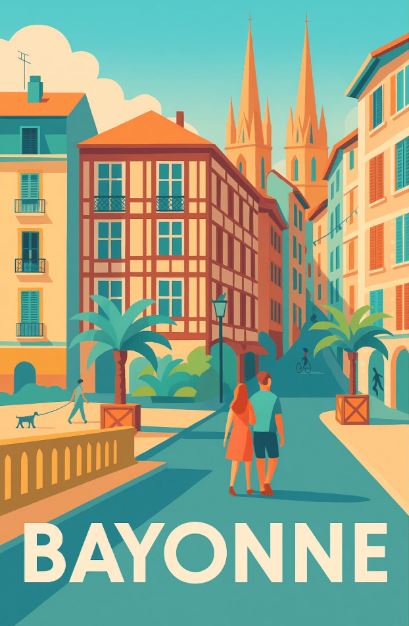
Bayonne

Exploring Bayonne in the Basque region of southern France, near the Spanish border. The city, located at the confluence of the Nive and Adour rivers, has had a turbulent history. It came under English control in 1152 through the marriage of Eleanor of Aquitaine and in 1177 was under the authority of Richard the Lionheart.

After the end of the Hundred Years’ War, the city was taken by the Crown of France; however, the loss of trade with the English weakened its economy, the river gradually filled with silt and it became impassable to ships.Things began to improve after the arrival of Sephardic Jews fleeing from Spain who brought expertise in chocolate making to the city, a trade that continues today. By the seventeenth century the region was flourishing again.

In 1814, Bayonne and the surrounding area saw fighting between Napoleonic troops and the Spanish-Anglo-Portuguese coalition led by the Duke of Wellington and the city was under siege from 27 February to 5 May. The siege ended with the city’s surrender after the abdication of Napoleon I.

During World War II, Bayonne was occupied by German forces from 1940 to 1944. In 1942 the Allies attempted to land in Bayonne but the operation proved difficult and was cancelled. However, on 21 August 1944, after blowing up twenty ships in the port, German troops withdrew.

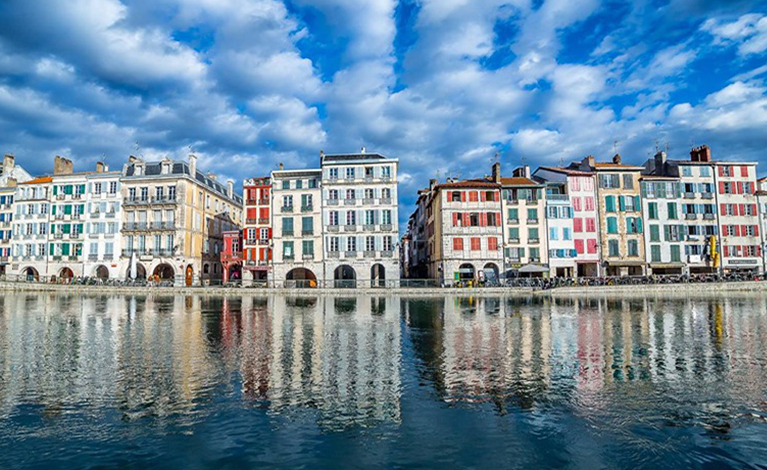
Quai Galuperie, Bayonne

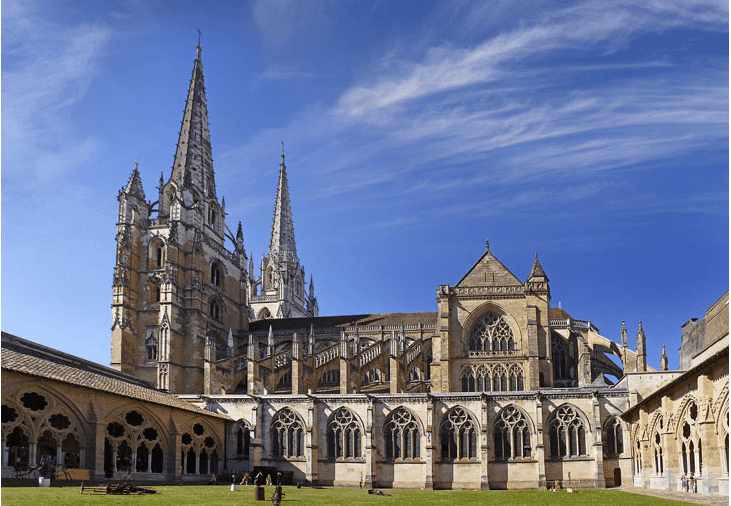
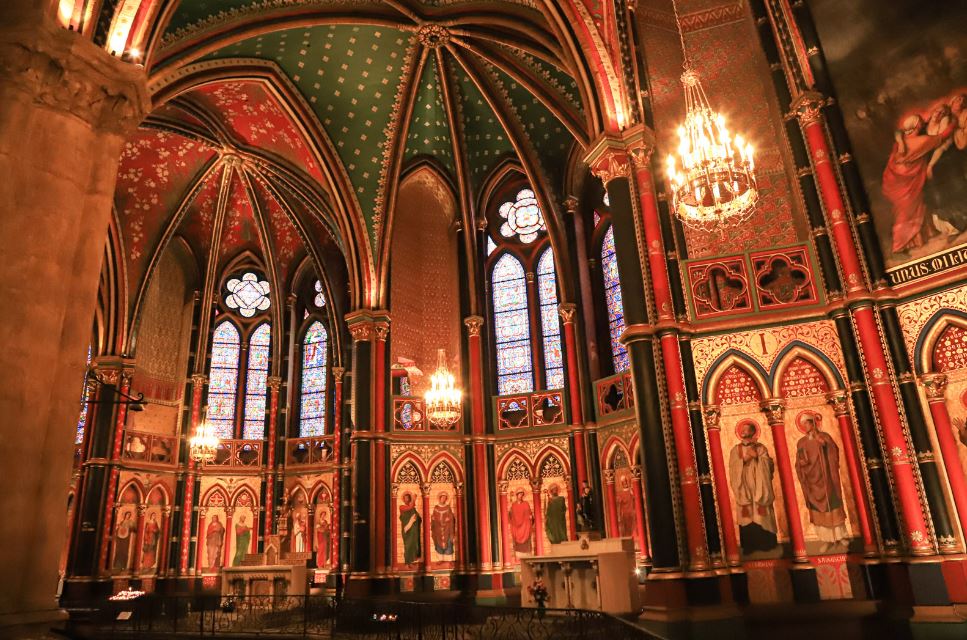
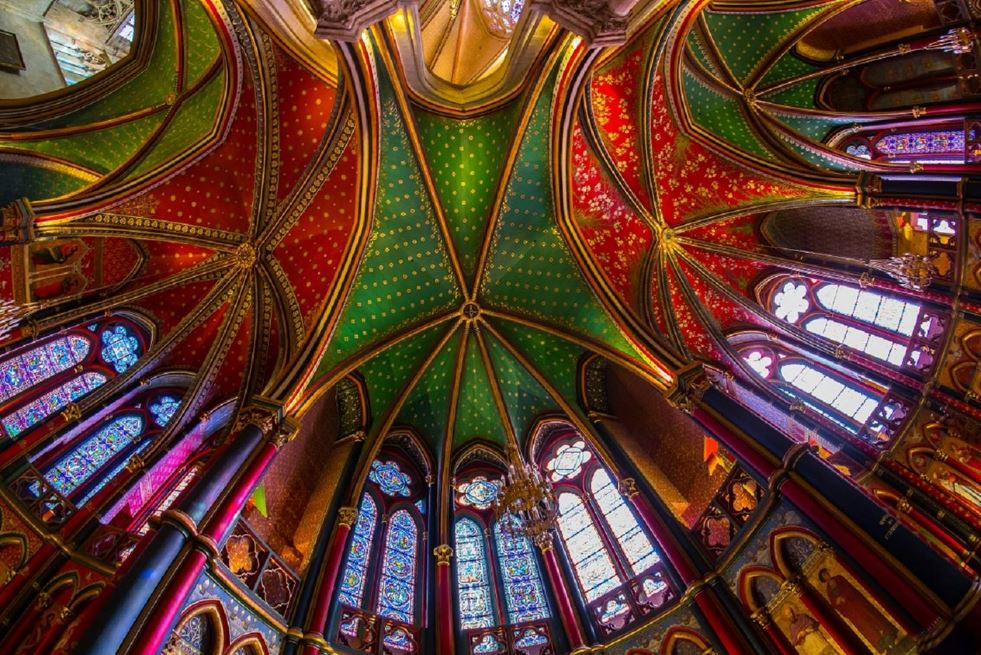
Bayonne Cathedral, which blends Gothic and Neo-Gothic styles, is a UNESCO World Heritage site. The site was previously occupied by a Romanesque cathedral which was destroyed by fire in 1258. Construction of the present cathedral began later in the thirteenth century, most of it being finished by the beginning of the seventeenth, except for the two spires which were not completed until the nineteenth century.

The cathedral contains the relics of Saint Leo of Bayonne, a ninth-century Bishop of Bayonne

Cathédrale Sainte-Marie de Bayonne

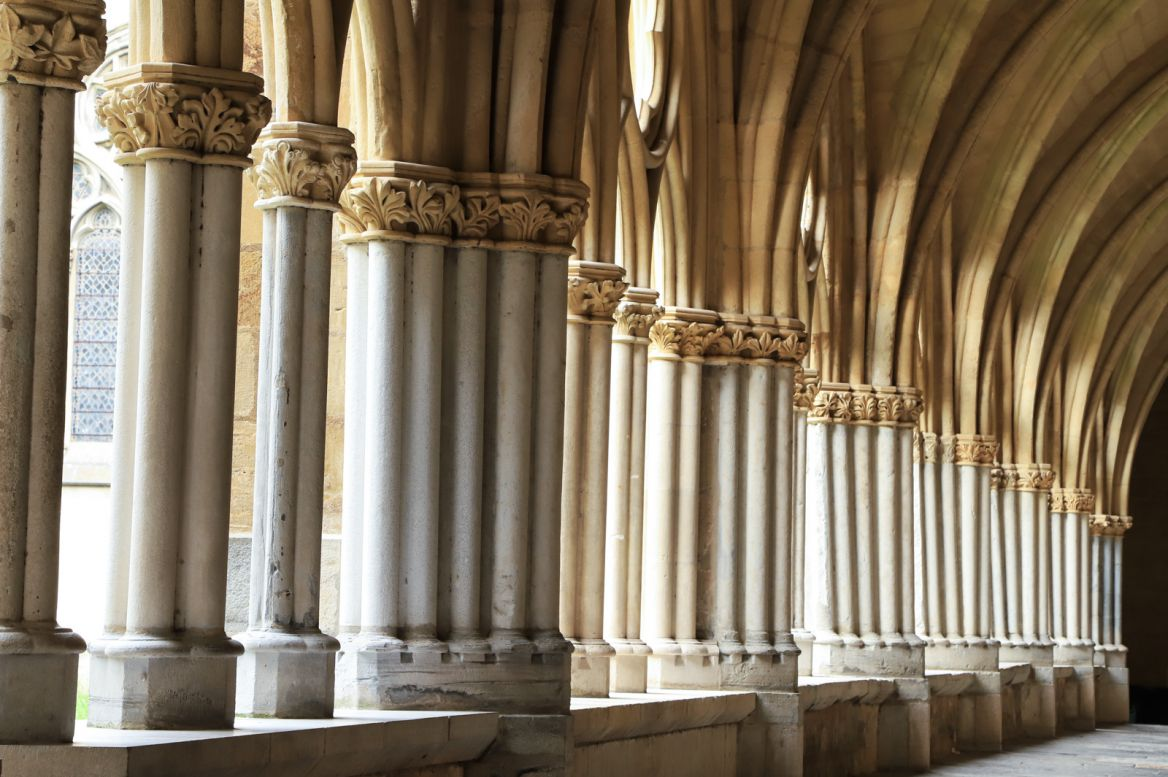
The cloisters of the Cathedral, built between 1213 and 1240

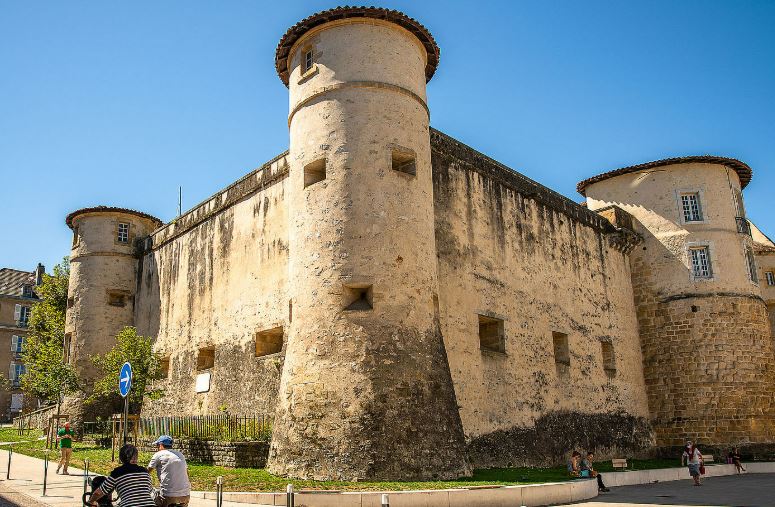
Château-Vieux in Bayonne was built from the end of the eleventh century by the Viscounts of Labourd, on the site of a Roman castrum which housed the garrison and administration of the Lapurdum region. It has seen much rebuilding over the centuries, with the central tower being destroyed and a fortified forecourt added. In 1808, Napoleon ordered its demolition, although this was never carried out.

Château-Vieux, Bayonne

Prehistory in the Vézère Valley

The Vézère valley, in the Dordogne department of south-west France, has evidence of continuous human occupation for 450,000 years. It contains 147 prehistoric locations dating from the Palaeolithic Age, including 25 caves with wall paintings. Whilst the most famous is Lascaux, there are numerous other sites of importance, fourteen of which are designated as UNESCO World Heritage Sites.

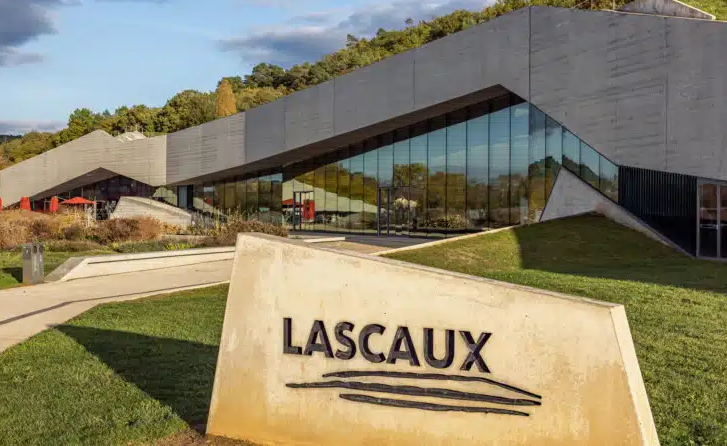
Lascaux IV

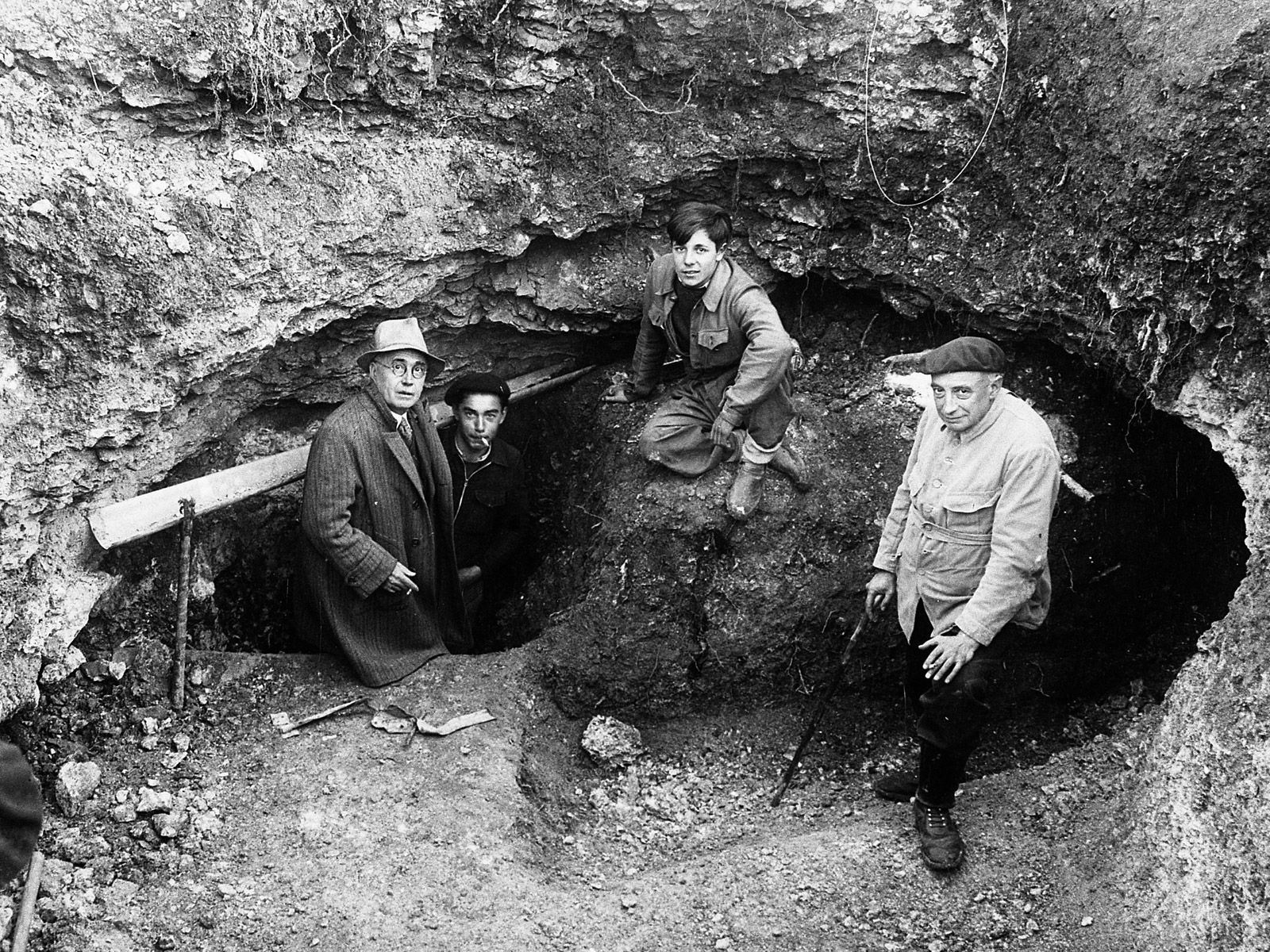
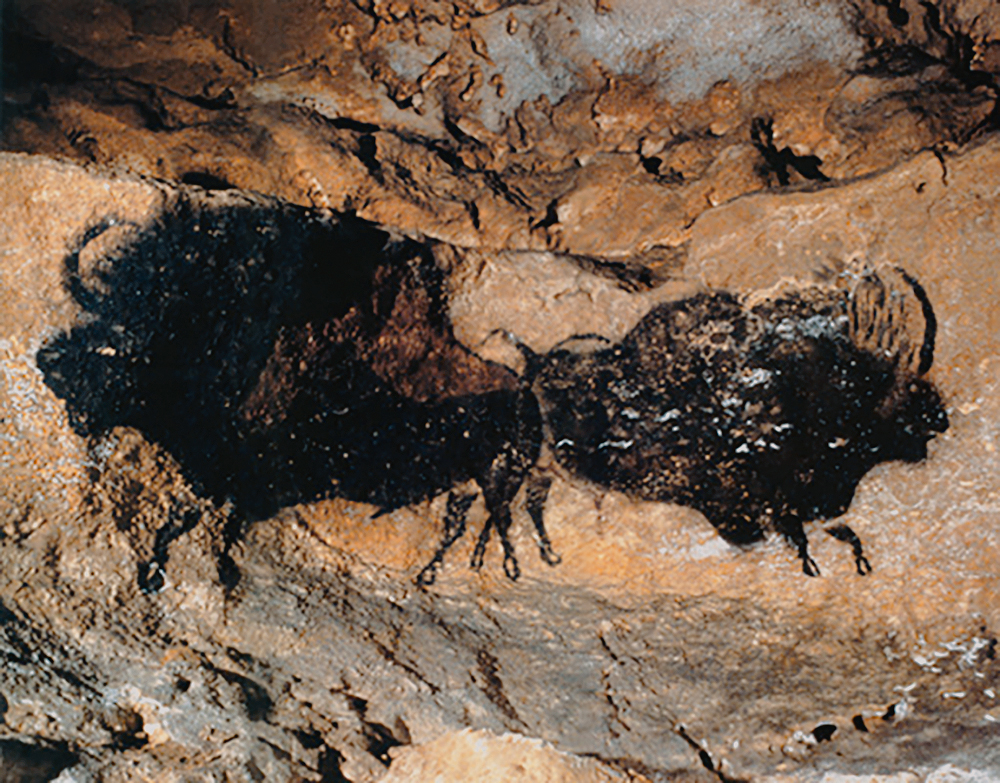
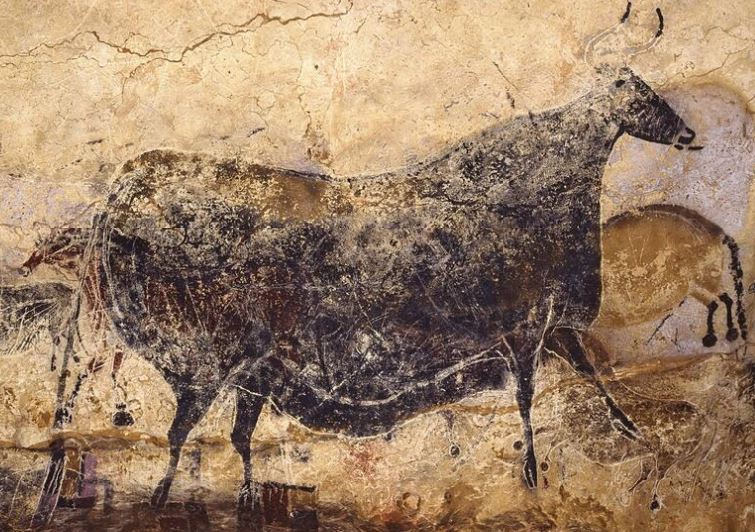
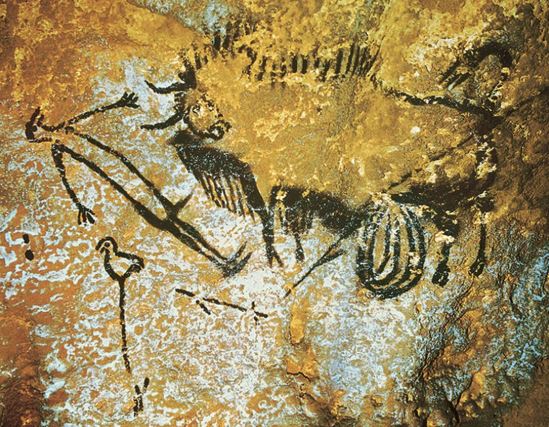
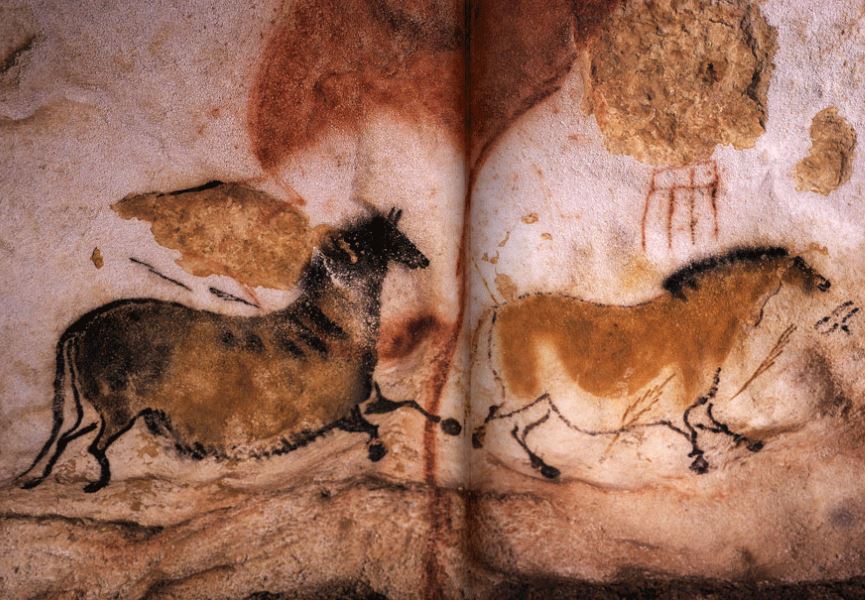
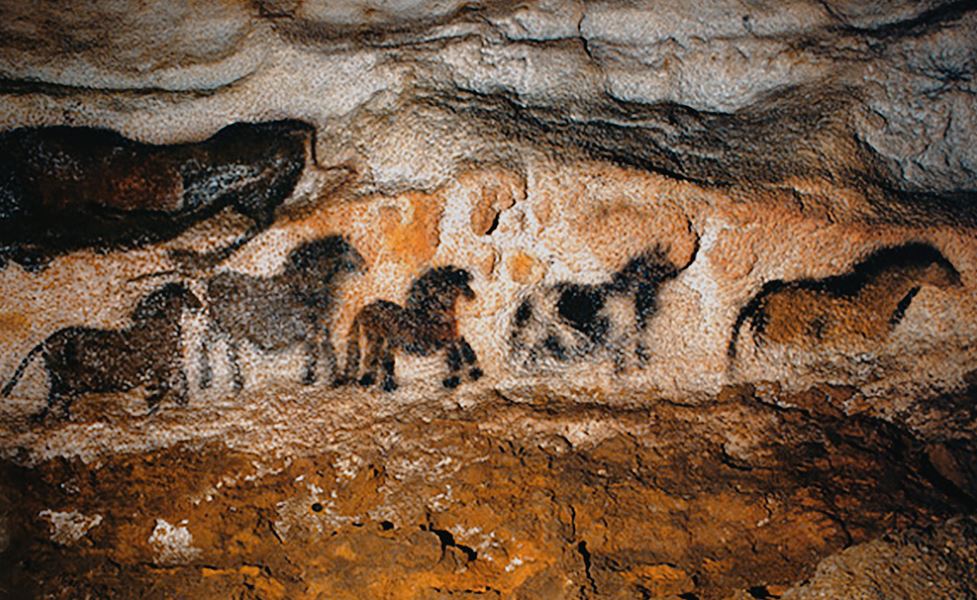
Lascaux, discovered by four teenagers looking for their dog in September 1940, is a complex cave system with several galleries. The original caves were closed to the public in 1963 and seventeen years were then spent building a replica known as Lascaux II. In 2017 I visited Lascaux II, which depicts part of the original structure, but Lascaux IV is a replica of the whole cave system in a modern complex which uses technology to explain the paintings and their history, with augmented reality and interactive projections.

Entrance to the cave, 1940

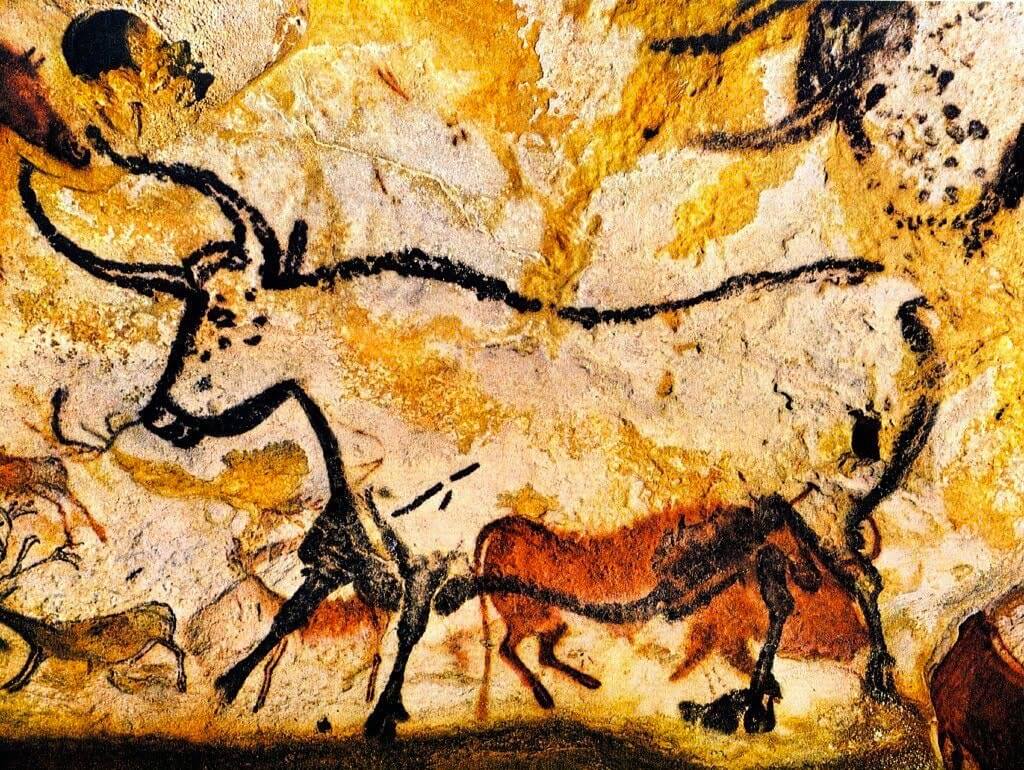
Giant bull, Hall of the Bulls, Lascaux

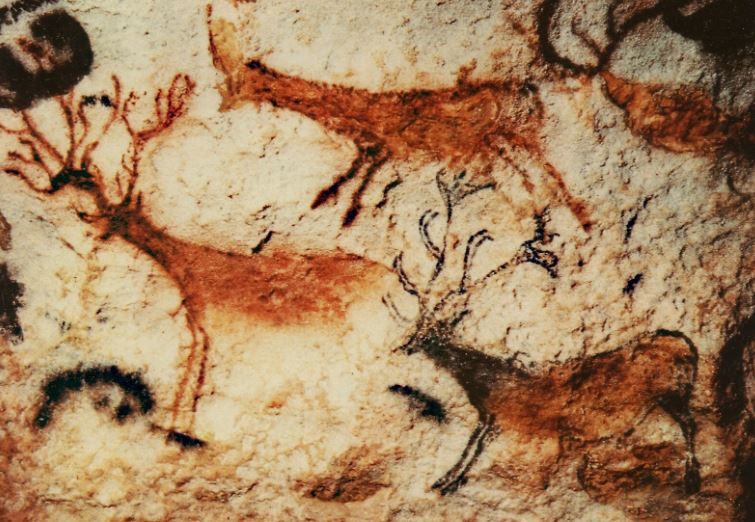
Frieze of the small stags, Hall of the Bulls, Lascaux

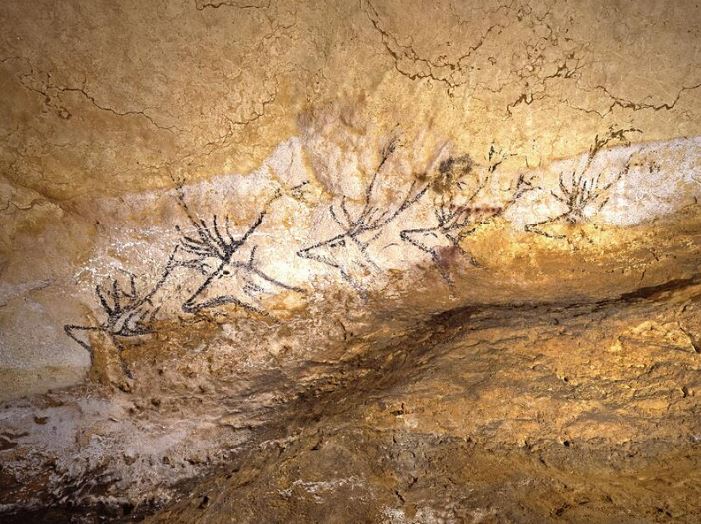
Swimming stags, The Nave, Lascaux

Crossed Bison, The Nave, Lascaux (showing some evidence of perspective)

Black Aurochs, The Nave, Lascaux

Man (with bird head?), bird and (disembowelled?) bison, The Shaft, Lascaux

Second and Third Chinese Horses, Axial Gallery, Lascaux

Frieze of five small horses, entrance to the Axial Gallery, Lascaux

Les Eyzies

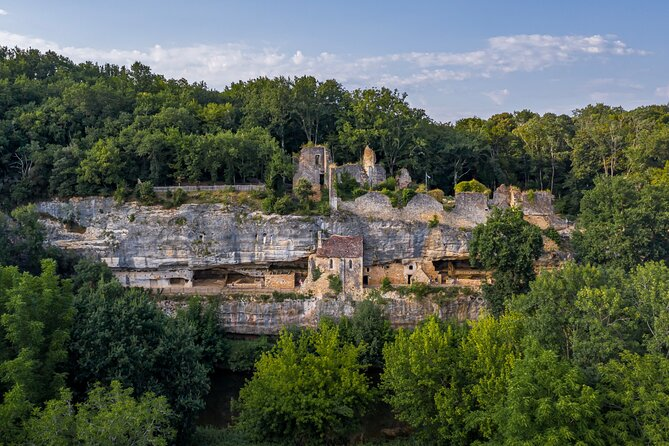
Les Eyzies, about twenty kilometres south of Lascaux. is the location of several prehistoric sites including the troglodyte dwellings of la Madeleine and the caves of Font-de-Gaume, which were discovered in 1901. It is also the site of the Musée national de Préhistoire.

Troglodyte village de la Madeleine

Musée national de Préhistoire

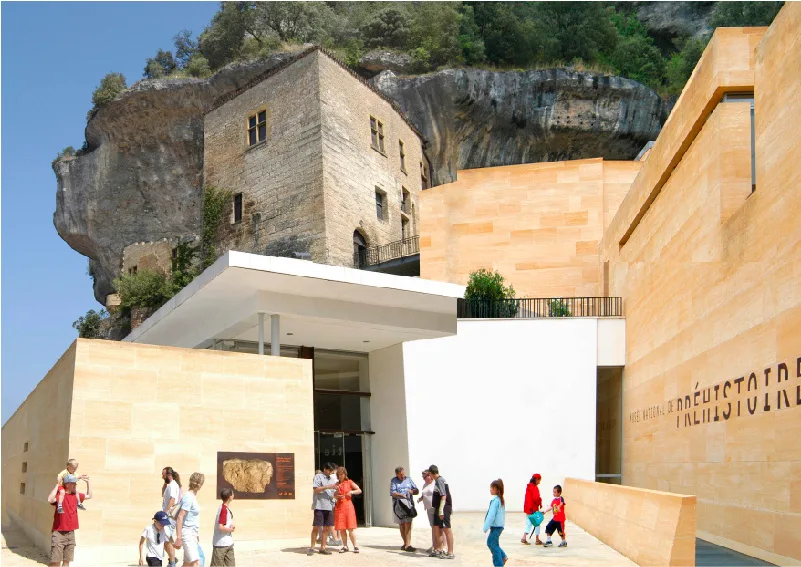
The Musée national de Préhistoire was founded in 1918 and from 1923 was housed in the Château de Tayac. In 2004 a new museum extension was built into the cliff of Les Eyzies. The museum preserves an incredible six million objects, forming one of the most important Paleolithic collections in Europe, including the world’s largest collection of Paleolithic art on engraved or sculpted blocks.

Musée national de Préhistoire, Les Eyzies

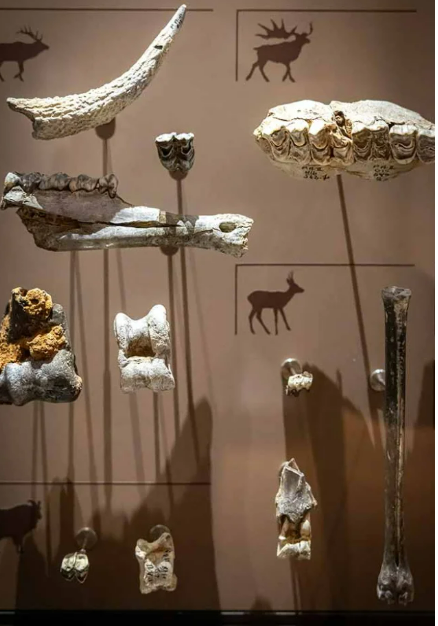
Faunal remains from Pech-de-l’Azé, Dordogne

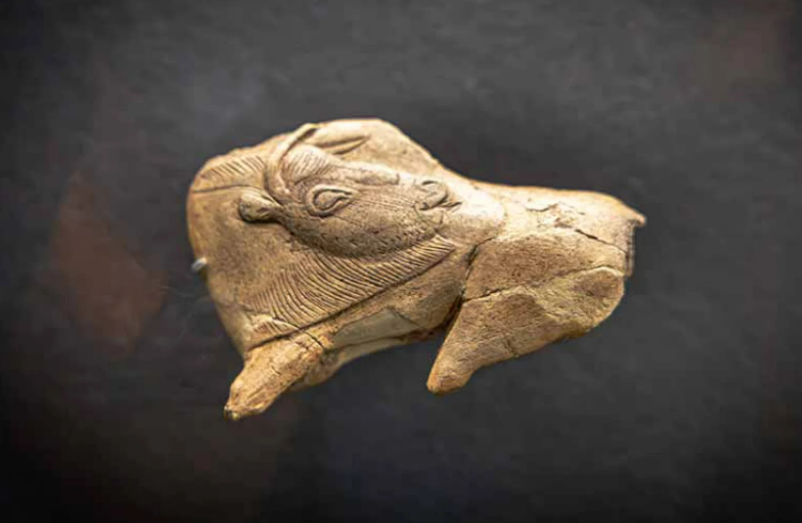
Bison figure carved on reindeer antler from la Madeleine, Les Eyzies

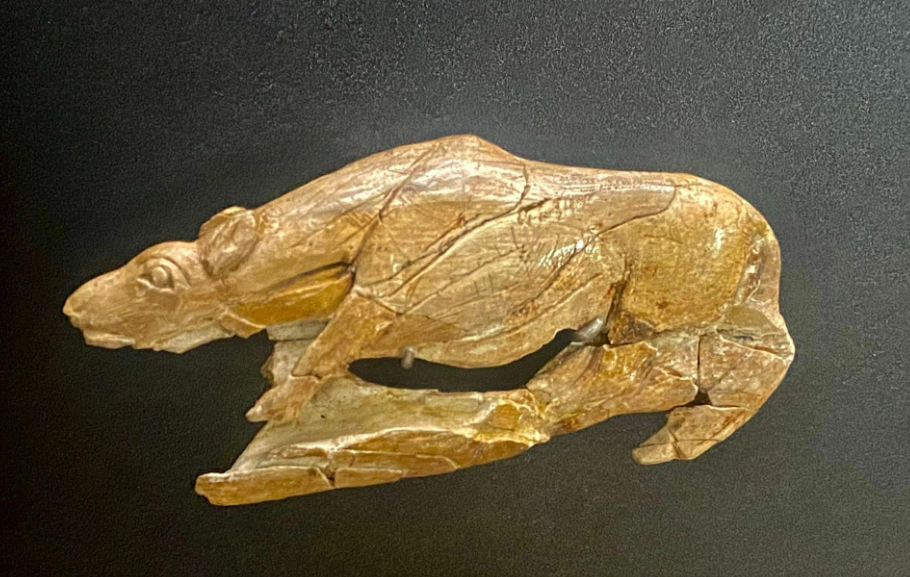
Creeping hyena carved in bone from la Madeleine, Les Eyzies

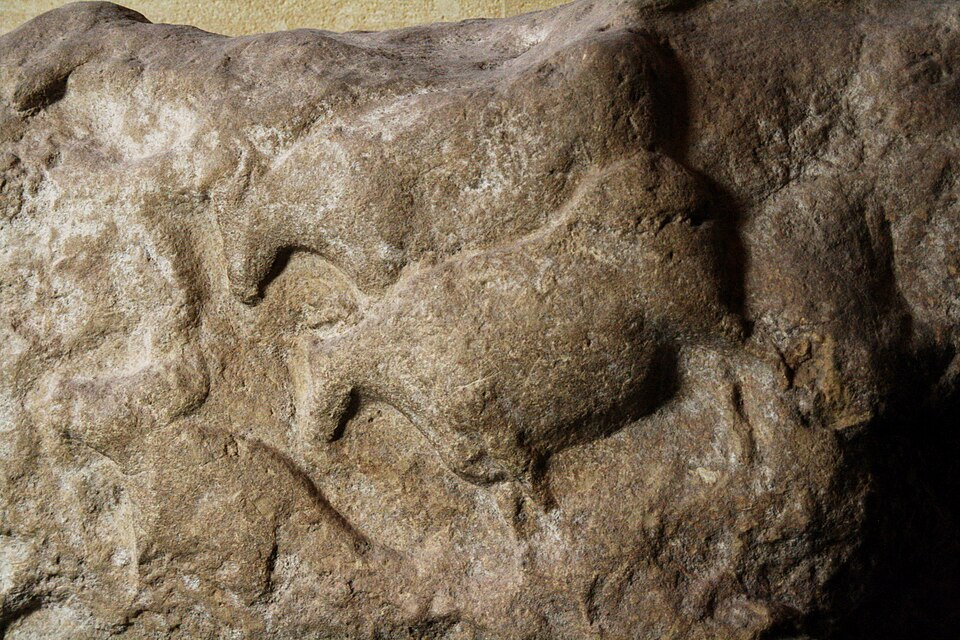
Relief sculpture of aurochs found on the Fourneau-du-Diable in Bourdeilles, Dordogne

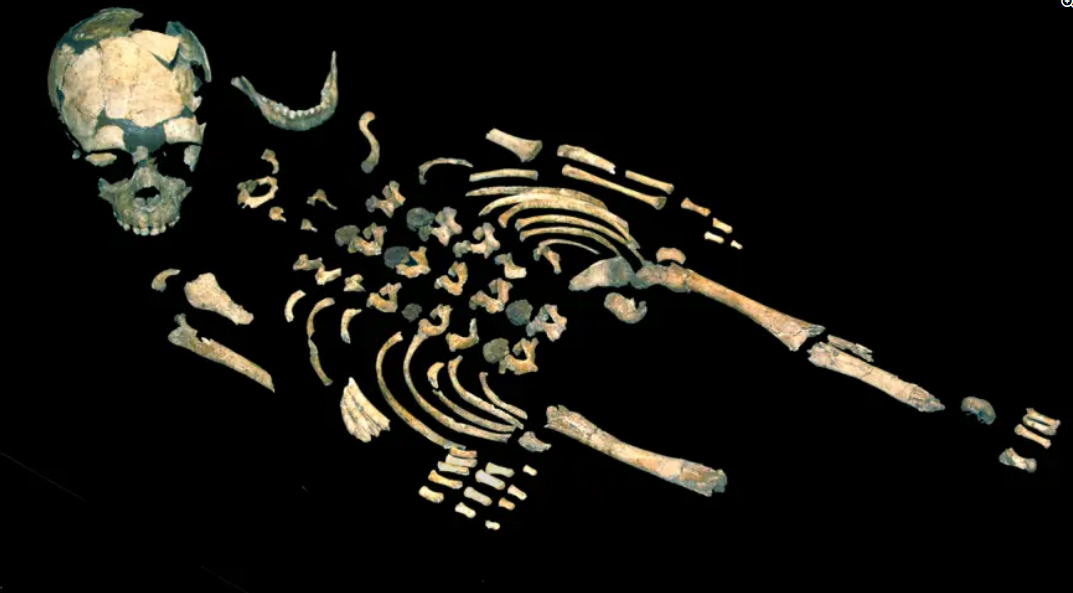
Remains of a Neanderthal child from Campagne-du-Bugue, Dordogne

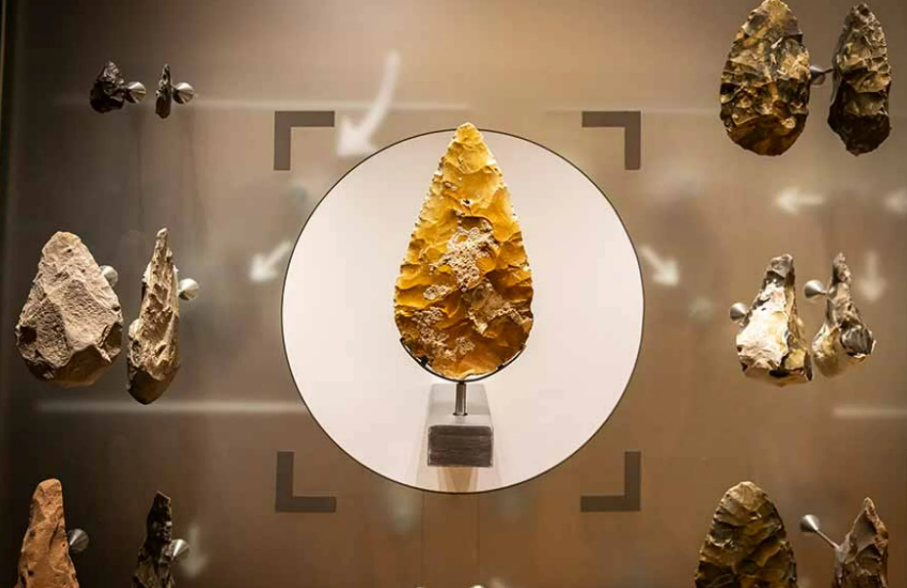
Neanderthal axe flints

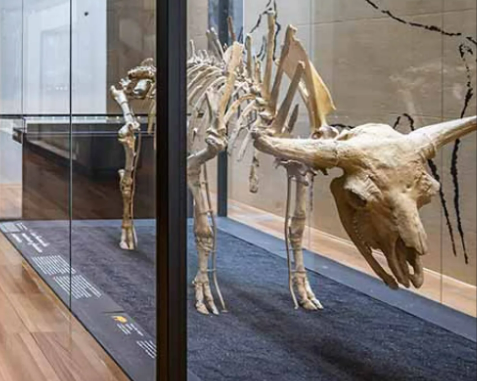
Steppe bison skeleton