Exploring in Tuscany

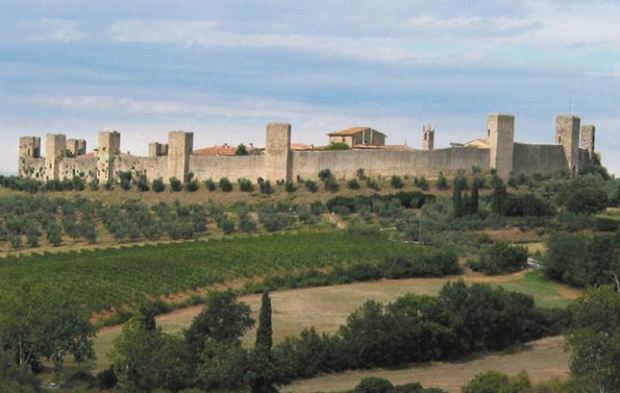
Monteriggioni

The walled town of Monteriggioni
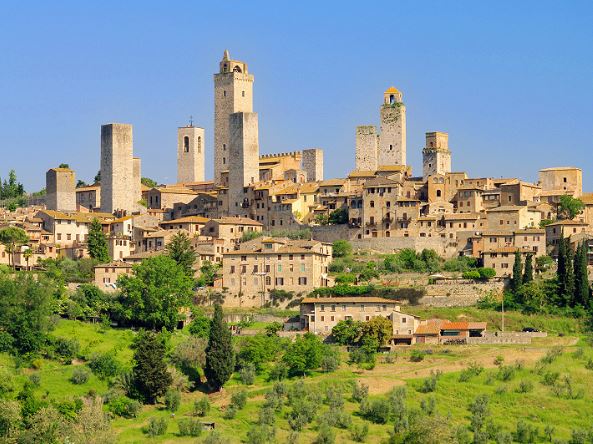
San Gimignano
San Gimignano

Picture 485

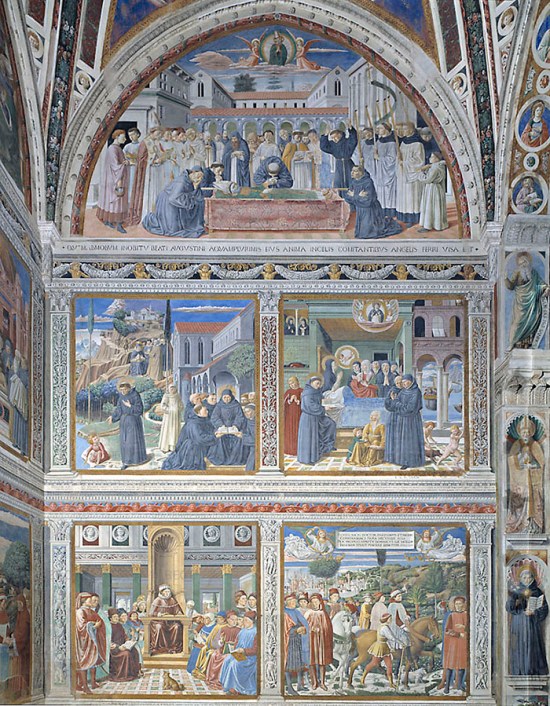
Benozzo Gozzoli ‘Scenes from the Life of Sant’ Agostino’ (1464 – 65) San Gimignano
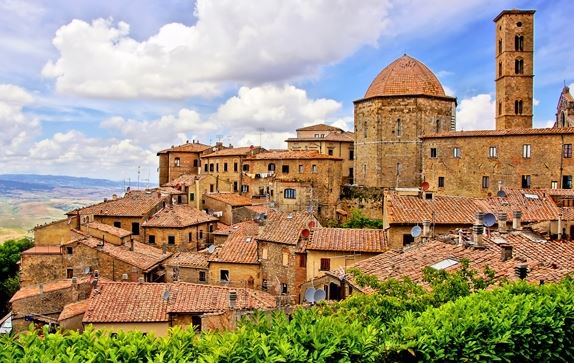
Volterra
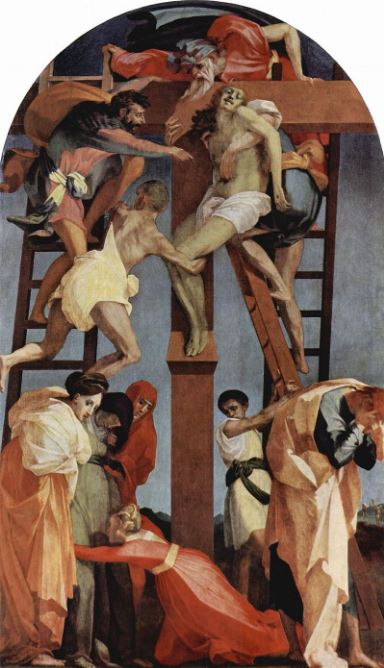
Volterra

Rosso Fiorentino 'Deposition from the Cross' (c.1521) Pinacoteca Comunale, Volterra
Rosso Fiorentino ‘Deposition from the Cross’ (c.1521) Pinacoteca Comunale, Volterra

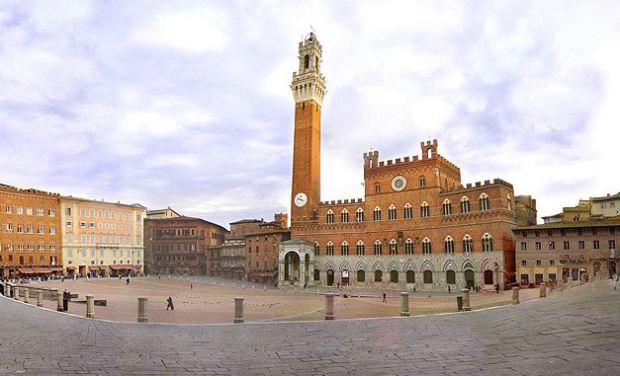
Siena - Piazza del Campo and Palazzo Pubblico

Piazza del Campo and Palazzo Pubblico, Siena
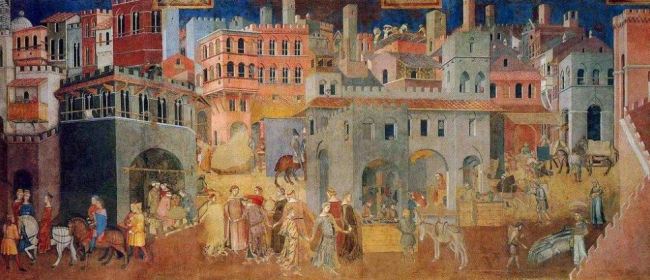
Ambrogio Lorenzetti 'The Effects of Good Government' (1338 - 39)

Ambrogio Lorenzetti ‘The Effects of Good Government’ (1338 – 39) Palazzo Pubblico, Siena
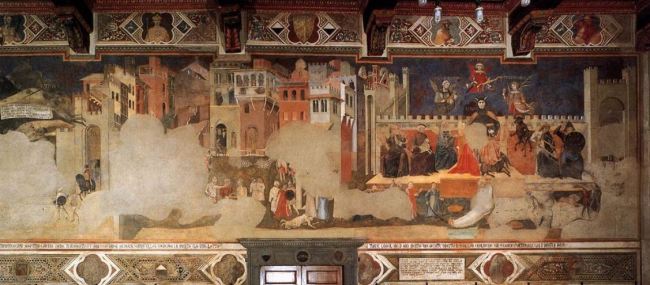
Ambrogio Lorenzetti 'The Effects of Bad Government' (1338 - 39)

Ambrogio Lorenzetti ‘The Effects of Bad Government’ (1338 – 39) Palazzo Pubblico, Siena
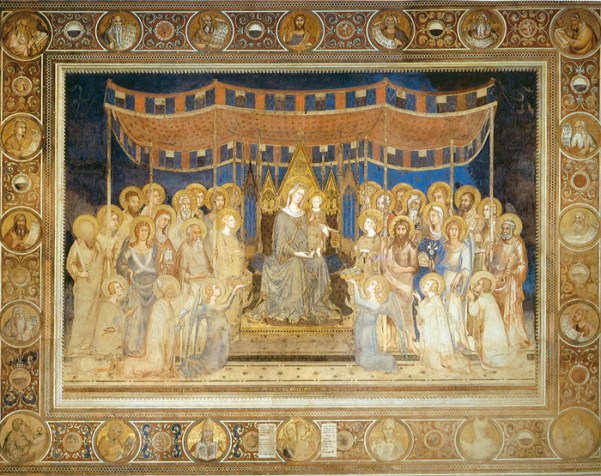
Simone Martini 'Maesta' (1312 - 15)

Simone Martini ‘Maestà’ (1312 – 15)

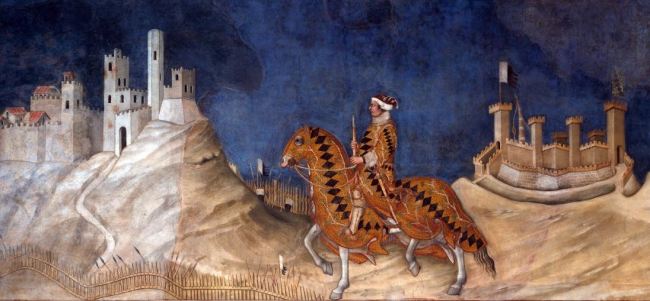
Simone Martini 'Guidoriccio da Fogliano' (1328)

Simone Martini ‘Guidoriccio da Fogliano’ (1328)
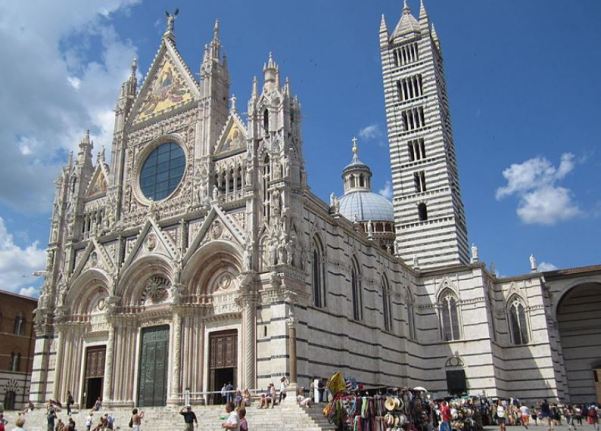
Siena cathedral

Siena Cathedral

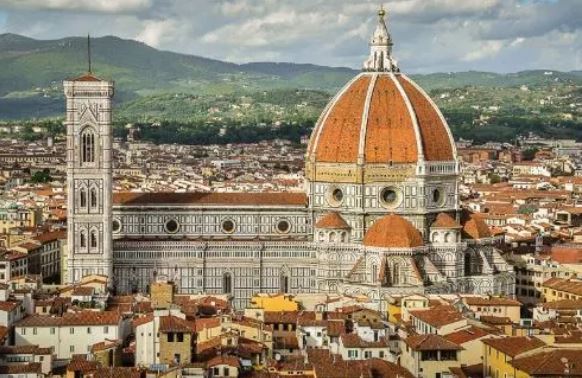
Florence cathedral

Florence Cathedral

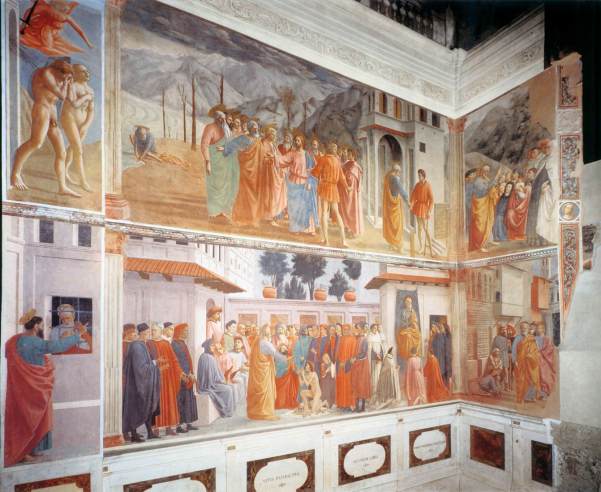
Frescoes in the Brancacci Chapel, Santa Maria del Carmine, Florence (1426 - 82)Masaccio, Masolino and Filippino Lippi frescoes,  Brancacci Chapel, Santa Maria del Carmine, Florence
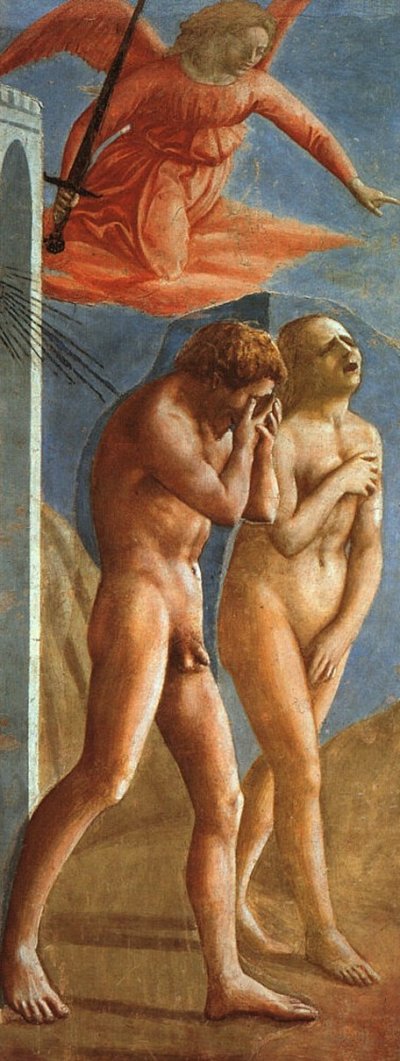
Masaccio 'Expulsion of Adam and Eve from Eden' (c.1424 - 27)

Masaccio ‘Expulsion of Adam and Eve from Eden’ (c.1424 – 27) Brancacci Chapel

Verrocchio at Palazzo Strozzi, Florence

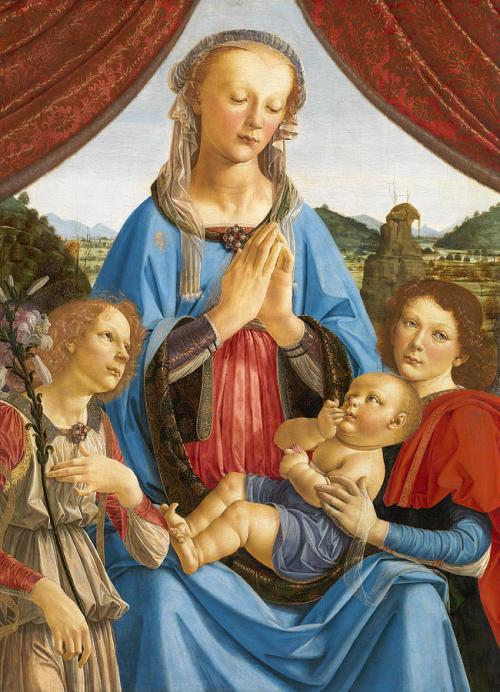
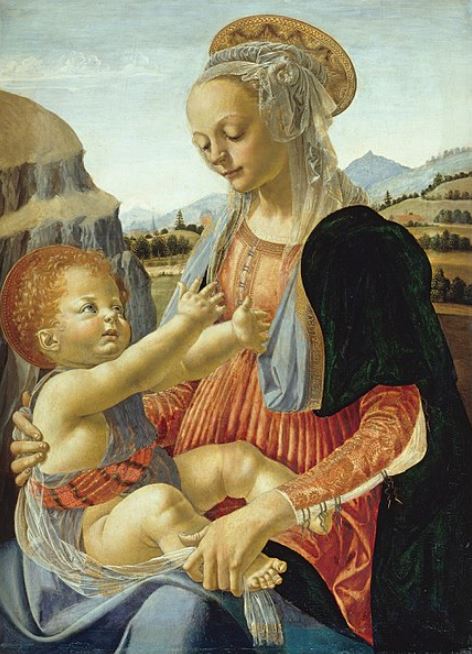
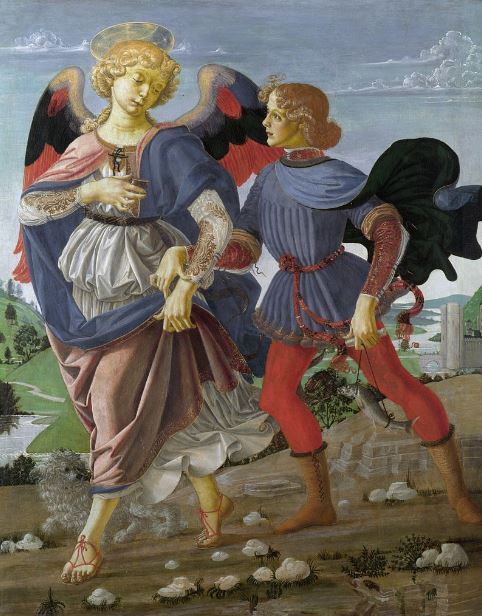
In Florence for the exhibition ‘Verrocchio – Master of Leonardo’. The artist known as Verrocchio was born Andrea di Michele in Florence, circa 1435. He trained as a goldsmith but also became a master of carving in marble. He came to painting late, but by about 1470 he had established himself with works such as ‘Madonna and Child’, ‘The Virgin and Child with Two Angels’ and ‘Tobias and the Angel’.

He was responsible for training some of the greatest artists of the second half of the fifteeenth century, including Pietro Perugino, Domenico Ghirlandaio, Lorenzo di Credi, Sandro Botticelli and Leonardo da Vinci.

Verrocchio - Master of Leonardo exhibition

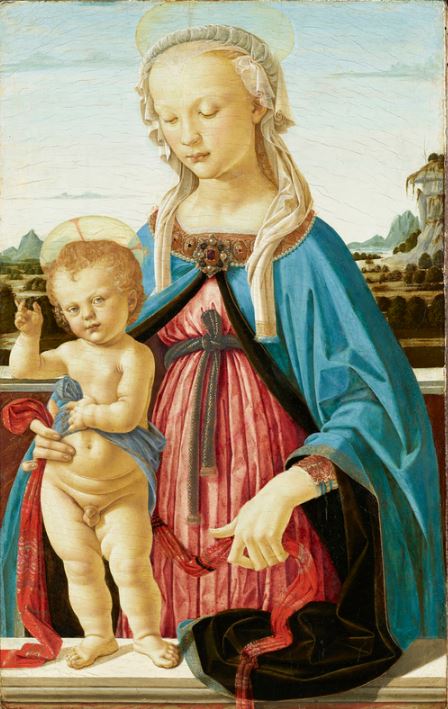
Verrocchio 'Madonna and Child' (c.1470)

Andrea Verrocchio ‘Madonna and Child’ (c.1470)

Verrocchio 'Virgin and Child with Two Angels' (c.1471 - 72)

Andrea Verrocchio ‘Virgin and Child with Two Angels’ (c.1471 – 72)

Verrocchio 'Madonna and Child' (c.1470 or 1475)

Andrea Verrocchio ‘Madonna and Child’ (c.1470 or 1475)

Verrocchio 'Tobias and the Angel' (c.1471 - 72)

Andrea Verrocchio ‘Tobias and the Angel’ (c.1471 – 72)

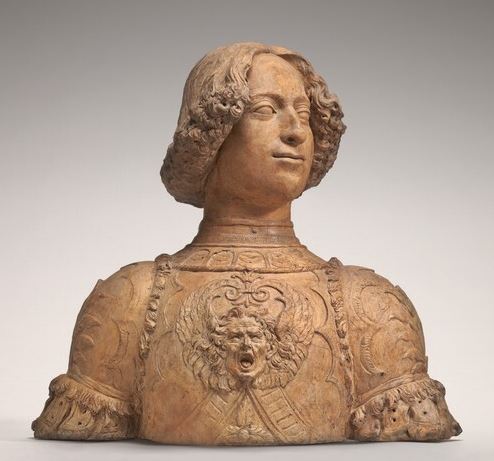
Verrocchio 'Giuliano di Piero de' Medici' (c.1475)

Andrea Verrocchio ‘Giuliano di Piero de’ Medici’ (c.1475)

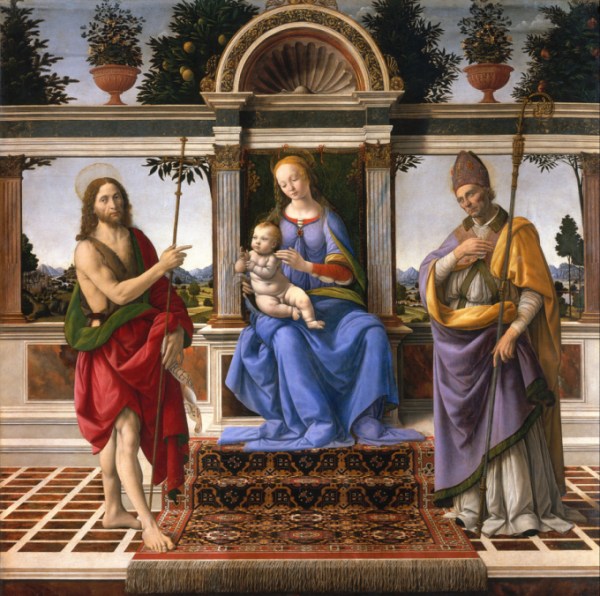
Verrocchio and Lorenzo di Credi 'Madonna and Child between St. John the Baptist and St. Donatus' (c.1475 - 86)

Andrea Verrochio and Lorenzo di Credi ‘Madonna and Child between St. John the Baptist                                                      and St. Donatus’ (c.1475 – 86)

Berlioz in La Rochelle

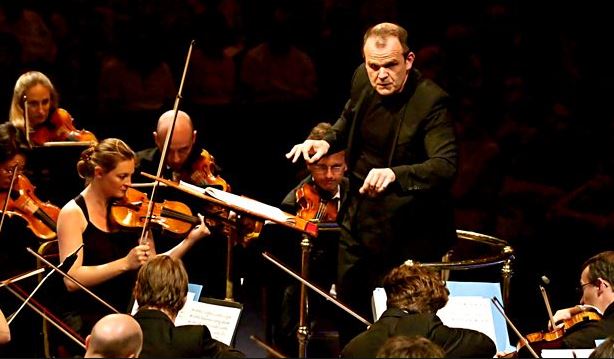
An excellent all-Berlioz programme by Les Siècles under François-Xavier Roth at La Coursive in La Rochelle. In the first half was the overture to the unfinished opera Les Francs-Juges and a beautifully sung Les Nuits d’été with mezzo-soprano Marie Lenormand, whilst the second half saw a wonderfully performed Symphonie Fantastique.

Les Siecles

Berlioz: Overture from ‘Les Francs-Juges’; ‘Les Nuits d’été’; ‘Symphonie Fantastique’

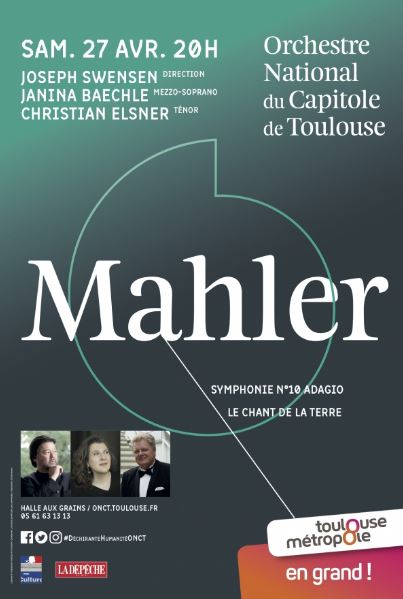
Mahler in Toulouse

Back at the Halle aux Grains, Toulouse for another very enjoyable concert by the Orchestre National du Capitole de Toulouse, this time under American conductor Joseph Swensen. In the first half  was the Adagio from Gustav Mahler’s Symphony no. 10, whilst the second half was Mahler’s excellent ‘Das Lied von der Erde’, with soloists Janina Baechle and Christian Elsner.

Mahler Swensen

Mahler: Adagio from Symphony no. 10; Mahler ‘Das Lied von der Erde’

The modernist architecture of Antoni Gaudi

Antoni Gaudi was the greatest exponent of Catalan Modernism. All his buildings have a highly individualized style, influenced by nature and religion.

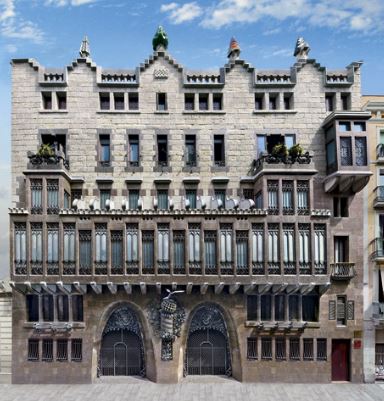
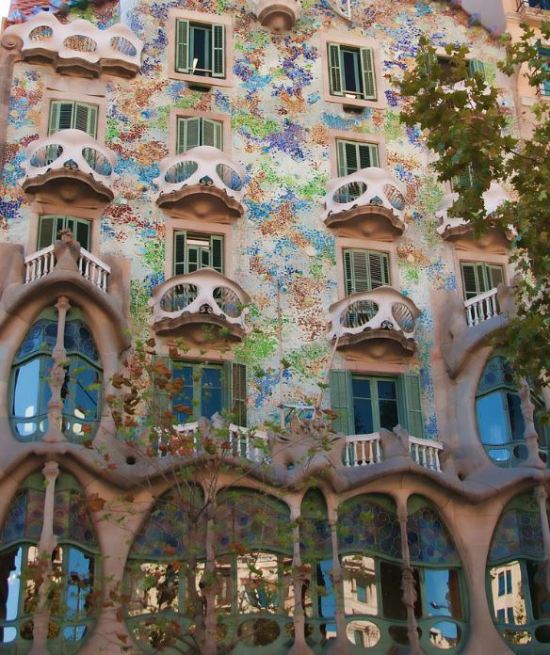
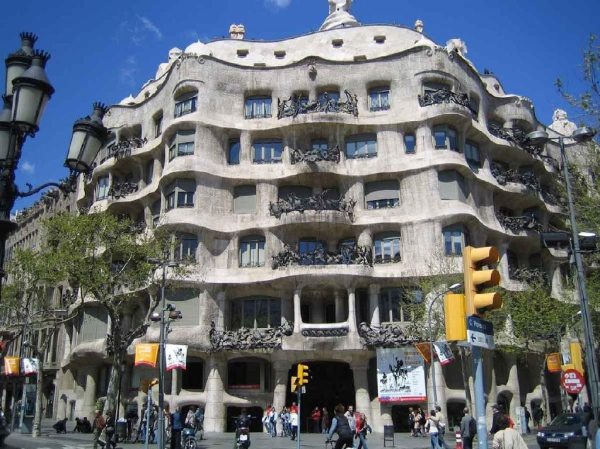
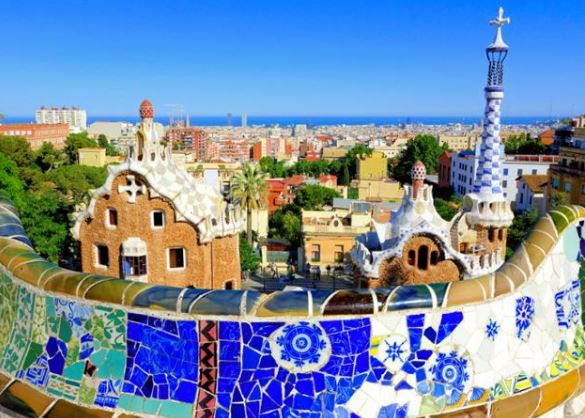
The industrialist Eusebi Güell was an early patron and for him Gaudi designed a home, the Palau Güell, and began an ambitious development now known as Parc Güell. Other commissions for houses included Casa Batlló and Casa Milà, both located in Passeig de Gràcia in Barcelona.

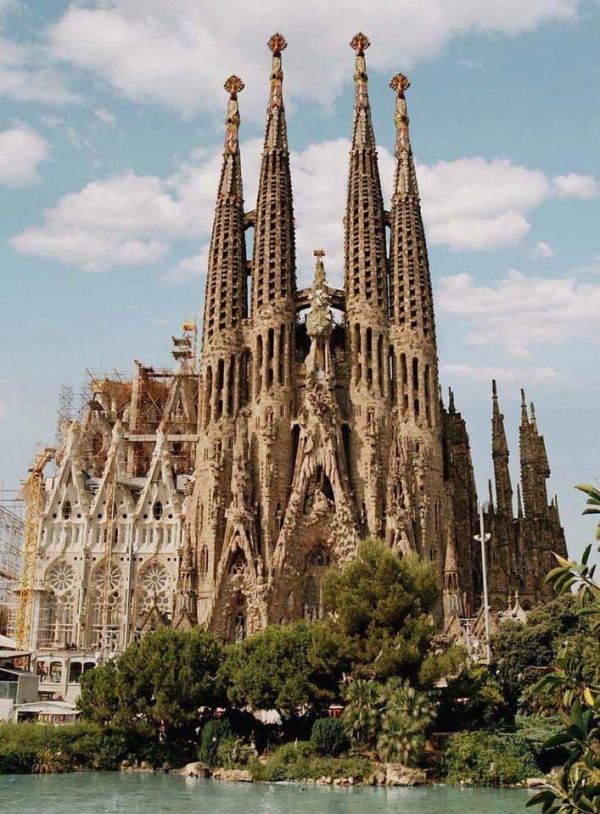
From  1883 Gaudí took over as chief architect of Sagrada Familia, his magnum opus, on which he would work until his death in 1926.

Palau Guell

Palau Güell

Casa Botllo 1

Casa Battló

Casa Mila

Casa Milà

Parc Guell 2

Parc Güell

Sagrada Familia 1

Sagrada Familia

Picasso and Miró in Barcelona

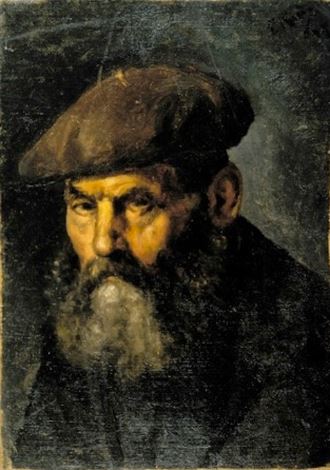
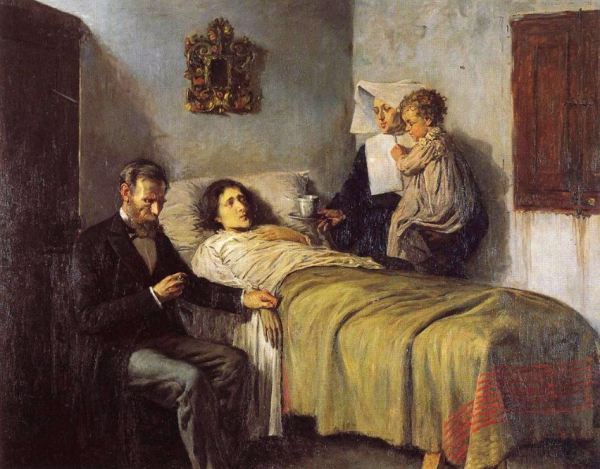
Looking at the permanent collections of the excellent Museu Picasso de Barcelona, particularly rich in paintings from the beginning of his career as well as the later ‘Las Meninas’ series, and the Fondacio de Joan Miró, created by the artist himself, mainly with works from his own private collection.

Picasso 'Man in a Beret' (1895 - painted aged 14)

Pablo Picasso ‘Man in a Beret’ (1895) – painted at the age of fourteen

Picasso 'Science and Charity' (1897)

Pablo Picasso ‘Science and Charity’ (1897)

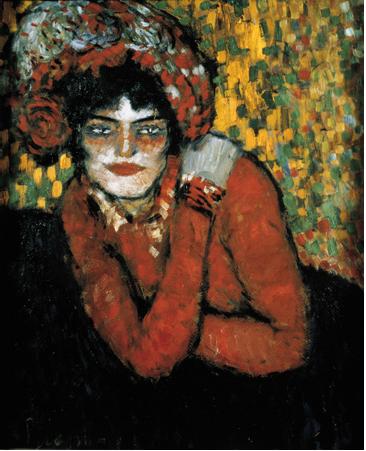
Picasso 'Waiting (Margo)' (1901)

Pablo Picasso ‘Waiting (Margot)’ (1901)

Picasso 'Harlequin (Léonide Massine)' (1917)

Pablo Picasso ‘Harlequin (Léonide Massine)’ (1917)

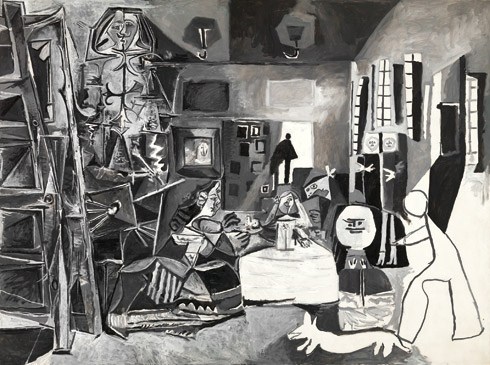
Picasso 'Las Meninas' (1957)

Pablo Picasso ‘Las Meninas’ (1957)

Joan Miro 'Flame in Space and Nude Woman' (1932)

Joan Miró ‘Flame in Space and Nude Woman’ (1932)

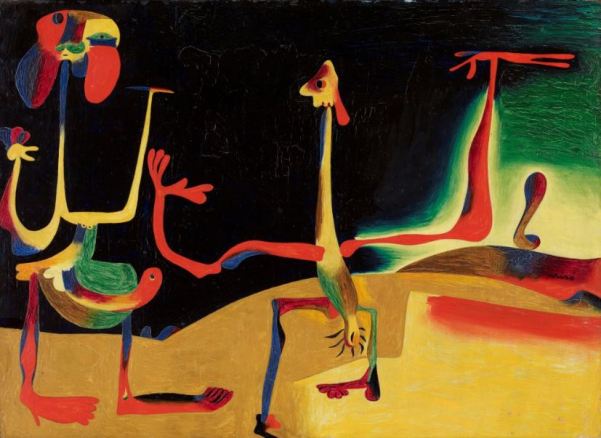
Miro 'Man and Woman in front of a pile of Excrement' (1935)

Joan Miró ‘Man and Woman in front of a pile of excrement’ (1935)

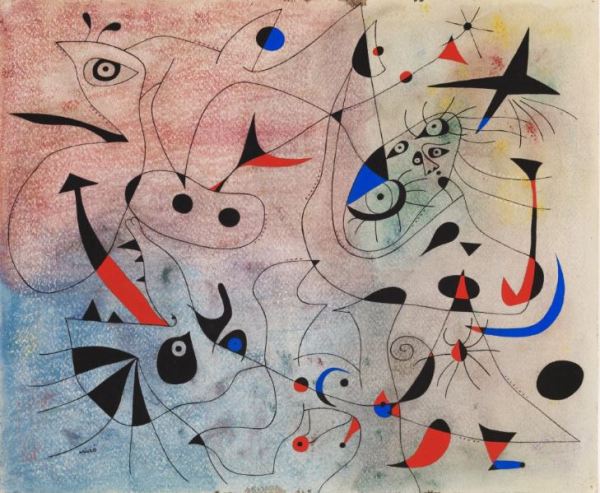
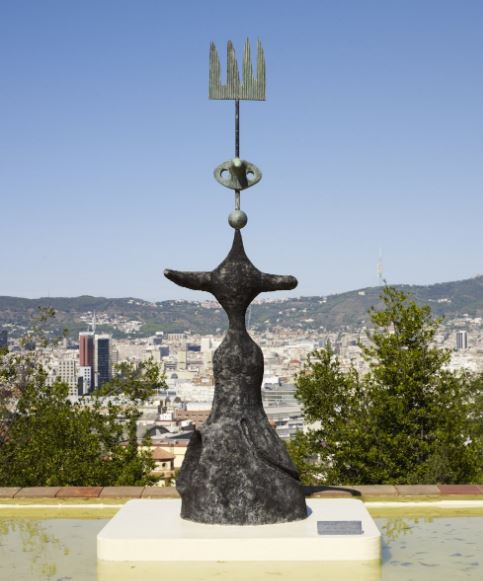
Miro 'Morning Star' (1940)

Joan Miró ‘Morning Star’ (1940)

Miro 'Moon, sun and one star' (1968)

Joan Miró ‘Moon, sun and one star’ (1968)

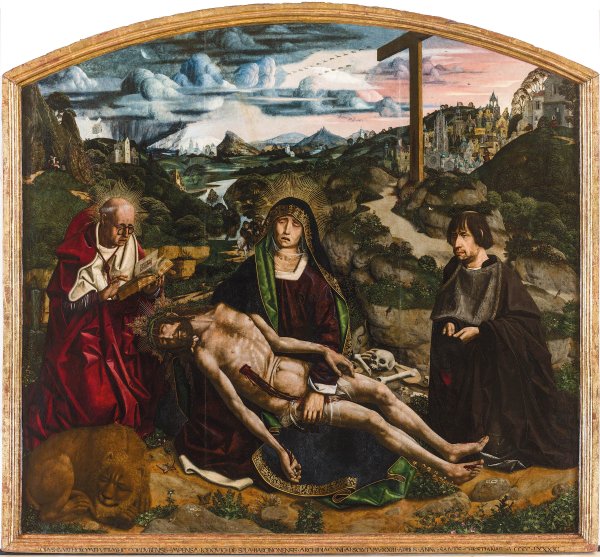
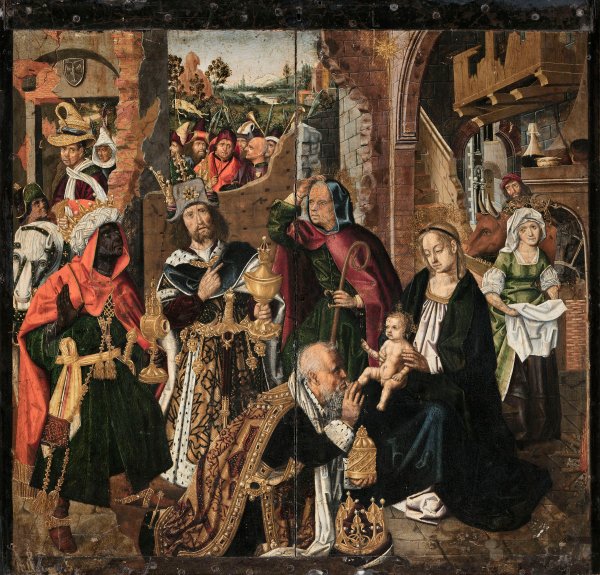
Bartolomé Bermejo in Barcelona

At the Museu Nacional d’Art de Catalunya in Barcelona for the fascinating exhibition ‘Bermejo: the 15th century Rebel Genius’.

Bartolomé Bermejo is one of the most interesting painters of the fifteenth century. Probably born in Córdoba, he lived an itinerant life, working in Valencia,  Zaragoza and  Barcelonapartly because of his status as a converted Jew, which forced him to work together with other artists  to  get round the restrictions of the painters’ guild. He was fascinating because of his mastery of the oil painting technique usually practised at that time by Flemish artists.

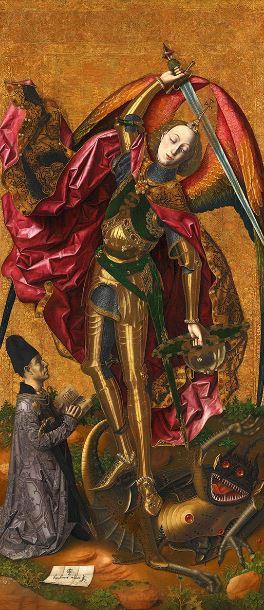
Bermejo 'Saint Michael triumphant over the Devil' (1468)

Bartolomé Bermejo ‘St. Michael Triumphant over the Devil’ (1468)

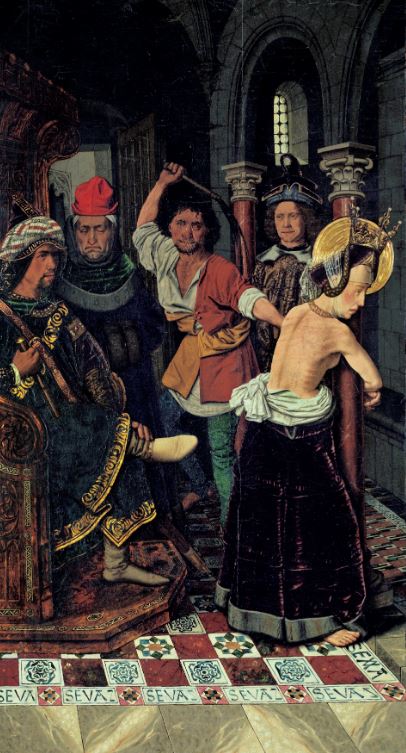
Bermejo 'Flagellation of Saint Engracia' (c.1474 - 77)

Bartolomé Bermejo ‘Flagellation of Saint Engracia’ (c.1474 – 77)

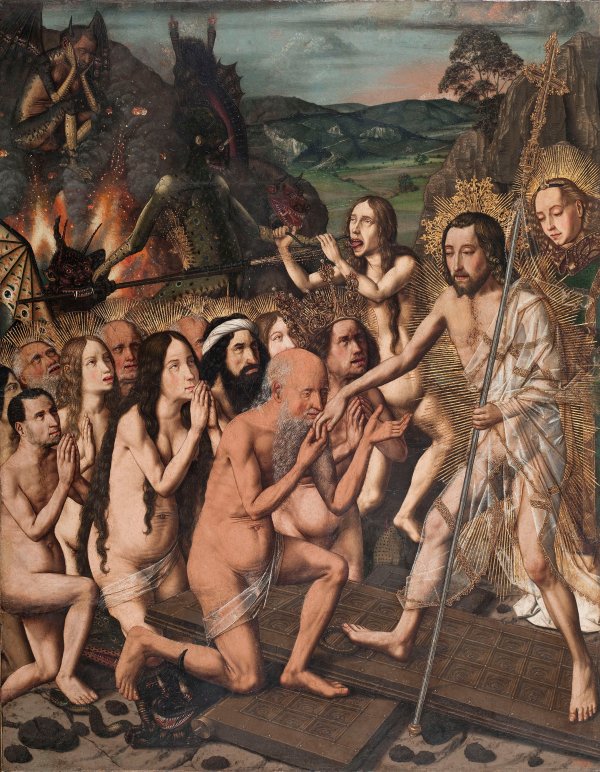
Bermejo 'Descent of Christ into Limbo' (c.1475)

Bartolomé Bermejo ‘Descent of Christ into Limbo’ (c.1475)

Bermejo 'Diespla Pieta' (1490)

Bartolomé Bermejo ‘Desplà Pietà’ (1490)

Bermejo 'Adoration of the Magi' (c.1500)

Bartolomé Bermejo ‘Adoration of the Magi’ (c.1500)

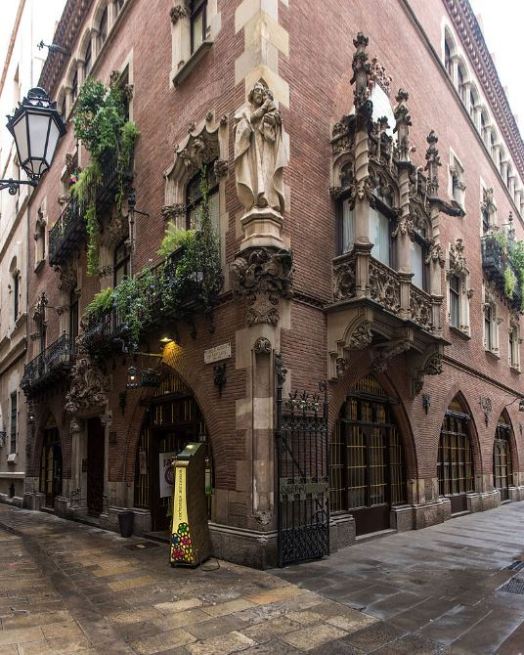
A Postcard from Els Quatre Gats, Barcelona

A splendid lunch at Els Quatre Gats tavern in Barcelona, which occupies the ground floor of Casa Marti, designed by Josep Puig i Cadafalch in 1896.

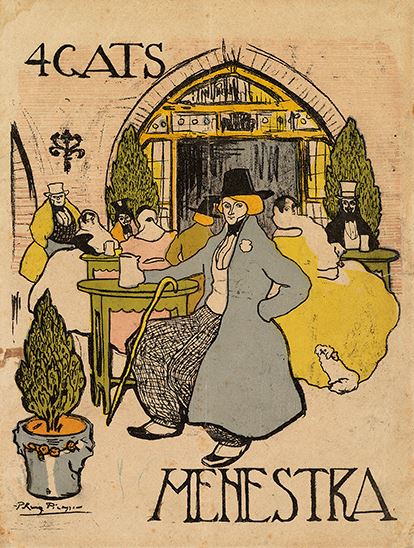
Els Quatre Gats was the focal point of Picasso’s life in Barcelona and was where he would meet and socialise with other members of the Catalan modernist group.

Els Quatre Gats

Picasso 'Menu for Els Quatre Gats' (1899 - 1900)

Pablo Picasso ‘Menu design for Els Quatre Gats’ (1899  – 1900)