
A beautiful warm March day in Limone sul Garda, Lombardia.
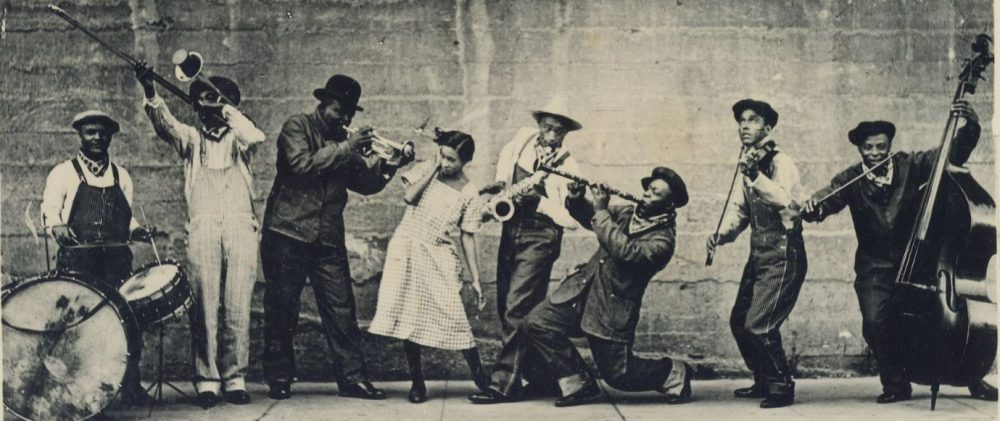
A beautiful warm March day in Limone sul Garda, Lombardia.
Museo d’arte Moderna e Contemporaneo di Trento e Roverto was host for exhibitions by two very different artists, El Lissitzky and Mario Radice. El Lissitzky (1890 – 1941) was an influential Russian avant garde painter and designer who helped develop Suprematism, together with his mentor Kazimir Malevich.He also developed a Suprematist style of his own, which he called Proun. His graphic design work influenced both the Bauhaus and the Constructivists. His most famous work is possibly his 1919 propaganda poster Beat the Whites with the Red Wedge. The MART exhibition included paintings, graphic design work, photographs and magazine designs.

El Lissitzky ‘The Constructor’ – self portrait (1924)

El Lissitzky ‘About two squares’ (1922)
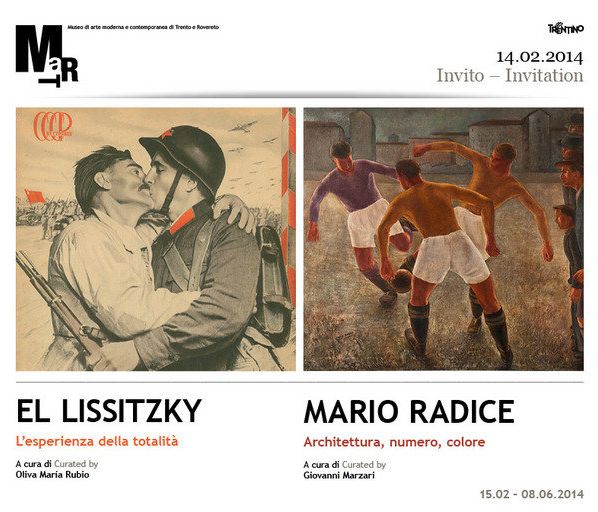
The second artist exhibited at MART was the Italian abstract painter and architect Mario Radice (1898 – 1987). He was one of the first Italian artists to change from figurative to abstract art, much of his work then involving geometric shapes.

Mario Radice ‘La Partita di Pallone’ (1933)
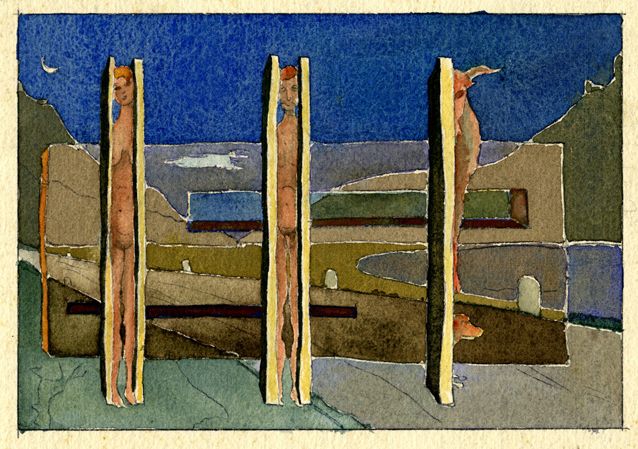
Mario Radice ‘Crollo’ (1939 – 42)
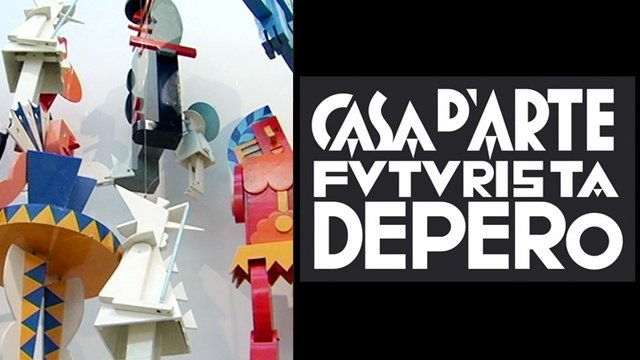
Being in Rovereto for these exhibitions meant there was a great opportunity to also visit the house of the Italian Futurist artist Fortunato Depero (1892 – 1960), which holds an extensive collection of his work. Together with Giacomo Ballo, Depero wrote the Futurist manifesto Ricostruzione futurista dell’universo in 1915. Depero founded the ‘Casa d’arte futurista’ in Rovereto in 1919, which specialised in producing furniture, tapestries and toys in the Futurist style.
In Trieste for a very enjoyable performance of Shostakovich’s 7th Symphony – the ‘Leningrad’. Much of it was written during the Nazi’s 872 day siege of the city which resulted in the death of 600,000 people. The score of the symphony was smuggled out of Russia on microfilm so that it could be performed in the west. Tonight’s performance, under Oleg Caetani, was extremely moving.
Also on the programme was Tchaikovsky’s Piano Concerto no. 1, expertly played by the young Russian pianist Nikolay Khozyainov. A really enjoyable Russian double bill.
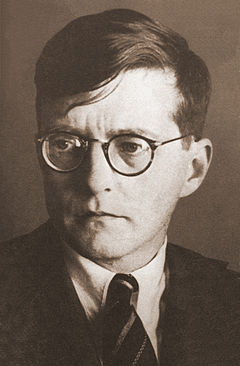
Dmitri Shostakovich
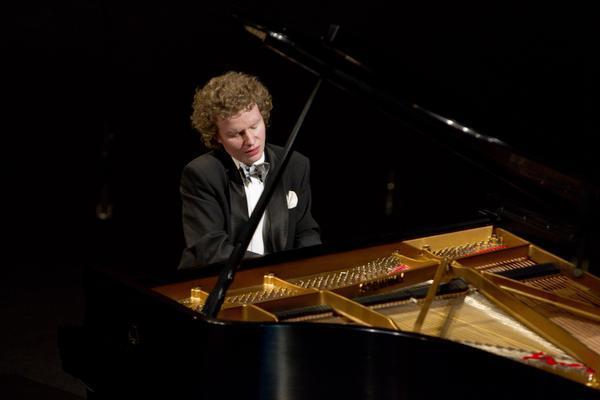
Nikolay Khozyainov
At the Grand Palais in Paris for the Georges Braque retrospective. A wonderful exhibition covering the whole of his career from his brief involvement with the Fauves, through his invention of Cubism and its development alongside Pablo Picasso, his later collage works and his final landscapes.
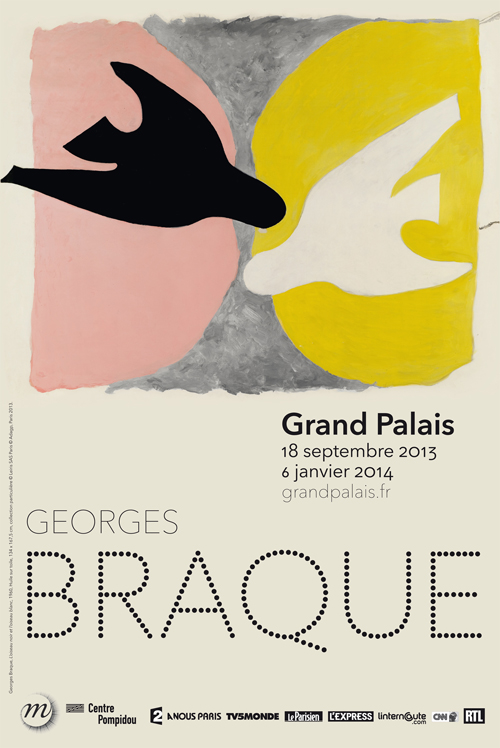
Braque (1882 – 1963) was one of the most important artists of the twentieth century and changed his style throughout his career. His greatest achievement was undoubtedly the development of Cubism together with Pablo Picasso.
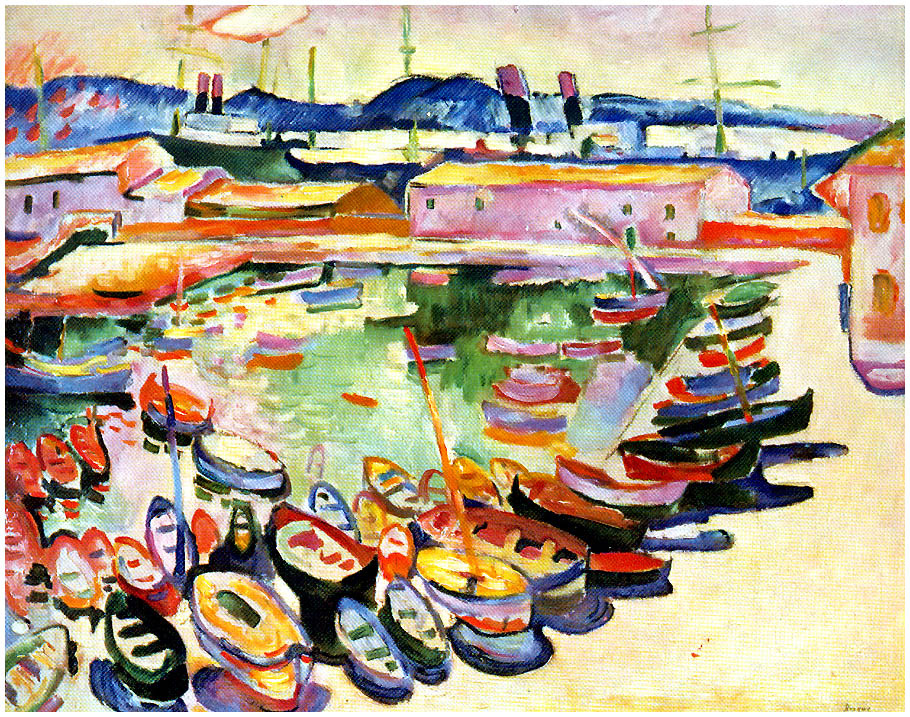
Georges Braque ‘Le port de La Ciotat’ (1907)
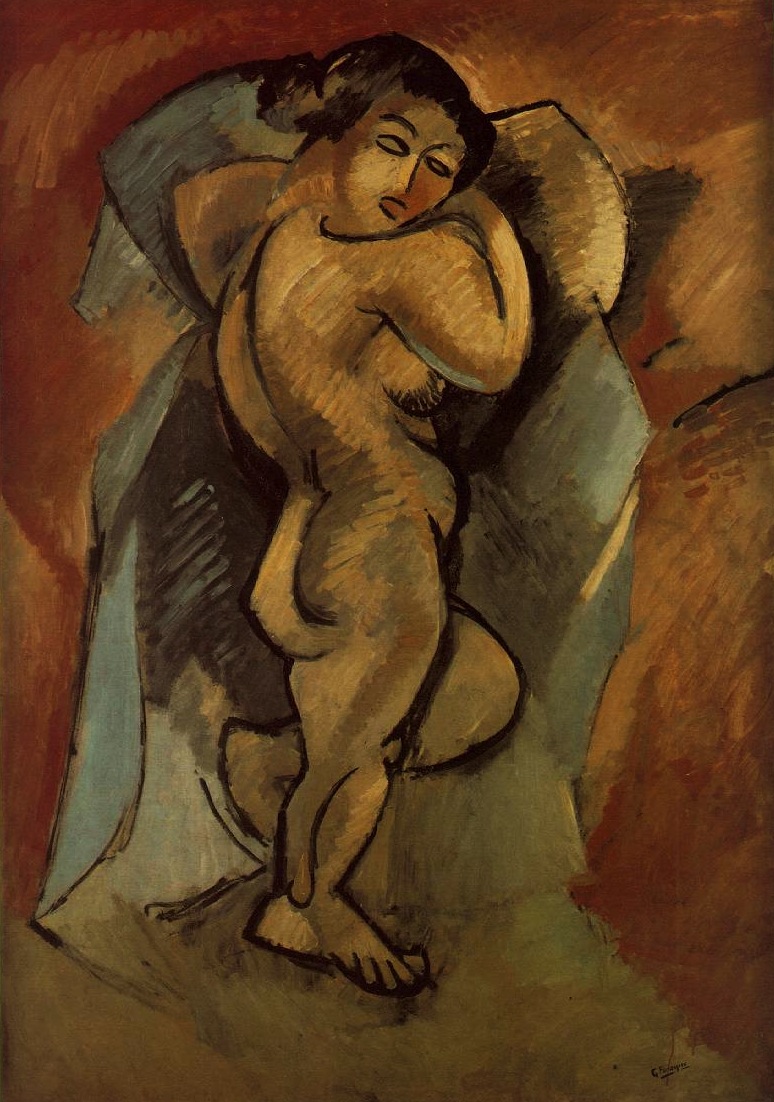
Georges Braque ‘Grand nu’ (1907 – 8)
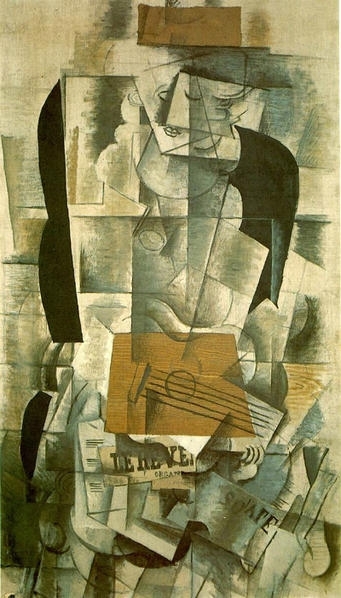
Georges Braque ‘Femme à la guitare’ (1913)
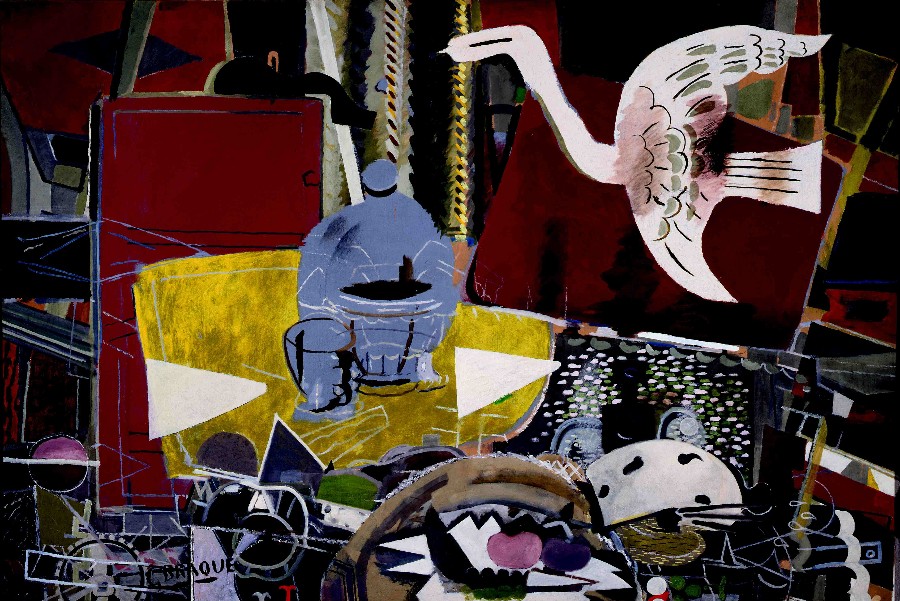
Georges Braque ‘Atelier VIII’ (1954 – 55)

Georges Braque ‘L’oiseau noir et l’oiseau blanc’ (1960)
A real bonus was that also at the Grand Palais was an exhibition of the Nabis artist Félix Vallotton (1865 – 1925) – an excellent opportunity to see works from throughout his career.
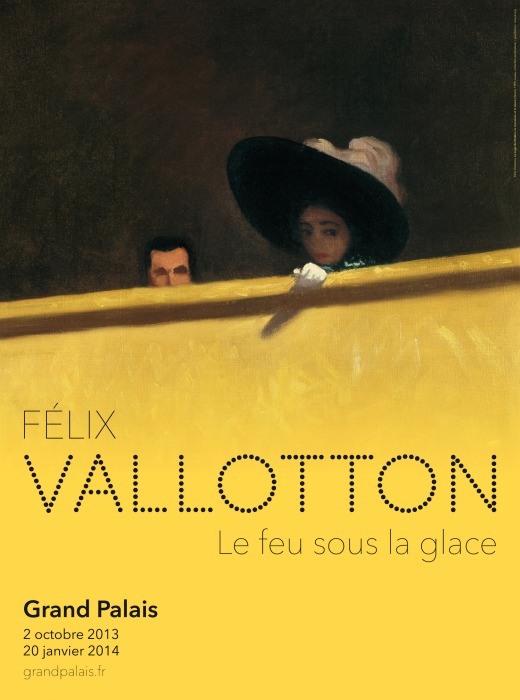
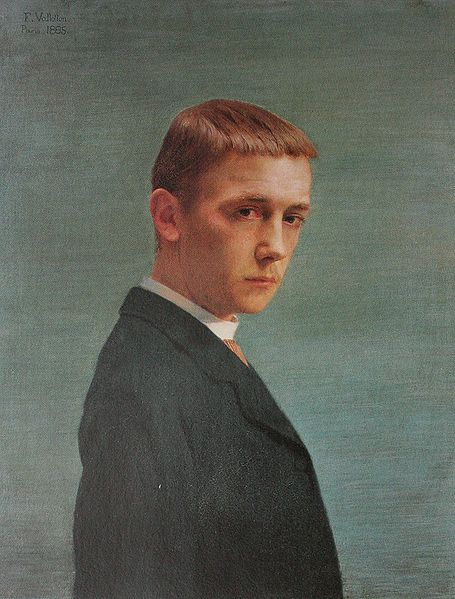
Félix Vallotton ‘Self Portrait’ (1885)
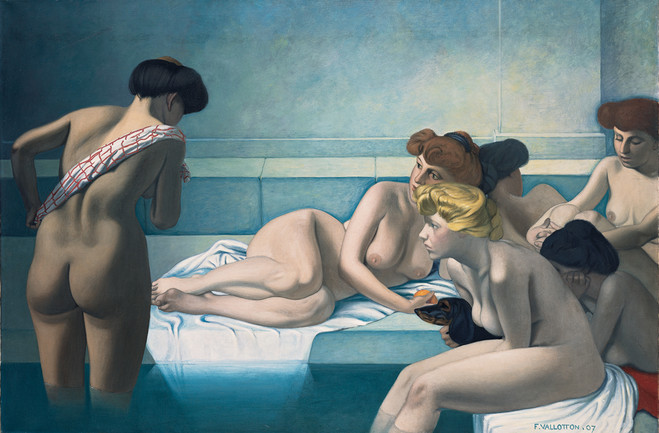
Félix Vallotton ‘Le Bain turc’ (1907)
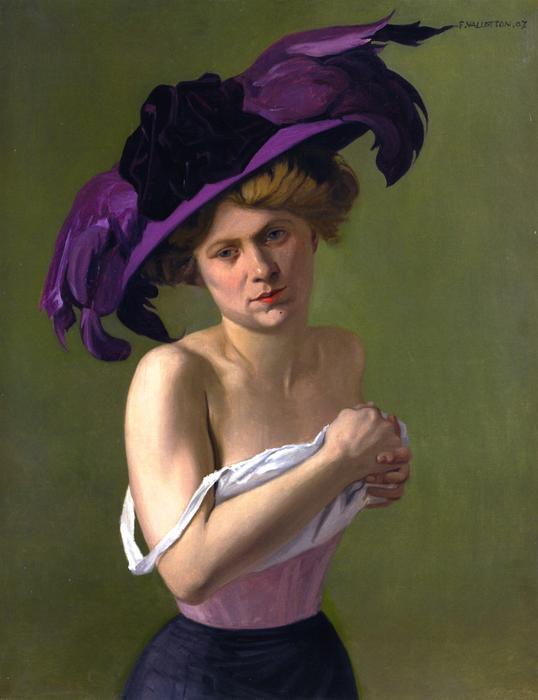
Félix Vallotton ‘Le Chapeau violet’ (1907)
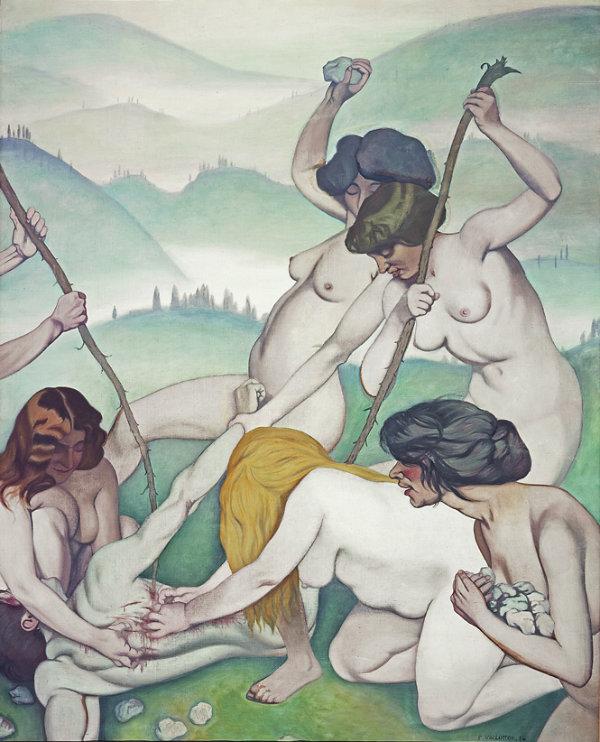
Félix Vallotton ‘Orphée dépecé par les Ménades’ (1914)
In the medieval Italian town of Ferrara – a UNESCO World Heritage site and birthplace, in 1452, of Girolamo Savonarola, architect of the infamous ‘Bonfire of the Vanities’.

Ferrara Cathedral
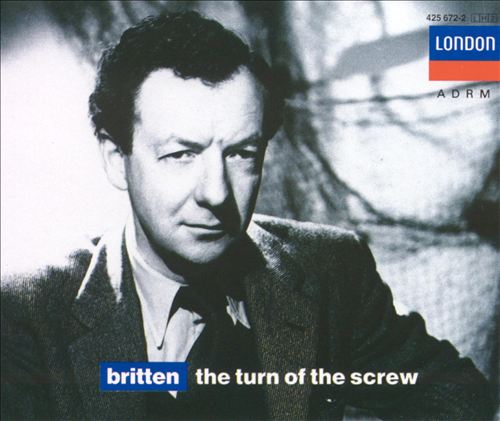
In Bologna, celebrating the 100th anniversary of composer Benjamin Britten at a very enjoyable performance of the opera ‘The Turn of the Screw’.
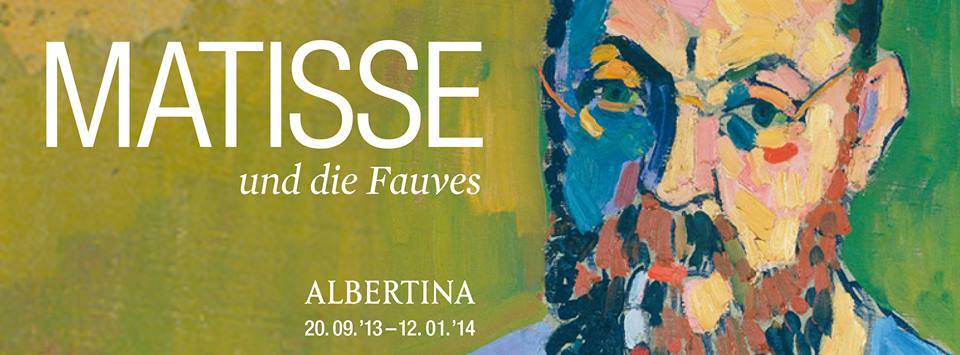
In the beautiful Austrian capital, Vienna, for the excellent ‘Matisse and the Fauves’ exhibition at the Albertina. Fascinating, colourful paintings from Matisse, Derain, de Vlaminck, et al.
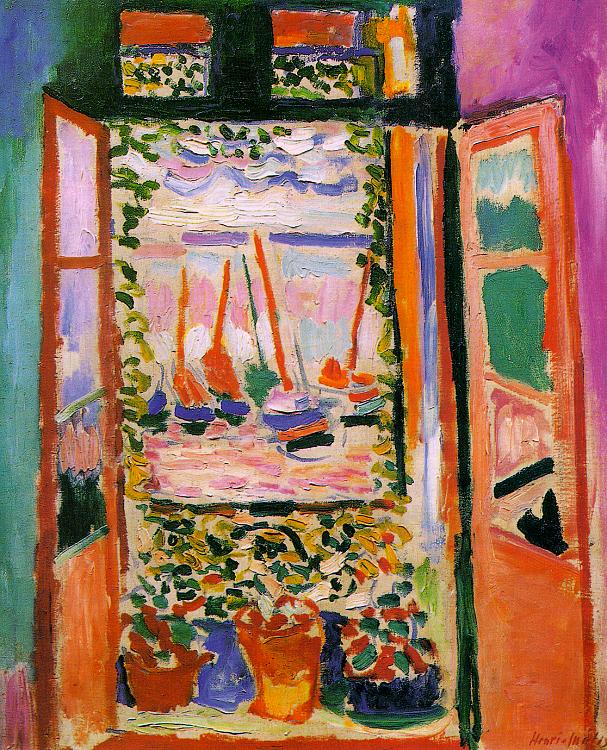 Henri Matisse ‘Open Window, Collioure’ (1905)
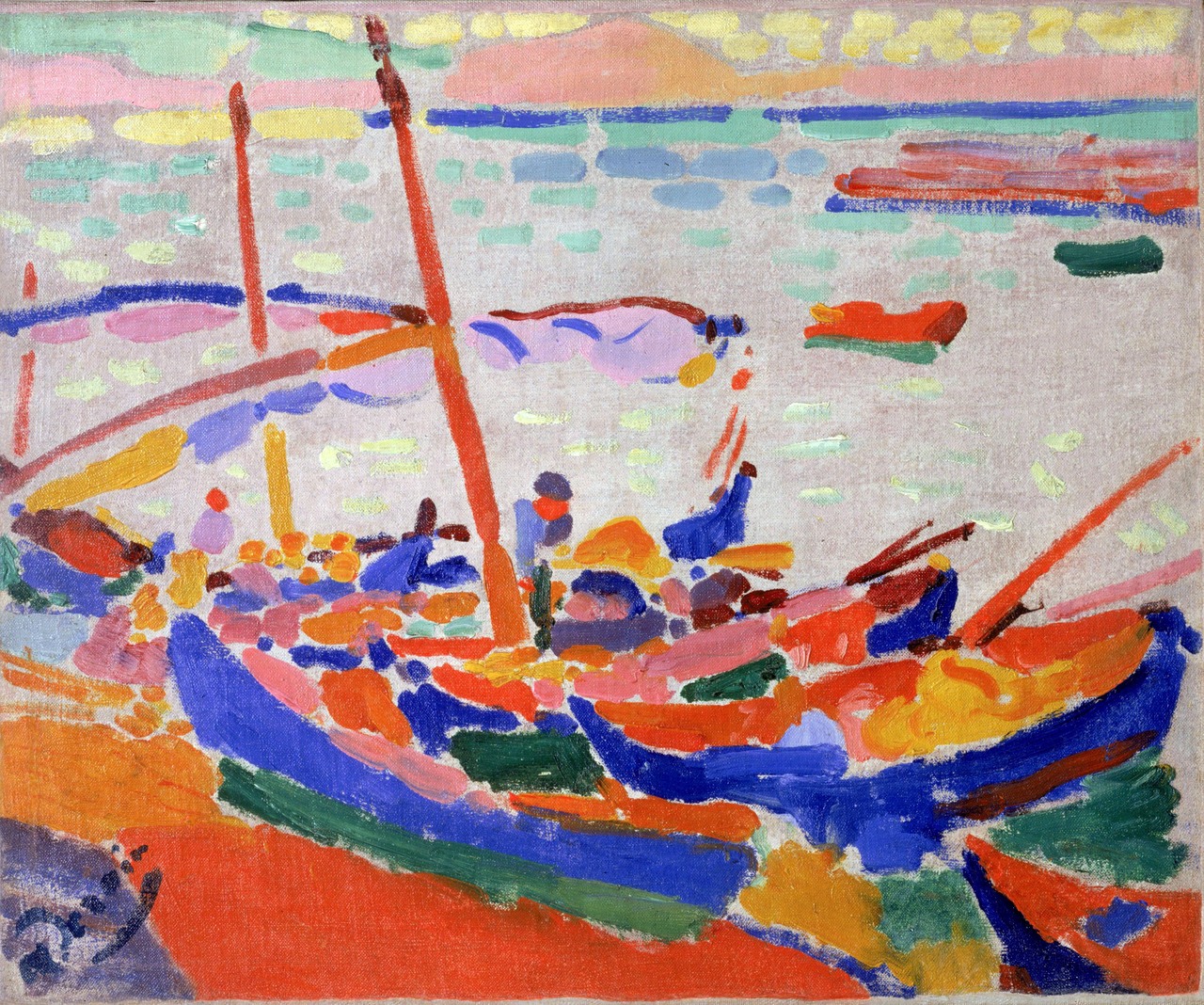 André Derain ‘Fishing Boats, Collioure’ (1905)
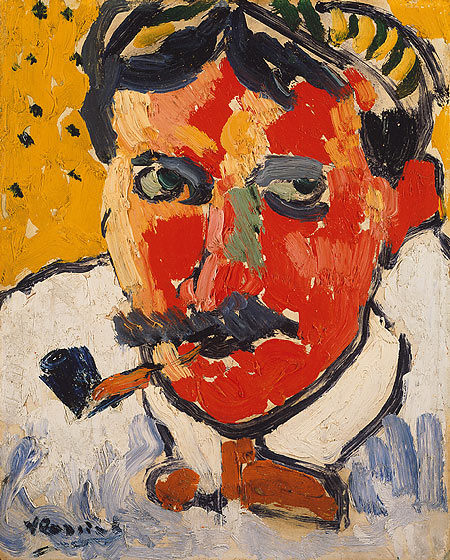 Maurice de Vlaminck ‘André Derain’ (1906)
 Henri Manguin ‘The Prints’ (1905)
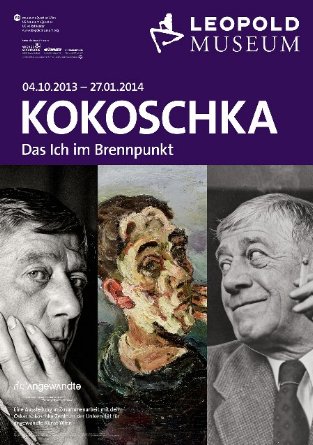
Also a great opportunity to go to the Leopold Museum to see the Schiele and Kokoschka collections. A wonderful weekend of art!
 Egon Schiele ‘Self Portrait’ (1912)
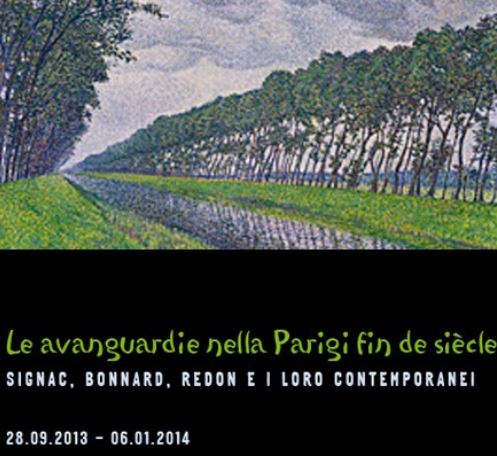
At the Guggenheim in Venice for the exhibition ‘The Avant-gardes of Fin-de-Siècle Paris’. Wonderful exhibits from the Neo-Impressionist, Nabis and Symbolist movements produced during a time of political upheaval and cultural transformation.
I particularly enjoyed seeing the works of Paul Signac, Camille Pissarro and Théo van Rysselberghe.
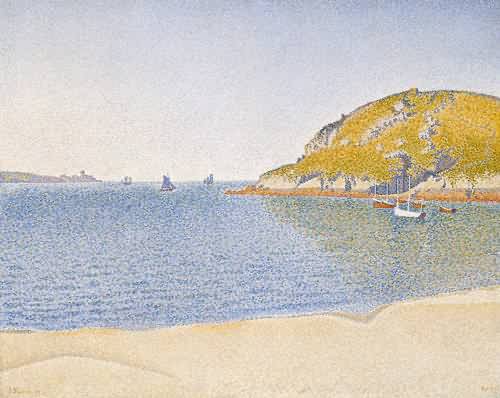
Paul Signac ‘Port of Saint Cast’ (1890)
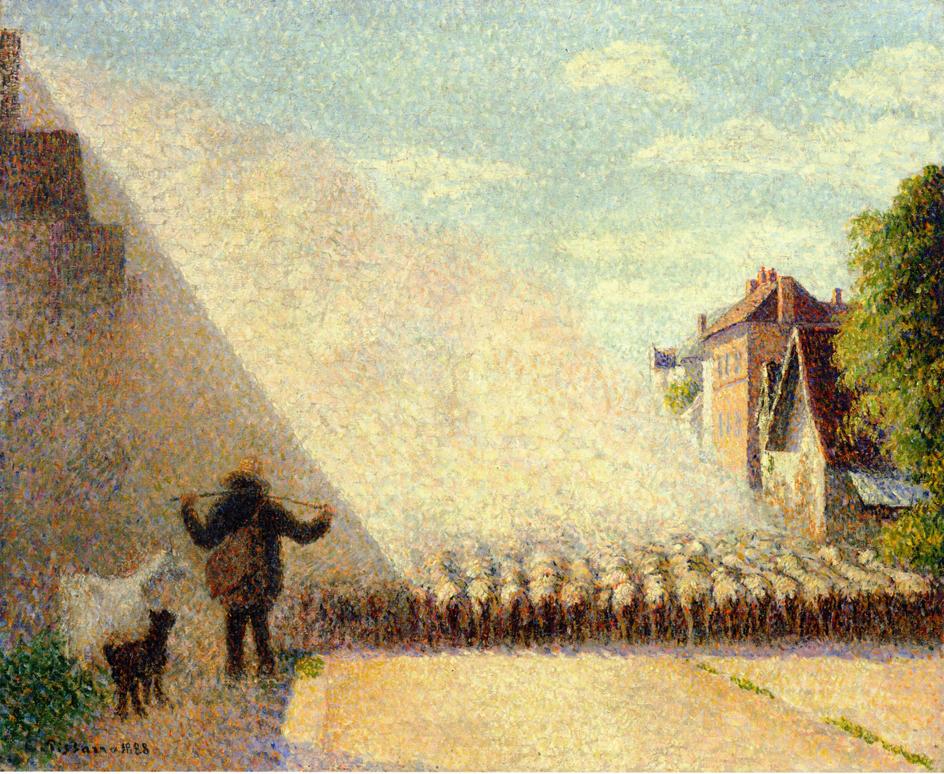
Camille Pissarro ‘Flock of Sheep’ (1888)
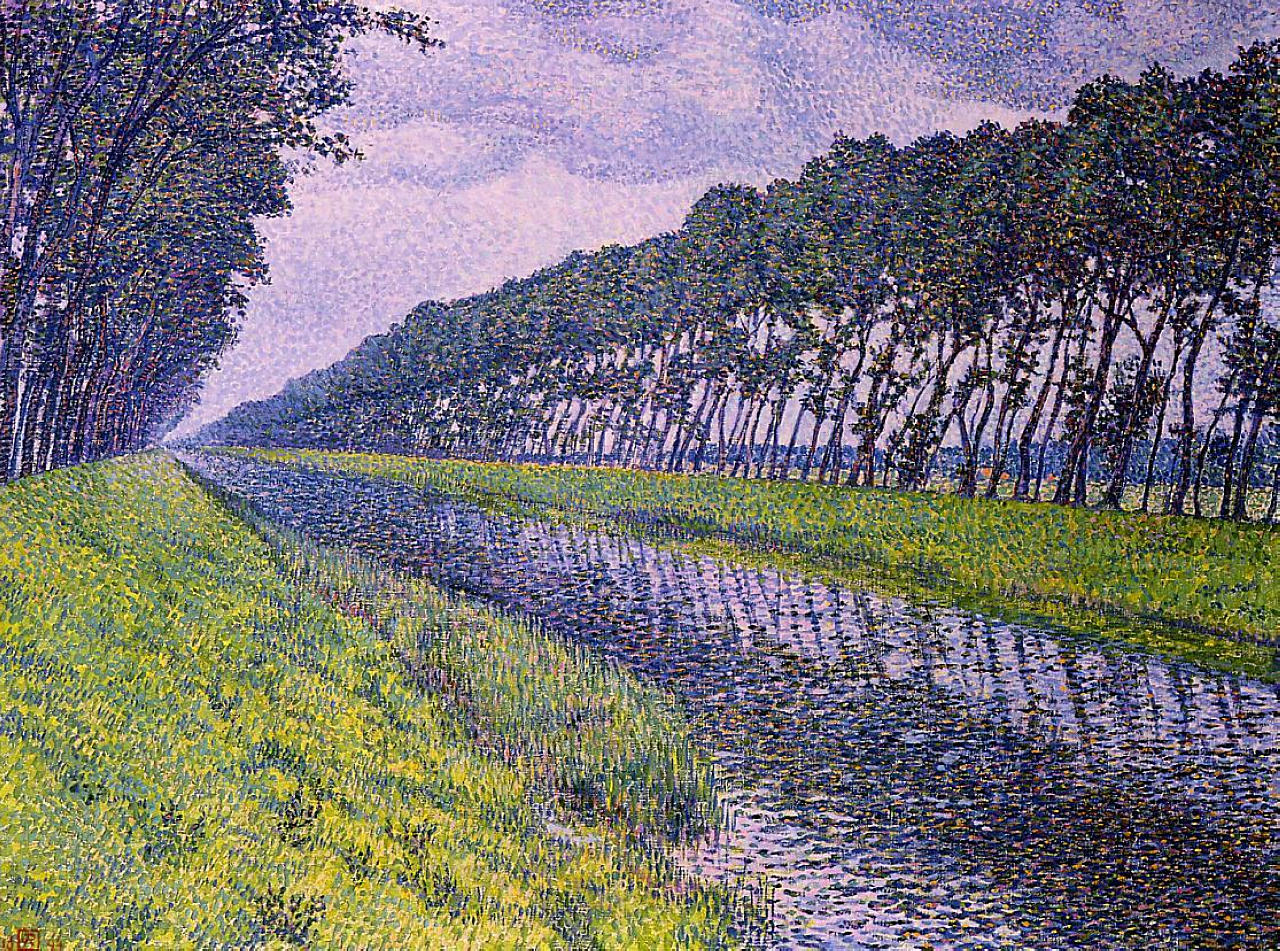
Théo van Rysselberg ‘Canal in Flanders’ (1894)
Patrice Chéreau, the French opera and theatre director, has died at the age of 68.
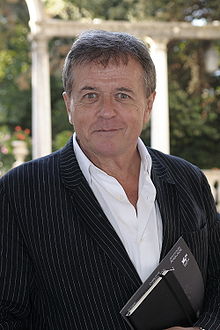
He was responsible for staging what is, in my opinion, one of the greatest opera events ever filmed, the Bayreuth centenary production of Wagner’s Ring Cycle, conducted by Pierre Boulez. It is still as impressive and exciting today as it was when it was made in 1976.
In more recent years I also thoroughly enjoyed his production of Janacek’s ‘From the House of the Dead’ in Aix-en-Provence.
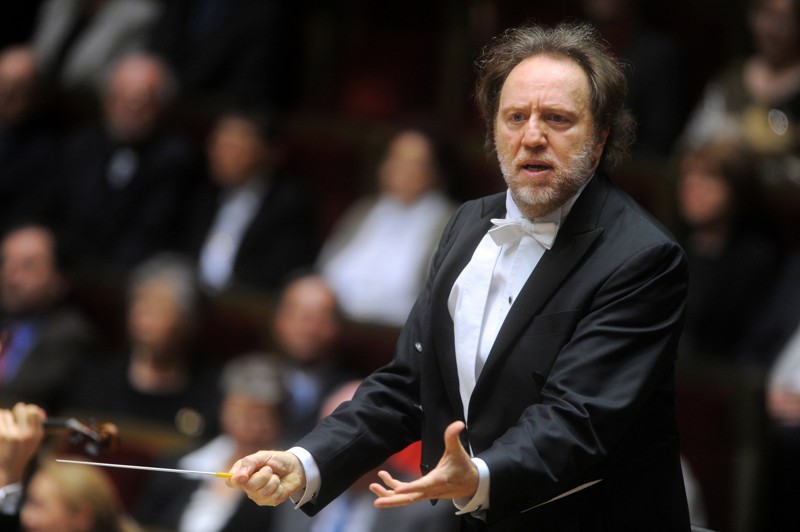
Riccardo Chailly
In Slovenia for the Ljubljana Festival. Two wonderful concerts by the excellent Gewandhausorchester Leipzig, led by Riccardo Chailly. Last night a moving performance of Mahler’s Ninth Symphony and tonight a stirring rendition of Beethoven’s Ninth Symphony. The lengthy standing ovation at the end of both performances were extremely well deserved – two very memorable evenings.
 The Diary of One Who Disappeared