‘New Objectivity’ in Venice

At Museo Correr, Venice, for the excellent exhibition, ‘New Objectivity. German Art in the Weimar Republic, 1919 – 1933’. A fascinating collection of paintings and photographs dealing with the aftermath of World War I, the disparity between the bourgeoisie and the victims of the war, and the tensions caused by the effects of industrialization and mechanization.

Dix 'The Parents I' (1921)

Otto Dix ‘The Parents I’ (1921)

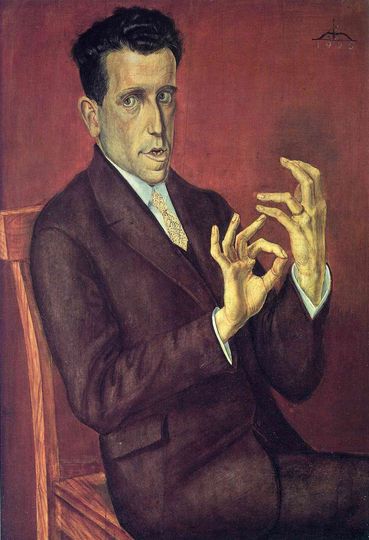
Dix 'Portrait of the Lawyer Hugo Simons' (1925)

Otto Dix ‘Portrait of the Lawyer Hugo Simons’ (1925)

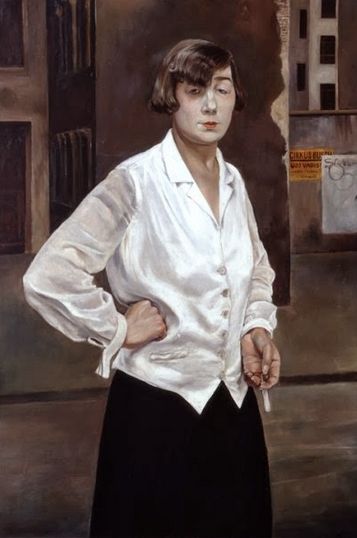
Rudolf Schlichter 'Margot' (1924)

Rudolf Schlichter ‘Margot’ (1924)

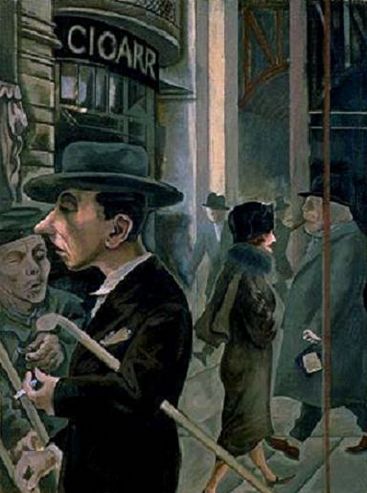
Grosz 'Street Scene' (1925)

George Grosz ‘Street Scene’ (1925)

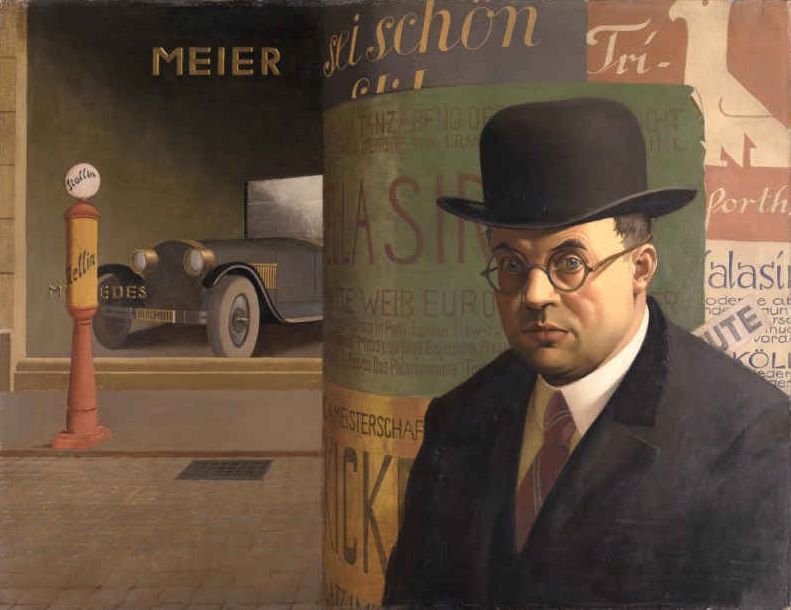
Georg Scholz 'Self-Portrait in front of an Advertising Column' (1926)

Georg Scholz ‘Self-Portrait in front of an Advertising Column’ (1926)

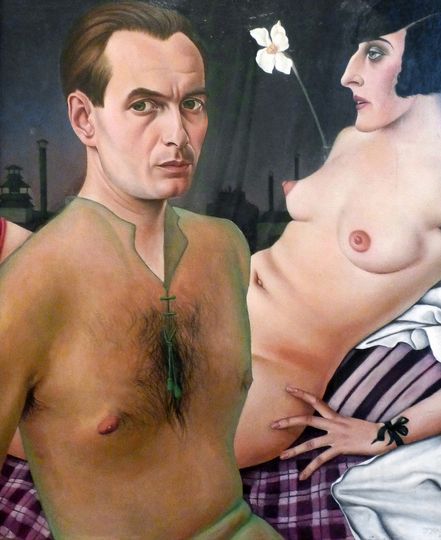
Christian Schad 'Self-Portrait' (1927)

Christian Schad ‘Self-Portrait’ (1927)

‘Picasso and Gaudi’s Barcelona’ in Ferrara

At the Palazzo Diamanti, Ferrara, for the exhibition ‘La Rosa di Fuoco – Picasso and Gaudi’s Barcelona’. The exhibition tells the story of the modernization of Barcelona at the turn of the twentieth century – a golden age of Catalan art and architecture. It starts with the optimism and celebration of Barcelona’s Universal Exposition in 1888 and ends with the events of Tragic Week in 1909, which brought about the end of the dream. At that time Barcelona became known as ‘La Rosa di Fuoco’ – the Rose of Fire, as the city bore witness to a violent uprising by an impoverished population.

The exhibition brings together architectural designs by Antoni Gaudi and others and paintings by artists such as Ramon Casas, Hermen Anglada Camarasa and ‘Blue Period’ Pablo Picasso.

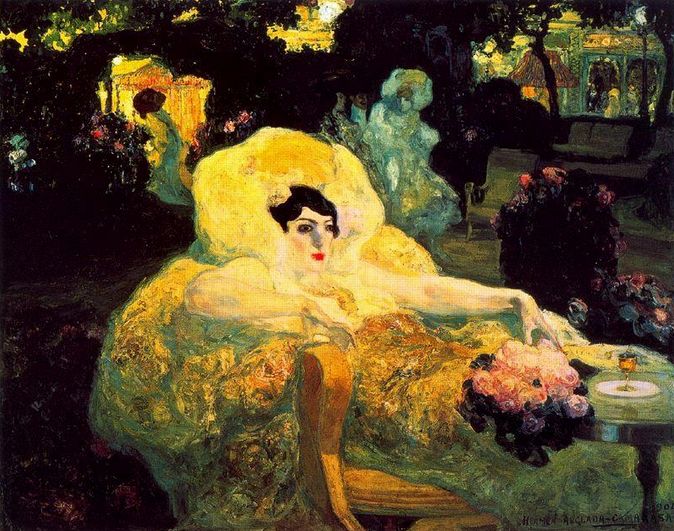
Hermen Anglada Camarasa 'The White Peacock' (1904)

Hermen Anglada Camarasa ‘The White Peacock’ (1904)

Picasso 'Portrait of Gustave Coquiot' (1901)

Picasso ‘Portrait of Gustave Coquiot’ (1901)

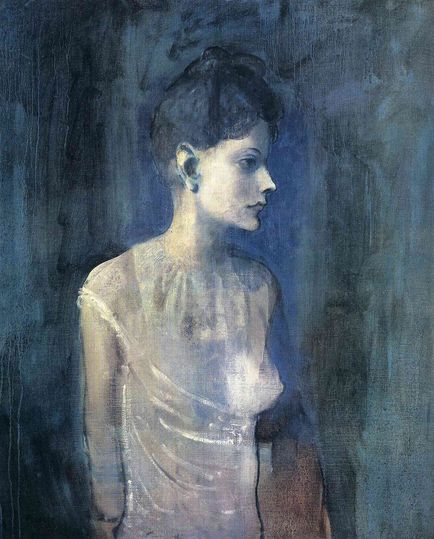
Picasso 'Girl in a Chemise' (1904 - 05)

Picasso ‘Girl in a Chemise’ (1904 – 05)

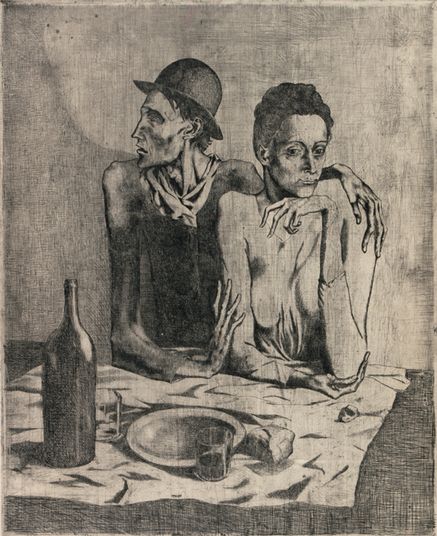
Picasso 'The Frugal Meal' (1904)

Picasso ‘The Frugal Meal’ (1904)

‘German Expressionism’ in Genova

At the Palazzo Ducale, Genova for the exhibition ‘Espressionismo Tedesco 1905 – 1913’, a survey of the ‘Die Brücke’ group. ‘Die Brücke’ was formed in 1905 in Dresden by four architecture students, Ernst Ludwig Kirchner, Fritz Bleyl, Karl Schmidt-Rottluff and Erich Heckel. They were later joined by Max Pechstein and Otto Mueller and, for a short time, Emil Nolde.

The exhibition was very good, though somewhat incomplete. There were hardly any examples of paintings from Moritzburg and none of Kirchner’s Berlin Street Scenes , but apart from that a fairly thorough survey.

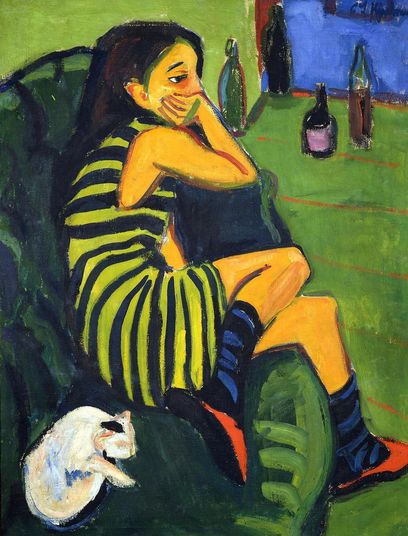
Kirchner 'Artist - Marcella' (1910)

Ernst Ludwig Kirchner ‘Artist -Marcella’ (1910)

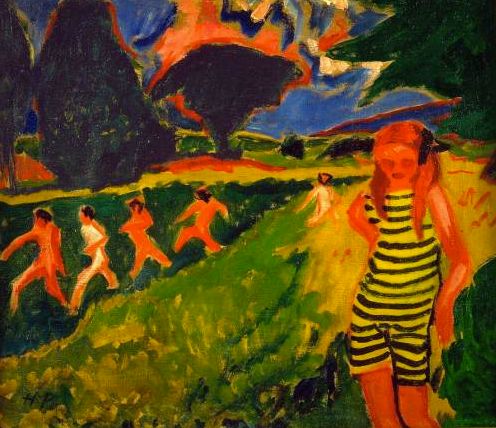
Pechstein 'The Black and Yellow Bathing Suit' (1909)

Max Pechstein ‘The Black and Yellow Bathing Suit’ (1909)

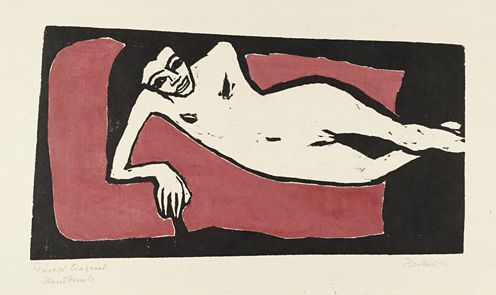
Heckel 'Franzi Reclining' (1910)

Erich Heckel ‘Franzi Reclining’ (1910)

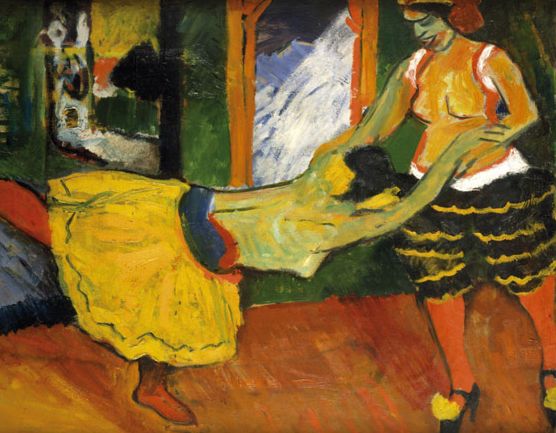
Pechstein 'Two Dancers' (1909)

Max Pechstein ‘Two Dancers’ (1909)

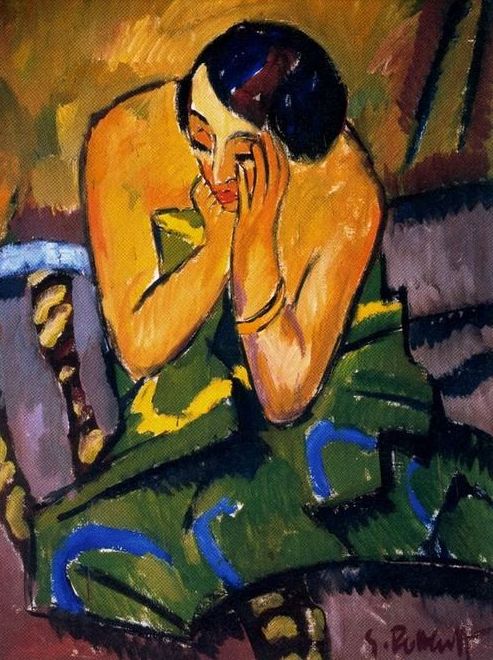
Schmidt-Rottluff 'Thoughtful Woman' (1912)

Karl Schmidt-Rottluff ‘Thoughtful Woman’ (1912)

‘Russian Avant-Garde’ at Villa Manin

At Villa Manin, Passariano, near Udine, for the fascinating exhibition ‘Avanguardia Russa’. The exhibition displays works from the Costakis collection of early twentieth-century Russian avant-garde art, collected in extraordinary circumstances while George Costakis worked in Moscow for the Greek and Canadian embassies.

The exhibition shows examples from all the major movements from 1910 to 1930 in Russia, including Symbolism, Cubo-Futurism, Suprematism and Constructivism, from artists including Malevich, Popova, Rodchenko, El Lissitsky, Tatlin and others. Also on display is a superb collection of photographs by Alexander Rodchenko.

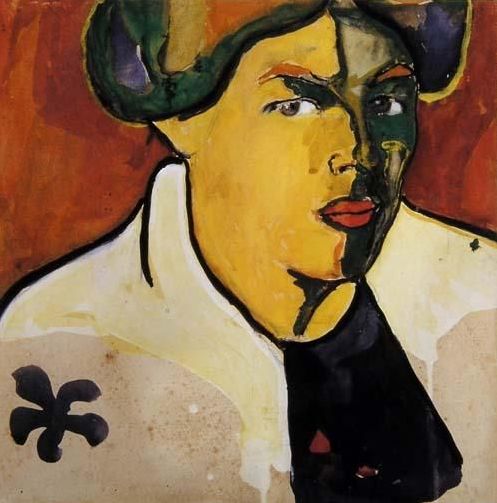
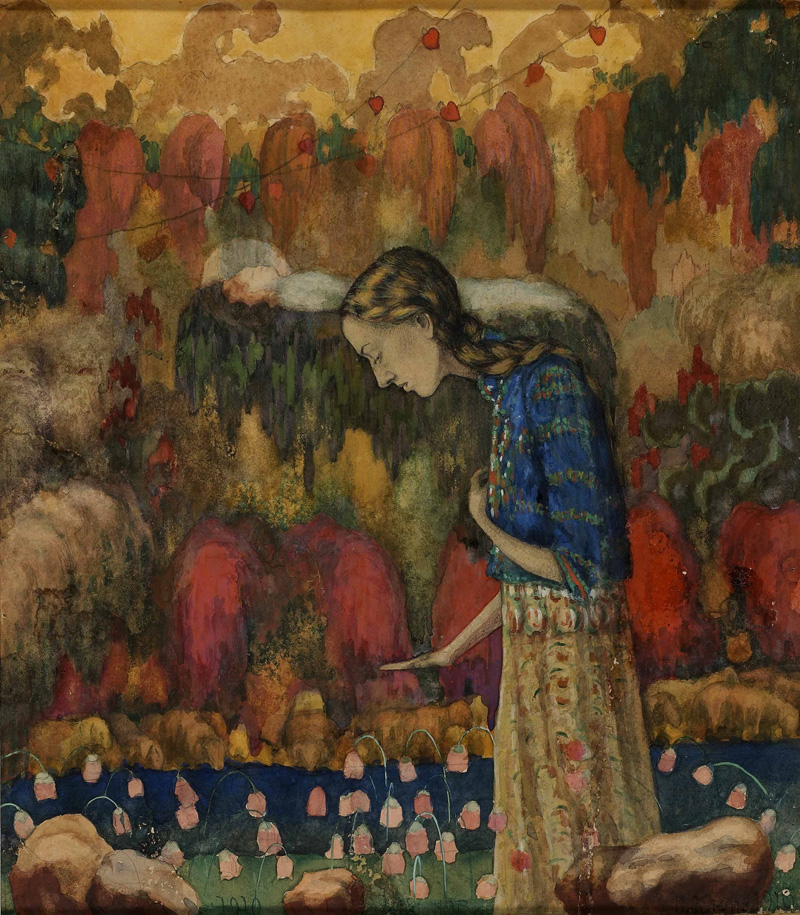
Kazimir Malevich 'Portrait' (1910)

Kazimir Malevich ‘Portrait’ (1910)

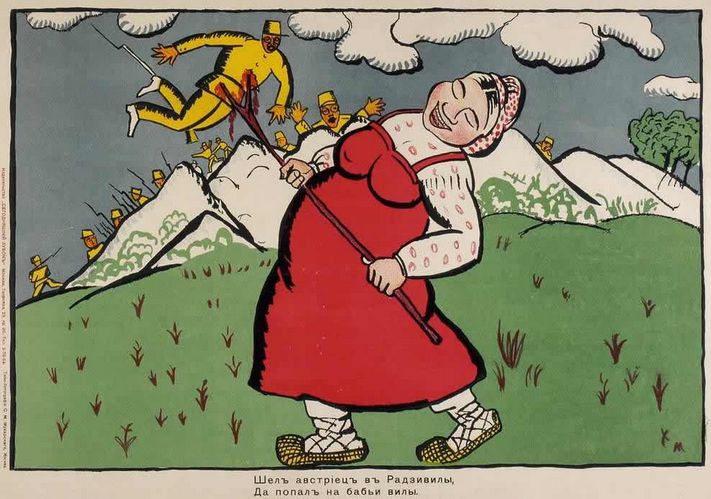
Kazimir Malevich 'Austrian went into Radziwill' WWI propaganda (1914)

Kazimir Malevich ‘Austrian went into Kadziwill’ (1914)

Ivan Kliun 'Portrait of the Artist's Wife (1910)

Ivan Kliun ‘Portrait of the Artist’s Wife’ (1910)

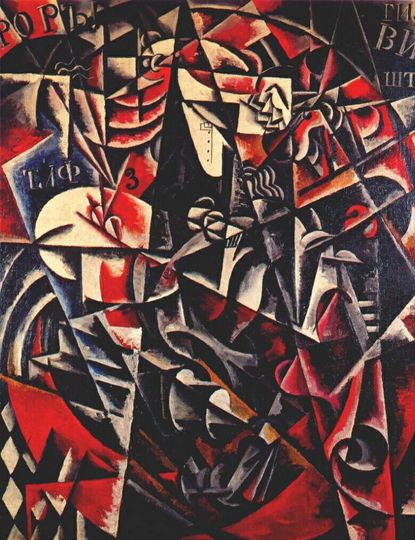
Liubov Popova 'Travelling Woman' (1915)

Liubov Popova ‘Travelling Woman’ (1915)

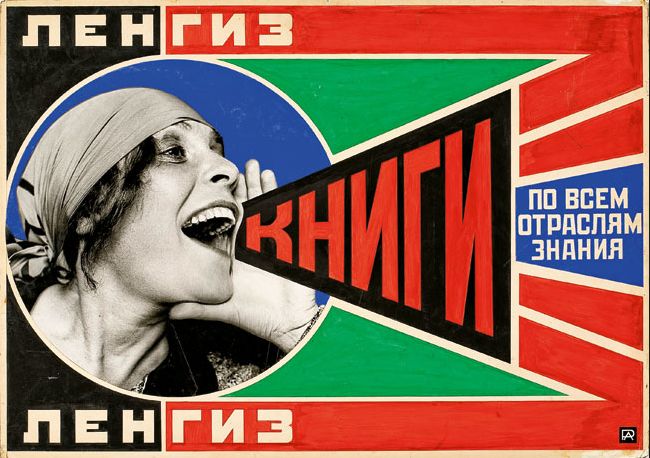
Alexander Rodchenko 'Books' (1924)

Alexander Rodchenko ‘Books’ (1924)

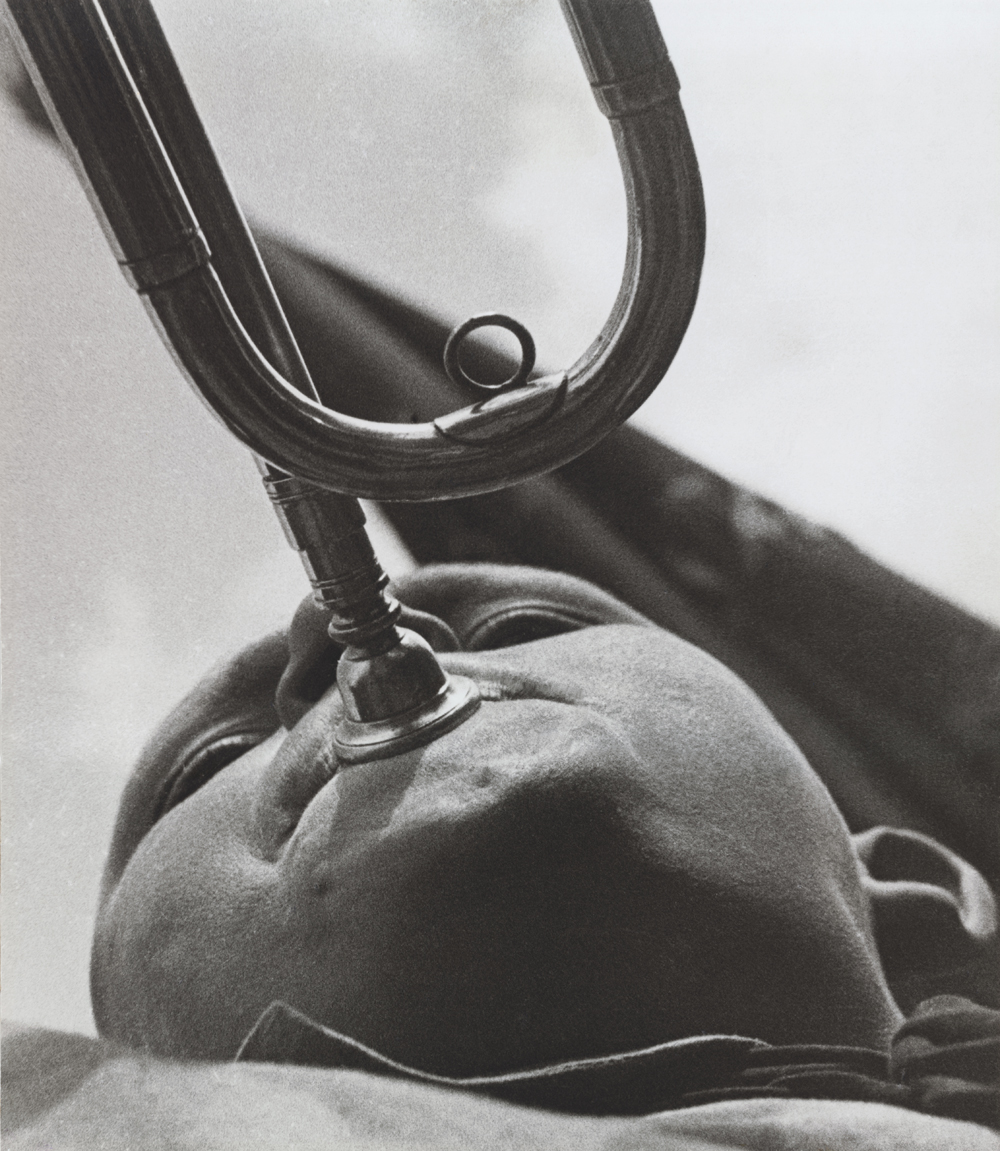
Alexander Rodchenko 'Pioneer Trumpet Player' (1930)

Alexander Rodchenko ‘Pioneer Trumpet Player’ (1930)

‘Painting in Normandy’ exhibition in Ljubljana

In Ljubljana, Slovenia, for the exhibition ‘Painting in Normandy’. Works by French artists in the Normandy region from the Realism of Courbet and Corot and the Impressionism of Monet to the Post-Impressionism of Bonnard and Vuillard.

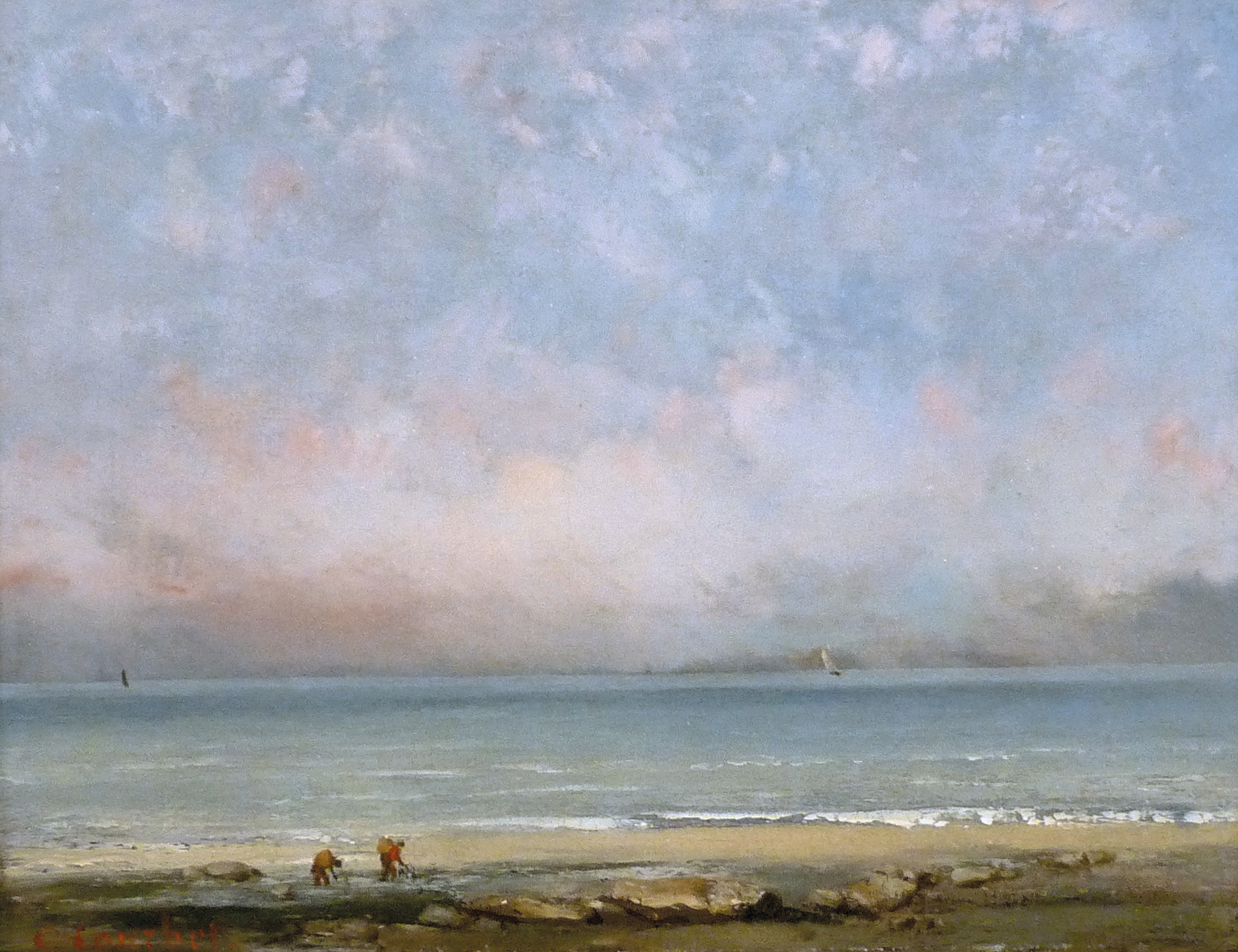
Coubert 'The Beach at Trouville' (c.1865)

 Gustave Courbet ‘The Beach at Trouville’ (c.1865)

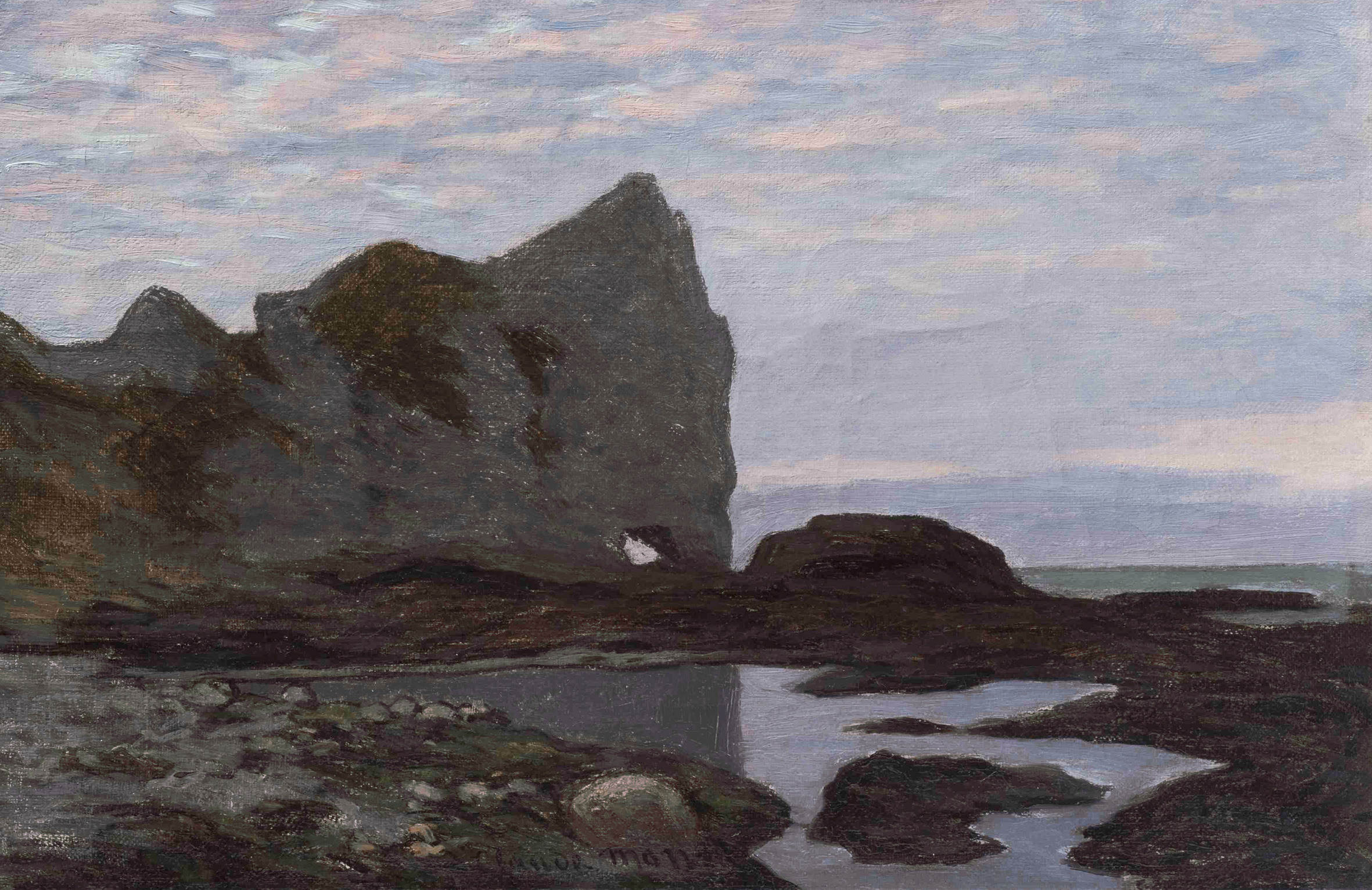
Monet 'Etretat' (c.1864)

Claude Monet ‘Étretat’ (c.1864)

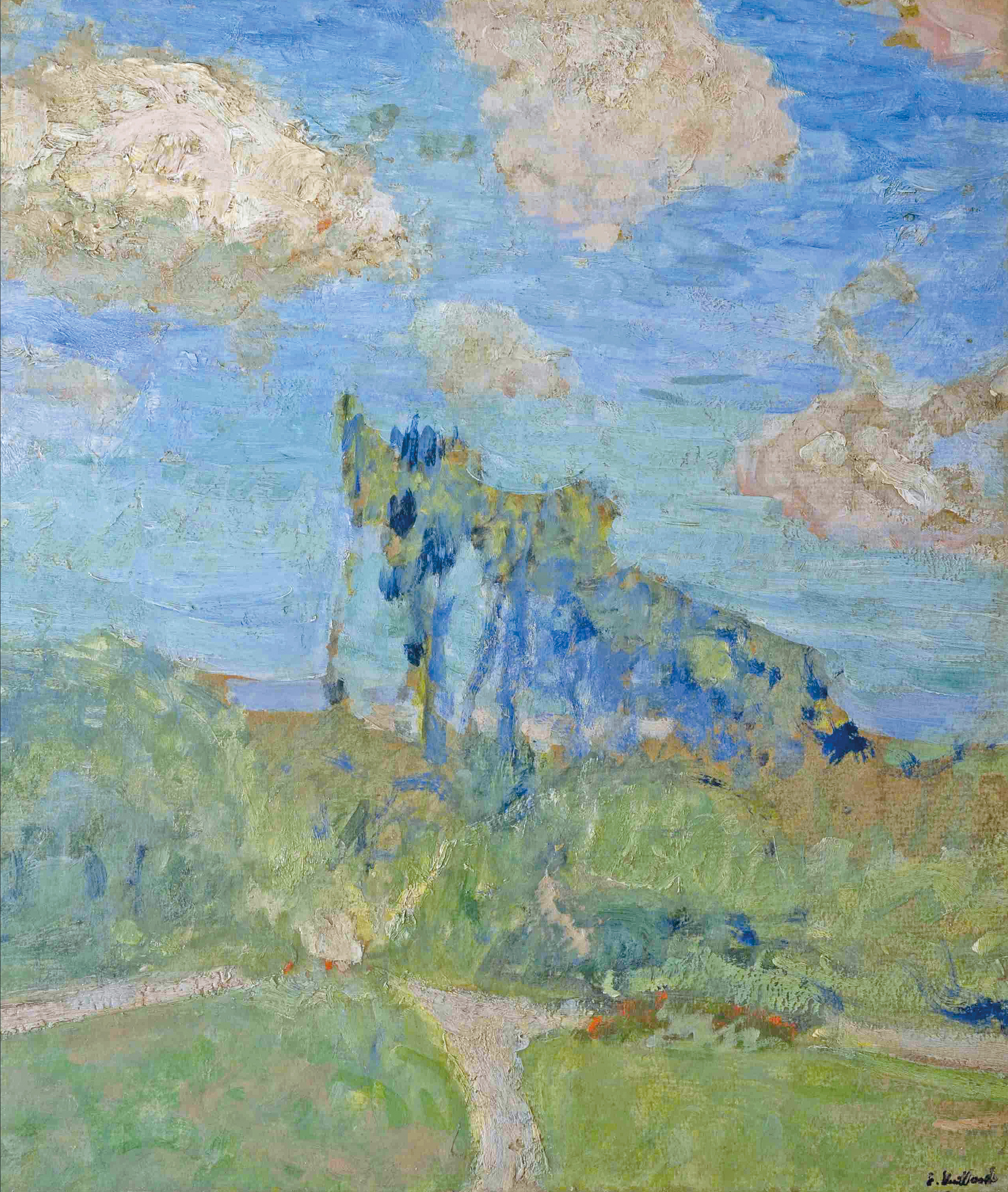
Vuillard 'The Garden at Amfreville' (c.1905 - 07)

Edouard Vuillard ‘The Garden at Amfreville’ (c.1905 – 07)

Modigliani in Pisa, Italy

In Pisa for an extremely interesting exhibition, ‘Modigliani et ses amis, Parigi 1906 – 1920’. The exhibition tells the story of the avant-garde artists who worked in Paris in the first two decades of the twentieth century. Focusing on the paintings and sculptures of Amedeo Modigliani, it also shows works by people associated with the ‘School of Paris’ during that period, including Constantin Brâncusi, Raoul Dufy, Chaim Soutine, Juan Gris, Pablo Picasso, André Derain and Marc Chagall.

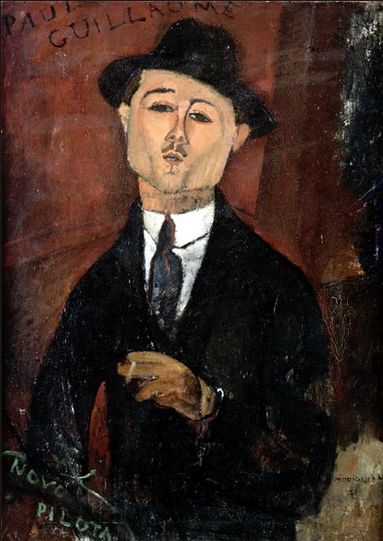
Modigliani 'Paul Guillaume, Novo Pilota' (1915)

Amedeo Modigliani ‘Paul Guillaume, Novo Pilota’ (1915)

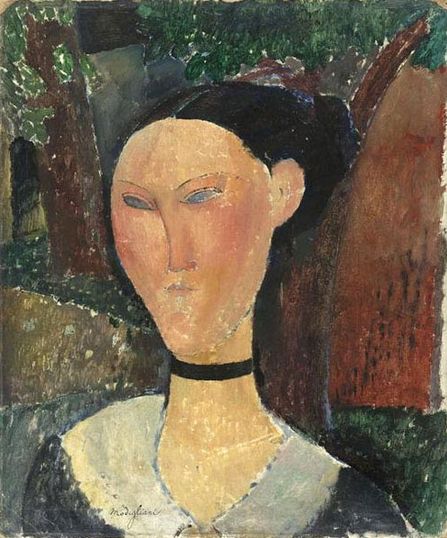
Modigliani 'Femme au ruban de velours' (1915)

Amedeo Modigliani ‘Femme au ruban de velours’ (1915)

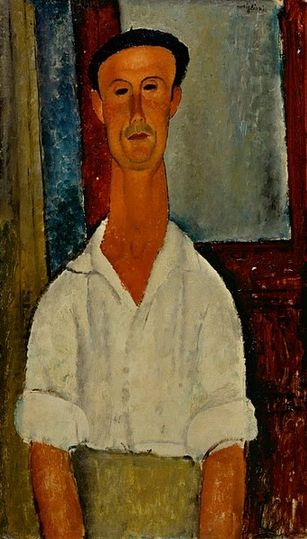
Modigliani 'Gaston Modot' (1918)

Amedeo Modigliani ‘Gaston Modot’ (1918)

Modigliani 'The Young Apprentice' (1917 - 19)

Amedeo Modigliani ‘The Young Apprentice’ (1917 – 19)

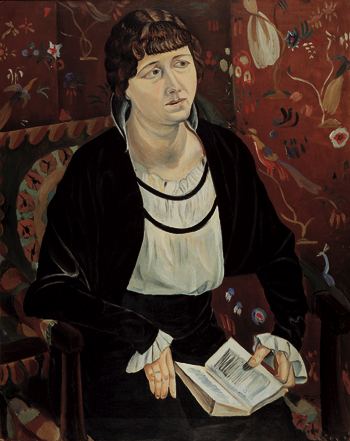
André Derain ‘Portrait of Lucie Kahnweiler’

André Derain ‘Portrait of Lucie Kahnweiler’ (1913)

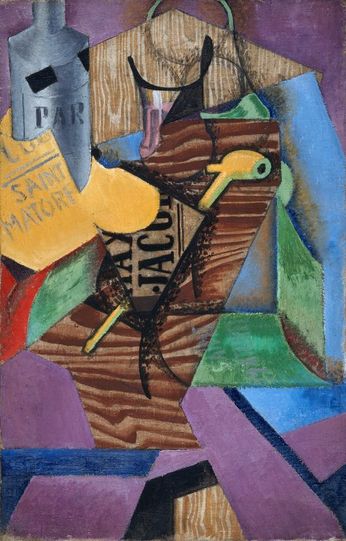
Juan Gris 'Nature morte au livre' (1913)

Juan Gris ‘Nature Morte au Livre’ (1913)

Toulouse-Lautrec in Albi, France

At the Musée Toulouse-Lautrec in Albi, south-west France, for an excellent exhibition commemorating the 150th anniversary of his birth. Toulouse-Lautrec, who died tragically young at only 36, was extremely important in recording life in Belle Epoque Paris as well as in the development of graphic art.

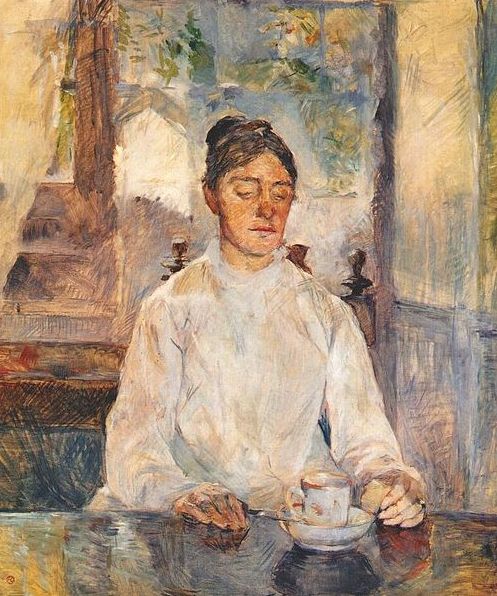
Toulouse-Lautrec 'Comtesse Adèle de Toulouse-Lautrec, at breakfast (1881)

Henri de Toulouse-Lautrec ‘Comtesse Adèle de Toulouse-Lautrec at breakfast’ (1881)

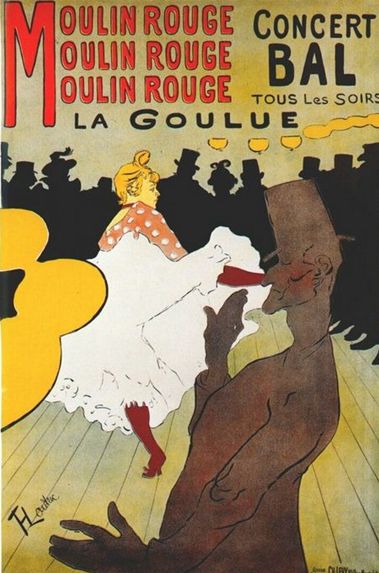
Toulouse-Lautrec 'La Goulue' poster (1891)

Henri de Toulouse-Lautrec ‘La Goulue’ poster (1891)

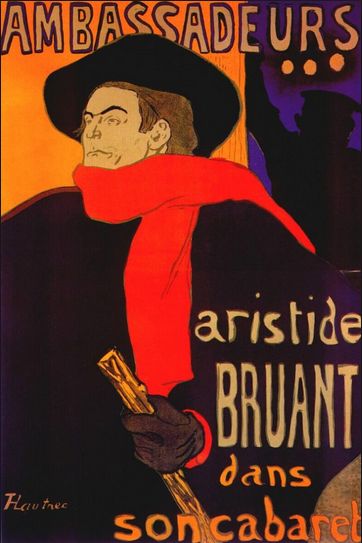
Toulouse-Lautrec 'Aristide Bruant Ambassadeurs poster' (1892)

Henri de Toulouse-Lautrec ‘Aristide Bruant Ambassadeurs’ poster (1892)

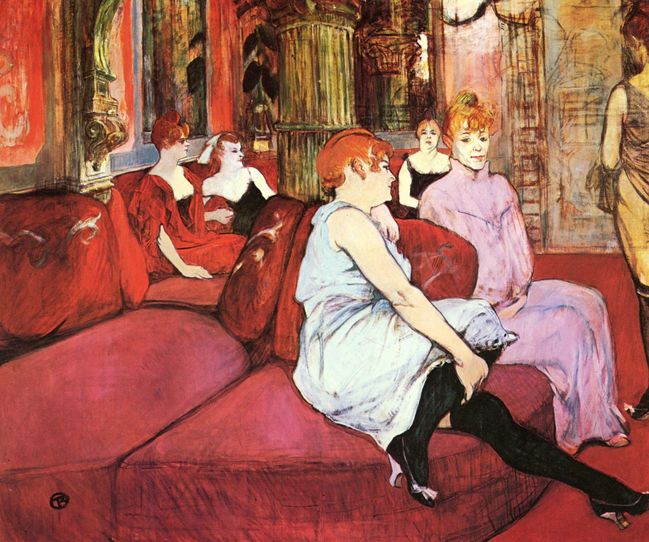
Toulouse-Lautrec 'Au Salon de la Rue des Moulins' (1894)

Henri de Toulouse-Lautrec ‘Au Salon de la rue des Moulins’ (1894)

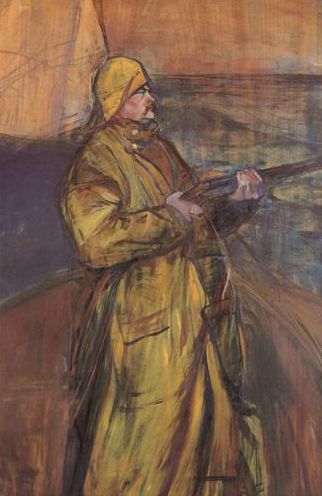
Toulouse-Lautrec 'Maurice Joyant Somme Bay' (1900)

Henri de Toulouse-Lautrec ‘Maurice Joyant, Somme Bay’ (1900)

Man Ray at Villa Manin

mostra_man-ray

At Villa Manin, Passariano, near Udine, for a wonderful retrospective of the career of Man Ray (1890 – 1976), containing over 250 works including paintings, photographs, ‘readymades’ and films.

Man Ray worked alongside artists such as Marcel Duchamp, Francis Picabia, Pablo Picasso, Henri Matisse, Giorgio De Chirico and Constantin Brancusi, and painted with and photographed artists and models from the avant-garde world of Dada and Surrealism.

Man Ray 'Flying Dutchman' (1920)Man Ray ‘Flying Dutchman’ (1920)

Man Ray 'Cadeau' (1974, replica of 1921 original)

Man Ray ‘Cadeau’ (1974 replica of 1921 original)

Man Ray 'Le Violon d'Ingres' (1924)

Man Ray ‘Le Violon d’Ingres’ (1924)

Man Ray 'Black and White' (1926)

Man Ray ‘Black and White’ (1926)

Man Ray 'Meret Oppenheim' (1933)

Man Ray ‘Meret Oppenheim’ (1933)