Musée National d’Art Moderne in the Pompidou Centre

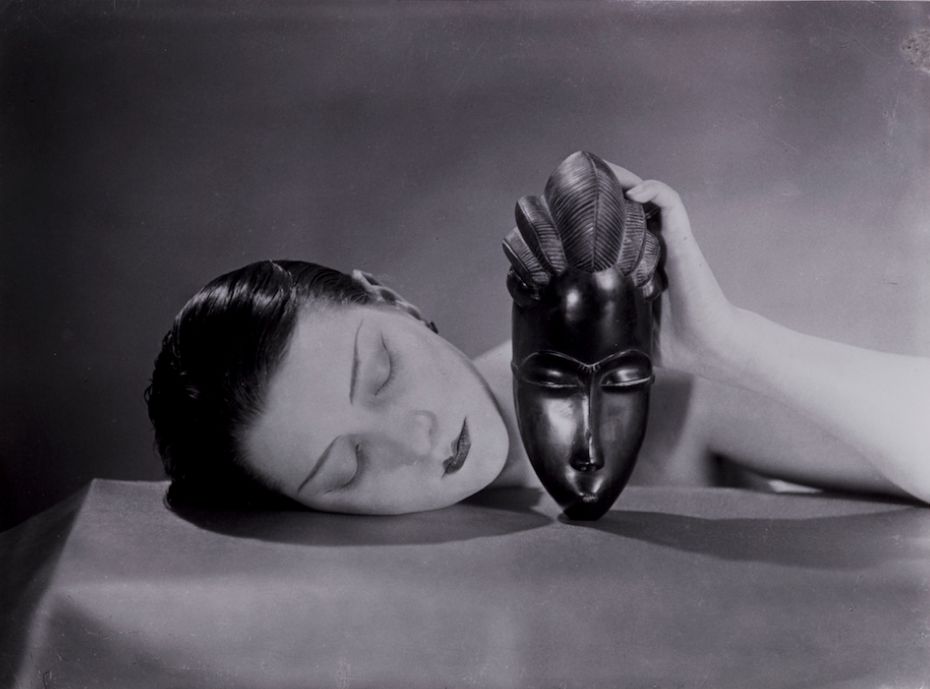
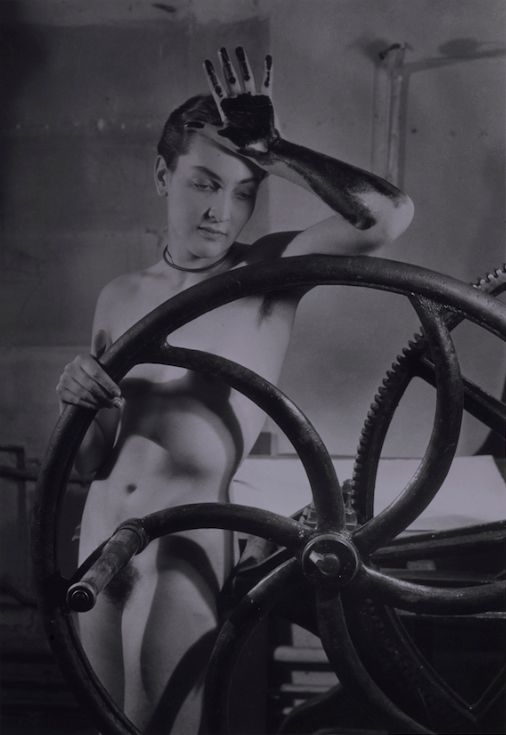
At the Musée National d’Art Moderne in the Pompidou Centre, Paris, to see ‘Multiple Modernities, 1905 – 1970’. The Museum has the second largest collection of modern and contemporary art in the world, with works representing Fauvism, Cubism, Expressionism, Dada and Surrealism.

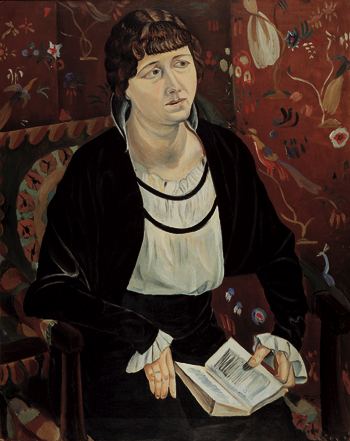
Otto Dix

Otto Dix ‘Portrait of the Journalist Sylvia von Harden’ (1926)

Otto Dix A Memory of the Glass House in Brussels (1920)

Otto Dix ‘A Memory of the Glass House in Brussels’ (1920)

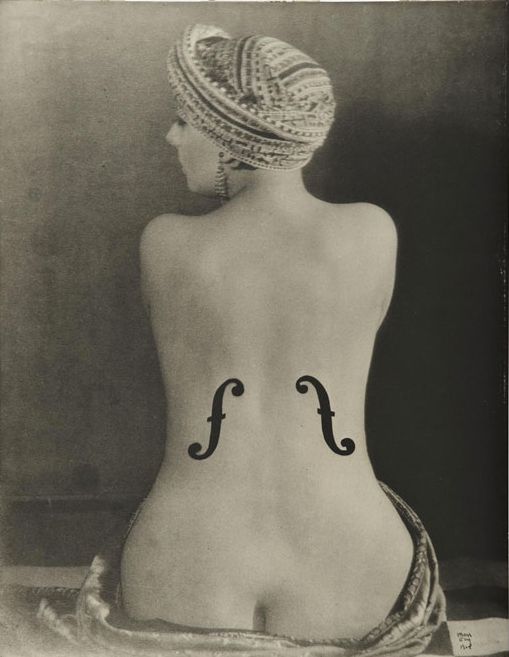
Also being shown was ‘Man Ray, Picabia et la Revue Littérature’, a fascinating account of the periodical of the Surrealist movement which was published from 1922 to 1924.

Man Ray Picabia

Musée d’Orsay, Paris

A visit to Musée d’Orsay, Paris, particularly to see works by the French realist artists Honoré Daumier, Gustave Courbet and Jean-Francois Millet. It was also an opportunity to see works by Symbolist and Neo-Impressionist artists such as Odilon Redon, Maurice Denis, Georges Seurat and Paul Signac.

Daumier The Republic

Honoré Daumier ‘The Republic’ (1848)

Gustave_Courbet_-_Burial_at_Ornans (1849 - 50)

Gustave Courbet ‘Burial at Ornans’ (1849 – 50)

Jean-François Millet 'The Gleaners' (1857)

Jean-François Millet ‘The Gleaners’ (1857)

‘Les Ballets Suédois’ at Opera Garnier

At Opera Garnier to see a fascinating exhibition entitled ‘Les Ballets Suédois – An Avant-Garde Company, 1920 – 1925.’ Les Ballets Suédois appeared in Paris around the same time as the better known Ballets Russes. However, they were able to work with artists such as Fernand Léger, Giorgio De Chirico and Francis Picabia and writers including Jean Cocteau.

Les Ballets Suédois

Musée de l’Orangerie, Paris

At the Musée de l’Orangerie, Paris to see the magnificent ‘Water Lilies’ series by Claude Monet and the Walter – Guillaume Collection of Modern Art.

Monet began working on the paintings of his water garden at Giverny in 1914 and continued painting them until his death in 1926. He donated them to France after the First World War and they are now exhibited in two specially constructed oval rooms. 

Monet L'Orangerie Paris

Claude Monet ‘Water Lilies’ (1914 – 1918) 

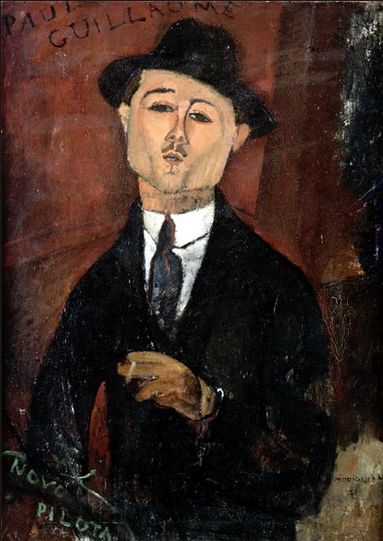
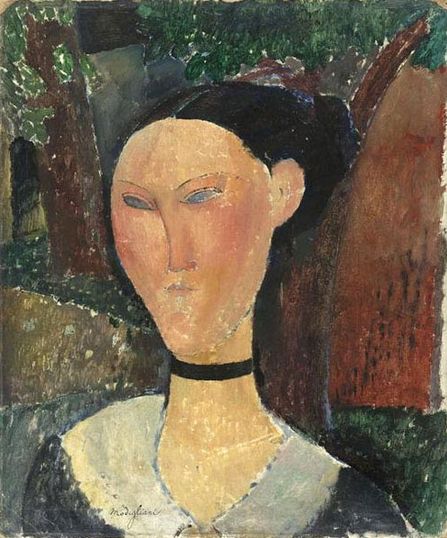
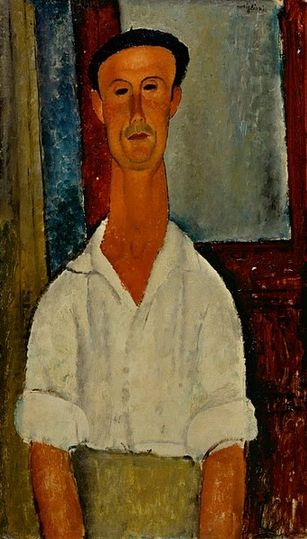
Paul Guillaume (1891 – 1934) was a collector and art dealer who represented some of the most important artists of the avant-garde in the early twentieth century. His own excellent collection was sold to the French state by his widow and it contains superb examples of the work of Cezanne, Renoir, Modigliani, Picasso, Matisse and Derain among others.

Modigliani Portrait of Paul Guillaume (1915)

Amadeo Modigliani ‘Paul Guillaume’ (1915) 

Paul Cézanne Portriat of Madame Cézanne (c.1890)

 Paul Cézanne ‘Portrait of Madame Cézanne’ (c.1890)

W11051-1A

Pablo Picasso ‘Large Bather’ (1921)

André Derain Harlequin et Pierrot (1924)

André Derain ‘Harlequin and Pierrot’ (1924)

A Postcard from Collioure

In the summer of 1905 Henri Matisse and André Derain stayed and worked together in Collioure, in south-west France, near the Spanish border, developing what became known as the Fauvist style. They painted views of the town, the boats in the harbour, portraits of each other, and Matisse painted ‘The Open Window’.

Matisse View of Collioure

Henri Matisse ‘View of Collioure’ (1905)

A Postcard from Céret

Céret

In the second decade of the twentieth century a community of artists settled and worked in Céret, many moving from Paris, including Pablo Picasso, Georges Braque, Henri Matisse, Juan Gris, Chaim Soutine, André Masson, Raoul Dufy and Jean Cocteau. Le Musée d’Art Moderne de Céret was created in 1950 with the personal support of Picasso and Matisse and now contains a fine collection of paintings by artists who worked in the town.

Ceret Landscape Chaim Soutine

Chaim Soutine ‘Céret Landscape’ (c.1920)

R.I.P. Horace Silver (1928 – 2014)

Horace Silver, the great jazz pianist and composer, whose contribution to the Blue Note legacy is immeasurable, has died at the age of 85. Horace was a pioneer of hard bop and the original founder of The Jazz Messengers. He tempered bebop with elements of gospel, blues and R&B to help create what became known as the ‘Blue Note Sound’. He will be remembered for wonderful albums such as ‘Song for my Father’, The Tokyo Blues’, ‘Blowin’ the Blues Away’ and ‘Horace Silver and the Jazz Mesengers’.

Image

Horace Silver

Image

‘Léger – A Vision of the Contemporary City’ in Venice

In Venice for the really wonderful exhibition ‘Léger 1910 – 1930’. The exhibition focuses on the ‘Vision of the Contemporary City’ pursued by Leger and other artists who had first-hand experience of the radical transformations that shaped everyday life throughout the world with the industrialization and urbanization of the years 1910 – 30.

Divided into five sections (The Metropolis Before the Great War, The Painter of the City, Advertising, Entertainment, Space), the works presented included more than 60 by Léger, including the extraordinary painting ‘La Ville’, as well as works by Delaunay, Mondrian, Gris, Duchamp and other avant-garde artists.

Image

Image

Fernand Léger ‘La Ville’ (1919)

Fernand Léger 'Les Disques' (1918)

Fernand Léger ‘Les Disques’ (1918)

023.tif

Fernand Léger ‘Animated Landscape’ (1924)

Leger 'La Roue' film poster (1923)

Fernand Léger ‘La Roue’ film poster (1923)

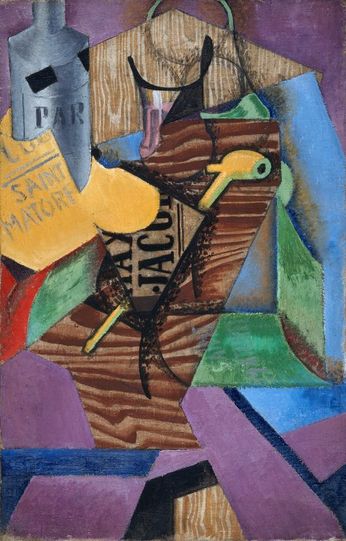
Juan Gris Still-Life Before an Open Window

Juan Gris ‘Still Life Before an Open Window’ (1915)

Marcel Duchamp 'Nude Descending a Staircase' (1911)

Marcel Duchamp ‘Nude Descending a Staircase’ (1911)

The International Gallery of Modern Art, Ca’Pesaro, Venice

A visit to the Gallery of Modern Art at Ca’Pesaro, which contains an excellent collection of paintings and sculptures, including masterpieces by Rodin, Kandinsky, Klee, Chagall and Moore, amongst others.

Auguste Rodin 'The Burghers of Calais' (1889)

Auguste Rodin ‘The Burghers of Calais’ (1889)

Emile Nolde 'Flowering Plants' (1909)

Emile Nolde ‘Flowering Plants’ (1909)

Wassily Kandinsky 'White Zig Zags' (1922)

Wassily Kandinsky ‘White Zig Zags’ (1922)

Giorgio de Chirico 'Mysterious Baths' (1935)

Giorgio de Chirico ‘Mysterious Baths’ (1935)