Henri Martin in le Capitole

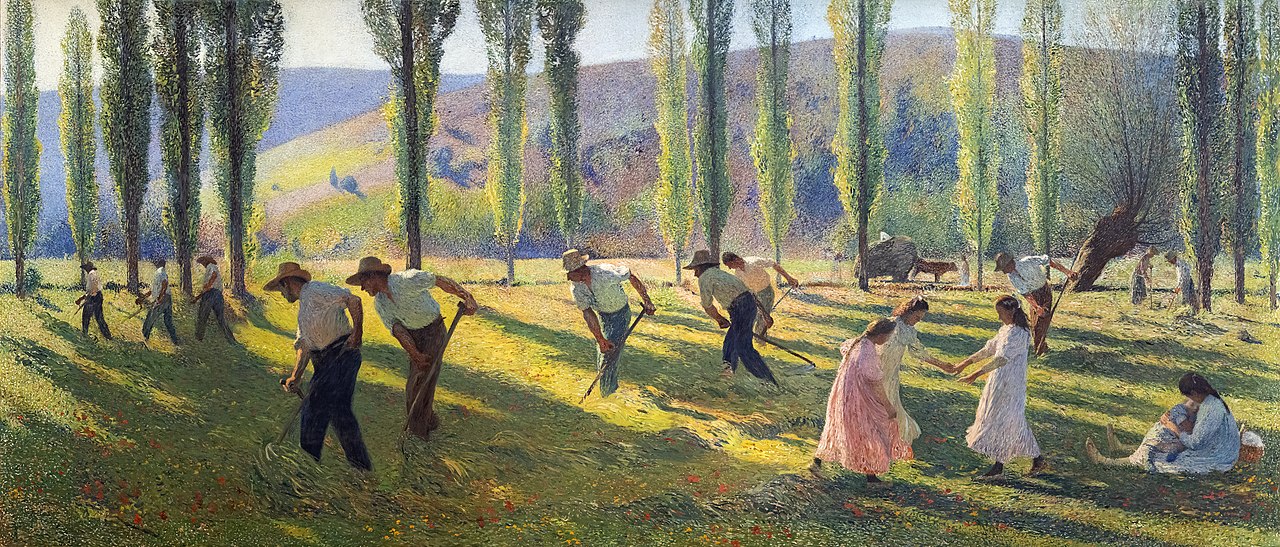
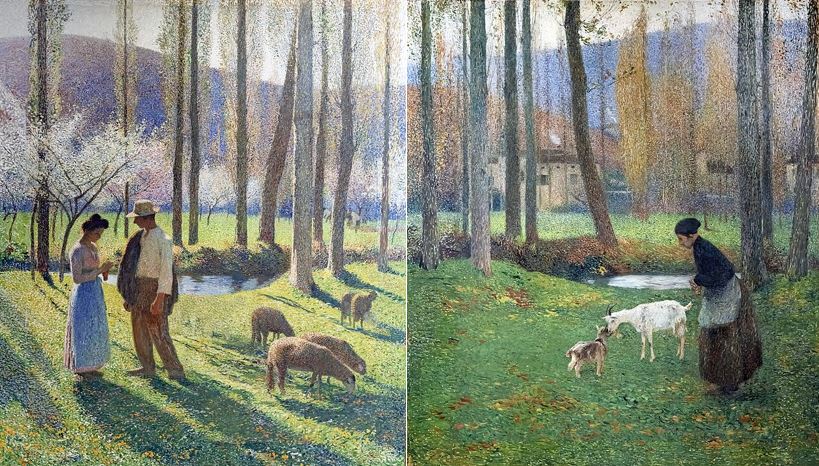
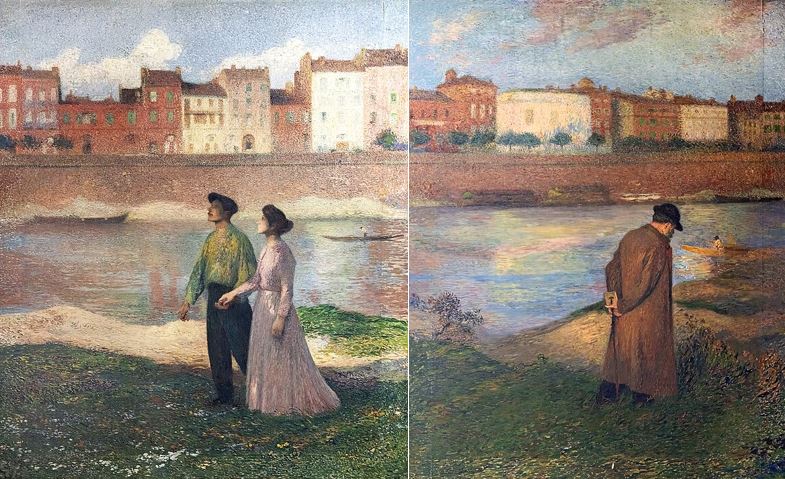
Having already visited the recently reopened Musée Henri Martin in Cahors, I was eager to see what I believe are the artist’s greatest works, on display in the Salle Henri Martin in le Capitole de Toulouse. The main works, two triptychs, were the subject of a commission from the State in 1900. They were presented for the first time at the Salon des Artistes in Paris in 1906 and exhibited at le Capitole from 1914.

Both triptychs are landscapes, one in the countryside, dealing with agricultural work in the fields, and the other in the city, depicting walkers on the banks of the River Garonne.

Henri Martin ‘L’été’ (1903)

Henri Martin ‘Le printemps’ and ‘L’automne’ (1903)

Henri Martin ‘Les Bords de la Garonne, Les Rêveurs’ (1906)

Henri Martin ‘Les amoureux’ and ‘Le poète’ (1906)

Le Capitole also displays some earlier works from Martin including ‘The Poets of Gay Knowledge’, from 1893, and ‘The Apotheosis of Clémence Isaure’, painted in 1897.

Henri Martin ‘Les Poëtes du Gay Savoir’ (1893)

Henri Martin L’Apothéose de Clémence Isaure (1897)

Turangalîla in Toulouse

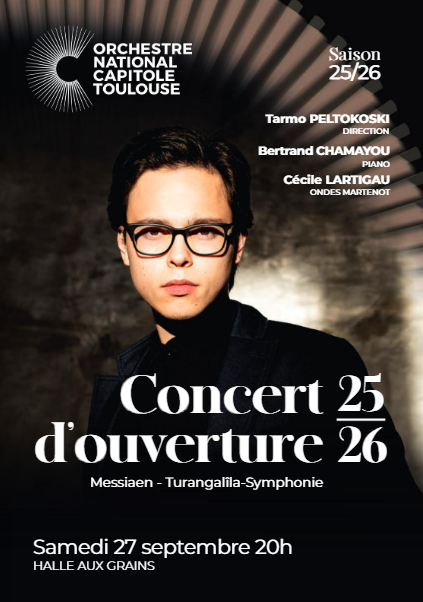
Back at the Halle aux Grains in Toulouse for the opening concert of the 2025 – 26 season of the Orchestre national du Capitole de Toulouse under their Finnish conductor Tarmo Peltokoski.

Olivier Messiaen’s ‘Turangalîla-Symphonie’ is one of my favourite orchestral works to see live. It was written between 1946 and 1948, commissioned by Serge Koussevitzky for the Boston Symphony Orchestra, and features a large orchestra with both piano and ondes Martenot. The ondes Martenot is a rarely-seen early electronic instrument that consists of a keyboard with a wire and ring attached which produce a wavering sound similar to a theremin. The sister-in-law of Messiaen, Jeanne Loriod, was the onde Martenot player in many performances and recordings of the Turangalila; in fact, I witnessed her performance the first time I saw the symphony in the 1981 – 82 season of the City of Birmingham Symphony Orchestra with Simon Rattle conducting.

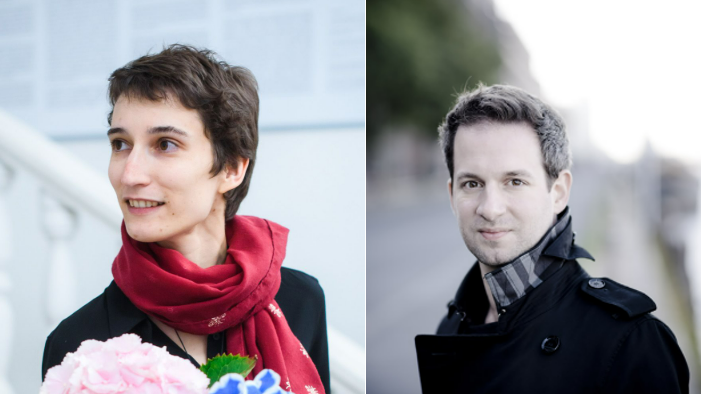
Tonight the onde Martenot was played by Cécile Lartigau and the piano by the celebrated French pianist Bertrand Chamayou. Cécile Lartigau, born in 1989, is a French musician who has performed all over the world and built up an international reputation as a leading player of the onde Martenot. Bertrand Chamayou was born in 1981 in Toulouse and has become renowned as a great interpreter of French music, particularly that of Maurice Ravel. He is the president and artistic director of the Festival Ravel in Saint-Jean-de-Luz, which I attended last month.

Cécile Lartigau and Bertrand Chamayou

Considering that it was the first concert of the season the orchestra were really together and in great form, which bodes well for the rest of the season; the woodwind, brass and percussion sections played particularly well this evening. On the onde Martenot, Cécile Lartigau performed with great feeling and precision, proving that she is indeed a leading interpreter on the instrument. Bertrand Chamayou was, as always, on great form and performed the demanding piano part wonderfully, especially the solo cadenzas.

This was an excellent opening to the 2025 – 26 season, one that makes me look forward to many more exciting concerts to come over the next year.

Olivier Messiaen ‘Turangalîla-Symphonie’.

R.I.P. Danny Thompson (1939 – 2025)
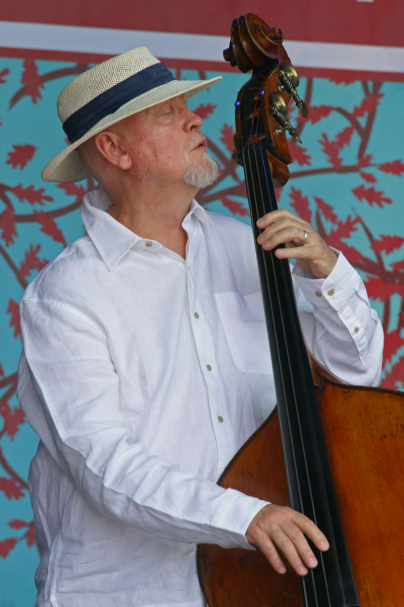
Danny Thompson, the great folk and jazz double bass player, has died at the age of eighty-six.

Danny Thompson in 2008

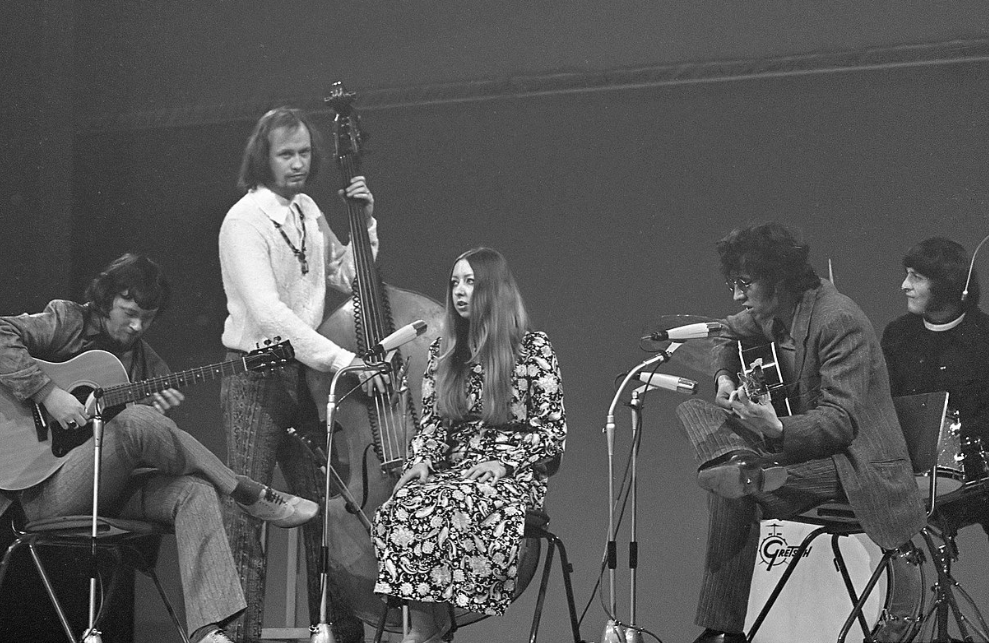
After playing with Alexis Korner’s Blues Incorporated, he came to wider attention in 1967 as part of the remarkable folk- jazz- rock group Pentangle, which he formed together with guitarists Bert Jansch and John Renbourn, drummer Terry Cox and vocalist Jacqui McShee. He played with Pentangle until 1973, as well as later reunions.

Danny Thompson with Pentangle in 1969

I next saw him in 1987 at Fairport Convention’s annual festival, playing with the excellent Australian band Mara! He also released his first solo album, ‘Whatever’, in 1987 and then formed a long-lasting recording and performing relationship with Richard Thompson. He was much in demand for guest appearances on other artists’ albums, including Nick Drake, Donovan, The Incredible String Band, Marianne Faithful and Kate Bush.

Exploring the Pays de Gourdon

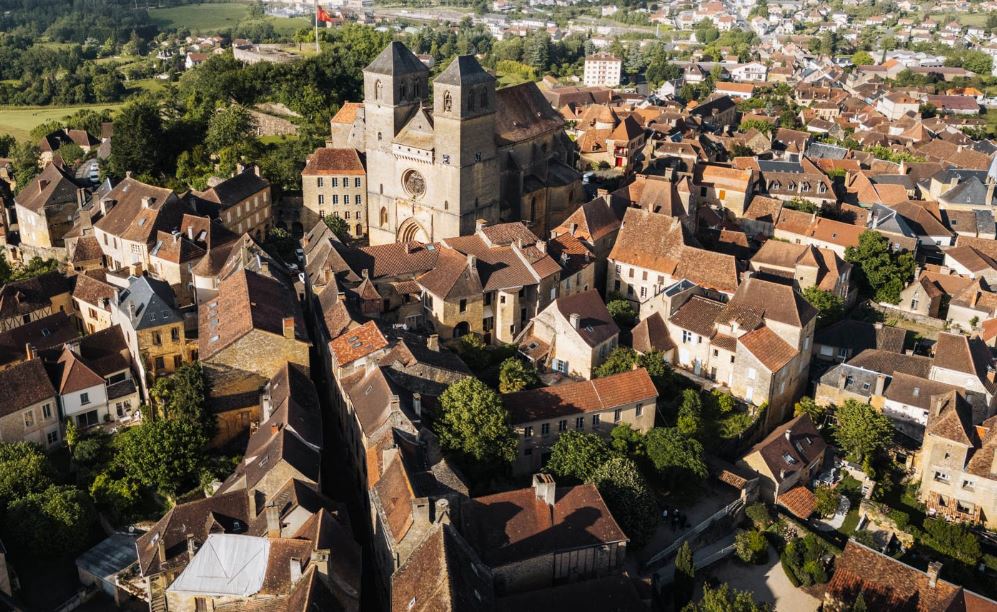
Gourdon is a medieval town in the Lot department of France. The town itself features a fortified gate, narrow winding streets, castle remains and half-timbered houses, but the surrounding ‘pays’ also has much of interest including some excellent walks and caves with prehistoric paintings and spectacular stalactites.

Gourdon

Porte du Majou, Gourdon

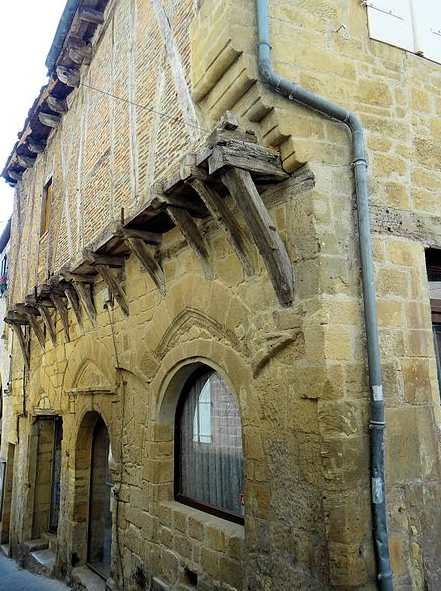
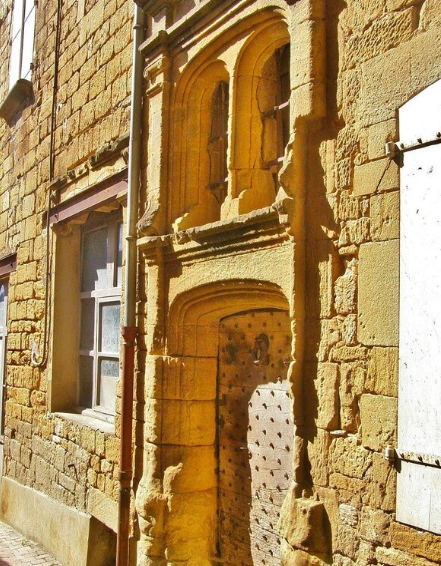
House in Rue du Majou, Gourdon

Chapelle Notre-Dame-des-Neiges, Gourdon

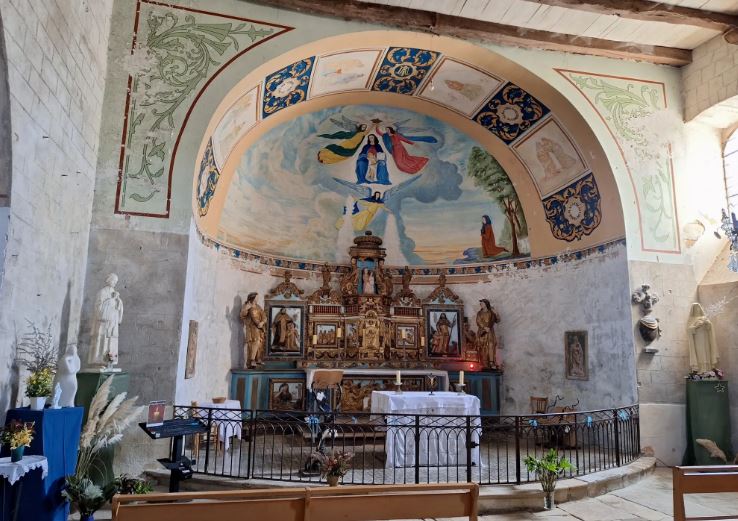
La chapelle du sanctuaire, Notre-Dame-des-Neiges, Gourdon

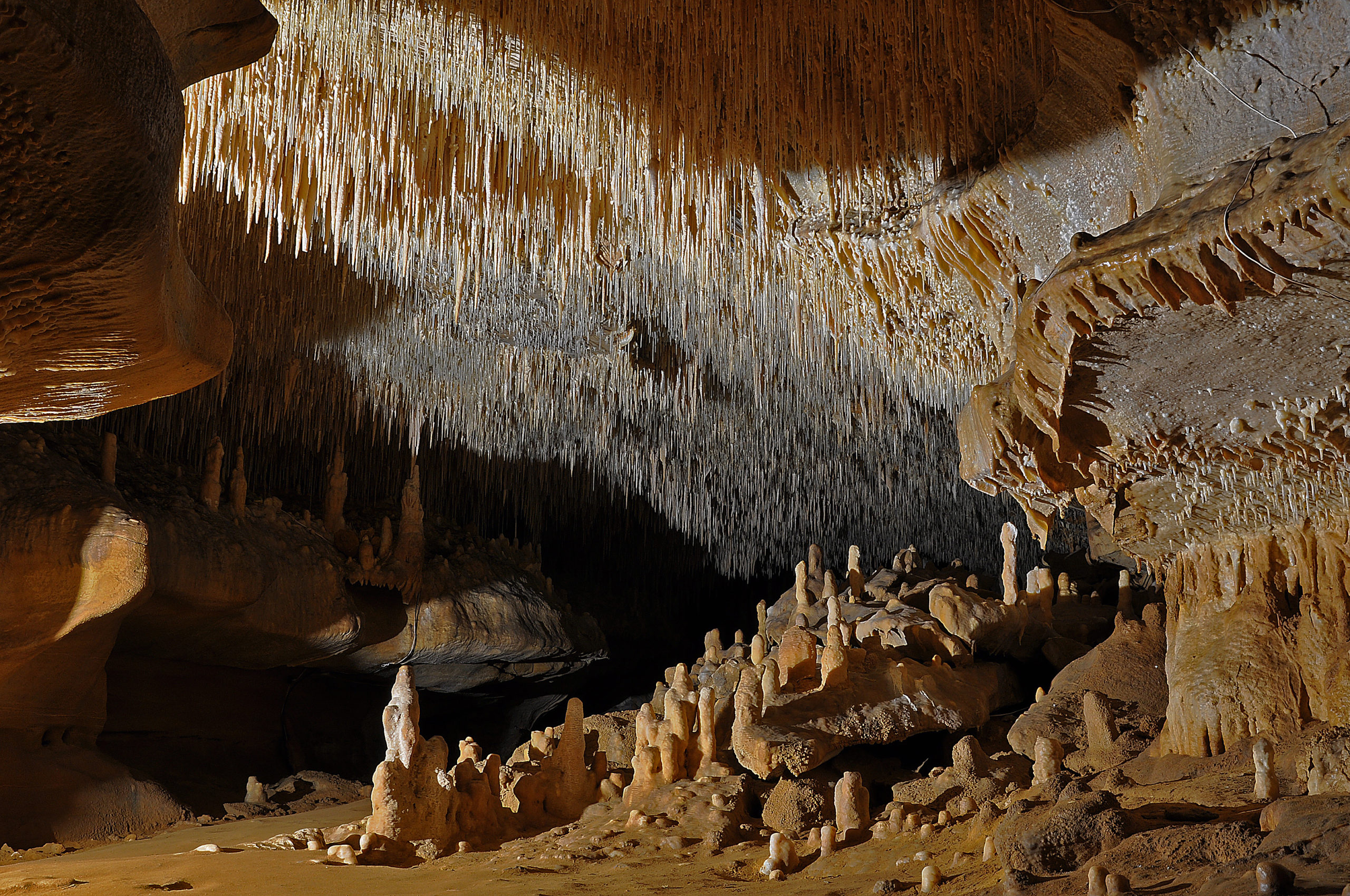
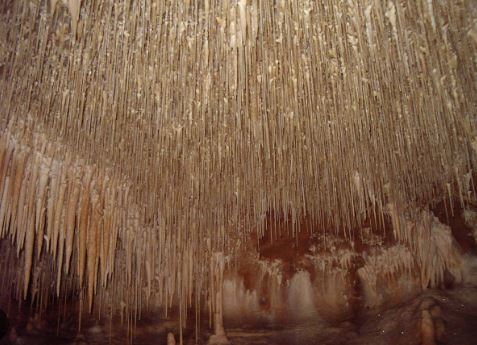
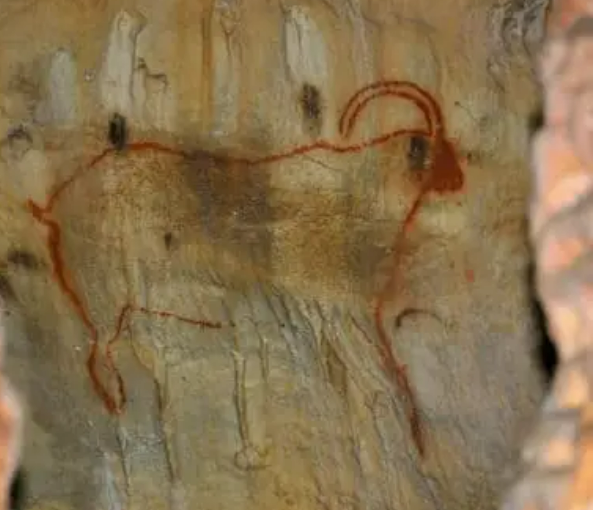
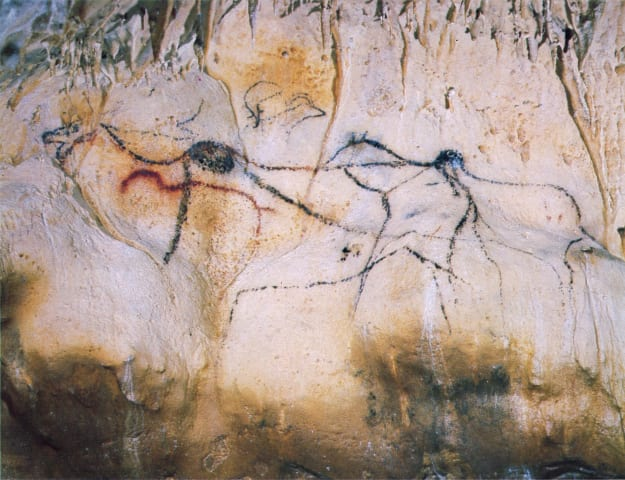
The caves of Cougnac, just north of Gourdon, were discovered in 1949 and 1952. The first cave is full of impressive stalactites and stalagmites. Scientific dating indicates that many of Cougnac’s speleothems are tens to hundreds of thousands of years old. The second, much larger, cave complex is not only full of speleothems but also contains numerous impressive prehistoric paintings of ibexes, mammoths, large deer and human figures. Dating back 30,000 years, they are among the oldest drawings accessible to the public.

Cougnac caves stalactites

Cougnac caves animal paintings

‘Max Ernst. Paris, 1922-1928’

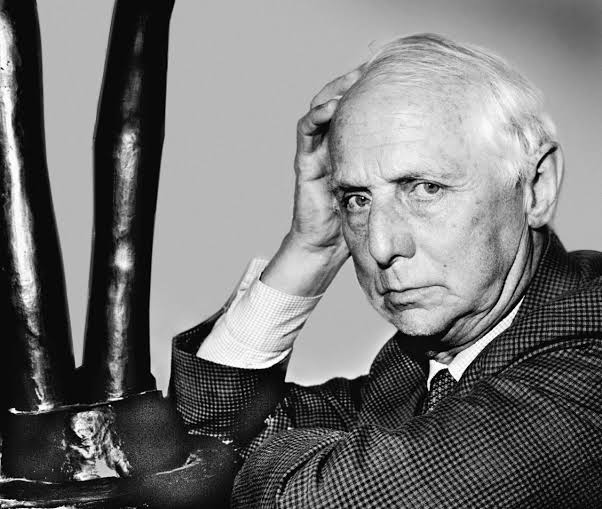
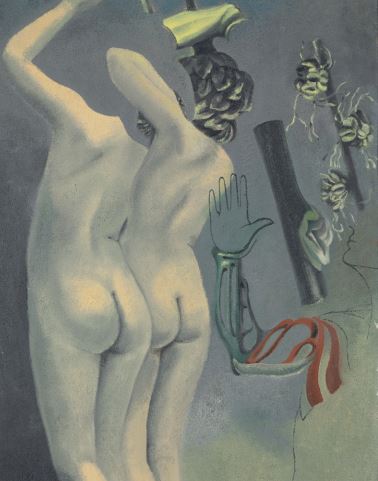
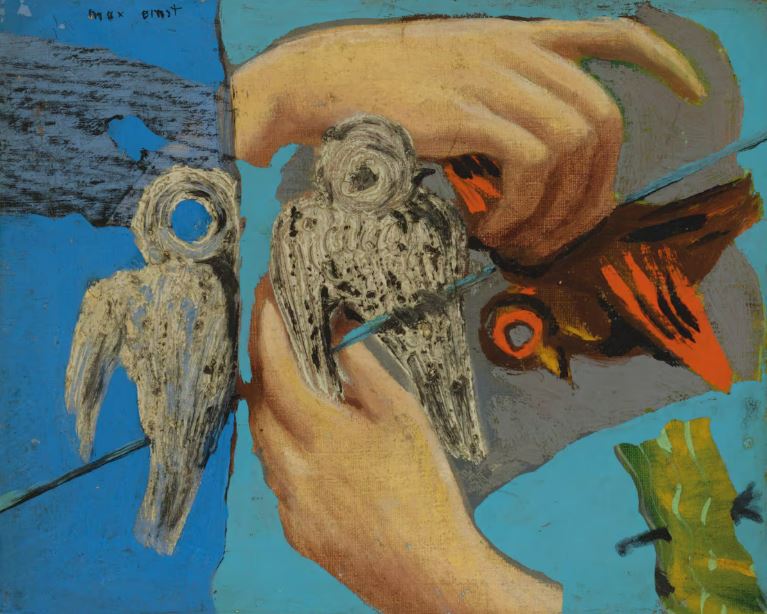
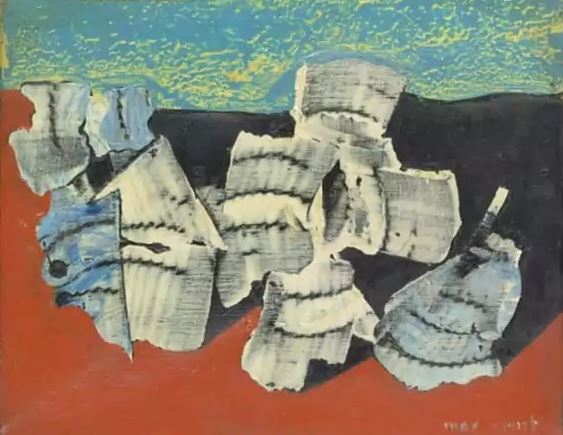
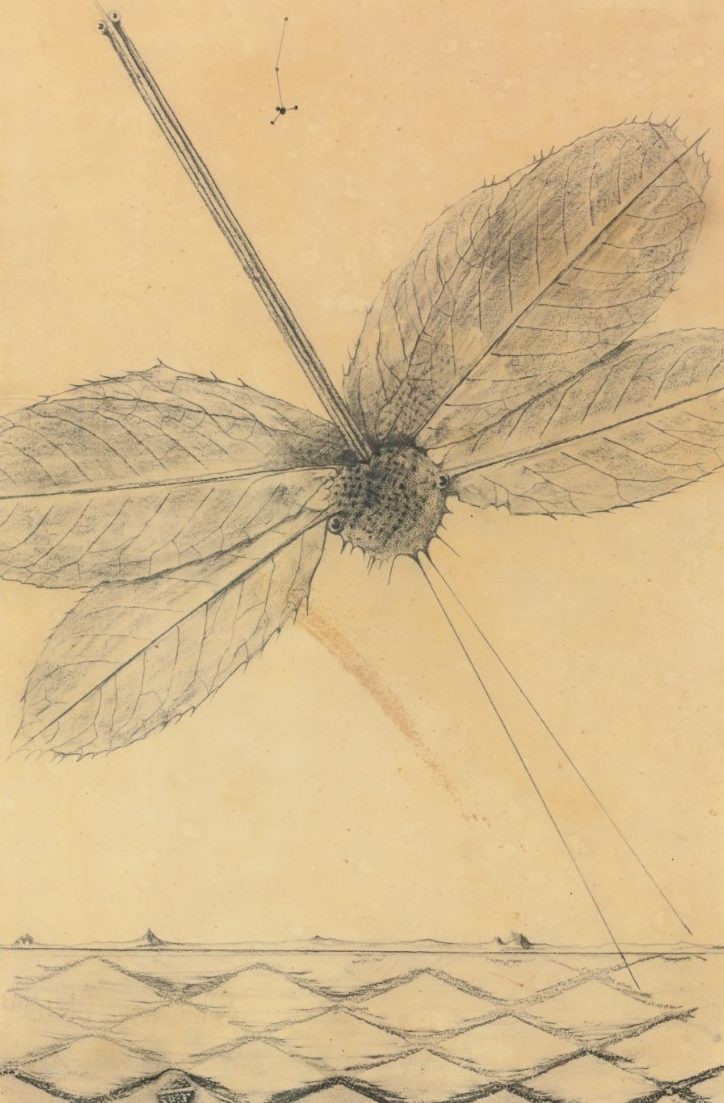
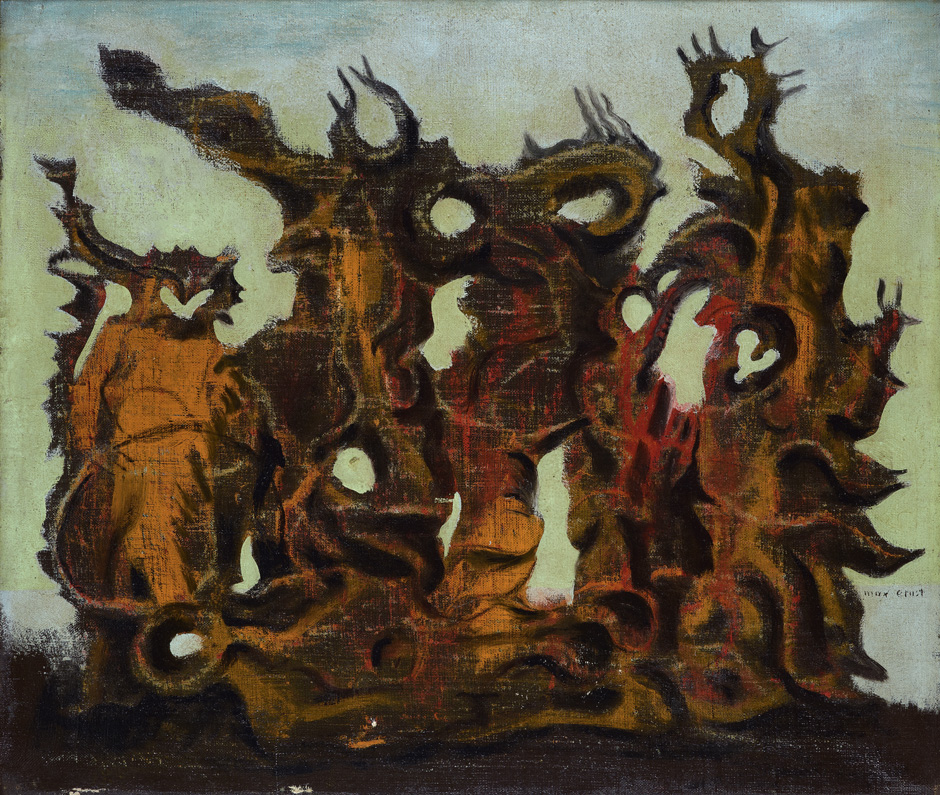
Bilbao Fine Arts Museum has received on loan an exceptional set of fifty-four works by German painter and sculptor Max Ernst (1891 – 1976), including fourteen paintings, six drawings and thirty-four collotypes that are part of the ‘Histoire naturelle’ portfolio. With the exception of one frottage dated from 1957, all the works were made between 1922 and 1928, a stage of experimentation in the artist’s career in which he evolved from his initial interest in Dadaism towards Surrealism. 

Max Ernst

The works come from the private collection of the grandson of the prestigious English gallery owner Aram Mouradian, who had purchased them both directly from the artist and from third parties.

Max Ernst ‘ Two Young Girls in Beautiful Graceful Poses’ (1924)

Max Ernst ‘Hands on Birds’ (1925)

Max Ernst ‘Flower Shells’ (1925)

Max Ernst ‘Teenage Lightning’ (Histoire Naturelle, 1925)

Max Ernst ‘The Fugitive’ (Histoire Naturelle, 1925)

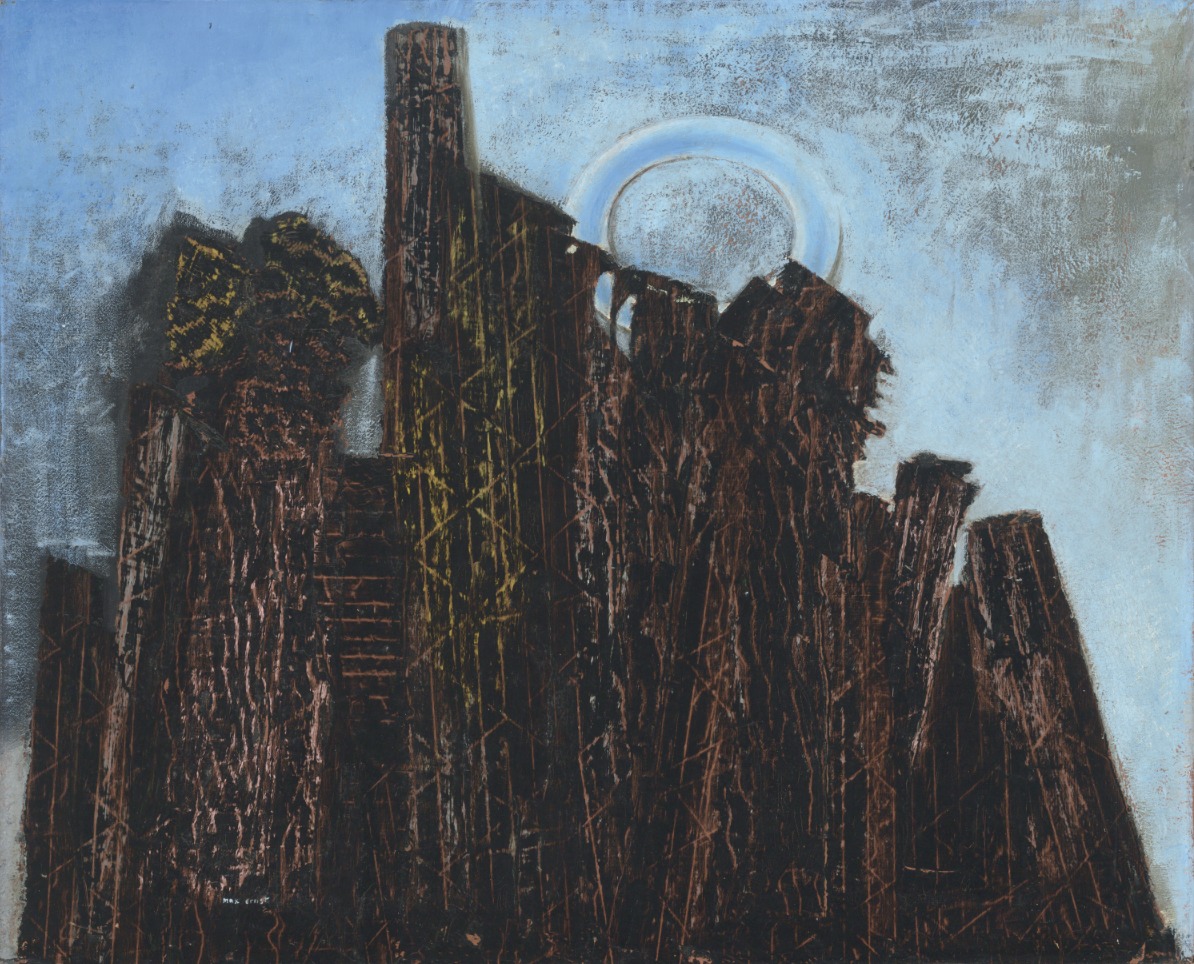
Max Ernst ‘Forest and Blue Sun’ (1927)

Max Ernst ‘Young People Trampling on their Mother’ (1927)

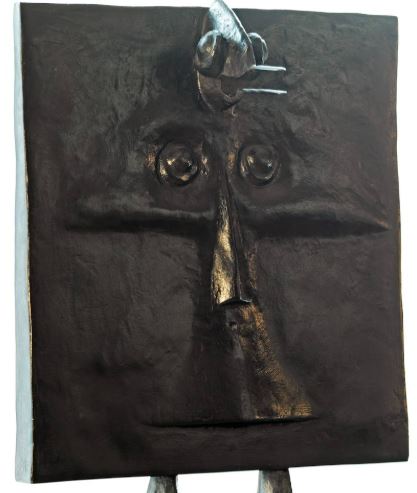
Max Ernst ‘Bird Head’ (1934 – 35)

‘From El Greco to Zuloaga’ in Bilbao

In Bilbao, Spain, at the Museo de Bellas Artes for the exhibition ‘From El Greco to Zuloaga. Masterpieces of Spanish Art’. The exhibition surveys four centuries of Spanish art and highlights two of the most significant genres from the period, portraits and religious art, although there are also important examples of still lifes and landscape paintings.

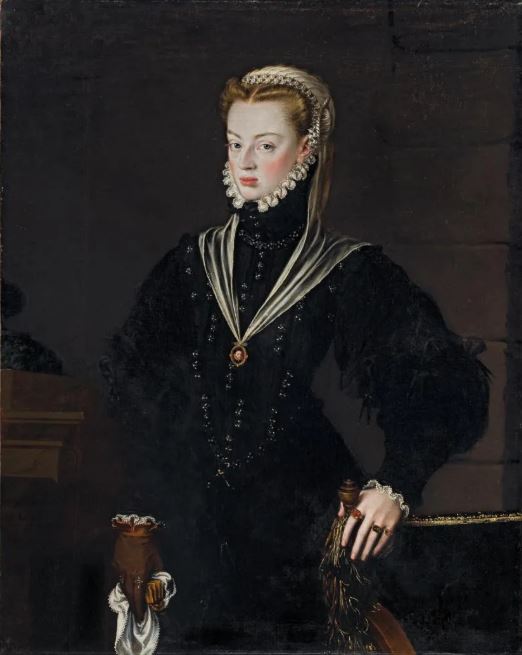
Alonso Sanchez Coello ‘Juana of Austria, Princess of Portugal’ (c.1557)

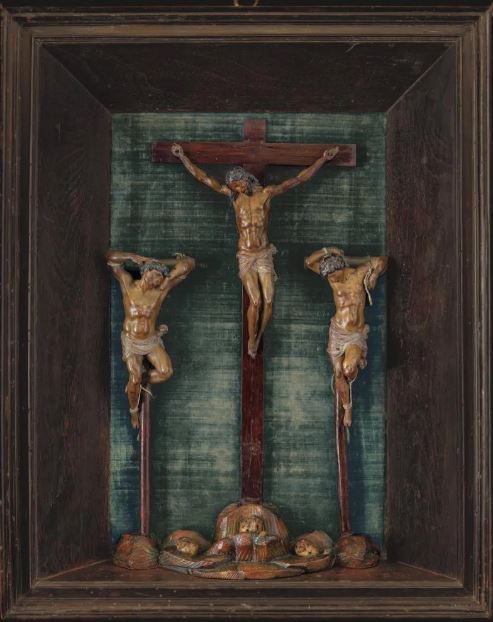
Juan de Anchieta ‘Calvary’ (c.1576 – 80)

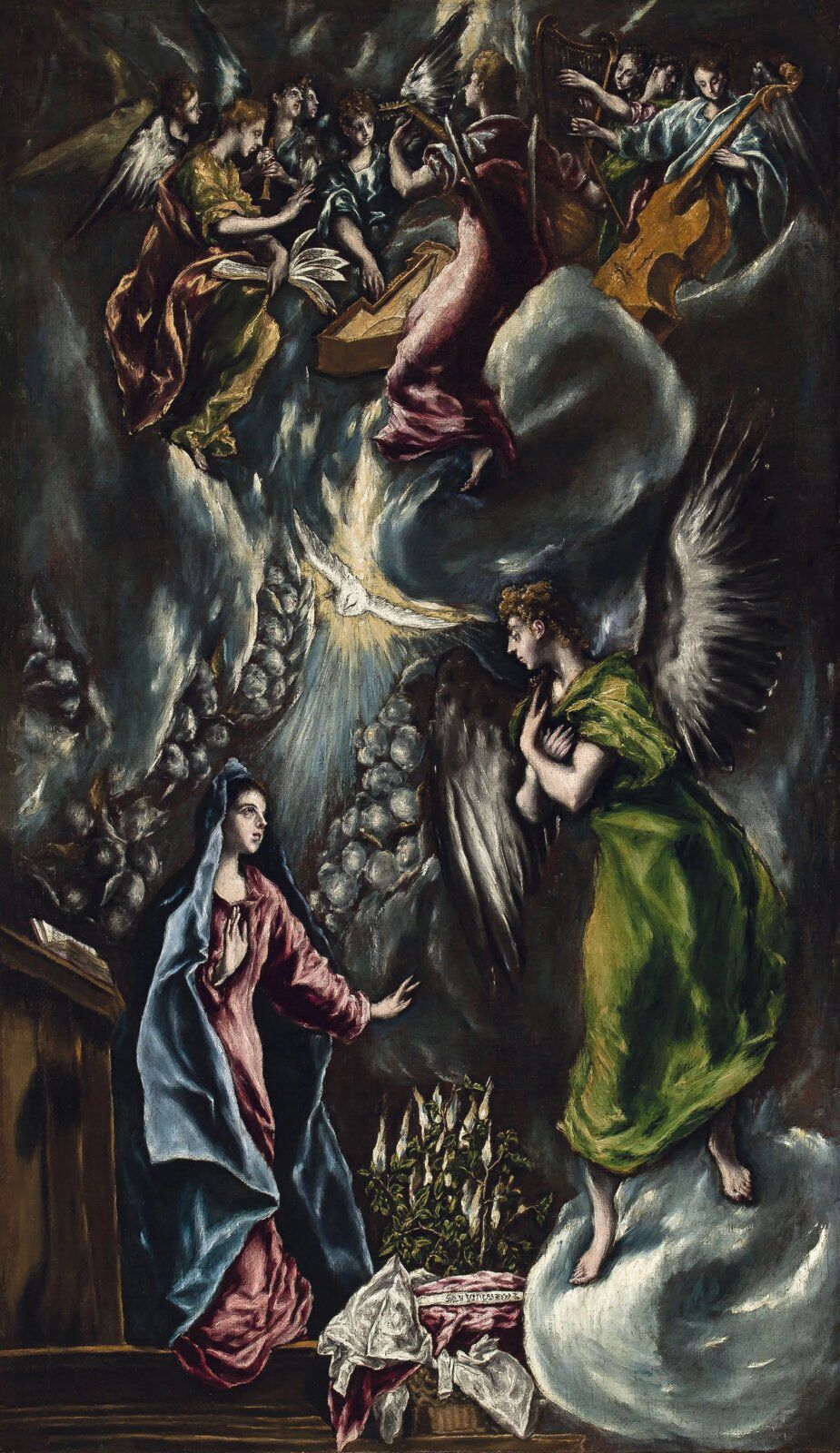
El Greco ‘The Annunciation’ (c.1596 – 1600)

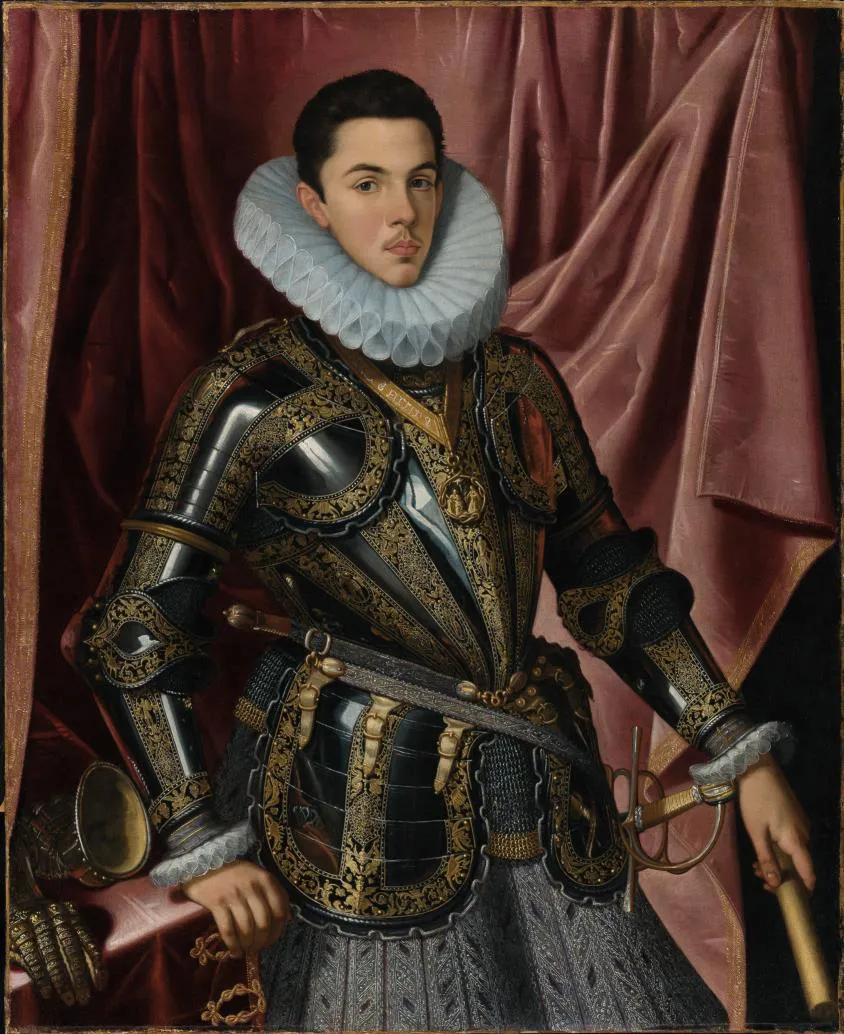
Juan Pantoja de la Cruz ‘Prince Philip Emmanuel of Savoy’ (c.1604)

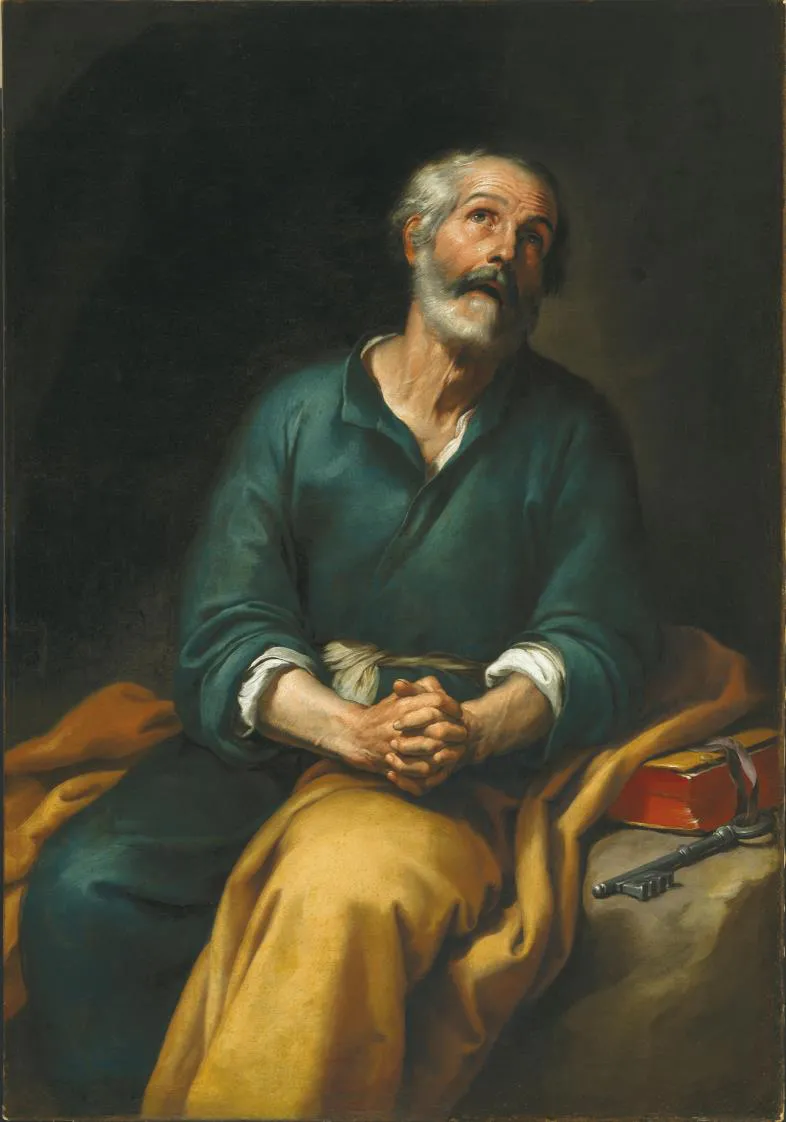
Bartolomé Esteban Murillo ‘Saint Peter in Tears’ (c.1650 – 55)

Francisco de Zurbaran ‘Saint Elizabeth of Thuringia’ (c.1650 – 60)

Juan Pascual de Mena ‘Delorosa’ (c.1754 – 56)

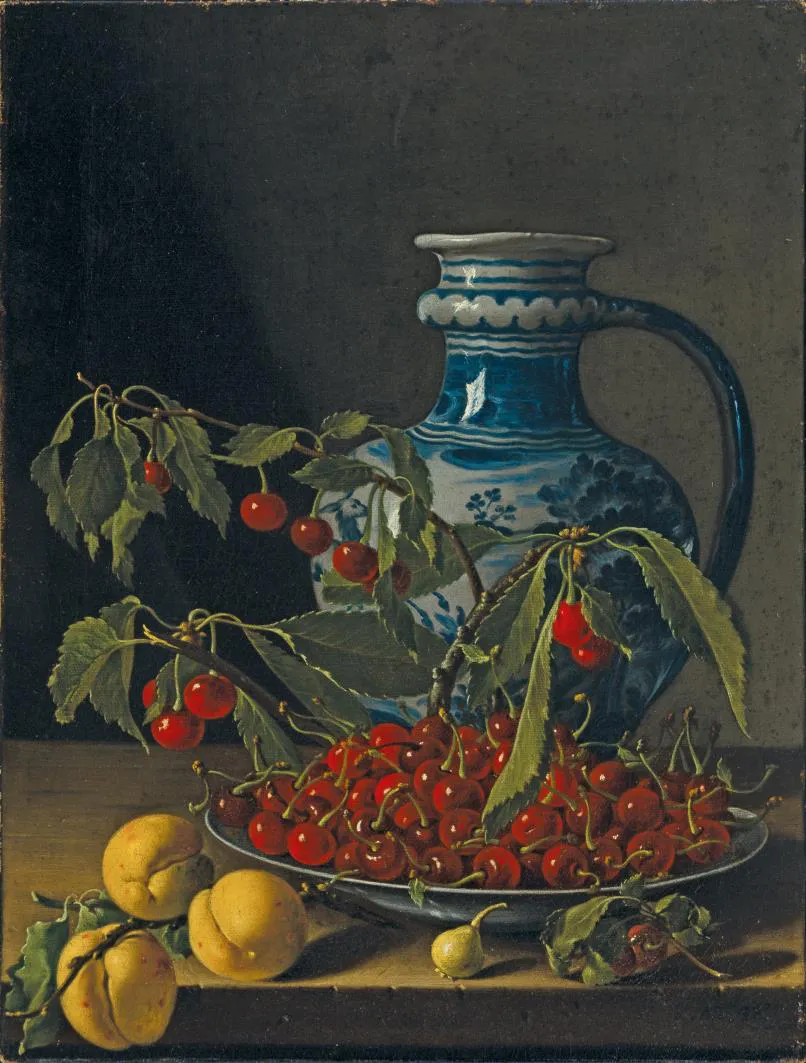
Luis Meléndez ‘Still life with Fruit and a Jug’ (c.1773)

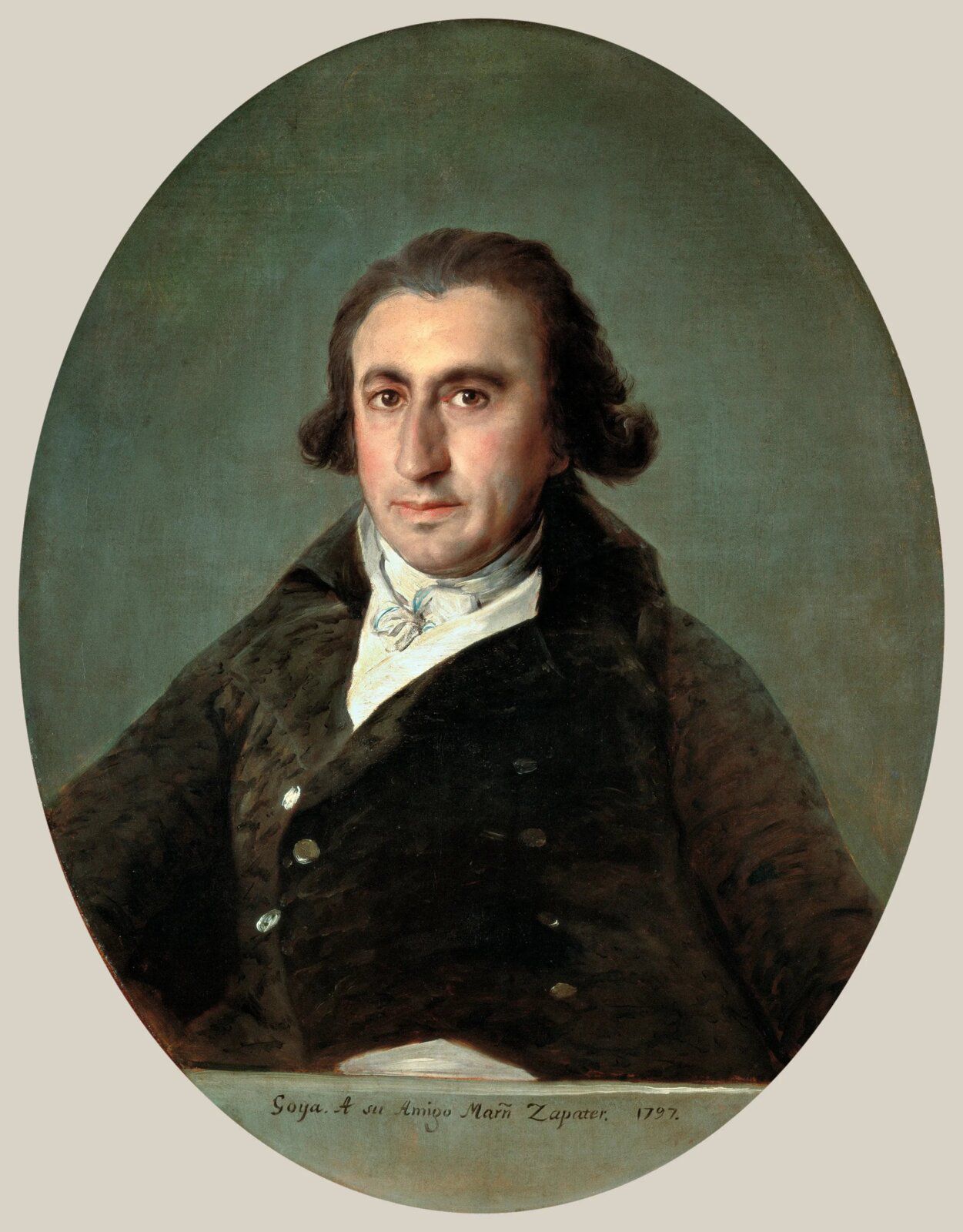
Francisco de Goya ‘Martin Zapater’ (1797)

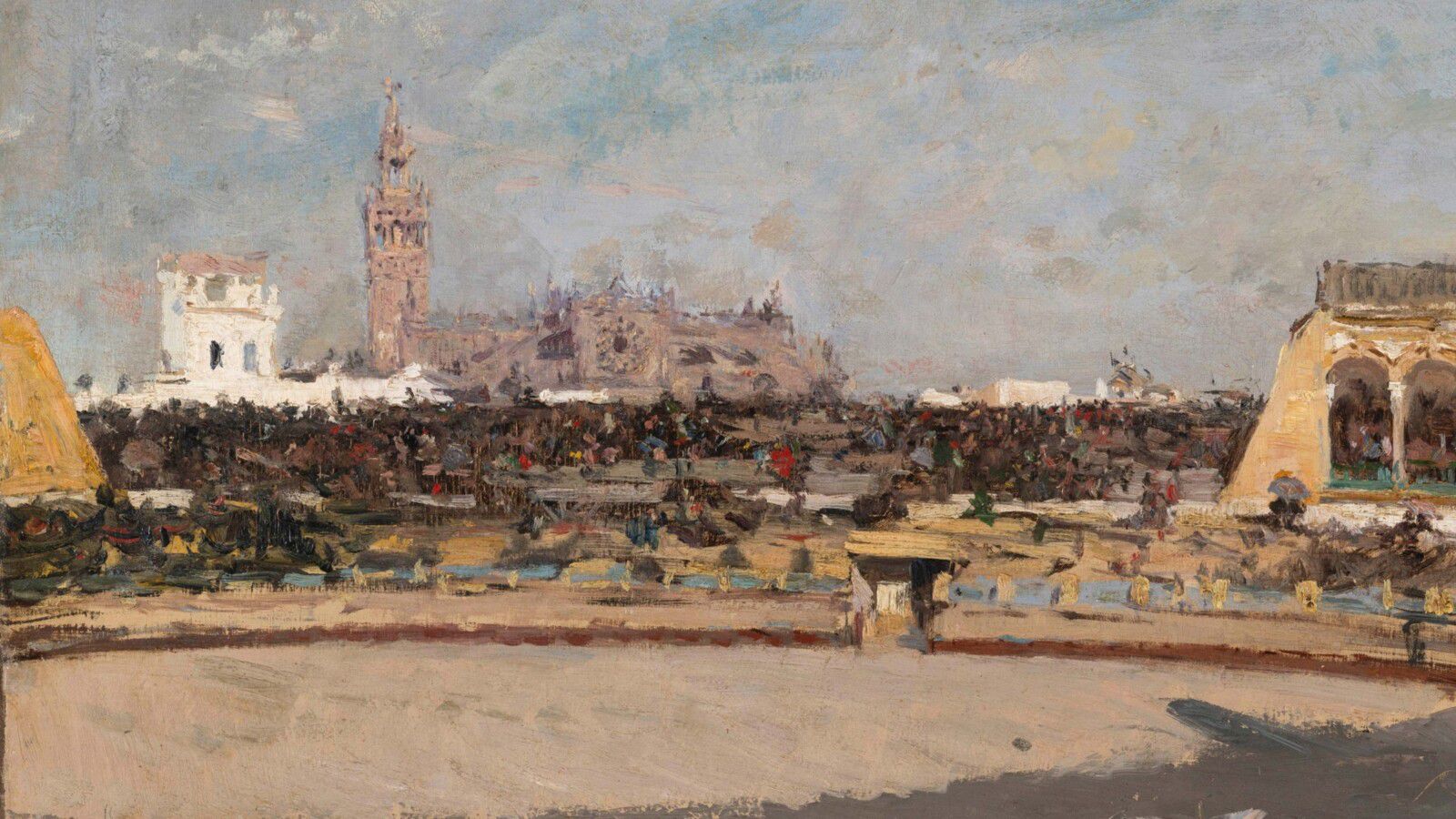
Mariano Fortuny ‘The Bullring of Seville’ (c.1870)

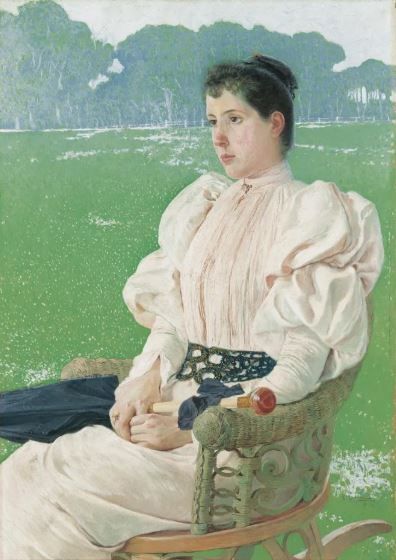
Anselmo Guinea ‘Portrait of a Woman’ (1894)

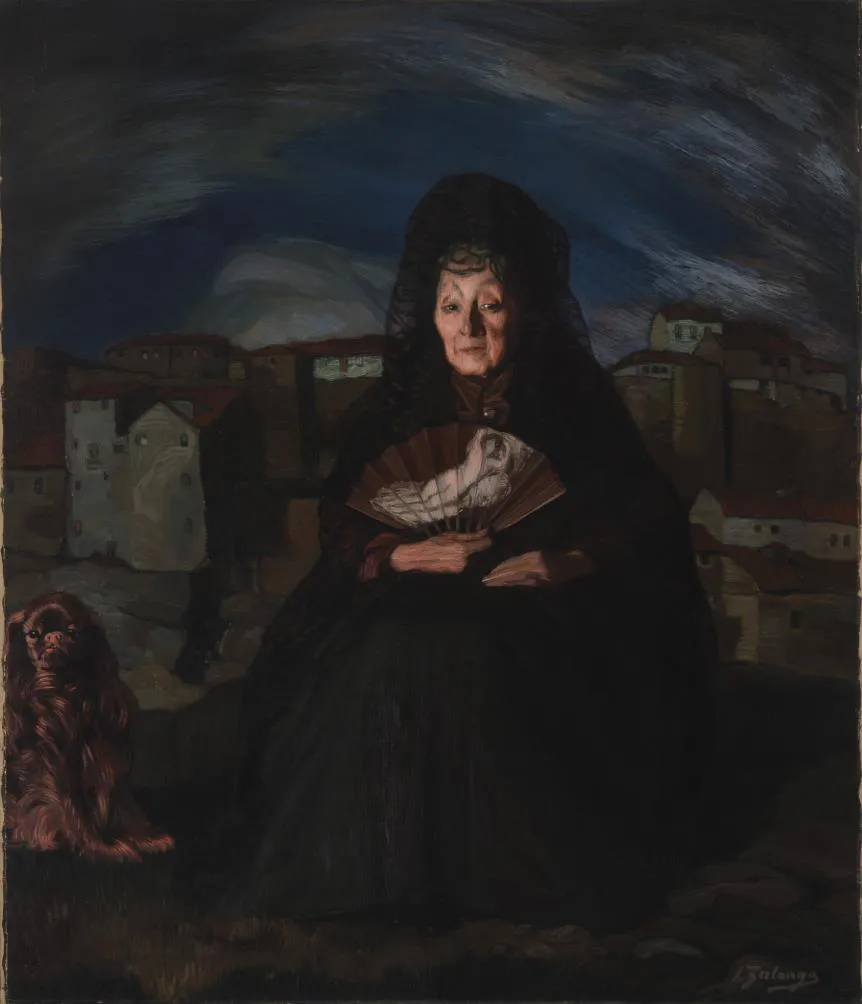
Ignacio Zuloaga ‘Mrs Rosita Gutiérrez’ (c.1914 – 1)

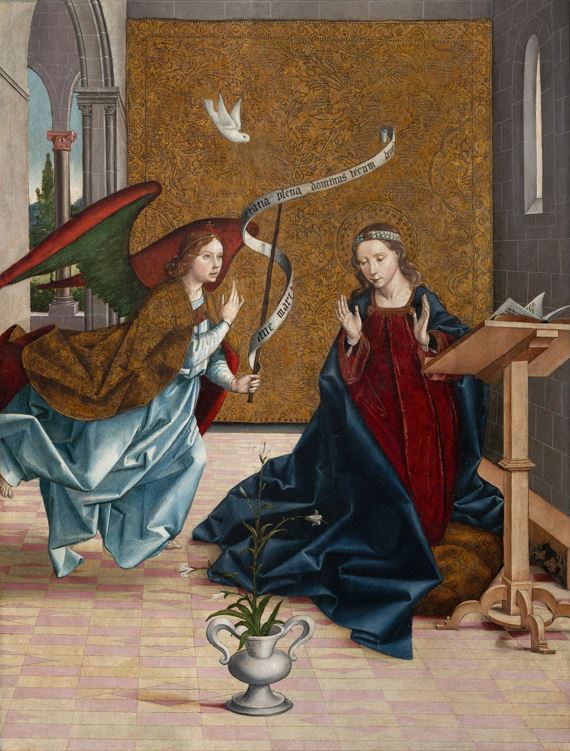
Pedro Berruguete ‘The Annunciation’

Also on display, although not part of the exhibition, was Pedro Berruguete’s ‘The Annunciation’, which has recently undergone restoration. Painted c.1485 – 90, it was probably part of an altarpiece with scenes from the life of the Virgin, perhaps for a church in Palencia in Castille and León.

Pedro Berruguete ‘The Annunciation’ (c.1485 – 90)

‘Pictures at an Exhibition’

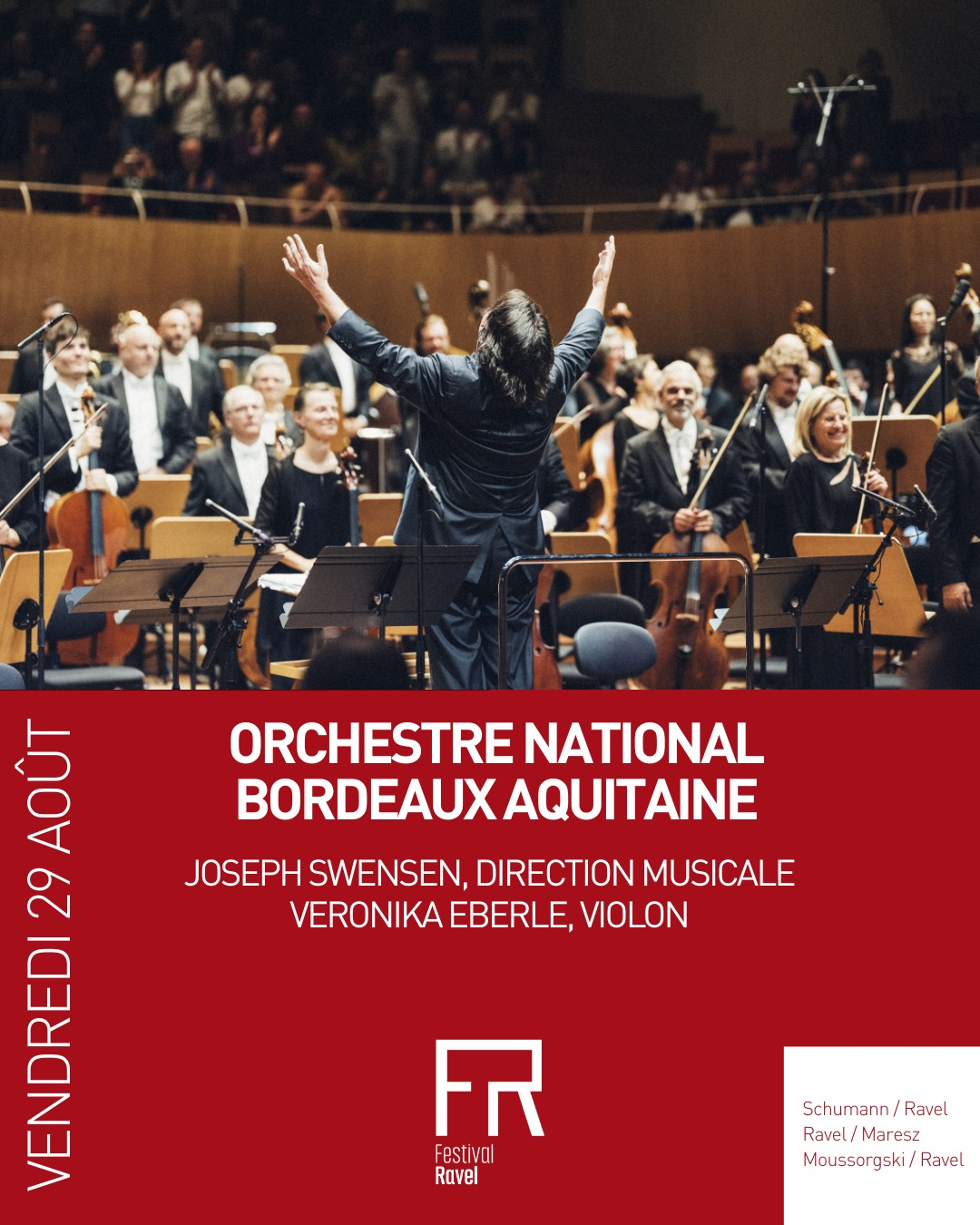
Part of the Festival Ravel in Saint-Jean-de-Luz, this was a fascinating concert with a theme of orchestrations. Parts of Robert Schumann’s solo piano work ‘Carnaval’ were orchestrated by Maurice Ravel; Ravel’s own ‘Sonata for Violin no. 2’ was orchestrated by Yan Maresz; with the main work on the programme being Ravel’s orchestration of Modest Mussorgsky’s ‘Pictures at an Exhibition’.

Schumann wrote ‘Carnaval’ in 1834-1835 in Leipzig as a suite of 21 short pieces for piano representing masked revelers at a carnival festival. In 1914 Nijinsky asked Ravel to orchestrate the suite for the Ballets Russes but the project was aborted and only four movements survive. Although the surviving excerpts make a short work they use an imaginative rich colour palette and it provided a lively start to the evening.

Yan Maresz was commissioned by violinist Renaud Capuçon in 2016 to orchestrate Ravel’s second violin sonata The violin part is almost identical to the original piece whilst the piano part has been orchestrated very much in Ravel’s own style. The soloist for this performance was the excellent German violinist Veronika Eberle who played beautifully and with great sensitivity.

Veronika Eberle (photo.© Louie Thain)

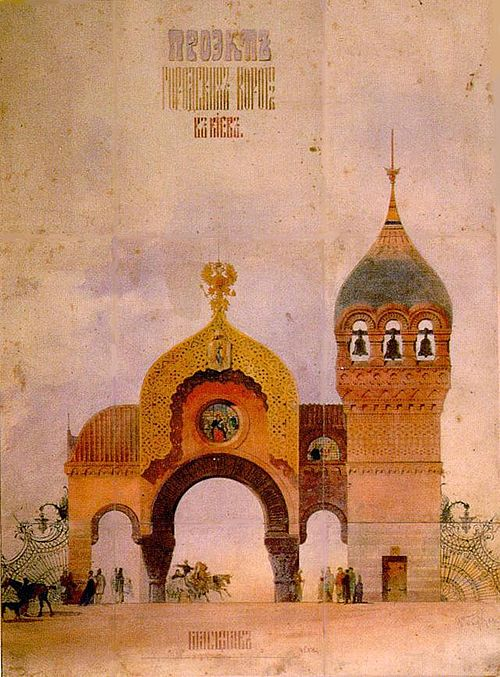
The highlight of the concert was Ravel’s orchestration of Modest Mussorgsky’s ‘Pictures at an Exhibition’, one of my favourite works to hear live. The original work was composed in 1874 as a piano suite in ten movements with a recurring Promenade theme. Mussorgsky wrote it in memory of his friend the artist Viktor Hartmann who had died suddenly the year before, aged only 39. The movements that make up the work correspond to pictures painted by Hartmann, with the Promenade representing the walk between them. It has been orchestrated several times but it is Ravel’s, from 1922, that is best known and most often performed and recorded.

It was an excellent performance by the Orchestre National Bordeaux Aquitaine under the direction of Joseph Swensen. The brass and percussion were particularly impressive, especially in the opening Promenade and the majestic final movement, ‘The Great Gate of Kyiv’ with its triumphant finale. It brought to an end a thoroughly enjoyable evening.

Viktor Hartmann ‘Plan for a city gate in Kiev’ (1869)

Postcards from Saint-Jean-de-Luz

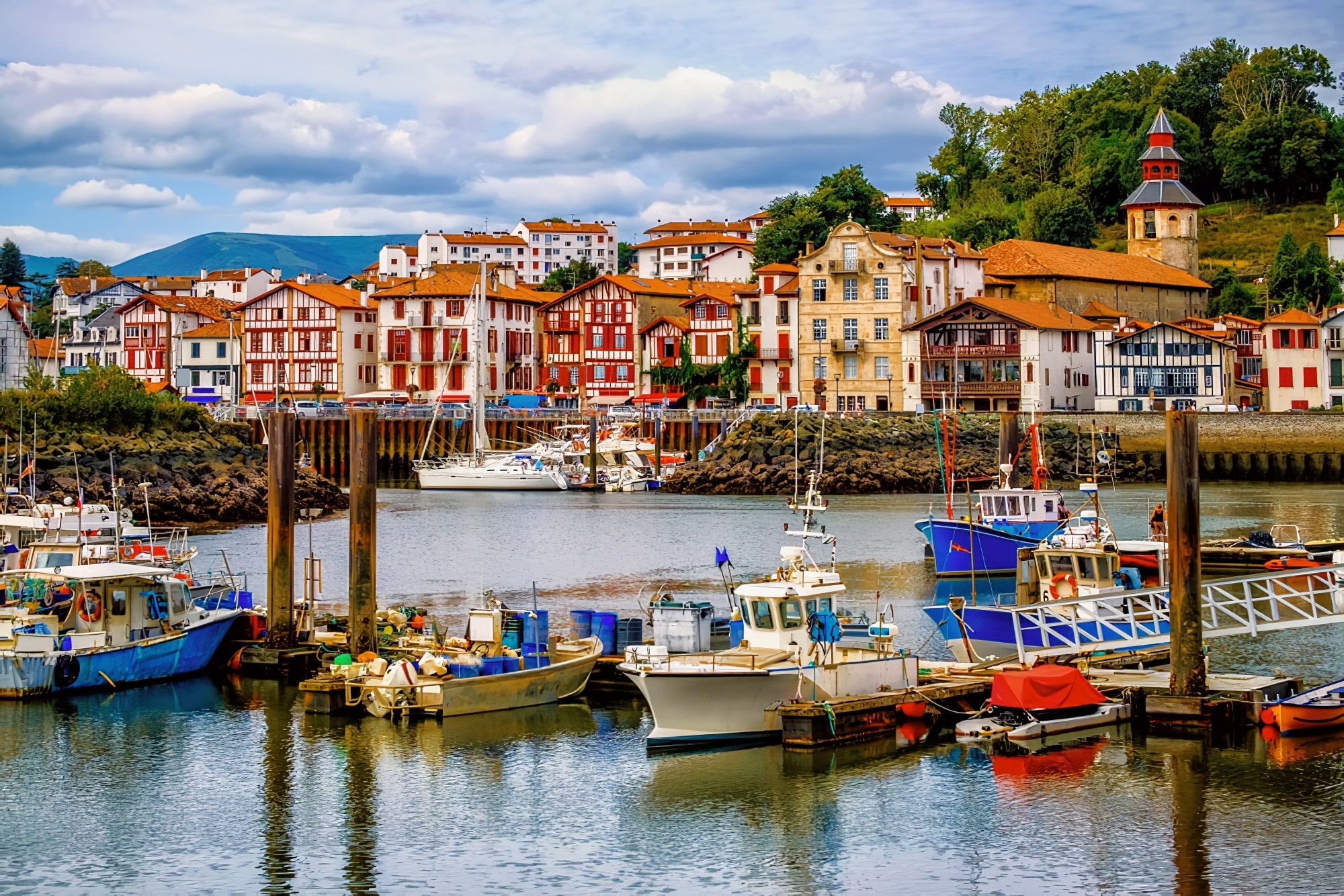
In the picturesque Basque fishing port of Saint-Jean-de-Luz, near the French – Spanish border, for the annual Festival Ravel.

Maurice Ravel was born in 1875 in Ciboure, Saint-Jean-de-Luz, and would often return to the area to spend summers. Now, for over two weeks every year, the festival that bears his name welcomes visitors for classical concerts which attract some of the world’s best-known performers.

Saint-Jean-de-Luz is renowned for its history and its architectural heritage. Église Saint-Jean-Baptiste de Saint-Jean-de-Luz was the site of the marriage, in June 1660, of King Louis XIV and Maria Theresa of Spain, which brought about a reconciliation between France and Spain. The church is also notable for its monumental altarpiece in carved gilded wood, installed in 1669.

Église Saint-Jean-Baptiste de Saint-Jean-de-Luz

Altarpiece of Église Saint-Jean-Baptiste

Exploring the Parc naturel régional des Causses du Quercy

Exploring the Parc naturel régional des Causses du Quercy, created in 1999 and designated a UNESCO Global Geopark. UNESCO Global Geoparks are geographical areas which contain sites and landscapes of international geological significance. The Causses du Quercy are in the south-western foothills of the Massif Central in south-west France and are internationally renowned for their biodiversity and cultural heritage.

The towns and villages of the Causses are extremely picturesque and many are designated as Les Plus Beaux Villages de France. The Causses are criss-crossed by numerous trails that allow hikers to discover the nature and heritage of the region.

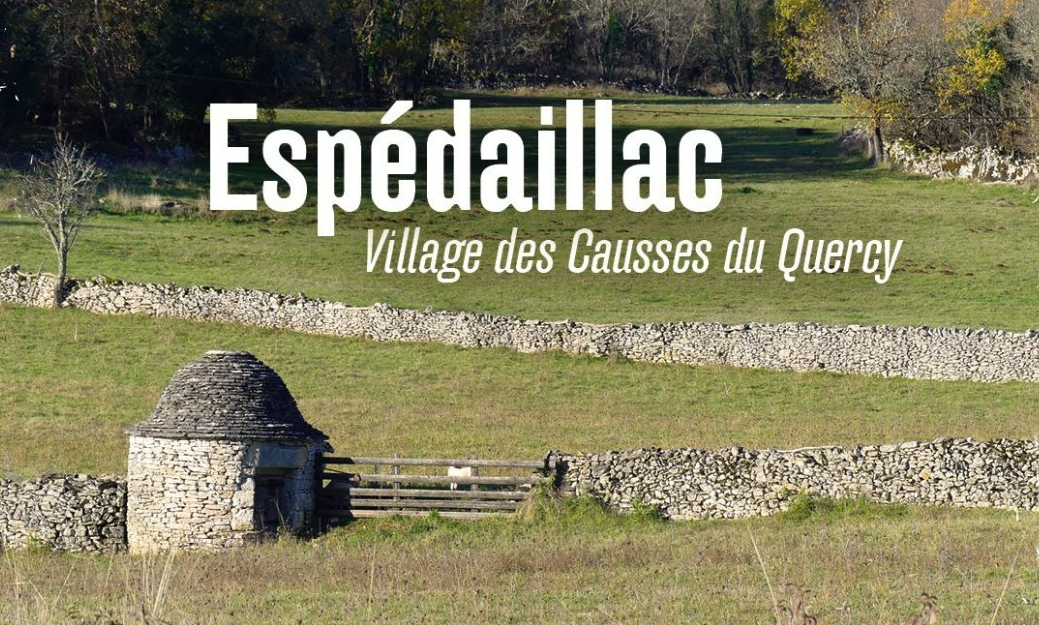
Espédaillac

Loubressac

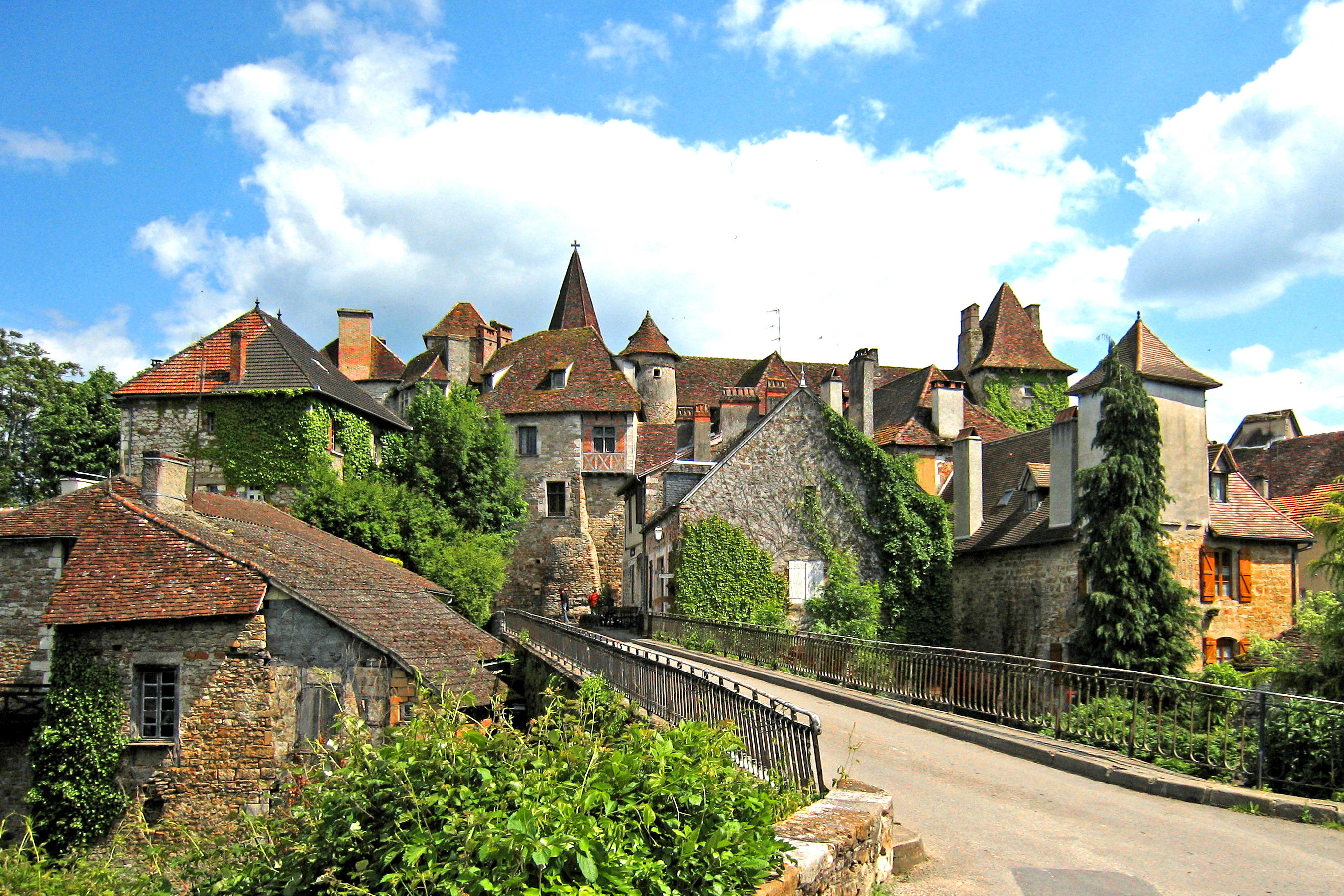
Carennac

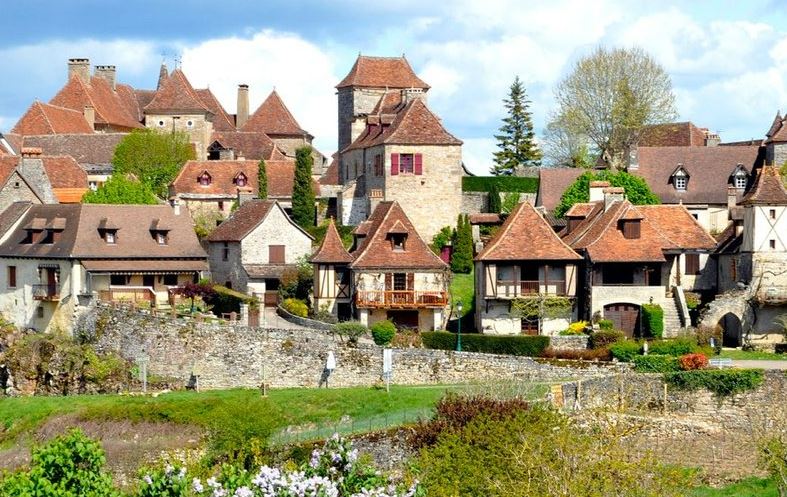
Autoire

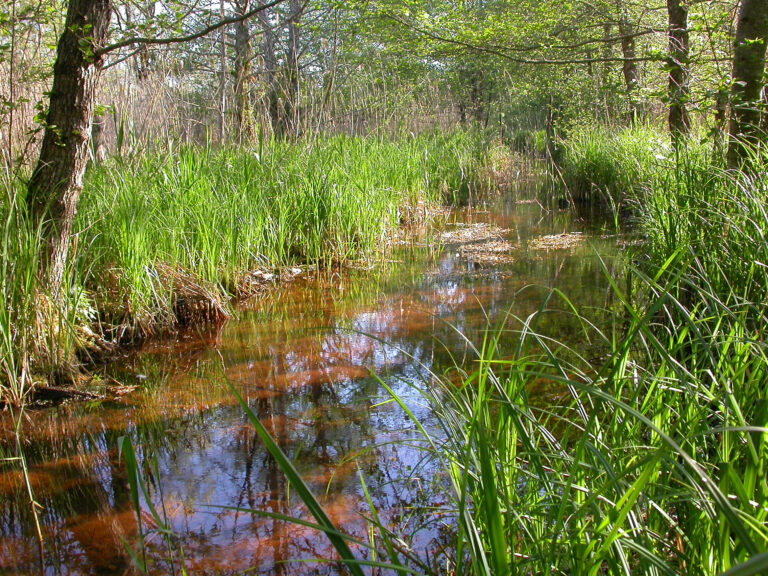
Particularly enjoyable was a walk in Le Marais de Bonnefont, near Mayrinhac-Lentour. The Marais, classified as a Réserve Naturelle Régionale, is a 42-hectare site containing a vast reed bed and alkaline peat marsh, making it a wetland and dryland home to an enormous array of species of wildlife.

Le Marais de Bonnefont, Réserve Naturelle Régionale

Schumann and Dvořák quintets

At the Salle de l’horloge in Gramat, in the Lot department in south-west France, for a concert of quintets by Robert Schumann and Antonin Dvořák.

Quatuor Cordes et Ames were formed about fifteen years ago by four musicians from the Orchestre National du Capitole de Toulouse. They now comprise violinists Kristi Gjezy and Mary Randles, violist Isabelle Mension and cellist Gael Seydoux. For these quintets they were joined by pianist Eloise Urbain.

Quatuor Cordes et Ames and Eloise Urbain

Composed in 1842, Schumann’s ‘Piano Quintet in E-flat major’ was performed for the first time a year later with Clara Schumann at the piano. This four-movement quintet is considered one of his finest compositions and it established the piano quintet as a definitive part of the Romantic genre. Whilst the Quartet performed it admirably there were times when I felt that they were playing individually rather than as a collective, which is strange given that it has been a regular part of their repertoire for several years.

However, there were no such complaints about their performance of Dvořák’s Piano Quintet no. 2 in the second half, which was really excellent. Dvořák composed his second piano quintet in 1887 and it was premiered the following year. It came about after he decided to rewrite his ‘Piano Quintet no.1’ from 1872, as he had grown dissatisfied with it. However, rather than submit a revised score he eventually decided to write a new work. Full of references to Czech folk music, the quintet is now acknowledged as one of the masterpieces of the form.

Robert Schumann: ‘Piano Quintet in E-flat major’, opus 44; Antonin Dvořák: ‘Piano Quintet no. 2 in A major’, opus 81.