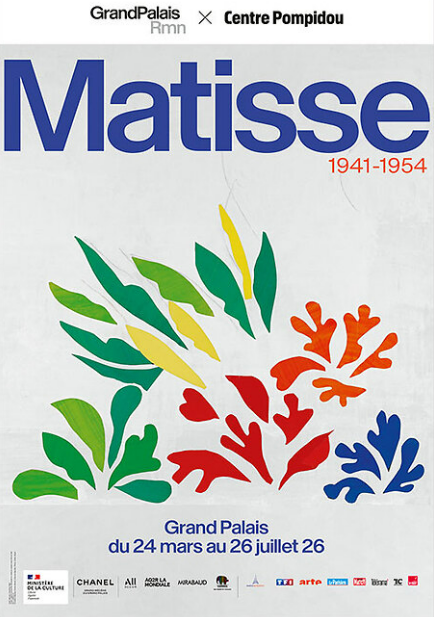
Matisse 1941 — 1954

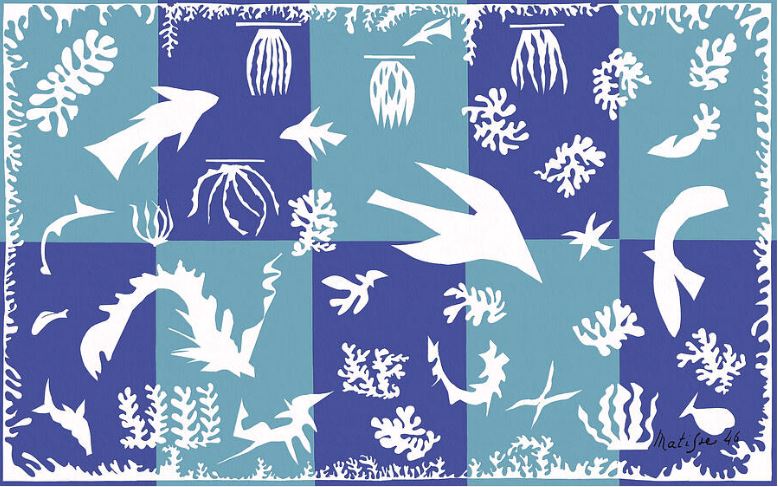
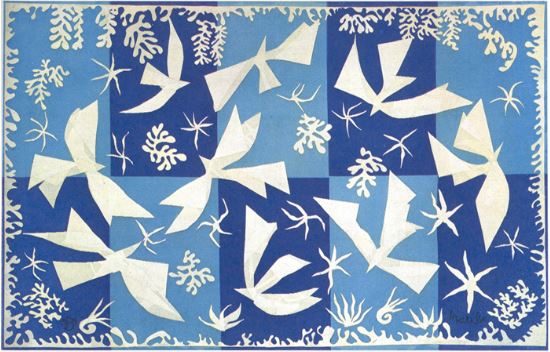
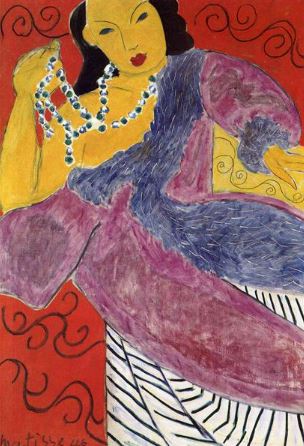
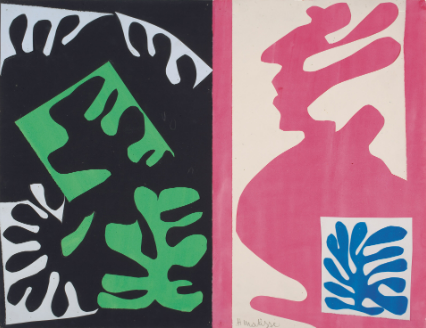
This excellent exhibition at the Grand Palais in Paris, co-produced with the Centre Pompidou, examines the artist’s final years of creation, highlighting the multidisciplinary nature of his work during this period, which included paintings, drawings, cut-outs, textiles and stained glass.

The exhibition brings together around 300 works from the holdings of the Centre Pompidou and private and international museum collections, illustrating the artist’s output from 1941 until his death in 1954.

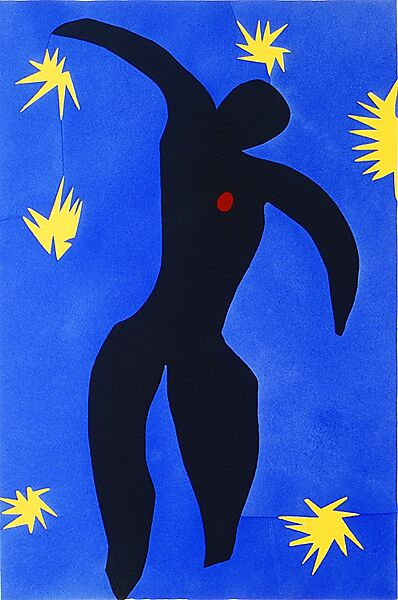
It is sometimes supposed that towards the end of his life Matisse abandoned painting and took up instead the medium of the cut-out. However, as this exhibition shows, despite his declining health, painting remained at the heart of his practice alongside the use of the cut-out gouache, as well as other materials such as stained-glass and fabric. The exhibition displays materials from a diverse range of projects, including the Chapelle de Vence, his book ‘Jazz’ and several monumental decorative panels.

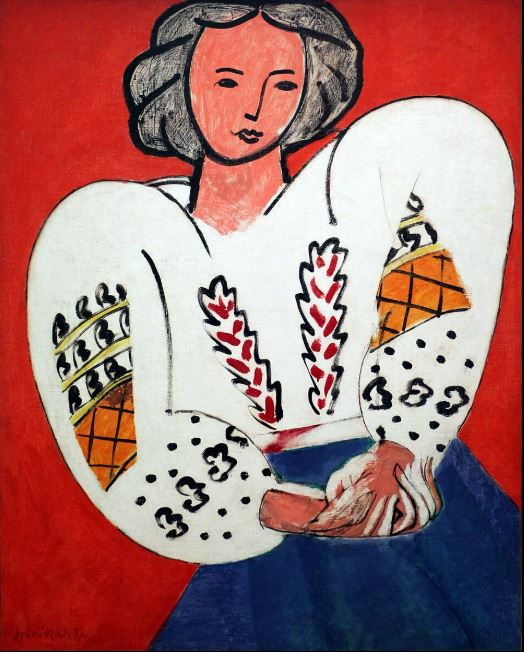
Henri Matisse ‘The Romanian Blouse’ (1940)

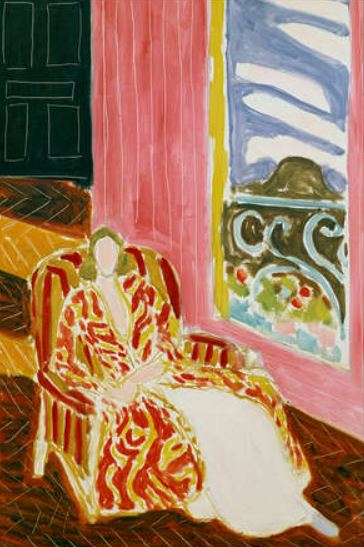
Henri Matisse ‘Young Girl in White Dress, Black Door’ (1942)

Henri Matisse ‘Icarus’ from ‘Jazz’ (1943)

Henri Matisse ‘Polynesia. The Sea’ (1946)
Henri Matisse ‘Polynesia. The Sky’ (1946)
Henri Matisse ‘Asia’ (1946)

Henri Matisse ‘Composition Black and Red’ (1947)

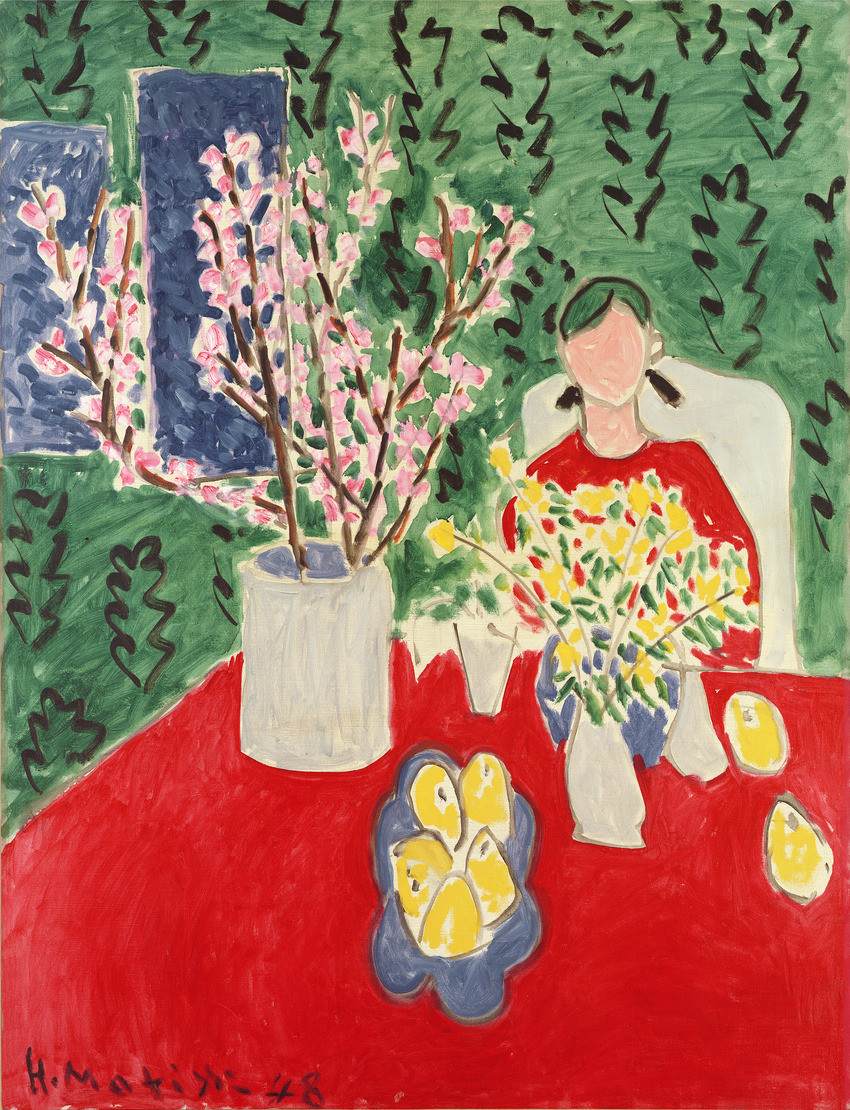
Henri Matisse ‘Plum Branch, Green Background’ (1948)

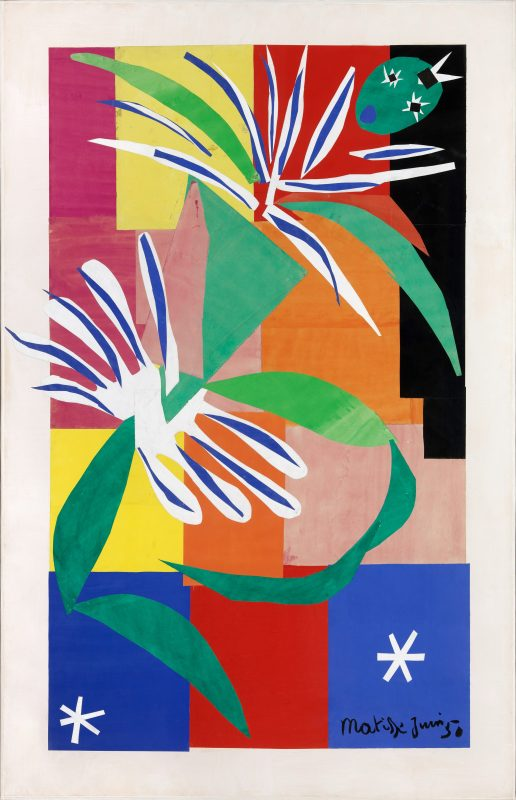
Henri Matisse ‘Creole Dancer’ (1950)

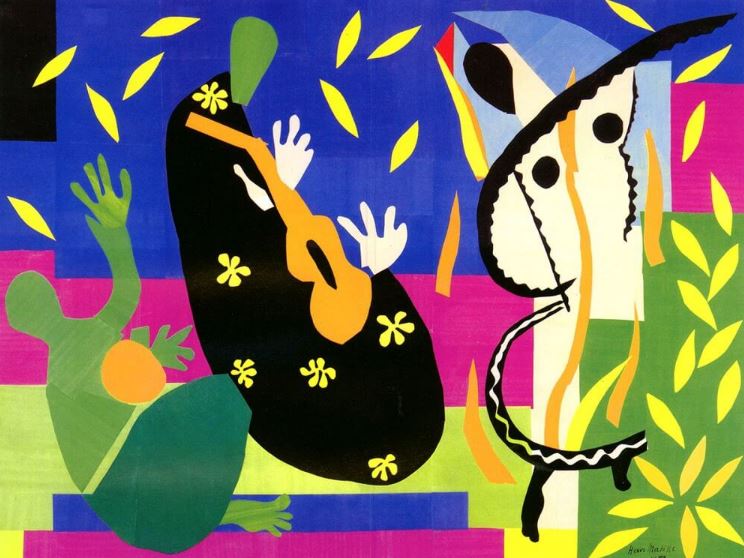
Henri Matisse ‘Sorrow of the King’ (1952)

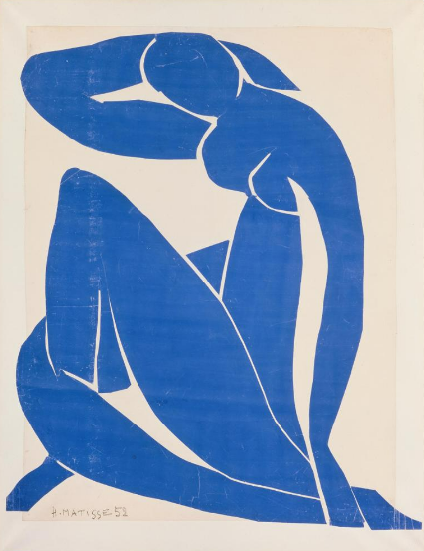
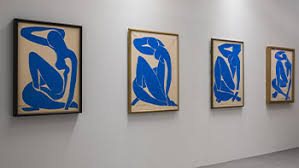
Henri Matisse ‘Blue Nude II’ (1952)

Henri Matisse ‘Blue Nudes I – IV’ (1952)

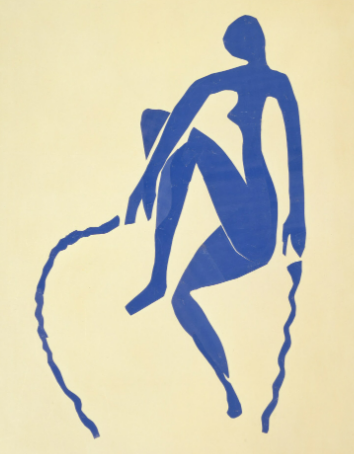
Henri Matisse ‘Blue Nude with Skipping Rope’ (1952)

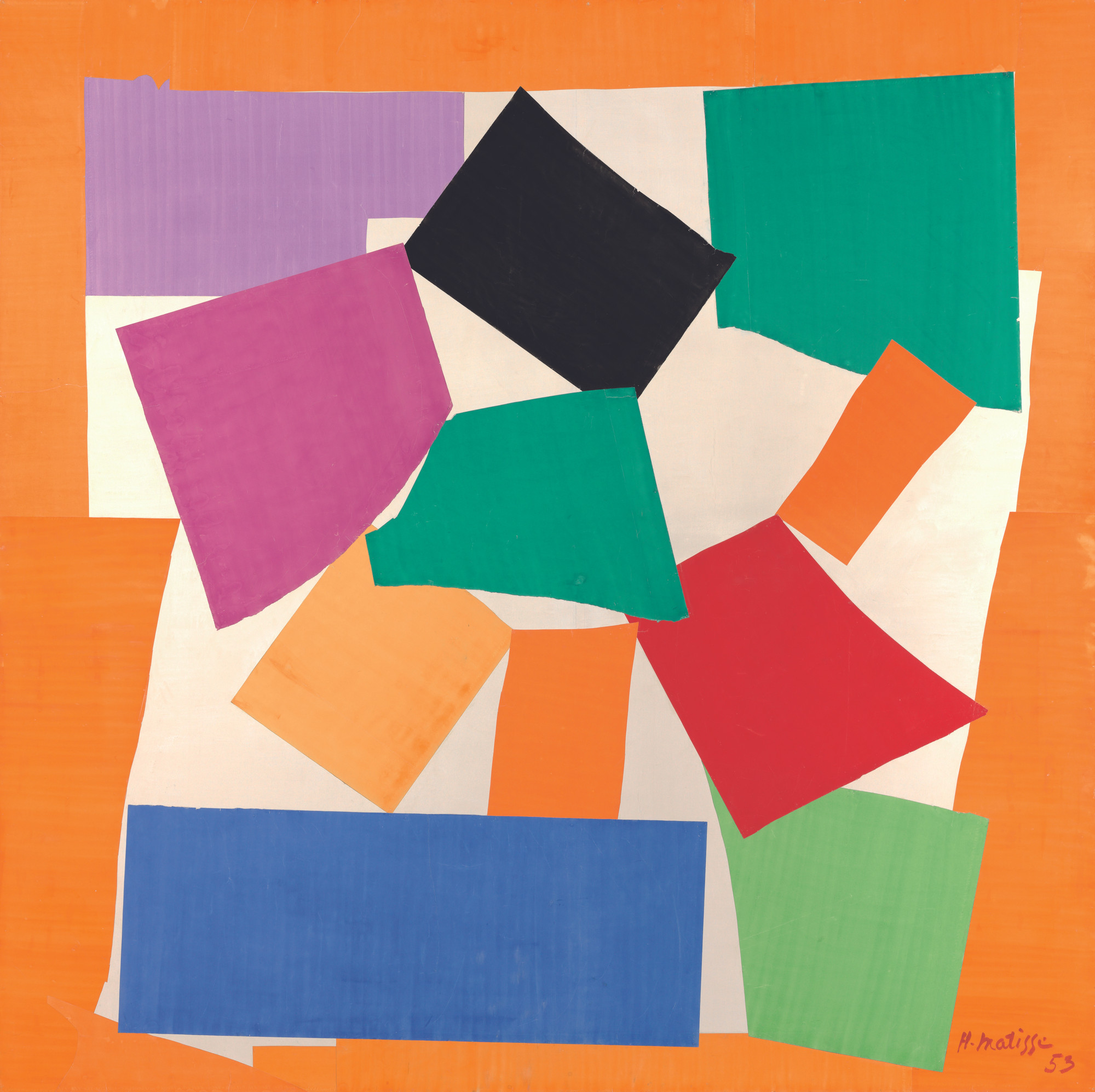
Henri Matisse ‘The Snail’ (1953)

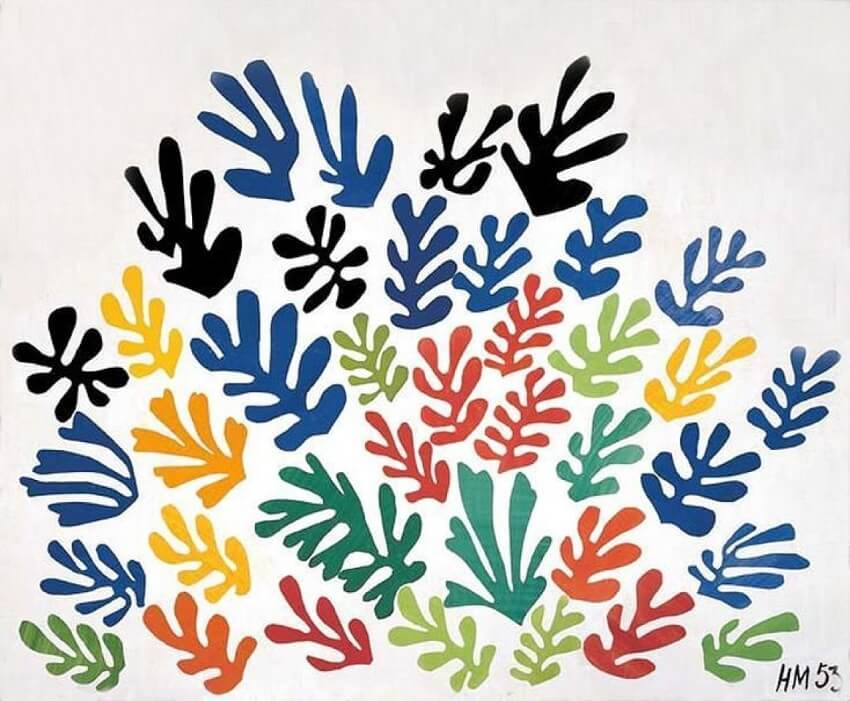
Henri Matisse ‘The Sheaf’ (1953)

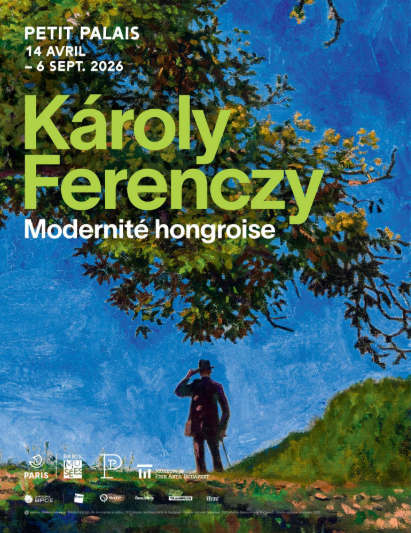
Károly Ferenczy at the Petit Palais

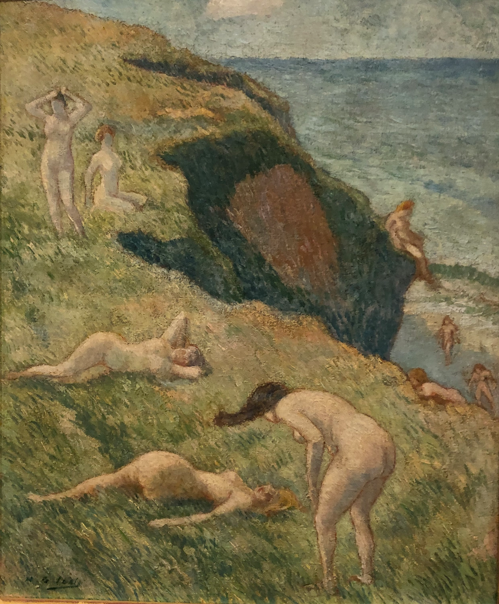
Károly Ferenczy (1862–1917) is little known outside Hungary but in his homeland he occupies a central place in the history of Hungarian modernism. He first trained in Munich and later at the Académie Julian in Paris. Whilst in Paris Ferenczy absorbed influences from Naturalism, Impressionism, Symbolism, and Post-Impressionism, yet never belonged entirely to any single movement.

He was a founding figure of the artists’ colony at Nagybánya in Hungary (today Baia Mare, Romania), which helped shape a distinctly modern Hungarian school of painting. There he championed plein-air painting and encouraged other artists to work directly from nature. As well as his landscapes, Ferenczy also explored family portraits, biblical scenes and nudes.

The current exhibition, organized in collaboration with the Museum of Fine Arts in Budapest and the Hungarian National Gallery, displays around 140 paintings, and offers a comprehensive survey of Ferenczy’s career.

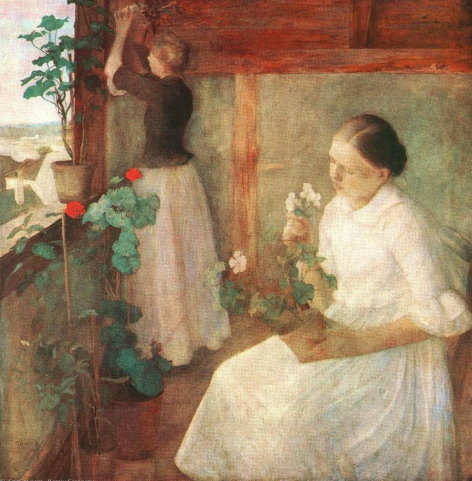
Károly Ferenczy ‘Young Women attending to Flowers’ (1889)

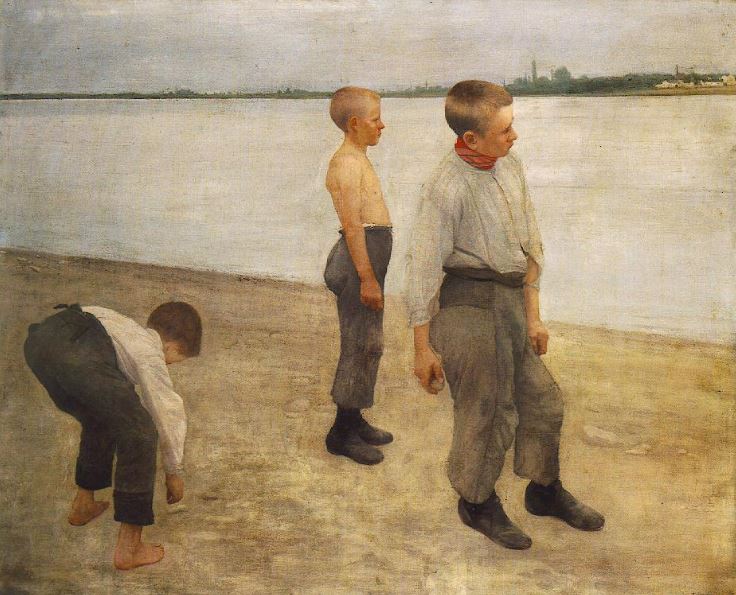
Károly Ferenczy ‘Young Boys throwing Pebbles’ (1890)

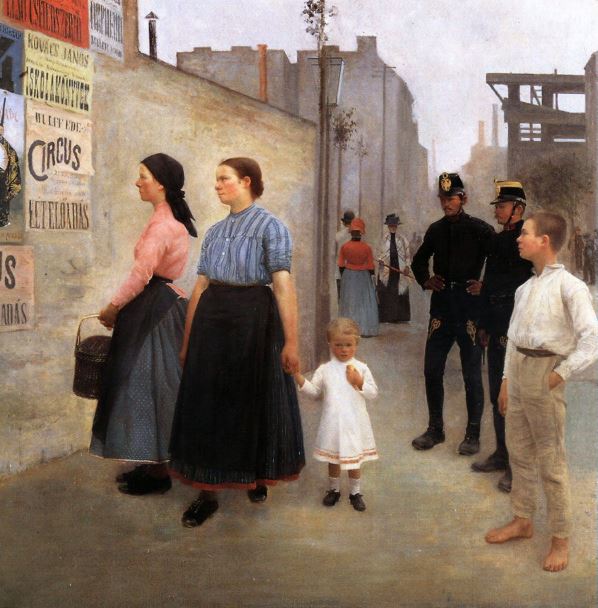
Károly Ferenczy ‘Before the Posters’ (1891)

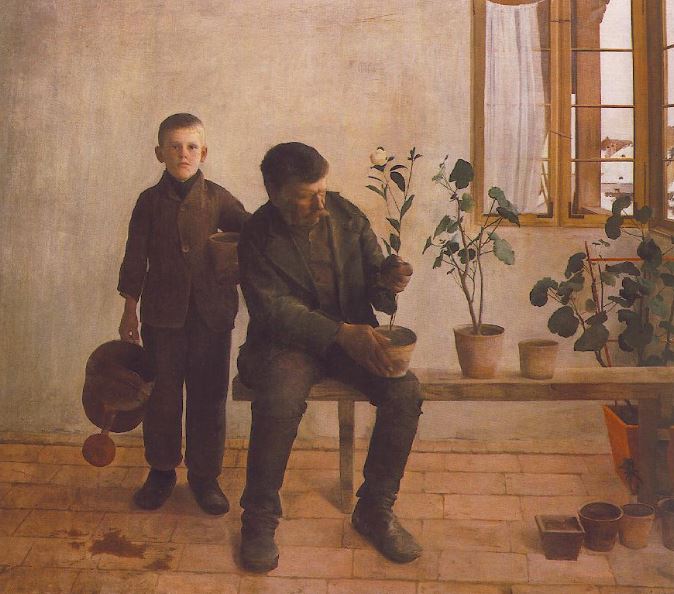
Károly Ferenczy ‘Gardeners’ (1891)

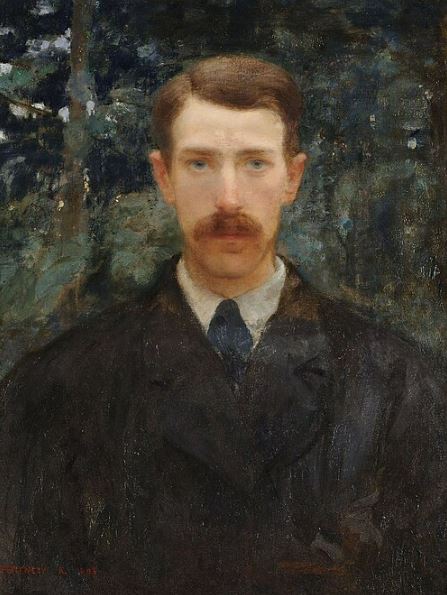
Károly Ferenczy ‘Self-Portrait’ (1893)

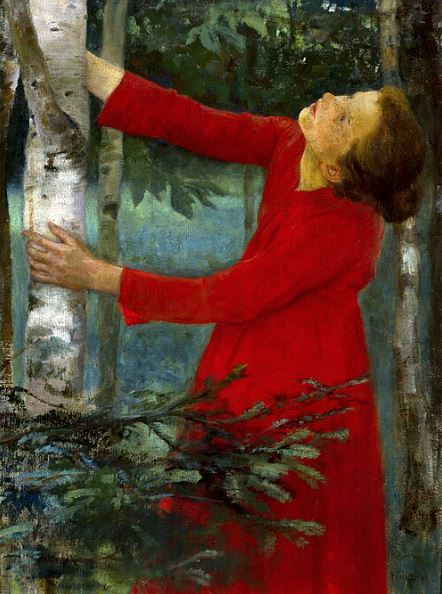
Károly Ferenczy ‘Birdsong’ (1893)

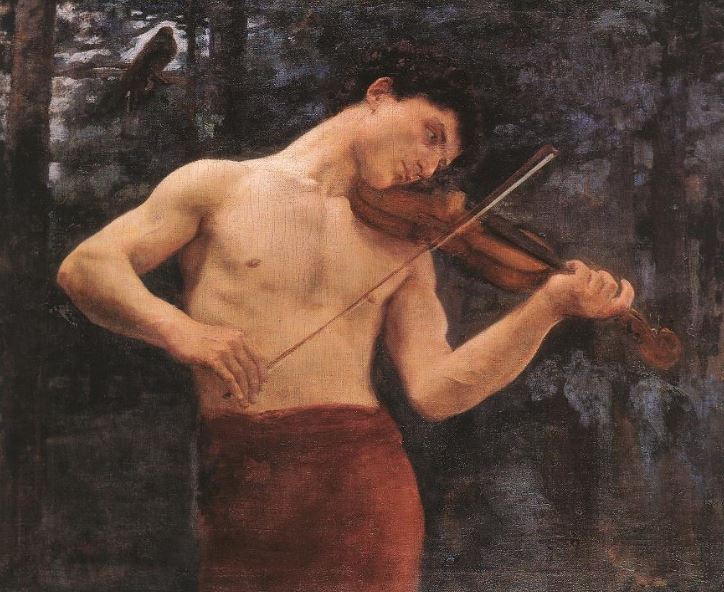
Károly Ferenczy ‘Orpheus’ (1894)

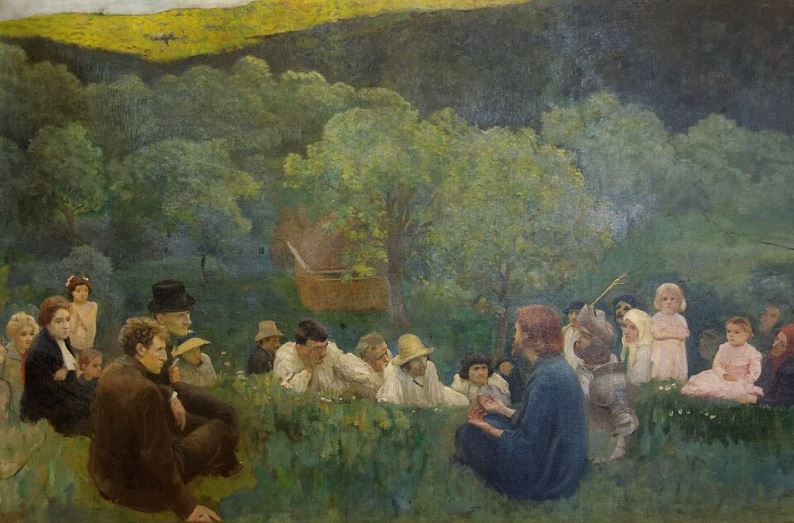
Károly Ferenczy ‘Sermon on the Mount’ (1896)

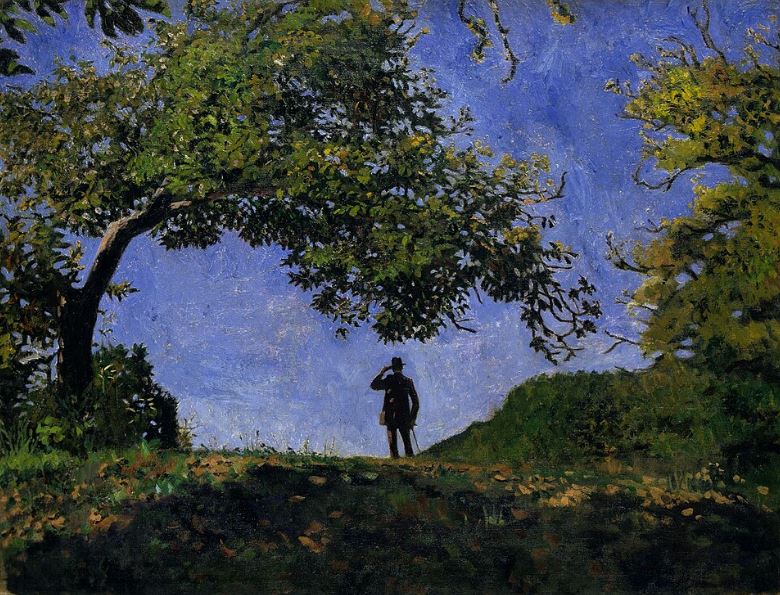
Károly Ferenczy ‘Top of the Hill’ (1901)

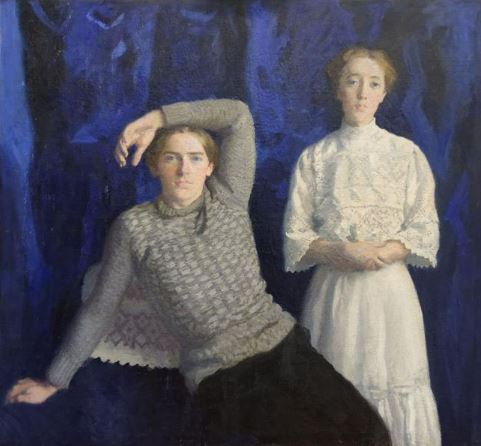
Károly Ferenczy ‘Double Portrait (Noémi and Béni)’ (1908)

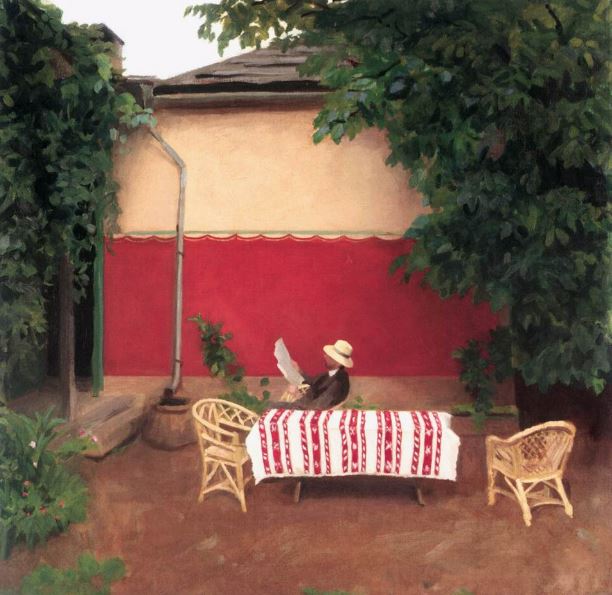
Károly Ferenczy ‘The Red Wall’ (1910)

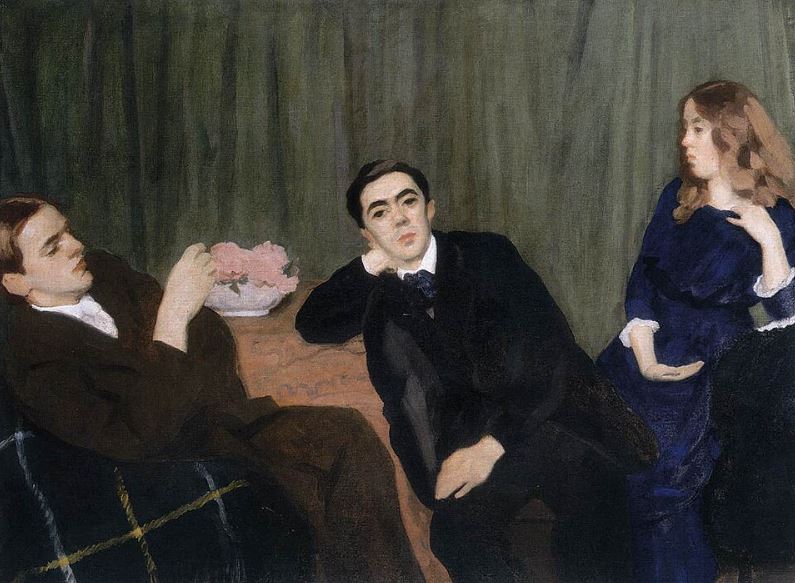
Károly Ferenczy ‘Triple Portrait (The Artist’s Children)’ (1911)

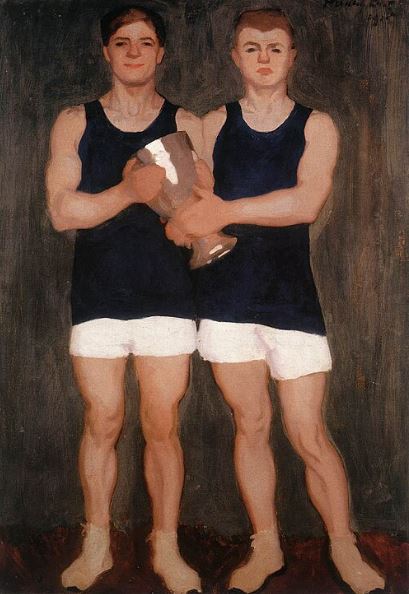
Károly Ferenczy ‘Athletes’ (1915)

Greek and Roman Antiquities

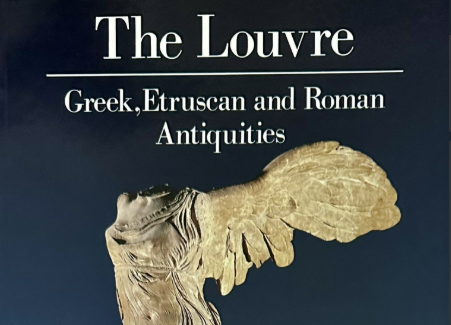
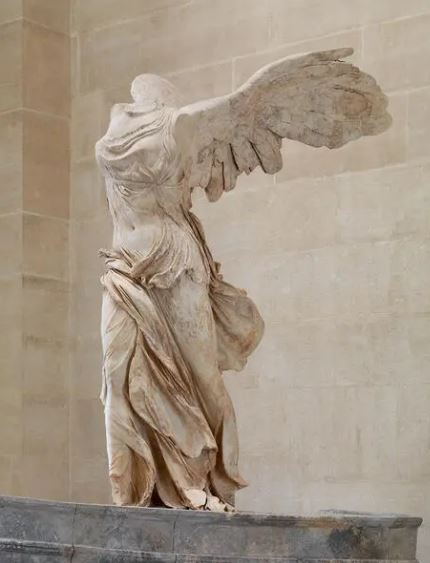
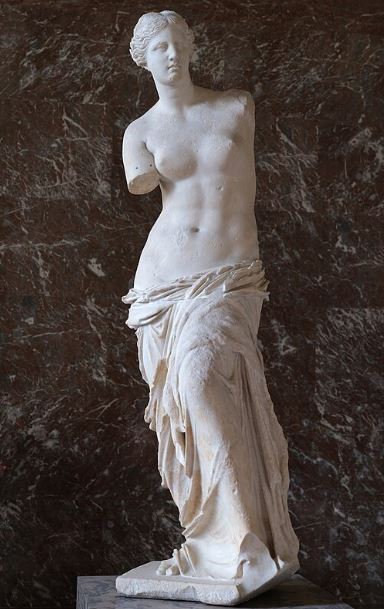
The galleries of Greek and Roman antiquities in the Louvre are one of the highlights of the museum. They contain an extremely impressive collection of sculptures including the Venus de Milo and the Winged Victory of Samothrace.

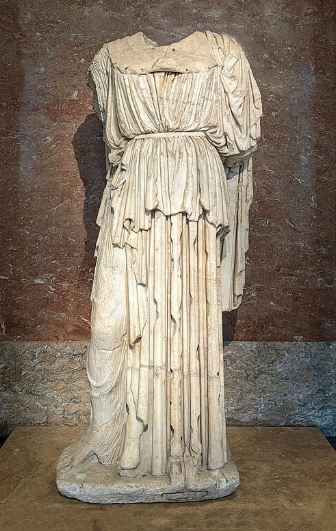
‘Ingres Minerva’ (440 BC)

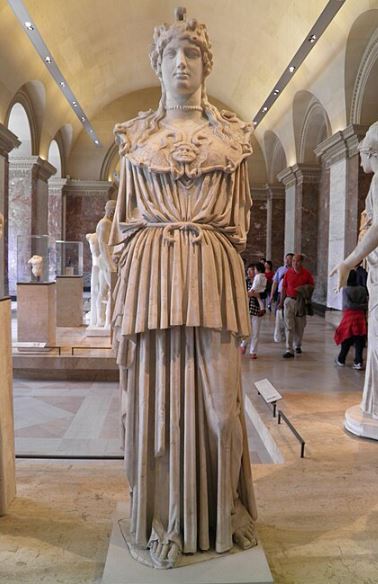
‘Athena Parthenos’ (438 BC)

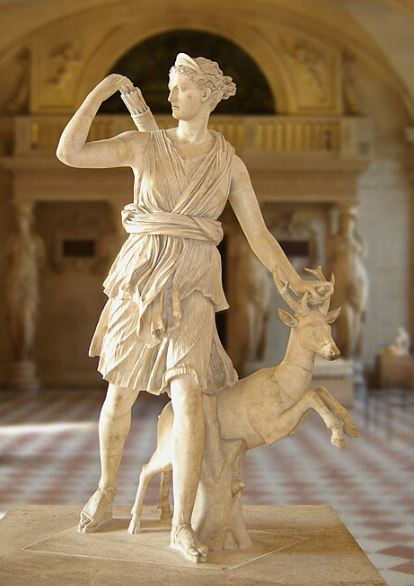
‘Artemis, known as the Diana of Versailles’ (200 BC)

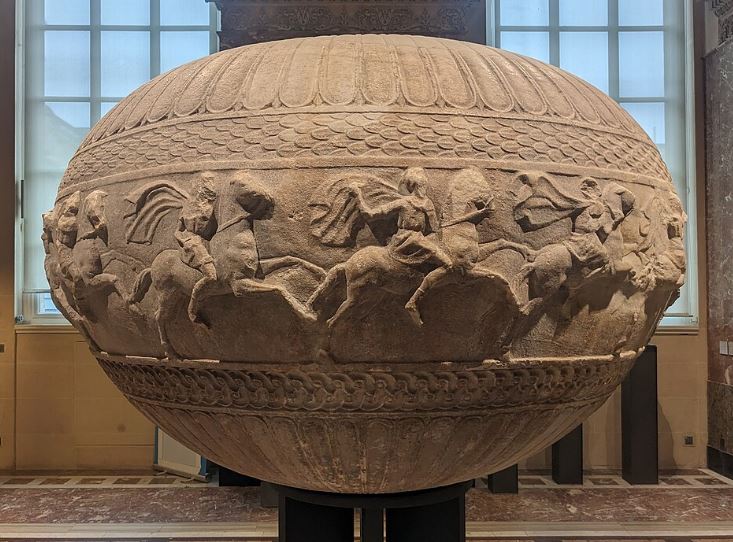
‘Pergamon vase’ (200 BC)

‘The Winged Victory of Samothrace’ (190 BC)

‘Venus de Milo’ (159 – 130 BC)

Martin Schongauer at the Louvre

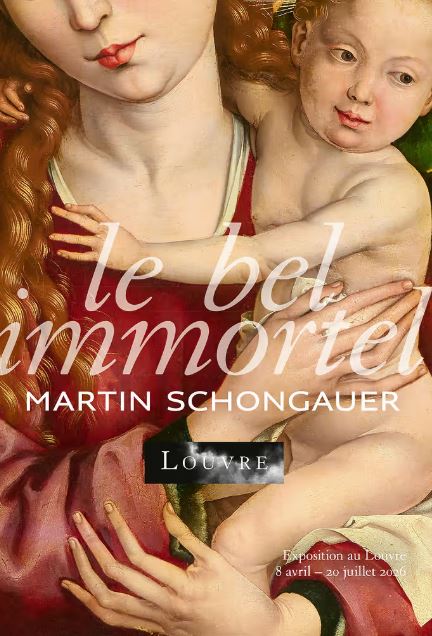
At the Louvre for the exhibition ‘Martin Schongauer. Le bel immortel’. Martin Schongauer, who was born in Colmar around 1445, was one of the most successful Germanic artists of the fifteenth century. Although he is not as well known today as some of his contemporaries such as Albrecht Durer he was extremely influential during his lifetime; in fact, it was Durer who nicknamed him ‘Beautiful Martin’.

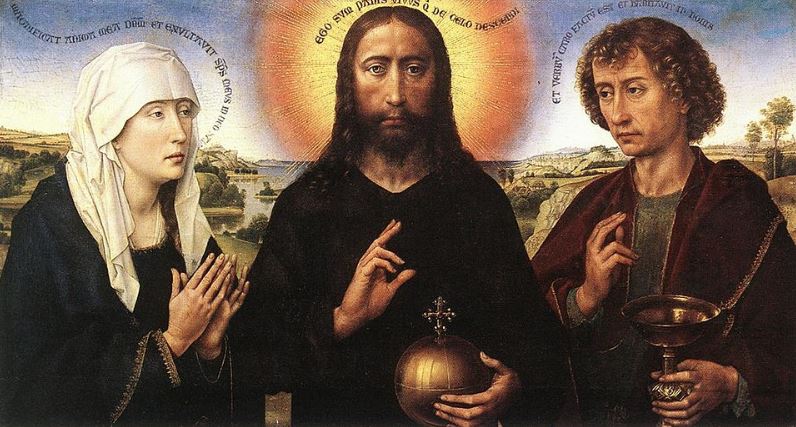
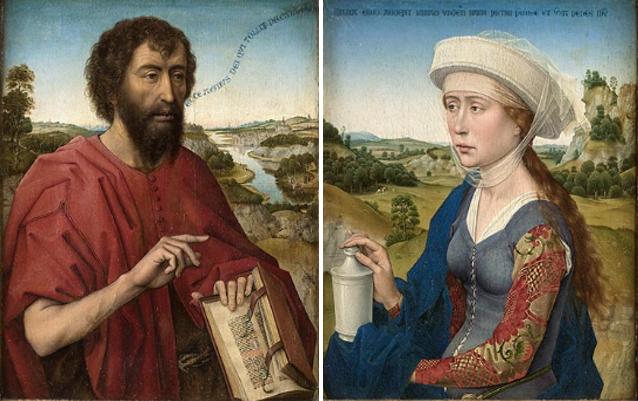
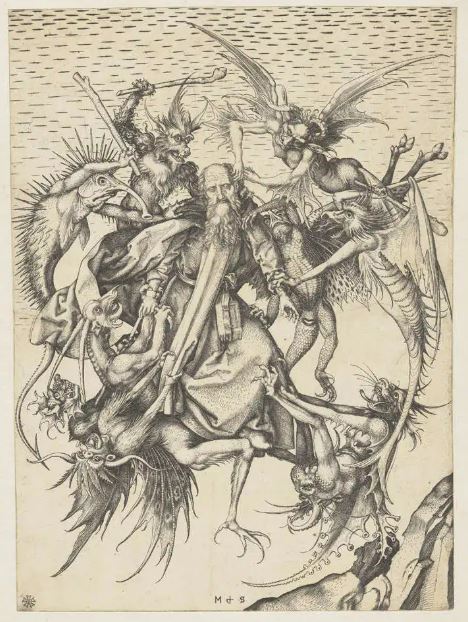
This is the first exhibition to assemble nearly the entire surviving body of Schongauer’s paintings alongside a major selection of his drawings and engravings. It is organized into two major sections. The first retraces the artist’s life, his training and his achievements as both painter and engraver. The second section looks at his extraordinary influence on European artists from the fifteenth to the seventeenth centuries. When Michelangelo was 12 or 13 he made a copy of Schongauer’s ‘The Torment of Saint Anthony’ (c.1469 – 73), an engraving so full of fantastical demonic beasts that it also had an impression on Hieronymus Bosch. Schongauer also had his own influences of course, one of which was Rogier van der Weyden, one of my favourite artists, and it was a treat to see his ‘Braque Family Triptych’ at the exhibition.

Rogier van der Weyden ‘Braque Family Triptych’ (central panel, c.1450)

Rogier van der Weyden ‘Braque Family Triptych’ (side panels, c.1450)

In 1490, when Albrecht Dürer, was 19, he finished his apprenticeship and set off from his native Nuremberg on his Wanderjahre (wandering years). In 1492 he reached Colmar where he hoped to meet Martin Schongauer. But whilst he was warmly received by three of Martin’s brothers, they had to inform him that the artist had died the year before in Breisach am Rhein, where he had been working on murals in Saint Stephansmünster church.

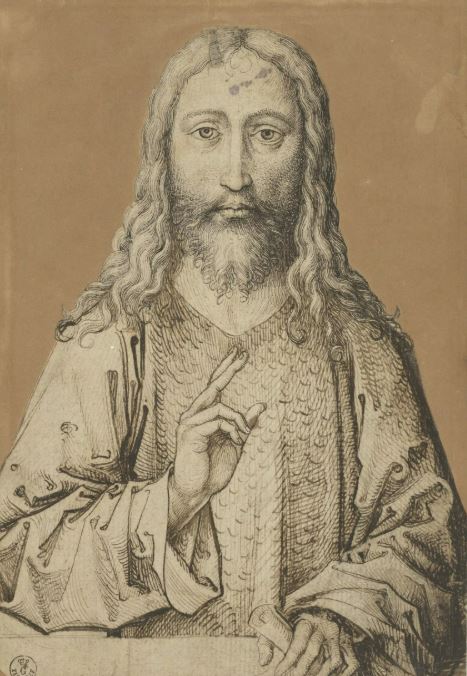
Martin Schongauer ‘Christ Blessing’ (c.1470)

Martin Schongauer ‘Saint Anthony tormented by Demons’ (1470 – 75)

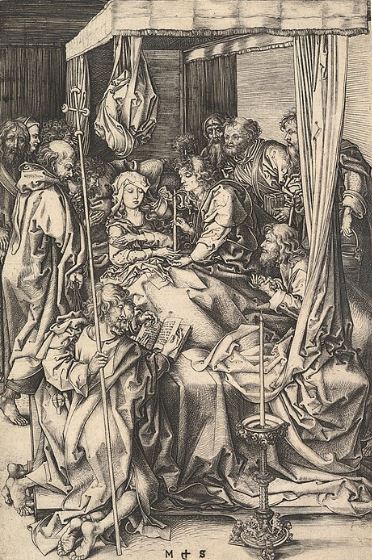
Martin Scongauer ‘The Death of the Virgin’ (1470 – 75)

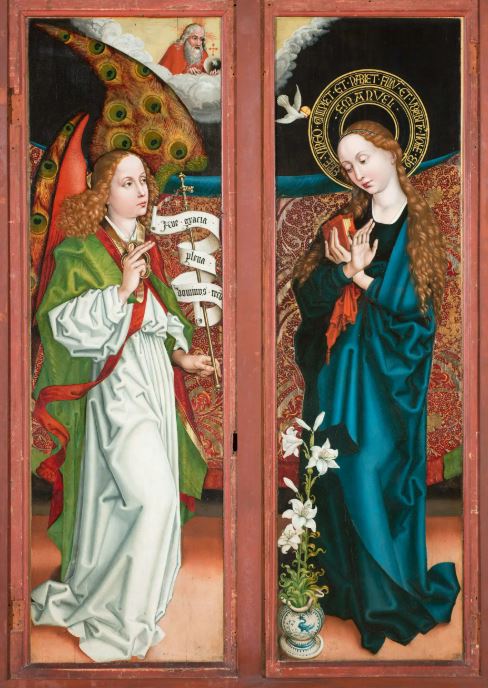
Martin Schongauer ‘Orlier Altarpiece’ open (c.1472)

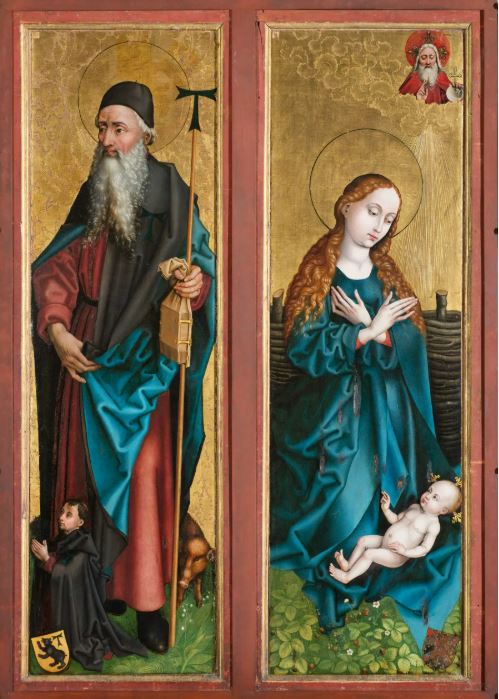
Martin Schongauer ‘Orlier Altarpiece’ closed (c.1472)

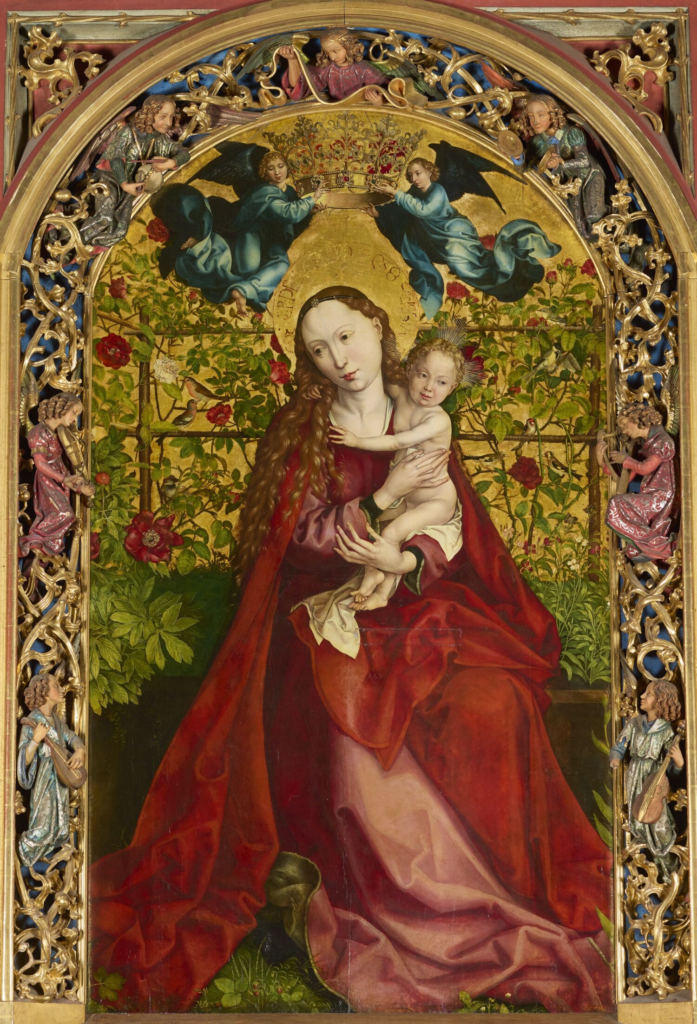
Martin Schongauer ‘Madonna of the Rose Bower’ (1473)

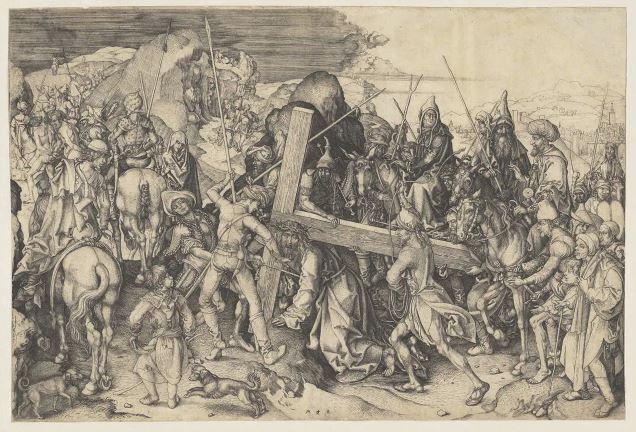
Martin Scongauer ‘The Great Procession of the Cross’ (c.1479)

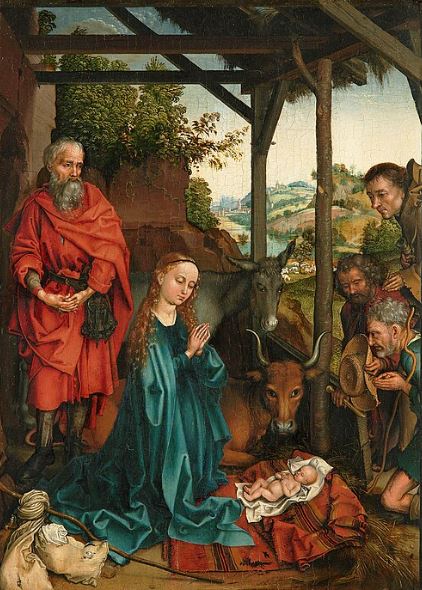
Martin Scongauer ‘The Nativity with the Adoration of the Shepherds’ (c.1480)

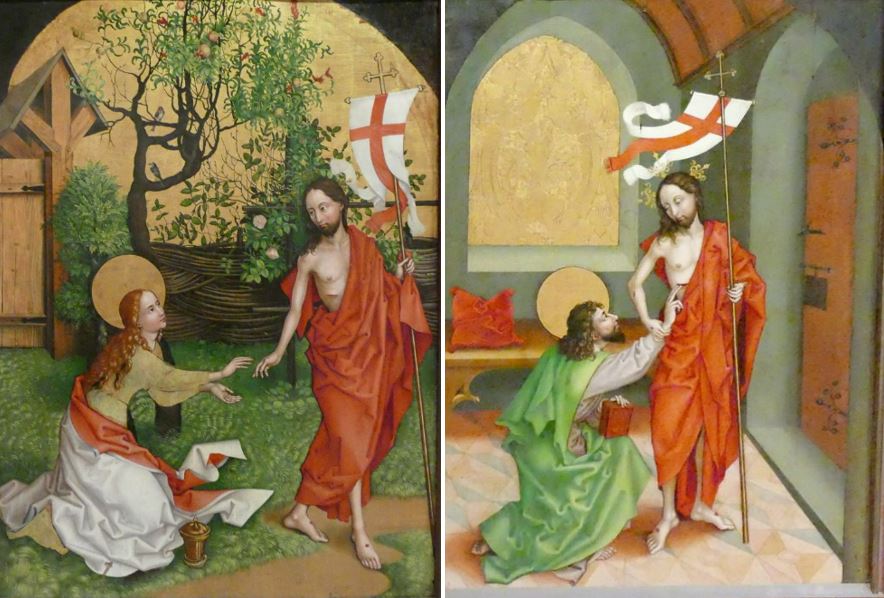
Martin Schongauer ‘Noli mi tangere’ (1480)

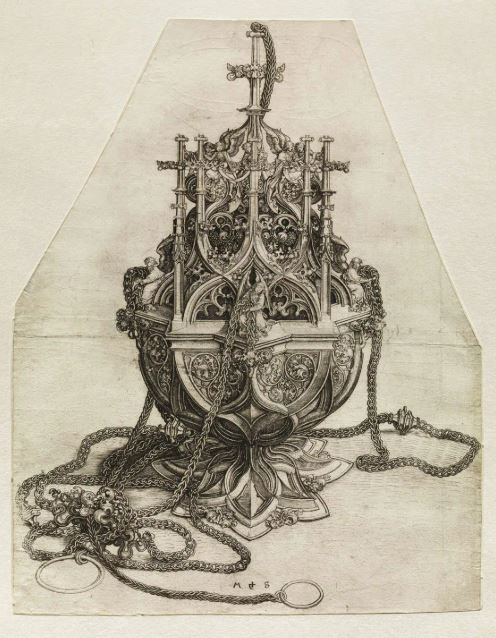
Martin Schongauer ‘The Thurible’ (c.1485)

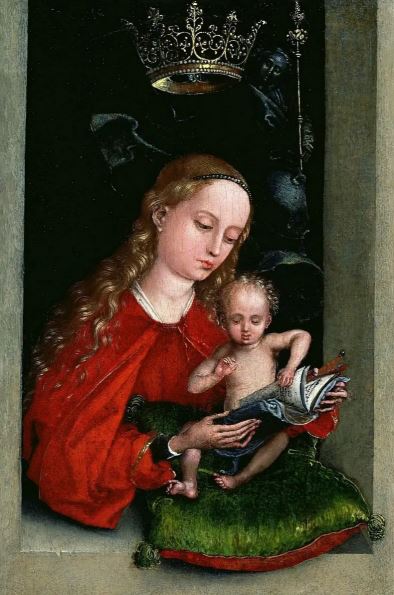
Martin Schongauer ‘Madonna and Child in the Window’ (c.1485 – 90)

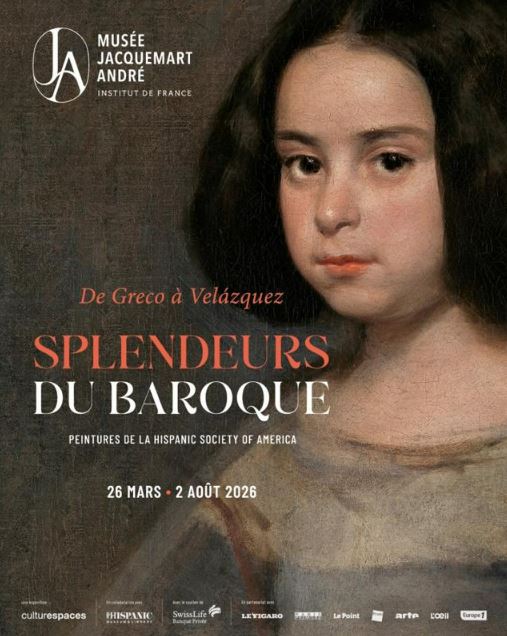
Baroque Splendours. From El Greco to Velázquez.

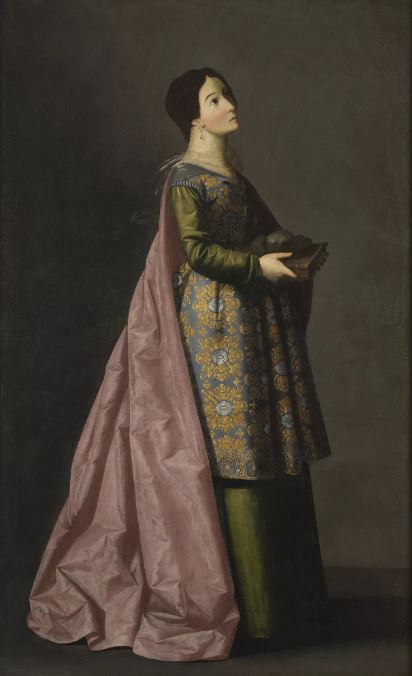
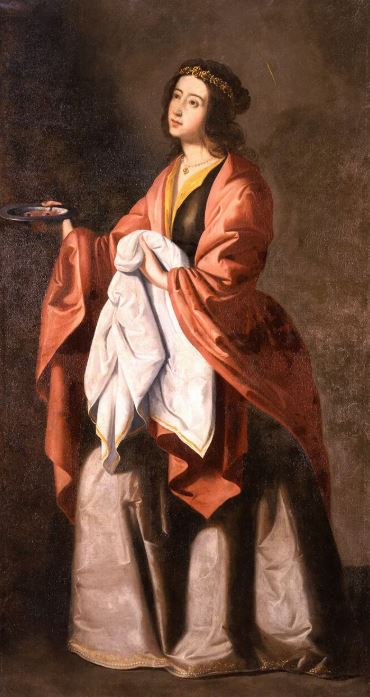
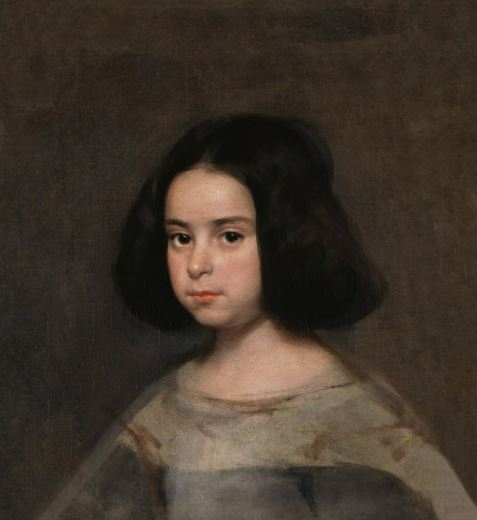
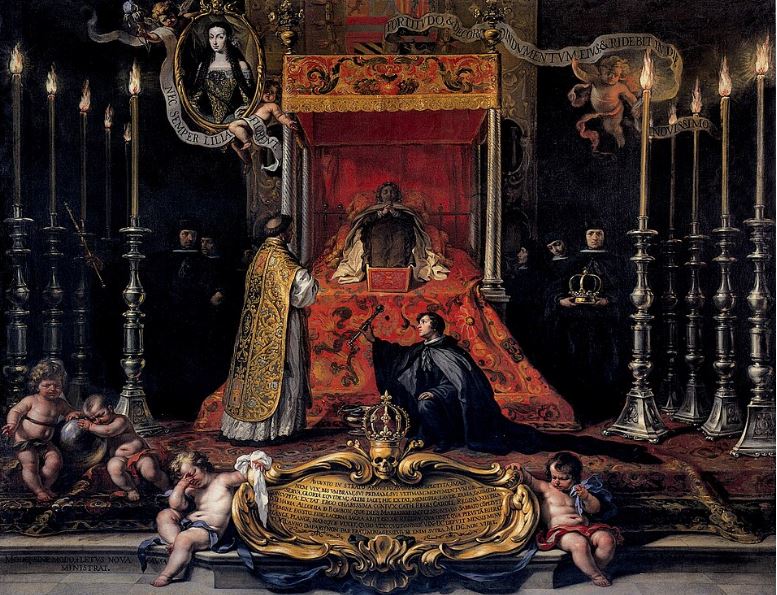
A few days in Paris for some excellent exhibitions, starting at the Musée Jacquemart-André for an exhibition of Hispanic Baroque painting, featuring Golden Age artists including El Greco, Francisco de Zurbarán and Diego Velázquez.

The exhibition was organized in collaboration with the Hispanic Society of America in New York and is part of a collection that has been on tour at various locations throughout the USA and Europe. It was, therefore, a little disappointing to find that at its sole appearance in France the exhibition only comprised some forty paintings, whereas when it appeared at the Prado, Madrid and the Royal Academy, London there were around 200 items, including paintings, sculpture and ceramics from a much wider time period. Nevertheless, what was on display was fascinating to see and there were some excellent examples of Spanish baroque painting.

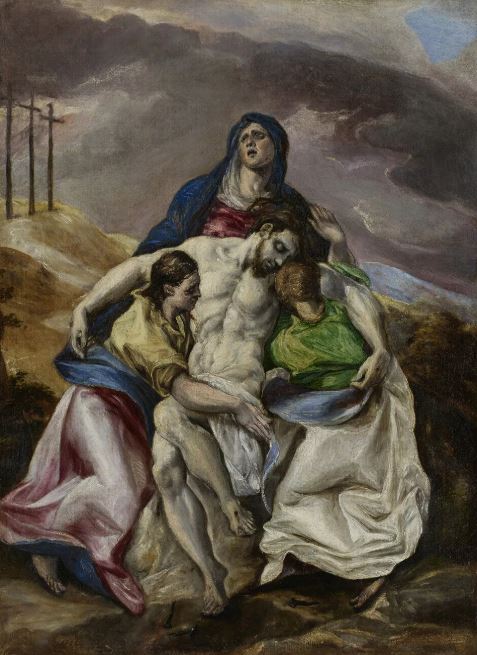
El Greco ‘Pietà’ (c.1574 – 76)

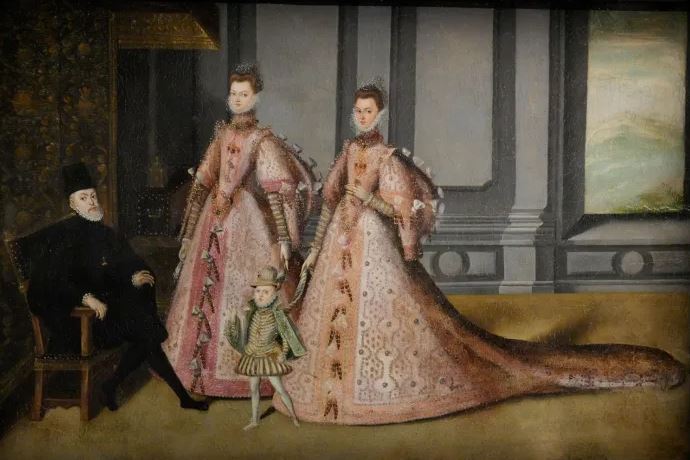
Anonymous Spanish artist ‘Philippe II et ses enfants’ (c.1581 – 84)

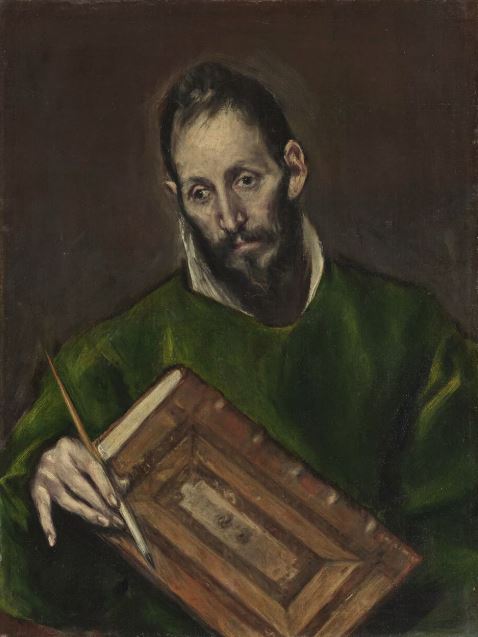
El Greco ‘Saint Luke’ (c.1590)

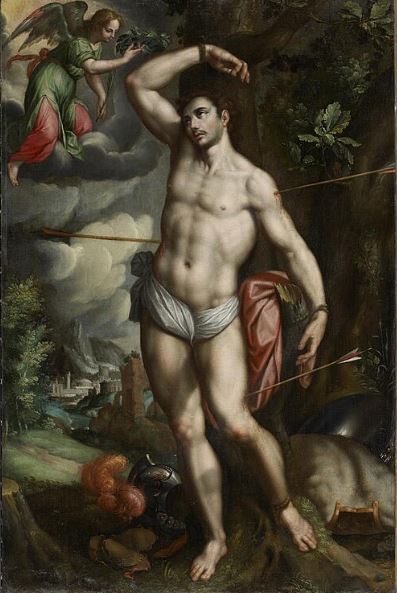
Alonso Vazquez ‘Saint Sebastien’ (c.1603 – 07)

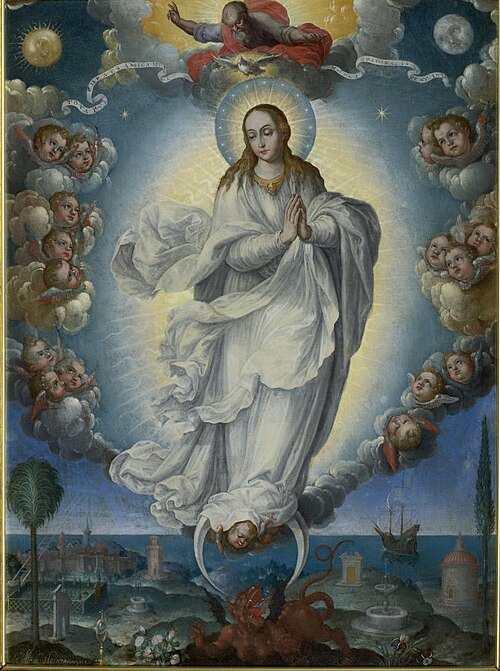
Fray Alfonso López de Herrera ‘Immaculée Conception’ (1640)

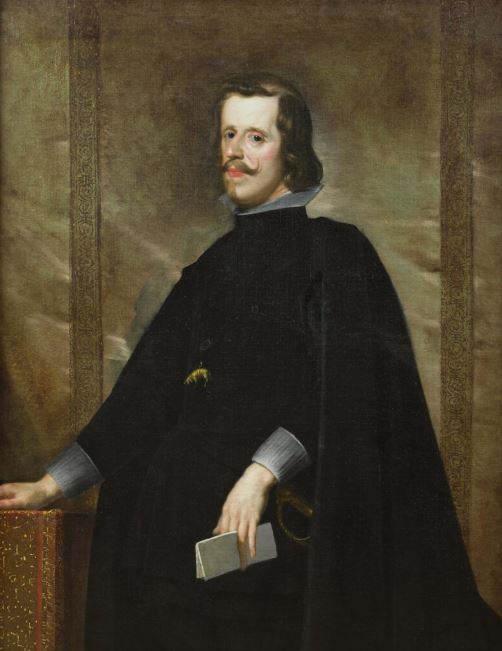
Juan Carreño de Miranda ‘Portrait of Philippe IV, roi d’Espagne’ (c.1645 – 50)

Francisco de Zurbarán ‘Saint Emerentiana’ (c.1635 – 40)

Francisco de Zurbarán ‘Saint Lucy’ (c.1630)

Diego Velázquez ‘Portrait of a Little Girl’ (c.1638 – 42)

Sebastian Munoz ‘Marie-Louise d’Orleans en chapelle ardente’ (1689 – 90)

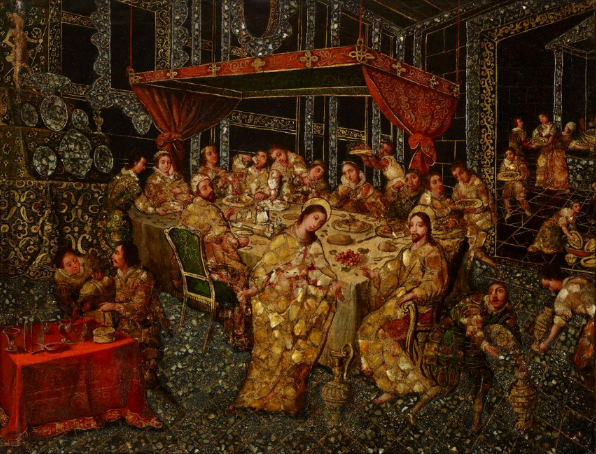
Nicholás Correa ‘Les Noces de Cana’ (1696)