Matisse and Malevich at Tate Modern, London

At Tate Modern in London for two excellent exhibitions.  First was ‘Henri Matisse: Cut- Outs’. When Matisse was prevented from painting by ill health he took to cutting out shapes from painted paper and invented a new medium. This was a once in a lifetime opportunity to see so many of these works together and it was a major triumph.

Matisse Cut Outs

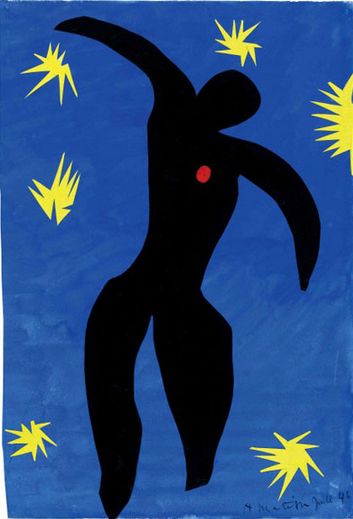
Matisse 'Icarus' (1943 - 44)

Henri Matisse ‘Icarus’ (1943 – 44)

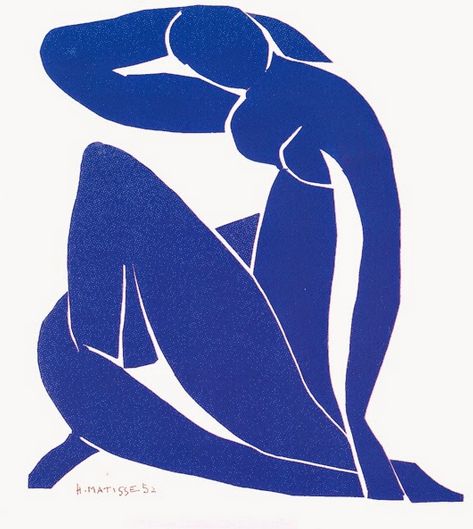
Matisse Blue Nude II (1952)

Henri Matisse Blue Nude II (1952)

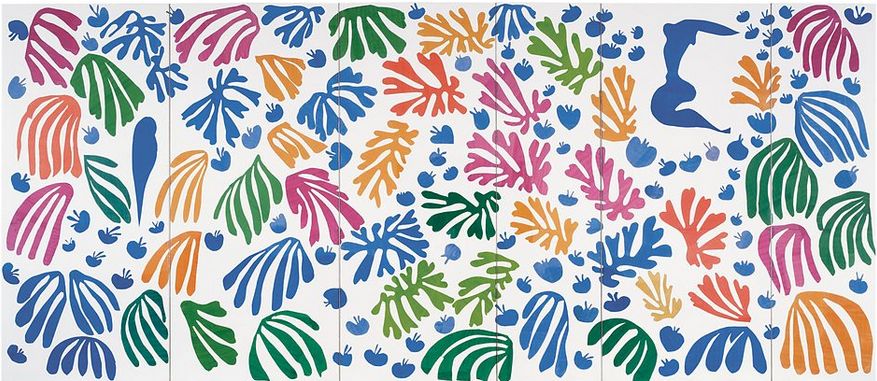
Matisse 'The Parakeet and the Mermaid' (1952)

Henri Matisse ‘The Parakeet and the Mermaid’ (1952)

Matisse 'The Snail' (1953)

Henri Matisse ‘The Snail’ (1953)

The second exhibition was a wonderful retrospective of the career of Kazimir Malevich. Malevich was an extremely influential artist whose experiments led him to the invention of Suprematism, epitomised by the infamous ‘Black Square’. The exhibition started with his early Russian landscapes and paintings of peasant workers, continued through the abstract Suprematist works and ended with his return to figurative painting in his later life.

Malevich exhibition

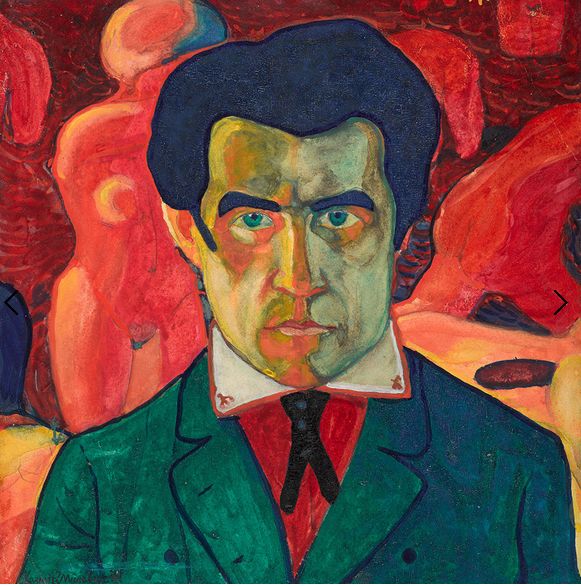
Malevich 'Self Portrait' (1908 - 10)

Kazimir Malevich ‘Self Portrait’ (1908 – 10)

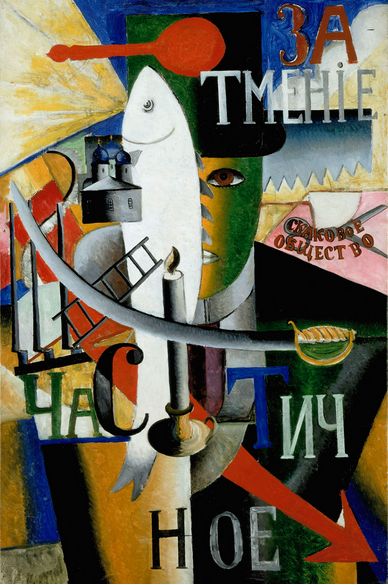
Malevich 'An Englishman in Moscow' (1914)

Kazimir Malevich ‘An Englishman in Moscow’ (1914)

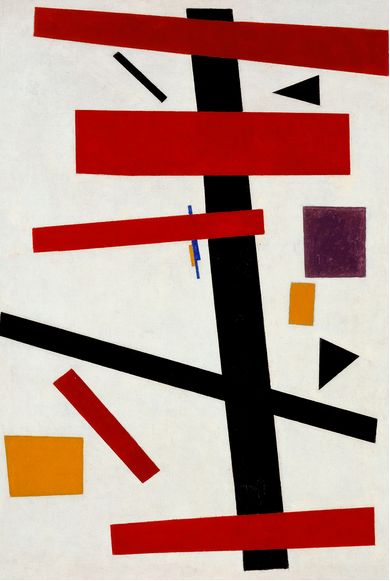
Malevich 'Supremus No 50' (1915)

Kazimir Malevich ‘Supremus No 50’ (1915)

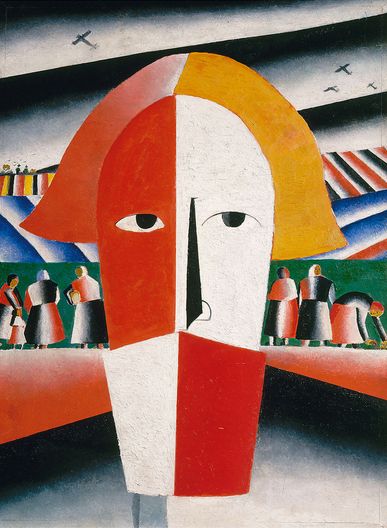
Malevich 'Head of a Peasant' (1928 - 29)

Kazimir Malevich ‘Head of a Peasant’ (1928 – 29)

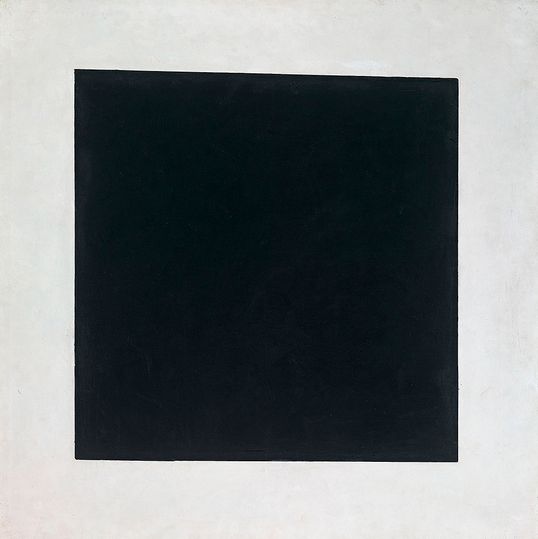
Malevich 'Black Square' (1929)

Kazimir Malevich ‘Black Square’ (1929)

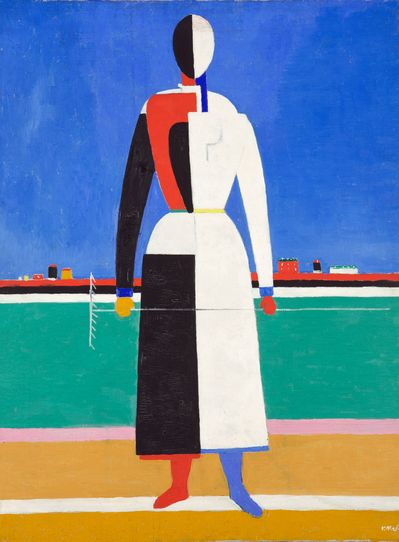
Malevich 'Woman with Rake' (1930 - 32)

Kazimir Malevich ‘Woman with Rake’ (1930 – 32)

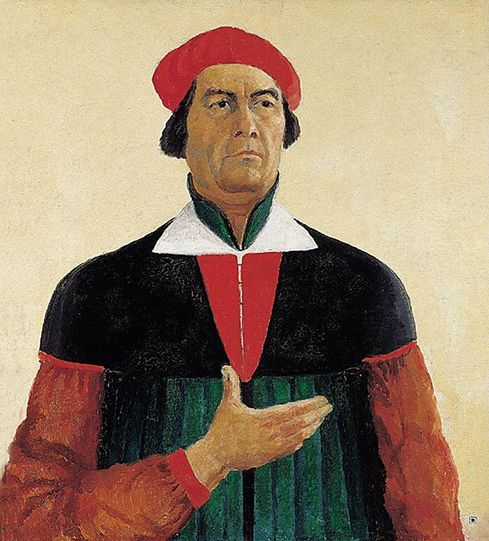
Malevich 'Self Portrait' (1933)

Kazimir Malevich ‘Self Portrait’ (1933)
 

Royal Concertgebouw Orchestra in Ljubljana

Ljubljana Festival

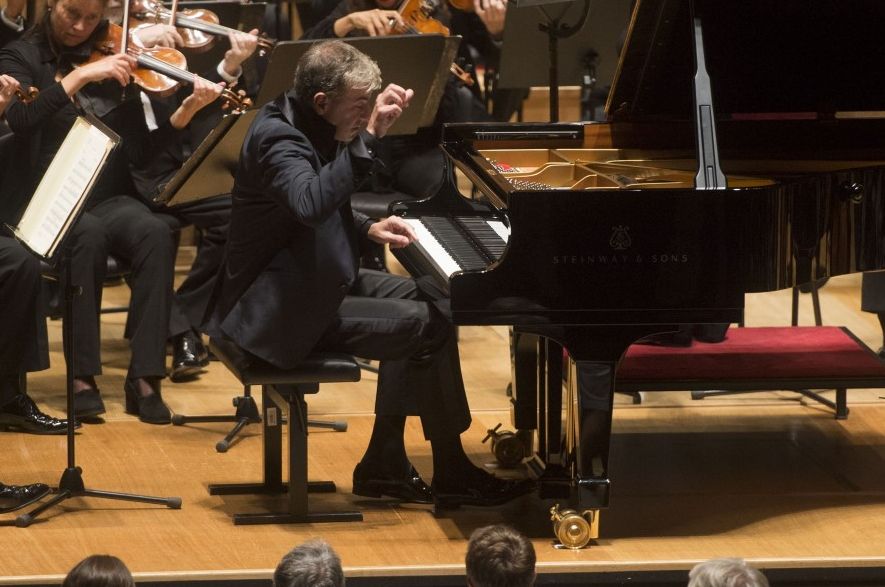
In Ljubljana, Slovenia for a concert by one of the world’s great orchestras, the Royal Concertgebouw of Amsterdam under the baton of Mariss Jansons.  Starting with Brahms ‘Variations on a Theme by Haydn’, the first half was completed by an immaculate performance of Shostakovich’s ‘Symphony no. 1’ The second half began with a wonderful performance of Ravel’s ‘Concerto for Piano and Orchestra in G Major’ with the great French pianist Jean-Yves Thibaudet. The concert finale was an amazing rendition of Ravel’s ‘Daphnis et Chloé Suite no. 2’.

Jean Yves Thiboudet

Jean-Yves Thibaudet

‘Cézanne et la Modernité’ in Aix-en-Provence

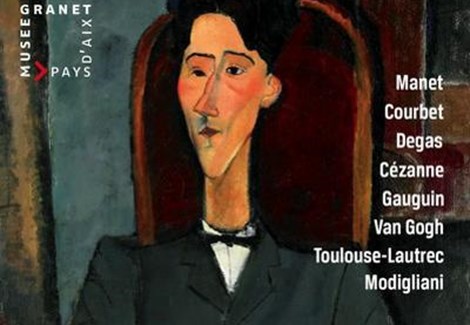
Cézanne et la Modernité

At the Musée Granet, Aix-en-Provence to see the excellent ‘Cézanne et la Modernité’ exhibition, showing the collection formed by Henry and Rose Pearlman, with masterpieces by some of the greatest artists of the Impressionist and Post-Impressionist movements. A wonderful  group of paintings and watercolours by Paul Cézanne, as well as paintings and sculptures by artists including Paul Gauguin, Henri de Toulouse-Lautrec, Edouard Manet, Vincent van Gogh, Jacques Lipchitz, Edgar Degas and Amedeo Modigliani.

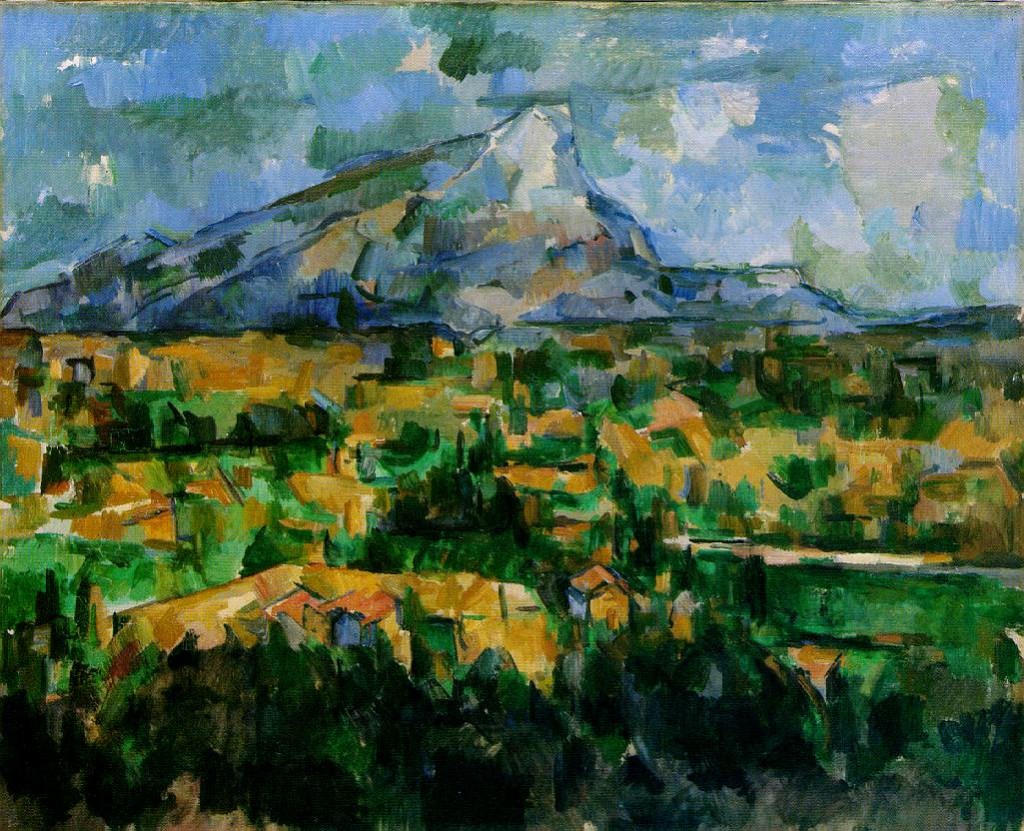
Paul Cézanne Mont Sainte-Victoire, c.1902

Paul Cézanne ‘Mont Sainte-Victoire’ (c.1902)

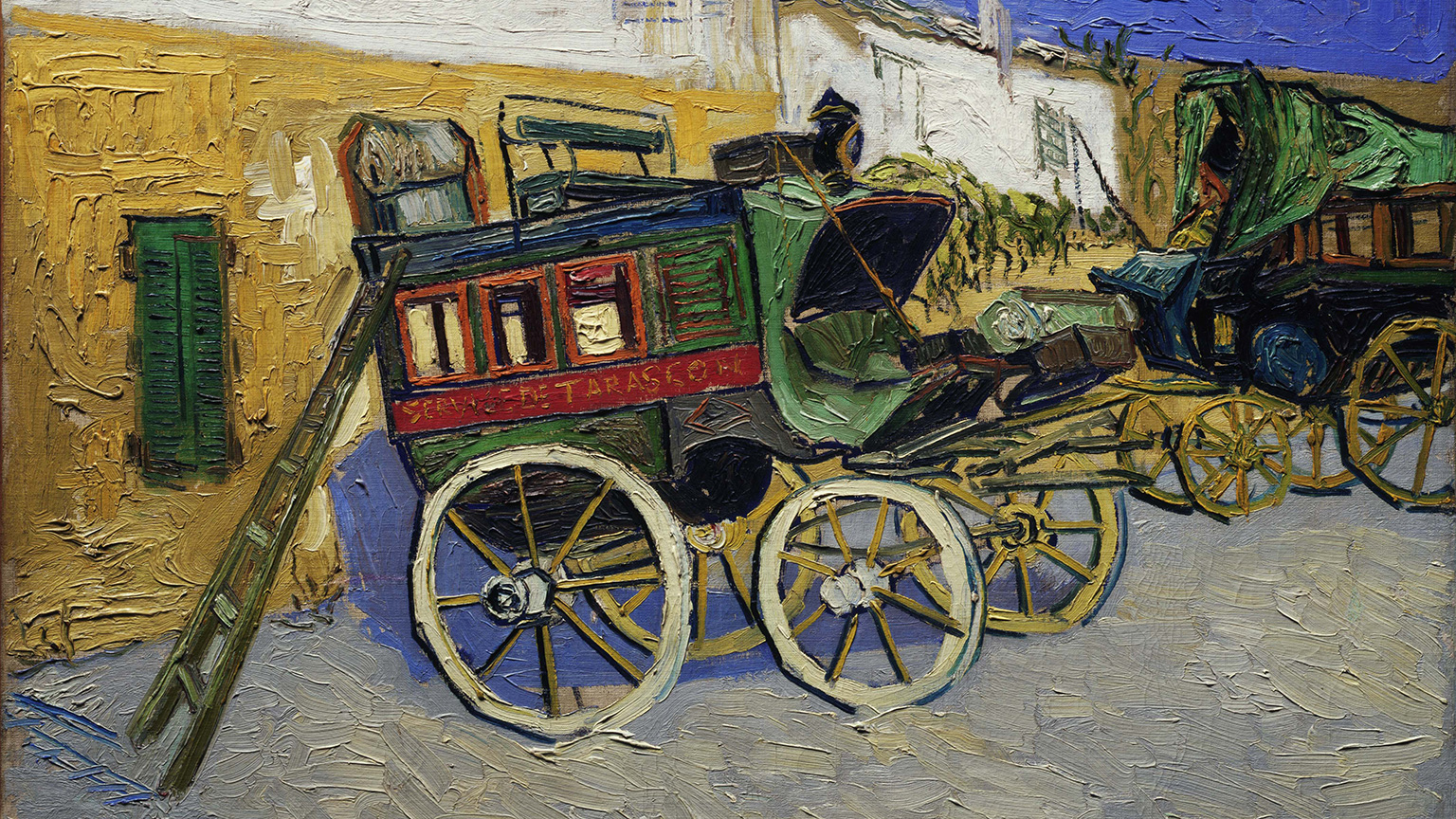
Vincent van Gogh Tarascon Stage Coach (1888)

Vincent van Gogh ‘Tarascon Stage Coach’ (1888)

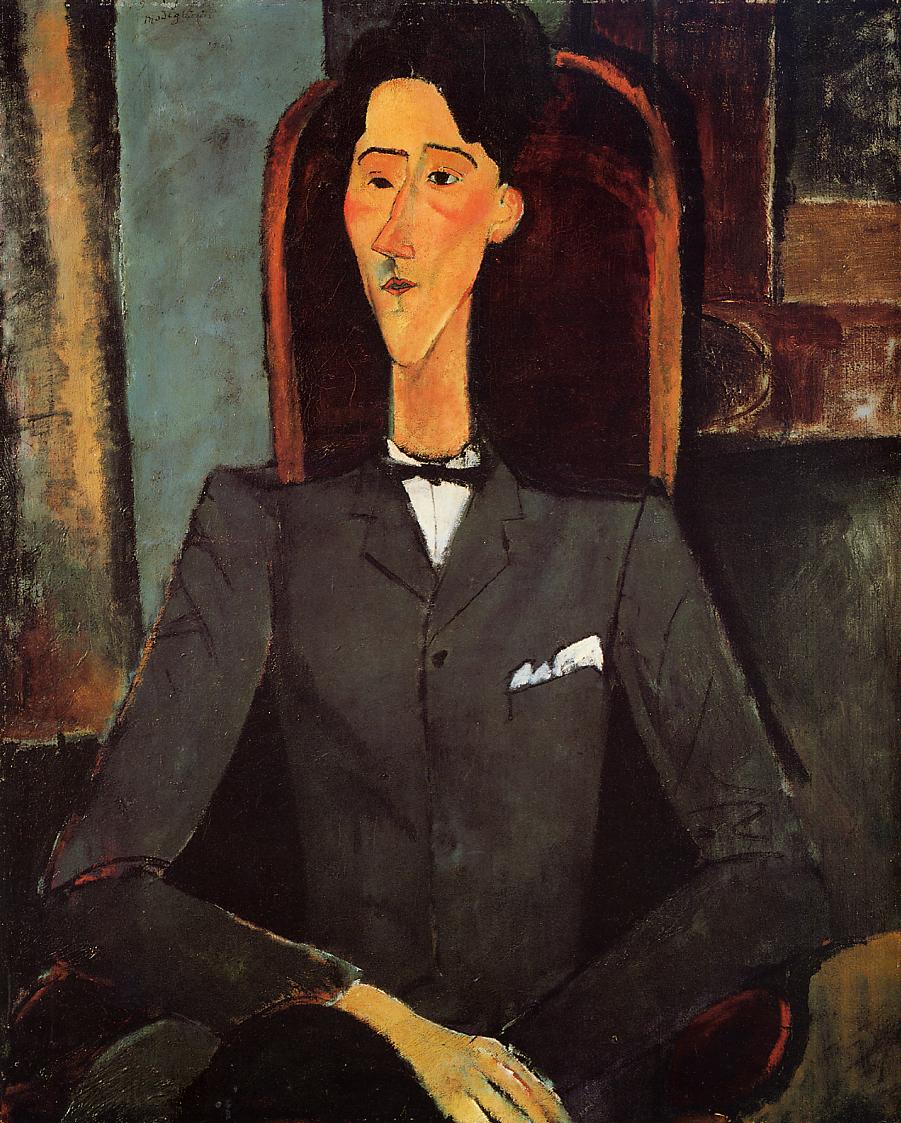
Amedeo Modigliani Portrait of Jean Cocteau (1917)

Amedeo Modigliani ‘Portrait of Jean Cocteau’ (1917)

Musée National d’Art Moderne in the Pompidou Centre

At the Musée National d’Art Moderne in the Pompidou Centre, Paris, to see ‘Multiple Modernities, 1905 – 1970’. The Museum has the second largest collection of modern and contemporary art in the world, with works representing Fauvism, Cubism, Expressionism, Dada and Surrealism.

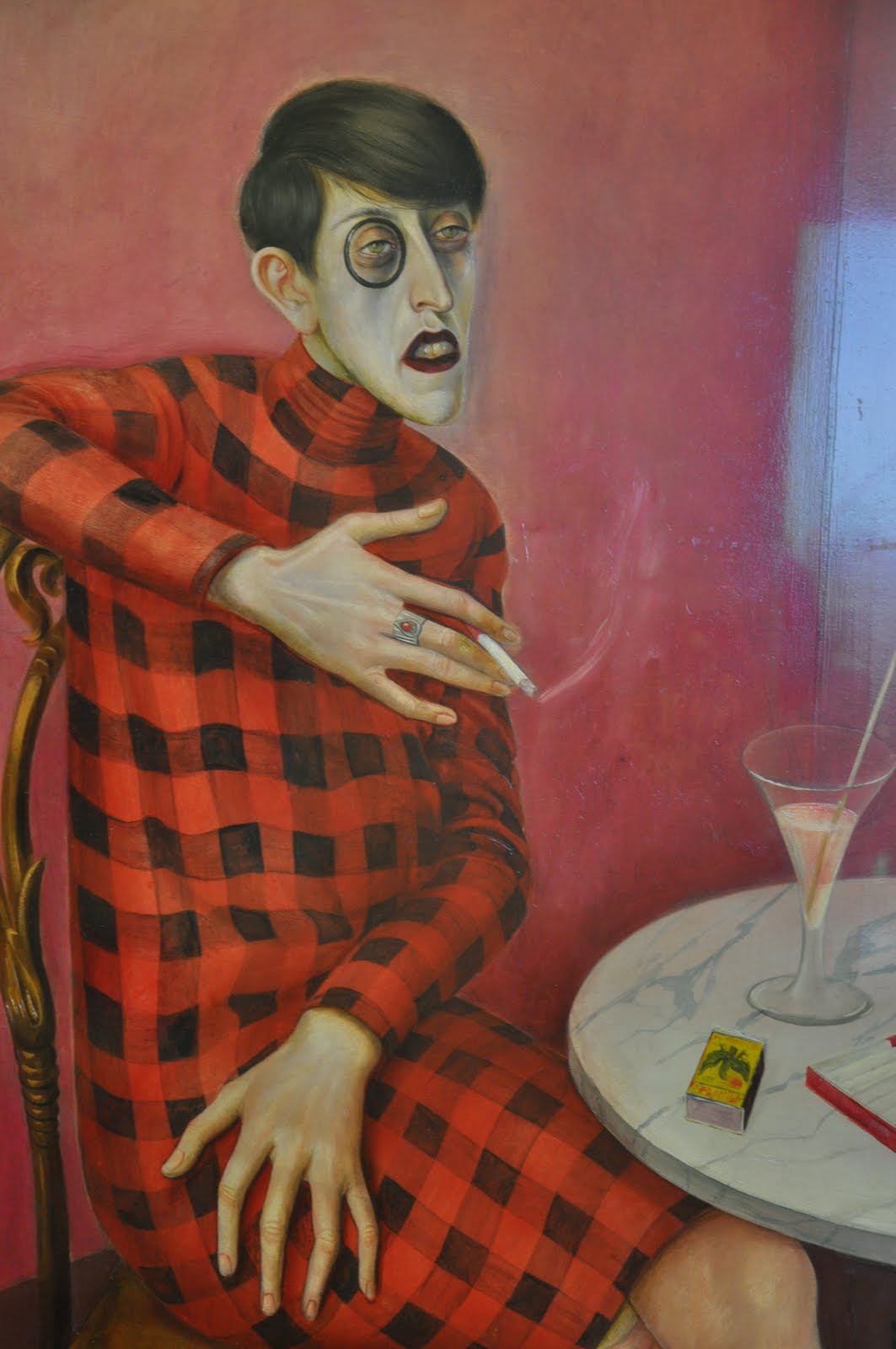
Otto Dix

Otto Dix ‘Portrait of the Journalist Sylvia von Harden’ (1926)

Otto Dix A Memory of the Glass House in Brussels (1920)

Otto Dix ‘A Memory of the Glass House in Brussels’ (1920)

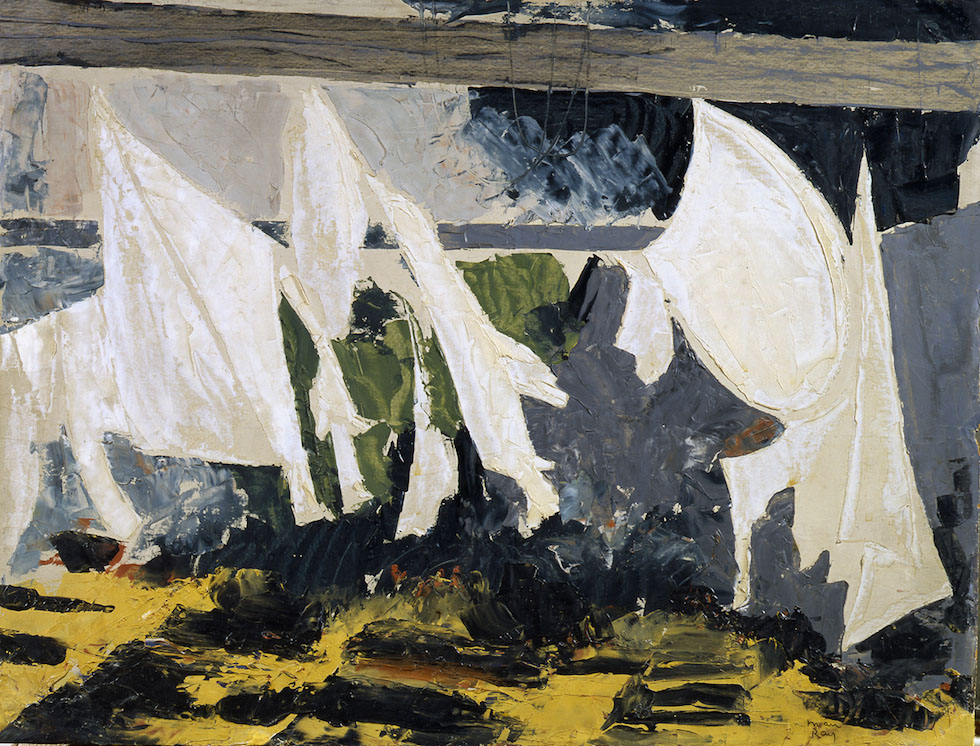
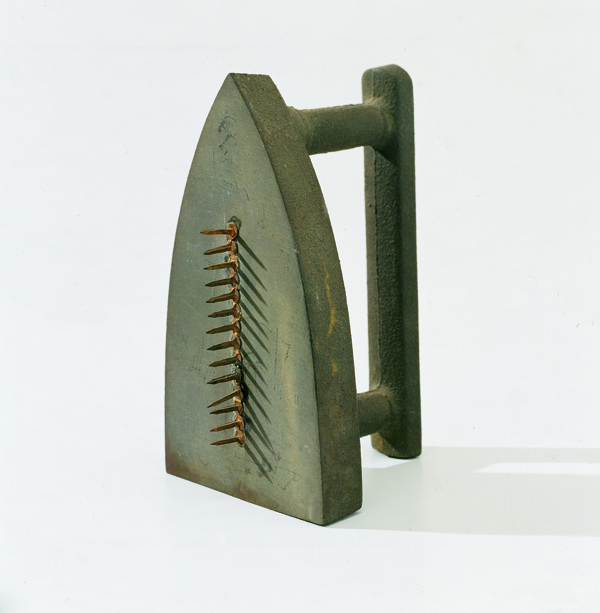
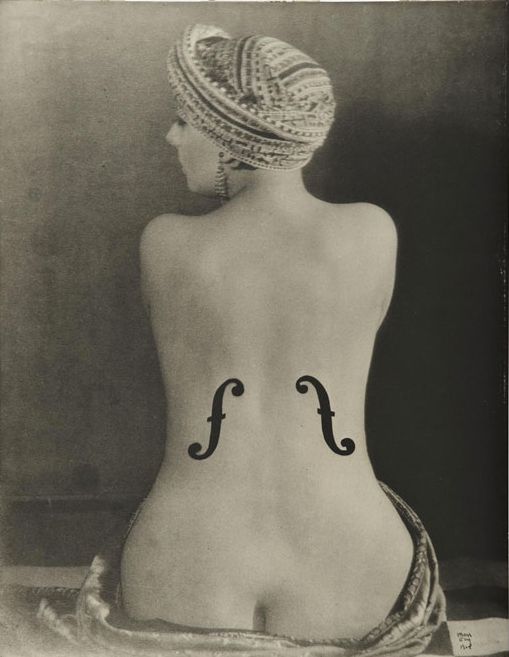
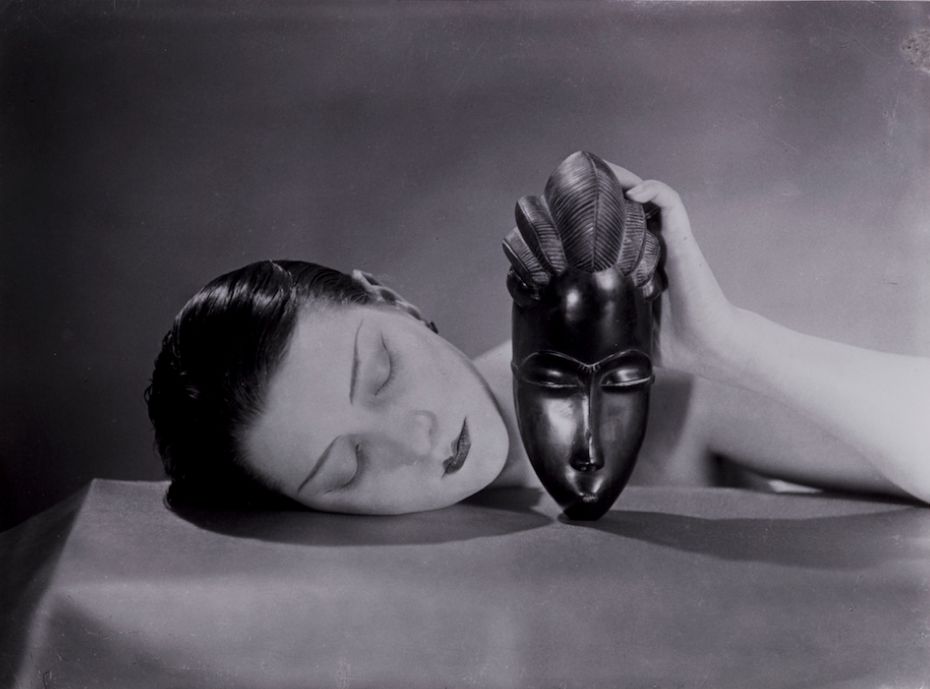
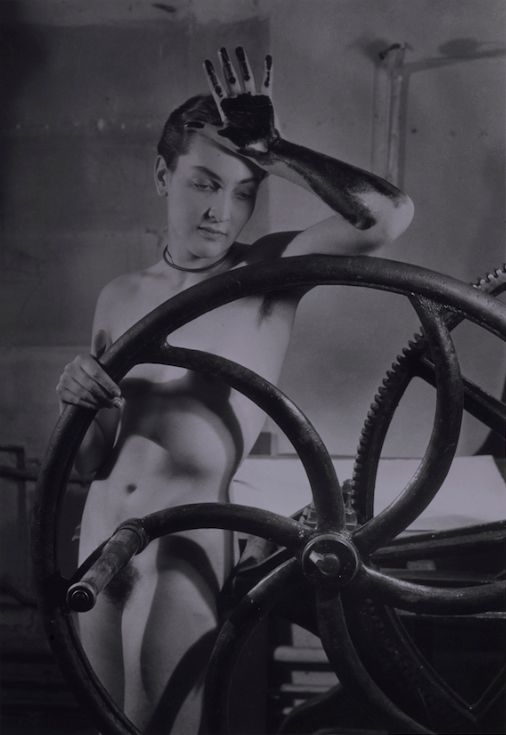
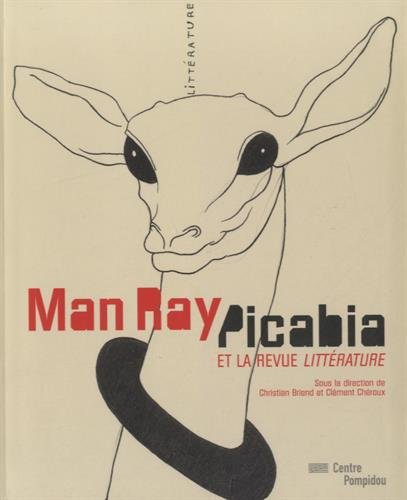
Also being shown was ‘Man Ray, Picabia et la Revue Littérature’, a fascinating account of the periodical of the Surrealist movement which was published from 1922 to 1924.

Man Ray Picabia

Musée d’Orsay, Paris

A visit to Musée d’Orsay, Paris, particularly to see works by the French realist artists Honoré Daumier, Gustave Courbet and Jean-Francois Millet. It was also an opportunity to see works by Symbolist and Neo-Impressionist artists such as Odilon Redon, Maurice Denis, Georges Seurat and Paul Signac.

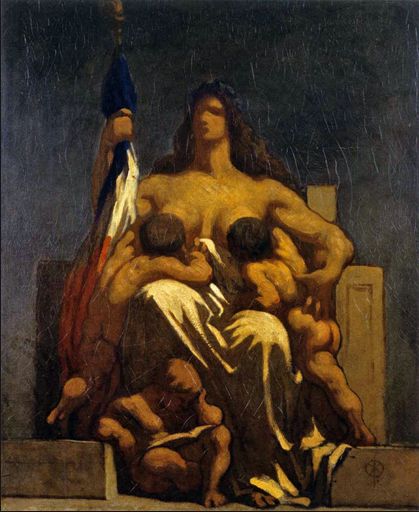
Daumier The Republic

Honoré Daumier ‘The Republic’ (1848)

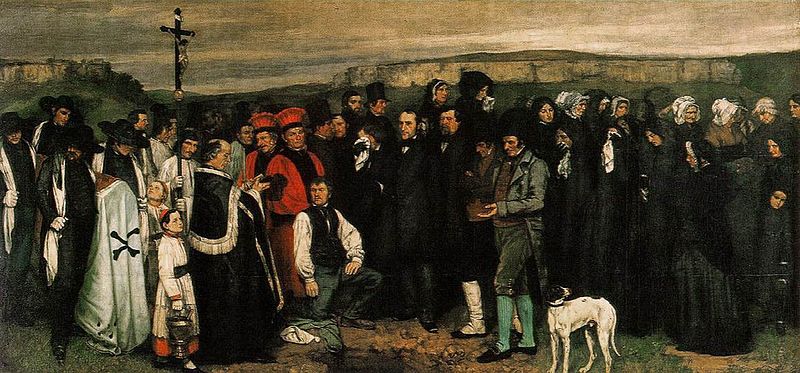
Gustave_Courbet_-_Burial_at_Ornans (1849 - 50)

Gustave Courbet ‘Burial at Ornans’ (1849 – 50)

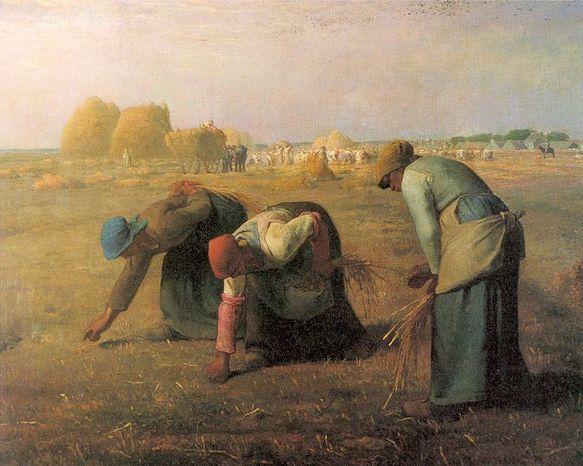
Jean-François Millet 'The Gleaners' (1857)

Jean-François Millet ‘The Gleaners’ (1857)

‘Les Ballets Suédois’ at Opera Garnier

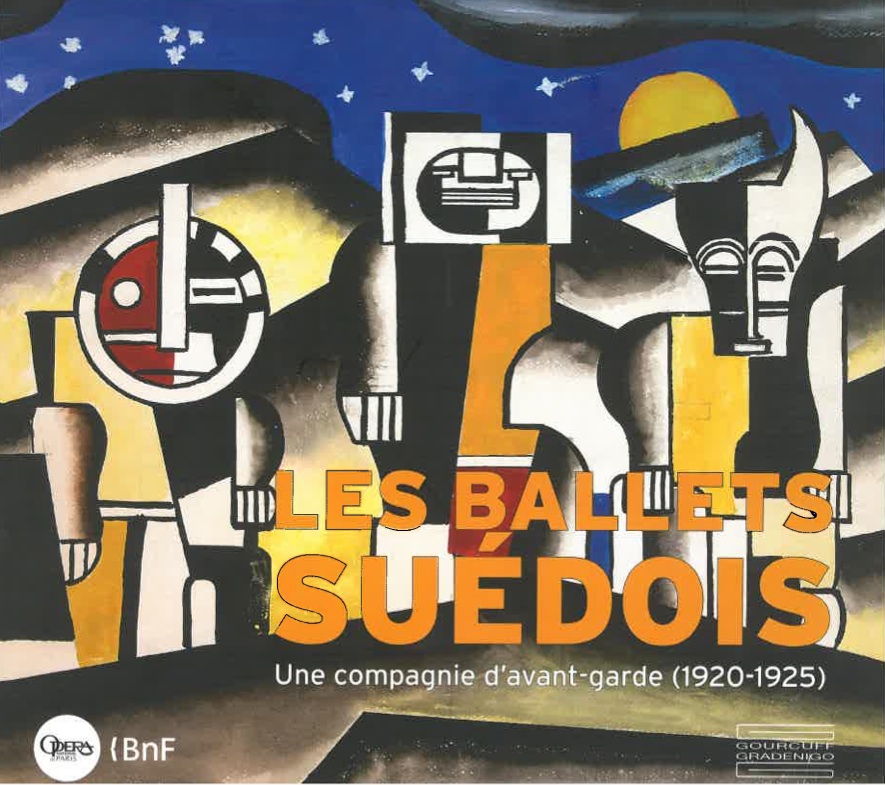
At Opera Garnier to see a fascinating exhibition entitled ‘Les Ballets Suédois – An Avant-Garde Company, 1920 – 1925.’ Les Ballets Suédois appeared in Paris around the same time as the better known Ballets Russes. However, they were able to work with artists such as Fernand Léger, Giorgio De Chirico and Francis Picabia and writers including Jean Cocteau.

Les Ballets Suédois

Musée de l’Orangerie, Paris

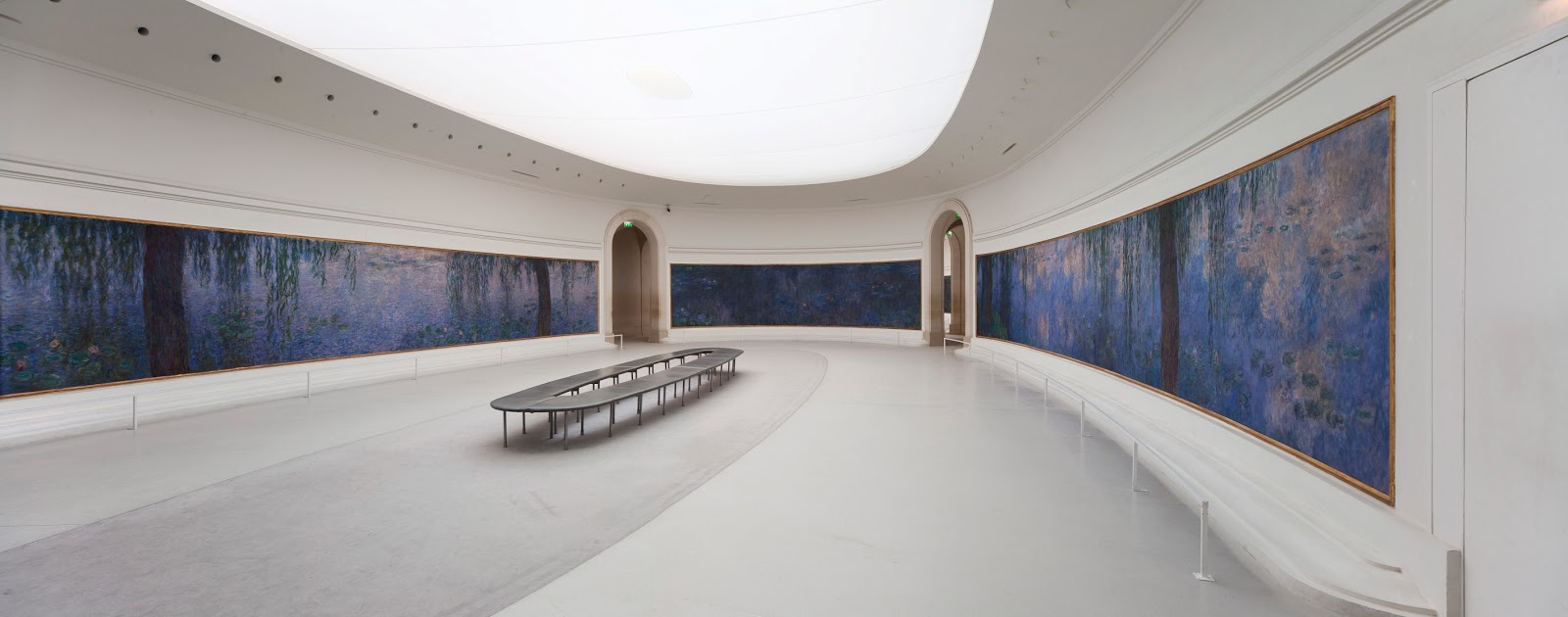
At the Musée de l’Orangerie, Paris to see the magnificent ‘Water Lilies’ series by Claude Monet and the Walter – Guillaume Collection of Modern Art.

Monet began working on the paintings of his water garden at Giverny in 1914 and continued painting them until his death in 1926. He donated them to France after the First World War and they are now exhibited in two specially constructed oval rooms. 

Monet L'Orangerie Paris

Claude Monet ‘Water Lilies’ (1914 – 1918) 

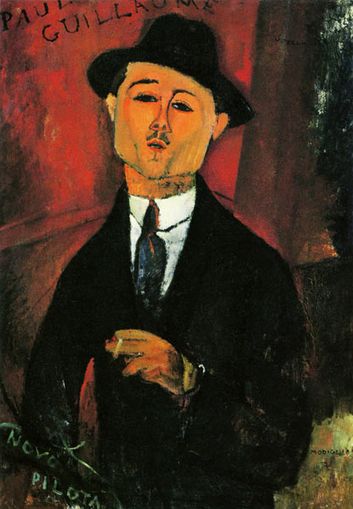
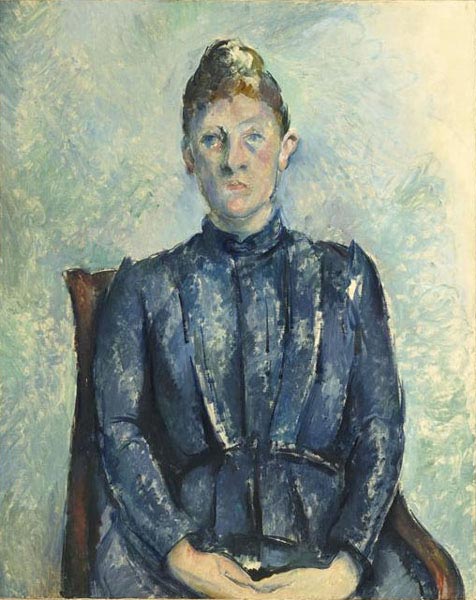
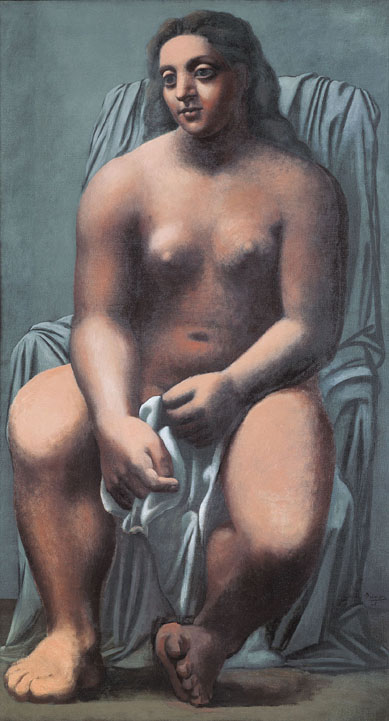
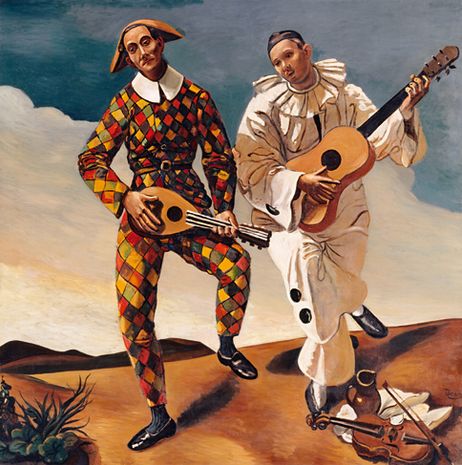
Paul Guillaume (1891 – 1934) was a collector and art dealer who represented some of the most important artists of the avant-garde in the early twentieth century. His own excellent collection was sold to the French state by his widow and it contains superb examples of the work of Cezanne, Renoir, Modigliani, Picasso, Matisse and Derain among others.

Modigliani Portrait of Paul Guillaume (1915)

Amadeo Modigliani ‘Paul Guillaume’ (1915) 

Paul Cézanne Portriat of Madame Cézanne (c.1890)

 Paul Cézanne ‘Portrait of Madame Cézanne’ (c.1890)

W11051-1A

Pablo Picasso ‘Large Bather’ (1921)

André Derain Harlequin et Pierrot (1924)

André Derain ‘Harlequin and Pierrot’ (1924)

A Postcard from Collioure

In the summer of 1905 Henri Matisse and André Derain stayed and worked together in Collioure, in south-west France, near the Spanish border, developing what became known as the Fauvist style. They painted views of the town, the boats in the harbour, portraits of each other, and Matisse painted ‘The Open Window’.

Matisse View of Collioure

Henri Matisse ‘View of Collioure’ (1905)